Plage de Mannar
La plage de Mannar, située sur la côte nord-ouest de Sri Lanka, est connue pour sa beauté intacte, ses vastes plages de sable et son ambiance tranquille. Cette plage offre une expérience côtière unique et isolée, idéale pour les voyageurs cherchant à échapper aux endroits touristiques plus fréquentés et à s'immerger dans la beauté naturelle.
Isolée et sereine
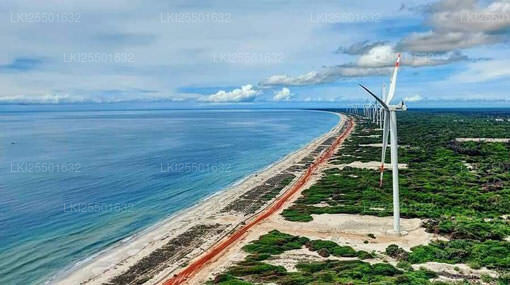
La plage de Mannar présente de longues étendues de sable doré intact et des eaux claires et calmes. L'emplacement isolé de la plage assure une atmosphère paisible, parfaite pour ceux qui recherchent la solitude et la relaxation, loin des zones touristiques animées.
Pêche et culture locale
La pêche est une partie intégrante de la vie à Mannar, et les visiteurs peuvent voir les pêcheurs locaux travailler avec des méthodes traditionnelles. La région est riche en culture locale et offre des occasions de découvrir la vie quotidienne et les coutumes des communautés côtières.
Sites historiques et culturels
La ville voisine de Mannar offre plusieurs attractions historiques et culturelles :
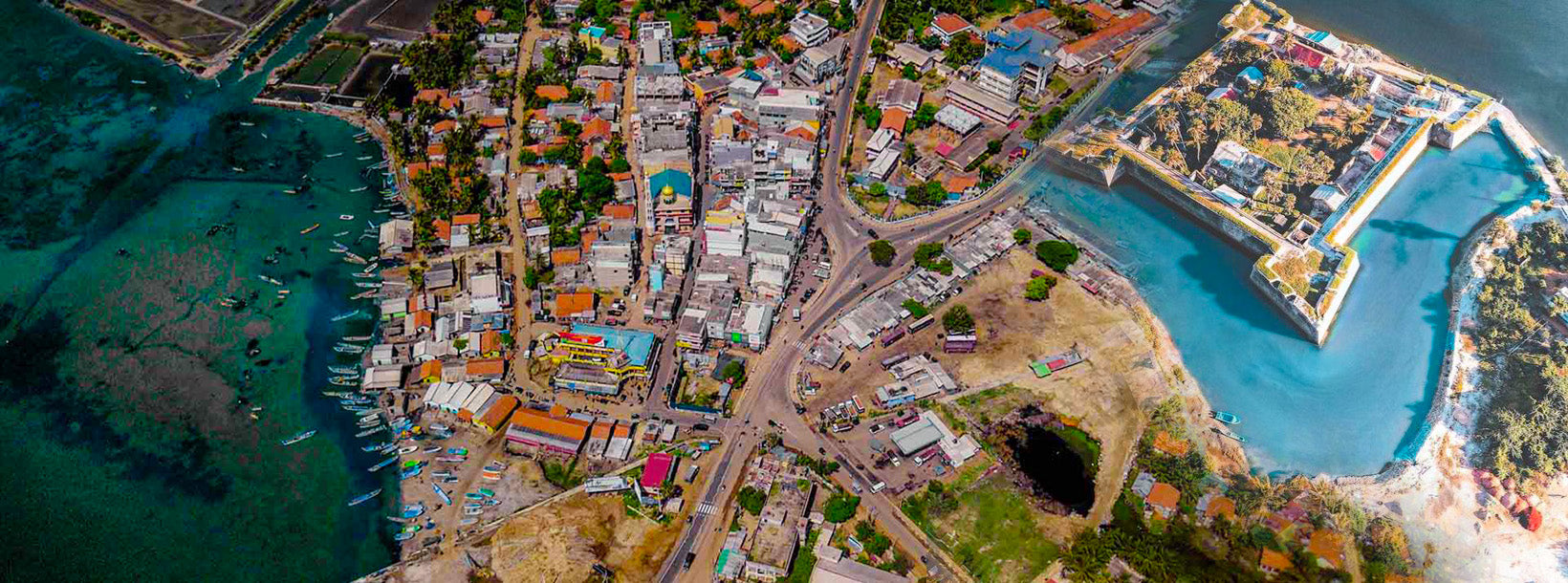
- Fort de Mannar : Construit par les Portugais au 17ème siècle et plus tard agrandi par les Néerlandais, ce fort offre un aperçu du passé colonial de la région et offre des vues panoramiques sur la région environnante.
- Arbre de Baobab : Un arbre de baobab inhabituel et impressionnant situé dans la région de Mannar, qui est l'un des rares de ce type à Sri Lanka. Cet arbre est devenu un point de repère local et offre une occasion unique de prendre des photos.
- Pont d'Adam (Pont de Rama) : Bien qu'il ne soit pas directement sur la plage, le proche Pont d'Adam est un site historique d'intérêt, considéré comme une chaîne de bancs de calcaire qui reliait autrefois Sri Lanka à l'Inde.
Faune et observation des oiseaux
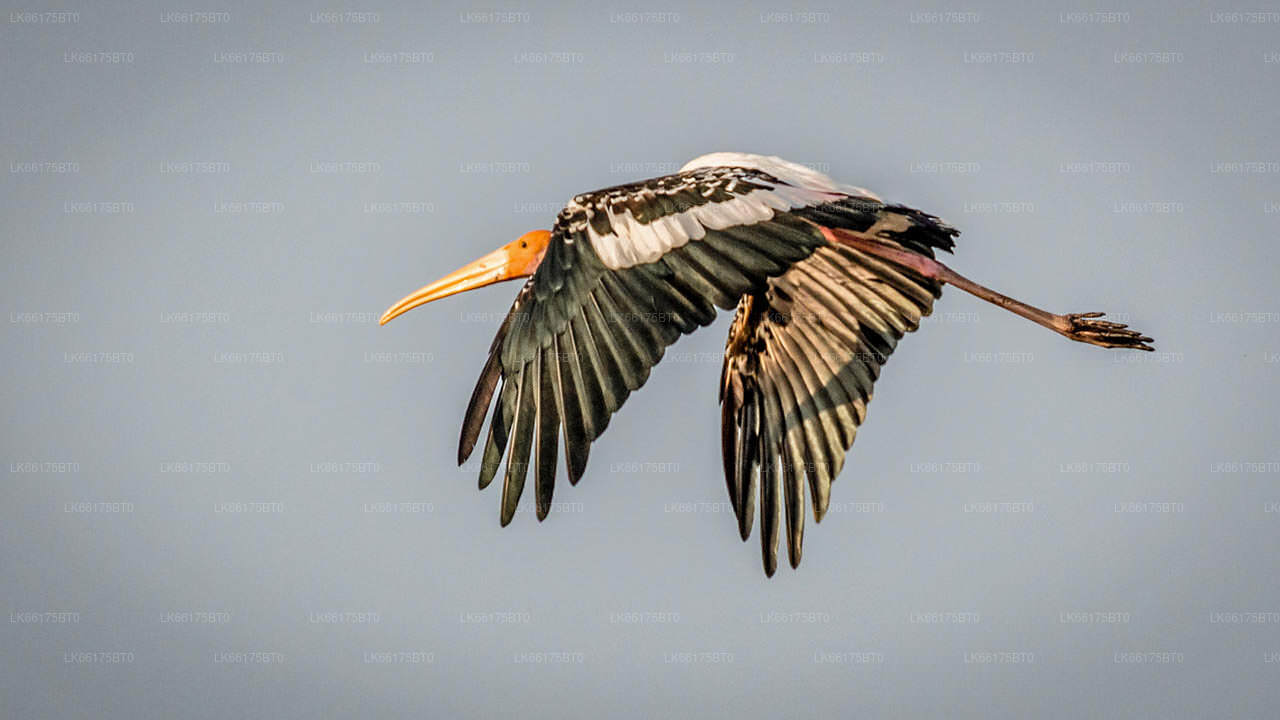
La région autour de la plage de Mannar est connue pour sa diversité aviaire. Les observateurs d'oiseaux peuvent repérer une variété d'espèces, y compris des oiseaux migrateurs qui visitent la région à certaines périodes de l'année. L'île voisine de Mannar est également connue pour sa faune et sa beauté naturelle.
Cuisine locale
À Mannar, les visiteurs peuvent savourer la cuisine traditionnelle sri-lankaise, avec un accent sur les fruits de mer frais. Les plats locaux comme curry de poisson, curry de crabe et plats de crevettes sont couramment disponibles dans les restaurants locaux, offrant un goût du patrimoine culinaire de la région.
Hébergement
Les options d'hébergement à Mannar sont relativement modestes par rapport aux zones touristiques plus développées. Les visiteurs peuvent trouver une gamme de maisons d'hôtes et de petits hôtels offrant des commodités de base et un séjour confortable. De nombreux établissements offrent un accès facile à la plage et aux attractions locales.
Meilleur moment pour visiter :
Le meilleur moment pour visiter la plage de Mannar est de novembre à avril, lorsque le temps est sec et ensoleillé, offrant des conditions idéales pour les activités de plage et l'exploration de la région locale. La saison des moussons commence généralement en mai, apportant de la pluie et des conditions maritimes plus agitées.