Rivière Honey

Madu River Madu River Madu River

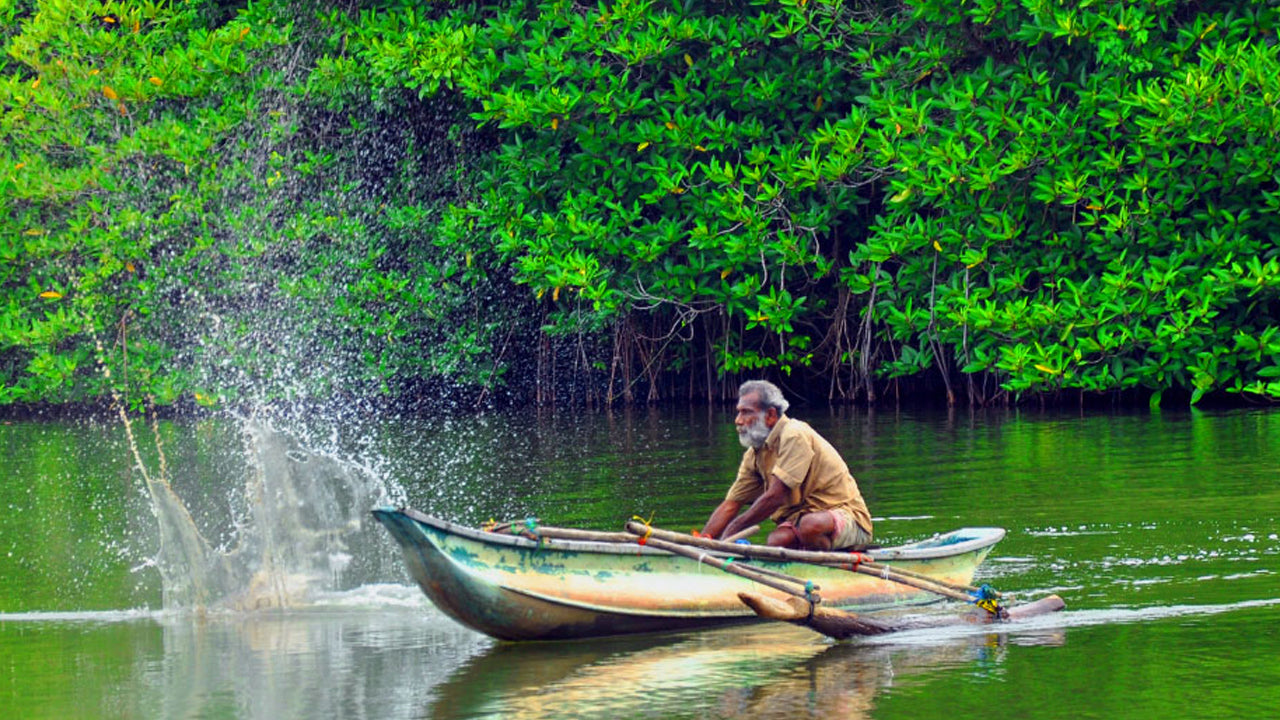
La rivière Madu est une voie navigable pittoresque située dans la région sud-ouest du Sri Lanka, près de Balapitiya. Connue pour ses eaux calmes et sa riche biodiversité, la rivière fait partie d’un écosystème complexe de zones humides composé de mangroves, de petites îles et de voies d’eau interconnectées.

La rivière et les zones humides environnantes abritent une grande variété de faune, notamment des poissons, des reptiles, des oiseaux et des plantes aquatiques. Les forêts de mangroves jouent un rôle essentiel dans la protection de l’environnement côtier tout en offrant un refuge à de nombreuses espèces qui prospèrent dans cet écosystème fragile.

Les visiteurs de la rivière Madu peuvent explorer la région grâce à des safaris en bateau relaxants qui traversent des tunnels de mangroves et de petites îles. Ces circuits offrent l’occasion d’observer la faune locale, de visiter des zones traditionnelles de transformation de la cannelle et de profiter de la beauté naturelle paisible de l’environnement des zones humides.

La meilleure période pour visiter la rivière Madu se situe pendant les mois secs de décembre à avril, lorsque les conditions météorologiques sont idéales pour les promenades en bateau et les explorations en plein air. Facilement accessible depuis les villes côtières telles que Balapitiya et Bentota, la rivière offre une expérience paisible de la nature le long de la Sri Lanka côte sud.

Madu River Madu River Madu River

About Galle District

Galle is a city situated on the southwestern tip of Sri Lanka, 119 km from Colombo. Galle is the best example of a fortified city built by Europeans in south and Southeast Asia, showing the interaction between European architectural styles and south Asian traditions. The Galle fort is a world heritage site and the largest remaining fortress in Asia built by European occupiers.

Galle is the best example of a fortified city built by Europeans in south and Southeast Asia, showing the interaction between European architectural styles and south Asian traditions. The Galle fort is a world heritage site and the largest remaining fortress in Asia built by European occupiers.

Galle is a sizeable town, by Sri Lankan standards, and has a population of 91,000, the majority of whom are of Sinhalese ethnicity. There is also a large Sri Lankan Moor minority, particularly in the fort area, which descend from Arab merchants that settled in the ancient port of Galle.

About Southern Province

The Southern Province of Sri Lanka is a small geographic area consisting of the districts of Galle, Matara and Hambantota. Subsistence farming and fishing is the main source of income for the vast majority of the people of this region.

Important landmarks of the Southern Province include the wildlife sanctuaries of the Yala and Udawalawe National Parks, the holy city of Kataragama, and the ancient cities of Tissamaharama, Kirinda and Galle. (Although Galle is an ancient city, almost nothing survives from before the Portuguese invasion.) During the Portuguese period there were two famous Sinhalese poets called Andare who was from Dickwella and Gajaman Nona who was from Denipitiya in Matara District, composing poems on common man.