Lac Beira


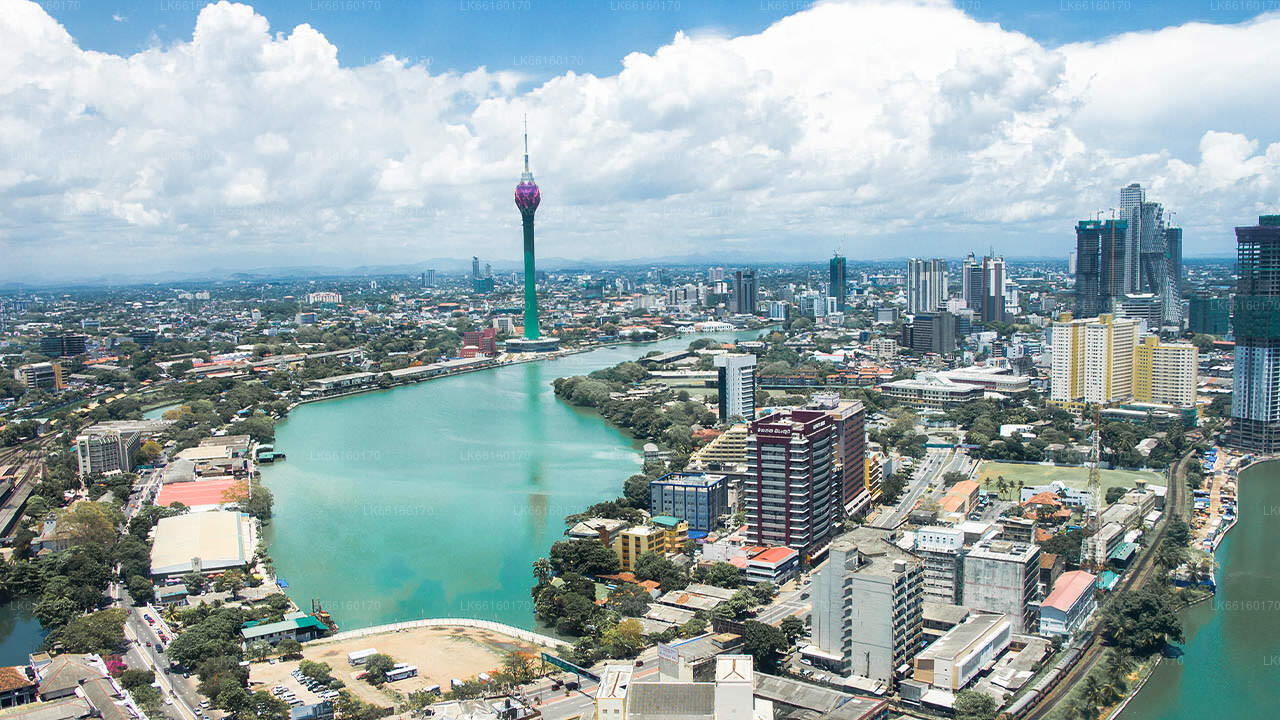
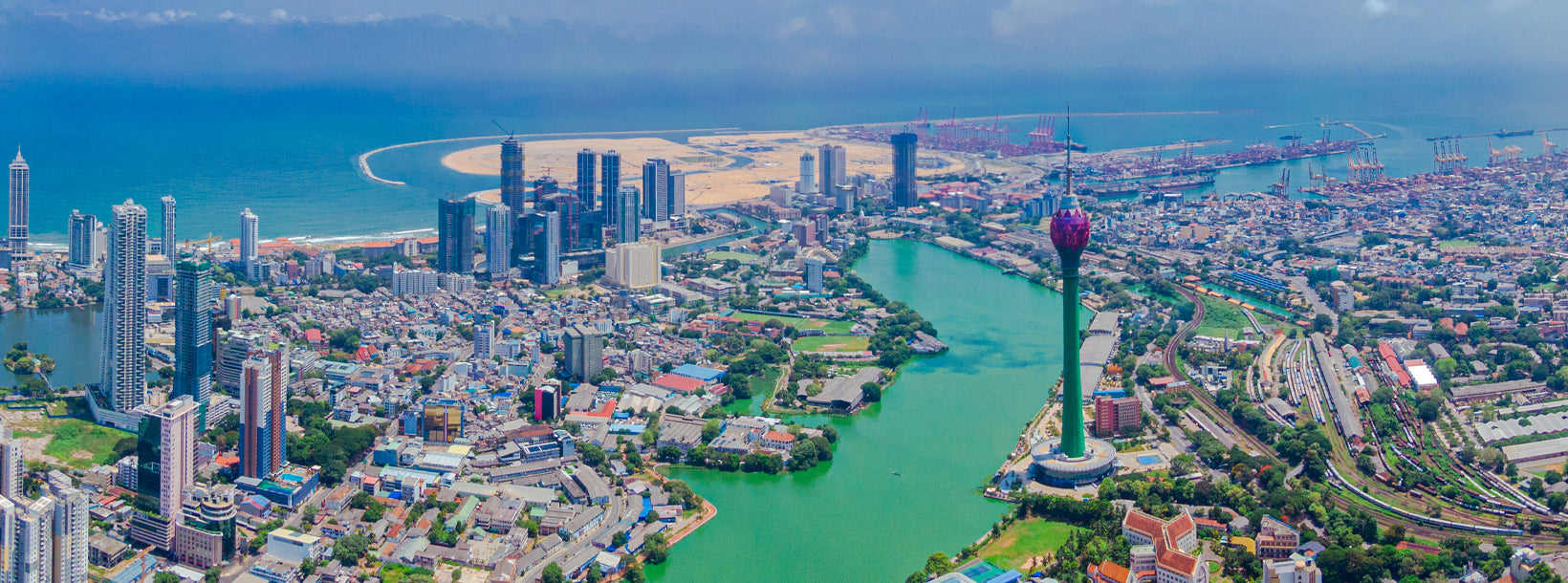
Le lac Beira est l'un des sites les plus célèbres de Colombo. Il est situé en plein centre de la capitale et est l'un des rares endroits de détente et de beauté à l'intérieur des limites de la ville. La zone autour du lac possède de nombreuses attractions, sans mentionner l'histoire du lac lui-même.
Le lac Beira a commencé comme un lac beaucoup plus grand, occupant une superficie de 410 acres il y a plus d'un siècle. Cependant, avec la commercialisation rapide de la région, il a été réduit à environ 160 acres.
Histoire
Beira a été créé par les envahisseurs portugais au 16e siècle, afin de servir de fossé pour protéger leur base à Colombo des habitants locaux hostiles. Ils ont ajouté de nombreux dangers cachés dans le lac, tels que de grands crocodiles, etc.
Beira s'est avéré être un grand obstacle pour les souverains locaux comme Mayadunne de Sitawaka lorsqu'ils ont tenté de libérer la région de la domination étrangère. C'est le fils de Mayadunne, Rajasingha I, qui a réussi à drainer le lac en 1587, se rapprochant ainsi de la récupération de la région des Portugais. Il a coupé les canaux qui alimentaient le lac, mais n'a pas pu faire face aux renforts supplémentaires que les Portugais ont apportés depuis l'Inde.
Après que les Néerlandais aient pris le contrôle du lac, celui-ci a été agrandi et plusieurs îles ont été formées artificiellement. Certaines d'entre elles, comme Slave Island, étaient assez grandes pour avoir un village ou des plantations de noix de coco. Les gens ont commencé à s'installer sur les îles et le trafic sur l'eau a augmenté. Cependant, le lac était principalement utilisé pour les prisonniers politiques, comme c'était le cas à Slave Island, ou pour l'agriculture, principalement à cause des crocodiles qui infestaient encore le lac.
Après que les Britanniques aient pris le contrôle, ils ont éliminé les crocodiles et développé la zone autour du lac. Les rives herbeuses sont devenues populaires pour les fêtes, et un grand bal a même été organisé pour célébrer la victoire britannique à la bataille de Waterloo. Le lac Beira est devenu célèbre pour diverses activités récréatives telles que l'aviron et la navigation. L'île des esclaves a été débarrassée de ses prisons et le premier jardin botanique du Ceylan, les Kew Gardens, a été ouvert là-bas en 1810. Les semences ont été fournies par les jardins botaniques royaux de Londres. À la fin du 19e siècle, le remblaiement des terres pour le développement a commencé et l'aire du lac a été réduite, tandis que la pollution a augmenté.
La Croissance de Beira
Il y a environ une décennie, la situation a empiré au point que la zone était principalement entourée de bidonvilles; tandis que l'eau du lac était uniquement des eaux usées de ces huttes et maisons qui n'avaient pas les moyens de gérer correctement les déchets. Cela sentait mauvais et seuls les habitants les plus pauvres vivaient dans la région. Le bord de l'eau était bordé de grands entrepôts, rappelant le commerce du thé à Colombo; où le thé était transporté sur des barges via le canal d'accès au port. Ces entrepôts se tenaient comme une ville fantôme; noircis par la saleté accumulée sur plus d'un siècle, et les fenêtres brisées donnaient une atmosphère hantée. La seule raison pour laquelle les gens se rendaient dans la région du lac Beira était de prier au temple Gangarama ou de visiter un des lieux importants comme le Colombo Rowing Club, le SLECC, le St Joseph's College ou le Lake House.