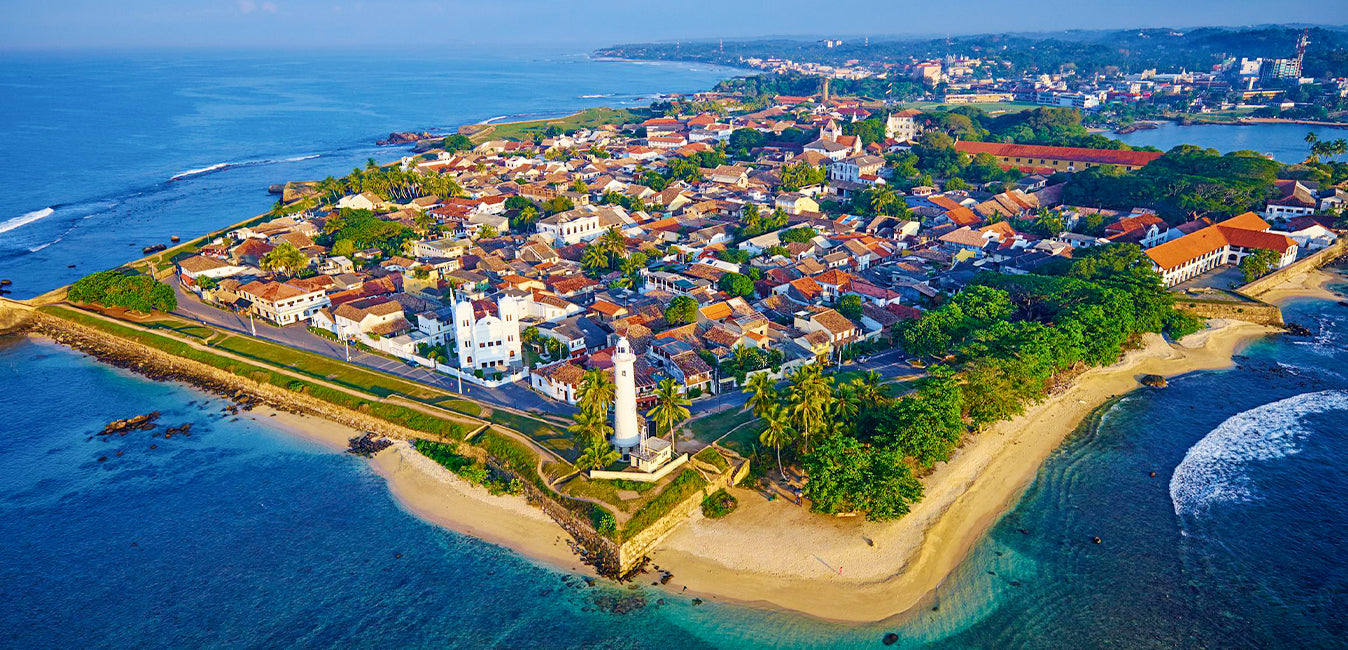
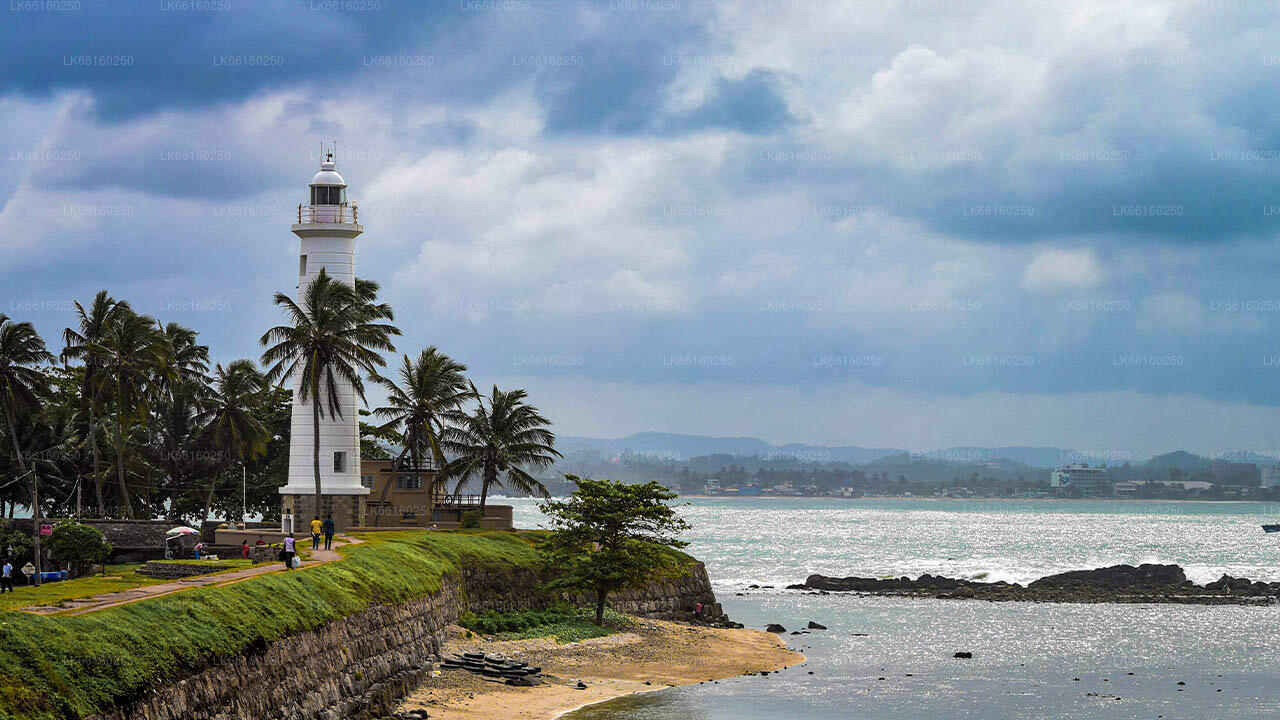
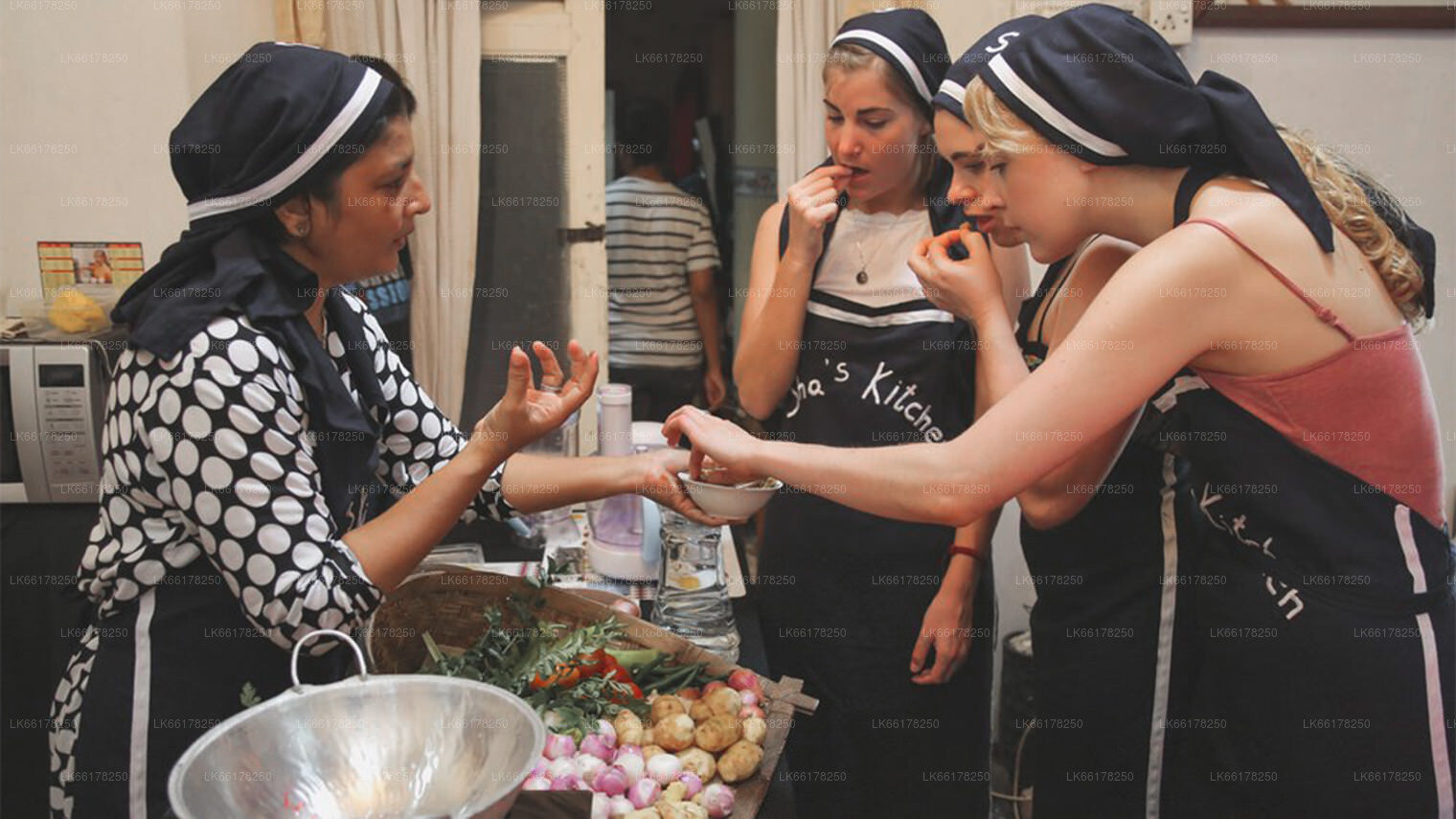
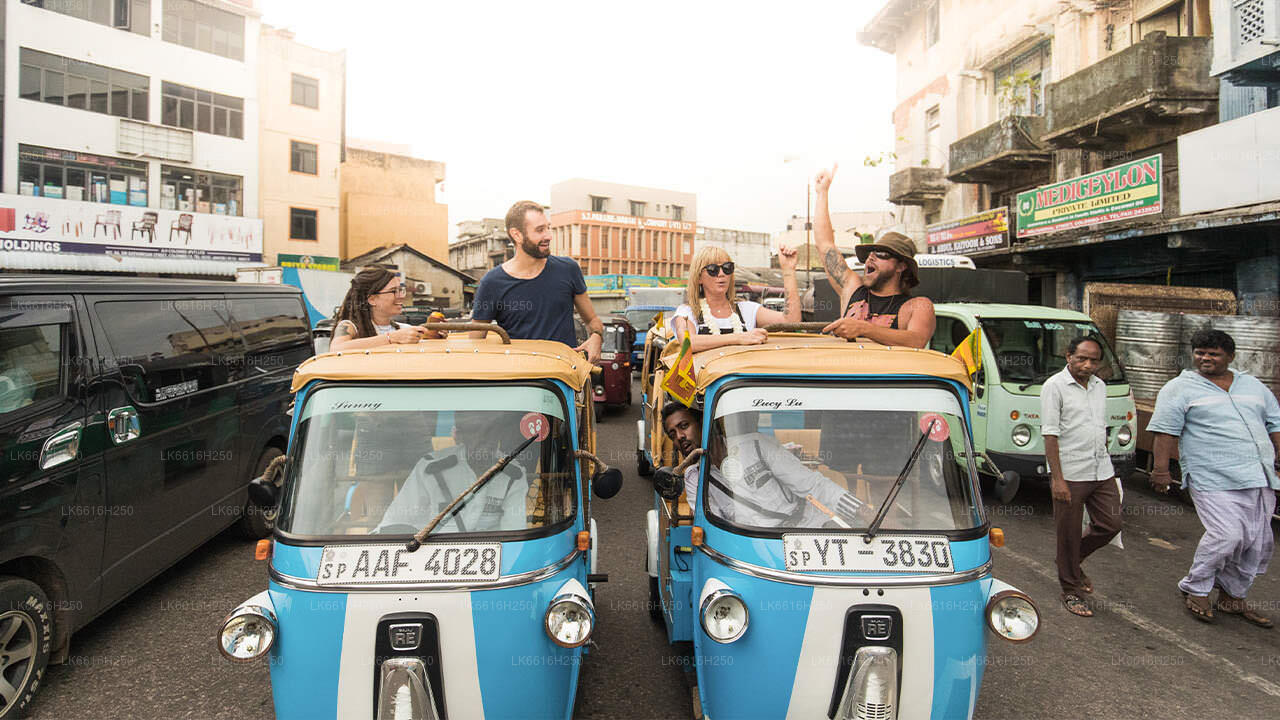
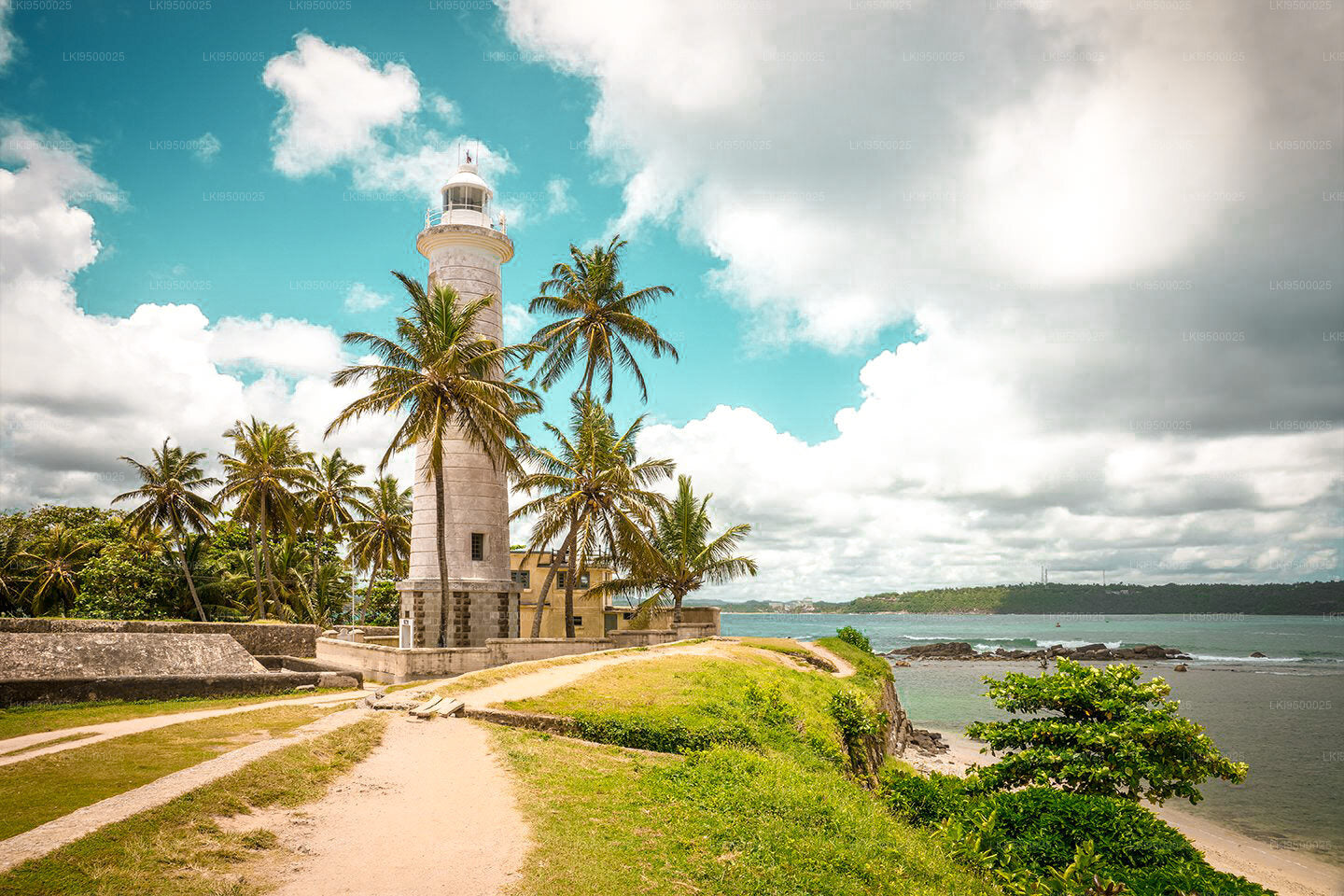
Galle, charmante ville côtière du Sri Lanka, possède une histoire riche et une culture vibrante. Son emblématique fort hollandais, classé au patrimoine mondial de l'UNESCO, témoigne de l'influence coloniale. Explorez des plages immaculées, plongez au cœur des festivals culturels et savourez la cuisine locale dans le cadre enchanteur d'antan de Galle.
All Saints' Church in Galle Fort is a beautiful Anglican church with a rich history dating back to the British colonial period in Sri Lanka. Constructed between 1868 and 1871, this stunning Gothic Revival-style church is a prominent architectural landmark within the UNESCO-listed Galle Fort. Designed by James George Smither, the church was built using local stone and is noted for its strikingly detailed design, which reflects the influence of British ecclesiastical architecture.
Tourists visiting All Saints' Church can experience the peaceful atmosphere of this still-active place of worship. The church’s exterior is characterized by its pointed arches, stained glass windows, and a tall bell tower. Inside, the church features an intricately carved wooden altar and beautiful pews made of local timber, reflecting the craftsmanship of the colonial period. The marble plaques on the walls commemorate various British residents who lived in the area during the colonial era, adding to the historical significance of the building.
Visitors are often drawn to the church’s stunning stained glass windows, which depict biblical scenes in vibrant colors, casting colorful patterns of light on the interior. The serene and well-preserved atmosphere makes All Saints’ Church an ideal stop for those exploring Galle Fort, offering a quiet retreat from the bustling streets outside.
Located in the heart of Galle Fort, All Saints' Church is within walking distance of other notable landmarks such as the Galle Lighthouse and Dutch Reformed Church, making it an easy addition to any walking tour of the fort. The church not only serves as a place of spiritual reflection but also stands as a testament to the architectural and cultural legacy left by the British in Sri Lanka. It is a must-see for history enthusiasts and architecture lovers alike.
Galle est une ville située à l'extrémité sud-ouest du Sri Lanka, à 119 km de Colombo. Galle est le meilleur exemple de ville fortifiée construite par les Européens en Asie du Sud et du Sud-Est, illustrant l'interaction entre les styles architecturaux européens et les traditions sud-asiatiques. Le fort de Galle est un site du patrimoine mondial et la plus grande forteresse d'Asie construite par les occupants européens. Galle est une ville de taille importante pour le Sri Lanka, avec une population de 91 000 habitants, majoritairement d'origine cinghalaise. On y trouve également une importante minorité maure sri-lankaise, notamment dans le quartier du fort, descendante de marchands arabes installés dans l'ancien port de Galle. À propos de la province du Sud : La province du Sud du Sri Lanka est une petite région géographique comprenant les districts de Galle, Matara et Hambantota. L'agriculture et la pêche de subsistance constituent la principale source de revenus pour la grande majorité des habitants de cette région. Parmi les sites importants de la Province du Sud figurent les réserves fauniques des parcs nationaux de Yala et d'Udawalawe, la ville sainte de Kataragama et les anciennes cités de Tissamaharama, Kirinda et Galle. (Bien que Galle soit une ville ancienne, il ne reste presque rien de la période antérieure à l'invasion portugaise.) Durant cette période, deux célèbres poètes cinghalais, Andare, originaire de Dickwella, et Gajaman Nona, originaire de Denipitiya dans le district de Matara, composaient des poèmes sur le quotidien des gens ordinaires.