St Pauls Church

St Pauls Church St Pauls Church St Pauls Church

St Paul’s Church is an Anglican Church located in an area called Milagiriya in Colombo 04, Sri Lanka. It has its origins in the Portuguese era of the 16th century. Today it is one of the oldest and most historic churches within Colombo and is also well known due to the attached girls’ school. Here’s the story of how it came to be:

The Early Portuguese Church

Over four centuries ago, when the Portuguese invaded Sri Lanka – they caused mass destruction to the local religions and built Roman Catholic Churches to spread their discipline of Christianity. It is unknown why they chose to build a church at that specific location, but perhaps there may have been some sort of locally popular shrine there that they destroyed and built over – as was their habit.

The newly built church, at the time, was known as ‘Nossa Senhora dos Milagres’ or ‘Our Lady of Miracles’. The locals, due to their lack of knowledge and understanding about the Portuguese language, took to calling the church ‘Milagres’, which is actuality meant ‘Miracles’. With time the name evolved, and the entire area surrounding the church came to be known as ‘Milagiriya’.

The British Takeover

However, the ‘Church of Miracles’ did not last. Approximately a century later, Ceylon was invaded by the Dutch who suppressed the Portuguese and wrested control of the valuable trade route island from them. To consolidate their rule, the Dutch thoroughly destroyed all Portuguese monuments and churches that they could find. Nossa Senhora dos Milagres was one of these churches that fell under their hands. The consecrated land remained bare for over a century, until the British decided to invade and took control of Sri Lanka from the Dutch.

The Building of St Paul’s

In the 1840s, a large number of Anglican churches started to get constructed. The premise behind them was mainly to give places of worship for British countrymen, but also to persuade the native population to change their religion and follow the Anglican discipline.

St Paul’s Anglican Church, which was built over the ruins of the old Portuguese church in Milagiriya, was one such church built by the British. The construction of the church began in 1948 under the initiation of the British cleric, Reverend Joseph Thurston, who dedicated it to St Paul. It was completed in 1953 and consecrated by the Bishop of Colombo at the time. An attached industrial school was also built at the same time to give a place of learning for Anglican youth. However, the main attraction was the font within the church grounds, hailing from the time of the previous Portuguese church. Its water was said to have miraculous healing properties, and sick people from all over the country visited the church to experience this healing.

Between the 1890s to the early 1900s, the church flourished and many locals joined the congregation as well. This was also partly due to the efforts of the first two vicars, Rev. John Ford and Rev. Harry Marsh ,who worked within the neighborhood to help the natives at their times of need.
A Change in Leader

Acerca del distrito de Kandy

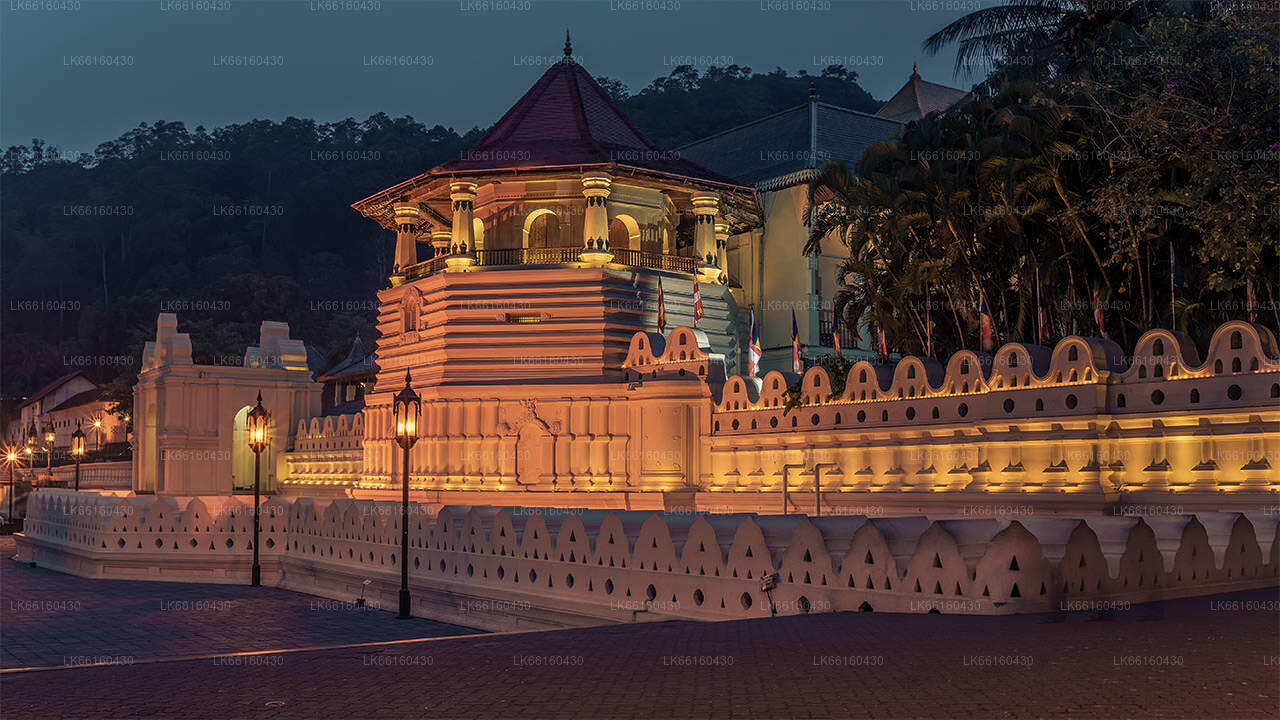
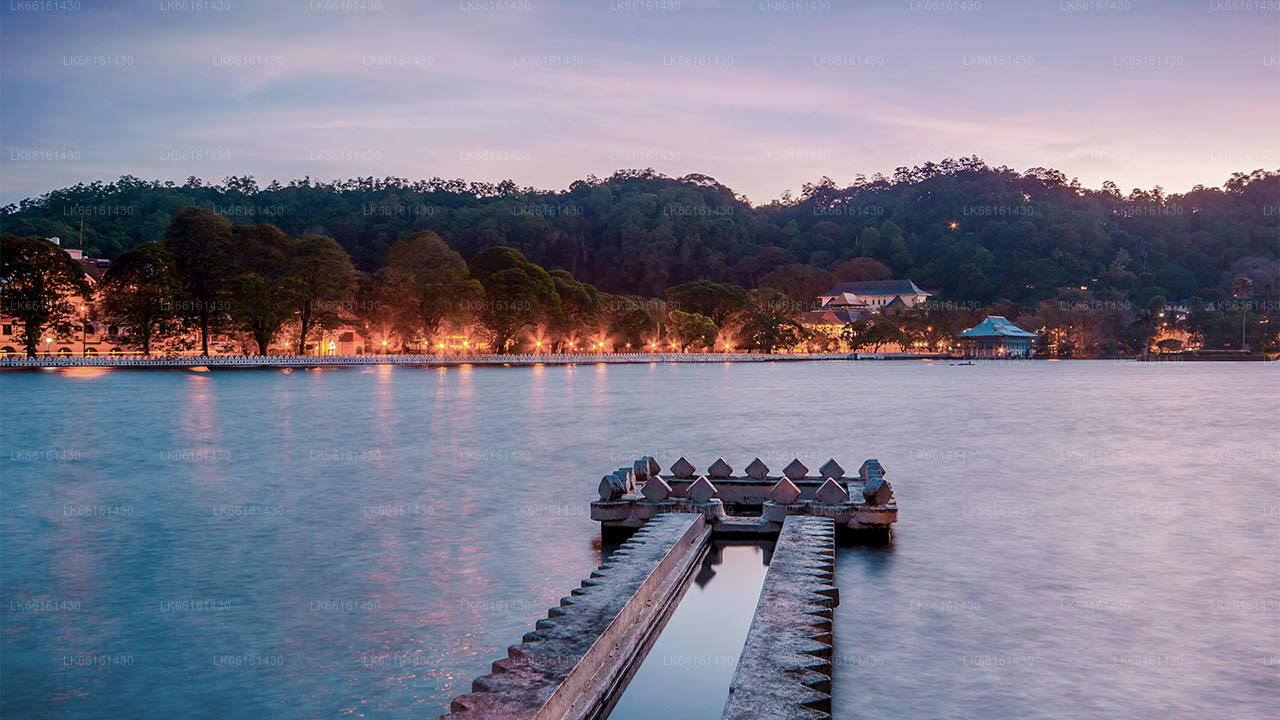
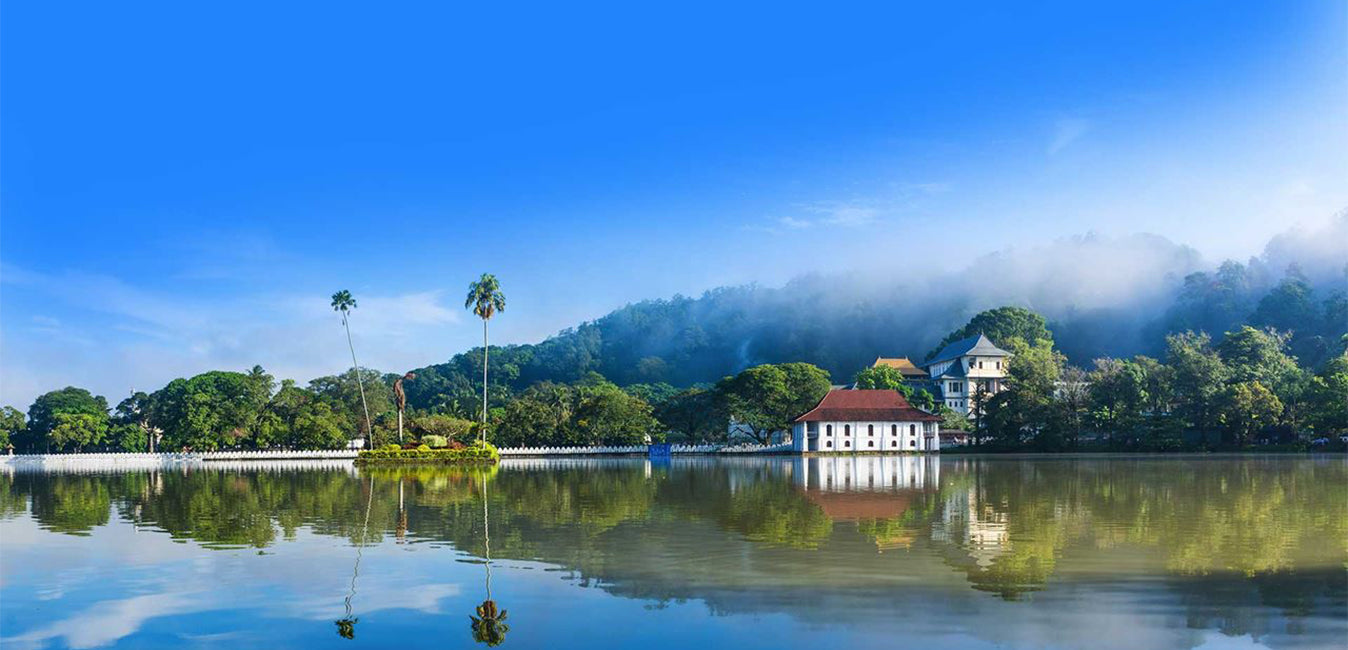
El distrito de Kandy está situado en la provincia central de Sri Lanka. Kandy, uno de los siete sitios declarados Patrimonio de la Humanidad en Sri Lanka, fue en el siglo XVI el hogar de los antiguos reyes kandyanos y una fuente de toda la música, las artes, la artesanía y la cultura del país. A unos 129 km de Colombo, Kandy está enclavada en un terreno montañoso y todas las miradas se dirigen al centro de la ciudad, donde el lago Kandy forma un elemento encantador. Kandy conserva un gran significado religioso para Sri Lanka, ya que en esta encantadora ciudad se encuentra el Dalada Maligawa o "Templo del Diente", en cuyo interior se encuentra bien custodiada la reliquia sagrada del diente de Buda.

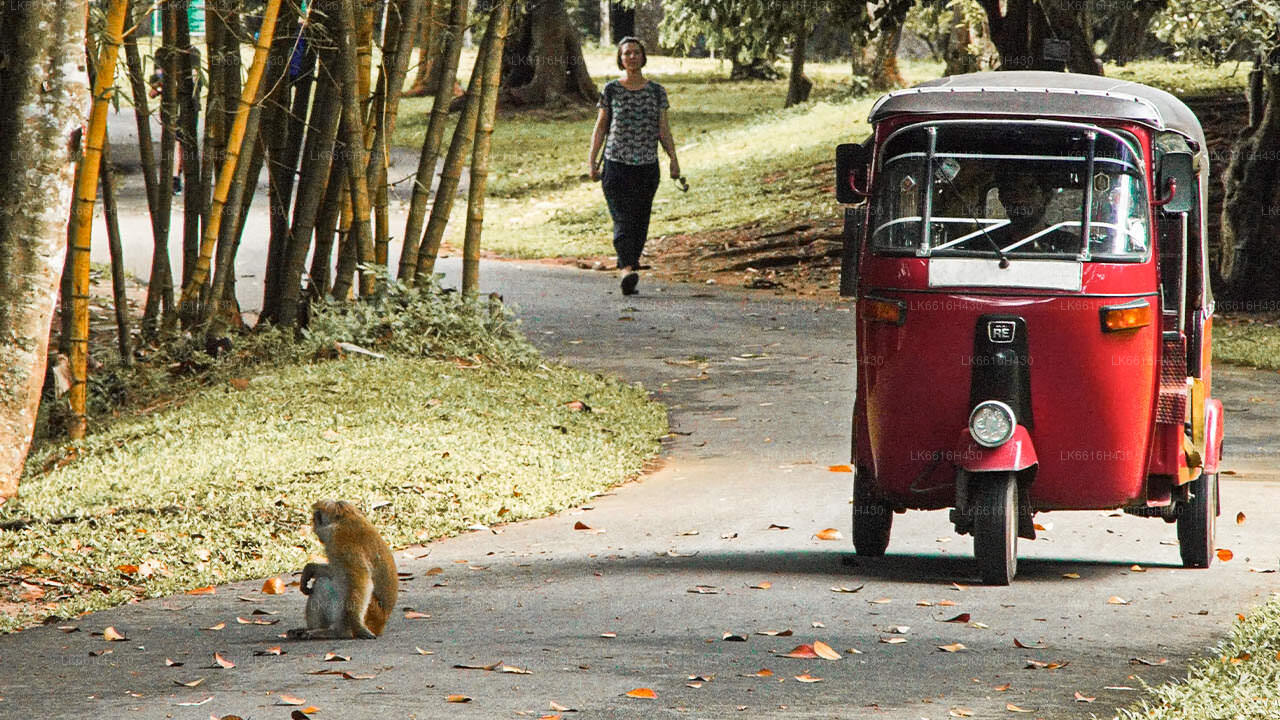
El Real Jardín Botánico de Peradeniya se encuentra a unos 5 km al oeste del centro de la ciudad y recibe la visita de 1,2 millones de personas al año. Es el jardín botánico más grande de la isla. El Udawatta Kele (Bosque Udawatta) es un santuario protegido situado en el corazón de la ciudad, justo al norte del Templo del Diente.

Kandy es una ciudad de mayoría cingalesa; existen importantes comunidades pertenecientes a otros grupos étnicos, como moros y tamiles. Kandy ocupa el segundo lugar, después de Colombo, como centro de la economía de Sri Lanka. Muchas grandes empresas tienen grandes sucursales en Kandy, y numerosas industrias, como la textil, la del mueble, la informática y la joyería, se encuentran aquí. Numerosos centros de investigación agrícola se encuentran en la ciudad.

Y fuente de toda la música, las artes, la artesanía y la cultura del país. A unos 129 km de Colombo, Kandy se encuentra enclavada en un terreno montañoso y todas las miradas se dirigen al centro de la ciudad, donde el lago Kandy forma un encantador paisaje. Kandy conserva una gran importancia religiosa para Sri Lanka, ya que en esta encantadora ciudad se encuentra el Dalada Maligawa o Templo del Diente, donde se custodia la reliquia sagrada del diente de Buda.

Acerca de la Provincia Central

La Provincia Central de Sri Lanka se compone principalmente de terreno montañoso. Tiene una superficie de 5.674 km² y una población de 2.421.148 habitantes. Algunas de sus ciudades principales son Kandy, Gampola (24.730), Nuwara Eliya y Bandarawela. La población es una mezcla de cingaleses, tamiles y moros.

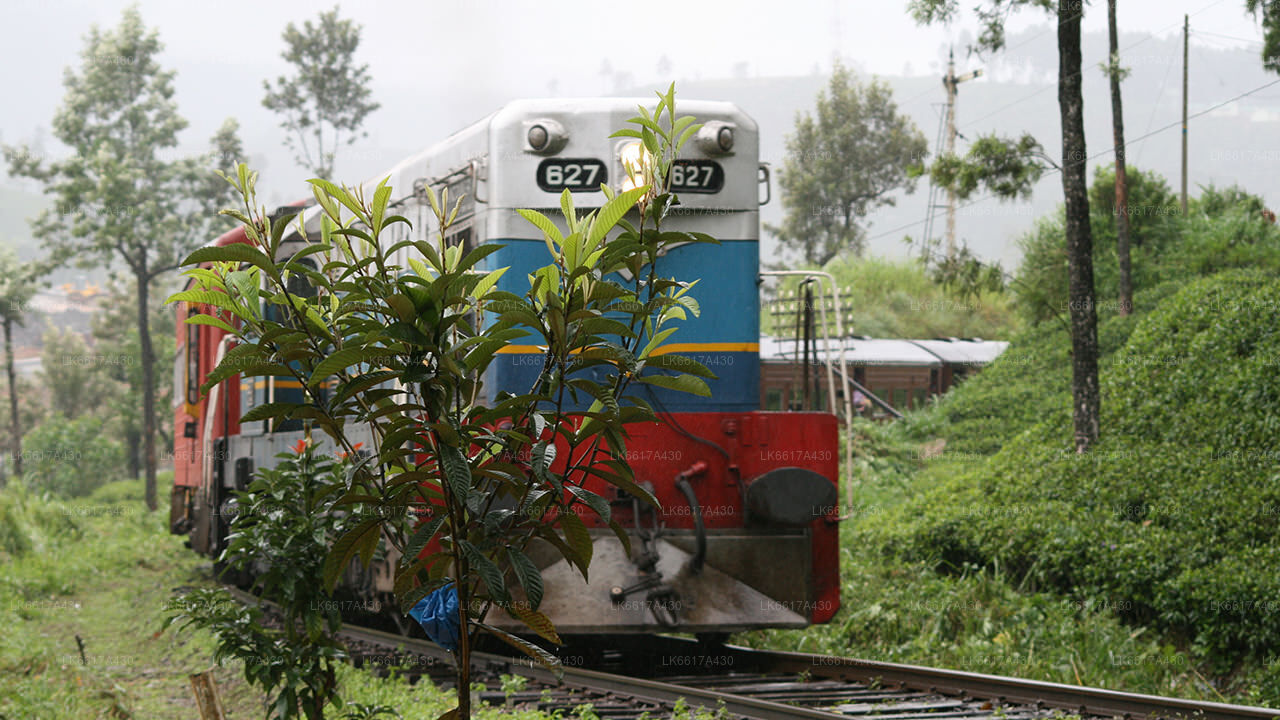
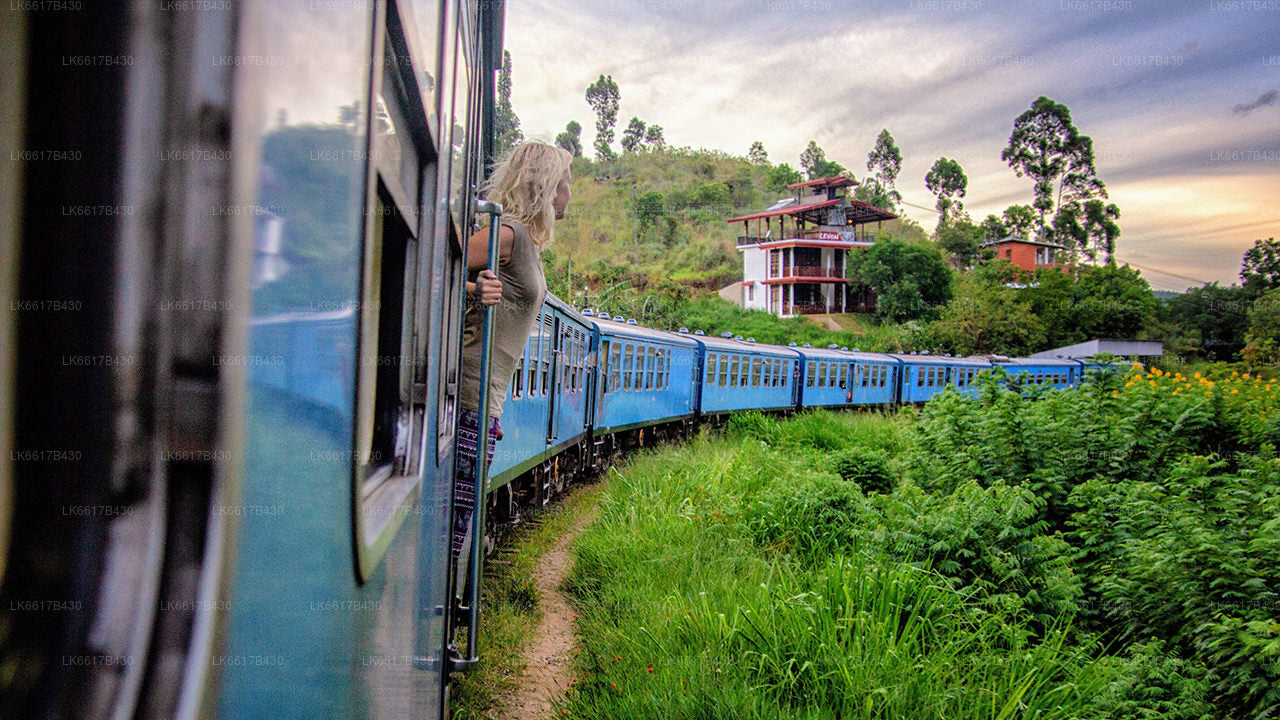
Tanto Kandy, la capital de la montaña, como Nuwara Eliya se encuentran en la Provincia Central, al igual que Sri Pada. La provincia produce gran parte del famoso té de Ceilán, plantado por los británicos en la década de 1860 tras una devastadora enfermedad que destruyó todas las plantaciones de café de la provincia. La Provincia Central atrae a numerosos turistas, con pueblos en las colinas como Kandy, Gampola, Hatton y Nuwara Eliya. El Templo del Diente o Dalada Maligawa es el principal lugar sagrado de la provincia Central.

Tanto Kandy, la capital de la montaña, como Nuwara Eliya se encuentran en la Provincia Central, al igual que Sri Pada. La provincia produce gran parte del famoso té de Ceilán, plantado por los británicos en la década de 1860 tras una devastadora enfermedad que destruyó todas las plantaciones de café de la provincia. La Provincia Central atrae a numerosos turistas, con pueblos en las colinas como Kandy, Gampola, Hatton y Nuwara Eliya. El Templo del Diente o Dalada Maligawa es el principal lugar sagrado de la provincia Central.