Spot Winged Ground Thrush


The spot-winged thrush, (Geokichla spiloptera), is an Asian thrush, a group within the large thrush family Turdidae.
It is an endemic resident breeder in Sri Lanka. This uncommon species breeds in hill rainforests, and to a lesser extent in drier woodlands, at altitudes between 500 and 2000 m.
The wintering areas are similar but include less well-wooded areas, and are generally at 750 to 1500 m altitude. The spot-winged thrush is generally solitary and can be quite secretive, especially in the dense undergrowth and bamboo clumps it favours.
Spot-winged thrushes are omnivorous, but eat far more insects than fruit. They feed on the ground.
Adults of this medium-sized thrush, which measures 21 to 27 cm (8.3 to 10.6 in) in total length and weighs 70 g (2.5 oz) are light brown above with a double wing bar of white spots. The pale face has two dark bars. The underparts are white with heavy spotting. The bill is black and legs are yellow. The song is a rich and varied whistling.
Young birds have buff streaking on the upperparts, and the face and the underparts are light brown with heavy streaking.
The loose cup nests are lined with vegetation and placed in a tree fork. 2-3 buff or bluish-green eggs are laid. This species raises two broods each year.


-
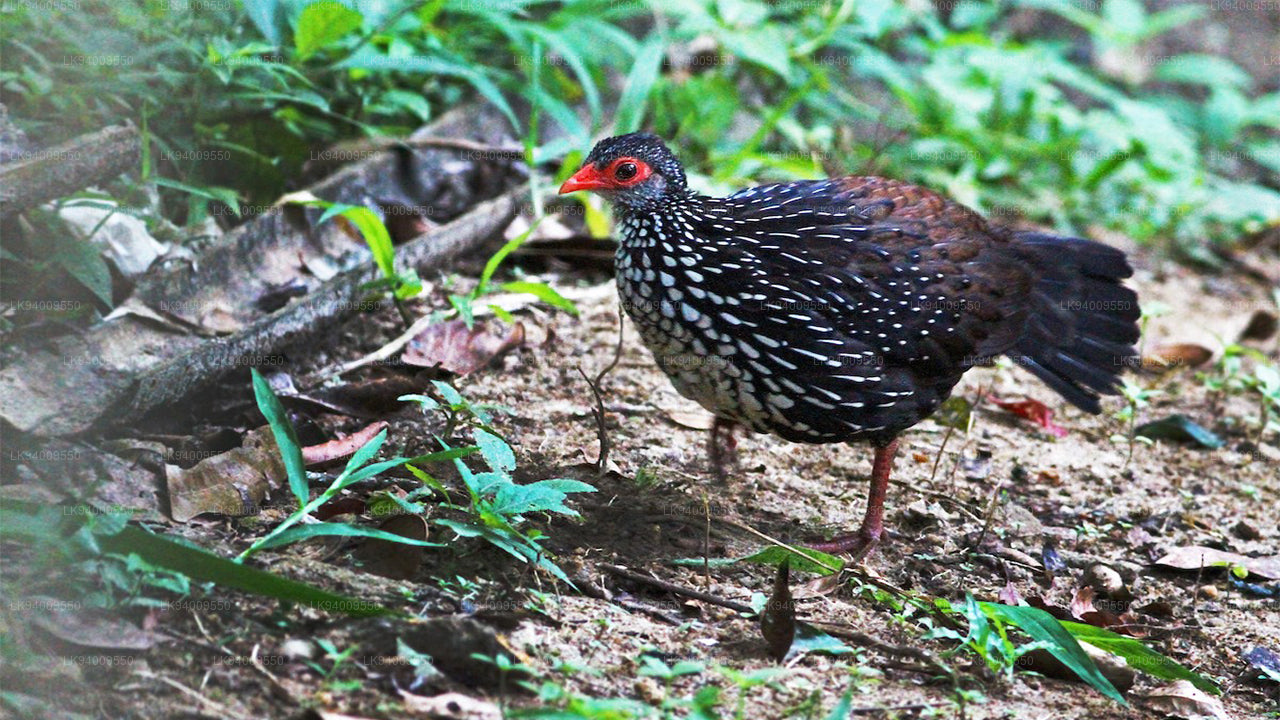 Ceylon Spurfowl
Galloperdix bicalcarata
-
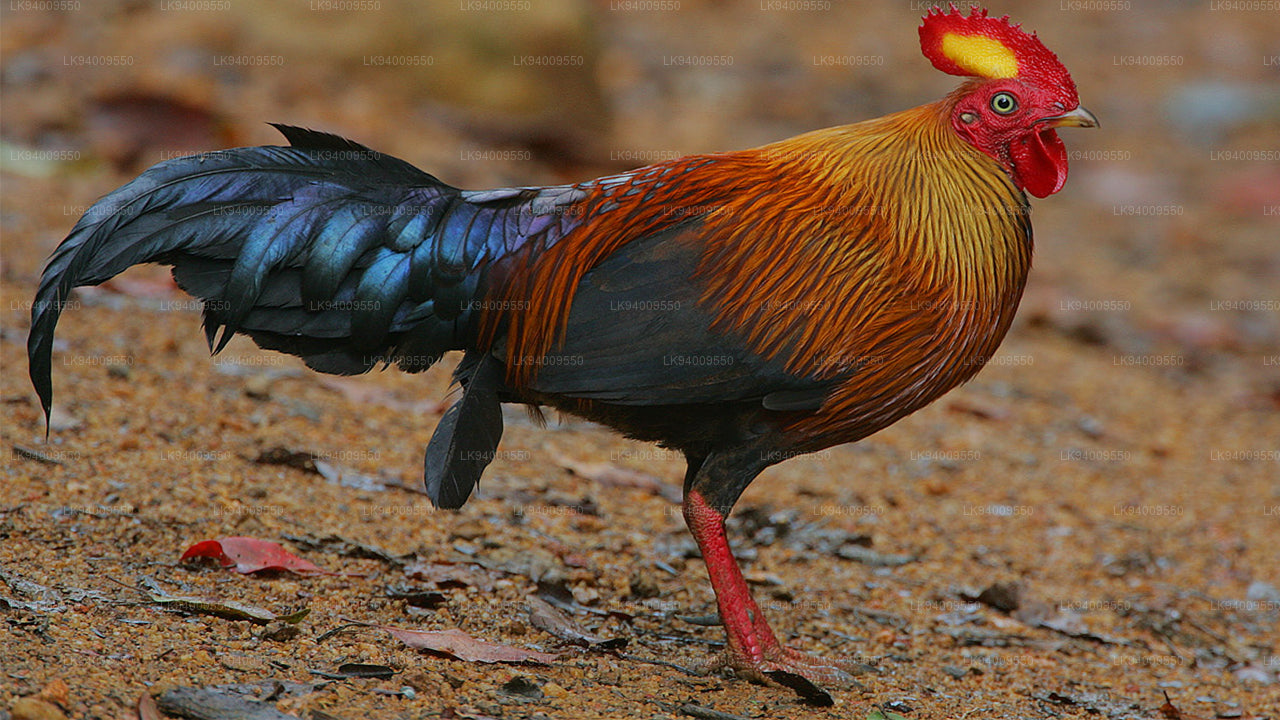 Junglefowl
Gallus lafayetii
-
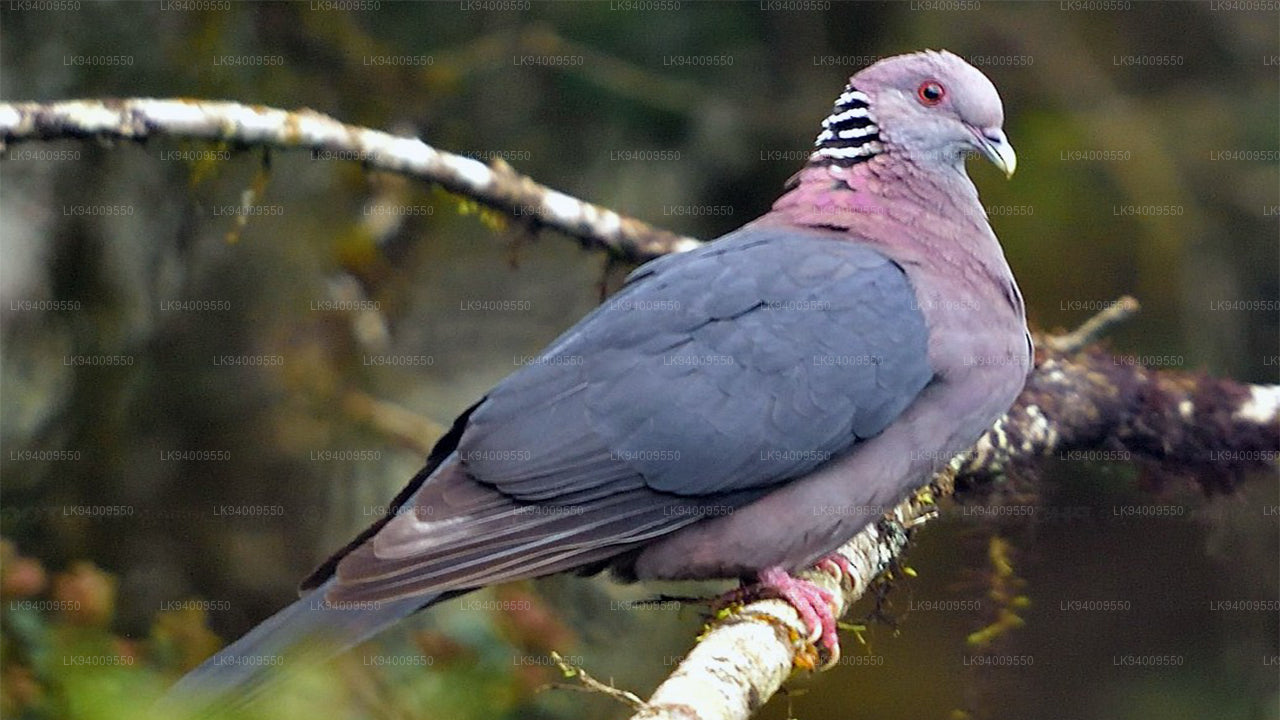 Ceylon Woodpigeon
Columba torringtoniae
-
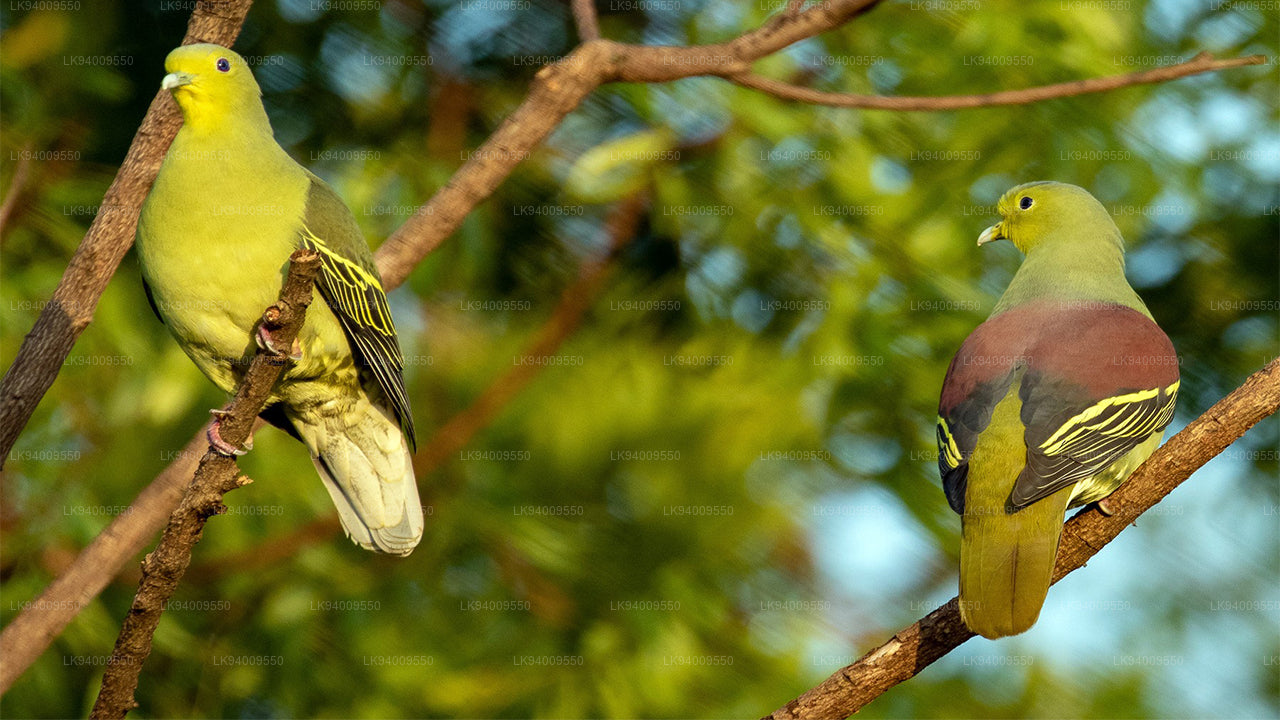 Ceylon Green Pigeon
Treron pompadora
-
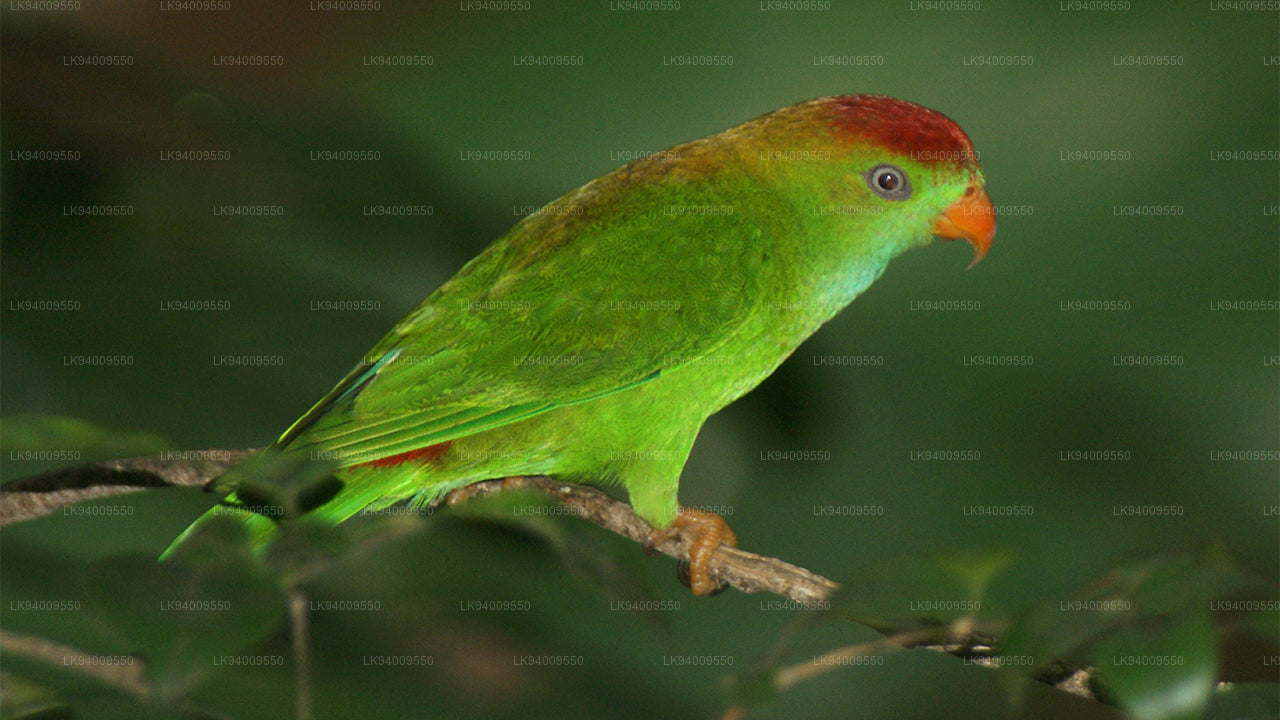 Ceylon Hanging Parrot
Loriculus beryllinus
-
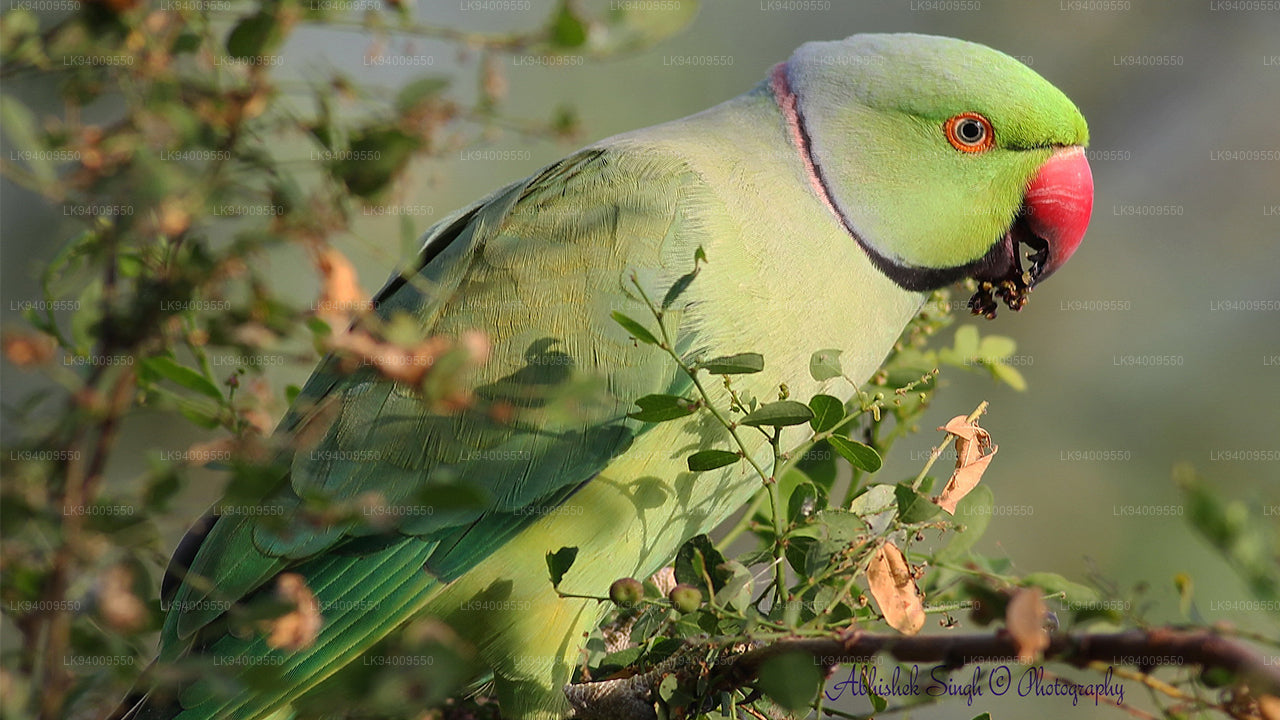 Layard’s Parakeet
Psittacula calthrapae
-
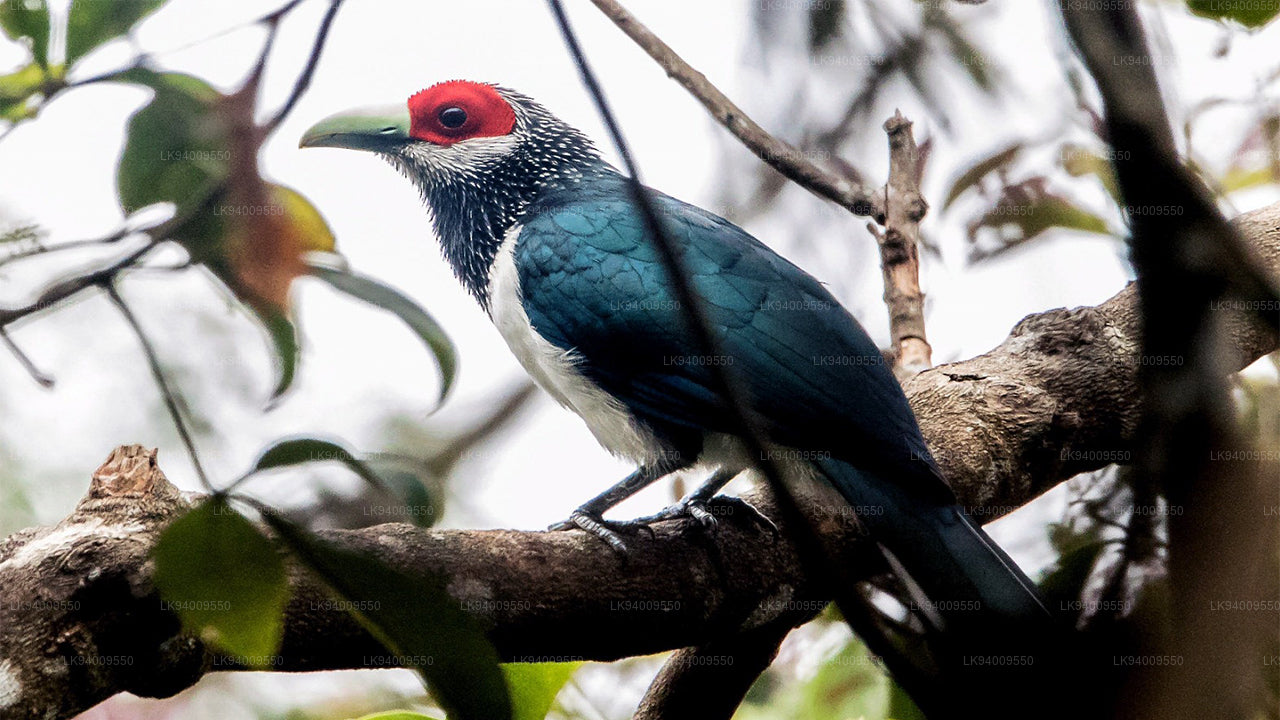 Red Faced Malkoha
Phaenicophaeus pyrrhocephalus
-
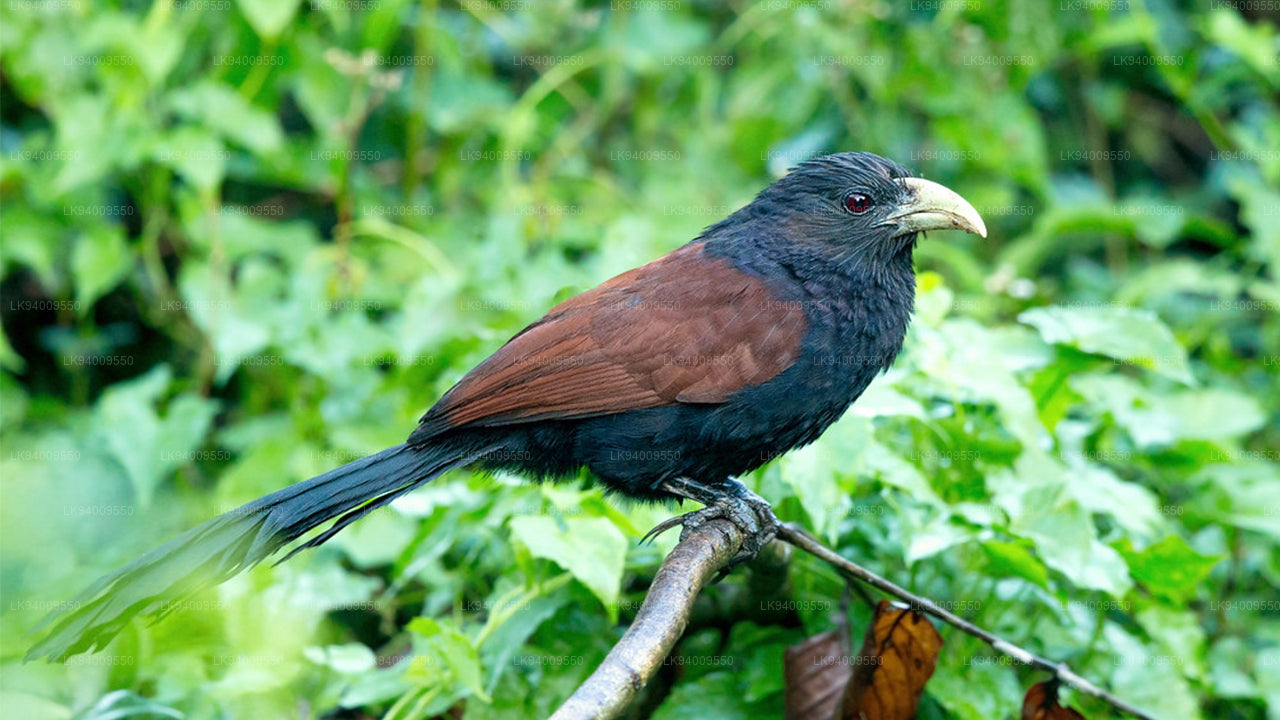 Green Billed Couca
Centropus chlororhynchos
-
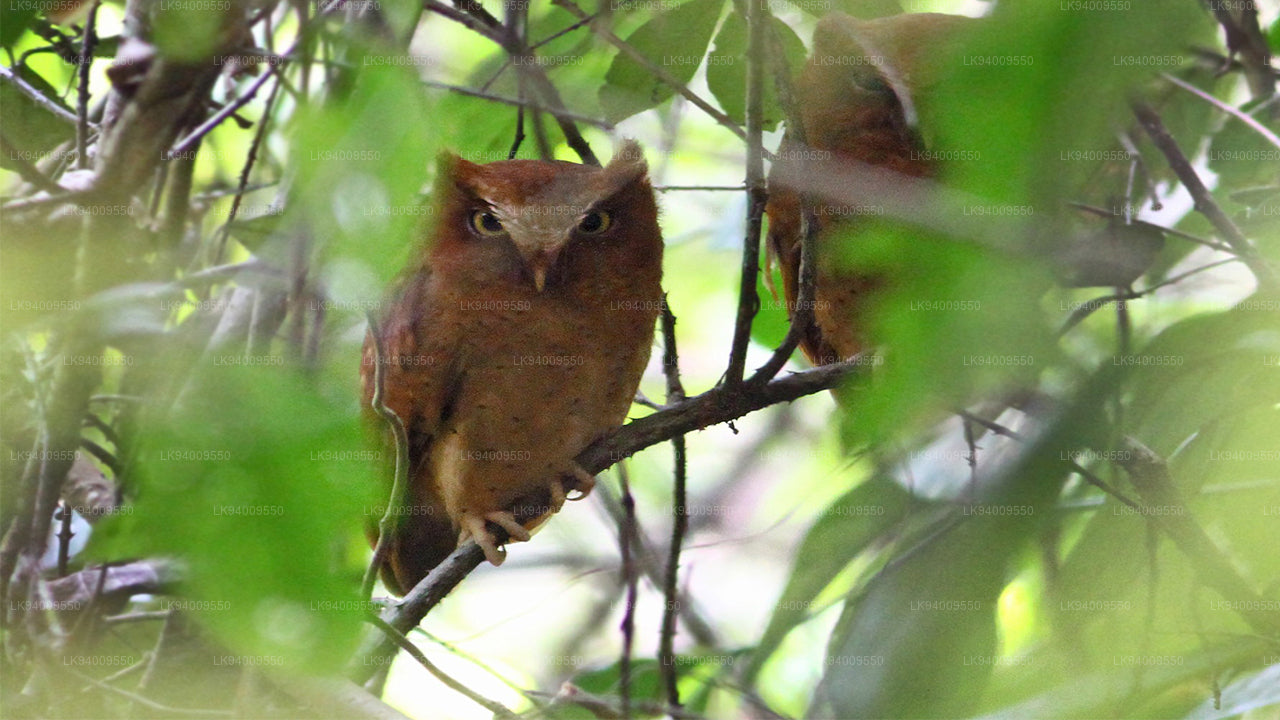 Serendib Scops Owl
Otus thilohoffmanni
-
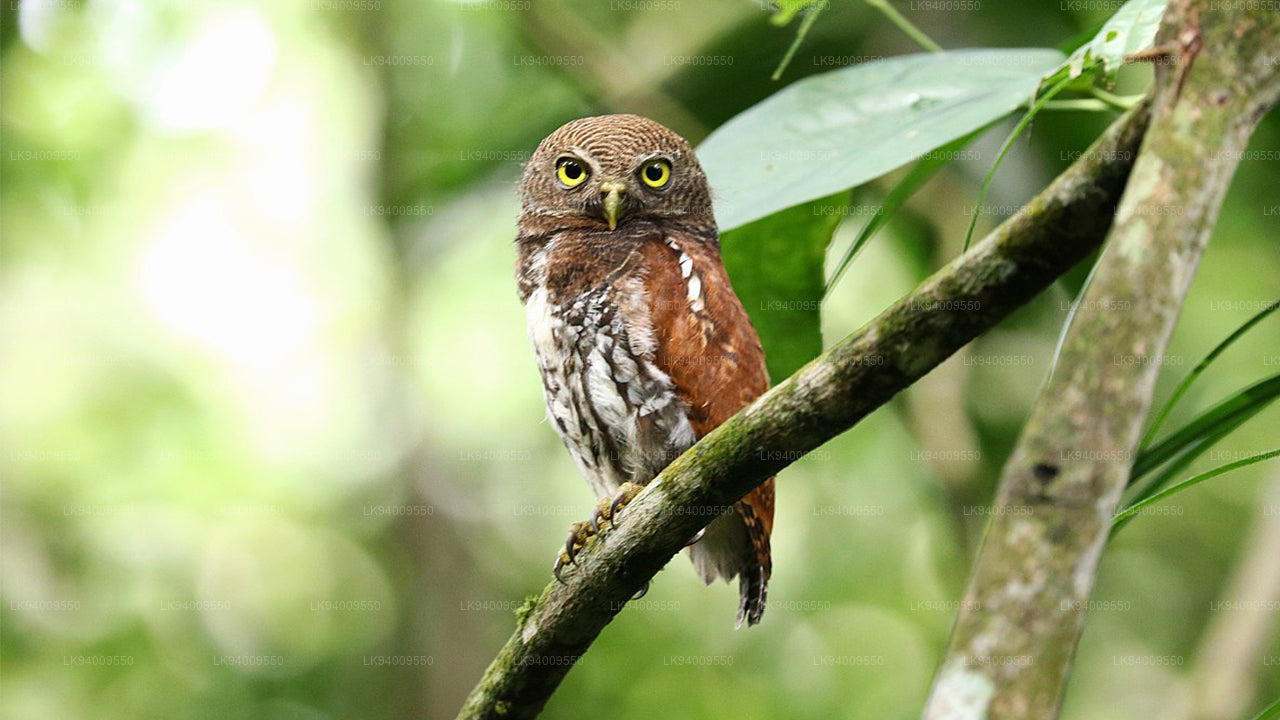 Chestnut Backed Owlet
$Glaucidium castanotum
-
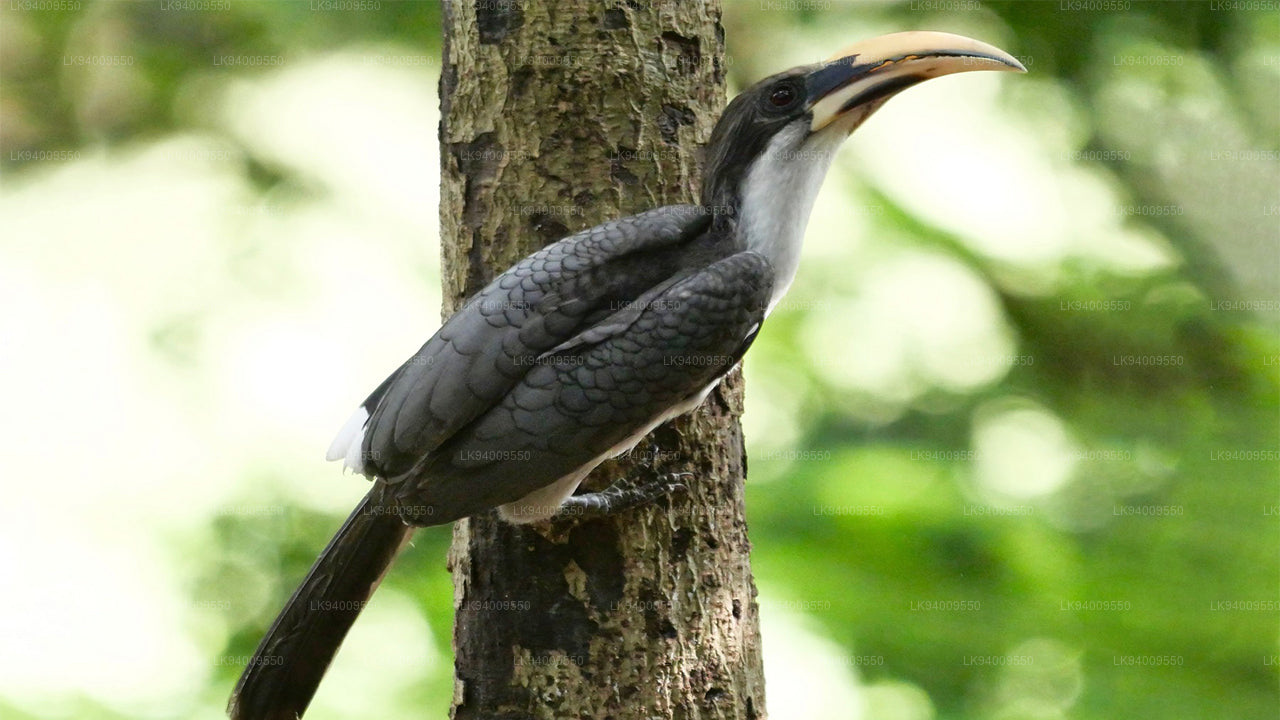 Ceylon Grey Hornbill
Ocyceros gingalensis
-
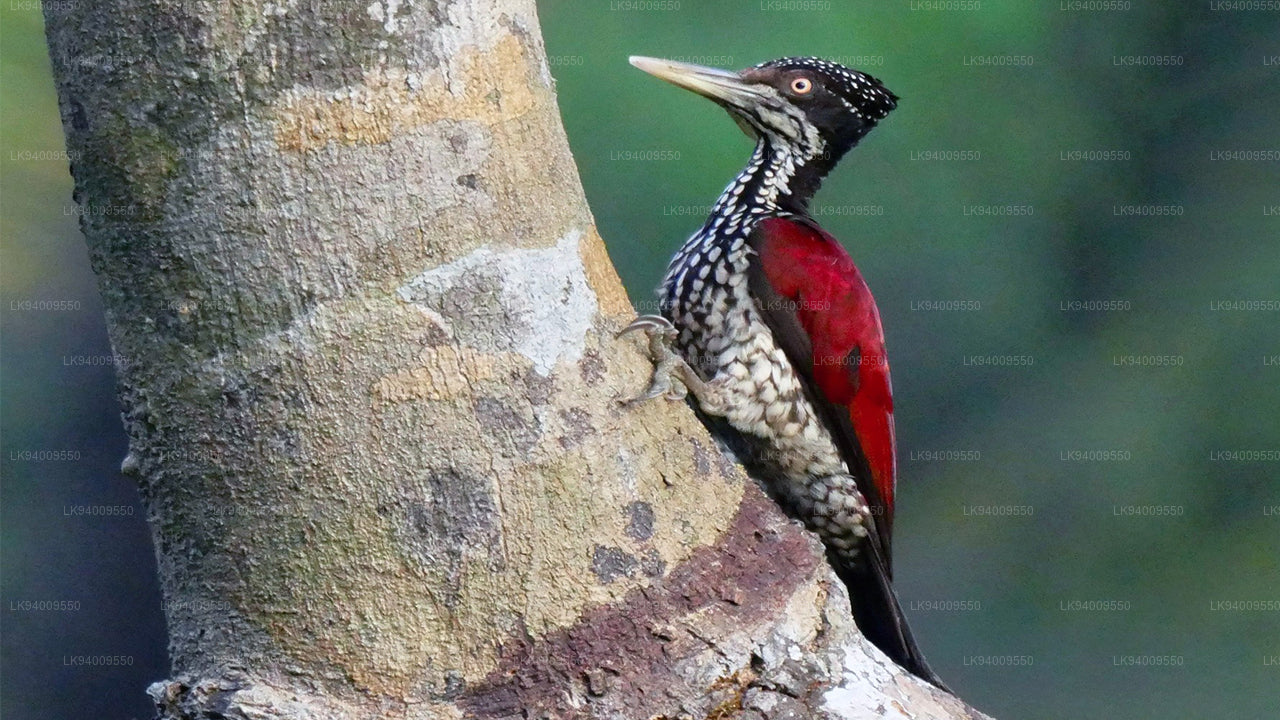 Crimson Backed Flameback
Chrysocolaptes stricklandi
-
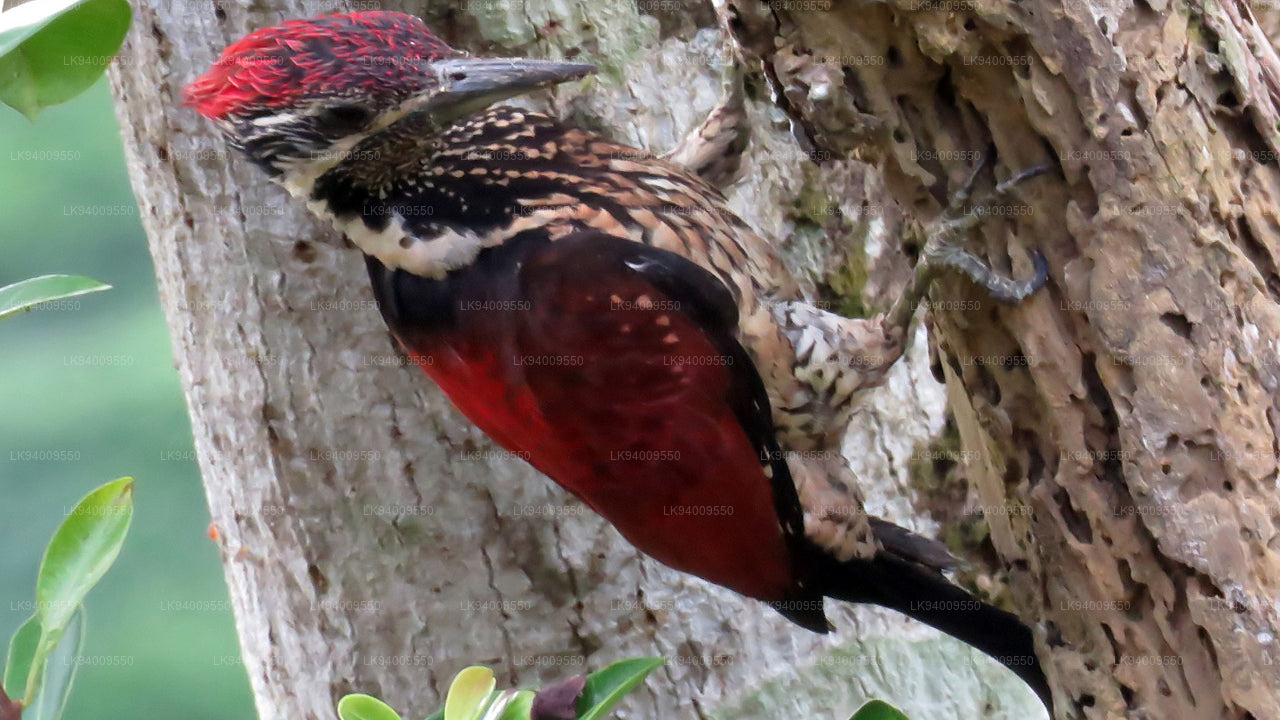 Red backed flameback
Dinopium psarodes
-
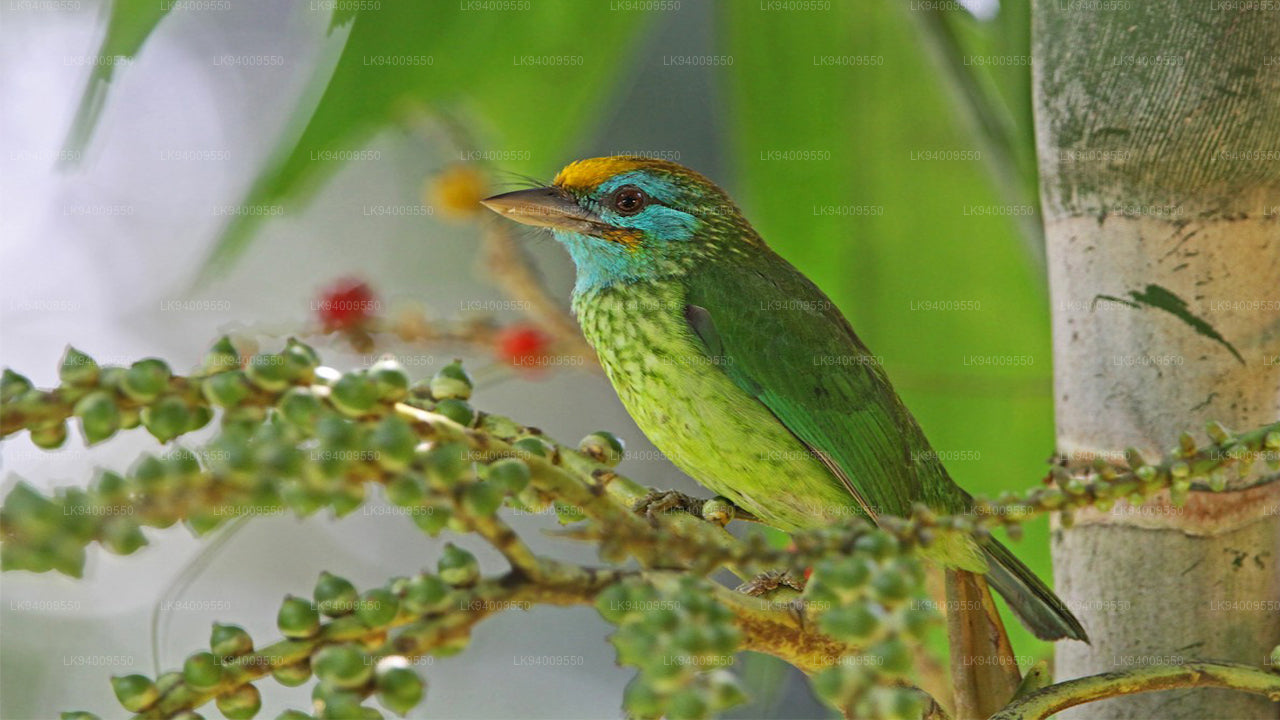 Yellow Fronted Barbet
Psilopogon flavifrons
-
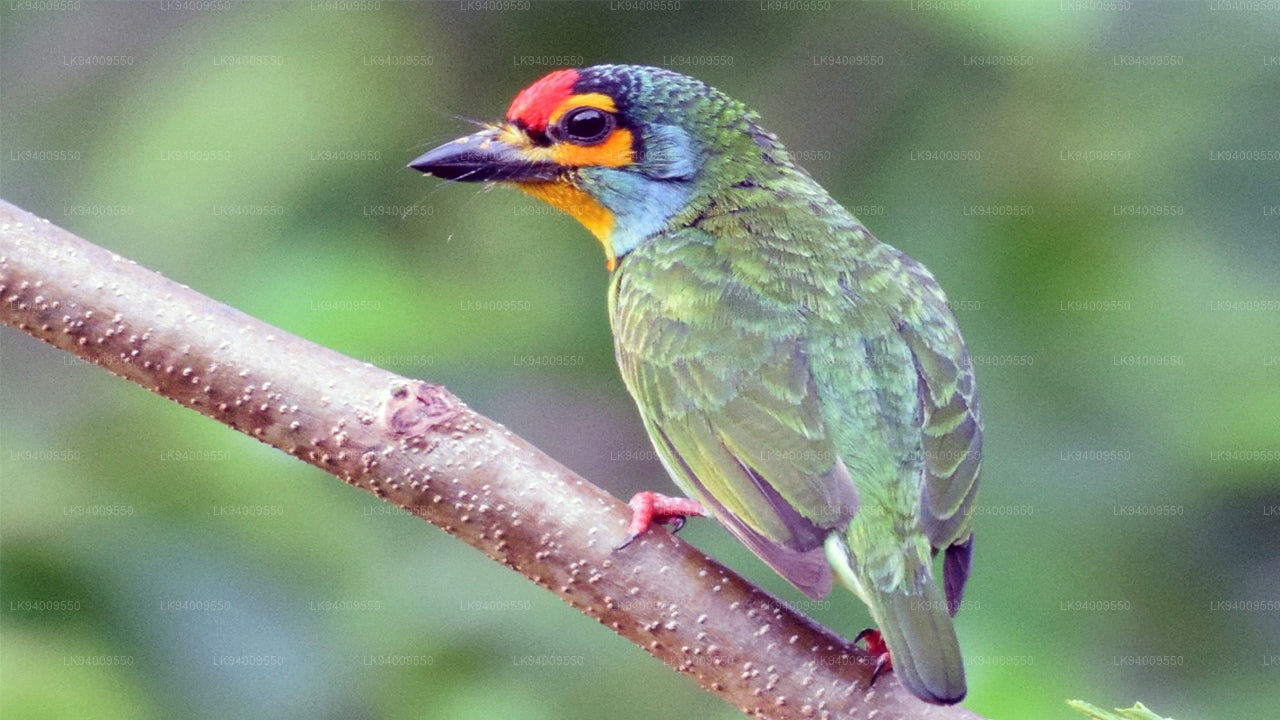 Crimson Fronted Barbet
Psilopogon rubricapillus
-
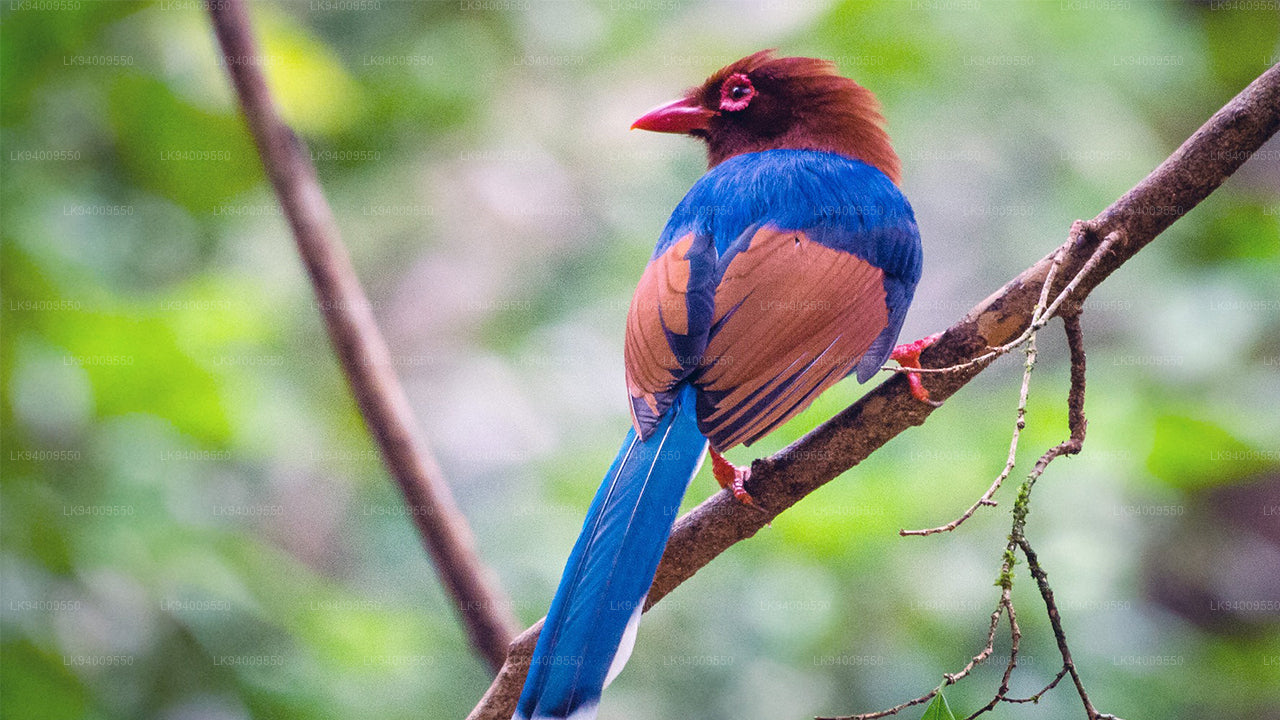 Ceylon Blue Magpie
Urocissa ornata
-
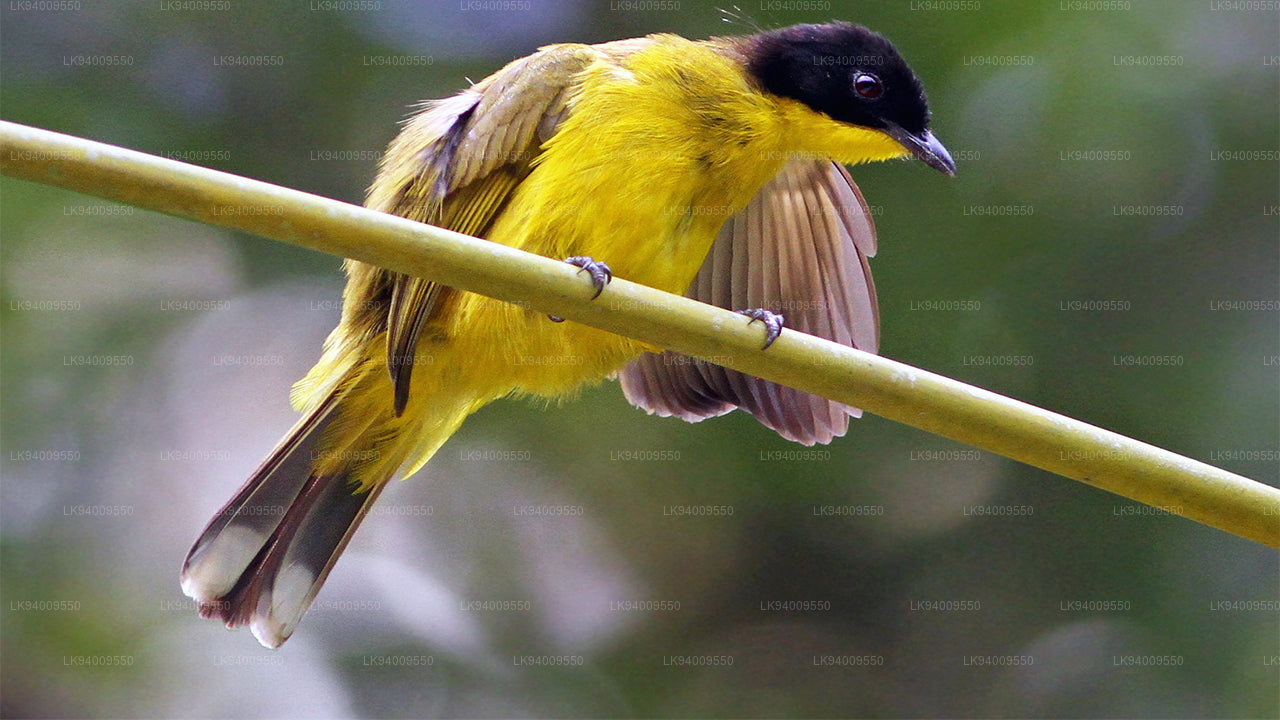 Black Capped Bulbul
Rubigula melanictera
-
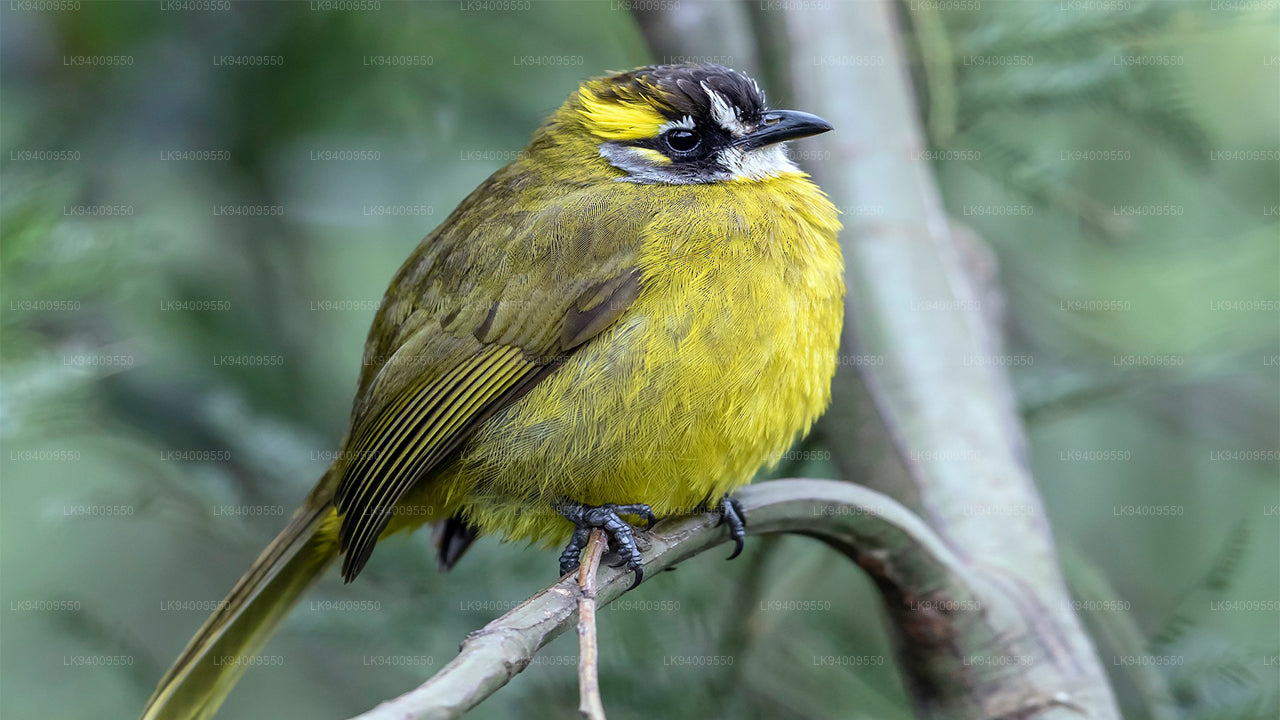 Yellow Eared Bulbul
Pycnonotus penicillatus
-
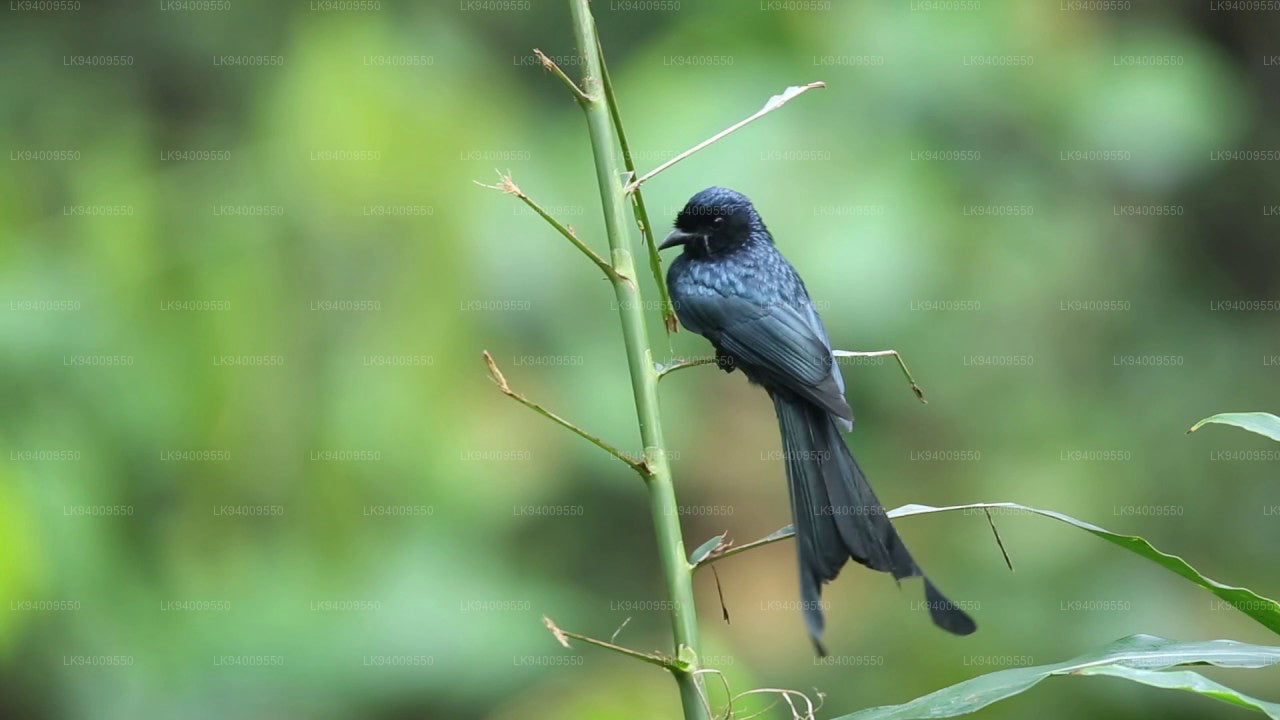 Ceylon Crested Drongo
Dicrurus lophorinus
-
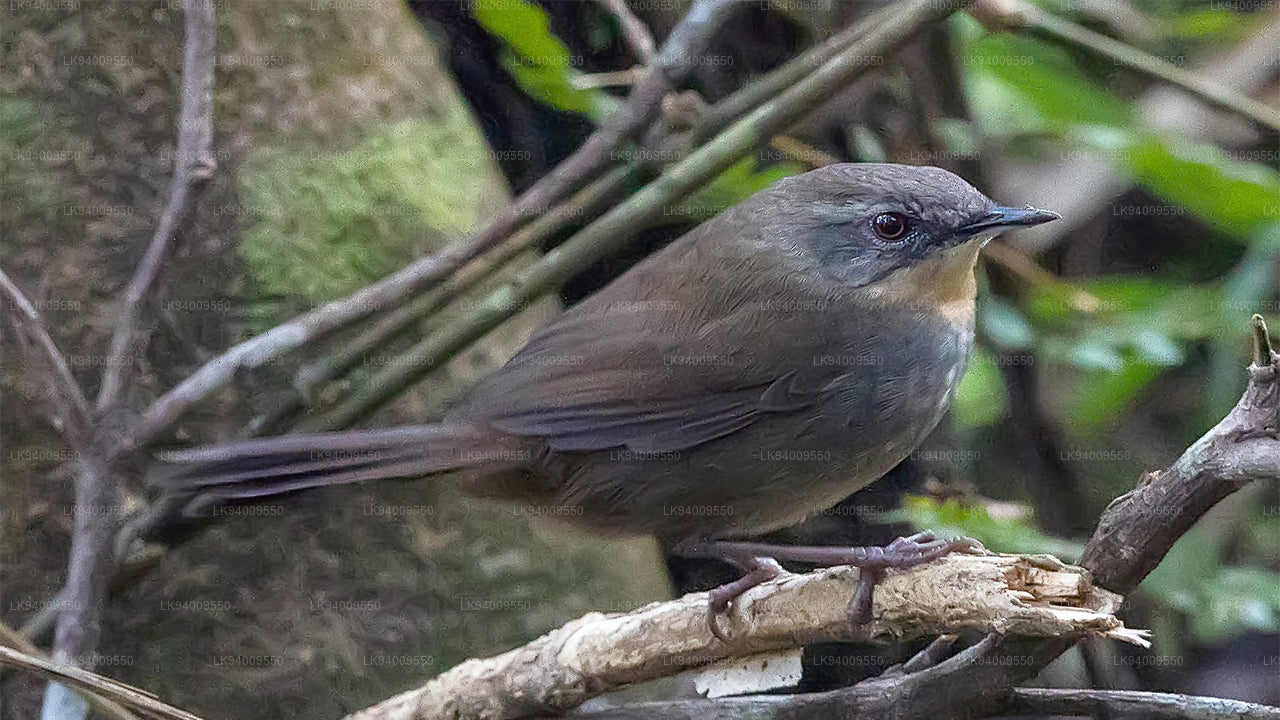 Ceylon Bush Warbler
Elaphrornis palliseri
-
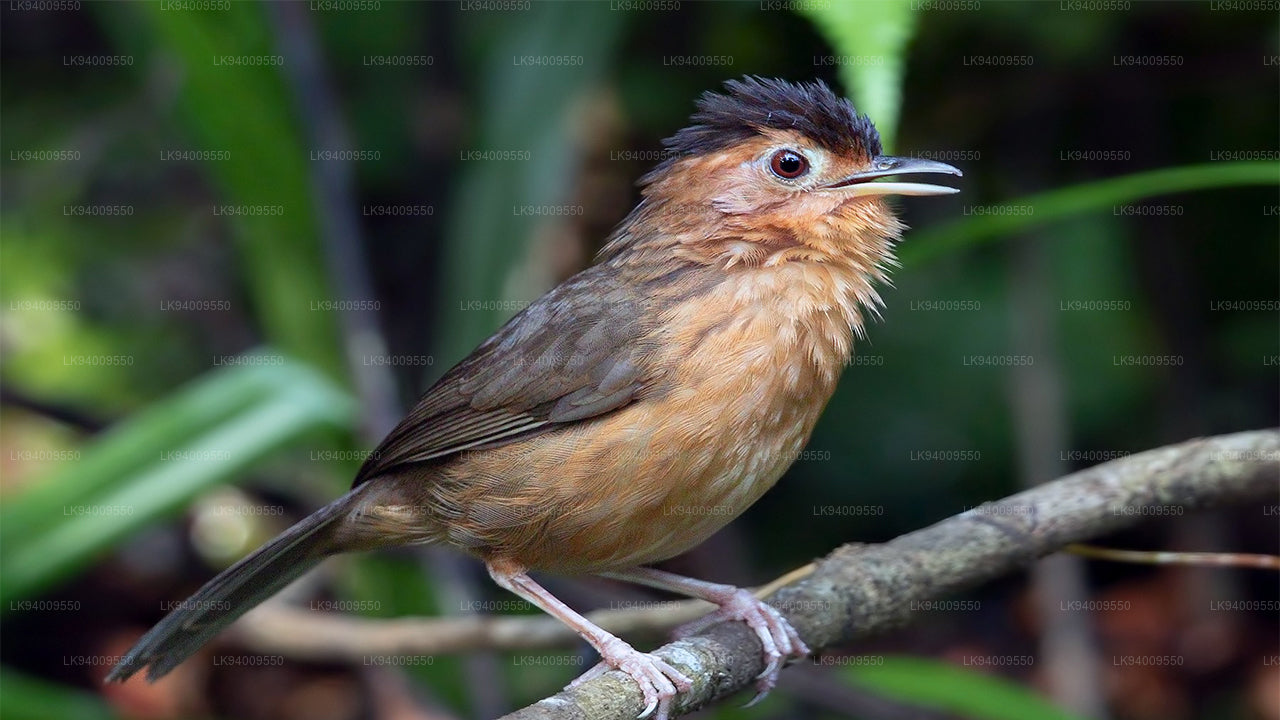 Brown Capped Babbler
Pellorneum fuscocapillus
-
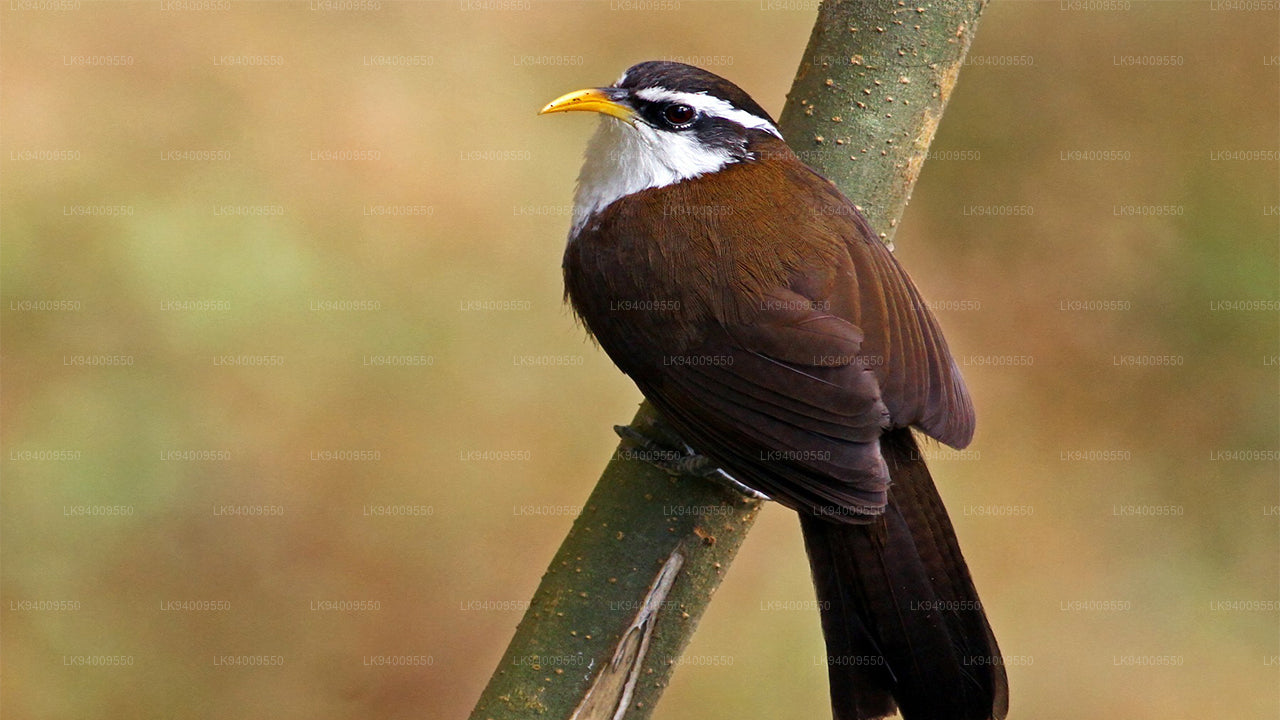 Ceylon Scimitar Babbler
Pomatorhinus melanurus
-
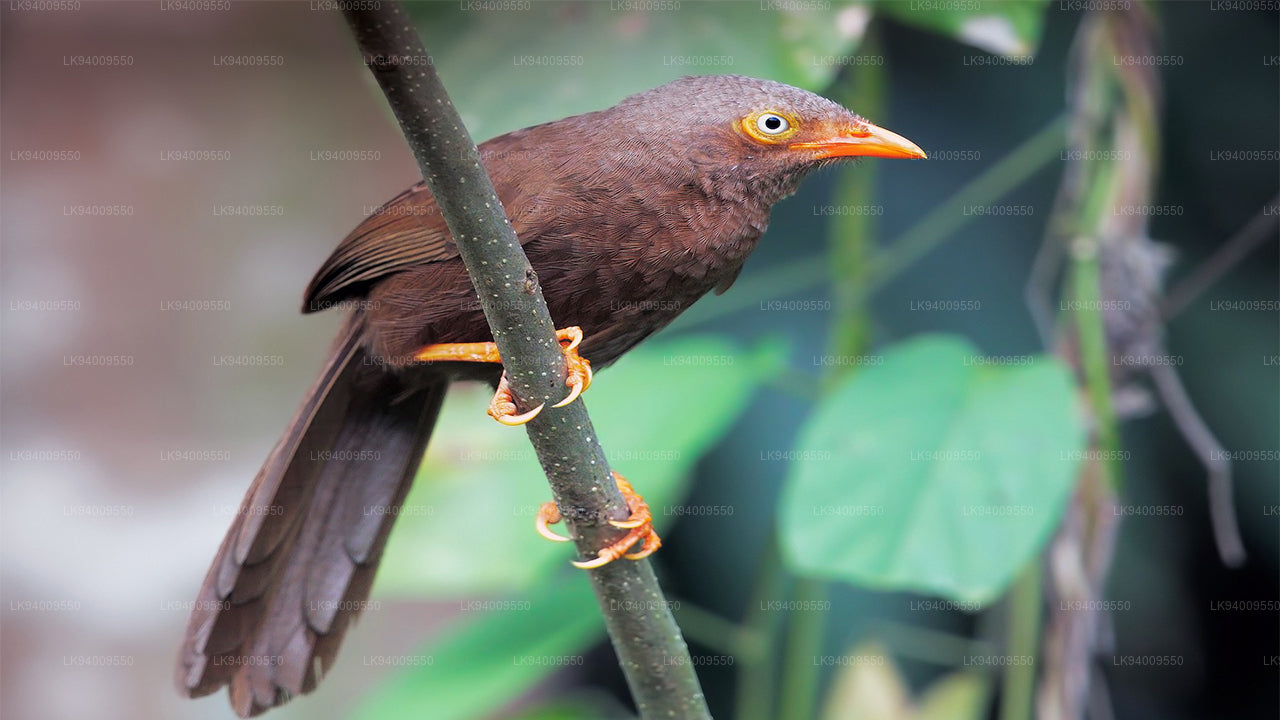 Ceylon Rufous Babbler
Argya rufescens
-
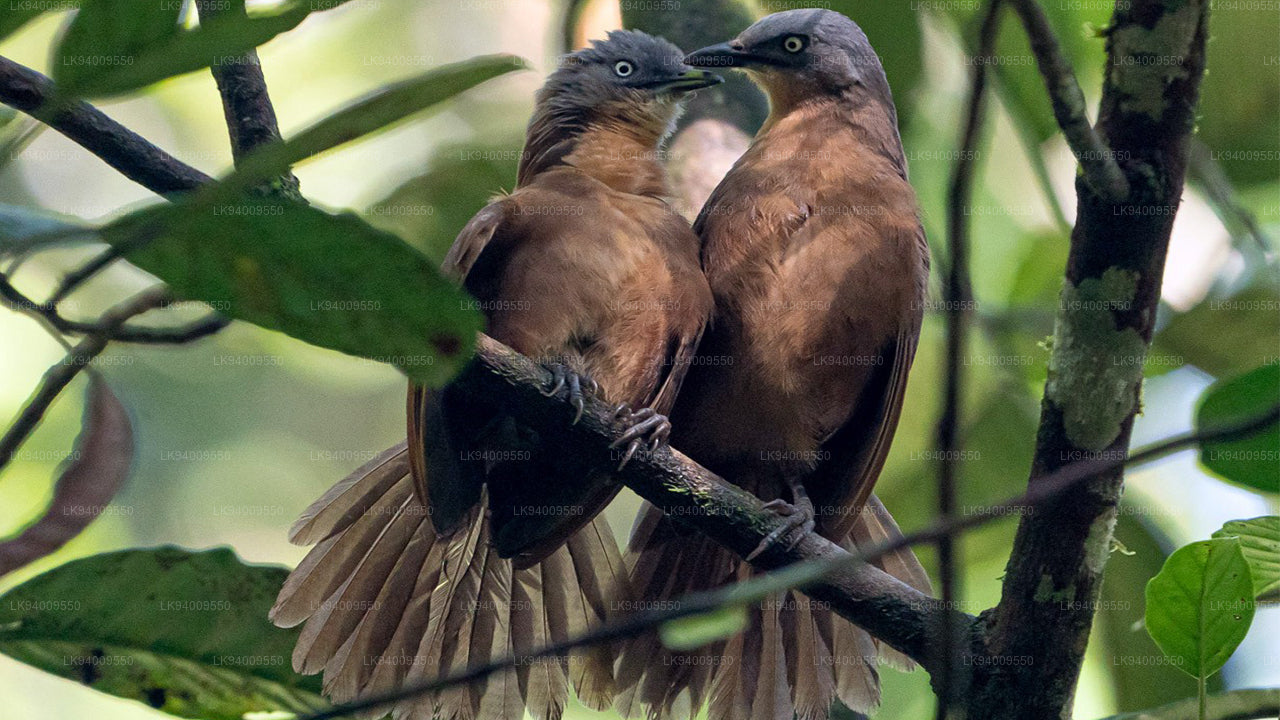 Ashy Headed Laughingthrush
Argya cinereifrons
-
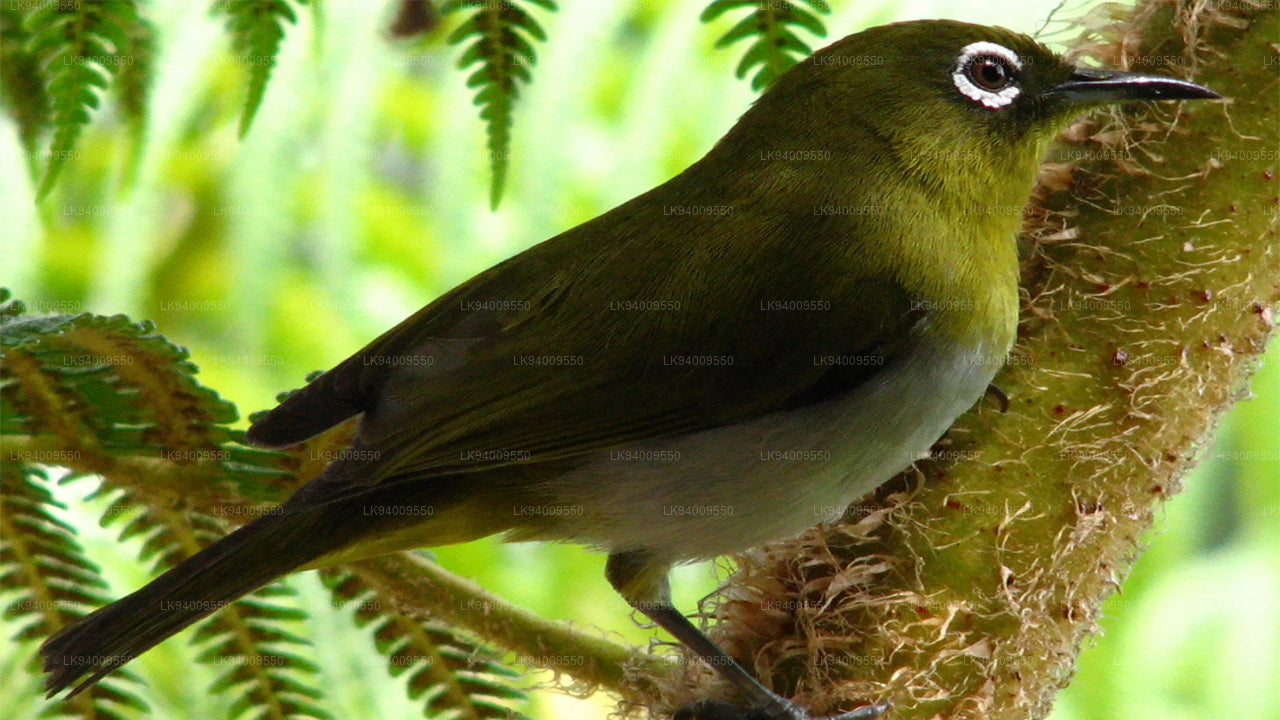 Ceylon White Eye
Zosterops ceylonensis
-
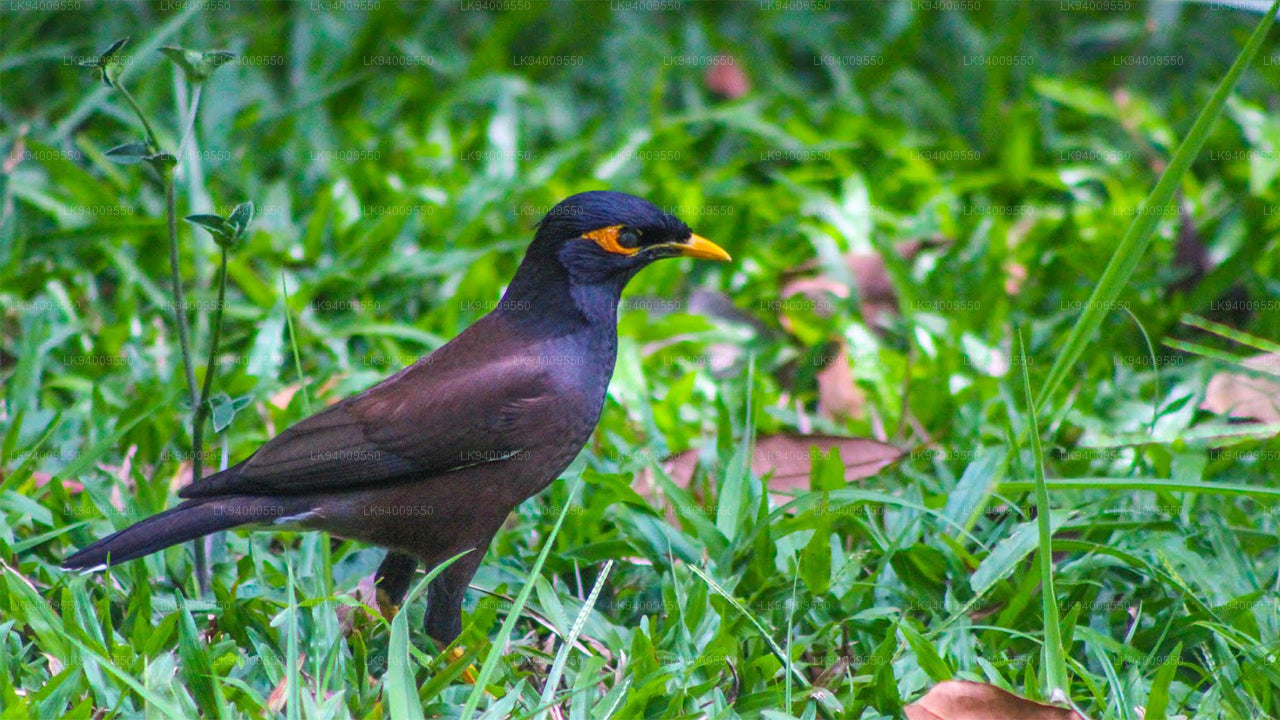 Ceylon Hill Myna
Gracula ptilogenys
-
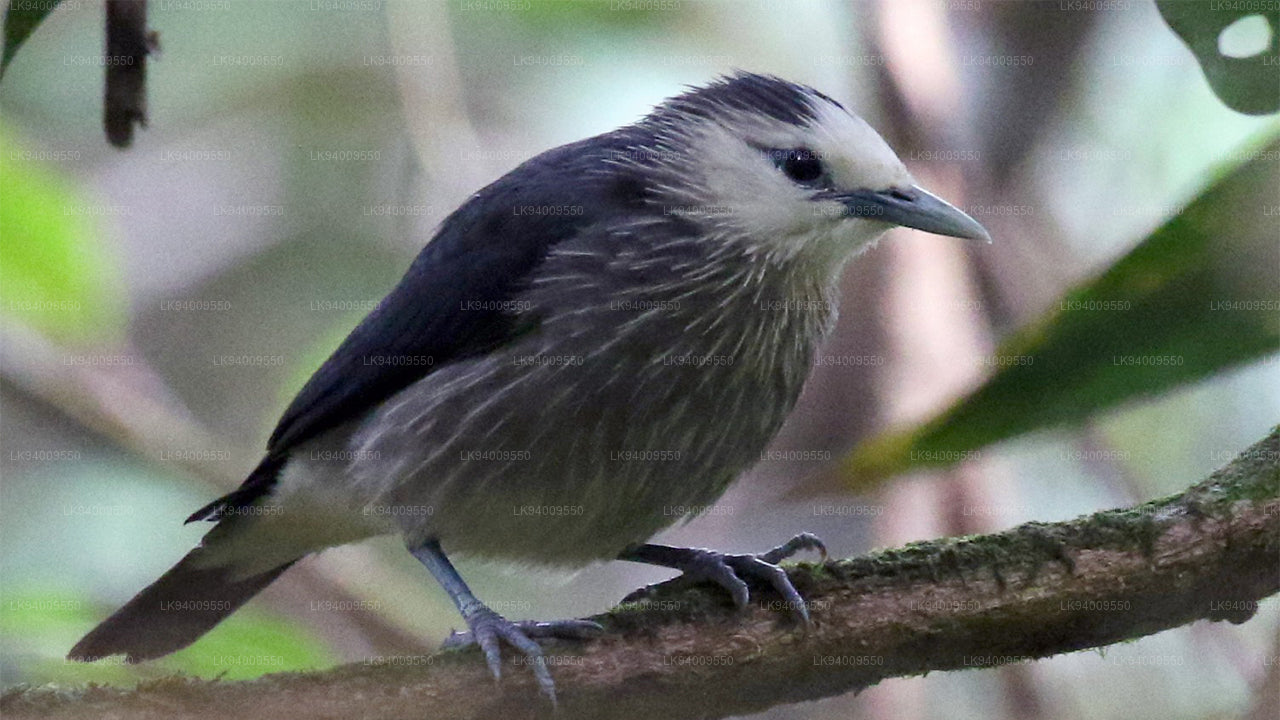 White Faced Starling
$Sturnornis albofrontatus
-
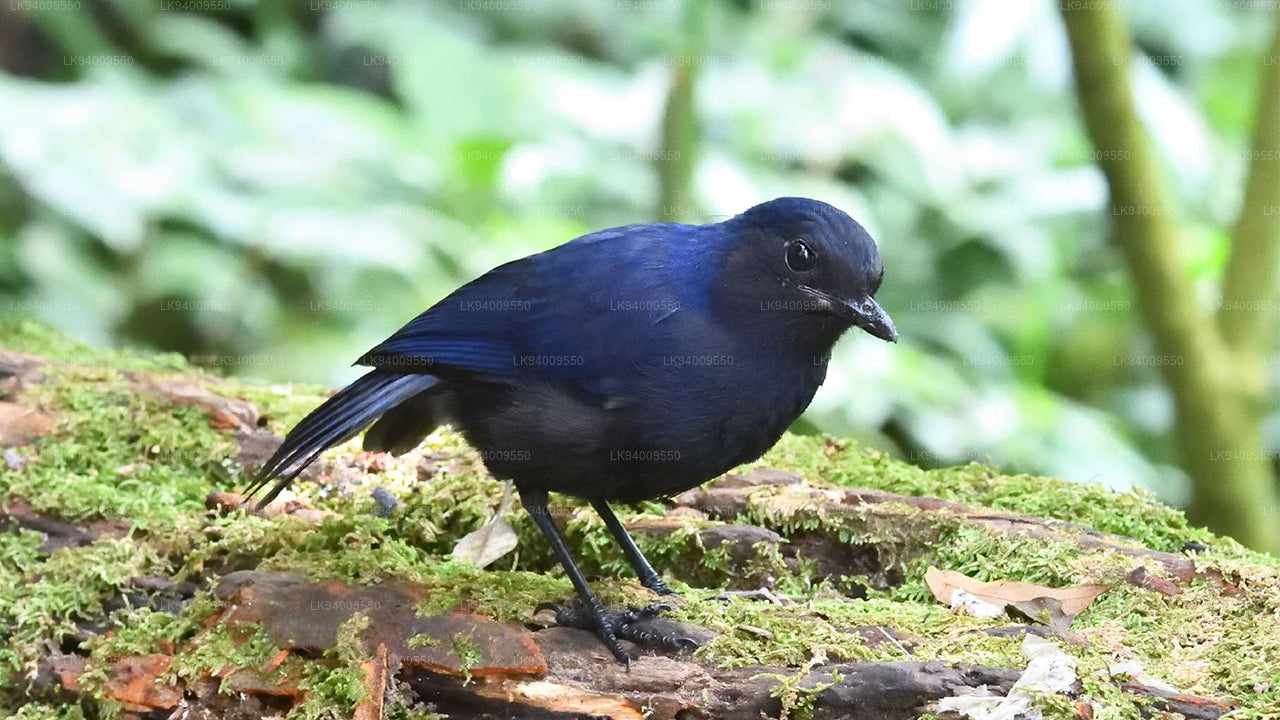 Ceylon Whistling Thrush
Myophonus blighi
-
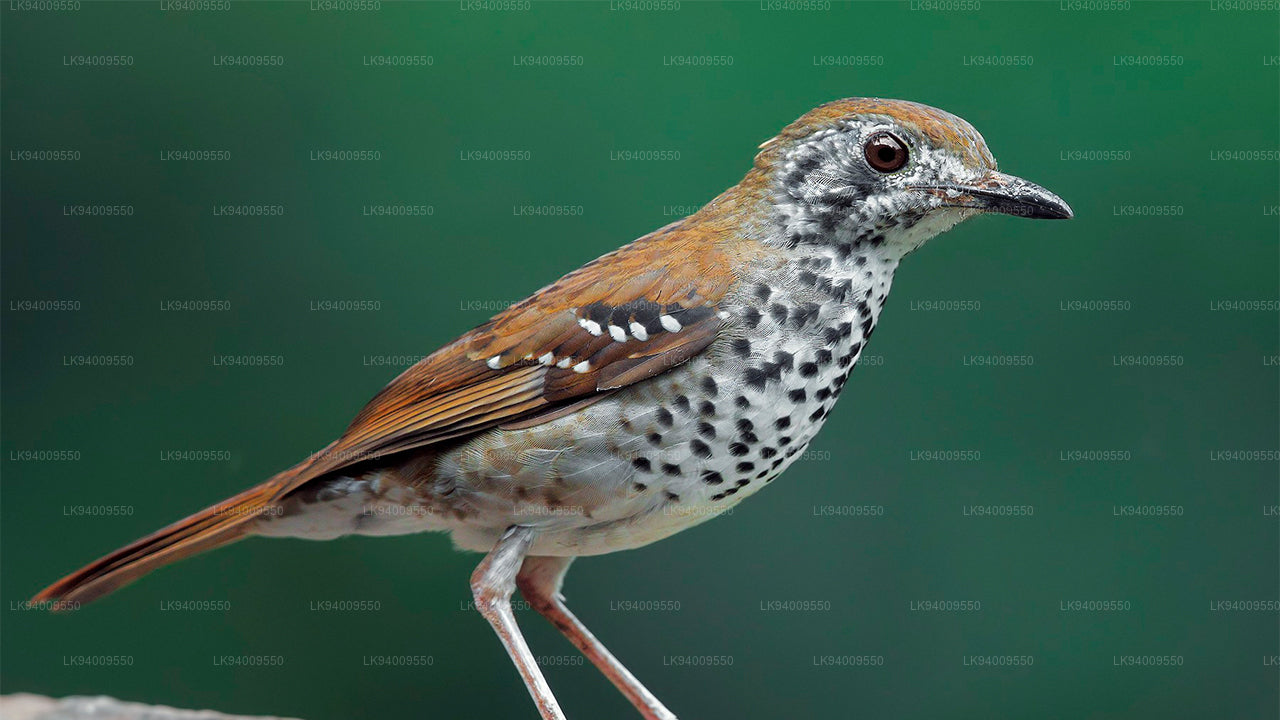 Spot Winged Ground Thrush
Geokichla spiloptera
-
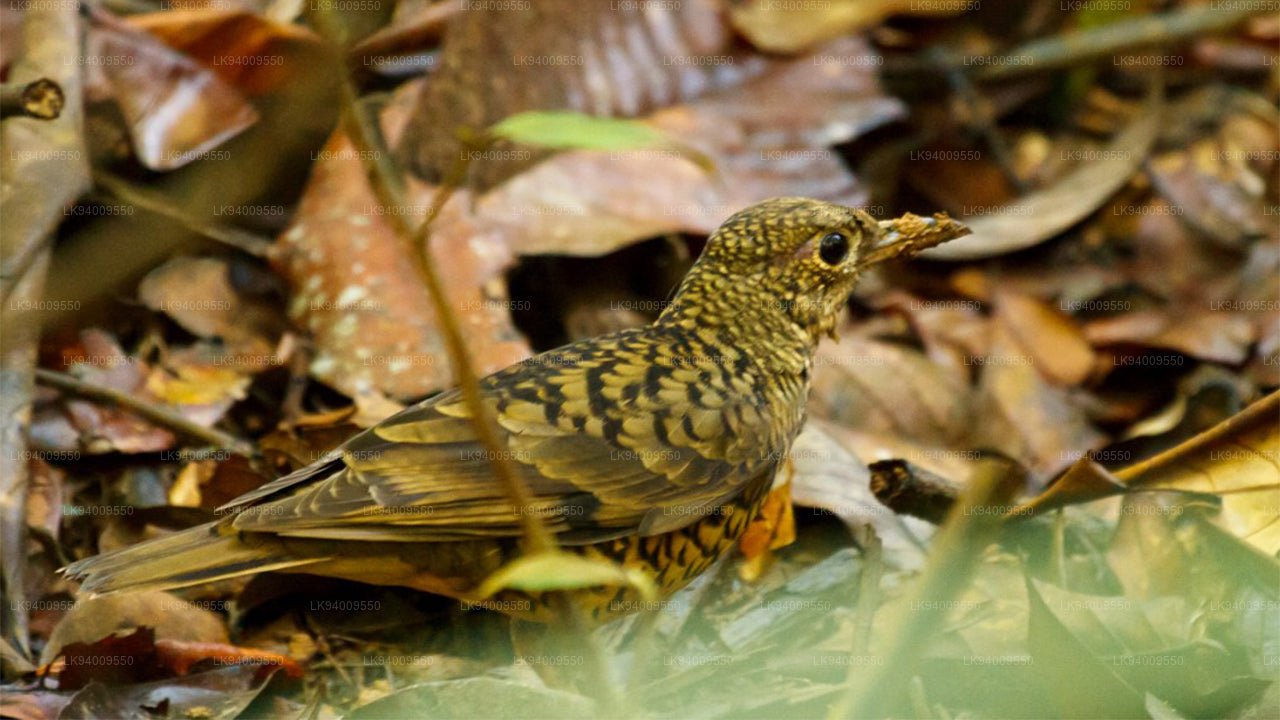 Ceylon Scaly Thrush
Zoothera imbricata
-
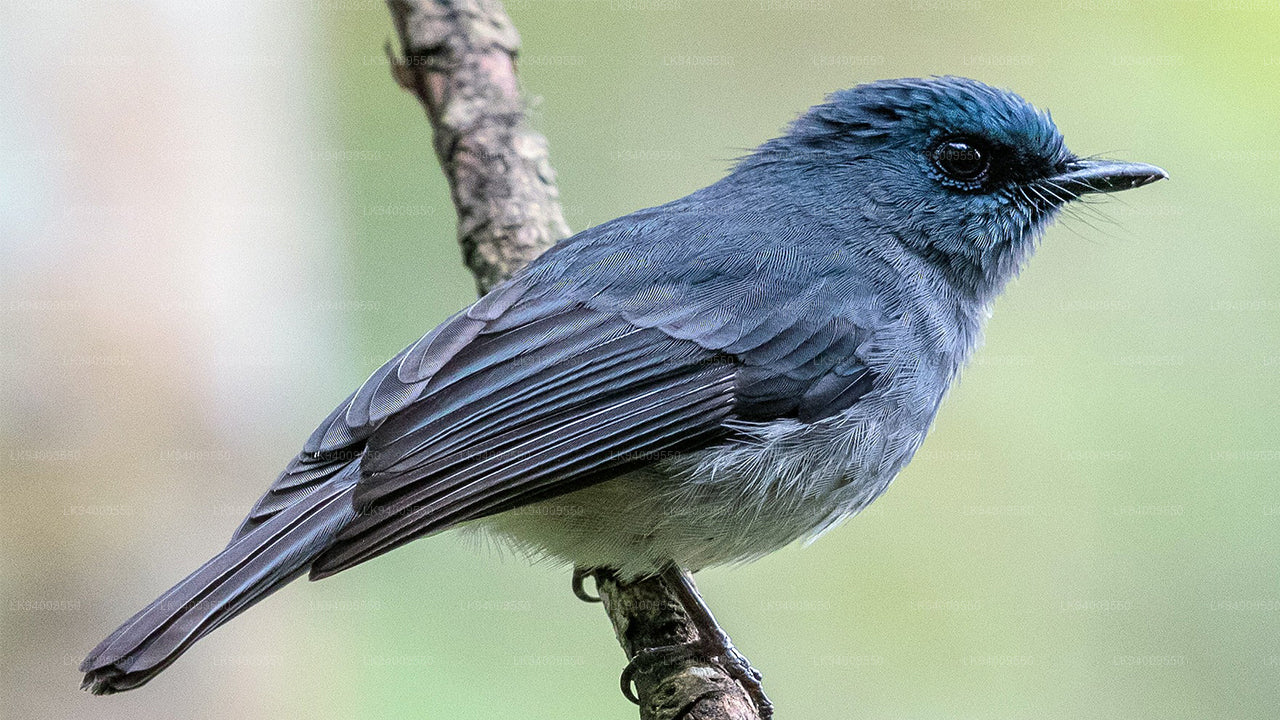 Dusky Blue Flycatcher
Eumyias sordidus
-
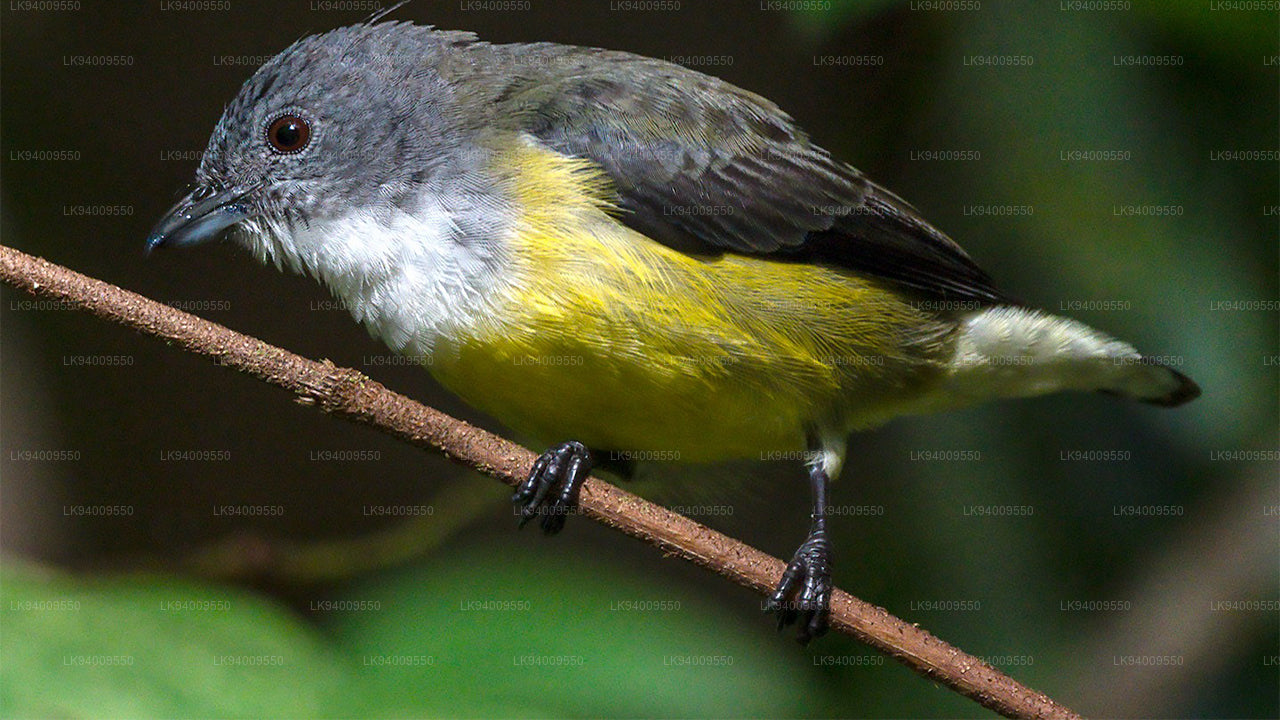 Legge's Flowerpecker
Dicaeum vincens
-
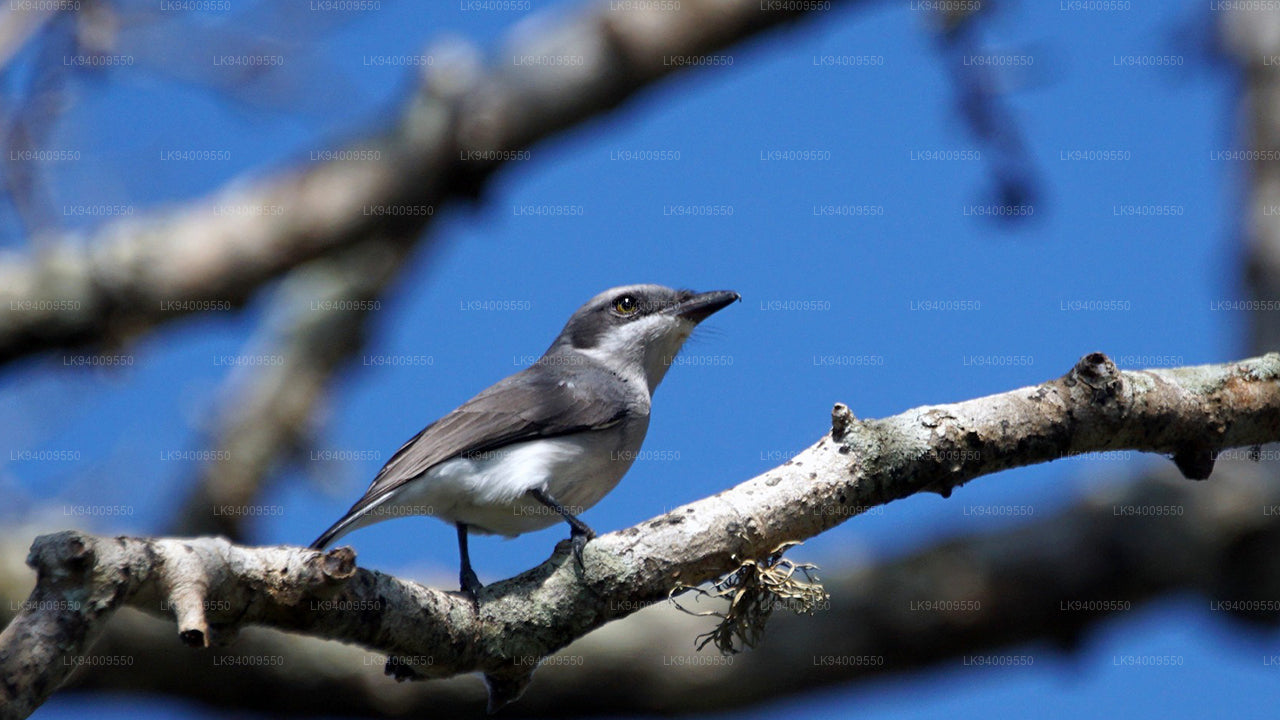 Ceylon Woodshrike
Tephrodornis affinis
-
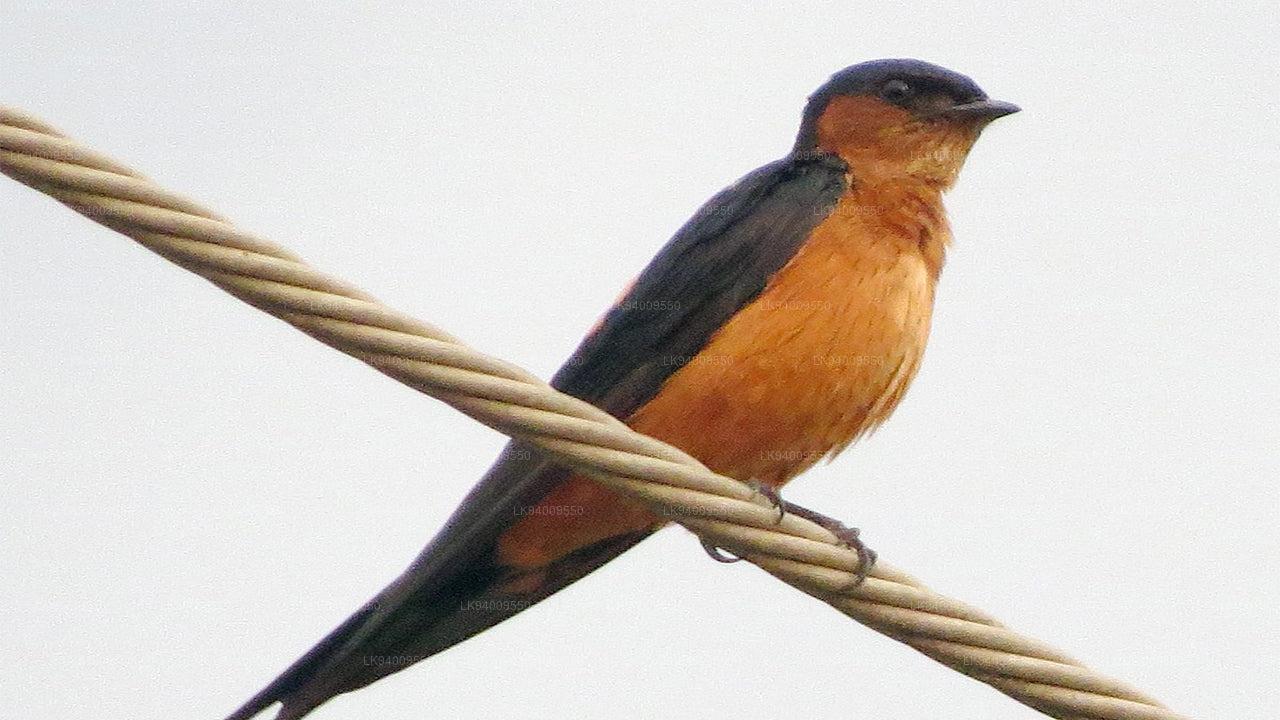 Ceylon Swallow
Cecropis hyperythra