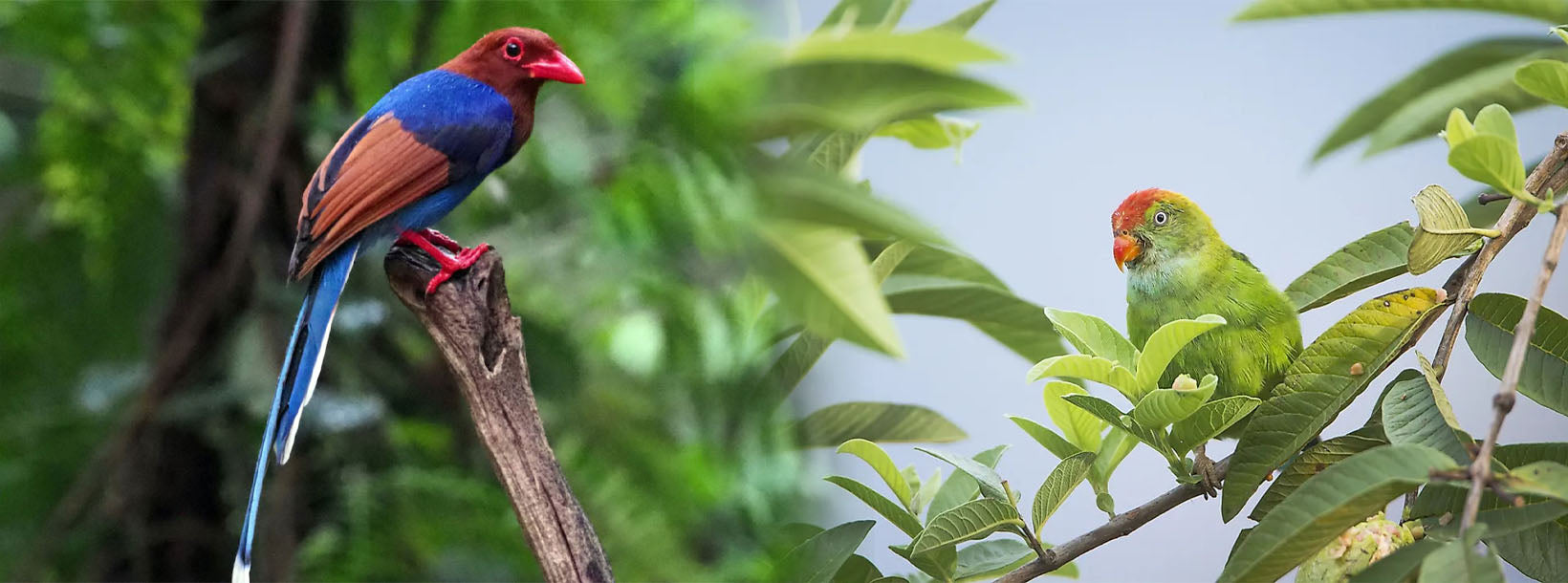
Chestnut Backed Owlet


Sri Lanka Chestnut-backed "Owlet Glaucidium castanonotum" (Blyth, 1849)
The Chestnut-backed Owlet is among the more rarely seen of Sri Lanka’s endemic birds. It inhabits dense, low to mid country wet zone forests keeping largely to the upper storey of the canopy. It is largely restricted to a few undisturbed forest patches and has been recorded at altitudes up to around 2,000 meters.
These small owls, just 19 – 21 cm in length (the sexes are alike), have a distinctive call sounding rather like k’raw…k’raw…k’raw…k’raw… k’raw, the syllables slowing slightly as the call progresses. They are crepuscular as well as nocturnal hunters, feeding mainly on insects — but, like many other owls, probably also prey on rodents and similar-sized animals.
Chestnut-backed owlets breed between March and May, the eggs being laid in bare tree hollows. Two shiny white eggs (34.0 x 27.4 to 35.8 x 29.2 mm), are laid.
Sri Lanka Chestnut-backed Owlet Glaucidium castanonotum


-
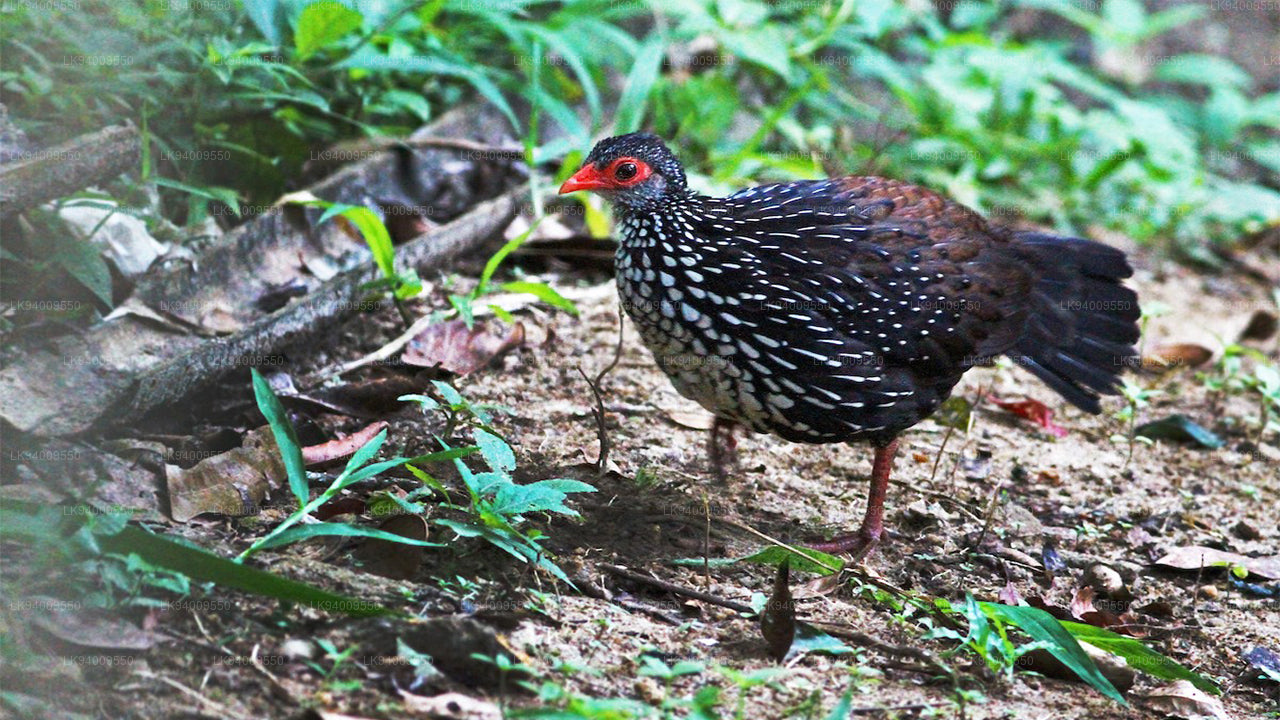 Ceylon Spurfowl
Galloperdix bicalcarata
-
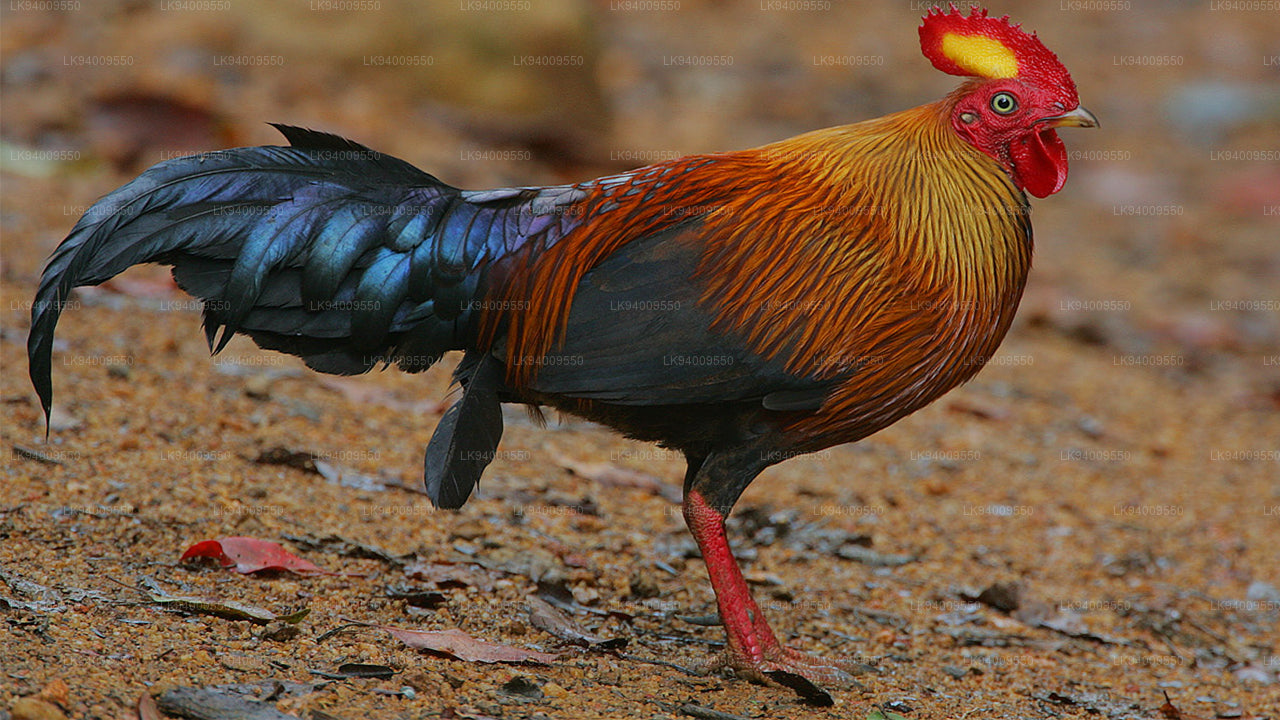 Junglefowl
Gallus lafayetii
-
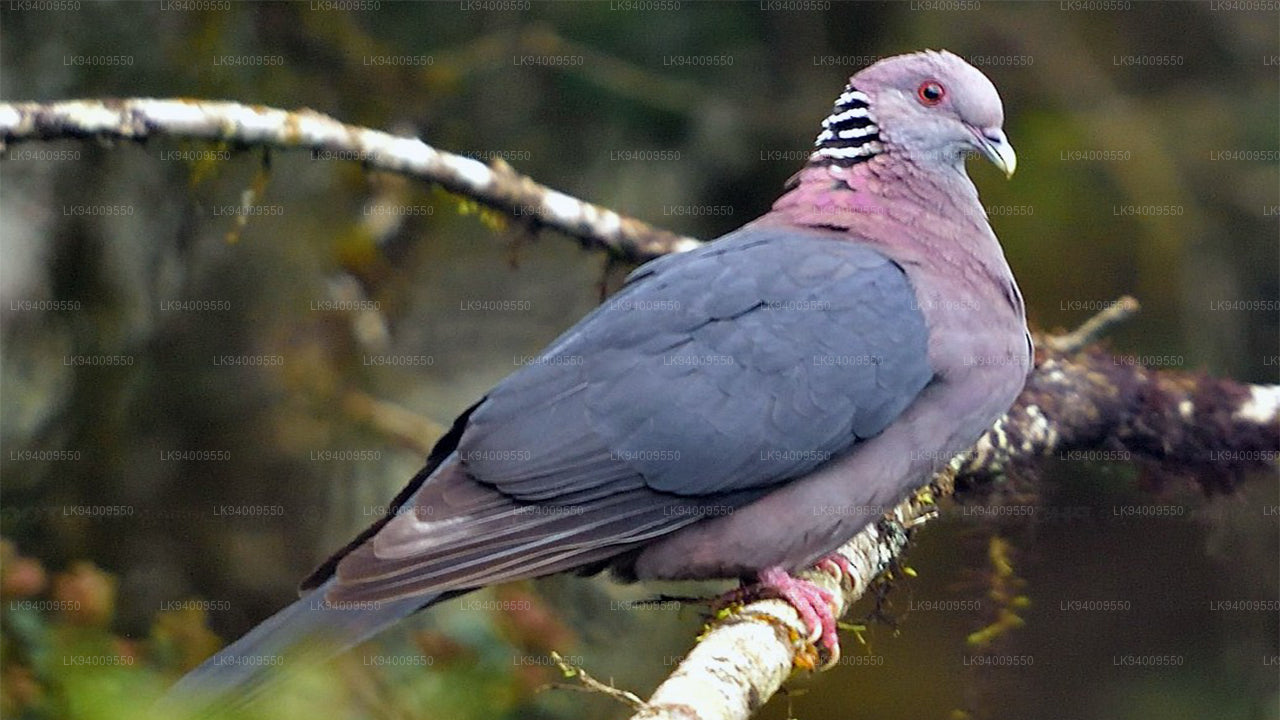 Ceylon Woodpigeon
Columba torringtoniae
-
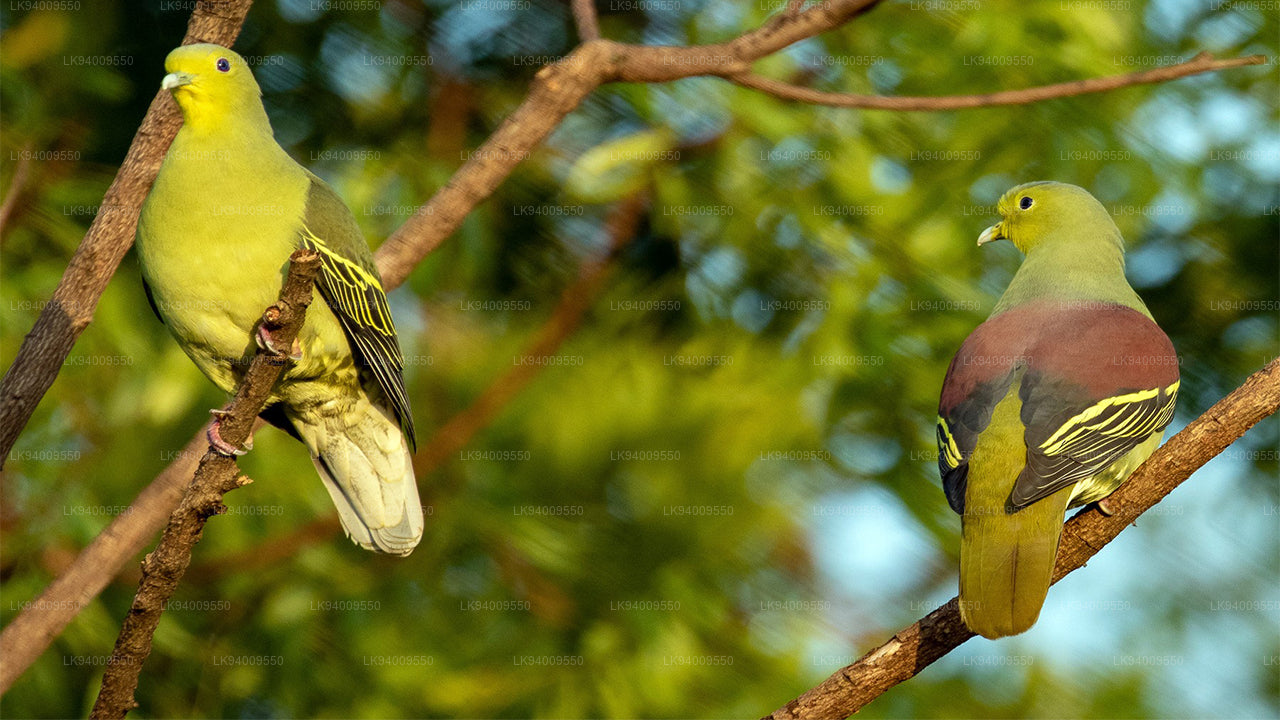 Ceylon Green Pigeon
Treron pompadora
-
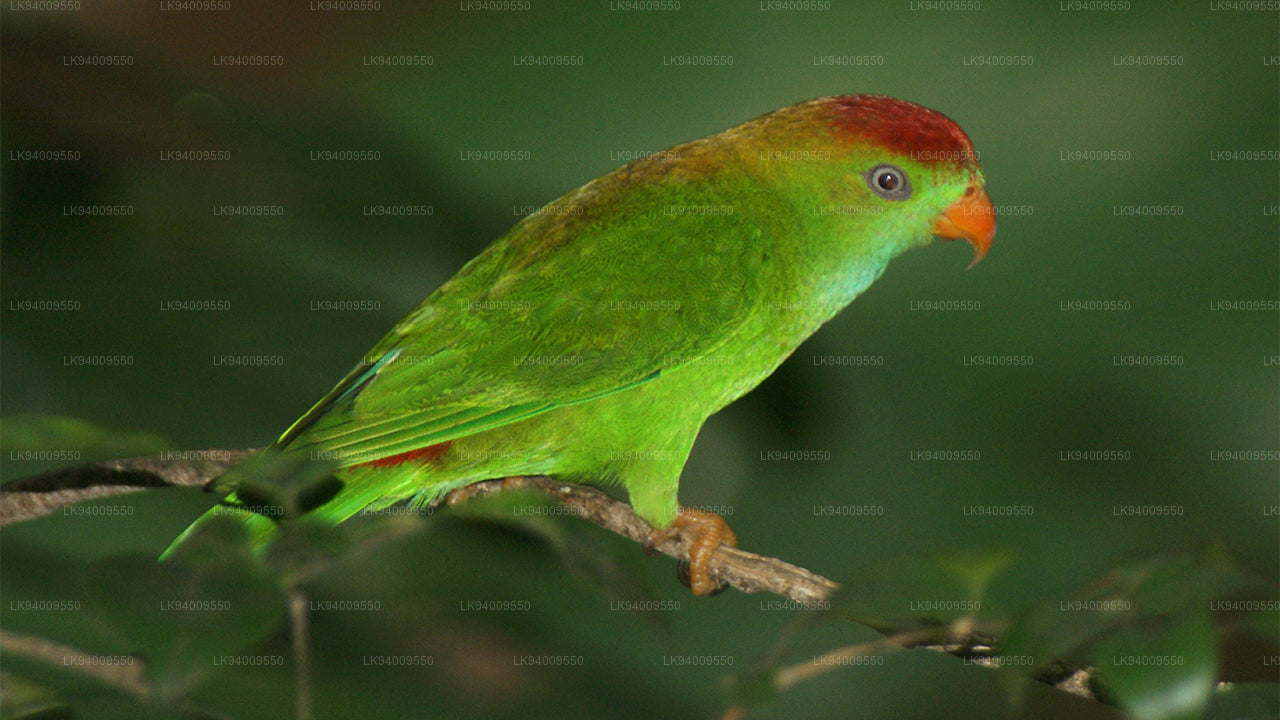 Ceylon Hanging Parrot
Loriculus beryllinus
-
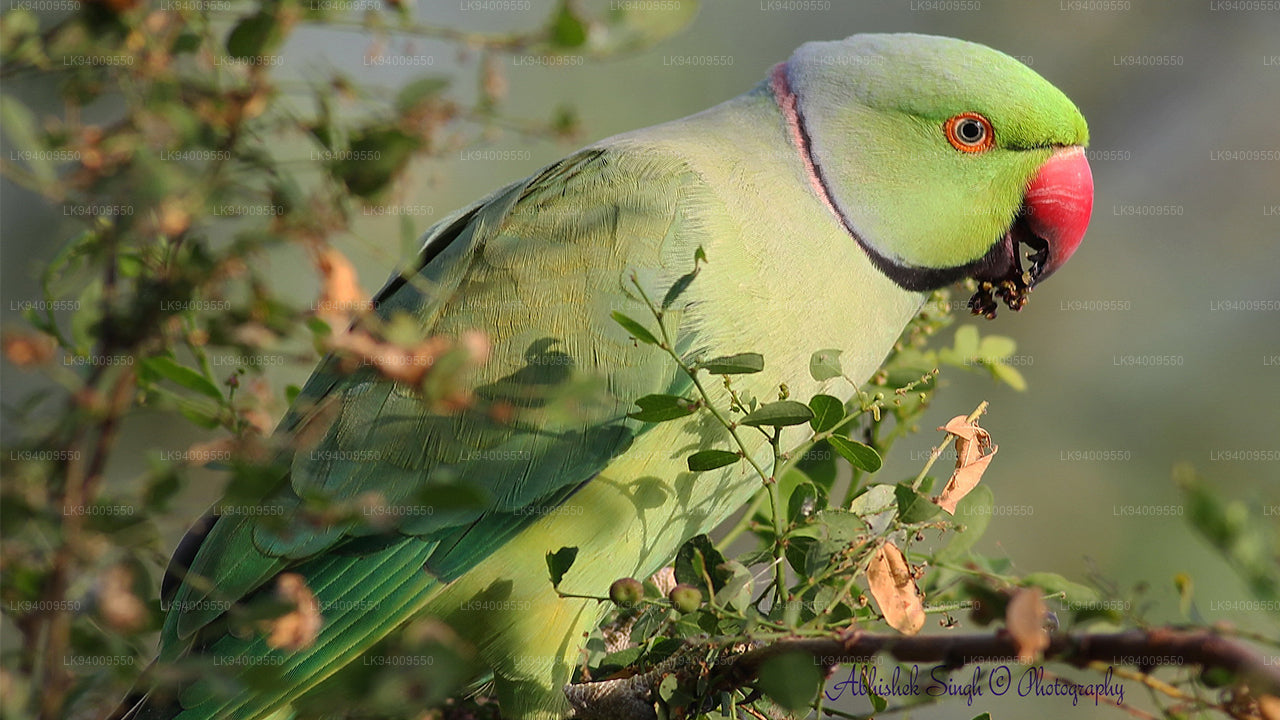 Layard’s Parakeet
Psittacula calthrapae
-
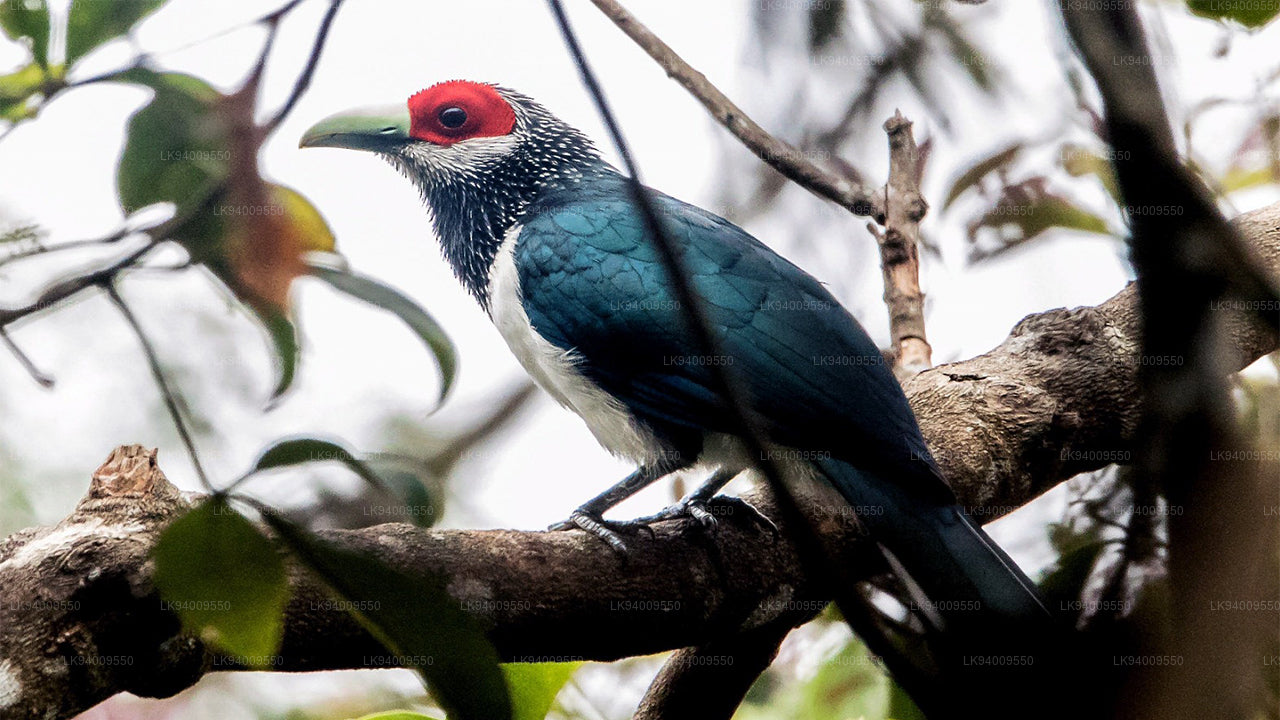 Red Faced Malkoha
Phaenicophaeus pyrrhocephalus
-
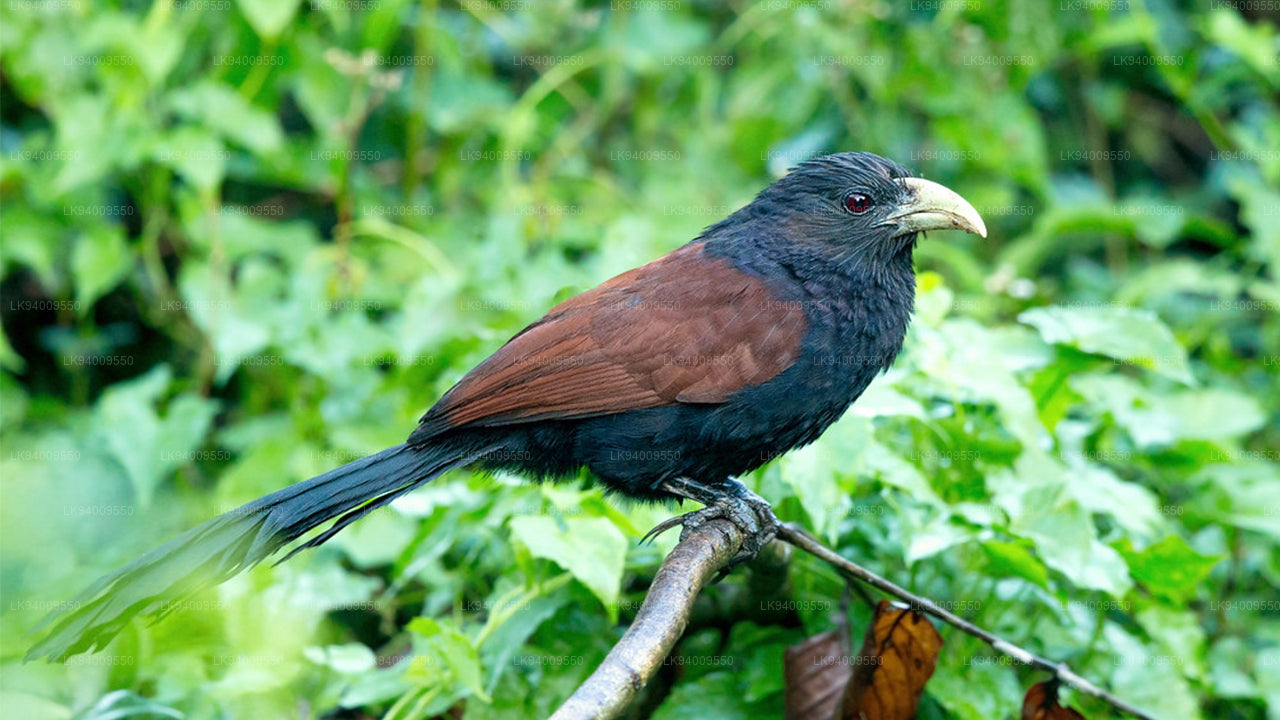 Green Billed Couca
Centropus chlororhynchos
-
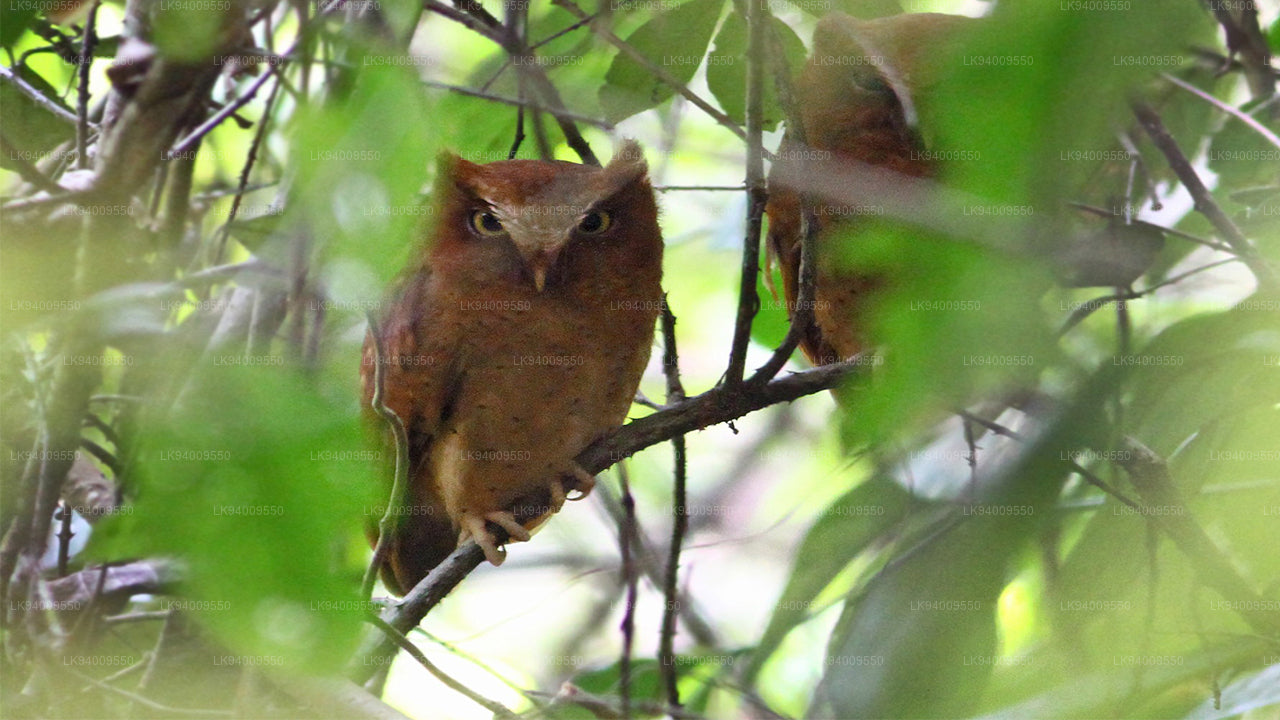 Serendib Scops Owl
Otus thilohoffmanni
-
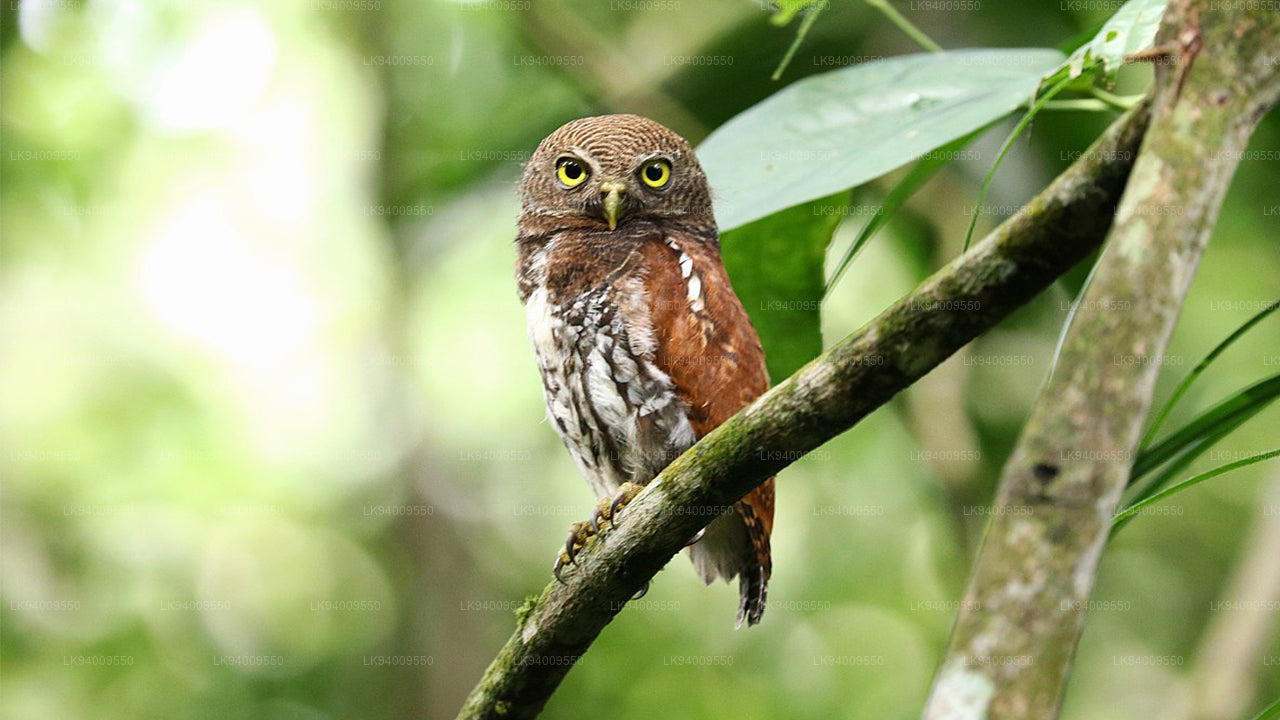 Chestnut Backed Owlet
$Glaucidium castanotum
-
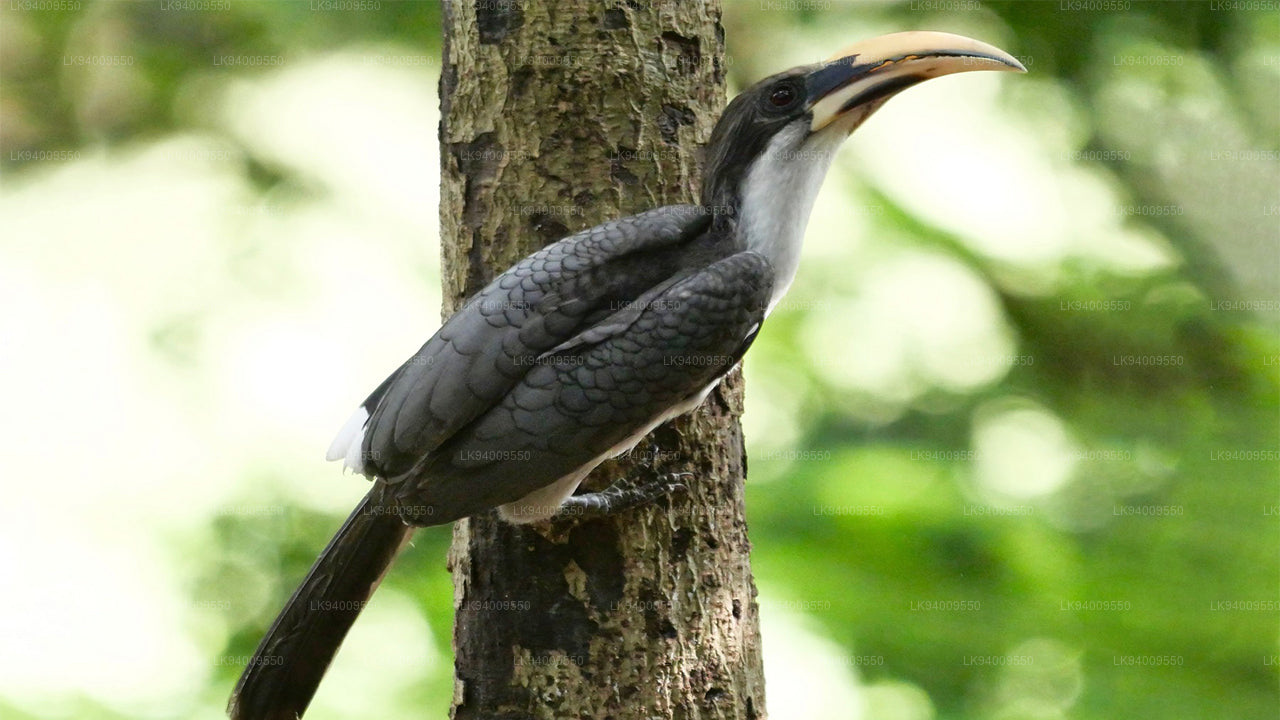 Ceylon Grey Hornbill
Ocyceros gingalensis
-
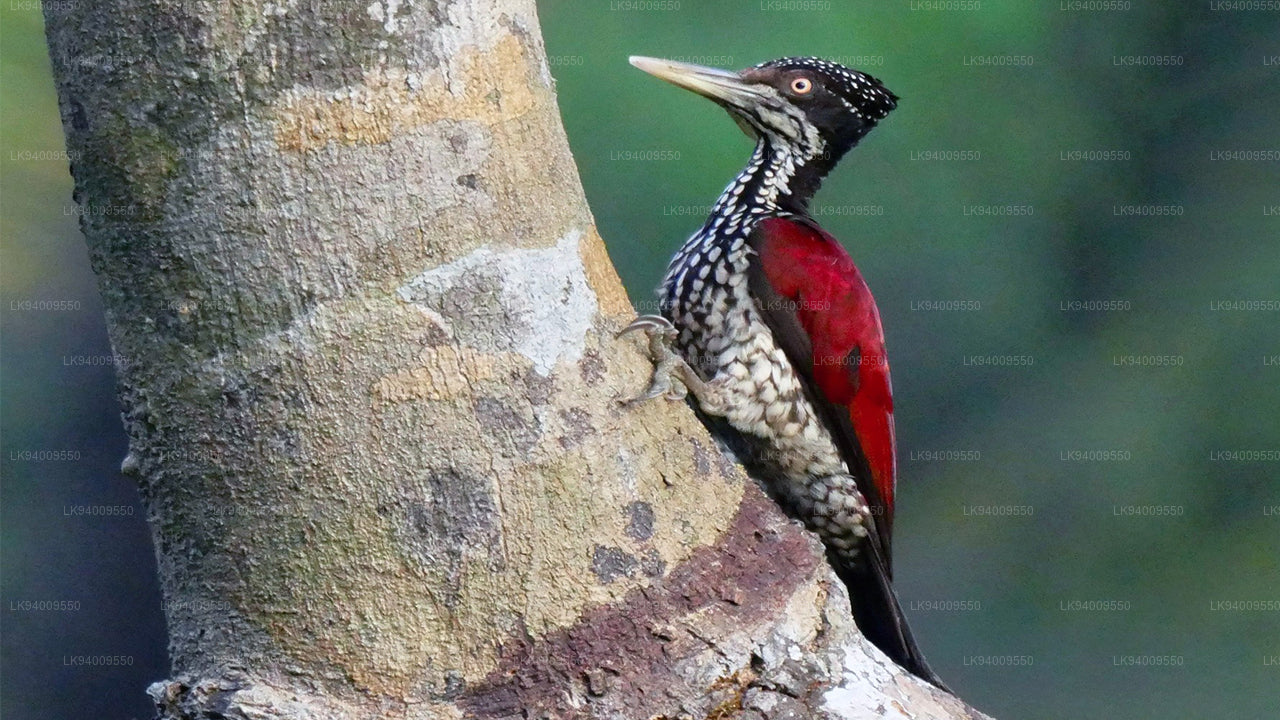 Crimson Backed Flameback
Chrysocolaptes stricklandi
-
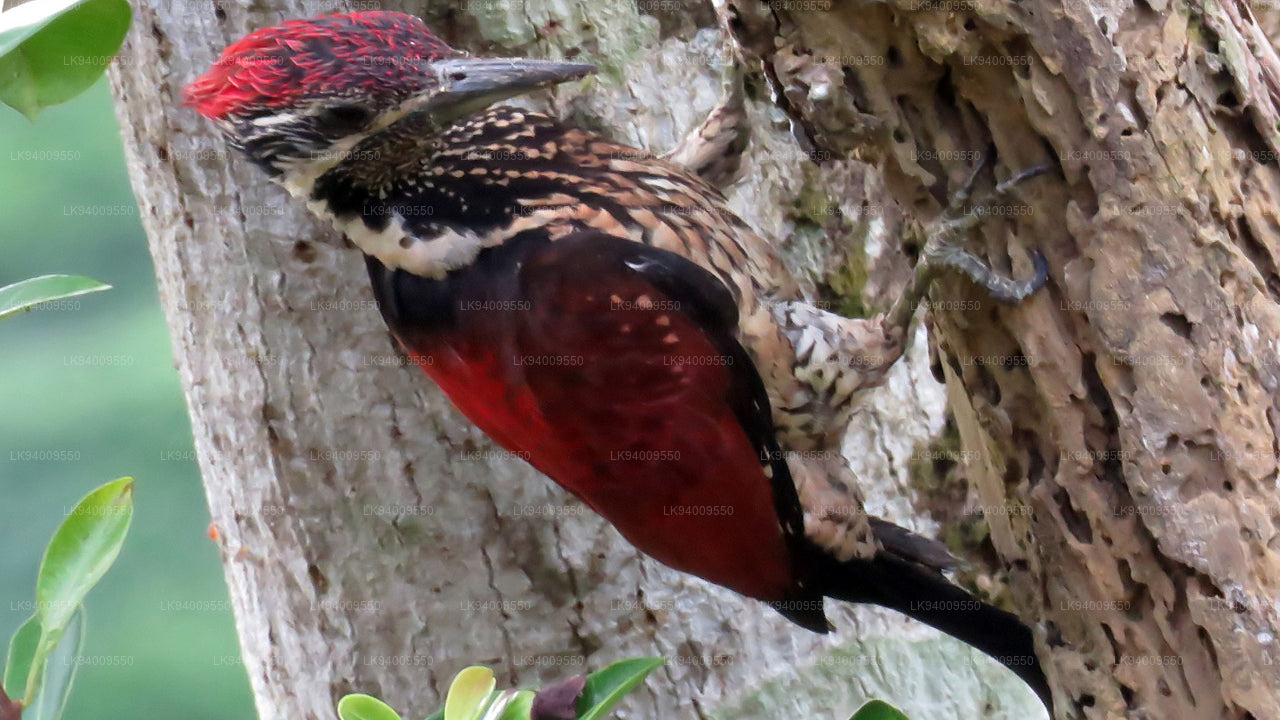 Red backed flameback
Dinopium psarodes
-
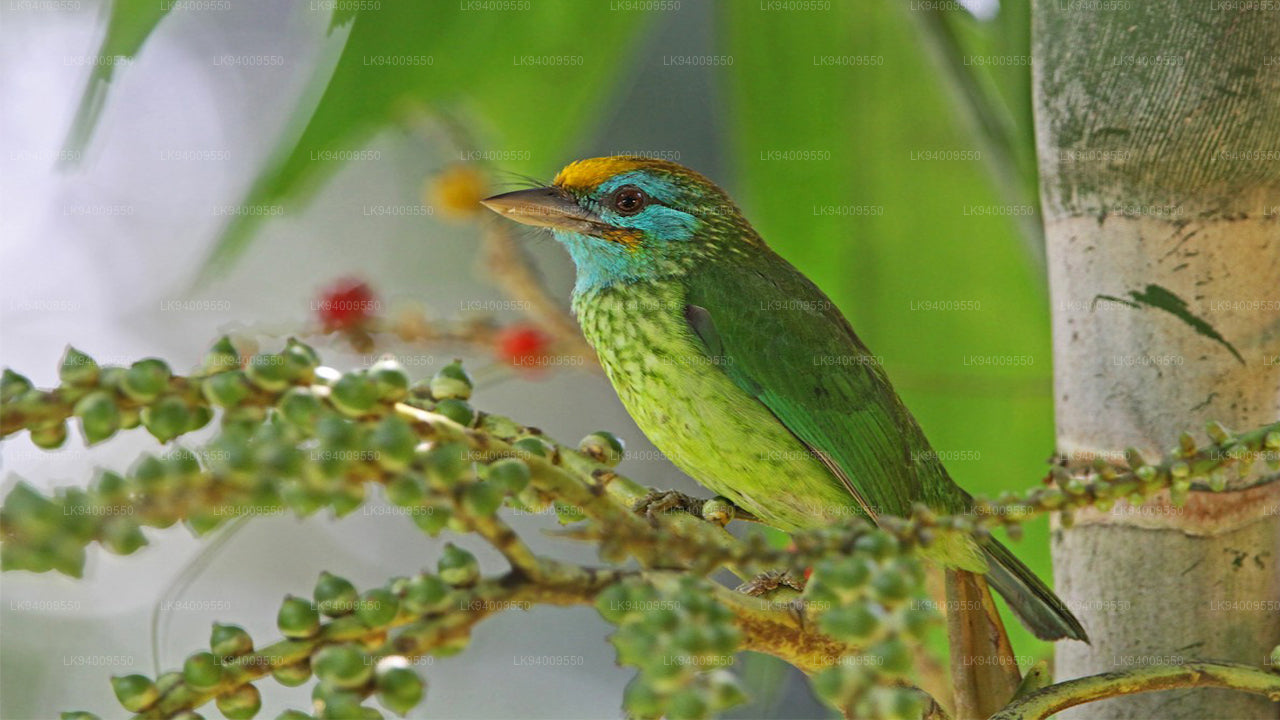 Yellow Fronted Barbet
Psilopogon flavifrons
-
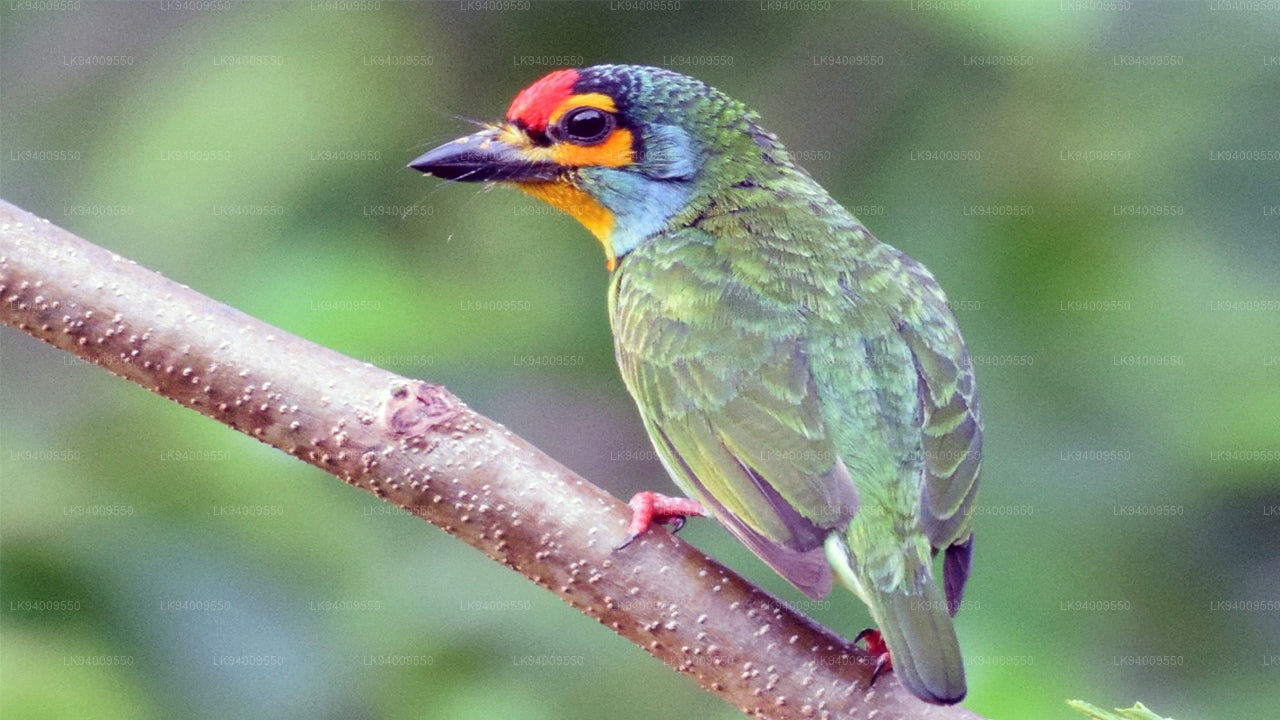 Crimson Fronted Barbet
Psilopogon rubricapillus
-
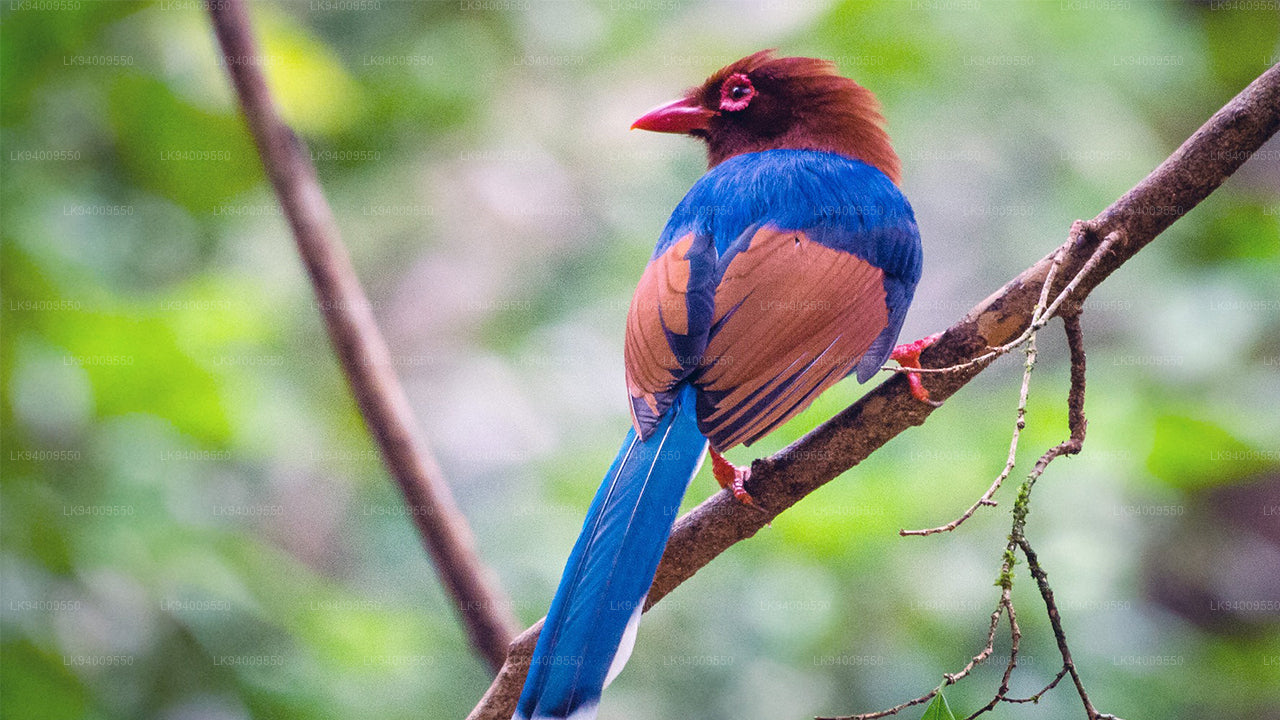 Ceylon Blue Magpie
Urocissa ornata
-
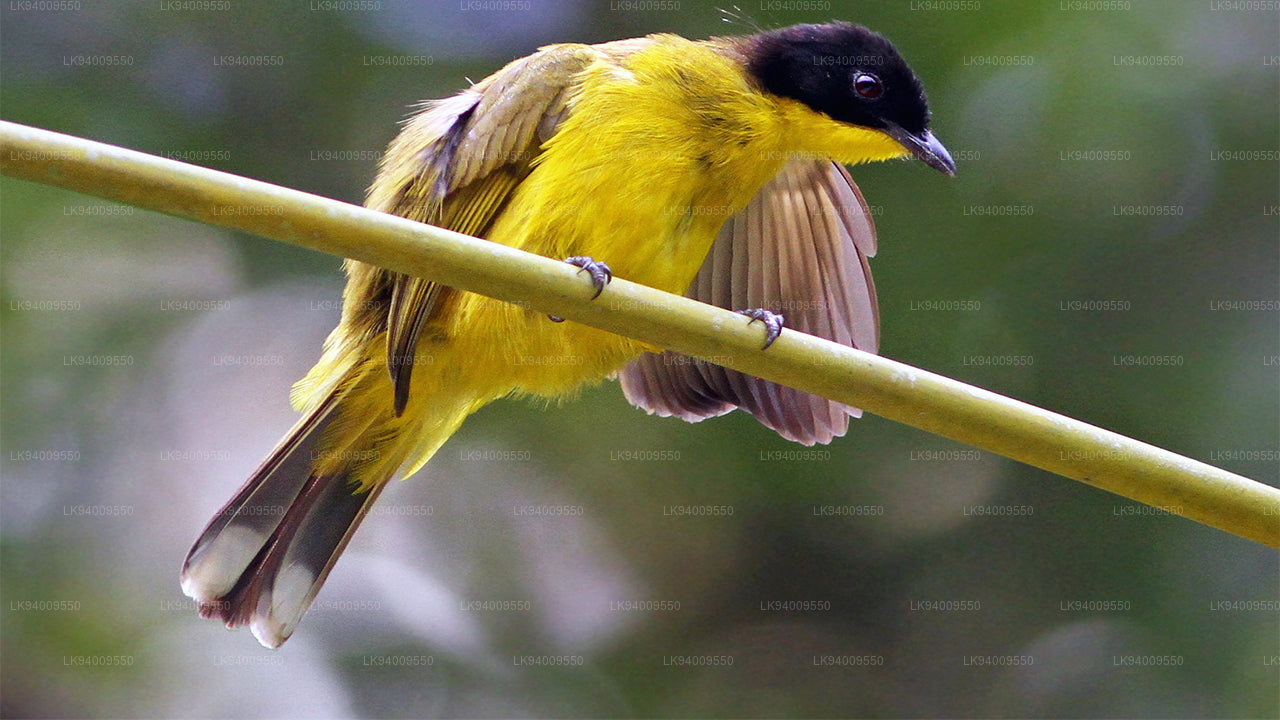 Black Capped Bulbul
Rubigula melanictera
-
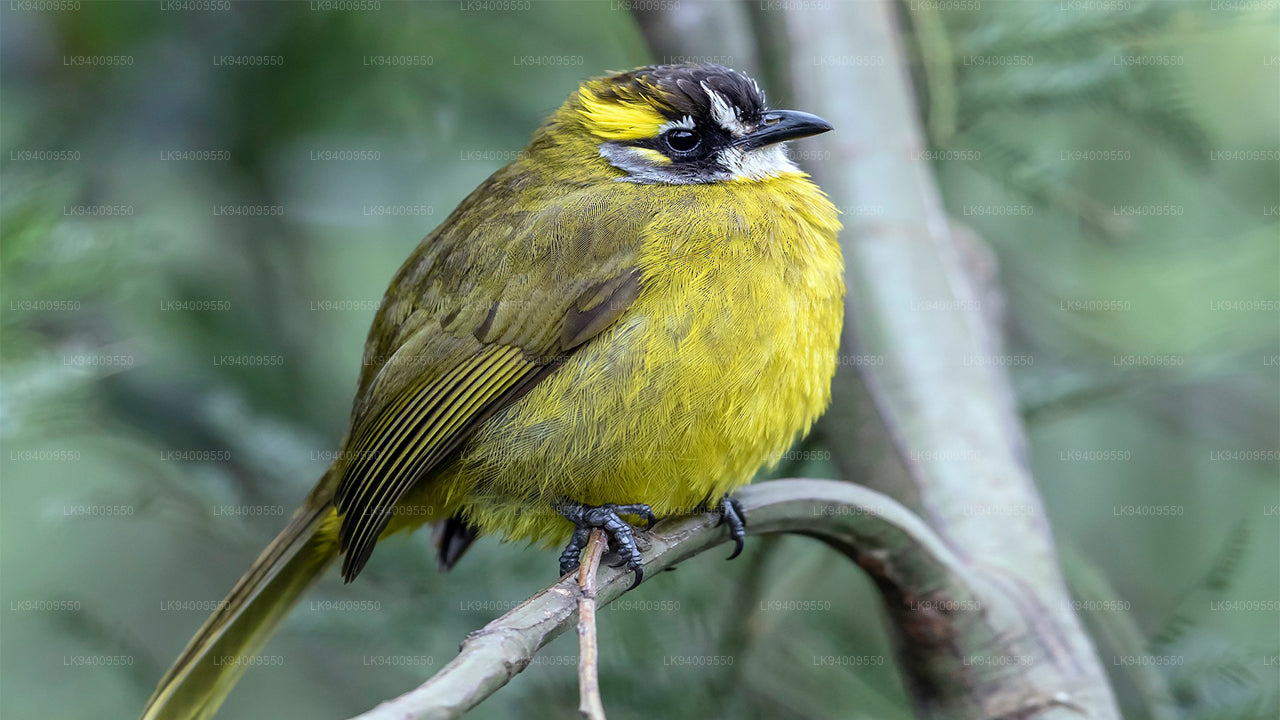 Yellow Eared Bulbul
Pycnonotus penicillatus
-
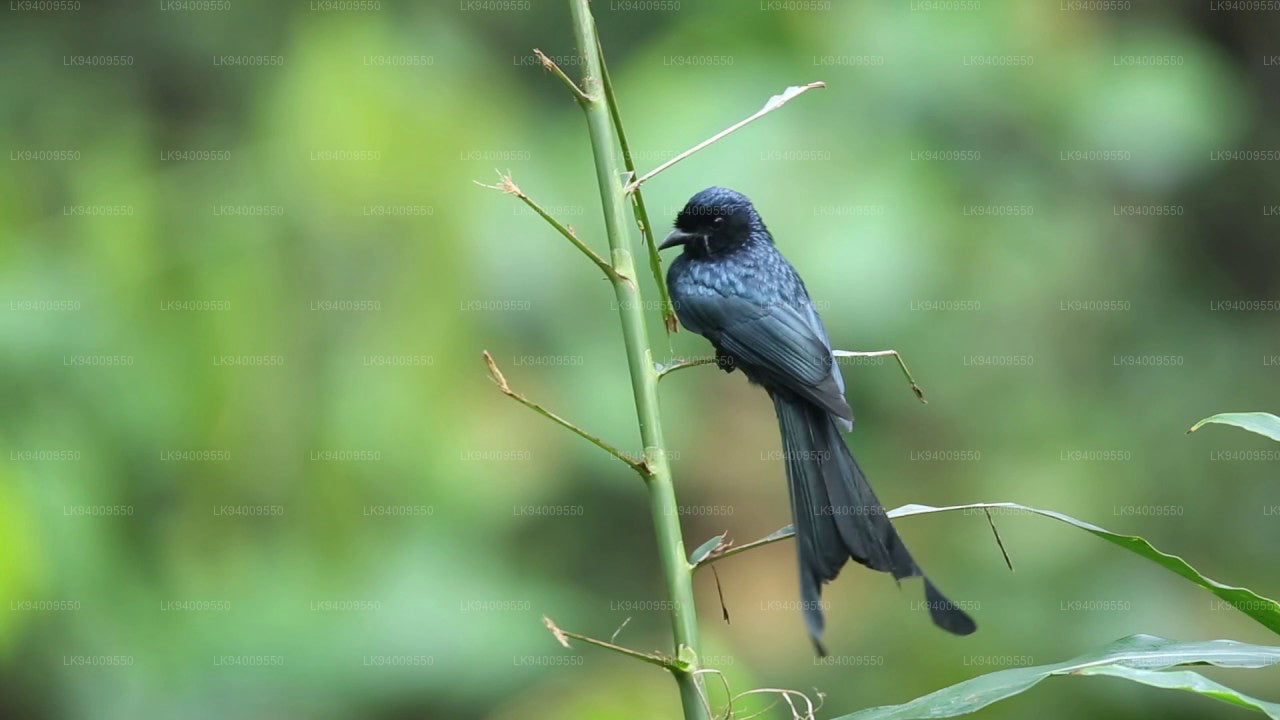 Ceylon Crested Drongo
Dicrurus lophorinus
-
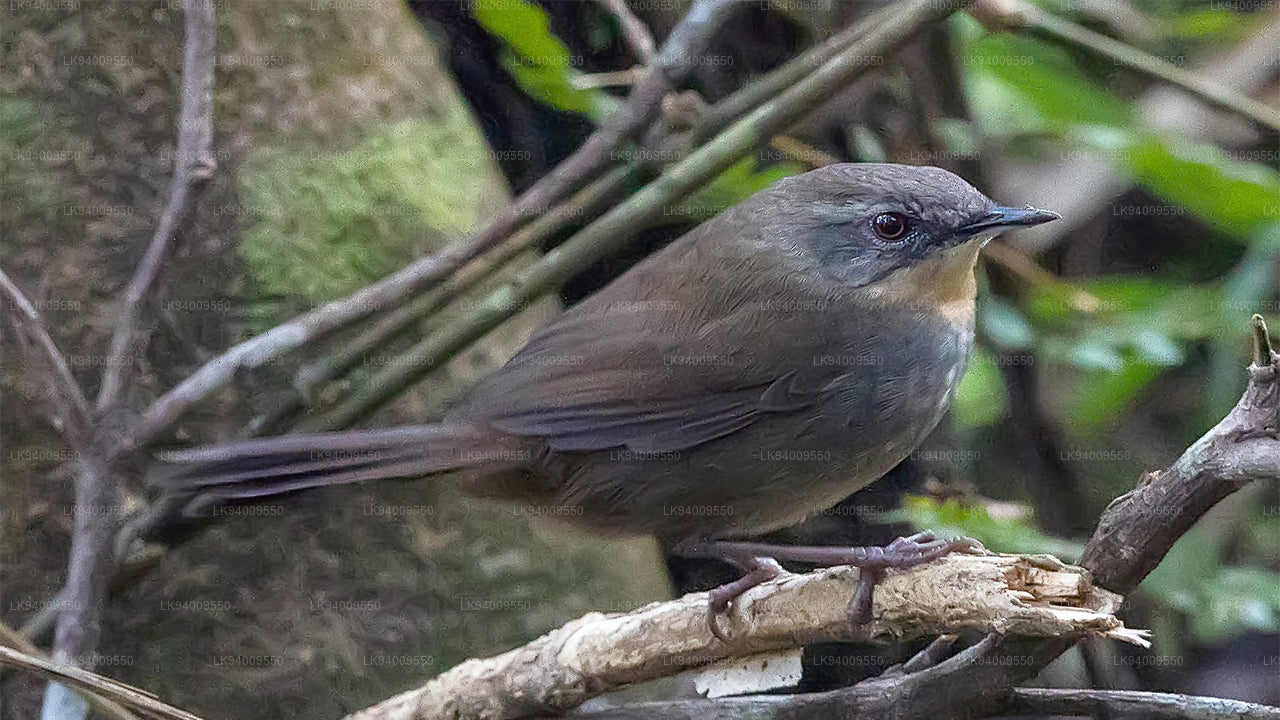 Ceylon Bush Warbler
Elaphrornis palliseri
-
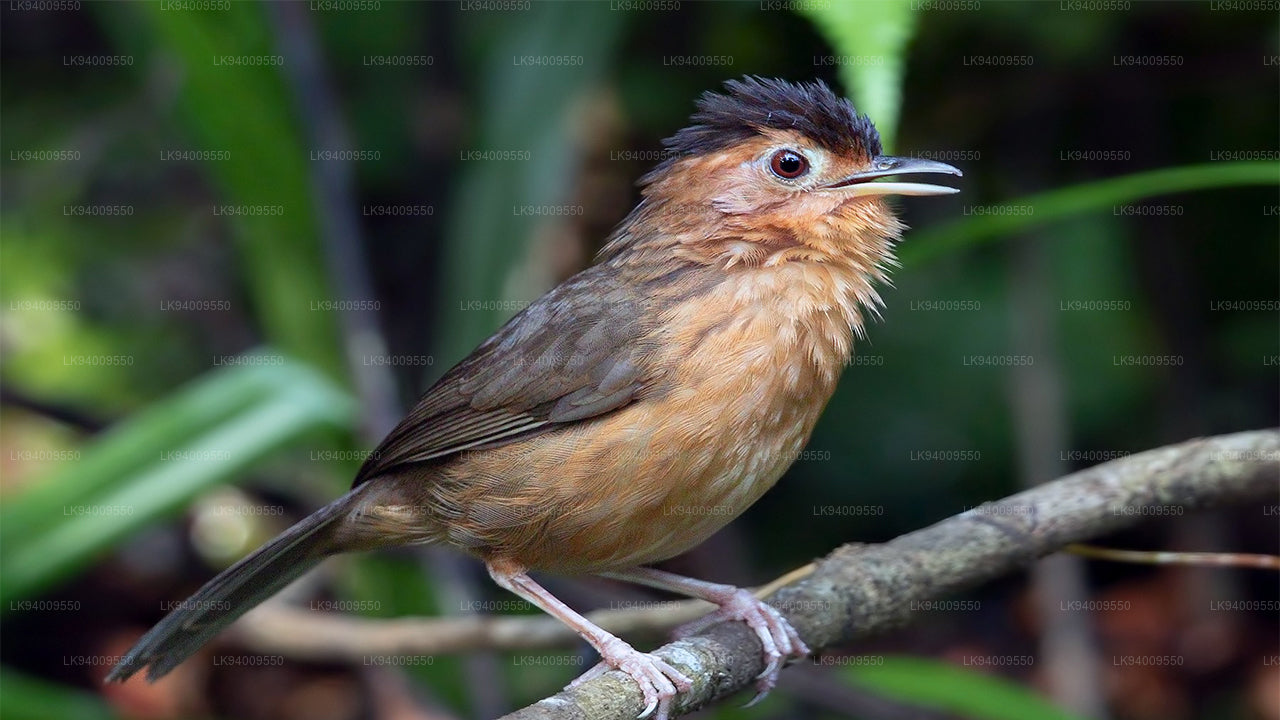 Brown Capped Babbler
Pellorneum fuscocapillus
-
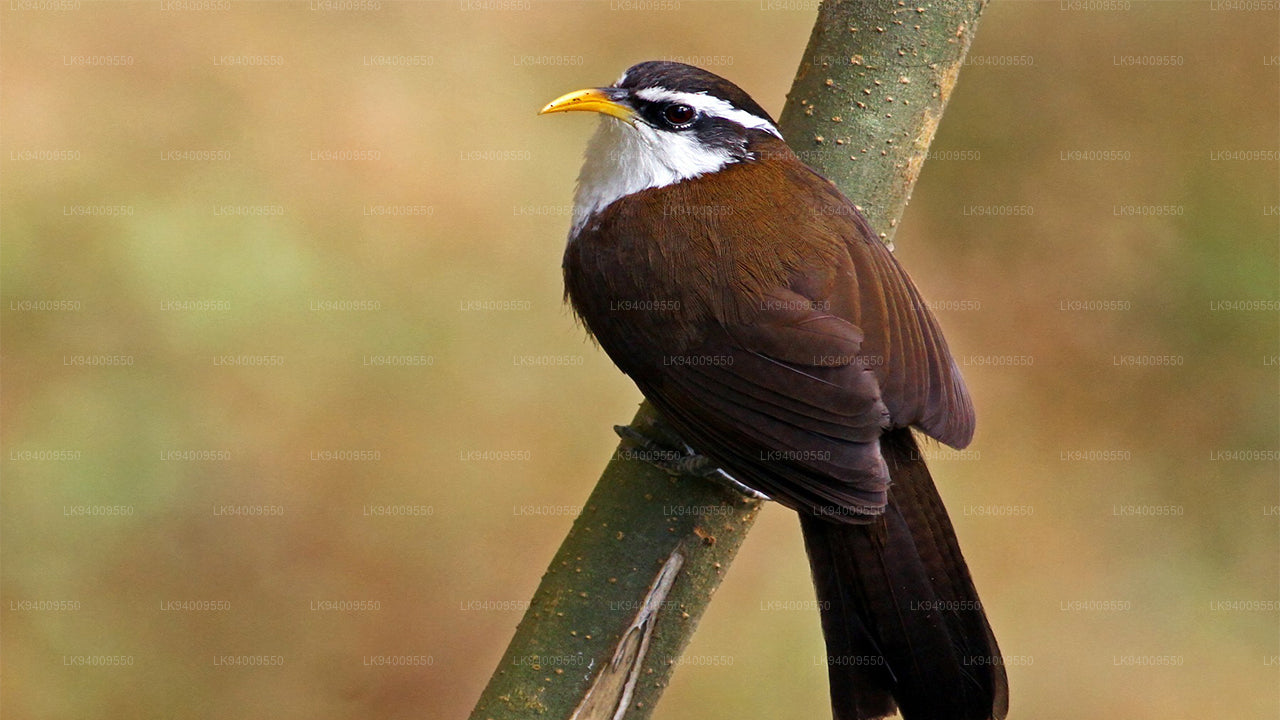 Ceylon Scimitar Babbler
Pomatorhinus melanurus
-
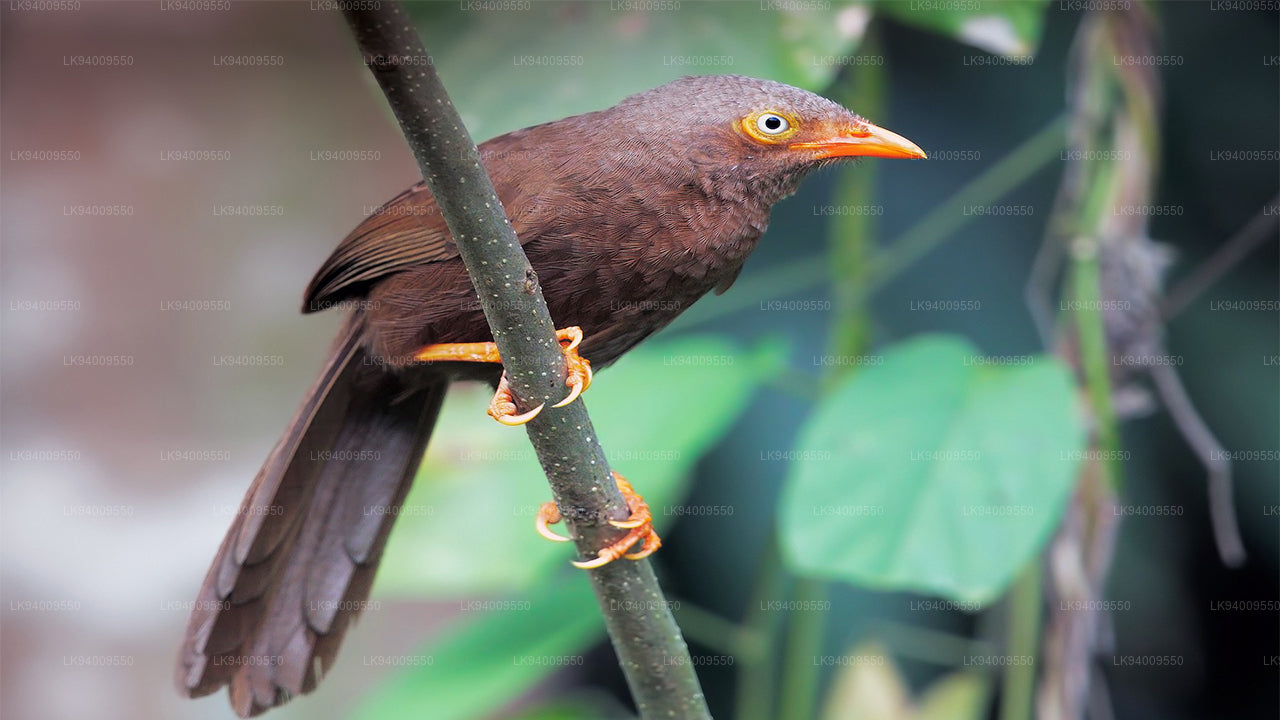 Ceylon Rufous Babbler
Argya rufescens
-
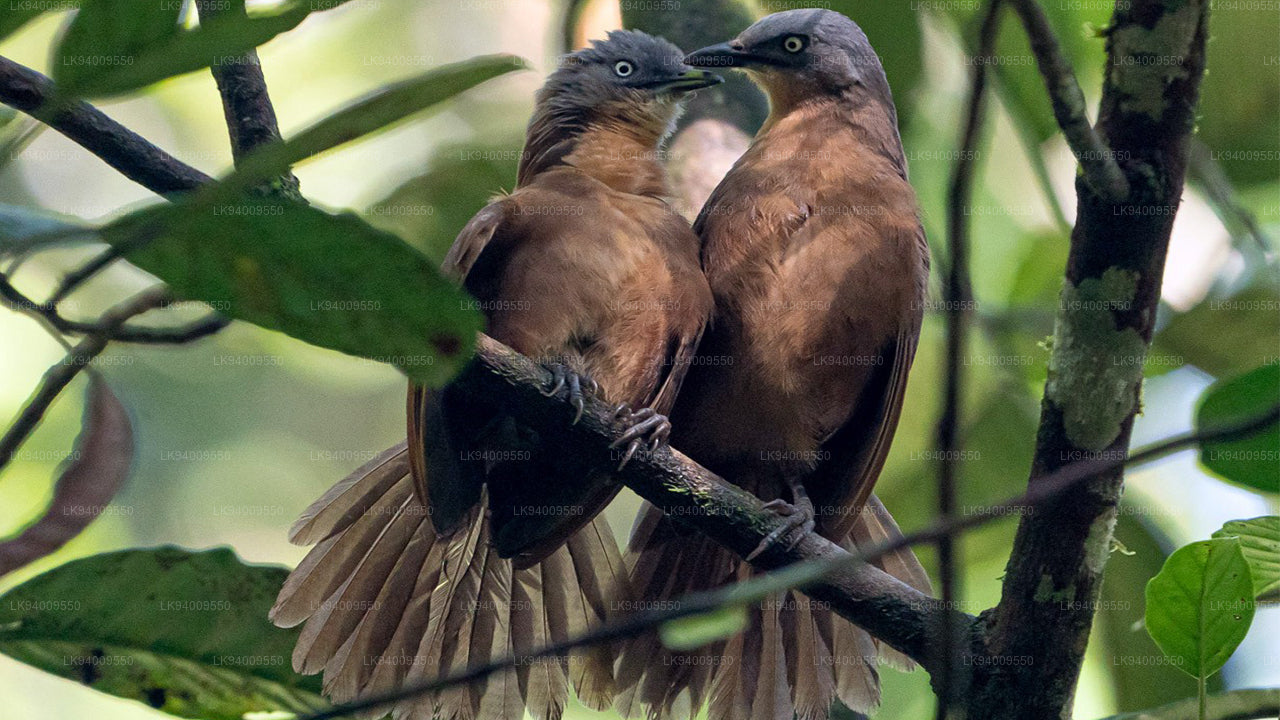 Ashy Headed Laughingthrush
Argya cinereifrons
-
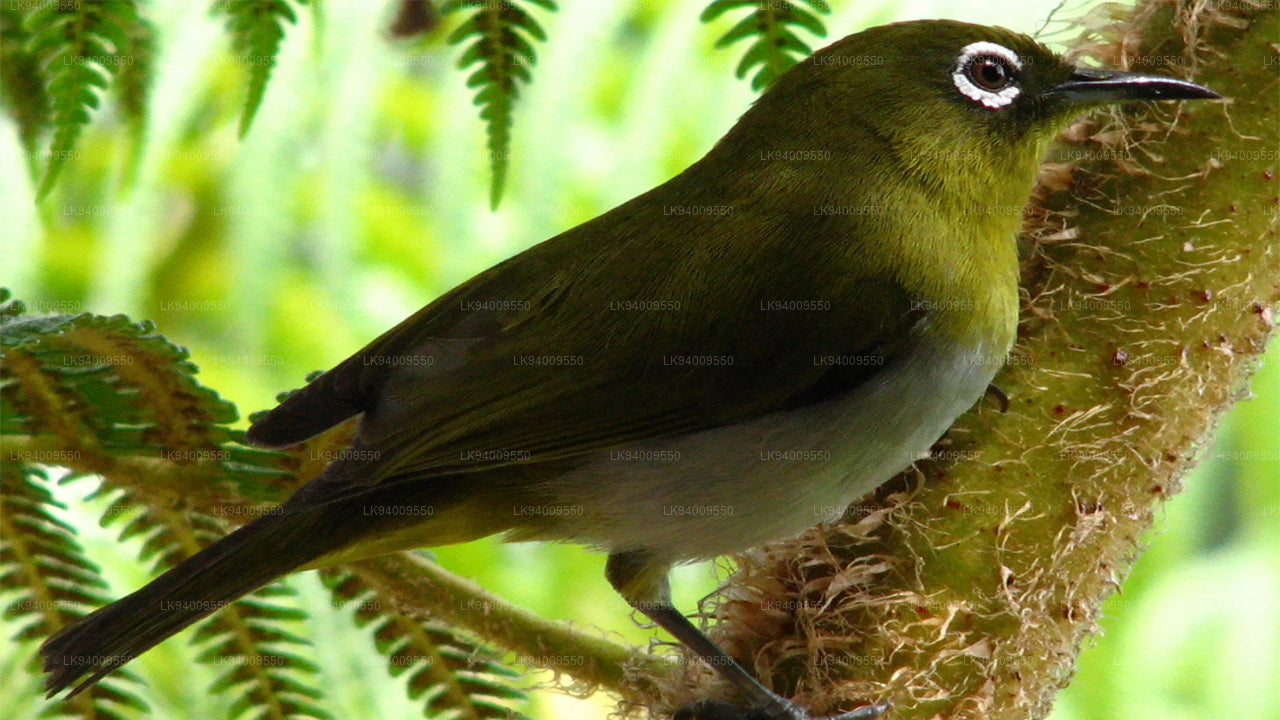 Ceylon White Eye
Zosterops ceylonensis
-
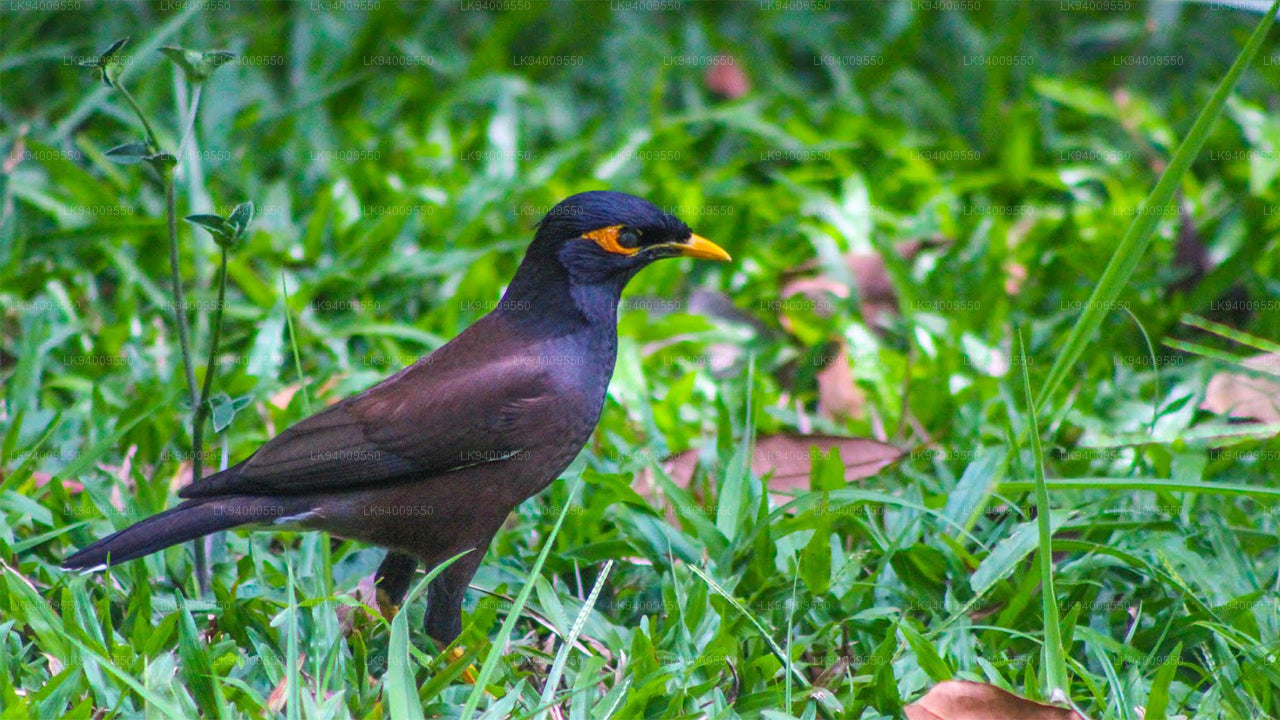 Ceylon Hill Myna
Gracula ptilogenys
-
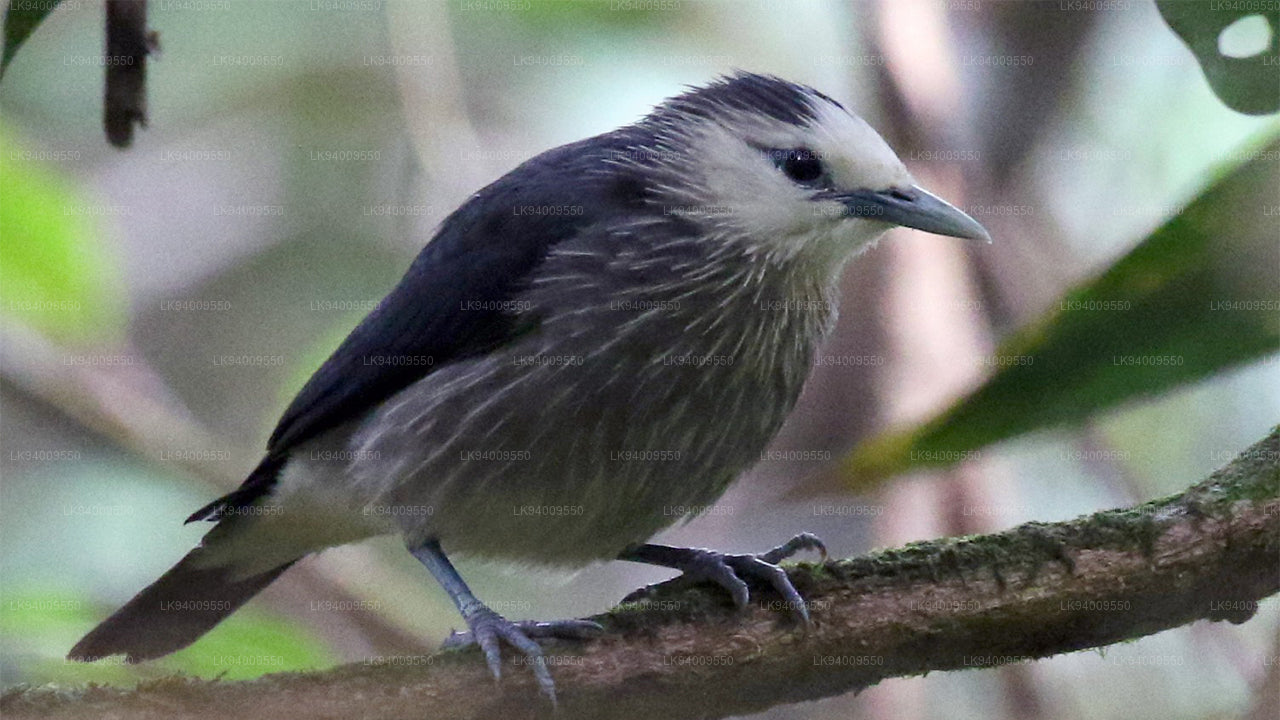 White Faced Starling
$Sturnornis albofrontatus
-
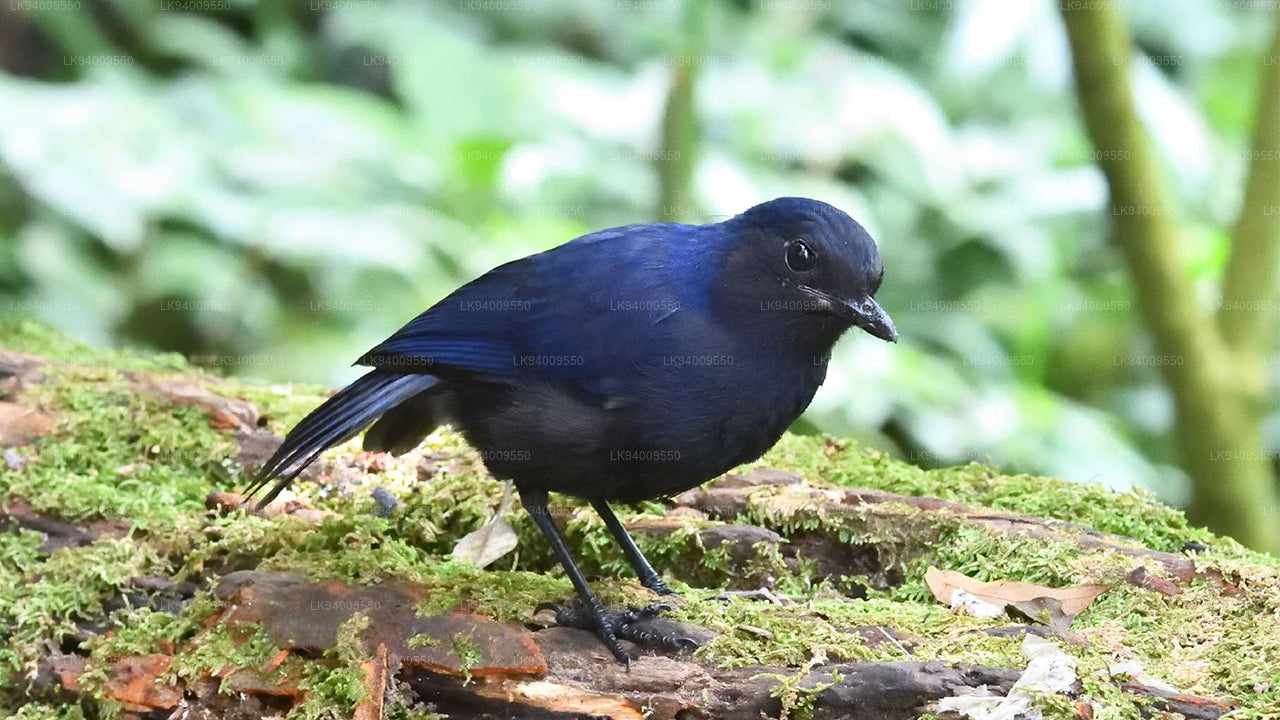 Ceylon Whistling Thrush
Myophonus blighi
-
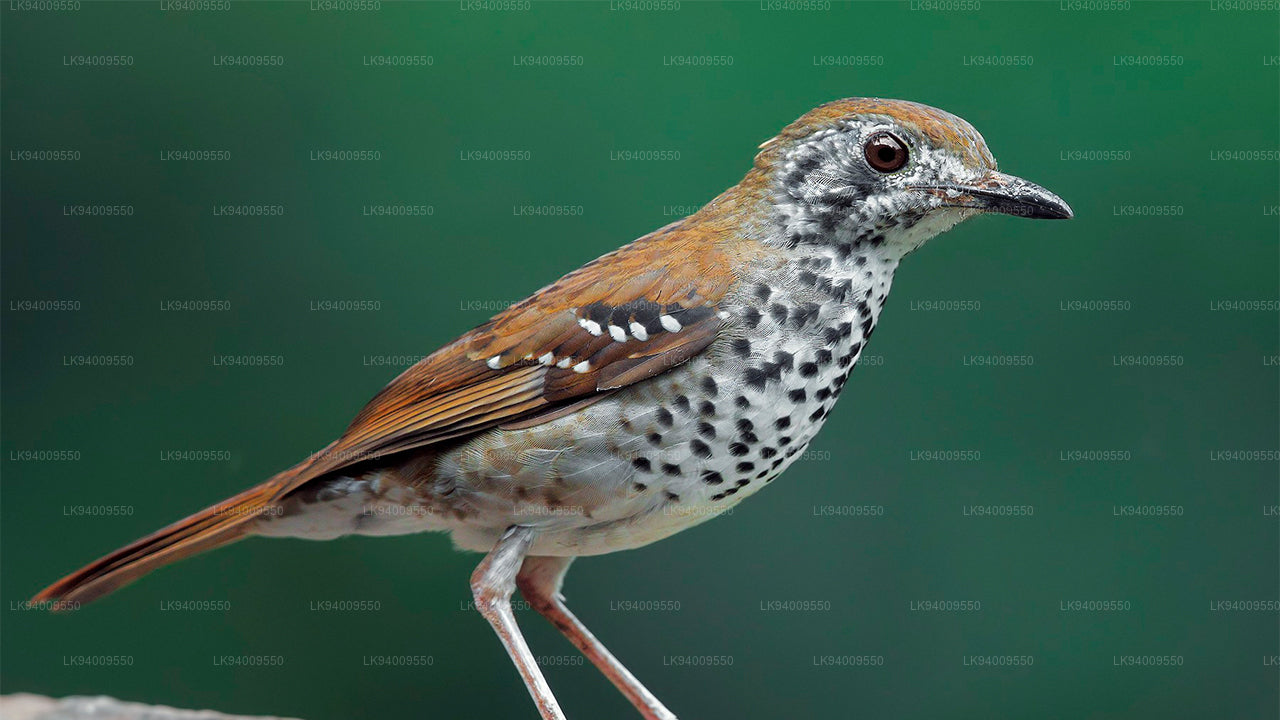 Spot Winged Ground Thrush
Geokichla spiloptera
-
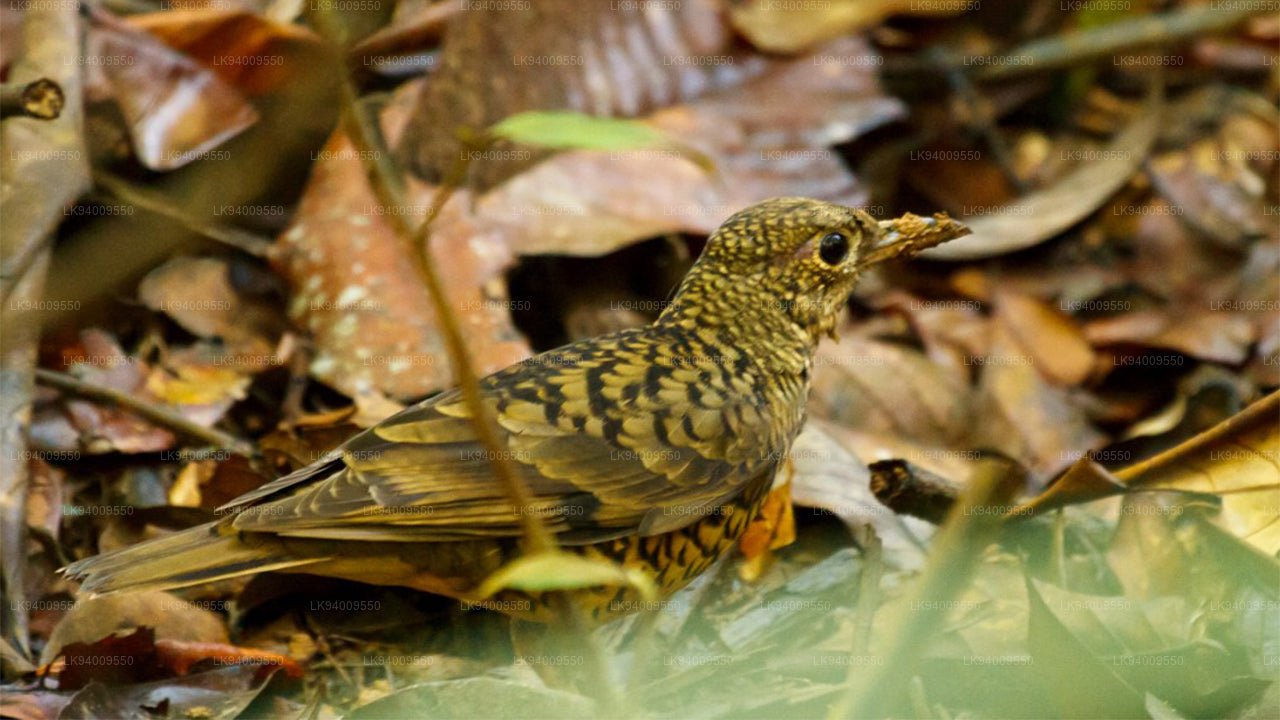 Ceylon Scaly Thrush
Zoothera imbricata
-
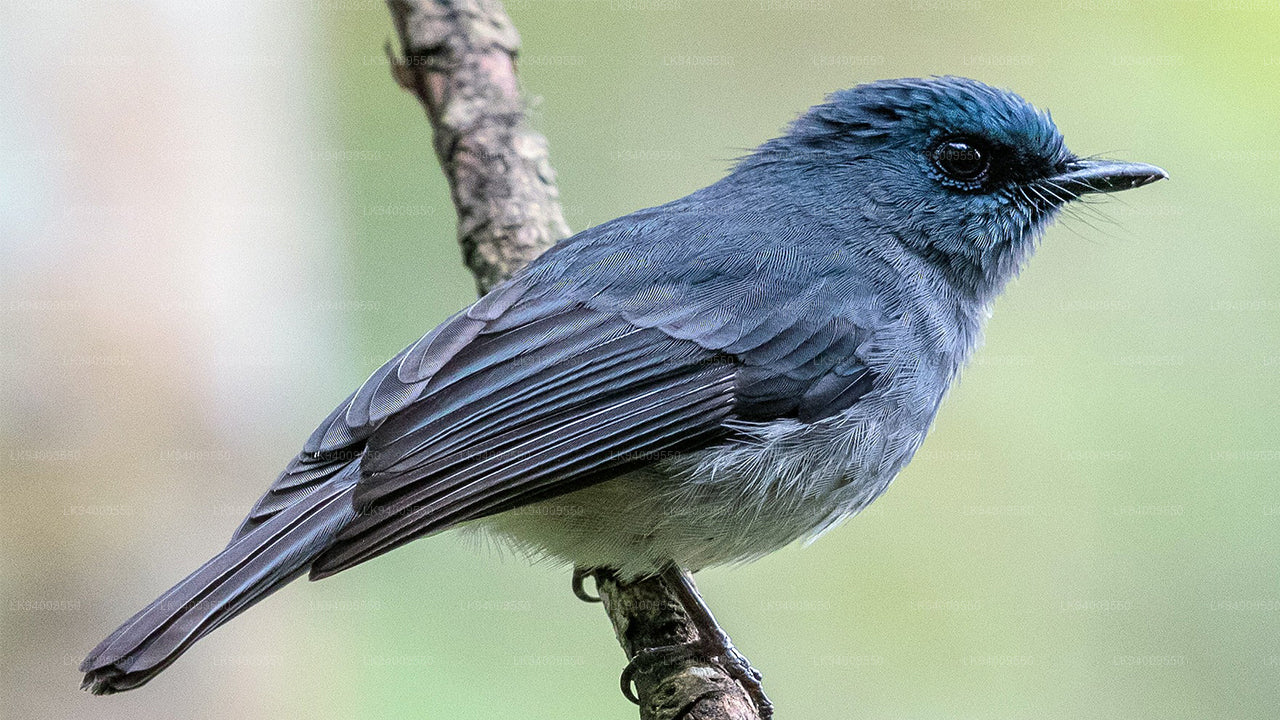 Dusky Blue Flycatcher
Eumyias sordidus
-
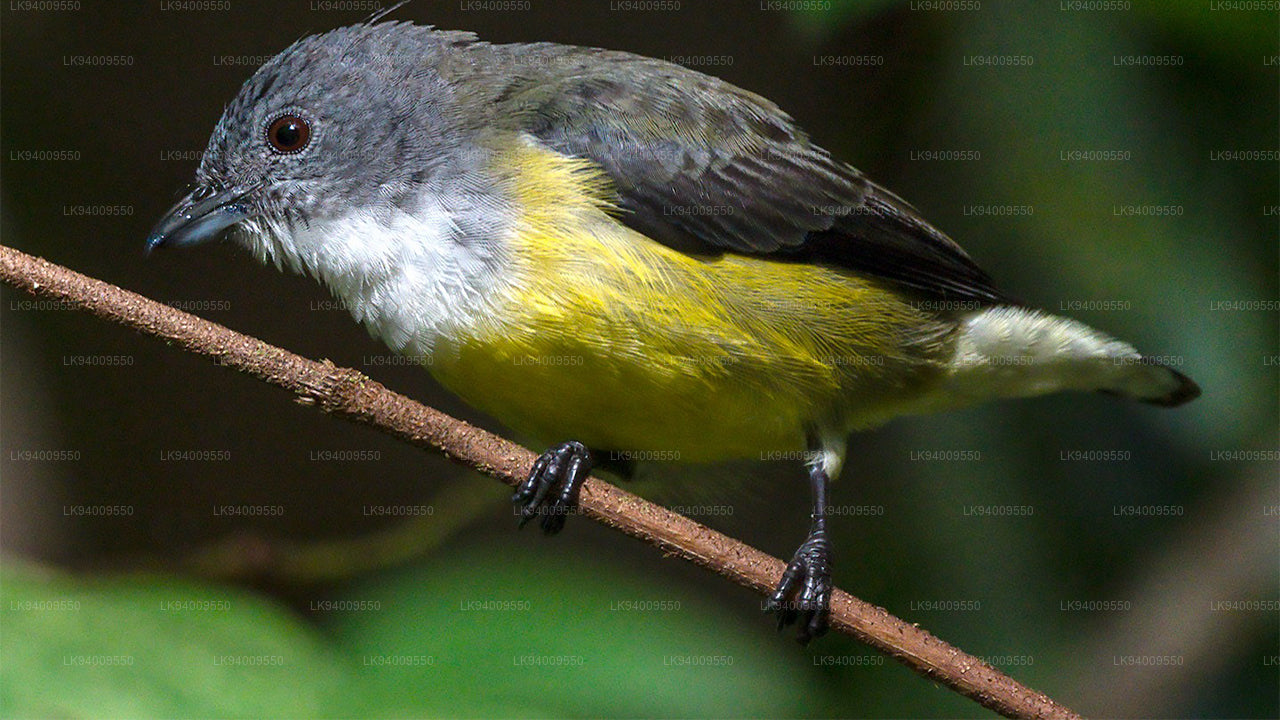 Legge's Flowerpecker
Dicaeum vincens
-
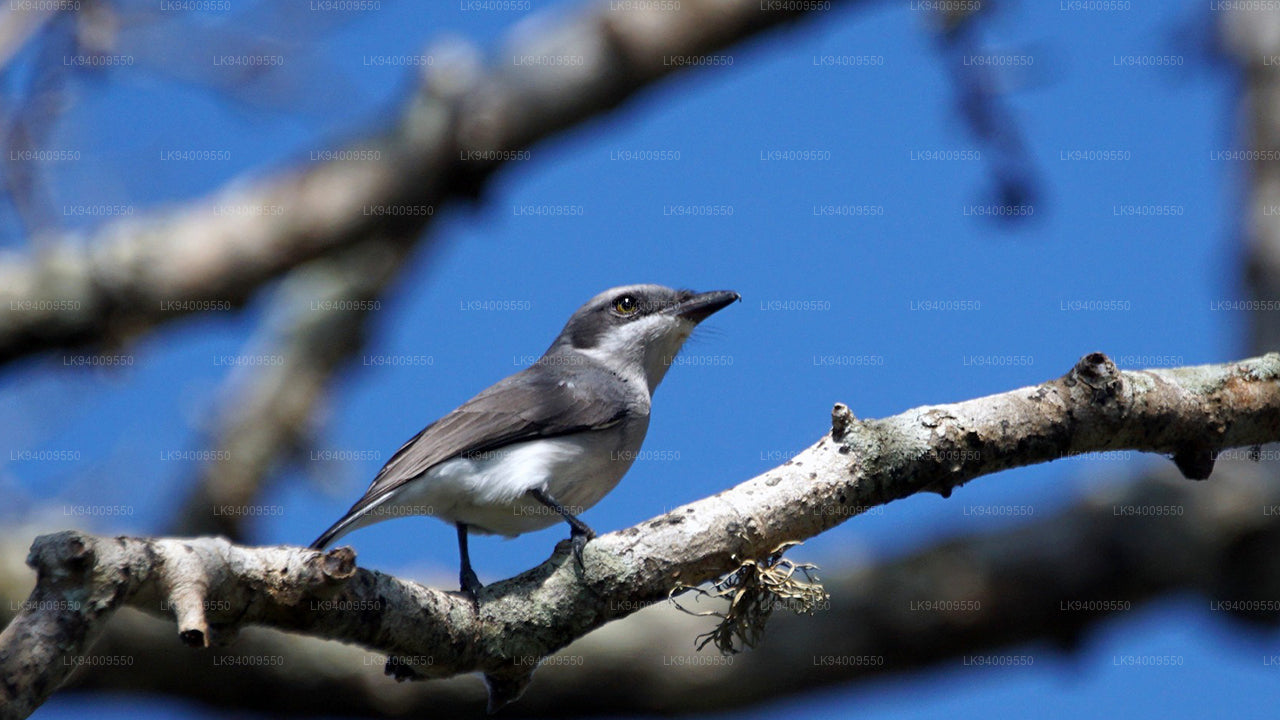 Ceylon Woodshrike
Tephrodornis affinis
-
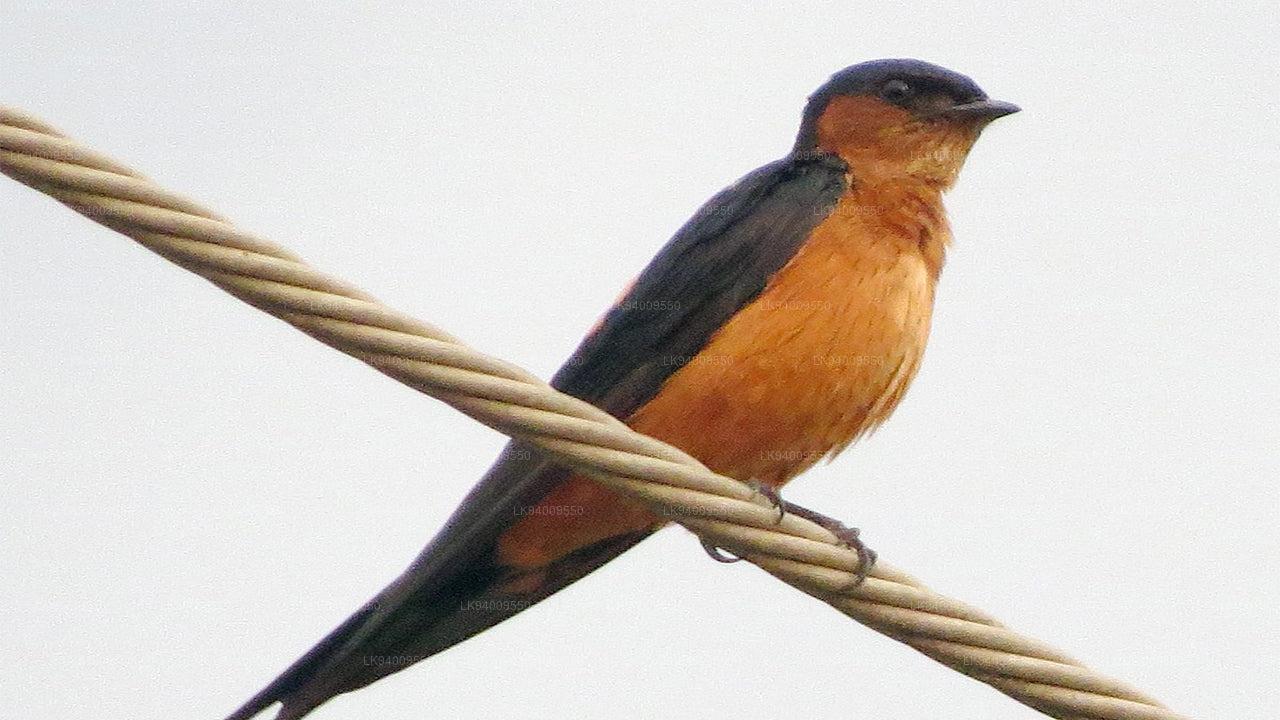 Ceylon Swallow
Cecropis hyperythra