Kottegoda


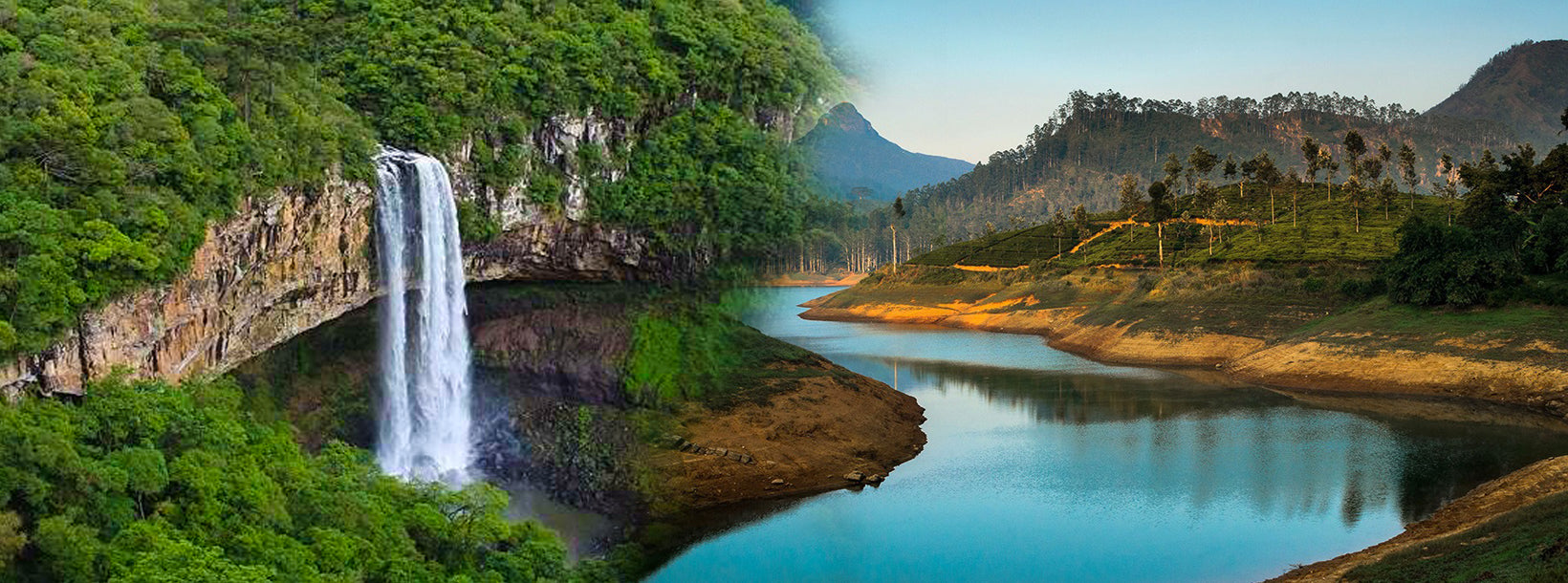
Kottegoda is a small, tranquil town located in the Southern Province of Sri Lanka, known for its rural charm and serene landscapes. Situated within easy reach of the city of Galle, Kottegoda offers visitors a peaceful escape from the bustling coastal cities, making it a perfect destination for those looking to explore Sri Lanka's countryside. The town is surrounded by lush greenery, fertile agricultural lands, and traditional Sri Lankan village life, providing a glimpse into the island's rural heritage.
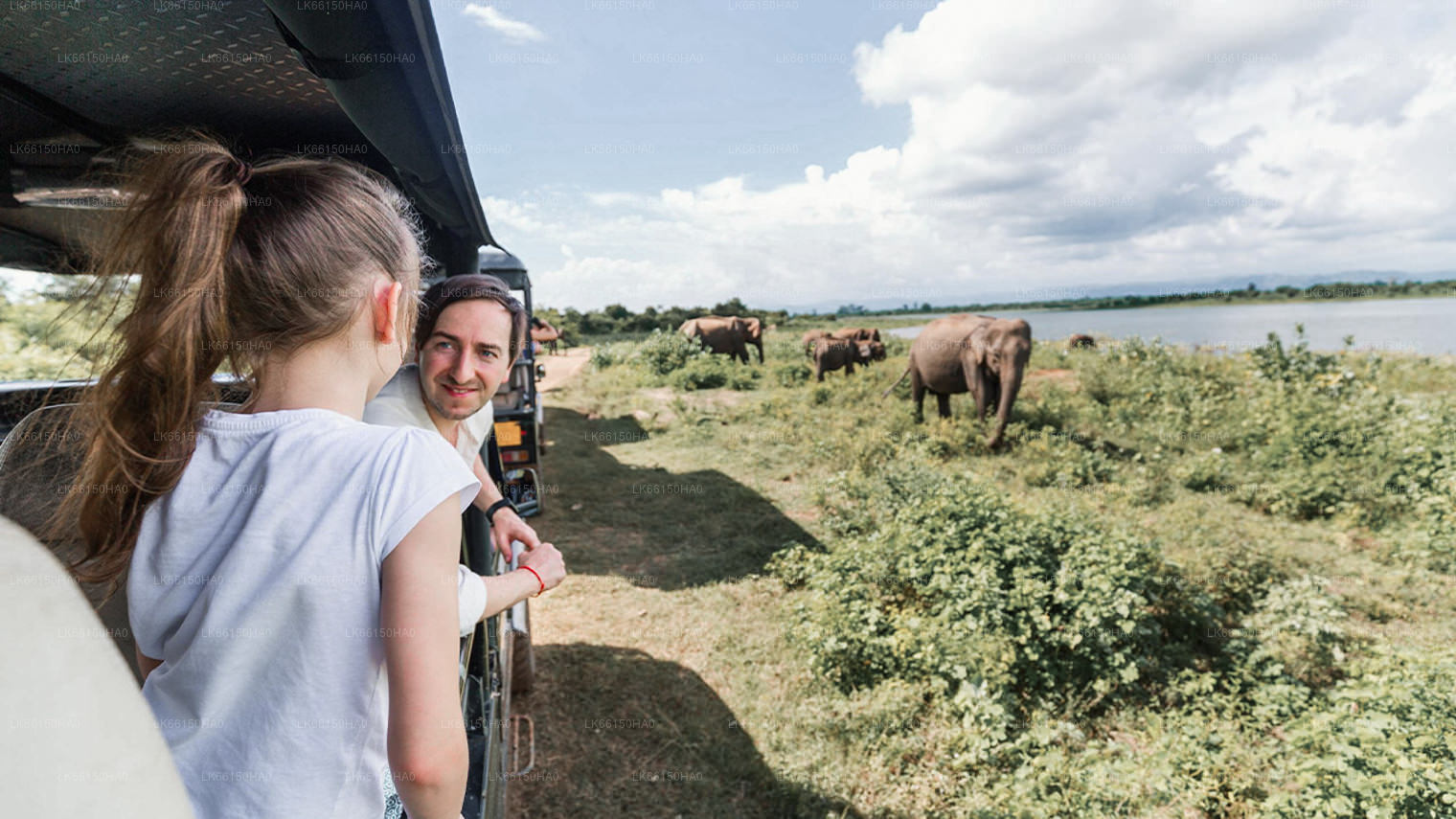
The biodiversity around Kottegoda is rich, with its rural surroundings supporting a variety of plant species, including coconut trees, rubber plantations, and other crops. The region's natural environment, combined with its proximity to the Galle District, contributes to the area's appeal as a destination for nature lovers and those seeking a quiet retreat. The landscape is further enhanced by local wildlife, including birds and small mammals, which add to the area's ecological charm.
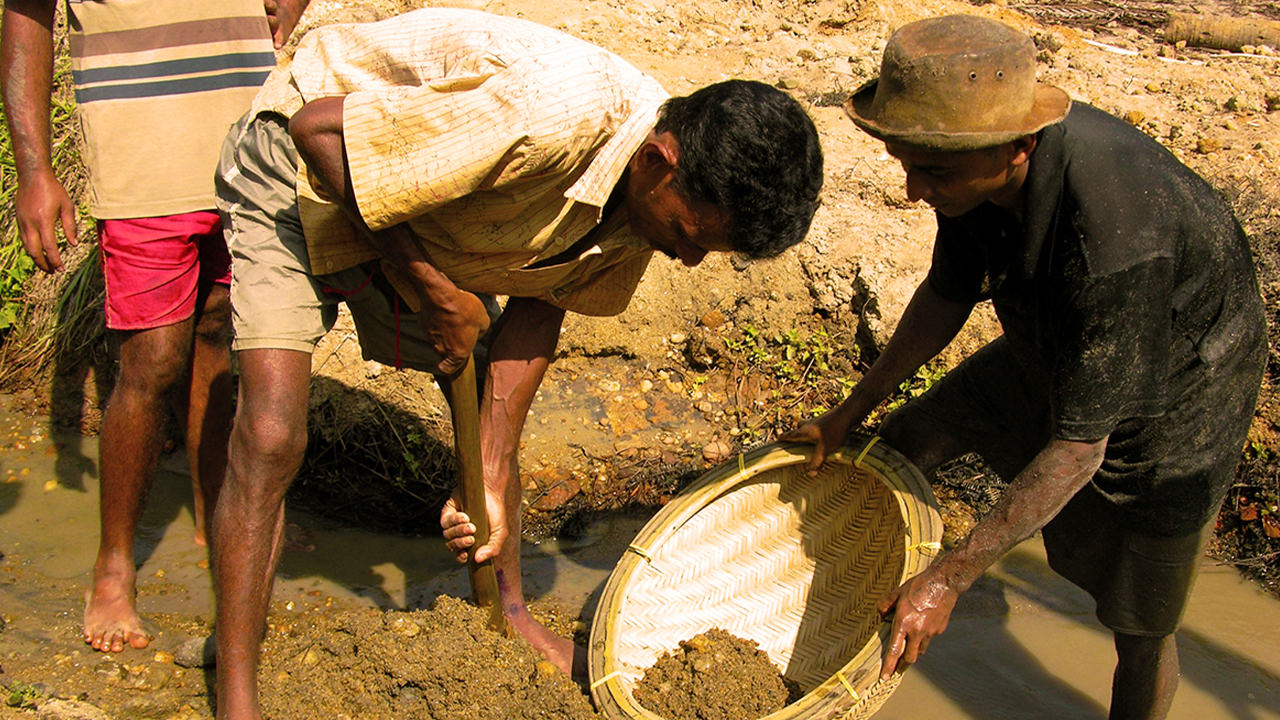
Visitors to Kottegoda can enjoy a laid-back experience, exploring the town's agricultural landscapes, engaging with the local community, and participating in rural activities. It's an excellent spot for those interested in traditional farming methods and rural life, offering a chance to connect with local culture and customs. While Kottegoda is not a major tourist hub, its authentic village atmosphere provides a unique opportunity to experience Sri Lanka beyond the usual tourist attractions.
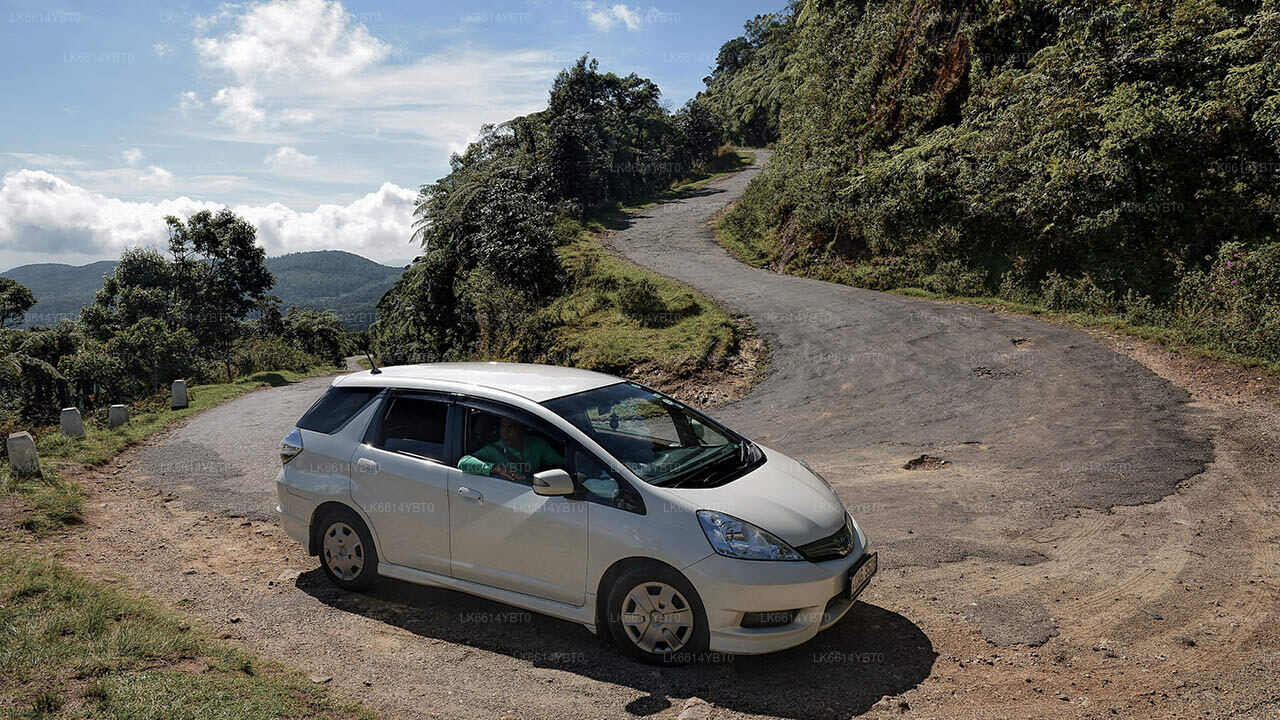
The best time to visit Kottegoda is during the dry season from December to April when the weather is ideal for outdoor activities and exploration. The town is easily accessible from Galle, which is a short drive away, making it a convenient stop for travelers exploring the Southern Coast. Whether you're looking for a peaceful village experience, exploring Sri Lanka's agricultural landscapes, or simply enjoying the natural beauty of the Southern Province, Kottegoda offers a serene and authentic experience in the heart of rural Sri Lanka.