Ciudad de Mullaitivu


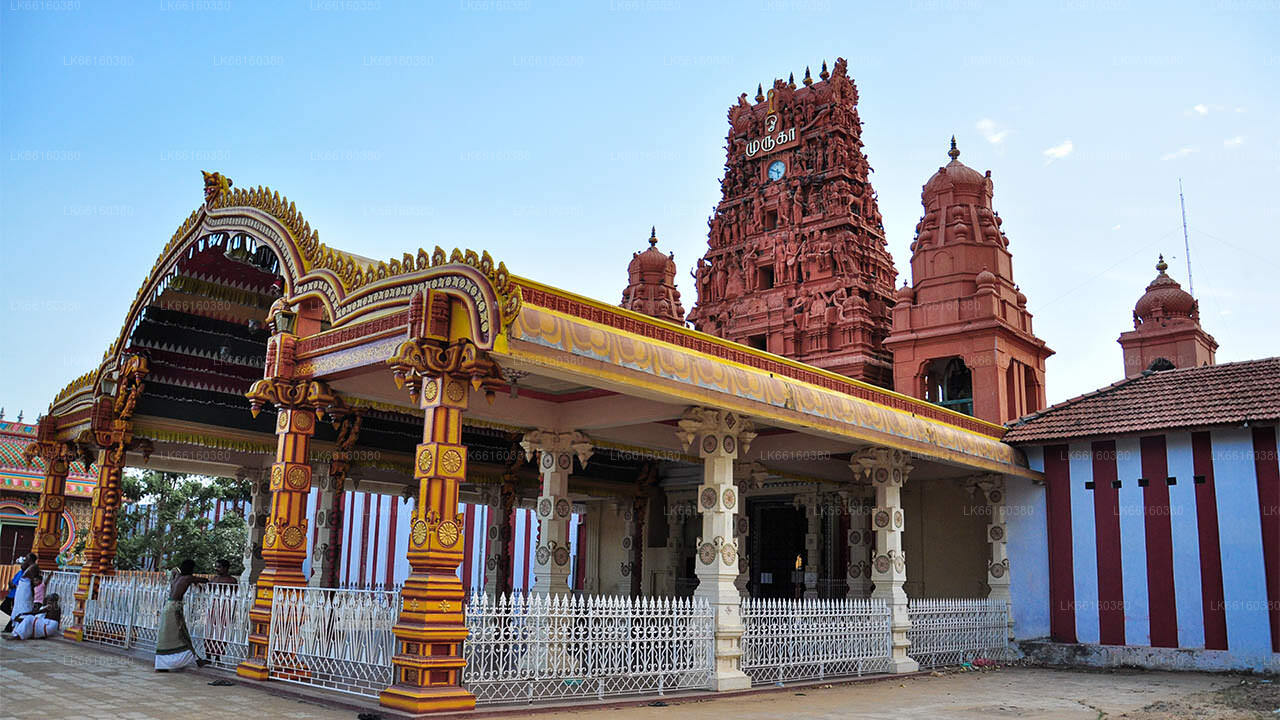
Mullaitivu es la ciudad principal del distrito de Mullaitivu, ubicado en la costa noreste de la Provincia del Norte, Sri Lanka. Originalmente un asentamiento pesquero, la ciudad creció a principios del siglo XX como un puerto para los pequeños veleros que transportaban mercancías entre Colombo y Jaffna. La ciudad alberga la oficina del Secretario del Distrito, muchas otras instituciones gubernamentales y escuelas ubicadas en la ciudad y sus alrededores.
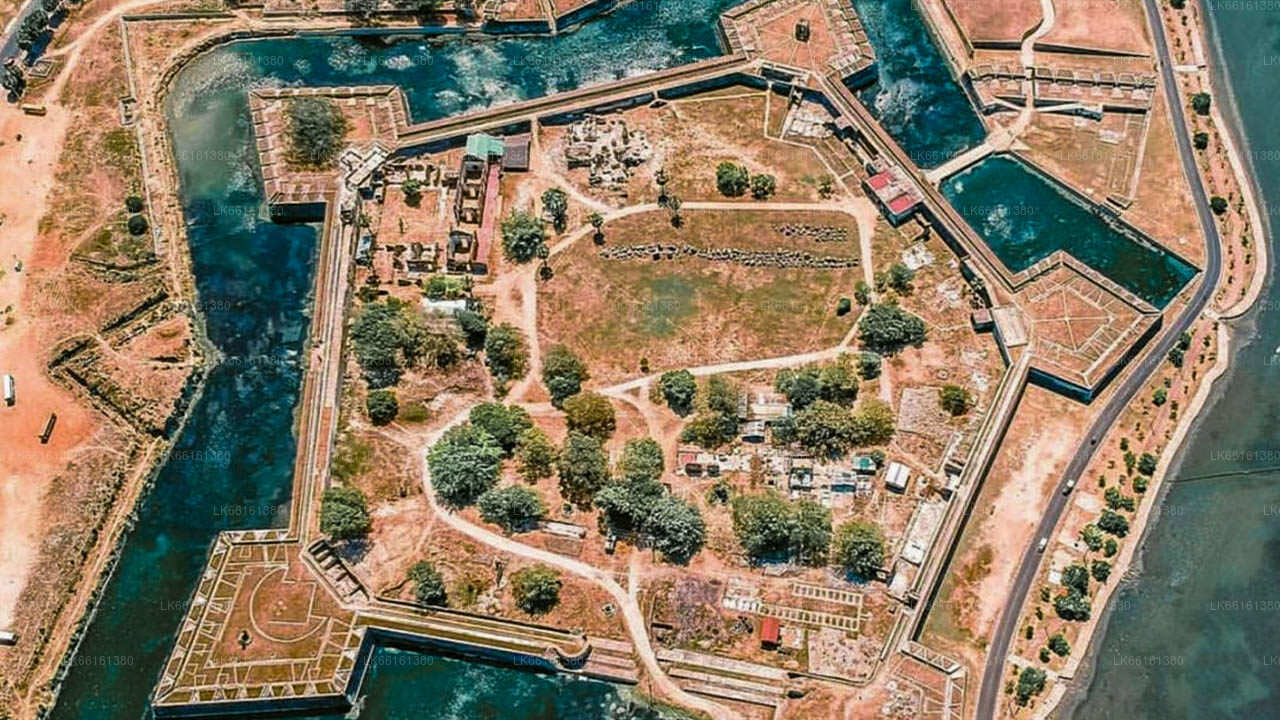
Durante las Guerras Kandyanas, la casa del gobierno británico en Mullaitivu fue atacada por las fuerzas de Pandara Vanniyan y Dissava de Nuwara Kalawiya, quienes sitiaron la fortaleza. El Capitán Drieberg y su fuerza de malayos escaparon de la fortaleza en botes y llegaron a Jaffna. Durante la Guerra Civil de Sri Lanka, Mullaitivu se convirtió en una base aislada para las fuerzas armadas de Sri Lanka. En una batalla feroz, el LTTE logró tomar la base en 1996. Posteriormente, las fuerzas armadas de Sri Lanka se retiraron de Mullaitivu, lo que permitió al LTTE tomar el control de la zona. Fue dañada por el tsunami del Océano Índico en 2004 con grandes pérdidas de vidas. El ejército de Sri Lanka tomó el control de la ciudad el 25 de enero de 2009, en la Batalla de Mullaitivu durante su ofensiva contra el LTTE. Se estableció el Cuartel General de las Fuerzas de Seguridad – Mullaitivu el 5 de junio de 2009 en la ciudad.
Sobre el Distrito de Mullaitivu
El distrito de Mullaitivu es uno de los 25 distritos de Sri Lanka, la división administrativa de segundo nivel del país. El distrito está administrado por una Secretaría de Distrito encabezada por un Secretario de Distrito (anteriormente conocido como Agente del Gobierno) nombrado por el gobierno central de Sri Lanka. La capital del distrito es la ciudad de Mullaitivu.
Partes del actual distrito de Mullaitivu fueron parte del antiguo reino de Jaffna. El distrito luego pasó a estar bajo el control portugués, holandés y británico. En 1815, los británicos tomaron el control de toda la isla de Ceilán. Dividieron la isla en tres estructuras administrativas basadas en etnias: sinhalas de las llanuras, sinhalas kandyenses y tamiles. El distrito, que entonces formaba parte del distrito de Vanni, estaba bajo la administración tamil. En 1833, de acuerdo con las recomendaciones de la Comisión Colebrooke-Cameron, las estructuras administrativas basadas en etnias se unificaron en una sola administración dividida en cinco provincias geográficas. El distrito de Vanni, junto con el distrito de Jaffna y el distrito de Mannar, formó la nueva Provincia del Norte.