Kandy City
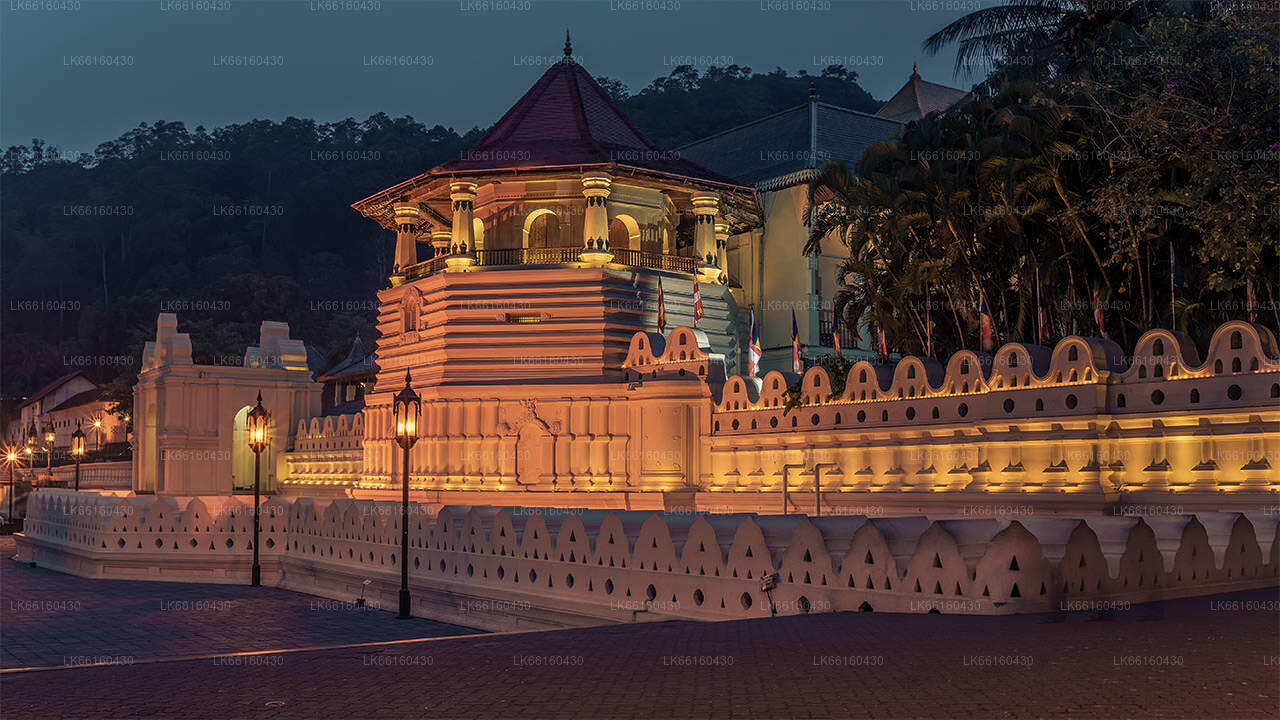
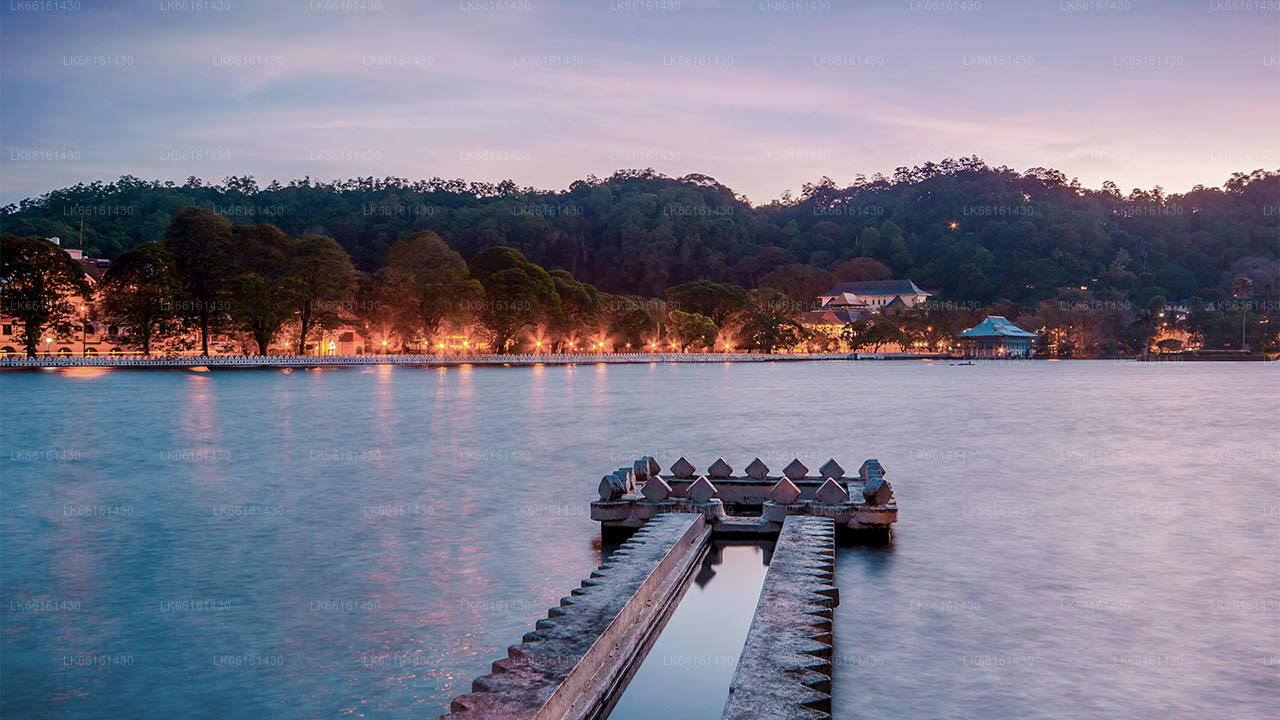
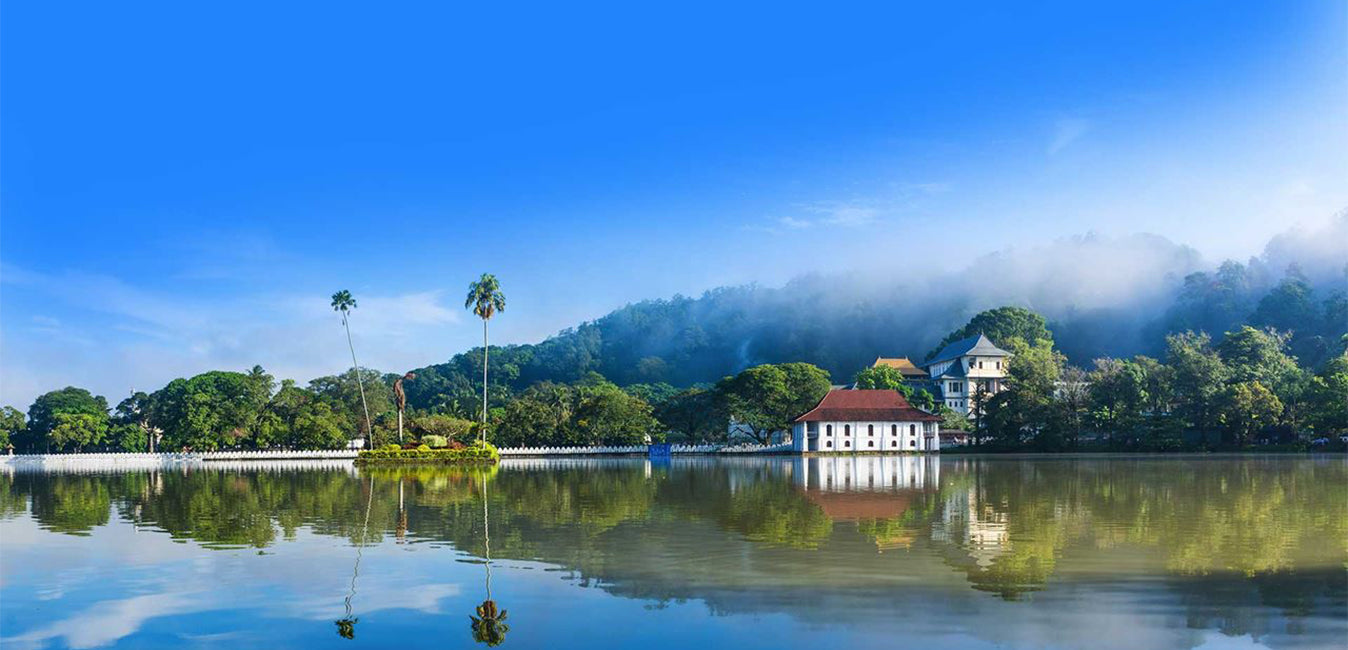
Kandy, a picturesque city in central Sri Lanka, is renowned for its rich cultural heritage, vibrant festivals, and scenic beauty. Nestled amidst lush hills, it is home to the Temple of the Tooth Relic, a UNESCO World Heritage Site, and offers a captivating blend of history and natural splendor.
Königspalast Kandy
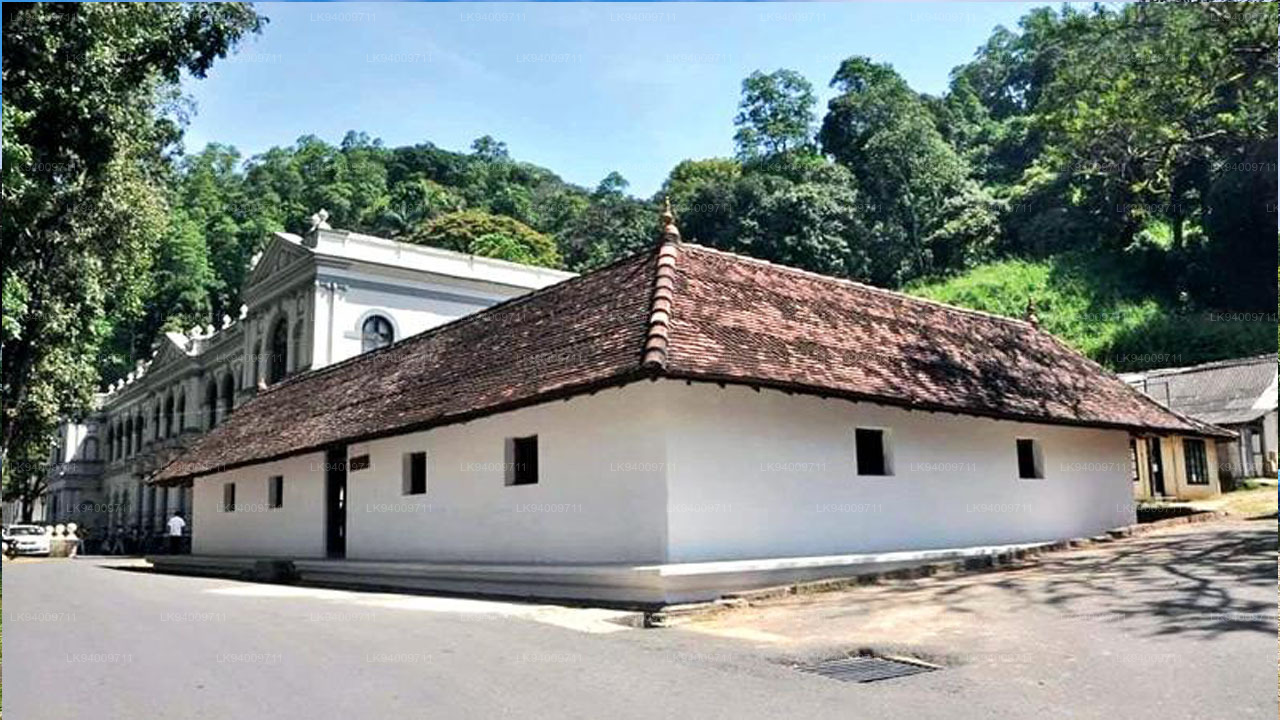
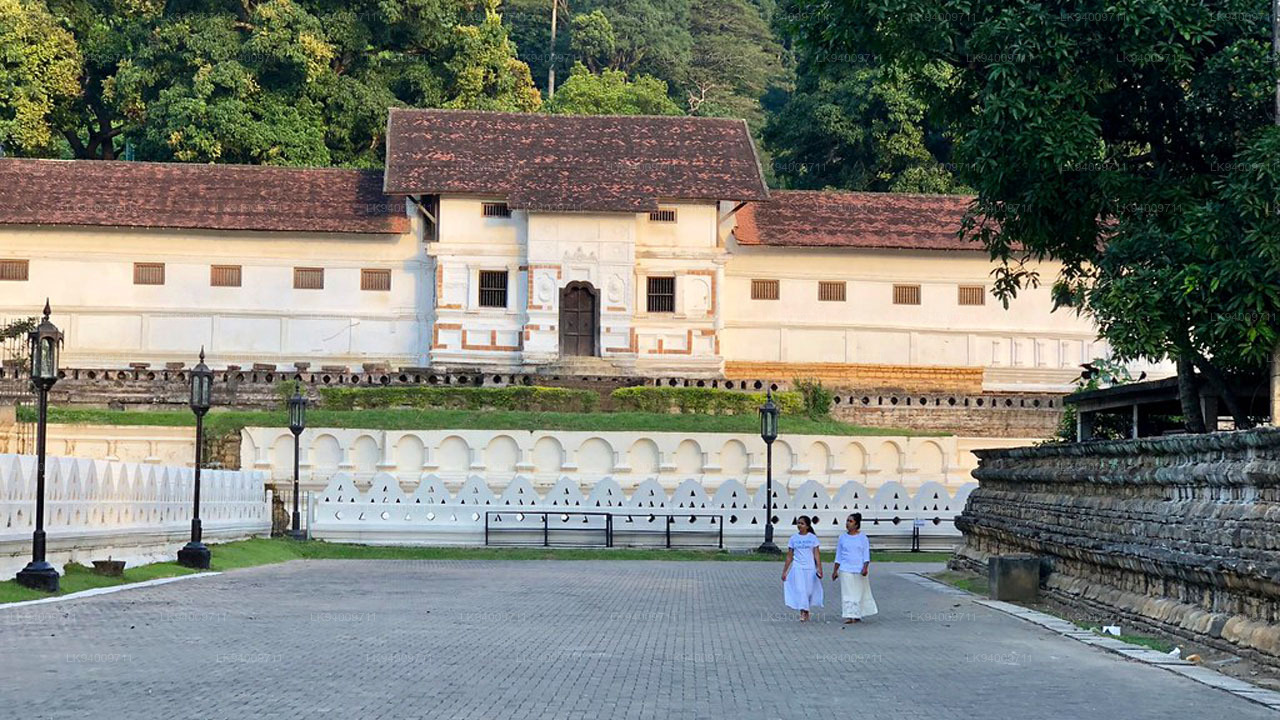
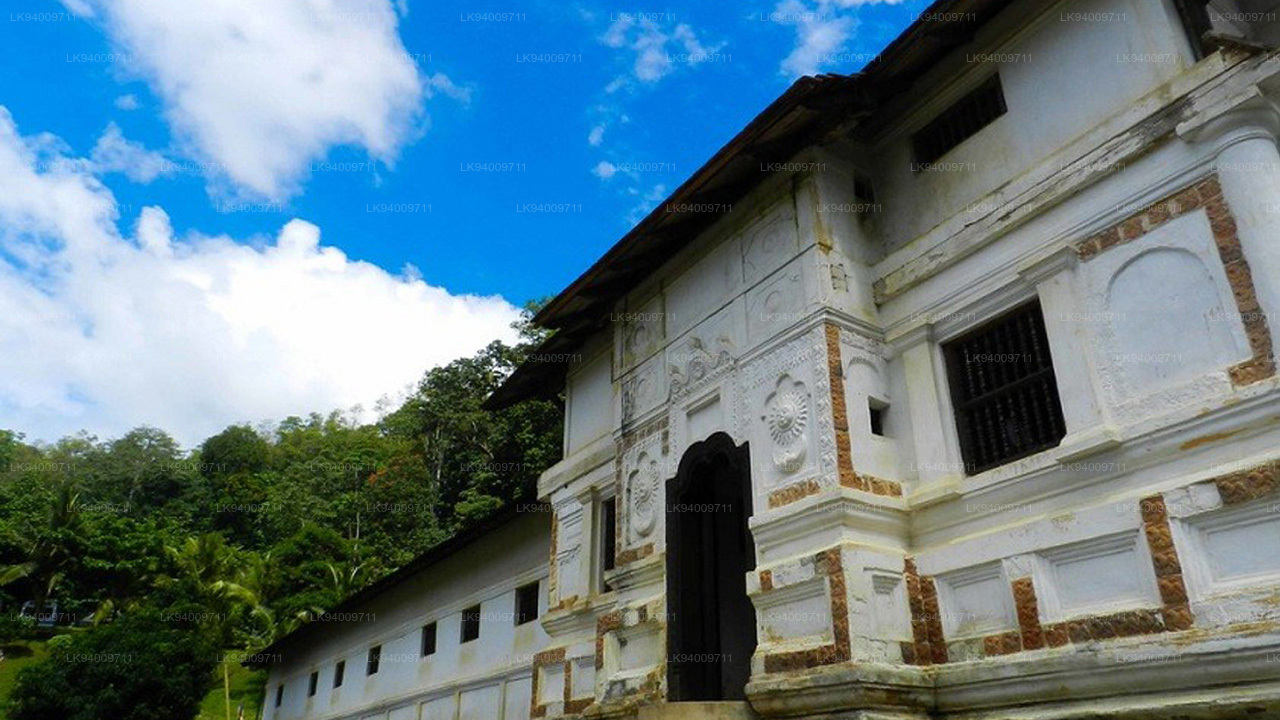
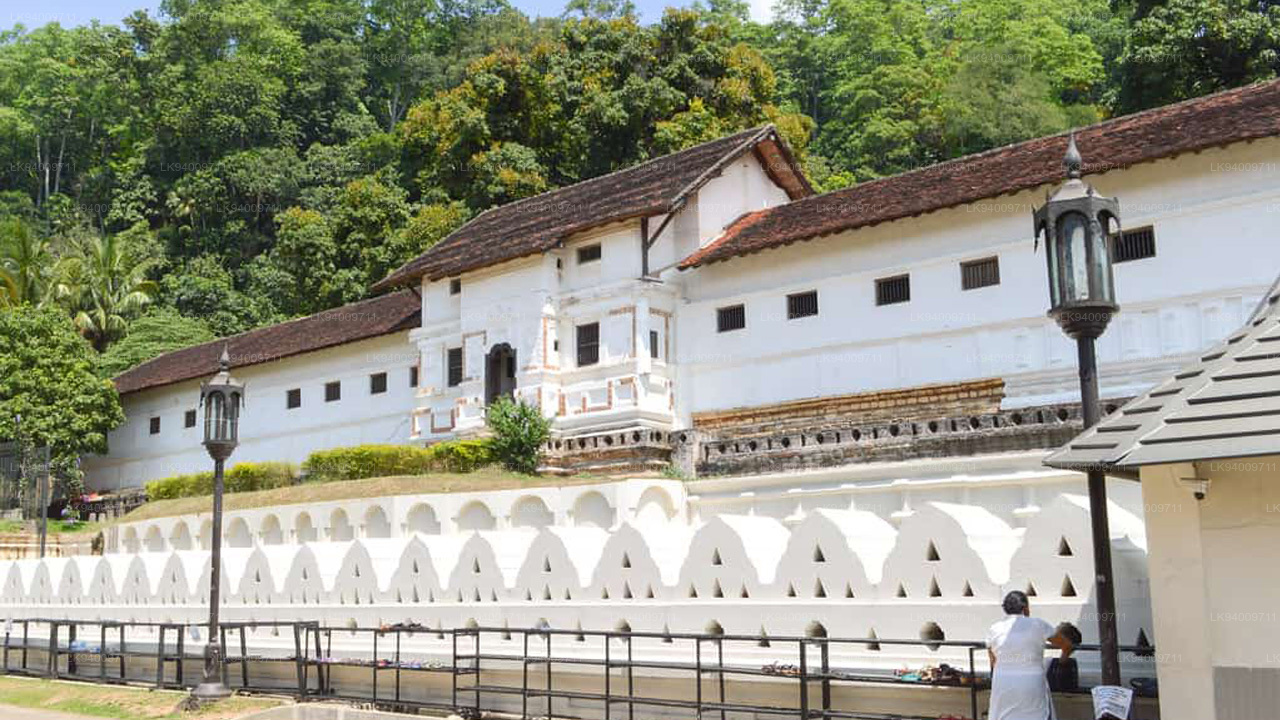
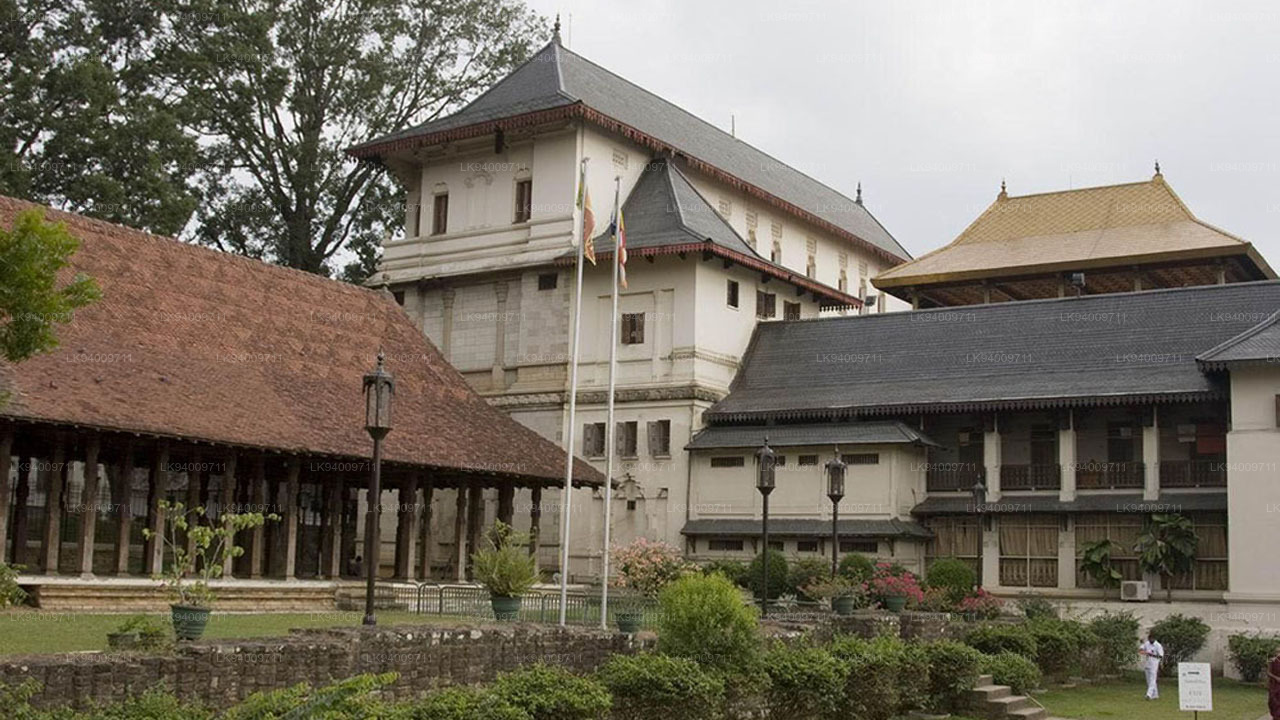
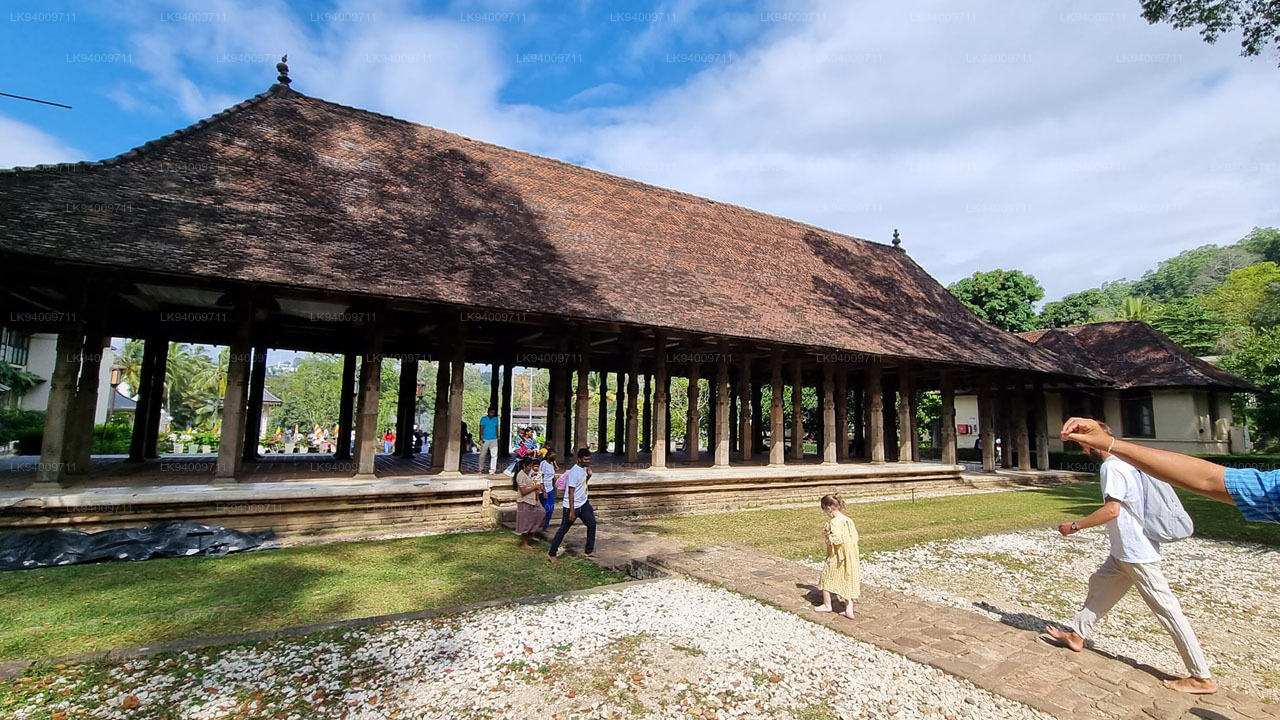
Der Königspalast des Königreichs Kandy war die letzte königliche Residenz Seiner Majestät König Sri Vikrama Rajasinha (1798–1815). Der Palast liegt nördlich des Dalada-Maligawa- Tempels in Kandy. Der erste Königspalast in Senkadagala wurde von König Vickramabahu III. von Gampola (1357–1374) auf Anraten eines Brahmanen erbaut, der den Standort als günstigen Ort für eine Hauptstadt auswählte. Der ursprüngliche Palast wurde mehrere Male niedergebrannt und zerstört und von nachfolgenden Königen wieder aufgebaut. In alten Zeiten wurde der Königspalast „ Maha Wasala “ oder „ Maligawa “ genannt. Der Teil des Königspalastes, der dem Natha Devale zugewandt ist, gilt als der älteste. Während der Herrschaft von König Vimala Dharma war Suriya I. (1592–1603) auch seine königliche Residenz und er nahm verschiedene Verbesserungen am Königspalast vor. Während der Herrschaft von König Senarat (1603–1634) griffen die Portugiesen das Königreich Kandy an und zerstörten den Königspalast. König Rajasinghe II., der 1637 den Thron bestieg, baute es wieder auf und alle nachfolgenden Könige nutzten es als ihre königliche Residenz.
Nach der britischen Invasion im Jahr 1815 wurde der Königspalast des Königreichs Kandy vom britischen Regierungsagenten Sir John D'Oyly genutzt, und seine Nachfolger nutzten ihn weiterhin als offizielle Residenz. Nur der Haupteingang des Königspalastes und einige Gebäude sind erhalten geblieben. Heute dient er als archäologisches Museum.
Raja Wasala (Königspalast)Der Raja Wasala (Königspalast) ist ein langgestrecktes Gebäude mit einem zentralen Eingang und einer Treppe, die in eine imposante, mit Stuck- und Terrakottaarbeiten verzierte Halle führt. Die Zimmer befinden sich in den beiden langen Flügeln und verfügen über eine lange Veranda zum Innenhof.
Meda WasalaNördlich des Palle Wasala befindet sich das Meda Wasala, die Königinnenkammer. Obwohl kleiner, ähnelt es architektonisch dem Palle Wasala. Das Gebäude wird derzeit vom Kandy-Büro der Nationalen Archäologischen Abteilung genutzt.
Wadahindina MandappeHier traf sich der König mit Adigars und anderen ausländischen Gesandten und Besuchern. Es liegt in der Nähe von Raja Wasala und Magul Maduwa. Heute dient das Gebäude als Museum für „Raja“, den Elefantenbullen von Maligawa.
Palle WasalaDer Palle Wasala oder Untere Palast diente als Haremsquartier des Königs von Kandy. Der Haupteingang des Gebäudes führt zu einer kleinen Halle vor dem Hauptgebäude. 1942 wurde dieses Gebäude in das Nationalmuseum von Kandy umgewandelt und wird heute von der Abteilung für Nationalmuseen betreut.
About Kandy District
Kandy district is situated in the centrel province of Sri Lanka. One of the seven World Heritage Sites in Sri Lanka, Kandy was once home to the Kandyan Kings of yore in the 16th-century and a fountainhead for all the music, arts, crafts and culture in the country. About 129 km away from Colombo, Kandy is ensconced amongst a hilly terrain and all eyes are drawn to the centre of the city, where the Kandy Lake forms a charming feature. Kandy retains great religious significance for Sri Lanka, because it is in this charming city that the Dalada Maligawa or "Temple of the Tooth" is located, within which the sacred tooth relic of Lord Buddha lies well guarded.
The Royal Botanical Garden, Peradeniya is situated about 5 km to the west of the city centre at Peradeniya and is visited by 1.2 million people per year. It is the largest botanical garden on the island. The Udawatta Kele (Udawatta Forest) is a protected sanctuary situated in the heart of the city, just north of Temple of the Tooth.
Kandy is a Sinhala majority city; there are sizeable communities belonging to other ethnic groups, such as Moors and Tamils. Kandy is second only to Colombo the center of the Sri Lankan Economy. Many major co operations have large branch officers in Kandy and many industries include textiles, furniture, Information Technology and jewellery are found here. Many agriculture research centers are located in the city.
And a fountainhead for all the music, arts, crafts and culture in the country. About 129 km away from Colombo, Kandy is ensconced amongst a hilly terrain and all eyes are drawn to the centre of the city, where the Kandy Lake forms a charming feature. Kandy retains great religious significance for Sri Lanka , because it is in this charming city that the Dalada Maligawa or Temple of the Toothis located, within which the sacred tooth relic of Lord Buddha lies well guarded.
About Central Provincce
The Central Province of Sri Lanka consists primarily of mountainous terrain. The province has an area of 5,674 km², and a population of 2,421,148. Some major towns include Kandy, Gampola (24,730), Nuwara Eliya and Bandarawela. The population is a mixture of Sinhalese, Tamil and the Moors.
Both the hill capital Kandy and the city of Nuwara Eliya are located within the Central Province as well as Sri Pada. The province produces much of the famous Ceylon tea, planted by the British in the 1860s after a devastating disease killed all the coffee plantations in the province. Central Province attracts many tourists, with hill station towns such as Kandy, Gampola, Hatton and Nuwara Eliya. Temple tooth or Dalada maligawa is the main sacred place in Centrel province.
The climate is cool, and many areas about 1500 meters often have chilly nights. The western slopes are very wet, some places having almost 7000 mm of rain per year. The eastern slopes are parts of the mid-dry zone as it is receiving rain only from North-Eastern monsoon. The Temperatures range from 24°C at Kandy to just 16°C in Nuwara Eliya, which is located 1,889 m above sea level. The highest mountains in Sri Lanka are located in the Central Province. The terrain is mostly mountainous, with deep valleys cutting into it. The two main mountain regions are the central massif and the Knuckles range to the east of Kandy.