Balapitiya City
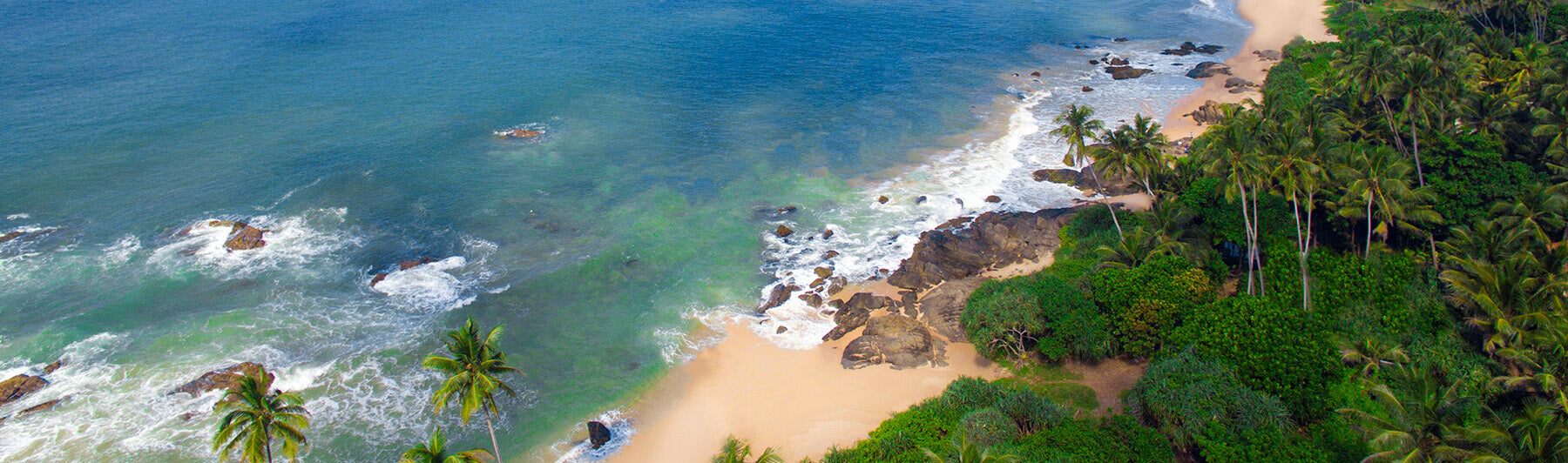
Balapitiya: Coastal town in Sri Lanka with scenic beaches, mangrove-lined rivers, and opportunities for boat safaris to explore the rich biodiversity.
Madu-Fluss
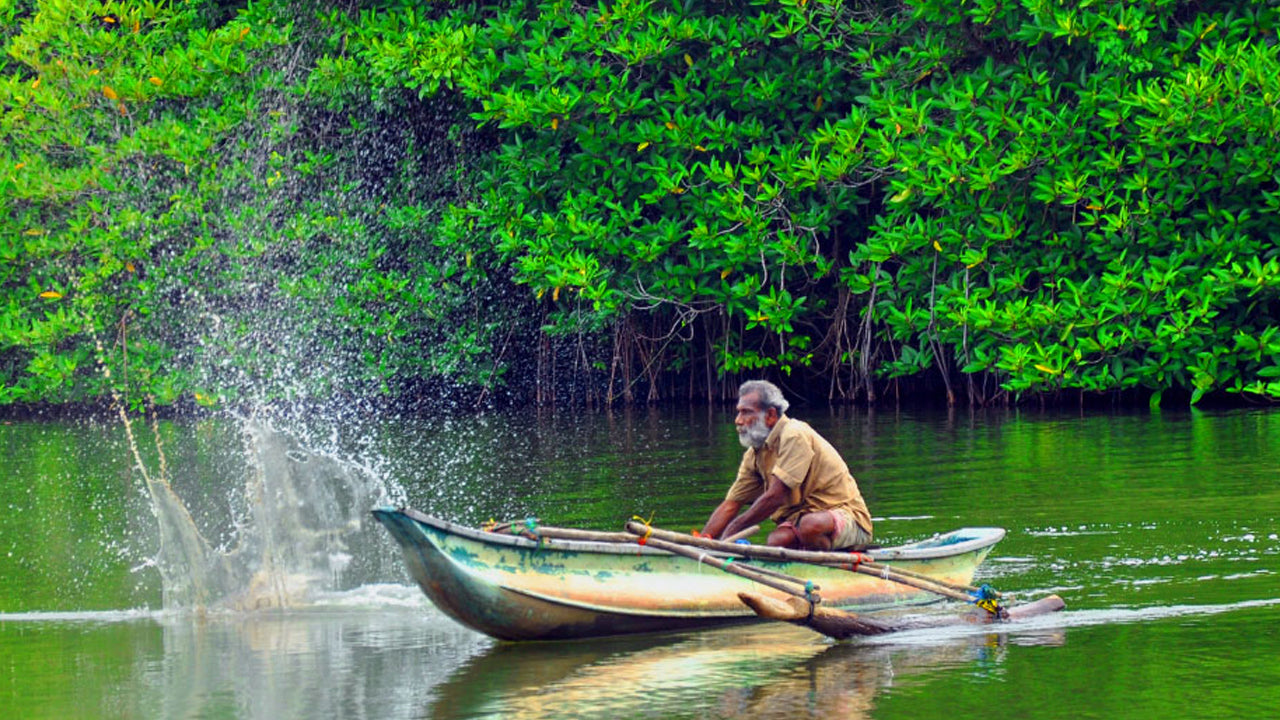
Der Madu-Fluss ist eine malerische Wasserstraße im südwestlichen Teil von Sri Lanka nahe Balapitiya. Bekannt für seine ruhigen Gewässer und seine reiche Biodiversität, bildet der Fluss einen Teil eines komplexen Feuchtgebietsökosystems, das aus Mangroven, kleinen Inseln und miteinander verbundenen Wasserwegen besteht.
Der Fluss und die umliegenden Feuchtgebiete beherbergen eine große Vielfalt an Wildtieren, darunter Fische, Reptilien, Vögel und Wasserpflanzen. Mangrovenwälder spielen eine wichtige Rolle beim Schutz der Küstenumwelt und bieten gleichzeitig vielen Arten, die in diesem empfindlichen Ökosystem leben, einen geschützten Lebensraum.
Besucher des Madu-Flusses können die Gegend durch entspannende Bootssafaris erkunden, die durch Mangroventunnel und kleine Inseln führen. Diese Touren bieten die Möglichkeit, lokale Wildtiere zu beobachten, traditionelle Verarbeitungsstätten für Zimt zu besuchen und die friedliche natürliche Schönheit der Feuchtlandschaft zu erleben.
Die beste Zeit für einen Besuch des Madu-Flusses ist während der trockenen Monate von Dezember bis April, wenn die Wetterbedingungen ideal für Bootsfahrten und Erkundungen im Freien sind. Der Fluss ist leicht von Küstenstädten wie Balapitiya und Bentota erreichbar und bietet ein ruhiges Natur-Erlebnis entlang der Sri Lankas Südküste.
About Galle District
Galle is a city situated on the southwestern tip of Sri Lanka, 119 km from Colombo. Galle is the best example of a fortified city built by Europeans in south and Southeast Asia, showing the interaction between European architectural styles and south Asian traditions. The Galle fort is a world heritage site and the largest remaining fortress in Asia built by European occupiers.
Galle is the best example of a fortified city built by Europeans in south and Southeast Asia, showing the interaction between European architectural styles and south Asian traditions. The Galle fort is a world heritage site and the largest remaining fortress in Asia built by European occupiers.
Galle is a sizeable town, by Sri Lankan standards, and has a population of 91,000, the majority of whom are of Sinhalese ethnicity. There is also a large Sri Lankan Moor minority, particularly in the fort area, which descend from Arab merchants that settled in the ancient port of Galle.
About Southern Province
The Southern Province of Sri Lanka is a small geographic area consisting of the districts of Galle, Matara and Hambantota. Subsistence farming and fishing is the main source of income for the vast majority of the people of this region.
Important landmarks of the Southern Province include the wildlife sanctuaries of the Yala and Udawalawe National Parks, the holy city of Kataragama, and the ancient cities of Tissamaharama, Kirinda and Galle. (Although Galle is an ancient city, almost nothing survives from before the Portuguese invasion.) During the Portuguese period there were two famous Sinhalese poets called Andare who was from Dickwella and Gajaman Nona who was from Denipitiya in Matara District, composing poems on common man.