Kandy-Tempel
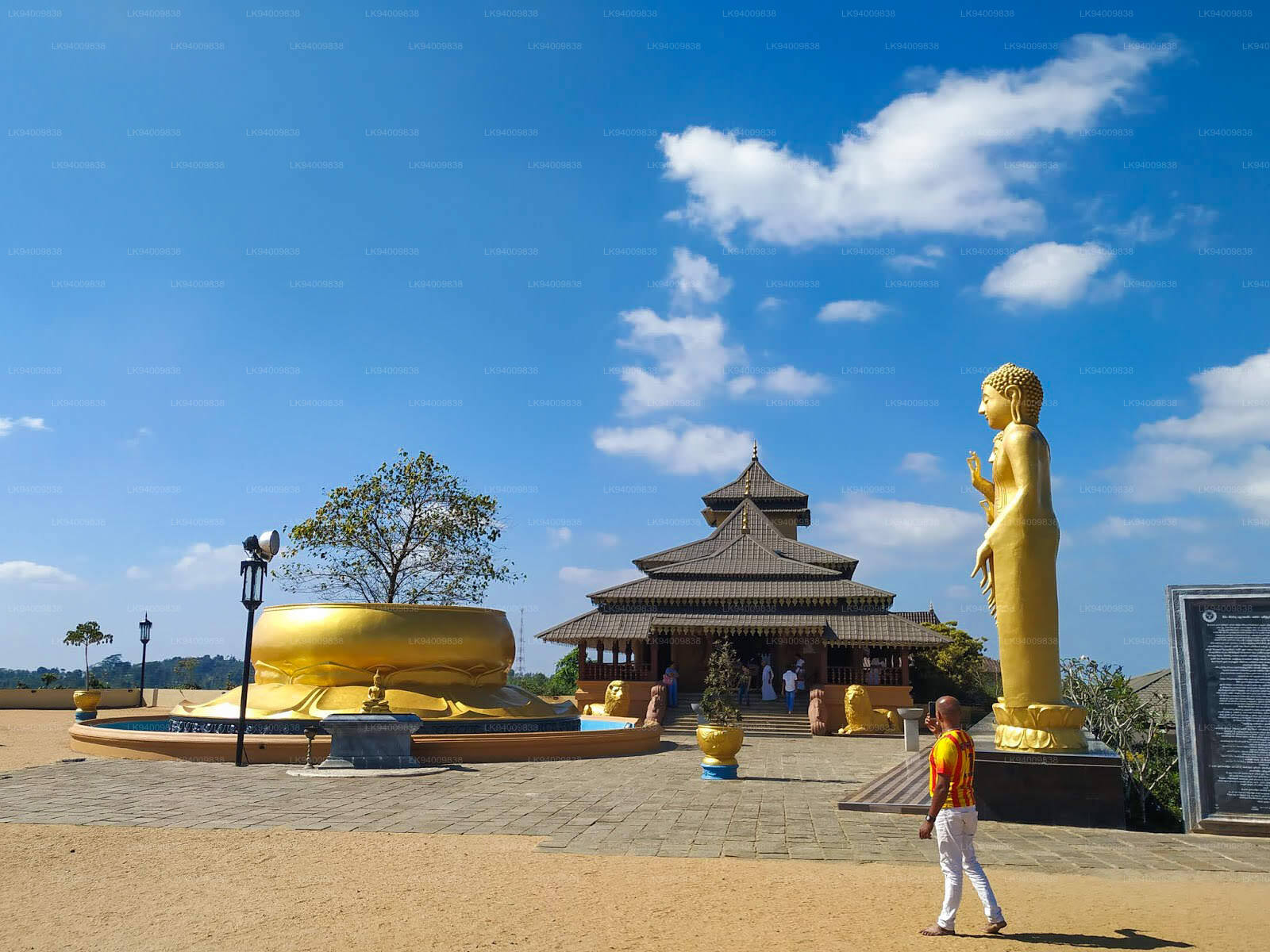
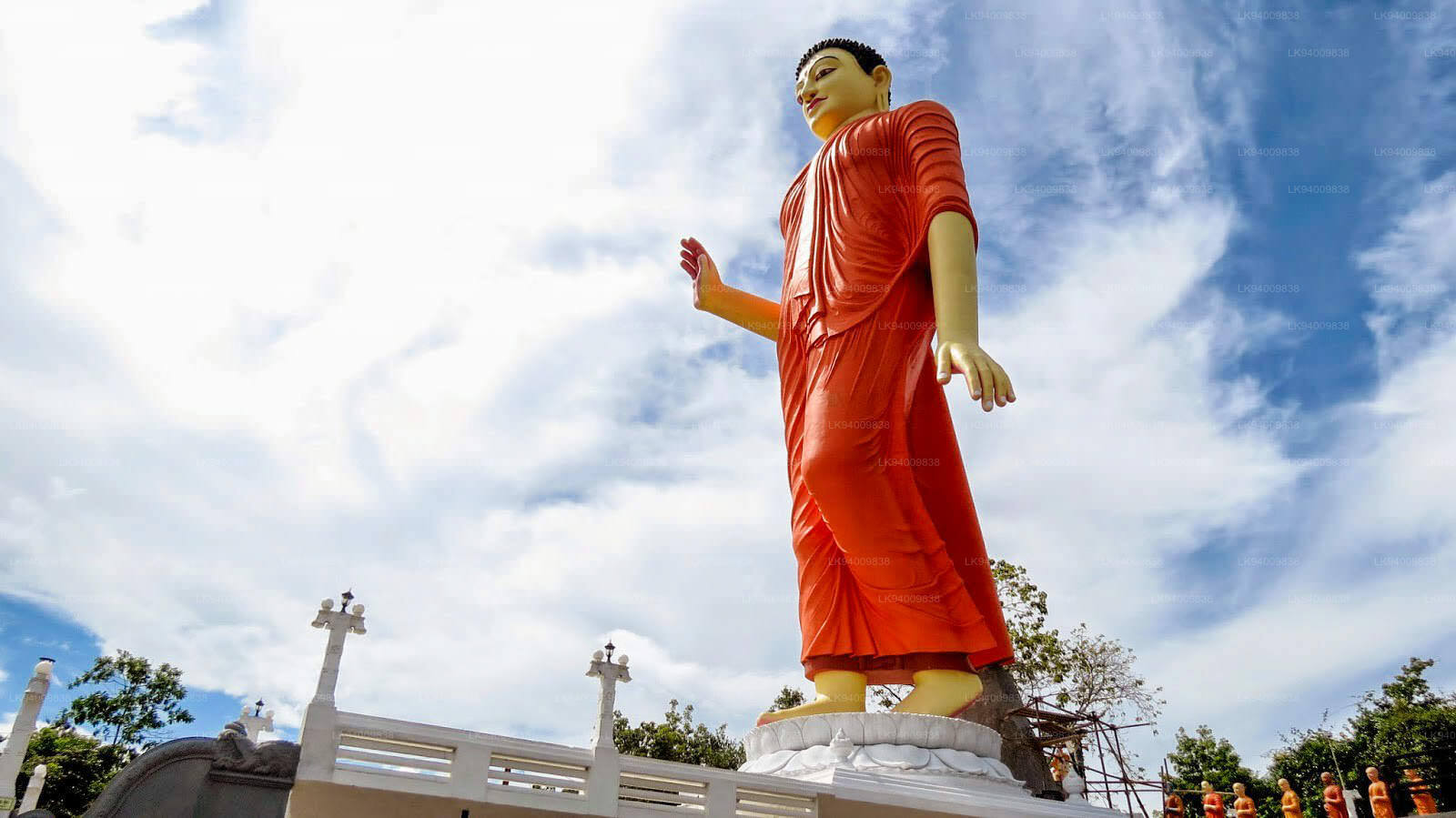
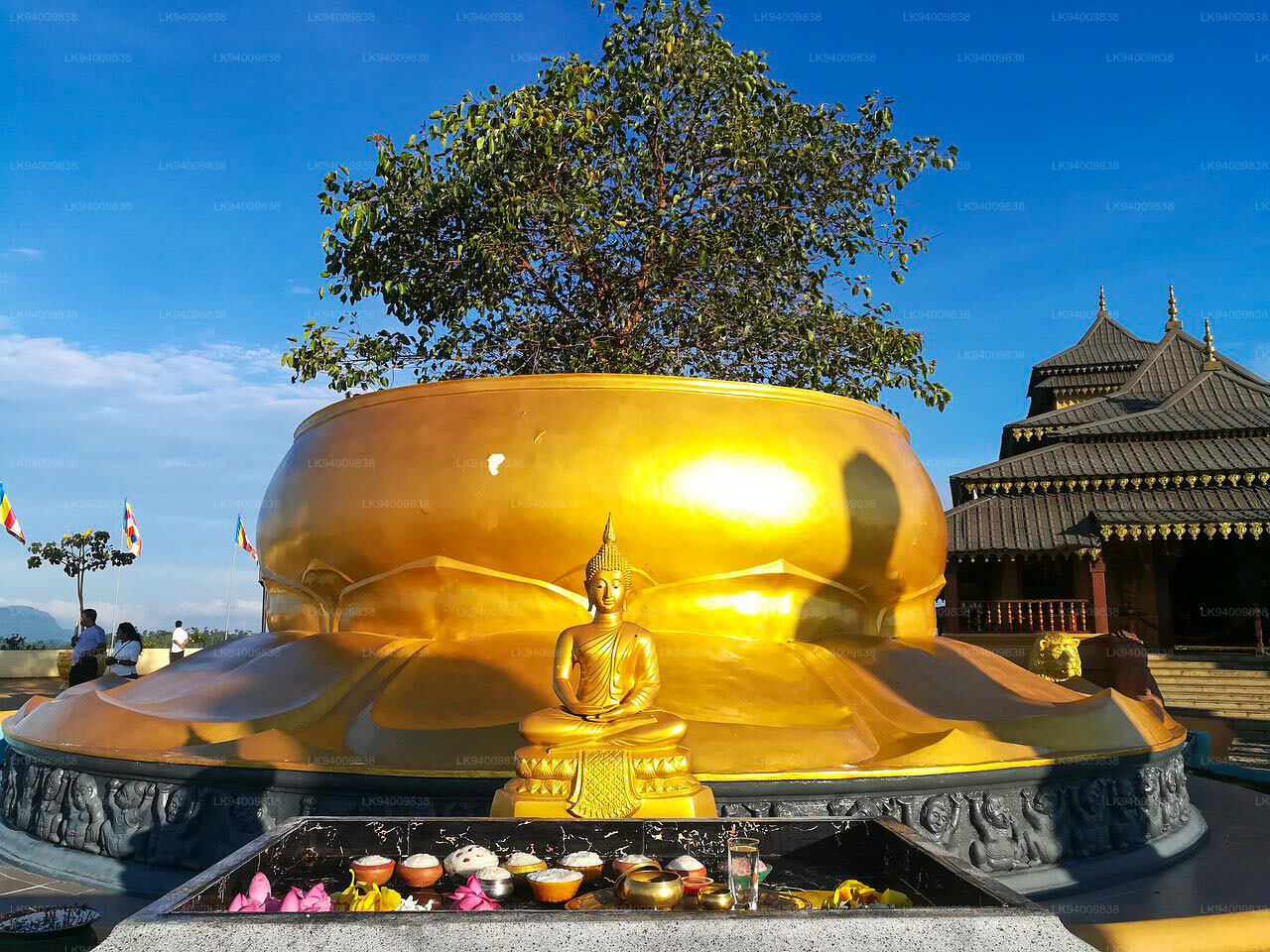
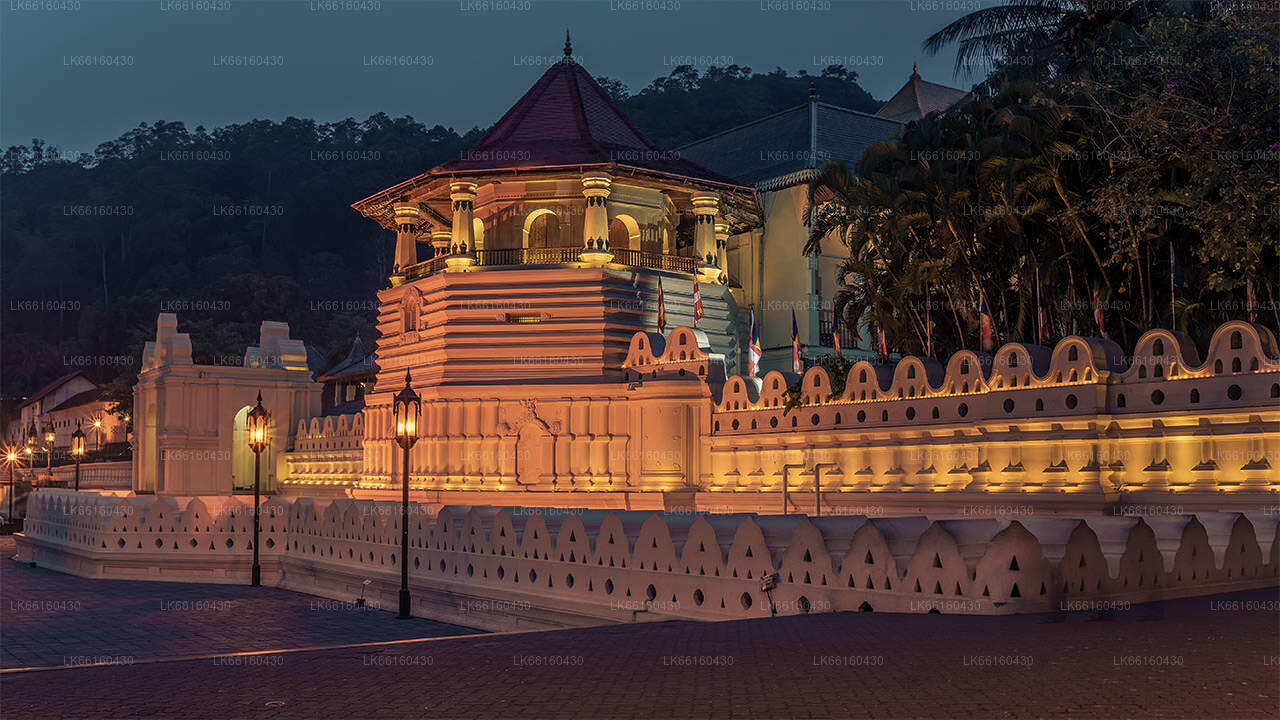
Kandy , eine historische Stadt in Sri Lanka , beherbergt mehrere ehrwürdige Tempel, die ein reiches kulturelles und religiöses Erbe bezeugen. Diese heiligen Stätten bestechen durch ihre kunstvolle Architektur, antike Wandmalereien und ihre spirituelle Bedeutung und ziehen Gläubige und Besucher gleichermaßen an. Einige Tempel beherbergen bedeutende Reliquien, während andere Einblicke in jahrhundertealte buddhistische Traditionen bieten. Kunstvolle Schnitzereien, eine ruhige Umgebung und jährliche religiöse Zeremonien verstärken ihren Charme und machen sie zu wichtigen Wahrzeichen spiritueller Hingabe und kultureller Wertschätzung in Sri Lanka .
- Liegt in Gadaladeniya, an der Grenze zwischen Udunuwara und Yatinuwara im Distrikt Kandy.
- Auf einem Felsen erbaut, bekannt für seine Metallornamente.
- Erbaut im Jahr 1344 n. Chr. von König Bhuvanekabahu IV.
- Ursprünglich Dharmakirti Viharaya genannt, wird es auch als Saddharmatilaka und Gadaladeniya Viharaya bezeichnet.
- Vernachlässigt, bis König Narendrasinghe es Velivita Sangharaja widmete.
- Der Hauptschrein weist südindische architektonische Einflüsse auf und zeigt einen sitzenden Buddha unter einem Makara Torana.
- Der sekundäre Schrein hat einen kreuzförmigen Grundriss mit einem großen zentralen Sikhara und kleineren in jedem Flügel.
- Liegt in Embekke, in der Nähe von Daulgala in Udunuwara, etwa 13 Kilometer von Kandy entfernt.
- Berühmt für seine komplizierten mittelalterlichen Holzschnitzereien.
- Der Eingang (Vahalkada) besteht aus 16 Holzsäulen mit Schnitzereien, darunter eine Mutter mit Kind.
- Die Dachkonstruktion wird von 26 Sparren getragen, die durch den Holzstift Madol Kurupuwa zusammengehalten werden.
- Verziert mit Schnitzereien von verschlungenen Schwänen, doppelköpfigen Adlern, Ringern und tanzenden Figuren.
- Das Hauptheiligtum folgt dem traditionellen Design eines Devale-Schreins mit einem hohen, schrägen Dach.
- Digge (Tanzsaal) hat 32 kunstvoll geschnitzte Holzsäulen und 514 dekorative Designs.
- Die Trommlerhalle (Hewisi Mandapaya) verfügt über Holzsäulen aus einer verlassenen königlichen Audienzhalle.
- Liegt in Handessa, 12 km von der Peradeniya -Brücke entfernt.
- Erbaut auf dem Panhalgala-Felsen mit Panoramablick auf Hügel, Reisfelder und Wälder.
- Erbaut im Jahr 1344 n. Chr. von Minister Senalankadhikara unter König Bhuvanekabahu IV.
- Ursprünglich war es vier Stockwerke hoch, heute sind nur noch das Erdgeschoss und ein Teil des ersten Stocks erhalten.
- Die Architektur weist singhalesische, dravidische und indochinesische Einflüsse aus der Polonnaruwa-Ära auf.
- Der Tempeleingang wird von Gajasimhas (Elefanten-Löwen-Skulpturen) flankiert und führt zu einem Pavillon.
- In der inneren Kammer befindet sich ein kolossaler sitzender Buddha unter einem kunstvollen Makara Torana.
- Wandgemälde zeigen 24 Buddhas und Gottheiten wie Upulvan, Saman, Vibhisana und Skanda.
- Liegt in Amunugama, 7 km von Kandy entfernt.
- In einen Felsvorsprung gebauter Höhlentempel.
- Auf einer Felsterrasse gelegen, mit einem Bodhi-Baum und einer Stupa an der Spitze.
- Verfügt über zwei Vorräume: einen Trommelsaal und ein Vestibül.
- Wandgemälde zeigen Jataka-Geschichten, darunter Sutasoma Jataka, Vessantara Jataka und Silava Jataka.
- Ein bemerkenswertes Wandgemälde veranschaulicht Buddhas spirituelle Eroberung von Mara (Mara Yuddha).
- Wandgemälde folgen einem einzigartigen Stil, bei dem menschliche Figuren, Tiere und Bäume in einheitlichen Größen gezeichnet werden.
Gadaladeniya Raja Maha Viharaya , Kandy
Embekka Devale , Kandy
Lankatilaka Viharaya , Kandy
Degaldoruwa Viharaya , Kandy