Galle Fort Entrance


Der Eingang zum Galle Fort ist ein bedeutender und ikonischer Teil des Galle Fort, das an der südlichen Küste von Sri Lanka liegt. Das Fort wurde im 16. Jahrhundert von den Portugiesen erbaut und später im 17. Jahrhundert von den Niederländern befestigt. Galle Fort ist ein UNESCO-Weltkulturerbe, das für seine koloniale Architektur, seine reiche Geschichte und seine malerische Schönheit bekannt ist.
Wenn die Besucher sich dem Eingang nähern, werden sie von einem großen Steinbogen empfangen, der Teil der niederländischen Befestigungen war. Dieser Haupteingang befindet sich auf der Nordseite des Forts und blickt auf die Stadt Galle. Über dem Eingang können die Besucher eine Inschrift mit dem VOC-Emblem sehen, dem Symbol der Niederländischen Ostindien-Kompanie, die eine wichtige Rolle in der Geschichte des Forts spielte. Dieses Emblem dient als Erinnerung an die strategische Bedeutung des Forts während der kolonialen Ära.
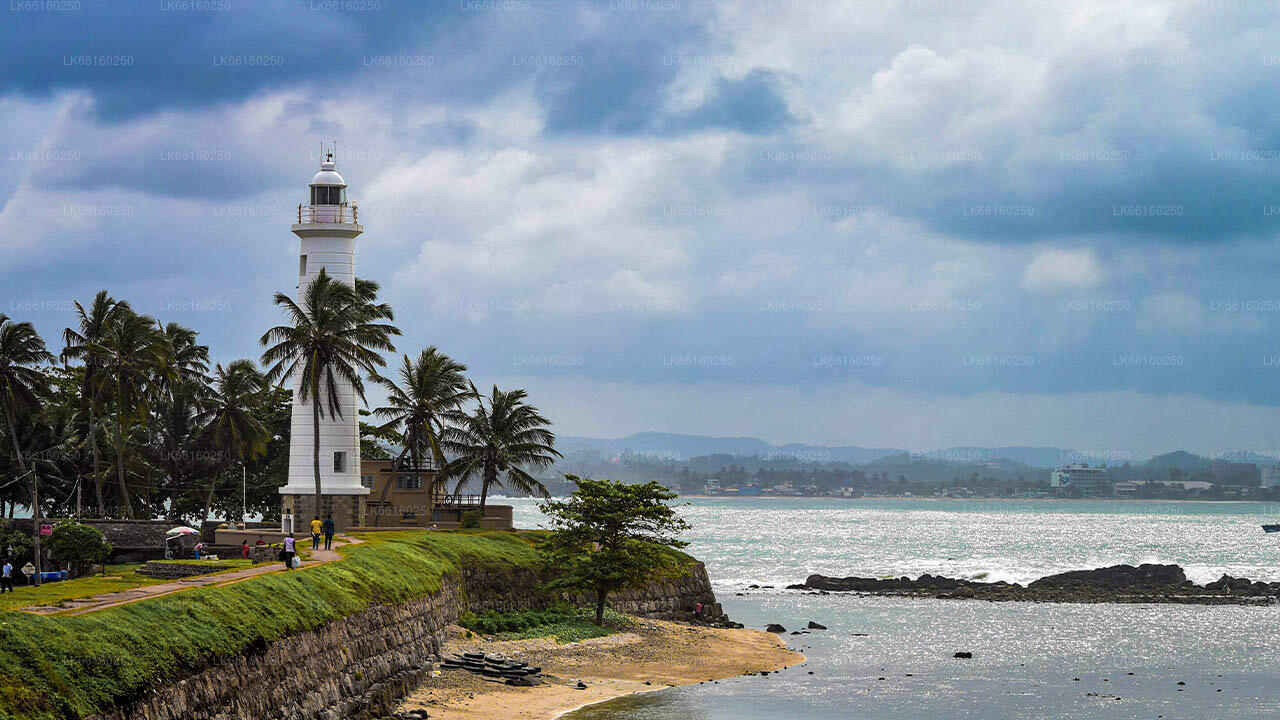
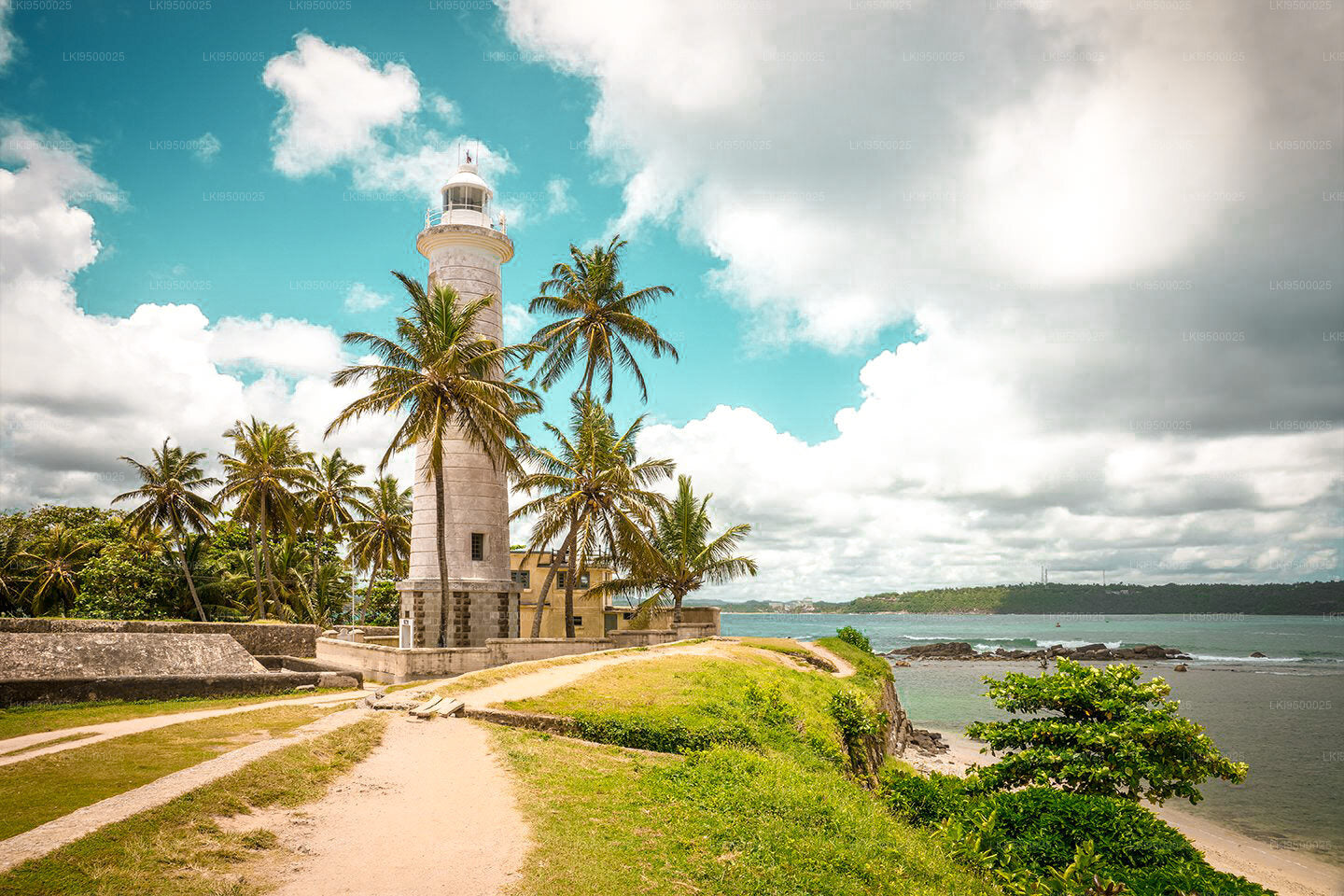
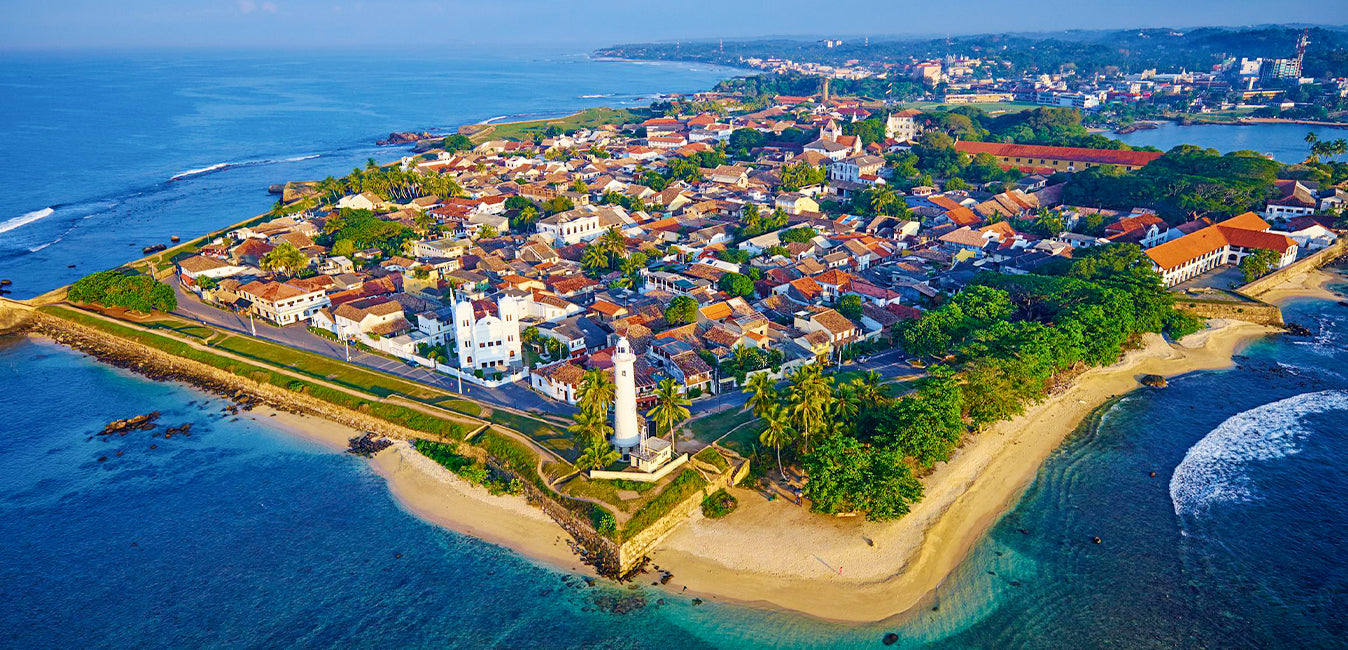
Beim Durchschreiten des Eingangs betreten die Besucher eine Welt, in der koloniale Eleganz nahtlos mit der lokalen Kultur verschmilzt. Die engen Straßen sind gesäumt von jahrhundertealten Gebäuden, darunter Kirchen, Museen, Cafés und Boutiquen, von denen viele ihre ursprünglichen niederländischen und britischen architektonischen Einflüsse bewahren. Der Eingang führt direkt ins Herz von Galle Fort, wo die Touristen die malerischen Straßen erkunden, den Galle-Leuchtturm besuchen und auf den Mauern spazieren können, die atemberaubende Ausblicke auf den Indischen Ozean bieten.
Der Eingang zum Galle Fort ist mehr als nur ein Tor; er symbolisiert die historische und kulturelle Verschmelzung, die das Fort zu einem einzigartigen Ziel macht. Er dient als Ausgangspunkt für Touristen, die in die reiche Geschichte, Architektur und die lebendige Atmosphäre eines der beliebtesten Wahrzeichen von Sri Lanka eintauchen möchten.