Flood-Plains-Nationalpark


Der Park ist von zentraler Bedeutung für die Integrität des Mahaweli-Schutzgebietssystems, sowohl wegen seiner einzigartigen „Zotte“ als auch als Korridor für die Wanderung von Wildtieren zwischen den Weideflächen im Wasgamuwa- und Somawathiya-Nationalpark. Das Gebiet erstreckt sich über den Mahaweli Ganga im Bezirk Polonnaruwa in der Nord-Zentralprovinz. Die Gemeinde Manampitiya liegt etwas außerhalb der östlichen Grenze des Parks, ein Zwischenstopp auf der Straße Batticaloa-Polonnaruwa und auf der Eisenbahn, die durch den Park führt.
Der einfachste Weg von Colombo aus wäre über Kurunegala , Dambulla, Habarana und Polonnaruwa. Das Schießstandbüro befindet sich in der Stadt Polonnaruwa und der Park ist 233 km von Colombo entfernt.
Der Mahaweli Ganga fließt von Süden nach Norden durch die Mitte des Parks. Die Überschwemmungsgebiete mit reichhaltigem Schwemmlandboden, die den Fluss flankieren, sind durch zahlreiche flache sumpfige Senken, sogenannte „Zotten“, gekennzeichnet. Die längere Überschwemmung dieser tiefliegenden Gebiete sowie die durch das Wasser mitgeführten Nährstoffe sind maßgeblich für die außergewöhnlich hohe Nettoprimärproduktivität verantwortlich. Das Gebiet reicht von 20 m bis 60 m mit gelegentlichen Felsvorsprüngen. Mit einer Fläche von 17.350 Hektar und im Schutzgebietskomplex Mahaweli gelegen, verbindet der Überschwemmungsgebiets-Nationalpark den Wasgamuwa-Nationalpark im Süden mit dem Somawathiya-Nationalpark im Norden. Da es sich um die Trockenzeit handelt, gibt es von Oktober bis Ende Januar nur den Nordostmonsun. Darauf folgt eine Trockenzeit von Nay bis September.
Gesättigte Böden und Überschwemmungen verhindern das Wachstum von Bäumen und fördern das Wachstum von wassertoleranten Gräsern und Wasserpflanzen. Die Vegetation der Zotten weist ein deutliches Zonenmuster mit kriechenden Gräsern auf.
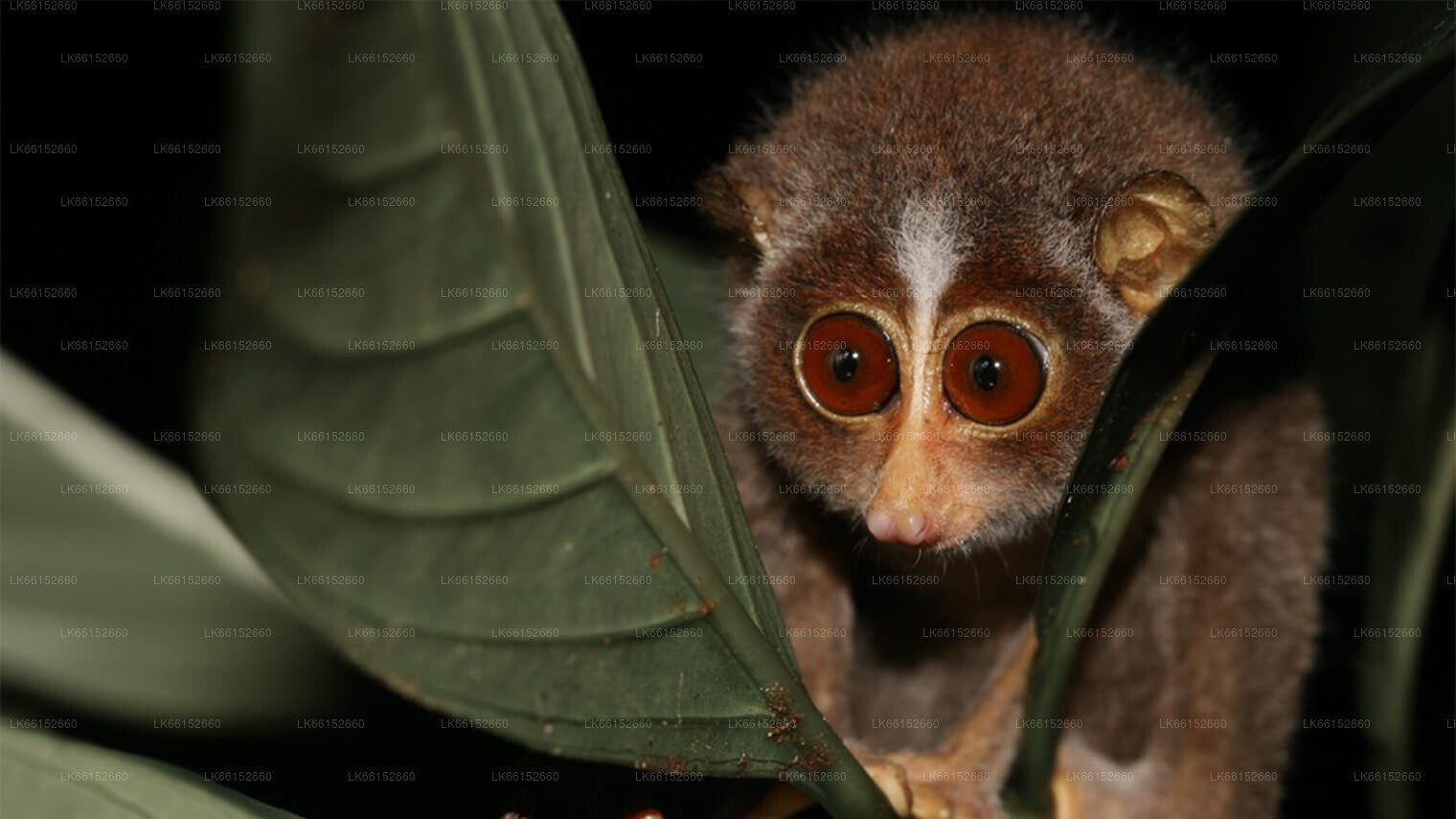
Die reiche Vegetation in der Villa lockt eine große Anzahl grasender Tiere und Vögel an und unterstützt eine höhere jährliche Biomasse als jeder andere Lebensraumtyp im Mahaweli-Entwicklungsprojektgebiet. Die Food Plains sind reich an Wasser und Grasland. In den Food Plains kommen häufig Säugetiere vor und in den Sumpfgebieten leben große Reptilienpopulationen. Die Food Plains sind besonders wichtig für die Vielfalt und Fülle ihrer Vogelfauna, insbesondere der Zugvögel. Schätzungen zufolge verbringen rund 75 Zugvögel ihre Winterzeit in den Sümpfen der Food Plain.