Divurumpola-Tempel
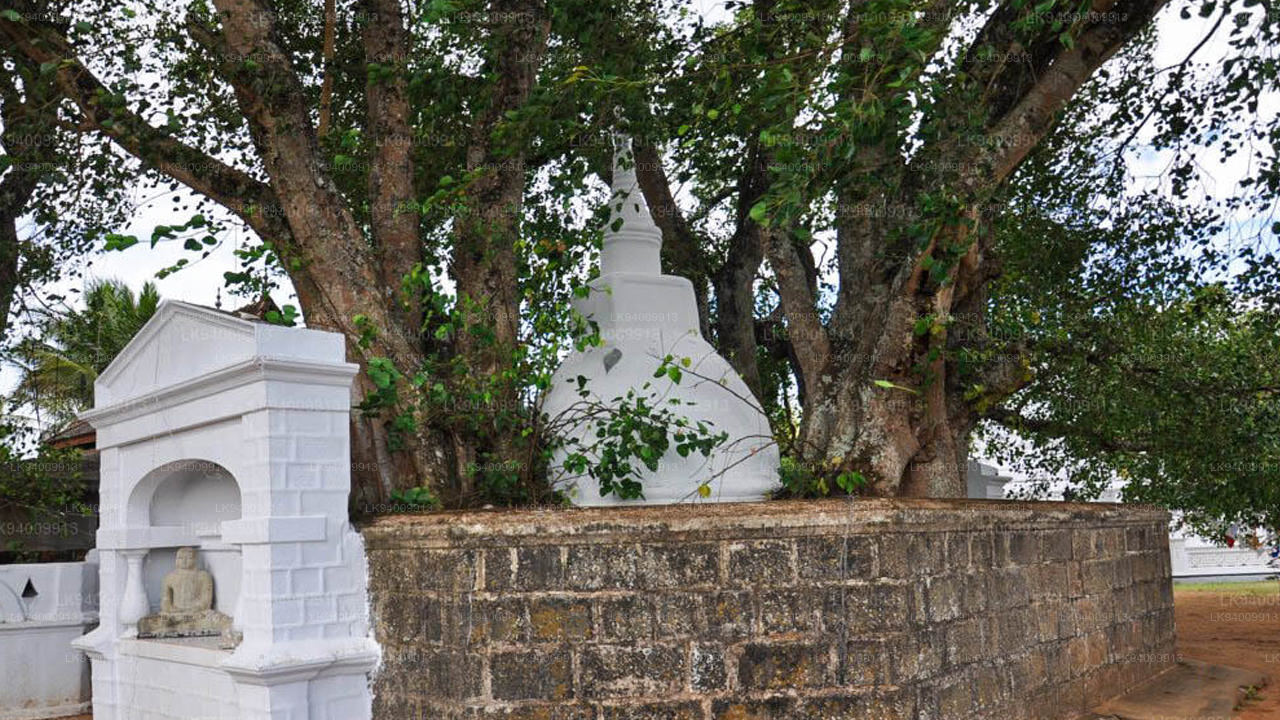
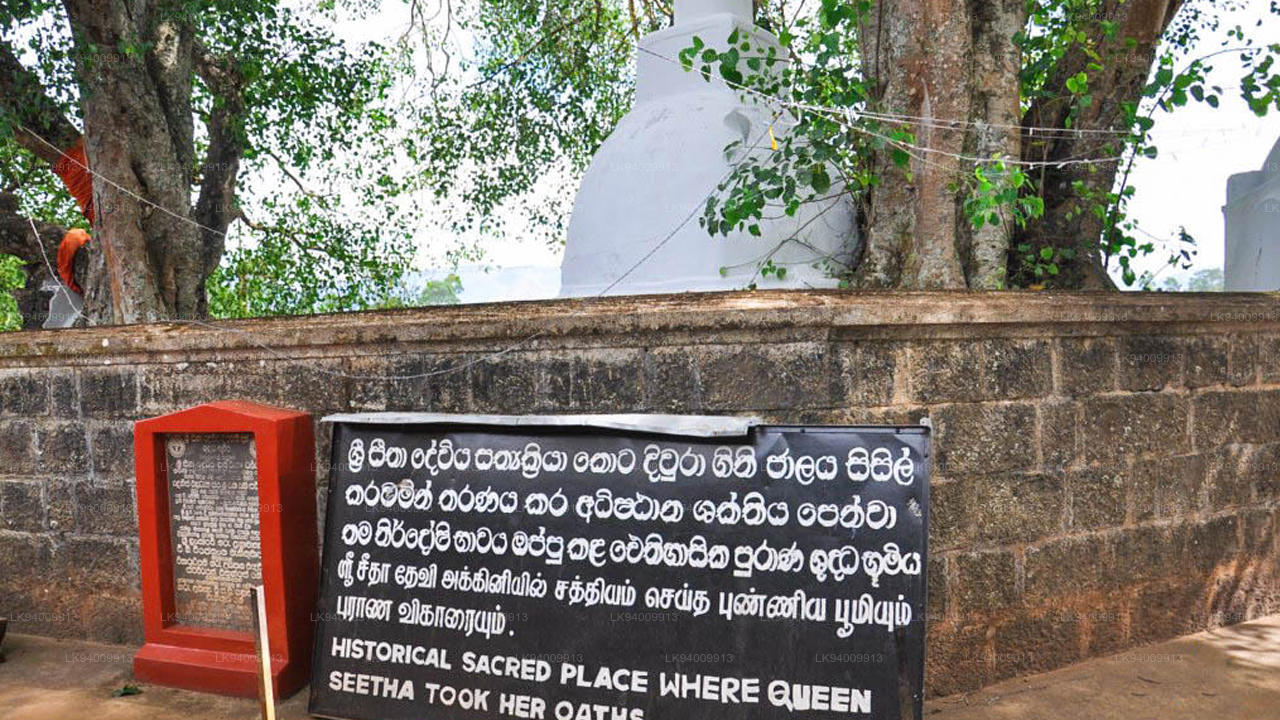
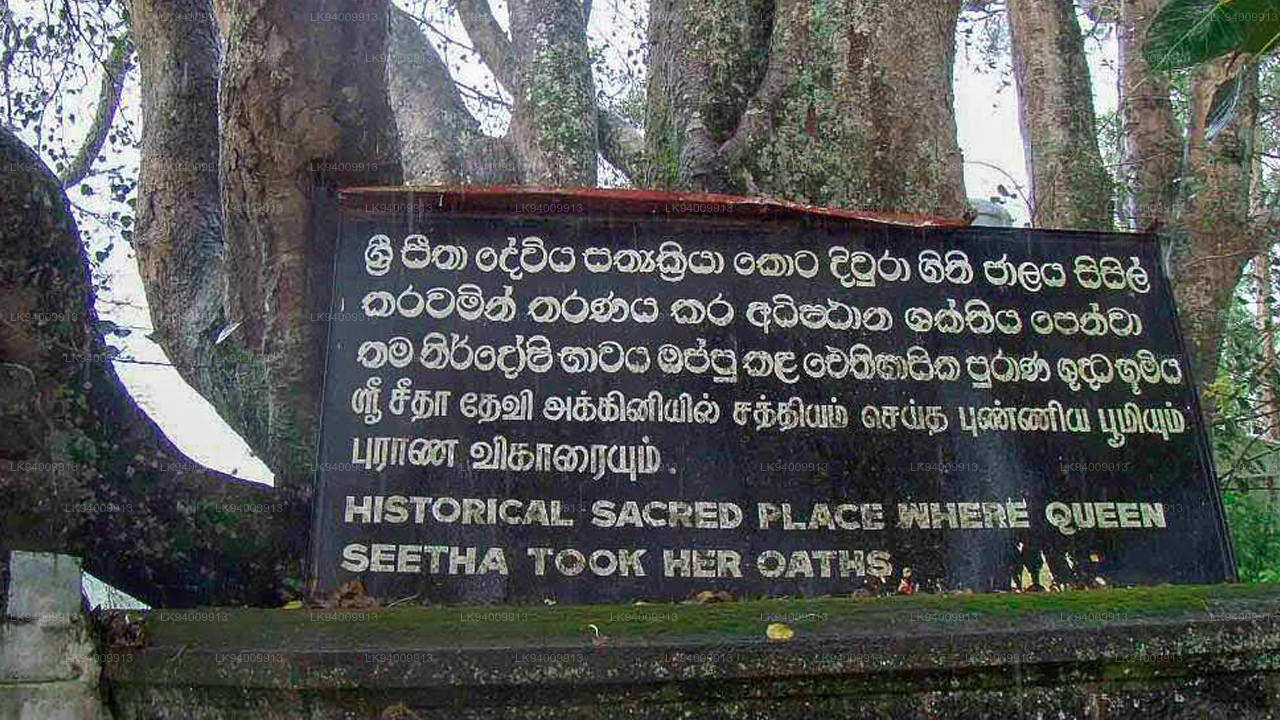
Divurumpola ist ein buddhistischer Tempel in der Nähe der Stadt Welimada (4 km) an der Hauptstraße Nuwara Eliya – Badulla in der Zentralprovinz von Sri Lanka. Der Divrumpola-Tempel oder Divrumpola Raja Maha Viharaya ist direkt mit dem Ramayana-Pfad in Sri Lanka verbunden. Laut dem Ramayana in Sri Lanka wird angenommen, dass der Divurumpola-Tempel der Ort ist, an dem Sita die berühmte Feuerprobe Agni Pariksha oder „Agni“-Prüfung durchlief, um dem Gott Rama ihre Keuschheit zu beweisen, nachdem sie von ihm gerettet wurde, wobei sie unversehrt blieb und ihre Unschuld und Reinheit bewies. In Anbetracht dieser historischen Faktoren ist Divurumpola einer der wichtigsten historischen Orte des Ramayana in Sri Lanka. In der singhalesischen Sprache bedeutet Divurumpola „Ort des Eides“.
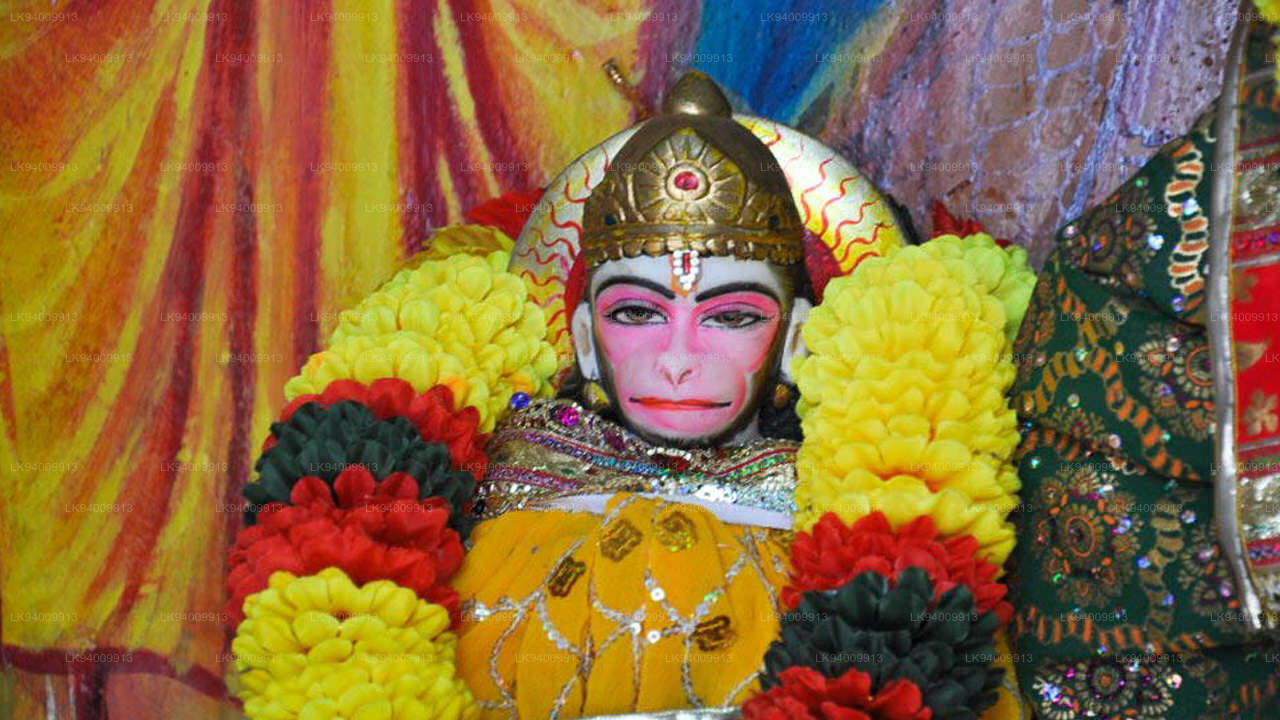
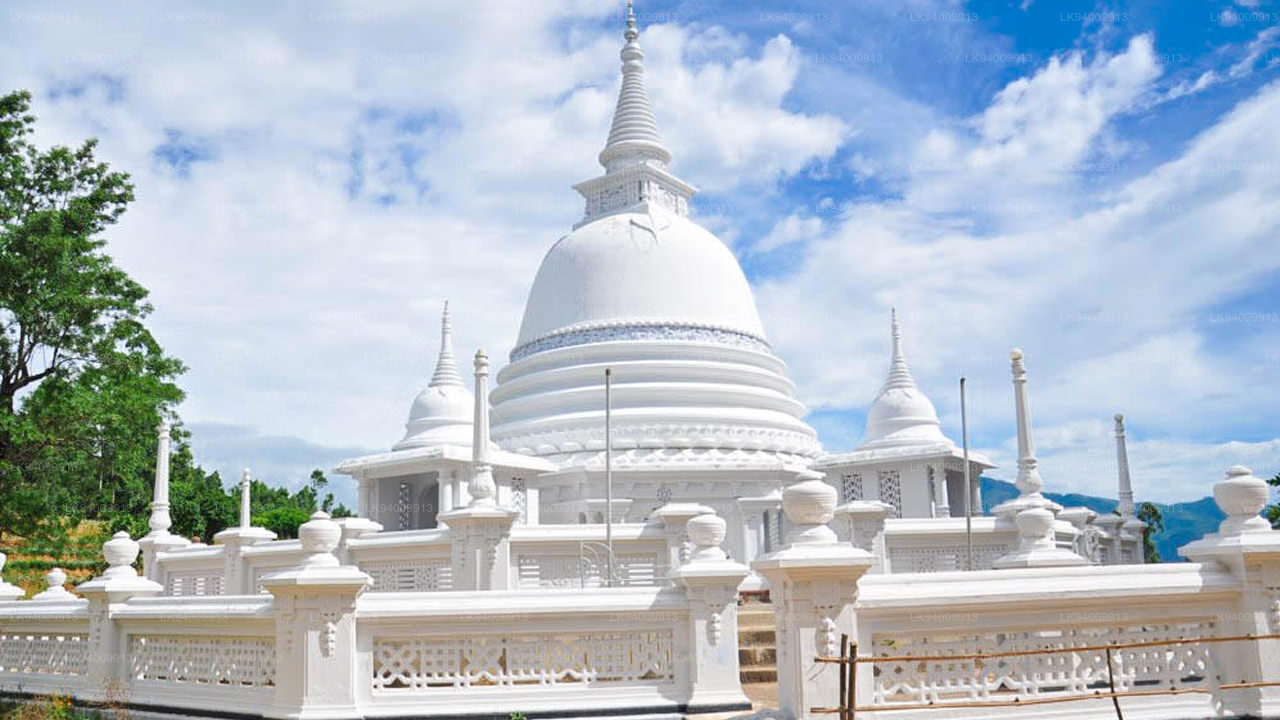
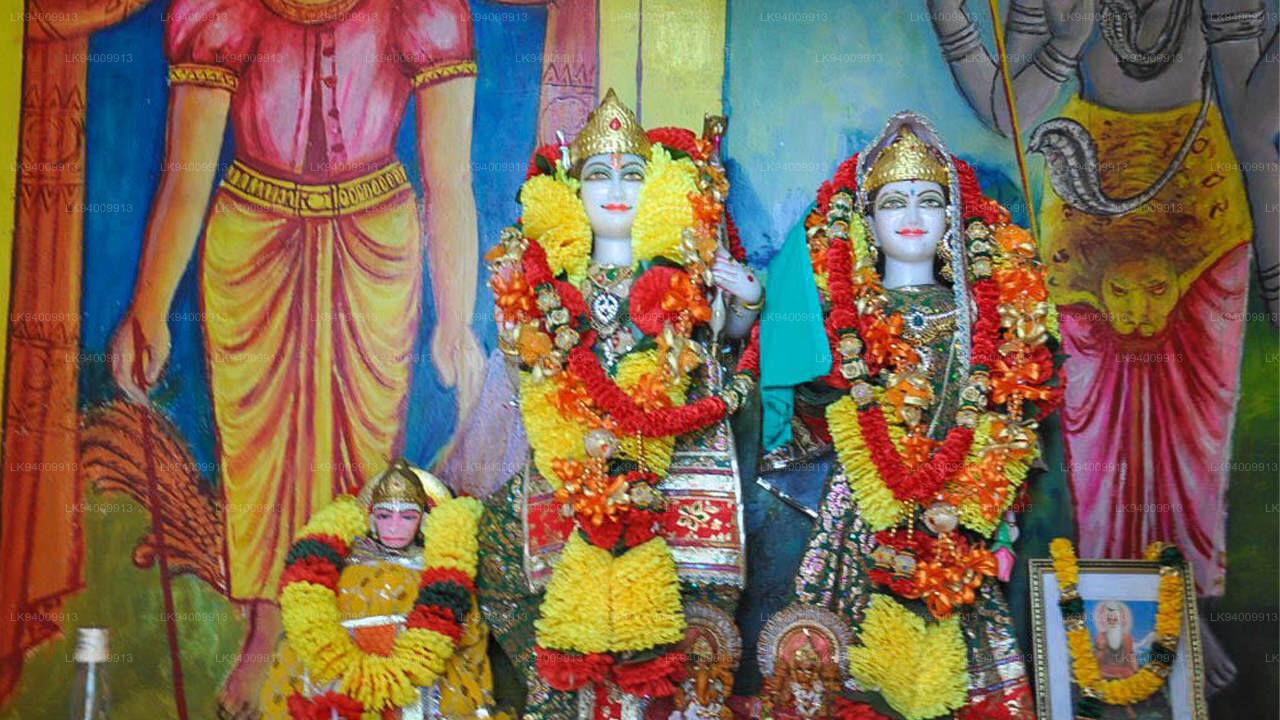
Der Divurumpola-Tempel (Raja Maha Viharaya) ist eine wichtige religiöse Stätte für Hindus. Dieser Tempel ist ein verehrter Ort und wird täglich von Hunderten von Hindus besucht. Divurumpola Raja Maha Viharaya ist auch ein buddhistischer Tempel und in dem Komplex finden wir einige buddhistische Stupas und Buddha-Skulpturen. Es gibt hier Skulpturen des Hindu-Gottes Rama, Devi Sita und Lord Hanuman. Von hier aus können wir deutlich den Berg Isthreepura sehen, wo Sita in einer Höhlenburg gefangen gehalten wurde. Deshalb gilt dieser Ort als eine der Ramayana-Stätten in Sri Lanka. Heute wird dieser buddhistische Tempel sowohl von Buddhisten als auch von Hindus in Sri Lanka verehrt und diese Ramayana-Stätte gilt als einer der historischen Ramayana-Orte in Sri Lanka.
StandortEs liegt 20 km von der Nuwara Eliya Welimada Road entfernt und ist über die Abzweigung in der Nähe des 96. Kilometers erreichbar.
LegendenDie Legende der Liebesgeschichte aus dem Ramayan besagt, dass Sita, nachdem sie die Nachricht von Ramas Sieg über Ravana erhalten hatte, nach einem Bad in einer Sänfte vor Rama gebracht und mit Juwelen geschmückt wurde. Sie war von Emotionen überwältigt, als sie ihren Mann nach so langer Zeit wiedersah. Doch Rama schien in Gedanken versunken. Sita war schockiert über seine Worte. „Ich habe meinen Feind getötet. Ich habe meine Pflicht als wahrer König erfüllt. Aber du hast ein Jahr lang in der Wohnstätte dieses Feindes gelebt. Es ist nicht recht, dich jetzt zurückzuholen.“
Da antwortete Sita Devi: „Du hast mir das Herz gebrochen. Nur die Ungebildeten sprechen so. Hast du vergessen, aus welcher Adelsfamilie ich stamme? Ist es meine Schuld, dass Ravana mich mit Gewalt entführt hat? Die ganze Zeit waren meine Gedanken, mein Herz und meine Seele nur auf dich gerichtet, mein Herr!“
Aus dem Ramayanaya geht hervor, dass sie sich mit Tränen in den Augen an Lakshmana wandte und sagte: „Bitte bereite mir ein Feuer vor. Das wird die einzige Heilung für dieses Unheil sein.“ Er entzündete ein großes Feuer. Sita ging ehrfürchtig um ihren Mann herum und näherte sich dem lodernden Feuer, wobei sie ihre Handflächen zum Gruß aneinanderlegte. Mit diesen Worten sprang sie in die Flammen und sagte: „Wenn ich rein bin, wird mich das Feuer beschützen.“ Aus den Flammen erhob sich der Feuergott Agni, den Sita angerufen hatte. Er hob sie unversehrt aus den Flammen und präsentierte sie Gott Rama.
Bedeutung von DivurumpolaAls Zeichen der Ehrerbietung wurde ein Setzling des Anuradhapura -Bodhibaums gepflanzt. Unter dem Bodhibaum wurde später eine kleine Dagoda (Stupa oder Pagode) errichtet. Der dortige Tempel zeigt Gemälde aus dem Ramayana-Kult, die mit Sri Lanka in Zusammenhang stehen. Nach der heiligen Stätte von Ashok Vatika ist dieser Ort von Divurumpola die zweitwichtigste Stätte der Ramayana-Yatra in Sri Lanka.