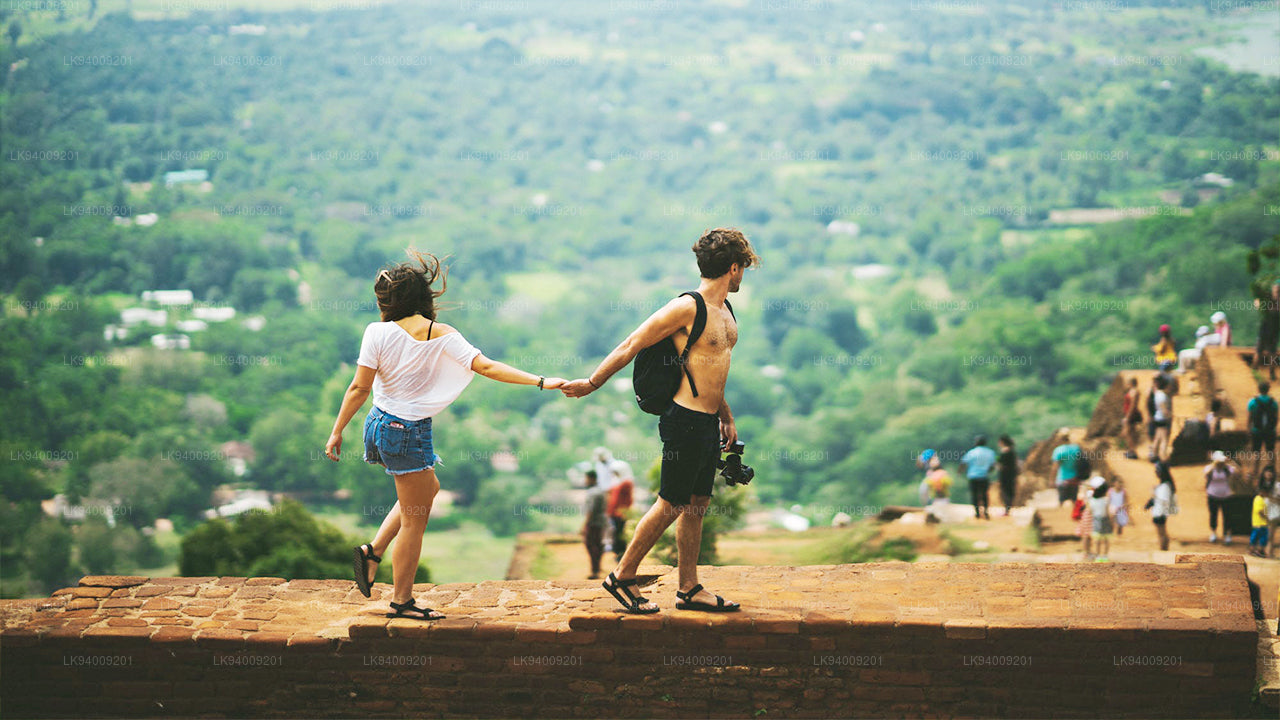
Welimada


Welimada ist eine charmante Stadt im Bezirk Badulla in Sri Lankas Uva-Provinz, eingebettet im zentralen Hochland. Bekannt für ihr kühles Klima und ihre malerischen Landschaften wird Welimada aufgrund ihrer umfangreichen landwirtschaftlichen Aktivitäten und fruchtbaren Böden, die den ganzjährigen Anbau ermöglichen, oft als „Gemüsezentrum“ des Landes bezeichnet.
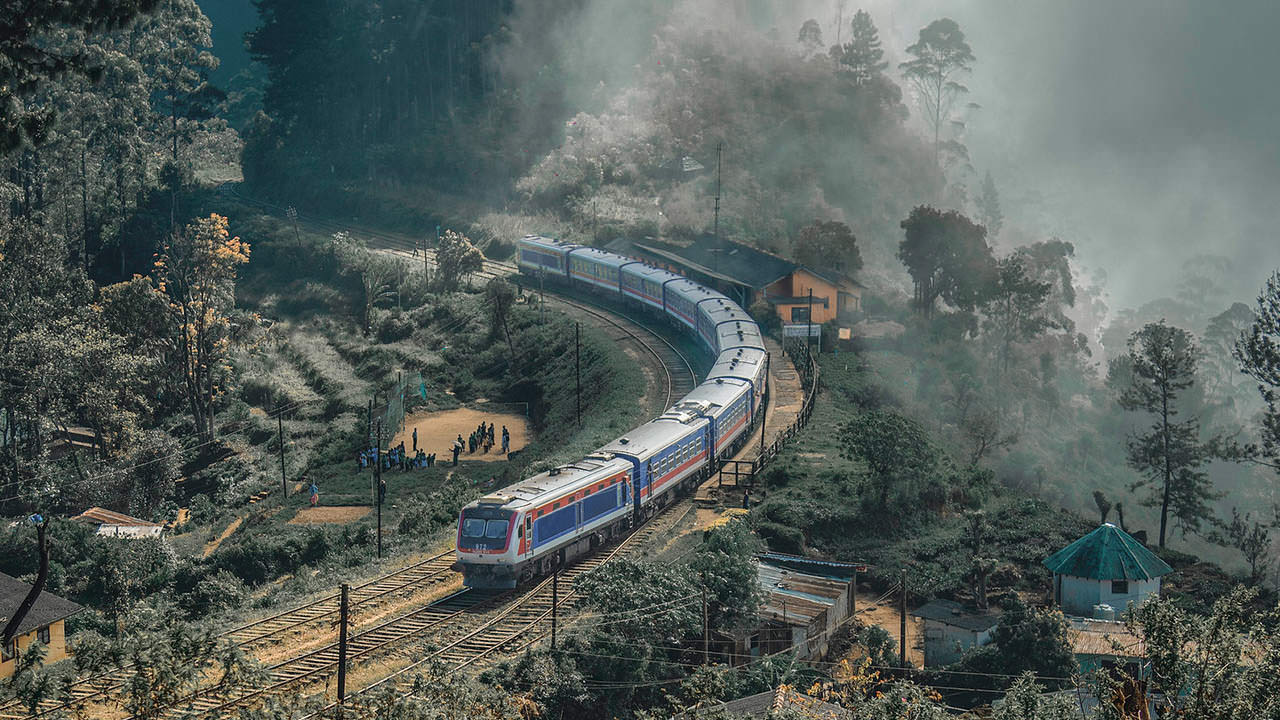
Die Region ist geprägt von sanften Hügeln, üppigem Ackerland und einem erfrischenden Klima, das ideal für den Anbau verschiedener Feldfrüchte wie Karotten, Lauch und Kartoffeln ist. Umgeben von nebelverhangenen Bergen und viel Grün unterstützt Welimada eine vielfältige Pflanzenwelt und bietet eine ruhige ländliche Umgebung, die die Schönheit der Natur im Hochland von Sri Lanka widerspiegelt.
Besucher von Welimada können ruhige ländliche Erlebnisse genießen, lokale Bauernhöfe erkunden und den Panoramablick auf die umliegenden Hochländer bewundern. Die Stadt bietet einen friedlichen Rückzugsort fernab belebter Touristenzentren und ist ideal für alle, die Entspannung, malerische Fahrten und einen authentischen Einblick in das landwirtschaftliche Leben in Sri Lanka suchen.
Die beste Reisezeit für Welimada liegt in den trockeneren Monaten von Januar bis April, wenn das Wetter günstiger für Reisen und Outdoor-Aktivitäten ist. Leicht erreichbar von Badulla und nahegelegenen Hochlandzielen bietet Welimada einen erfrischenden und landschaftlich reizvollen Zwischenstopp für Reisende, die die zentrale Region von Sri Lanka erkunden.


Special places in Badulla
-
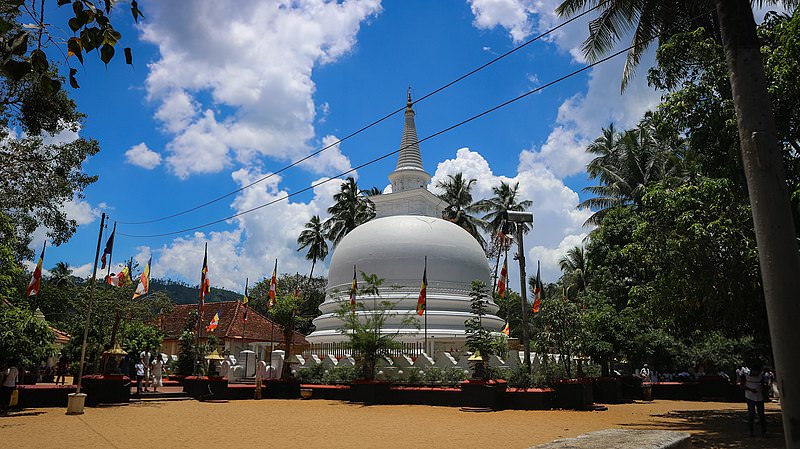 Muthiyangana Raja Maha Vihara
Muthiyanganaya Raja Maha Viharaya lies in the centre of the city of Badulla. The History of this temple goes back to the time of Buddha but this area around Badulla goes way back in to the time of 19th -18th century BCE.
-
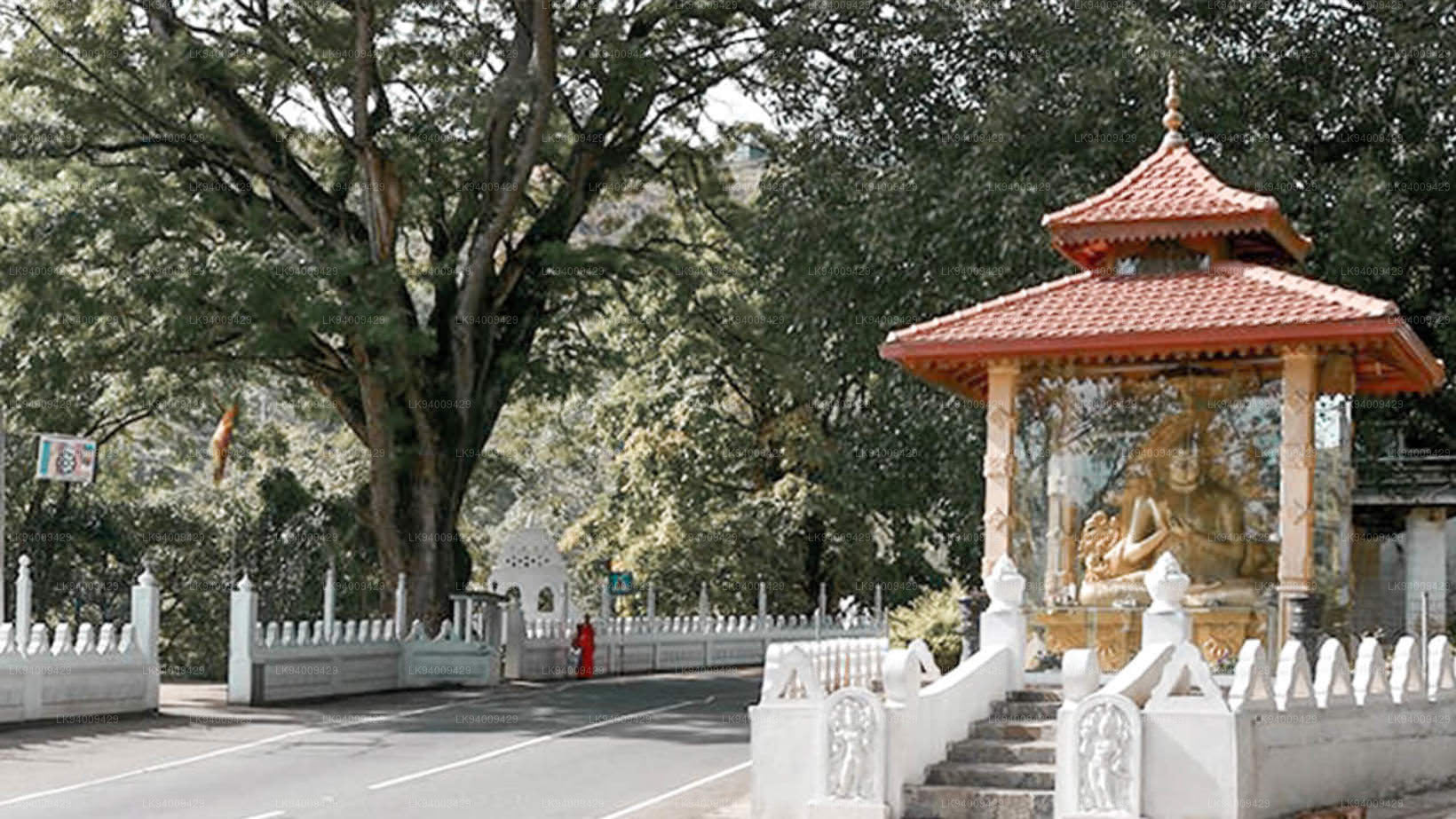 Dowa Raja Maha Viharaya
Dowa Raja Maha Viharaya (Dowa Cape Temple) lies few kilometres away from the Bandarawela town on the Bandarawela – Badulla Road. This temple is thought to be done by King Walagamba in the in first century BC.
-
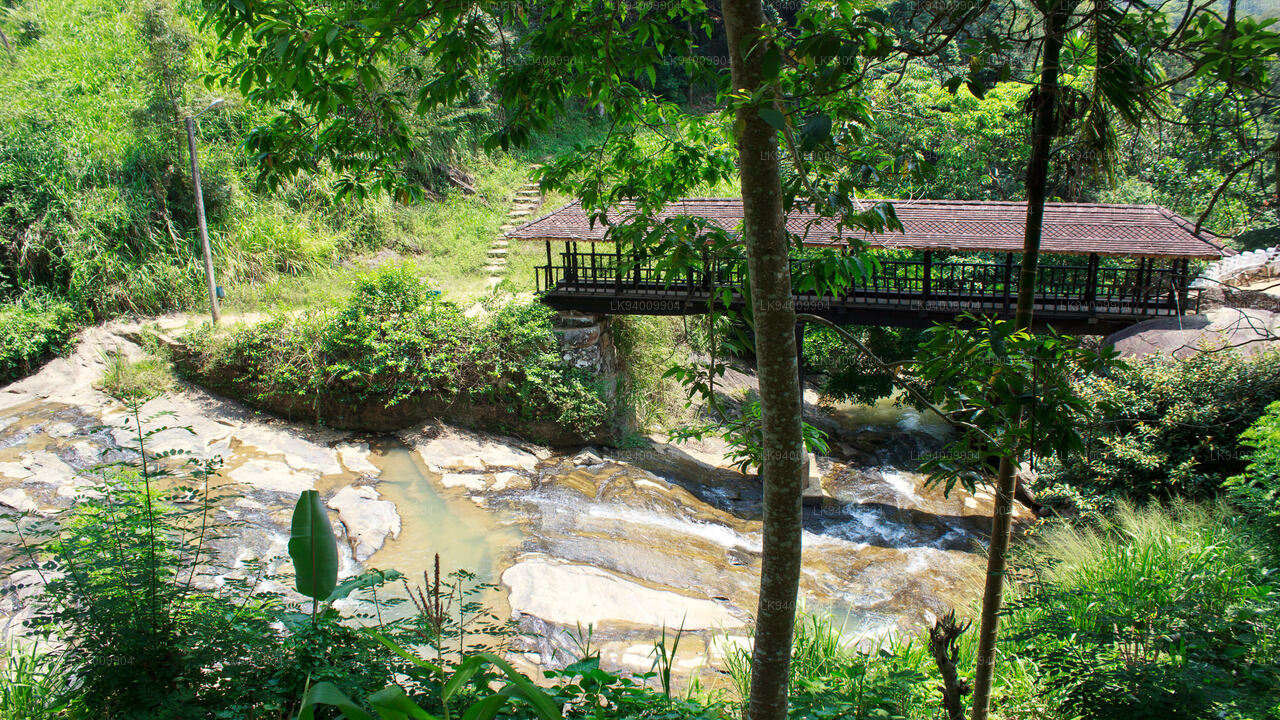 Bogoda Wooden Bridge
The Bogoda Wooden Bridge was built in the 16th century during the Dambadeniya era. This is said to be the oldest surviving wooden bridge in Sri Lanka. The bridge is situated at 7 kilometres (4.3 mi) west of Badulla.
-
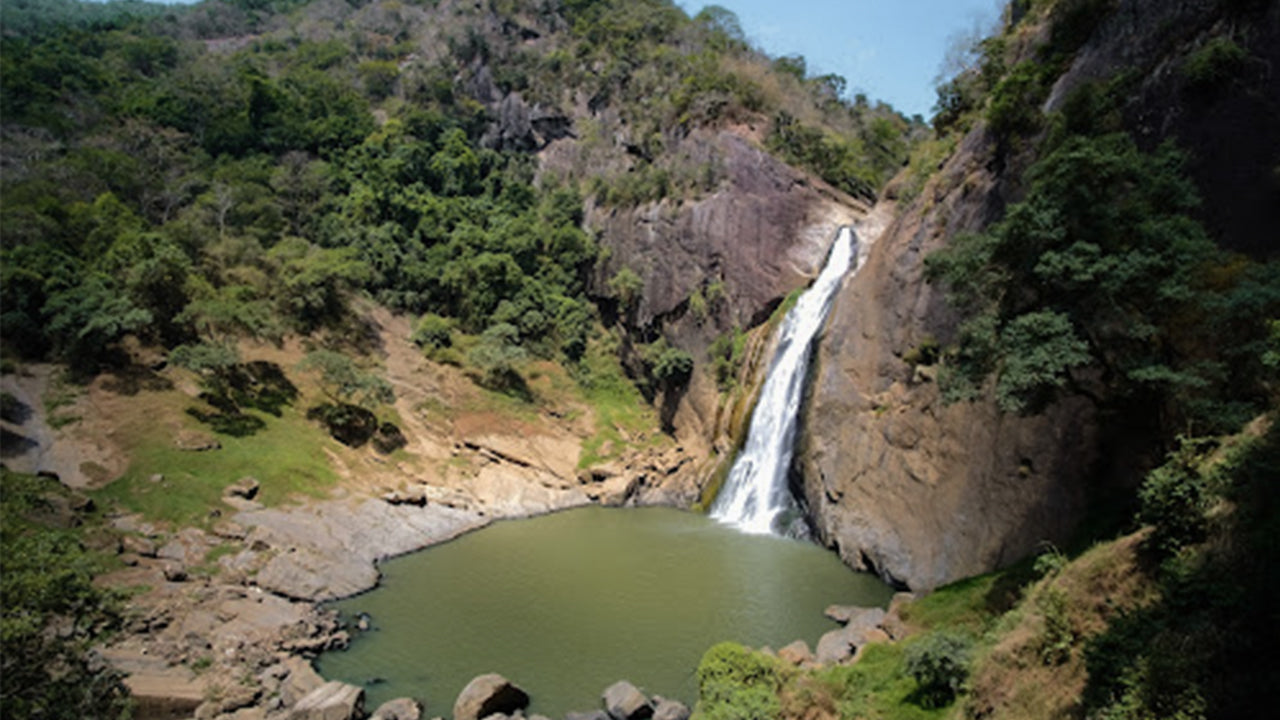 Dunhinda Falls
Dunhinda Falls is situated about 5 km away from Badulla town. It is 63 meters high and is considered to be one of the most beautiful waterfalls in Sri Lanka. The falls gets its name dew to the smoky dew drops spray.