Digana
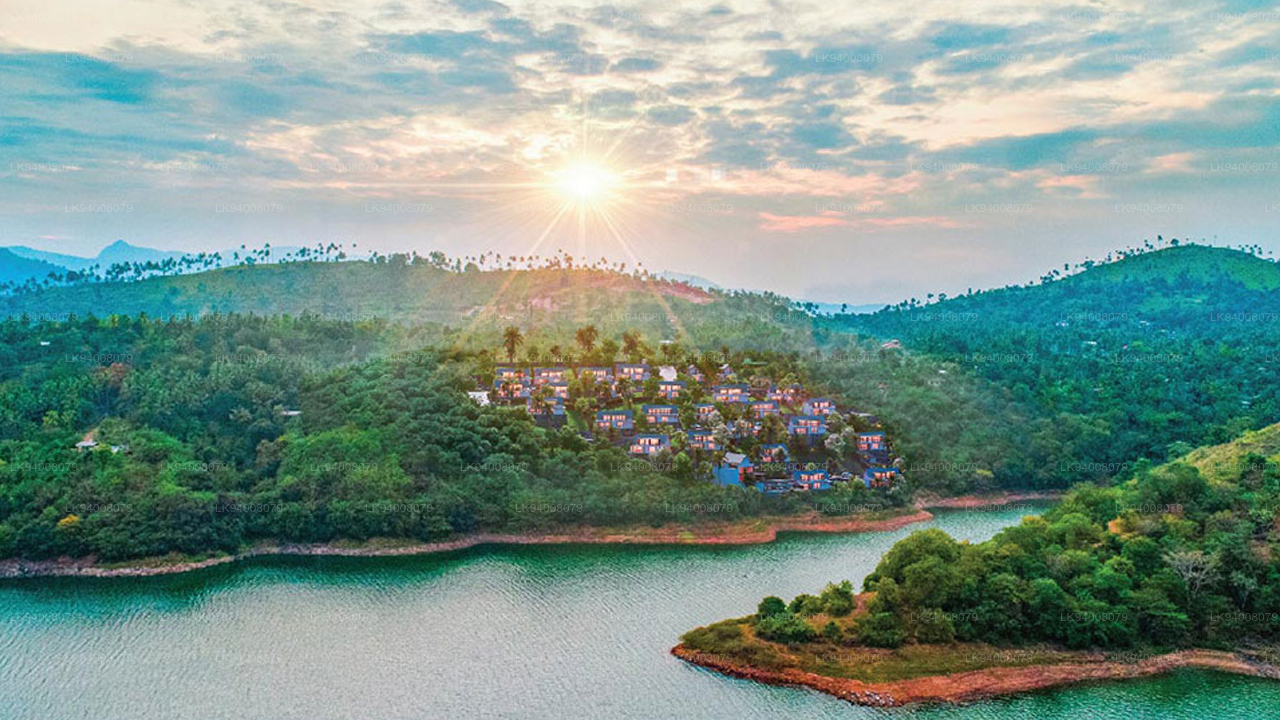
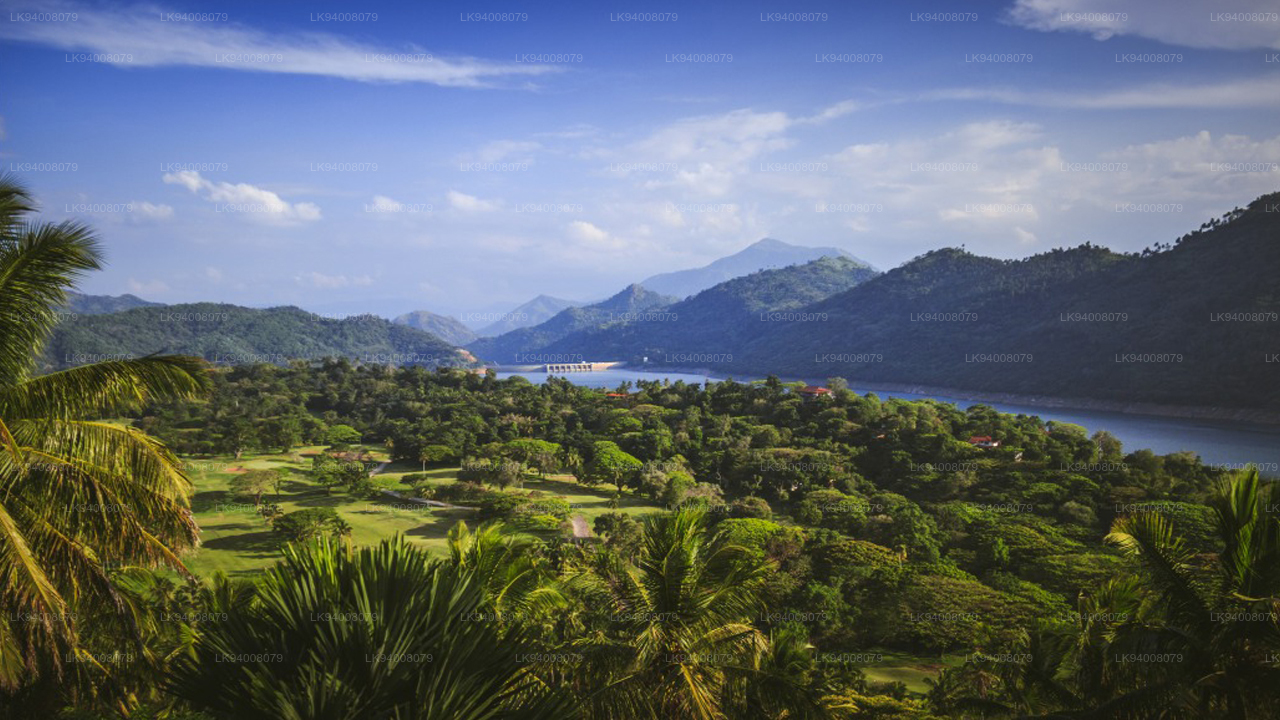
Digana ist ein Dorf in Sri Lanka . Es liegt in der Zentralprovinz zwischen Kandy und Teldeniya an der A26. Es ist für sein Dolomitmineral bekannt.
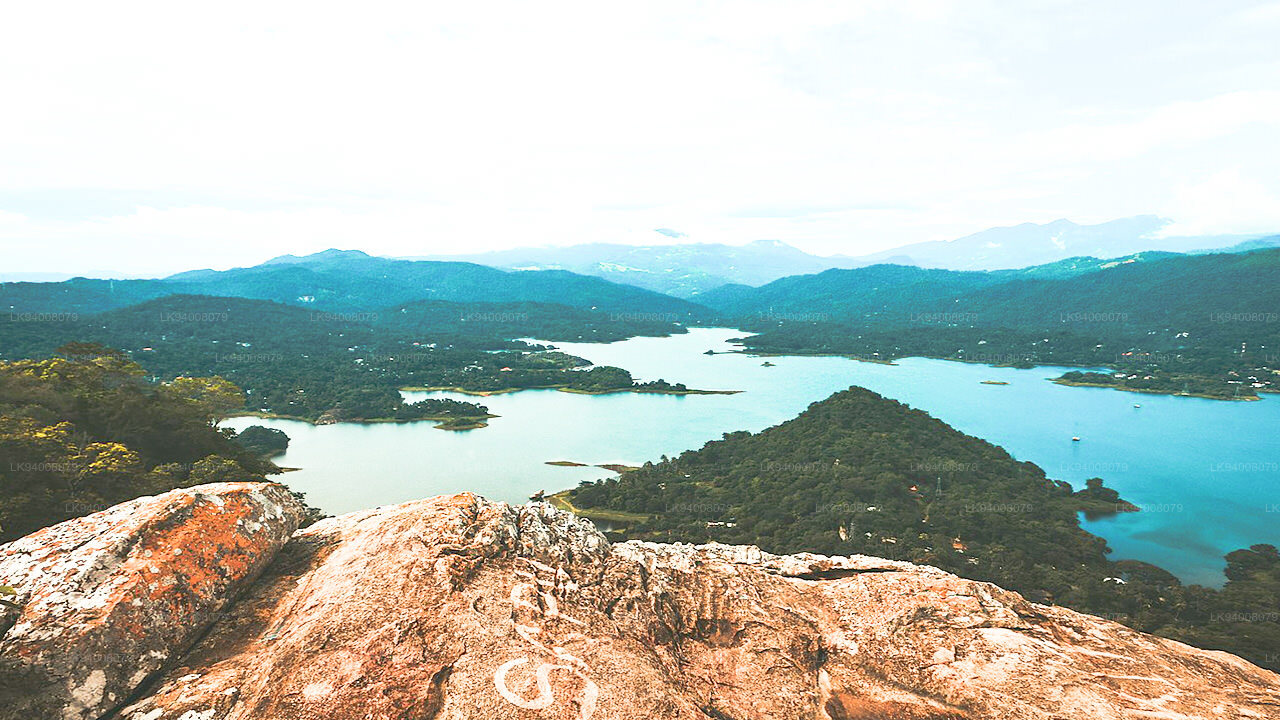
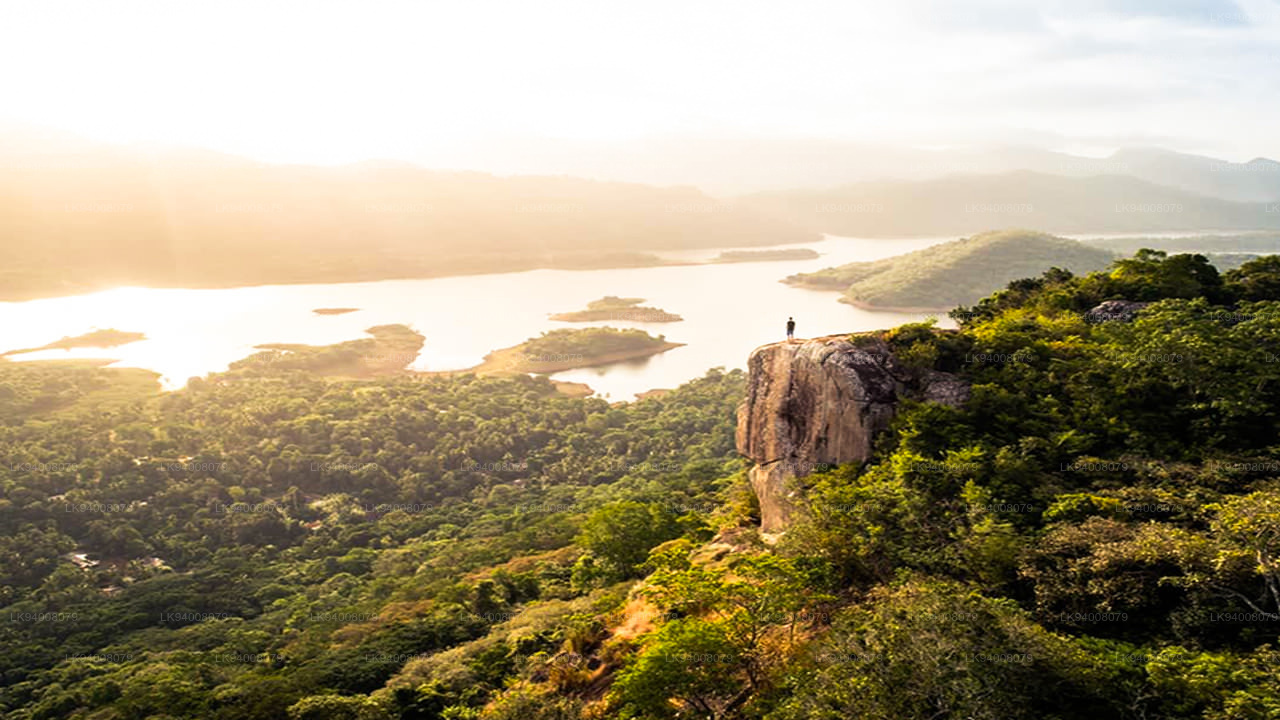
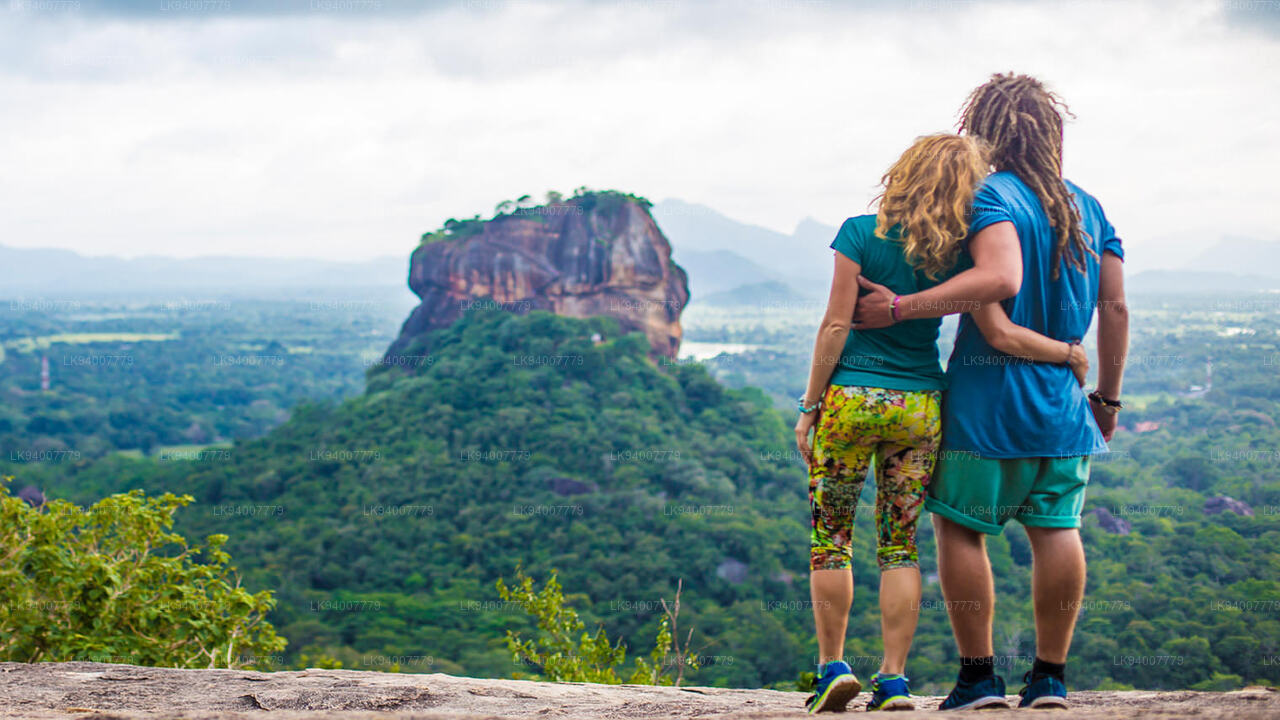
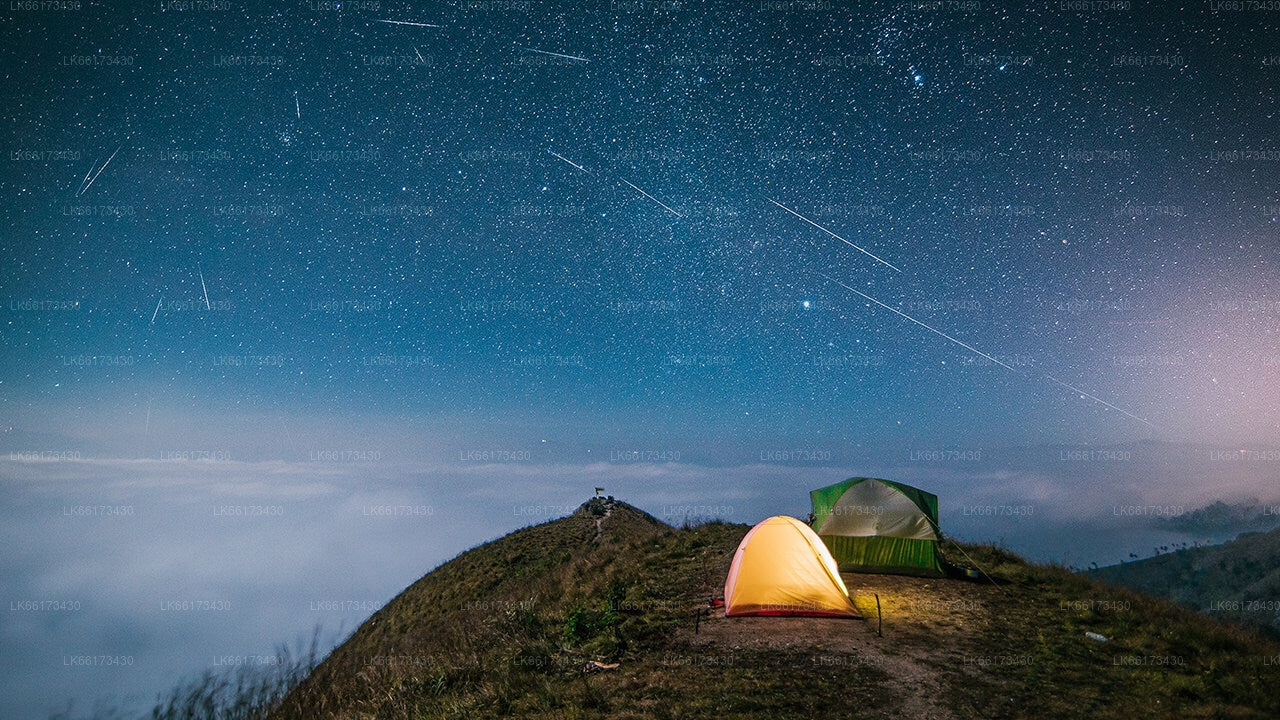
Die Gegend um Digana ist von historischer Bedeutung und natürlicher Schönheit. Der Ausflug nach Bambaragala und Pettigala gilt als eine der schönsten Aktivitäten rund um Digana, da er den Weg in eine Region voller Wunder und Staunen ebnet.
Sehenswürdigkeiten in Digana,- Pettigala, Kandy
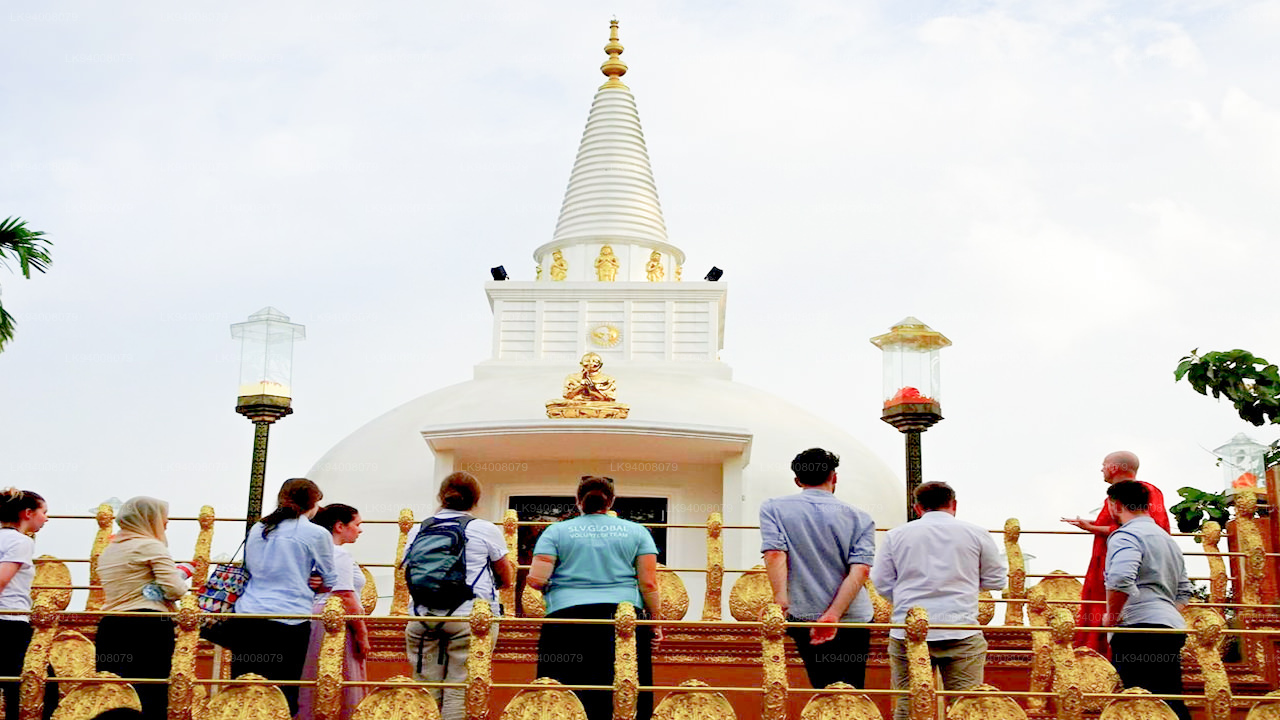
- Bambaragala Rajamaha Viharaya
- Victoria-Staudamm
- Buddhistisches Kloster Mahamevnawa
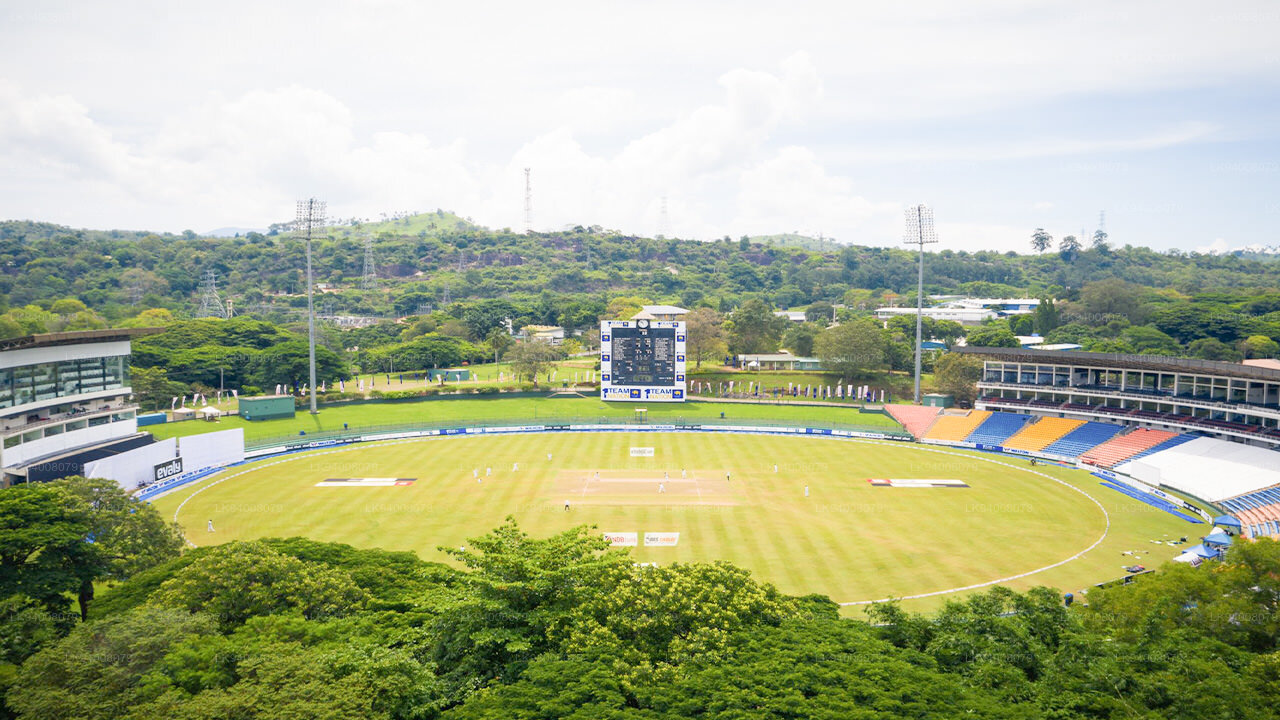
- Pallekele Internationales Cricketstadion
Über den Distrikt Kandy
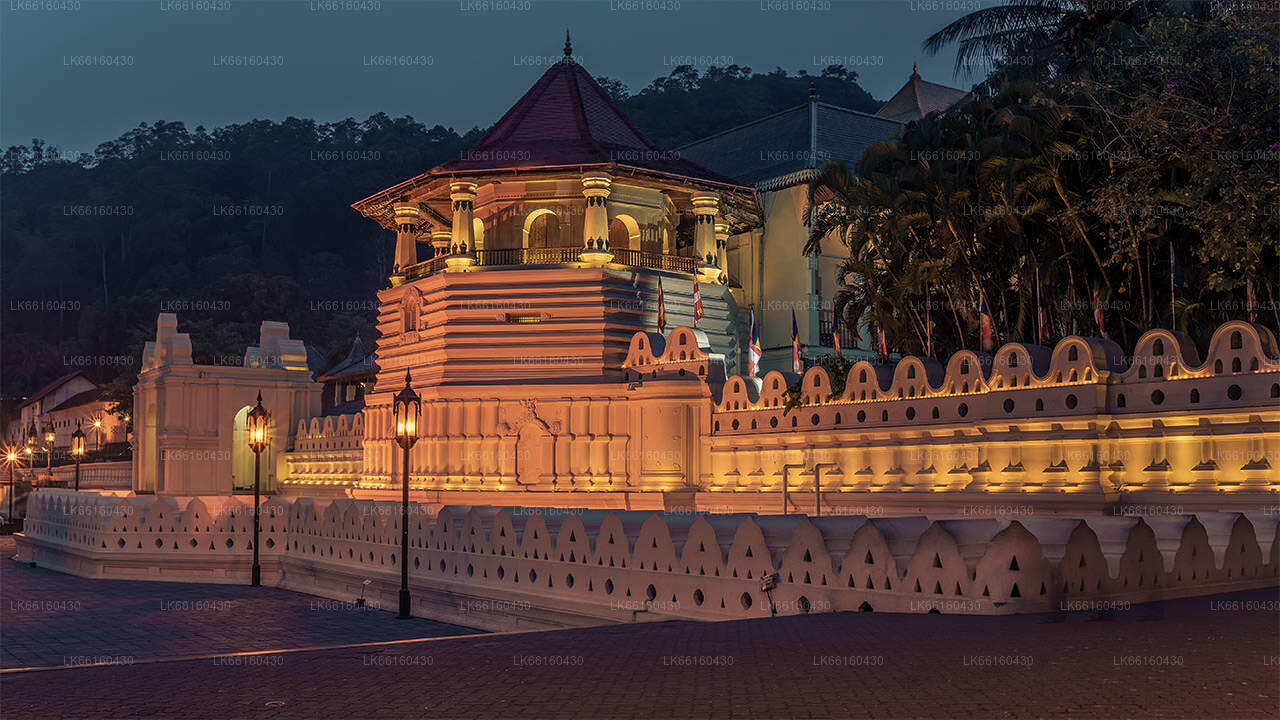
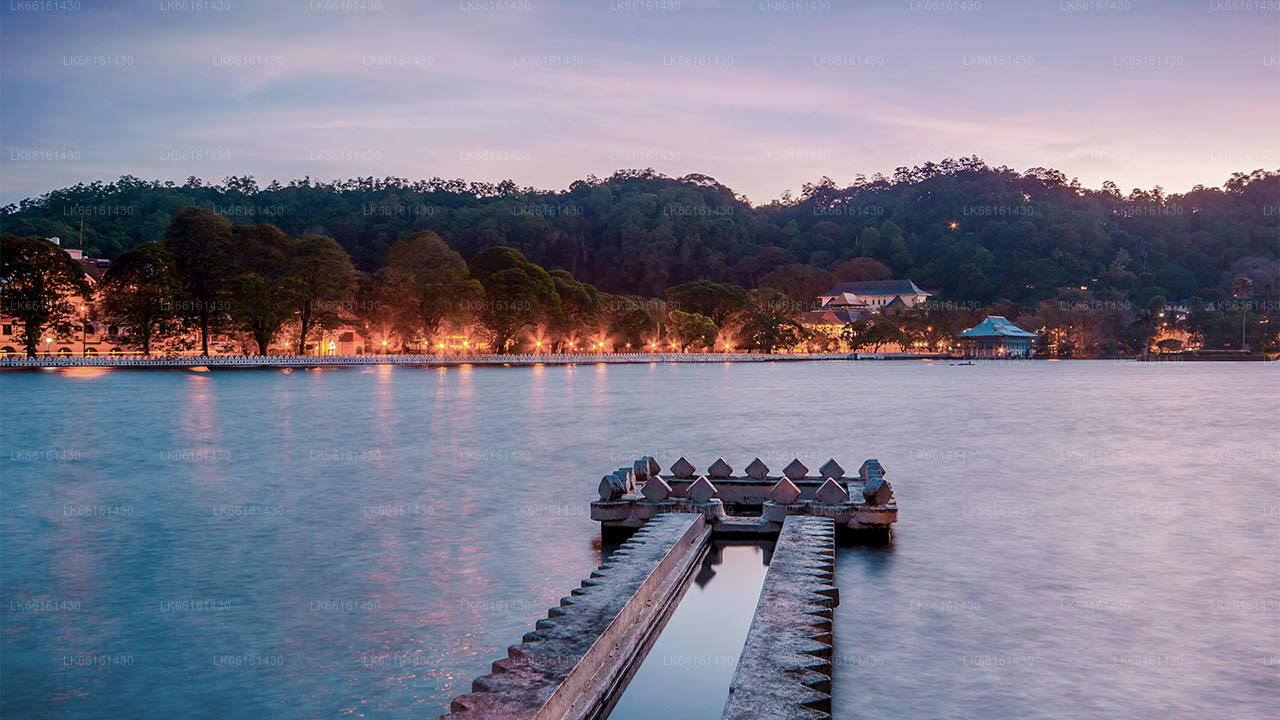
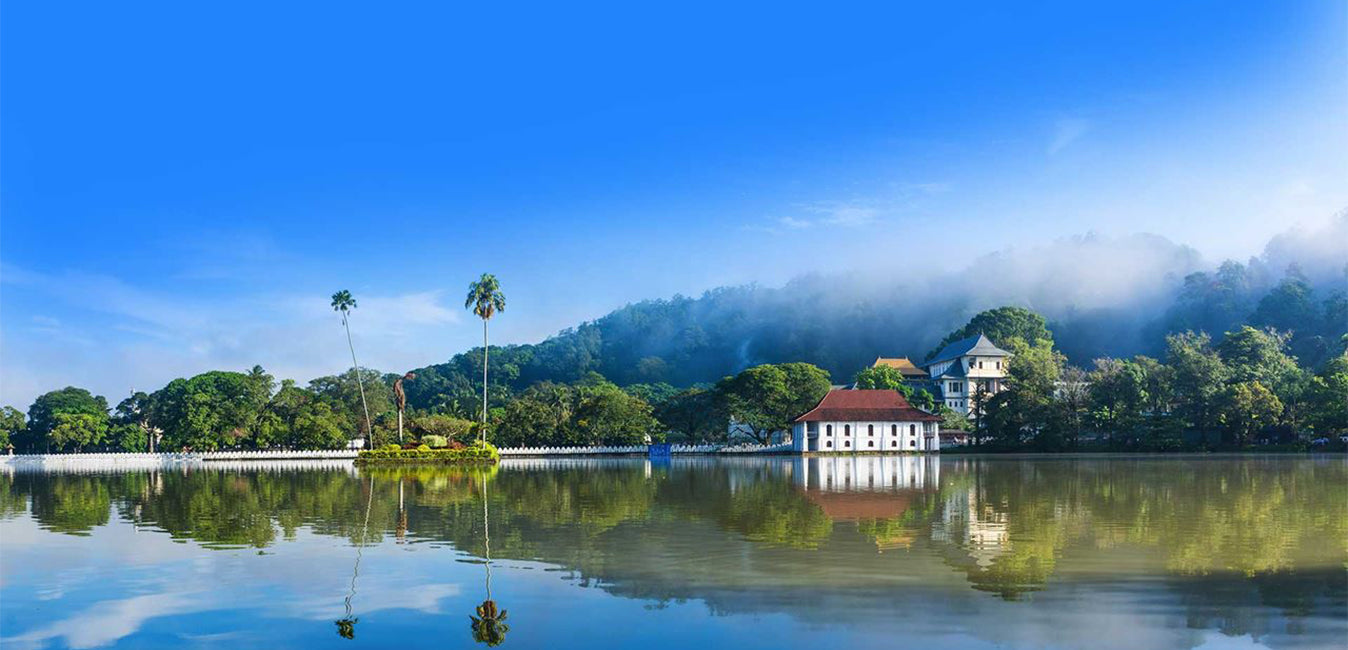
Der Distrikt Kandy liegt in der Zentralprovinz Sri Lankas . Kandy , eine der sieben Weltkulturerbestätten Sri Lankas, war im 16. Jahrhundert die Heimat der Könige von Kandy und eine Quelle der Musik, Kunst, des Handwerks und der Kultur des Landes. Etwa 129 km von Colombo entfernt liegt Kandy eingebettet in eine hügelige Landschaft. Alle Blicke richten sich auf das Stadtzentrum, dessen malerischer Kandy-See ein Wahrzeichen bildet. Kandy hat für Sri Lanka eine große religiöse Bedeutung, denn in dieser bezaubernden Stadt befindet sich der Dalada Maligawa, der „Zahntempel“ , in dem die heilige Zahnreliquie Buddhas wohlbehütet liegt.
Der Königliche Botanische Garten Peradeniya liegt etwa 5 km westlich des Stadtzentrums und wird jährlich von 1,2 Millionen Menschen besucht. Er ist der größte botanische Garten der Insel. Der Udawatta Kele (Udawatta-Wald) ist ein geschütztes Heiligtum im Herzen der Stadt, nördlich des Zahntempels .
Kandy ist eine Stadt mit singhalesischer Bevölkerungsmehrheit; es gibt jedoch auch beträchtliche Gemeinden anderer ethnischer Gruppen, wie Mauren und Tamilen. Kandy ist nach Colombo das zweitgrößte Zentrum der sri-lankischen Wirtschaft. Viele große Unternehmen haben Niederlassungen in Kandy, und viele Branchen wie die Textil-, Möbel-, Informationstechnologie- und Schmuckindustrie sind hier angesiedelt. Zahlreiche landwirtschaftliche Forschungszentren befinden sich in der Stadt.
und eine Quelle für die gesamte Musik, Kunst, das Handwerk und die Kultur des Landes. Etwa 129 km von Colombo entfernt liegt Kandy in einer hügeligen Landschaft und alle Blicke werden auf das Stadtzentrum gezogen, wo der Kandy-See eine bezaubernde Erscheinung bildet. Kandy hat für Sri Lanka eine große religiöse Bedeutung, denn in dieser bezaubernden Stadt befindet sich der Dalada Maligawa oder Zahntempel, in dem die heilige Zahnreliquie von Lord Buddha gut bewacht wird.
Über die Zentralprovinz
Die Zentralprovinz Sri Lankas besteht hauptsächlich aus bergigem Gelände. Die Provinz hat eine Fläche von 5.674 km² und eine Bevölkerung von 2.421.148 Einwohnern. Zu den größeren Städten gehören Kandy , Gampola (24.730), Nuwara Eliya und Bandarawela . Die Bevölkerung ist eine Mischung aus Singhalesen, Tamilen und Mauren.
Sowohl die Berghauptstadt Kandy als auch die Stadt Nuwara Eliya liegen in der Zentralprovinz, ebenso wie Sri Pada. Die Provinz produziert einen Großteil des berühmten Ceylon-Tees, der in den 1860er Jahren von den Briten angebaut wurde, nachdem eine verheerende Krankheit alle Kaffeeplantagen der Provinz vernichtet hatte. Die Zentralprovinz zieht mit ihren Bergorten wie Kandy, Gampola, Hatton und Nuwara Eliya viele Touristen an. Der Zahntempel oder Dalada Maligawa ist die wichtigste heilige Stätte der Zentralprovinz .
Das Klima ist kühl, und in vielen Gebieten auf über 1.500 Metern Höhe sind die Nächte oft frostig. Die Westhänge sind sehr feucht, manche Orte verzeichnen fast 7.000 mm Niederschlag pro Jahr. Die Osthänge gehören zur mitteltrockenen Zone, da hier nur der Nordostmonsun regnet. Die Temperaturen reichen von 24 °C in Kandy bis zu nur 16 °C in Nuwara Eliya, das 1.889 m über dem Meeresspiegel liegt. Die höchsten Berge Sri Lankas befinden sich in der Zentralprovinz. Das Gelände ist überwiegend gebirgig mit tiefen Tälern. Die beiden wichtigsten Gebirgsregionen sind das Zentralmassiv und die Knuckles-Kette östlich von Kandy .