Trincomale Port Cruise Terminal


The Trincomalee Port Cruise Terminal offers state-of-the-art facilities for cruise ships, providing easy access to the scenic beauty and rich history of Sri Lanka’s eastern coast. With modern amenities, the terminal serves as a gateway for international tourists, ensuring a smooth and enjoyable embarkation and disembarkation experience.
Trincomalee Port
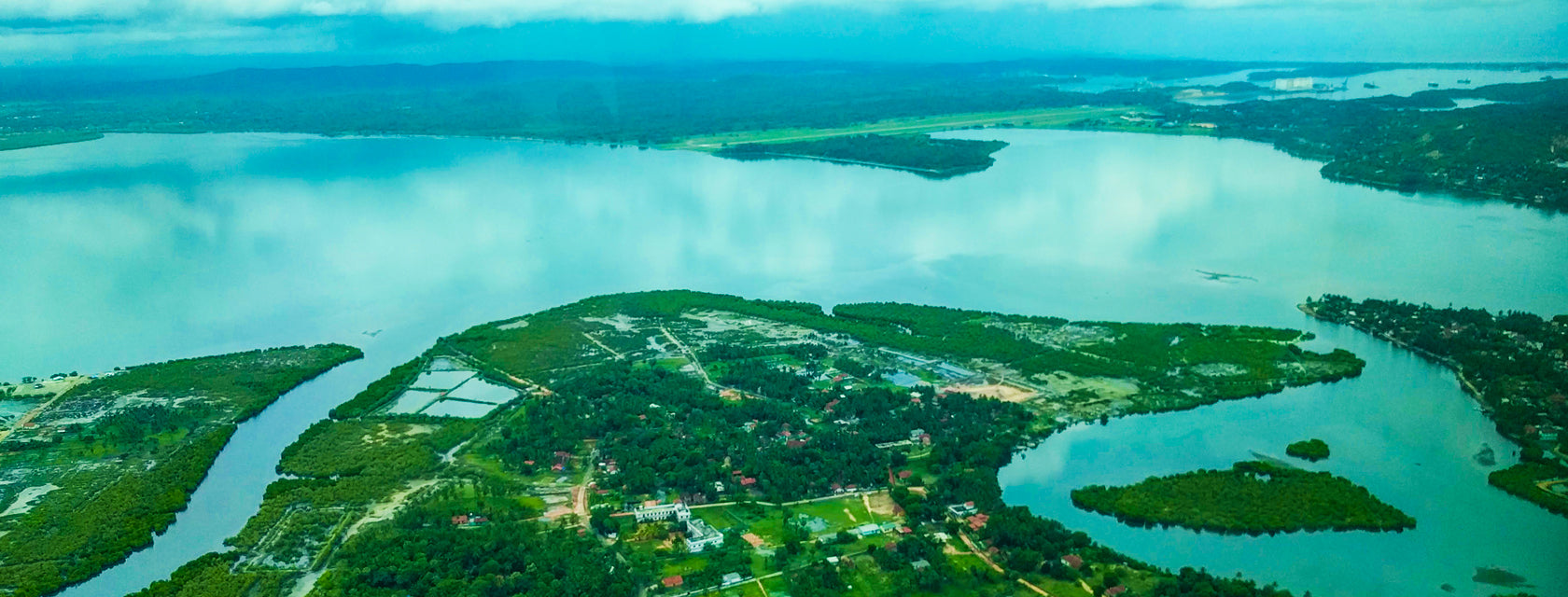
- Trincomalee harbour is the second-best natural harbour in the world.
- The available water and land area is about 10 times as much as the Port of Colombo.
- Initially identified to cater for bulk and break bulk cargo and port-related industrial activities including heavy industries, tourism, and agriculture.
- SLPA is in the process of re-developing Trincomalee as a metropolis growth centre.
- SLPA has completed the zoning plan to utilize the huge amount of existing unutilized land under its jurisdiction.
- SLPA has collaborated with other sectors of development, such as UDA, BOI, and Tourist Board.
- SLPA plans to advertise internationally and locally to call for proposals from potential investors.
- Evaluated RFPs have been submitted for approval.
Port of Trincomalee
- Working Hours: The Port of Trincomalee operates 24 hours a day, every day of the year except on May Day, with only daylight navigation.
-
Coordinates:
- Longitude: 81°13'E
- Latitude: 08°33'N
-
Deviation Time:
- From main East-West route: None
- From main East-West route: 24 hours
-
Port Dimensions:
- Water: 1630 hectares
- Entrance channel: 500 meters
- Land Area: 5261 hectares
-
Berthing Facilities:
- Total Number of Alongside Berths: 03
-
Pier(s) & Alongside draft (m):
- Prima Jetty (inner) - Length: 122m, Draft: 5.9m
- Prima Jetty (outer) - Length: 227m, Draft: 13m
- Tokyo Cement Jetty - Length: 155m, Draft: 8.6m
- Oil Jetty (petroleum corp) - Length: 200m, Draft: 9.75m
- Ashroff Quay - Length: 250m, Draft: 13m
- Bulk Head 90*2 - Draft: 9m
-
Conventional Cargo Handling Equipment:
- Total Number of Alongside Berths: 03
- Mobile cranes: Make: Pick Rover, Capacity: 7 tons, Units: 1
- Forklift trucks: Make: Komatsu, Capacity: 2.5 tons, Units: 1
-
Transit Sheds & Warehouse:
-
Location:
- Ch. Bay 04 - Avg. height: 19t, Area: 18,000 sq ft, Capacity: 3,528,000 cu ft, Stacking: 14
- Ch. Bay 20 - Avg. height: 20t, Area: 25,200 sq ft, Capacity: 378,000 cu ft, Stacking: 15
-
Location:
-
ISPS:
- Statement of Compliance of a Port Facility
- Statement Number: 003
- Issued under provisions of part B of the International Ship and Port Facility Security Code (ISPS Code).
- Certification: Compliance with provisions of chapter XI-2 and part A of the ISPS Code verified.
- Approval for the following types of vessels:
- Passenger Ship
- Passenger high-speed craft
- Cargo high-speed craft
- Bulk carrier
- Oil tanker
- Mobile offshore drilling units
- Cargo ships other than those referred to above
The Trincomalee Port Cruise Terminal is a modern and well-equipped facility designed to accommodate large cruise ships and their passengers. Located in one of the world's best natural harbors, it offers easy access to Sri Lanka's picturesque eastern coastline, renowned for its historical sites, pristine beaches, and vibrant culture.
The terminal provides a wide range of services and amenities for cruise passengers, including comfortable waiting areas, customs and immigration facilities, and a range of shops and restaurants. It acts as a key point for international tourism, offering tourists the opportunity to explore Trincomalee’s rich history and natural beauty.
Trincomalee's cruise terminal also plays a significant role in boosting the local economy, with plans to further develop the area into a premier cruise destination. The Sri Lanka Ports Authority is committed to enhancing the infrastructure and services, ensuring a seamless and memorable experience for all visitors arriving by sea.