Polonnaruwa By
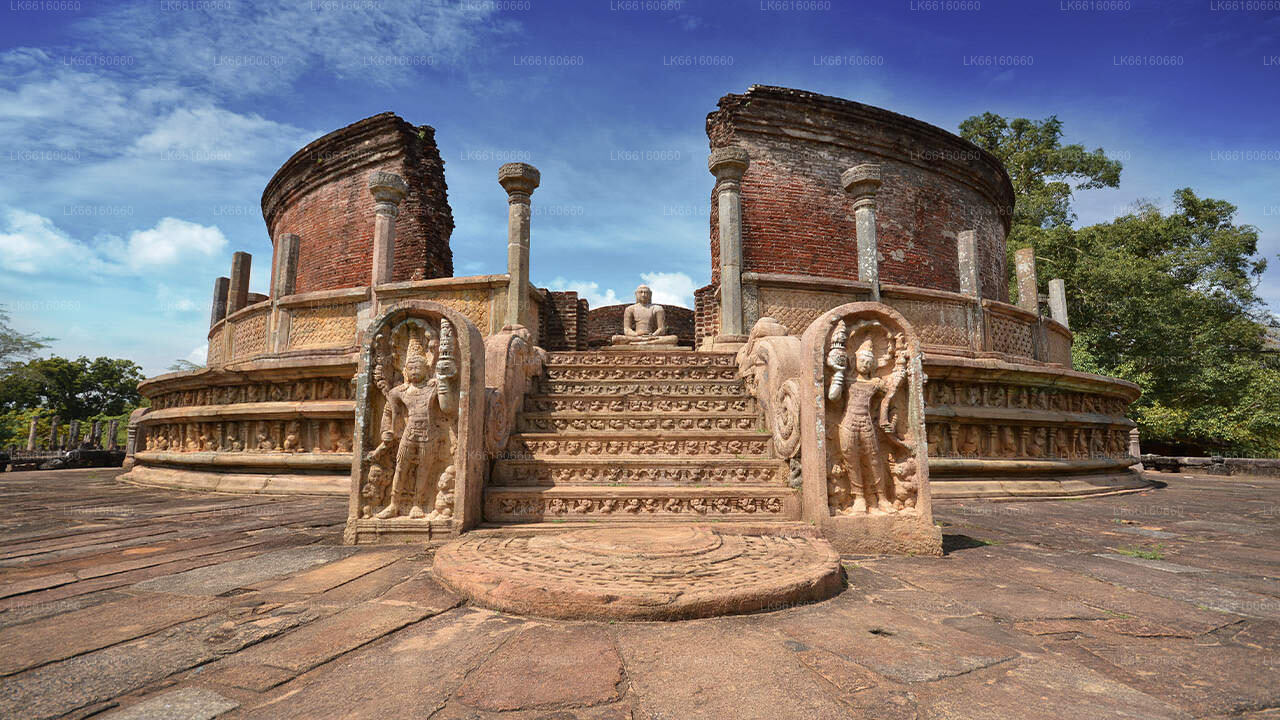
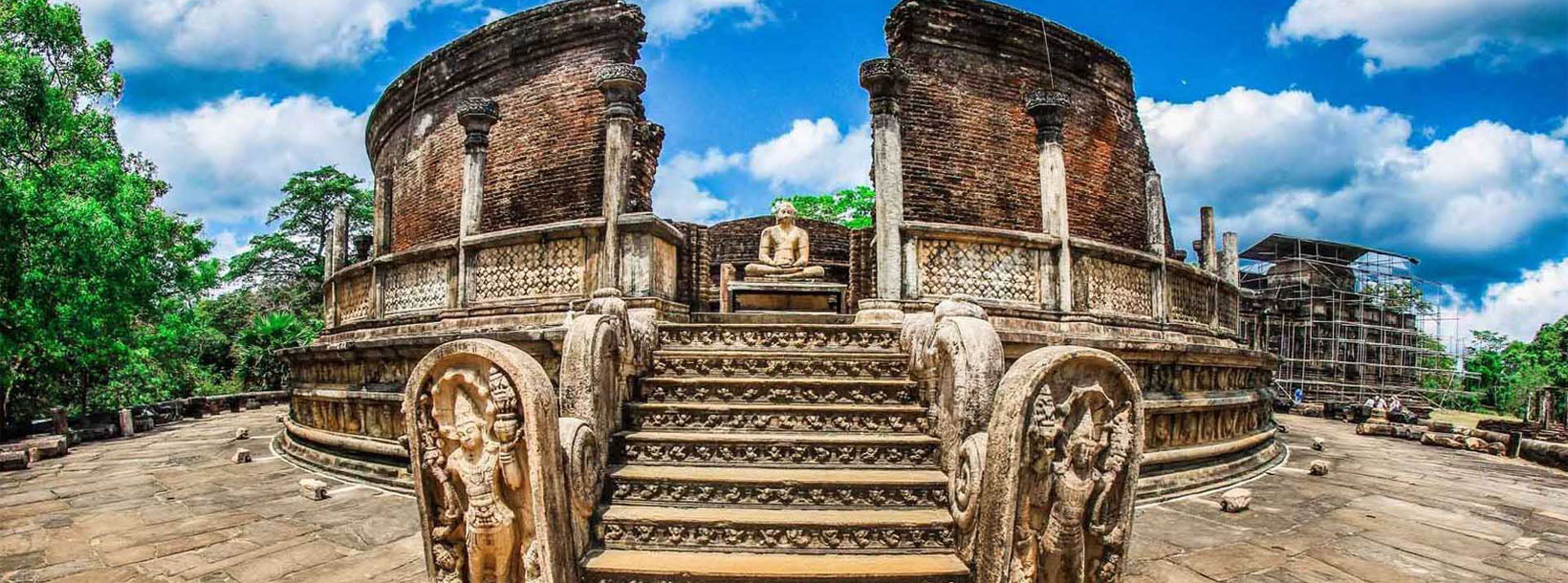
Polonnaruwa, a UNESCO World Heritage Site in Sri Lanka, was the country's medieval capital (11th-13th century). Renowned for its well-preserved ruins, including the iconic Gal Vihara statues, it showcases impressive architecture, reflecting the grandeur of the ancient Sinhalese civilization.
Somawathiya National Park
Somawathiya National Park is a protected area located in the North Central Province of Sri Lanka, along the banks of the Mahaweli River. It is part of the Polonnaruwa and Trincomalee districts and is named after the sacred relic of Somawathi, a revered figure in Sri Lankan history. The park was declared a national park in 1995, making it one of the newer additions to Sri Lanka’s network of wildlife reserves.
The park covers an area of approximately 32,500 hectares and features a mix of dry evergreen forests, riverine forests, and shrublands. Its diverse ecosystems make it a haven for a wide range of flora and fauna. Visitors can expect to see elephants, sambars, leopards, sloth bears, and various species of deer, along with a rich birdlife that includes peacocks, kingfishers, and eagles.
One of the unique aspects of Somawathiya National Park is its connection to the Mahaweli River, which not only enhances the park’s scenic beauty but also supports its wetlands and aquatic life. Seasonal boat safaris along the river are popular among tourists, offering a chance to view crocodiles, otters, and numerous waterbirds in their natural habitat. The park is relatively less crowded than other major national parks, giving visitors a more tranquil and immersive wildlife experience.
In addition to its natural beauty, the park also has cultural significance. The nearby Somawathiya Chaitya is an important Buddhist site, and the area is steeped in local legends and religious history. This combination of wildlife, landscapes, and cultural heritage makes Somawathiya National Park a unique destination for eco-tourism in Sri Lanka.
Om Polonnaruwa-distriktet
Polonnaruwa er den næststørste by i den nordlige centrale provins i Sri Lanka. Den gamle by Polonnaruwa er blevet erklæret som et verdensarvssted af UNESCO. Polonnaruwa har en lang historie med erobringer og kampe og udgør med rette det tredje element i den kulturelle trekant. Polonnaruwa, der ligger omkring 140 km nordøst for Kandy, tilbyder timevis af endeløs fornøjelse for historie- og kulturelskere, da der er mange betydningsfulde seværdigheder.
Mange af de fysiske ruiner, der står i dag, tilskrives Kong Parakrama Bahu I, som brugte mange kongelige ressourcer på byplanlægning, herunder parker, bygningsværker, kunstvandingssystemer og så videre. Perioden under hans regeringstid betragtes som en guldalder, hvor kongeriget trivedes og havde fremgang under en visionær hersker. Parakrama Samudra er en gigantisk tank og opkaldt efter dens beskytter. Det populære kongelige palads, audienshallen omgivet af smukt udskårne stenelefanter og badebassinet afspejler datidens overlegne ingeniørmæssige evner.
Om Nord-Centralprovinsen
North Central Province, som er den største provins i landet, dækker 16% af landets samlede landareal. North Central Province består af to distrikter kaldet Polonnaruwa og Anuradhapure. Anuradhapura er det største distrikt i Sri Lanka. Dets areal er 7.128 km².
North Central Province har adskillige potentialer for investorer til at starte deres virksomheder, især landbrug, agrobaserede industrier og husdyrsektoren. Mere end 65% af North Central Provinces befolkning er afhængig af basal landbrug og agrobaserede industrier. NCP kaldes også "Wew Bendi Rajje", fordi der er mere end 3.000 mellemstore og store tanke placeret i provinsen. Sri maha bodiya, Ruwanweli seya, Thuparama dageba, Abayagiri Monastry, Polonnaruwa Rankot wehera og Lankathilake er bange.