Few foods capture everyday Sri Lankan life as faithfully as the hopper. Known locally as appa, this bowl-shaped rice-flour pancake appears on breakfast tables and dinner spreads across the island — eaten in roadside stalls, family kitchens, and upscale restaurants alike. Crisp at the rim, soft and slightly spongy at the centre, a well-made hopper is one of those foods that is far greater than the sum of its parts.
What exactly is a hopper?
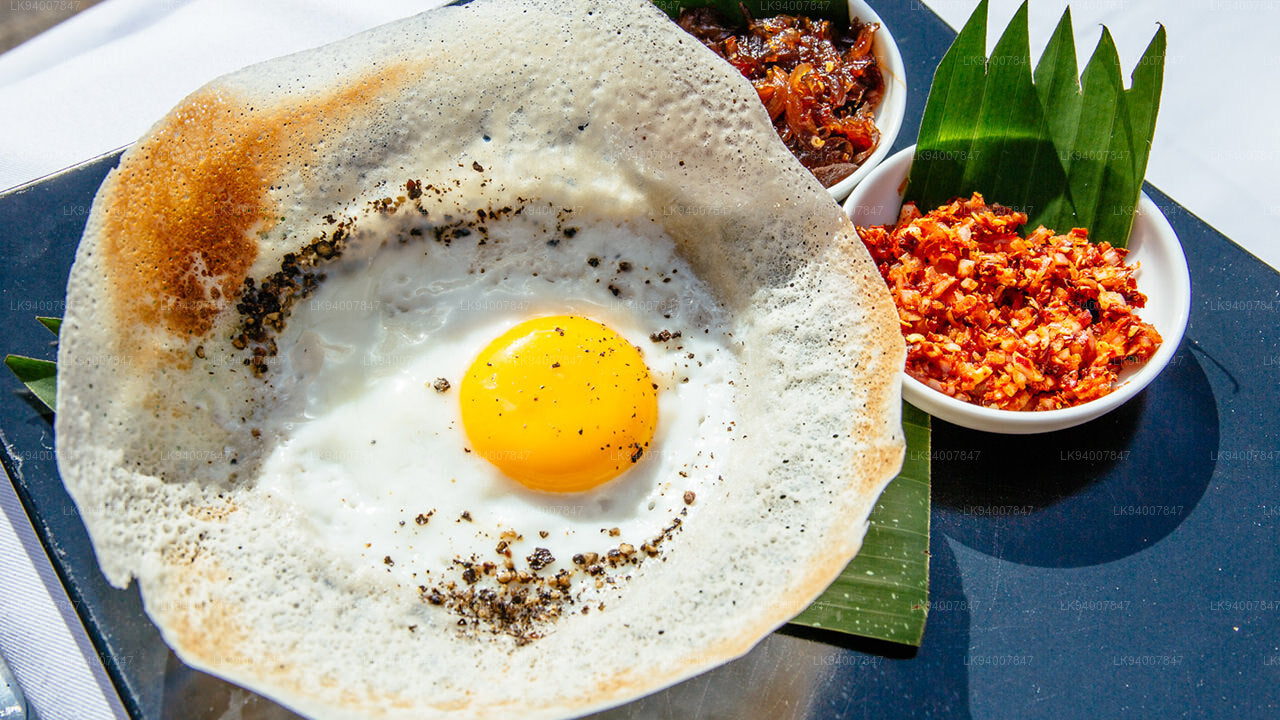
A hopper is made from a fermented batter of raw rice flour and coconut milk, cooked in a small, rounded iron or clay pan called an appa chatti. The pan's curved walls create the hopper's signature shape: thin, lacy edges that crisp up while the base remains thick and pillowy. The fermentation — typically six or more hours — gives the hopper a mild, pleasantly sour note and a light, open texture.
Hoppers belong to the broader family of South Asian fermented rice pancakes, but the Sri Lankan version has its own distinct character, shaped by local ingredients like fresh coconut and an unhurried cooking tradition that has not changed much in centuries.
What are the main types of hoppers?
The plain hopper (appa) is the baseline, but several well-loved variations exist:
- Egg hopper (bittara appa): An egg is cracked into the centre just before the lid goes on, so the white sets firm while the yolk remains slightly runny. This is the most popular variation among visitors.
- Milk hopper (kiri appa): A spoonful of thick coconut milk is poured into the centre, producing a richer, creamier base. Often slightly sweet and especially satisfying for breakfast.
- Honey hopper (pani appa): A drizzle of treacle or honey — typically kitul palm treacle — is added to the centre, creating a subtly sweet, caramel-edged result.
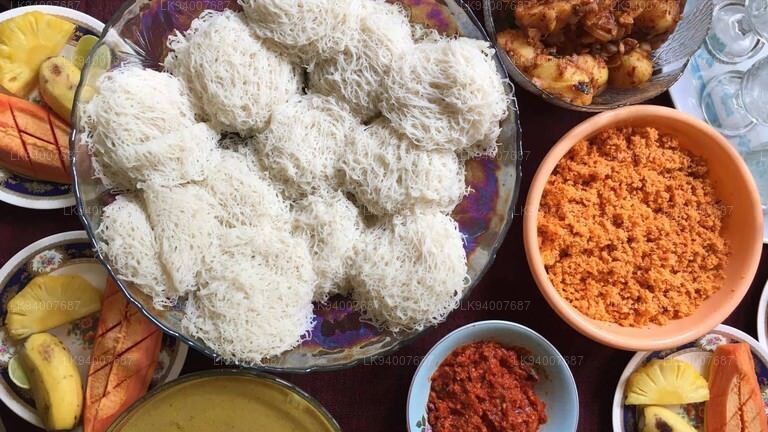
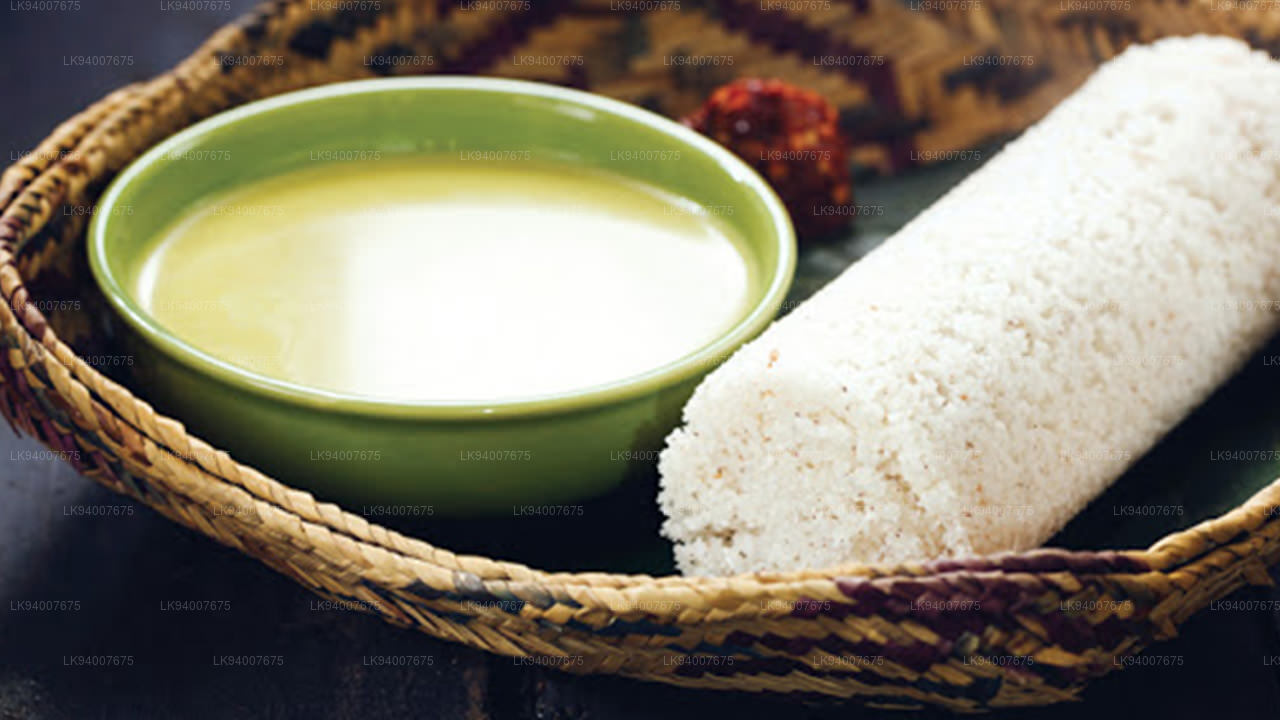
String hoppers (indi appa), made by pressing rice-flour dough through a mould into delicate noodle rounds, are a related but distinct dish; they are steamed rather than pan-cooked and are worth trying alongside the regular variety.
What do you eat with hoppers?
Hoppers are almost always served with one or more accompaniments. The hopper itself is mild, so the side dishes do the seasoning work:
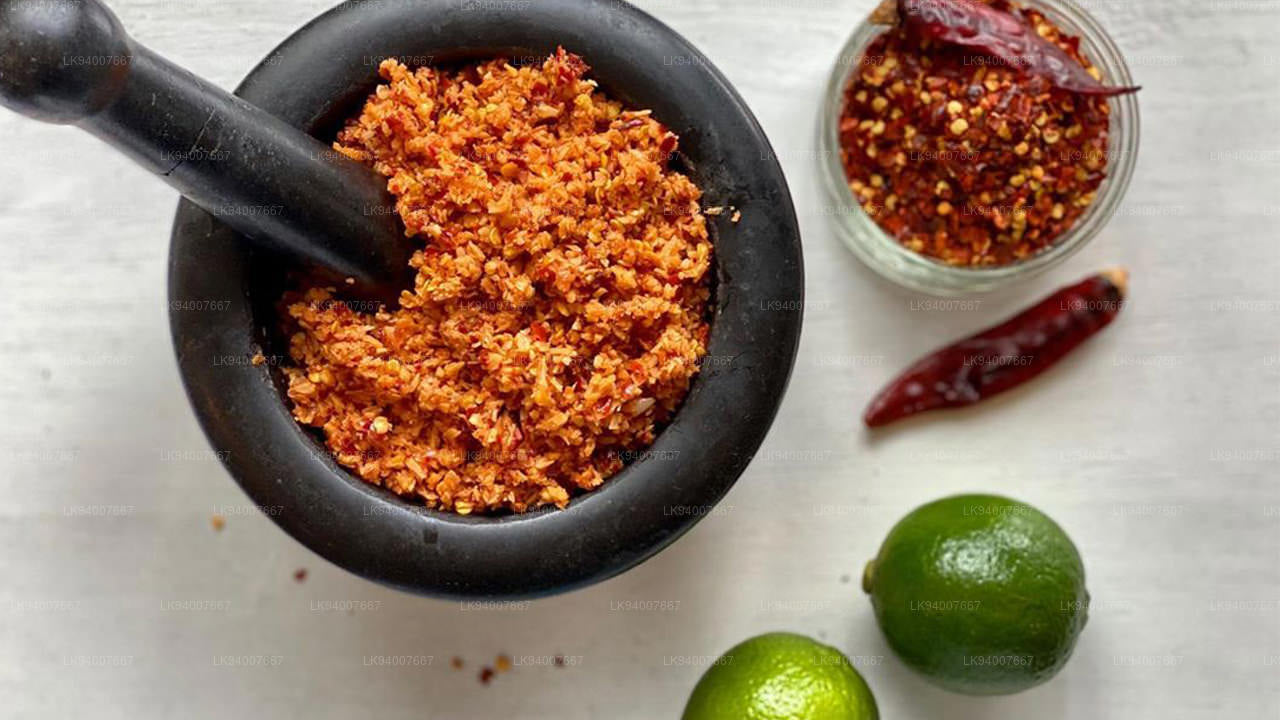
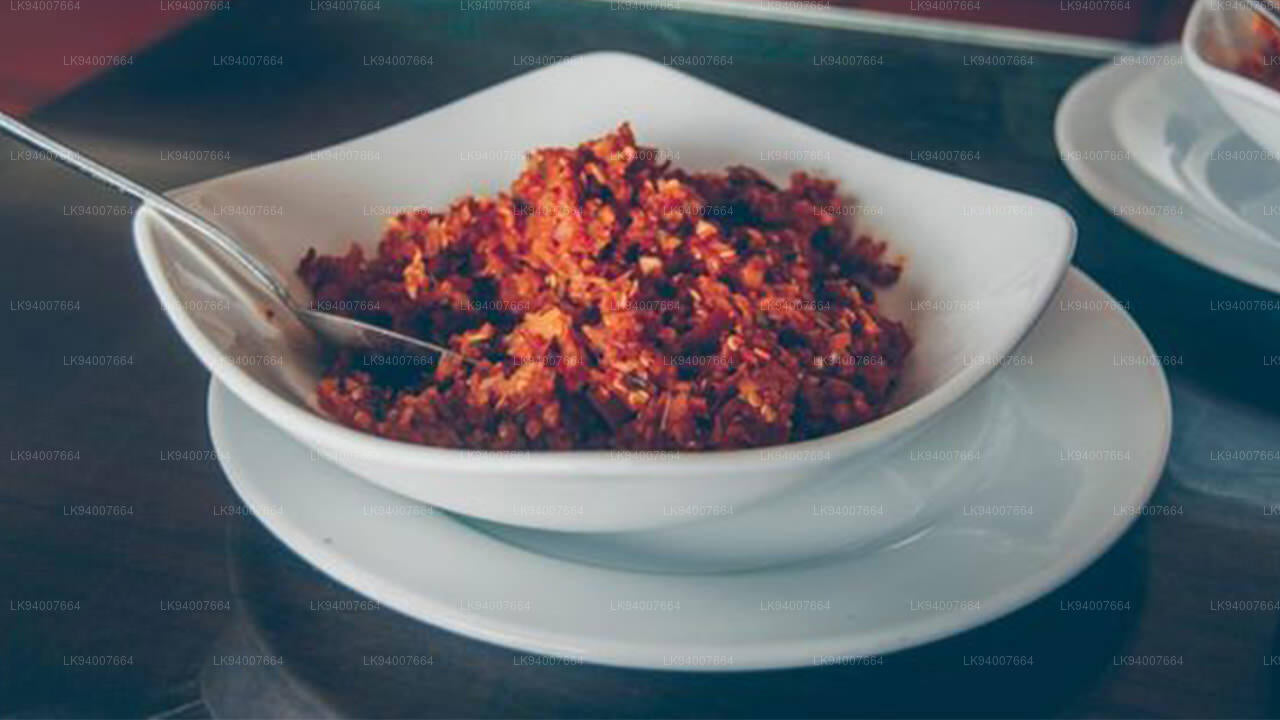
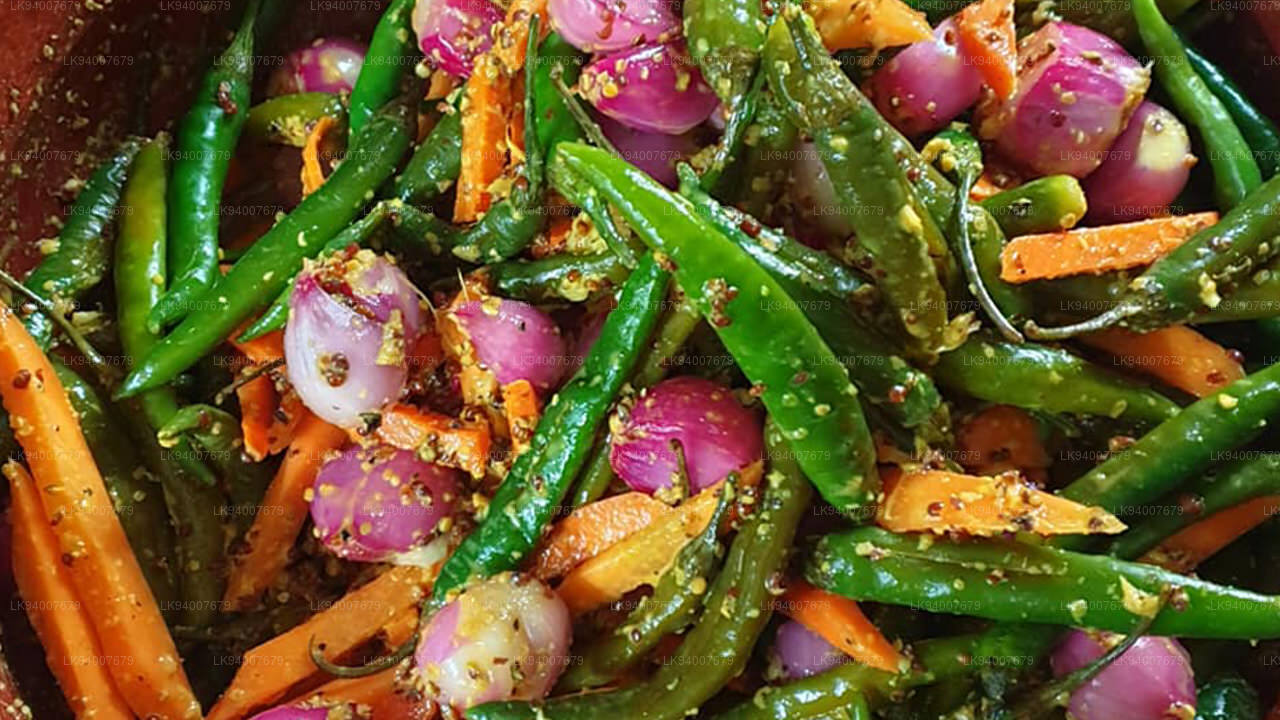
- Lunumiris — a punchy sambol of red onion, dried chilli, Maldive fish, and lime juice. A small amount goes a long way.
- Pol sambol — freshly grated coconut mixed with chilli, onion, and lime, the mildest and most universally loved option.
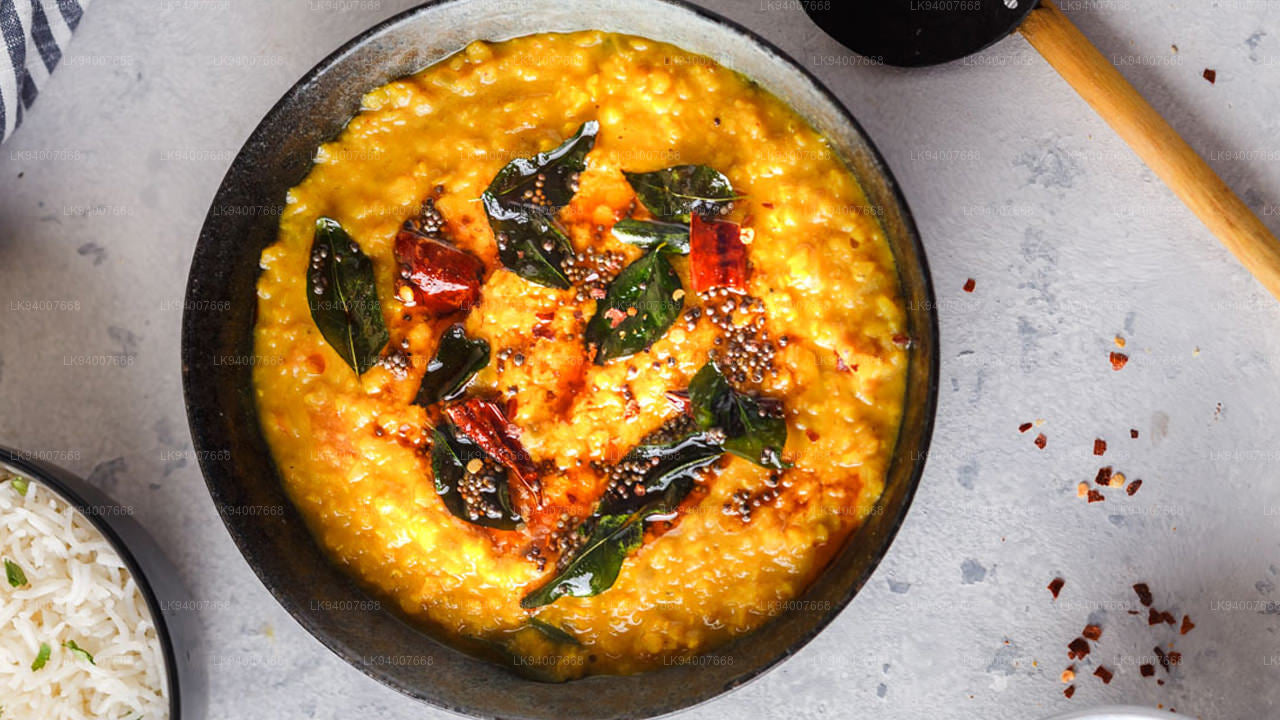
- Dhal curry (parippu) — a coconut-milk-laced lentil curry that pairs particularly well with the egg hopper.
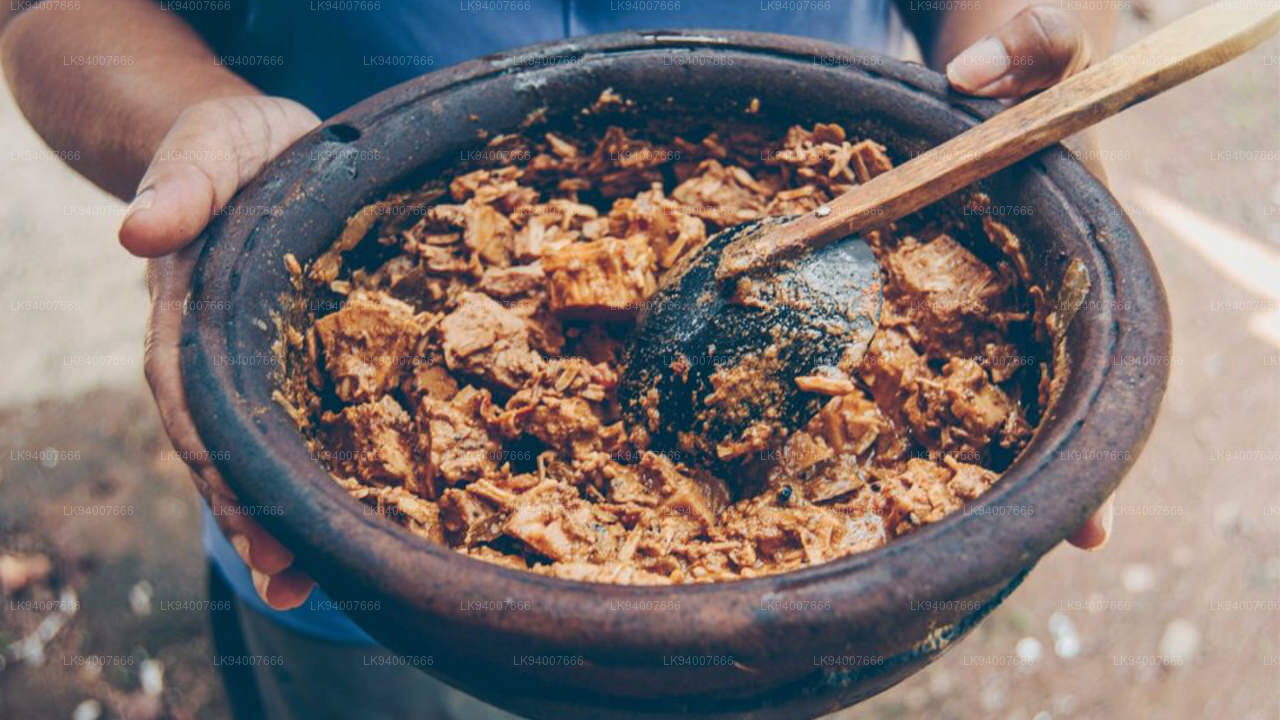
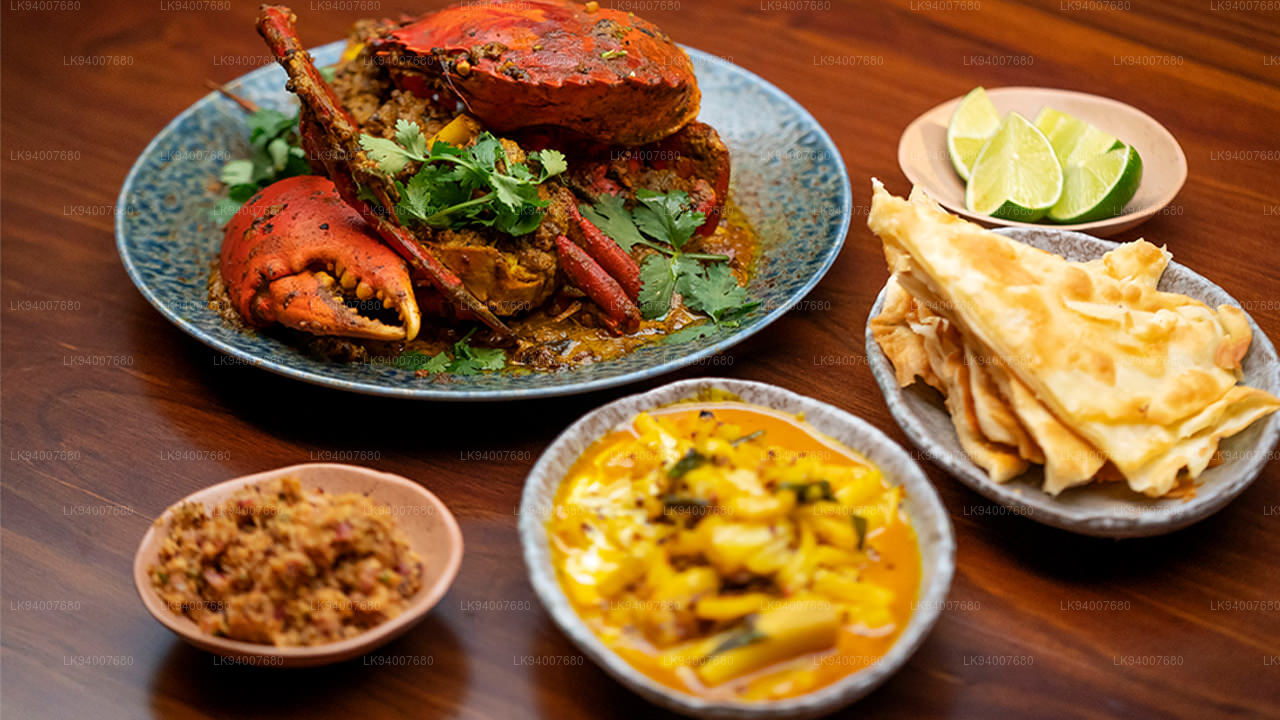
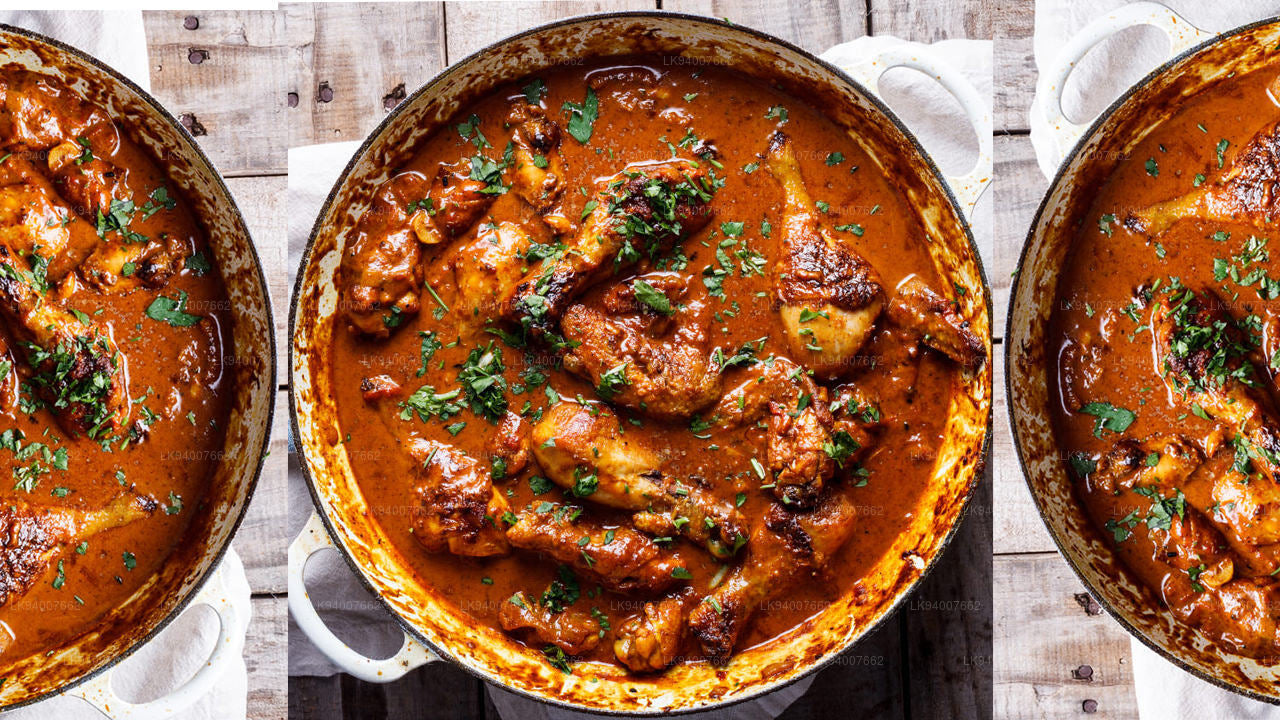
- Chicken or fish curry — heavier curries work well for the dinner sitting, where hoppers are equally common.
- Seeni sambol — slow-caramelised onion relish, sweeter and gentler, often preferred for breakfast.
The traditional method is to tear the crisp edge of the hopper with your fingers and scoop up the curry or sambol — cutlery is optional and often unnecessary.
How are hoppers made? (Traditional recipe)
The process takes time but very little active effort. The key stages are grinding, fermenting, and cooking.
Ingredients (makes approximately 20 hoppers):
- 2 cups raw rice, soaked for 4–5 hours
- A small handful of cooked rice (helps with texture)
- 4 cups freshly grated coconut
- A pinch of dried yeast dissolved in a little warm water or coconut water
- Salt and sugar to taste
- Optional additions: eggs, thick coconut milk, kitul treacle or honey
Method:
- Drain the soaked rice and grind it together with the grated coconut and cooked rice to a thick, smooth paste. Use as little water as possible; coconut water is preferable if available.
- Stir in the dissolved yeast, then season with salt and a little sugar.
- Leave the batter covered at room temperature for at least 6 hours, or overnight. The batter should rise slightly and develop a gentle sourness.
- Heat a small appa chatti (hopper pan) over medium heat. Ladle in roughly half a cup of batter and immediately swirl the pan so the batter coats the sides in a thin layer, leaving a thicker pool at the base.
- For an egg hopper, crack a small egg into the centre at this point. For a milk hopper, add a spoonful of coconut milk. For a plain hopper, leave as is.
- Cover with a lid and cook for around 3 minutes on medium heat until the edges are golden and crisp and the centre is cooked through but still soft.
- Slide out of the pan with a flat spatula and serve immediately — hoppers do not keep well once out of the pan.
The quality of the coconut makes a significant difference. Freshly grated coconut produces a noticeably lighter batter than desiccated alternatives.
Where can you try the best hoppers in Sri Lanka?
Hoppers are genuinely ubiquitous — you are unlikely to spend more than a day on the island without encountering them. That said, a few contexts stand out:
- Local kades (small eateries): These roadside spots often have the most practised hopper cooks, having produced hundreds of hoppers nightly for years. Expect no ambience, very low prices, and excellent food.
- Guesthouse breakfasts: Smaller guesthouses across the hill country and the south coast frequently include hoppers in their Sri Lankan breakfast sets, often alongside pol sambol and dhal.
- Colombo restaurants: The capital has a growing number of restaurants serving refined versions of traditional Sri Lankan food, including hoppers with thoughtfully curated accompaniments.
- Cooking classes: Several properties and cultural tour operators offer hands-on sessions where travellers can learn to make hoppers from scratch — the swirling step alone is worth practising.
If you are travelling through Ella, many guesthouses there offer hopper breakfasts with hill-country views — a combination that is hard to better.
Are hoppers suitable for dietary restrictions?
Plain hoppers are naturally gluten-free, as the batter is made entirely from rice flour. They are also dairy-free in their base form. Vegans can enjoy plain, milk (coconut milk only), or honey hoppers, provided the treacle used is plant-based kitul syrup — which it almost always is. Egg hoppers are, of course, not vegan but are vegetarian. Always worth confirming with the cook if you have strict requirements, as preparation practices vary by household and restaurant.
What is the difference between hoppers and string hoppers?
The two are related in name and ingredient (both use rice flour) but differ in method and texture. Regular hoppers are pan-cooked to a crisp-edged bowl shape. String hoppers are steamed coils of delicate rice-flour noodles, served in a flat round and typically eaten at breakfast with coconut milk and curry. String hoppers are softer and more neutral in flavour; they pair particularly well with a spiced dhal or fish curry. Both are worth trying — they are different enough to occupy separate places on any itinerary of Sri Lankan food.