
Sabaragamuwa Dance
Much like the pahatharata natum (low country dances) of the coastal region and the udarata natum (up country or Kandyan dances) of the hill country, the Sabaragamuwa dance tradition is thus named because it originated in the Sabaragamuwa Province. The Sabaragamuwa dances, however, don’t get as much recognition as the up country or low country dances. According to Yohan Punchinilame, a lecturer of the Department of Sabaragamuwa dance at the University of Visual and Performing Arts in Colombo, there are four territorial divisions in terms of Sabaragamuwa dance; namely that of the Ratnapura, Kalawana, Balangoda, and Badulla divisions. Each area has a slightly different version of the ritualistic dances that make up the Sabaragamuwa tradition of dance, but Ratnapura has been historically celebrated as the heart of Sabaragamuwa dance in Sri Lanka. “While the district of Kegalle now falls under the Sabaragamuwa province, during the olden days of the kings, Kegalle was a part of the Kandyan Kingdom. This is why even today the people of this area still widely practise Kandyan dance and the rituals that are a part of this tradition of dance,” stated Punchinilame.
Costumes, Movement, and Rhythm in Sabaragamuwa Dances
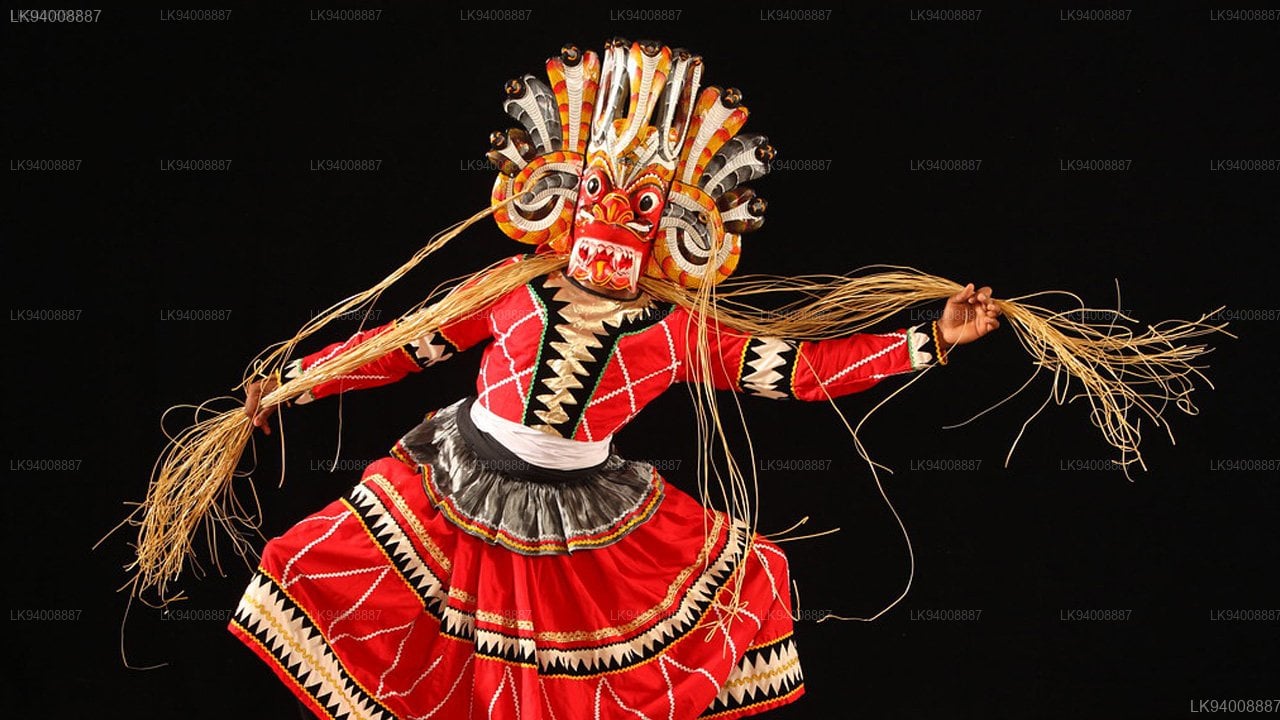
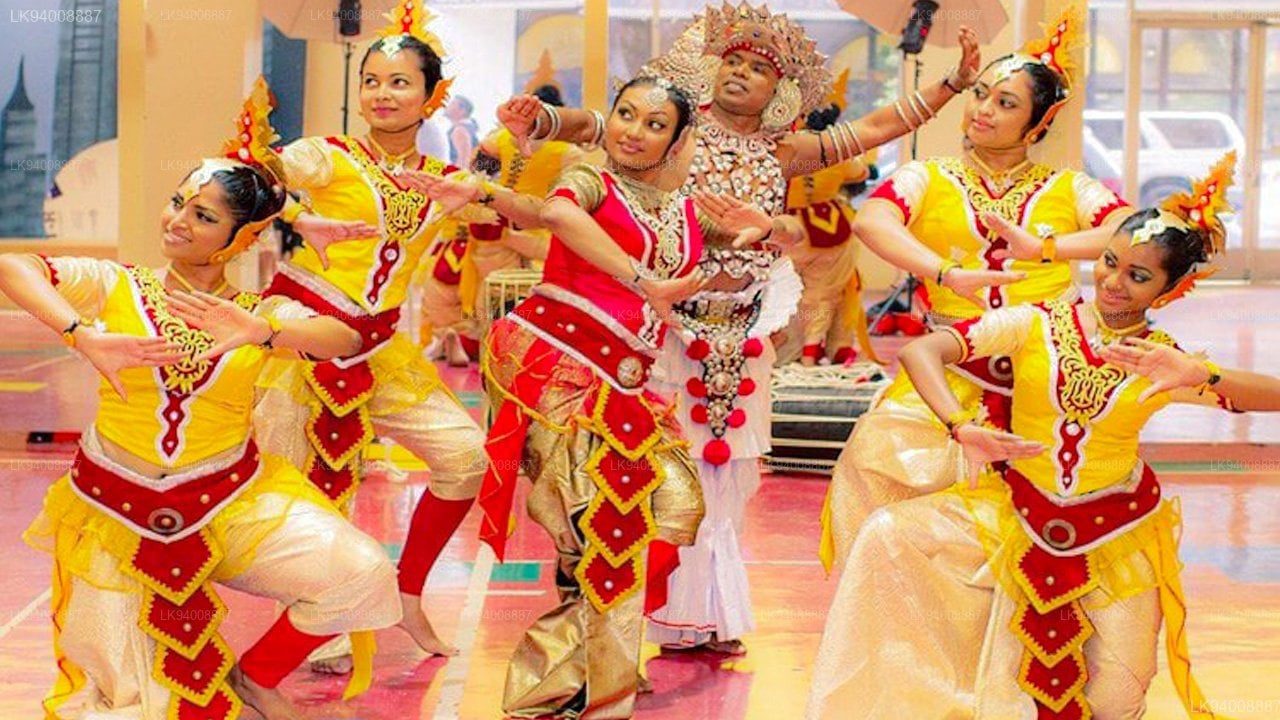
As Punchinilame noted, the manner in which the Sabaragamuwa dancers position themselves and move when these dances are performed is a distinct factor of this dance form. The dancers never raise their hands above their heads; instead, their arms are extended backward at an angle to their bodies. On the other hand, the mandiya is a commonly used position in this dance form, like in the Kandyan and low country dances.The Sabaragamuwa tradition has its own distinctive costumes, songs, chants, drums, and rhythms. In the ancient times, the drum used in accompaniment of these dances was the patawa drum. These days, the dawula or dawul beraya is used. While the Kandyan dancers also use the dawula in accompaniment, the dawula of the Sabaragamuwa region is slightly larger than the udarata dawula.
Sabaragamu Shanthikarma
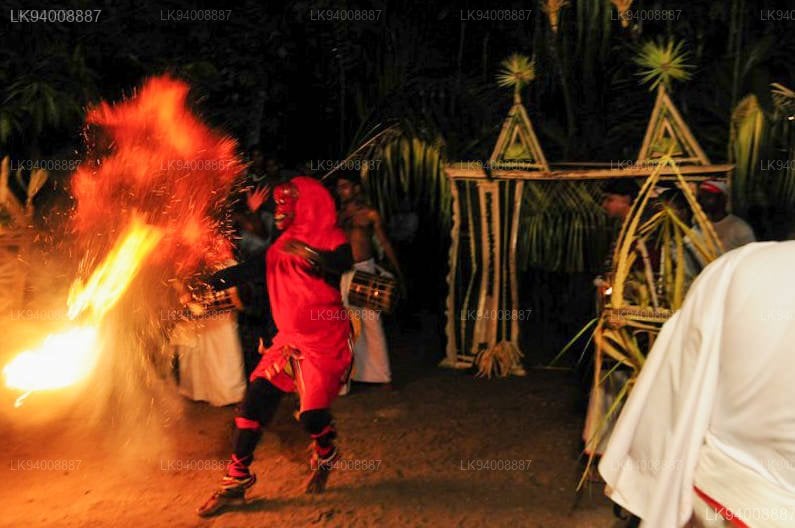
Just like the people of the Southern and Western provinces of the island, the people of the Sabaragamuwa region perform various shanthikarma too. According to Saman Kumarathunga, Head Lecturer of the Department of Sabaragamuwa Dance, the shanthikarma of the Sabaragamuwa dance tradition can be categorised into three groups: yak thovil, deva thovil, and graha bali yaga. Similar to the thovil shanthikarma of the low country dance form, the yak thovil are ritualistic exorcisms which are performed to ‘appease’ various demons,



