ساليابورا


ساليابورا هي بلدة صغيرة لكنها مهمة تقع في المقاطعة الشمالية الوسطى من سريلانكا، وهي منطقة معروفة بجذورها التاريخية العميقة ومناظرها الزراعية والثقافة والتراث. تقع بالقرب من المدينة القديمة أنورادابورا، وتُعد ساليابورا مركزًا سكنيًا وتجاريًا للسكان الذين يعيشون في القرى الريفية المحيطة. موقعها ضمن المنطقة الجافة من سريلانكا يعني أن المنطقة تتمتع بمناخ دافئ معظم أيام السنة، مع هطول أمطار موسمية تدعم ممارسات الزراعة التقليدية.
من أبرز خصائص ساليابورا ارتباطها الوثيق بالزراعة. يعتمد العديد من السكان على الزراعة كمصدر رئيسي للرزق، حيث يزرعون محاصيل مثل الأرز والخضروات وغيرها من منتجات المناطق الجافة. تلعب أنظمة الري، بما في ذلك الخزانات والقنوات التي تعود أصولها إلى تقاليد الهندسة الهيدروليكية القديمة، دورًا أساسيًا في دعم الأنشطة الزراعية في المنطقة. وتعكس هذه أنظمة إدارة المياه تاريخ سريلانكا الطويل في التاريخ في مجال الري المتطور، الذي دعم المجتمعات في المقاطعة الشمالية الوسطى لعدة قرون.
تُعرف ساليابورا أيضًا بارتباطها بالجيش السريلانكي، حيث تضم المنطقة معسكرًا رئيسيًا لجيش سريلانكا. وقد أثّر وجود هذا المعسكر العسكري في تطور البلدة، حيث ساهم في تنشيط التجارة المحلية وتوفير المساكن وتطوير البنية التحتية. وتخدم المتاجر الصغيرة والمطاعم والشركات الخدمية السكان المحليين بالإضافة إلى أفراد الجيش والزوار الذين يمرون عبر المنطقة.
إلى جانب أهميتها العملية كبلدة سكنية وعسكرية، تستفيد ساليابورا من قربها من المدينة التاريخية أنورادابورا، إحدى أهم المراكز الثقافية والدينية في سريلانكا. يمكن للسكان والزوار الوصول بسهولة إلى المواقع البوذية المقدسة والستوبا القديمة والمعالم الأثرية التي تجذب الحجاج والسياح من مختلف أنحاء العالم. هذا الارتباط يضع ساليابورا ضمن مشهد ثقافي أوسع يعكس الحضارة القديمة في سريلانكا.
على الرغم من صغر حجمها نسبيًا، تمثل ساليابورا إيقاع الحياة اليومية في المقاطعة الشمالية الوسطى. تجمع البلدة بين سبل العيش الريفية التقليدية والخدمات والبنية التحتية الحديثة. تسهم المدارس والأسواق المحلية والمعابد والمؤسسات المجتمعية في النسيج الاجتماعي للمنطقة، مما يجعلها مكانًا نابضًا بالحياة وهادئًا في الوقت نفسه لسكانها. ومع انتشار التنمية تدريجيًا في أنحاء المنطقة، تواصل ساليابورا نموها مع الحفاظ على الهوية الثقافية والزراعية التي تميز قلب المنطقة الجافة في سريلانكا.


-
 Sri Maha Bodhiya
Jaya Sri Maha Bodhi is a sacred bo tree in the Mahamewna Gardens, Anuradhapura, Sri Lanka. It is the southern branch from the historical Sri Maha Bodhi at Buddha Gaya in India under which Buddha attained Enlightenment. It was planted in 288 BC, and is the oldest living human-planted tree in the world with a known planting date.
-
 Ruwanweliseya
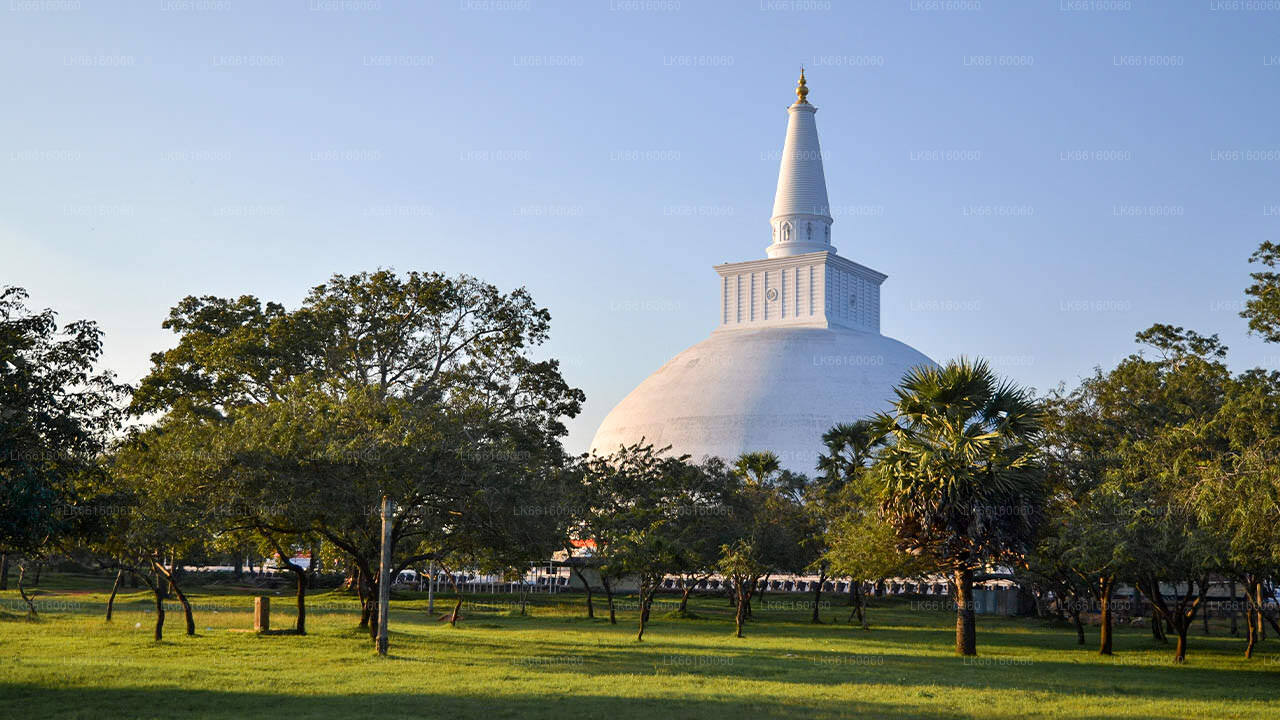
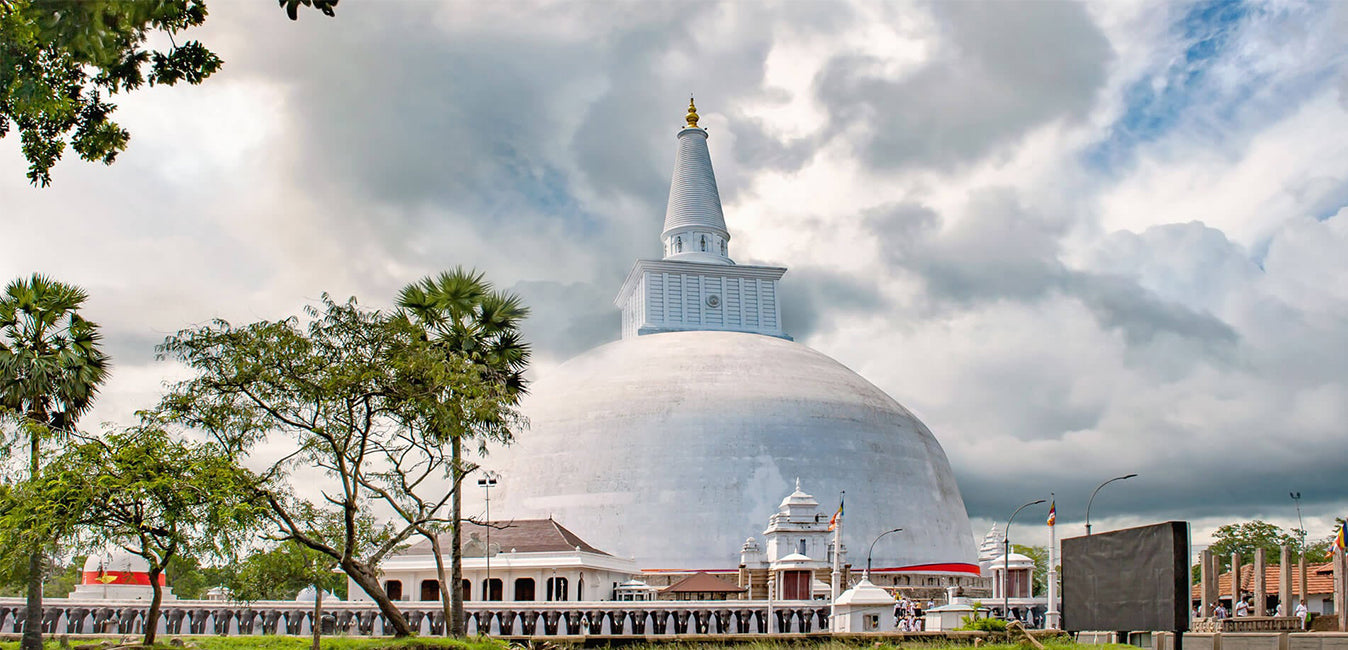
The Ruwanweli Maha Seya, also known as the Mahathupa (the Great Thupa) is a stupa (a hemispherical structure containing relics) in Anuradhapura, Sri Lanka. Two quarts or one Dona of the Buddha's relics are enshrined in the stupa, making it the largest collection of his relics anywhere. It was built by Sinhalese King Dutugemunu in c. 140 B.C., who became king of Sri Lanka after a war in which the Chola King Elāra (Ellalan) was defeated.
-
 Thuparamaya
Thuparamaya is the first Buddhist temple that was constructed, after the arrival of mahinda thero(mahindagamanaya) in Sri Lanka. Located in the sacred area of Mahamewna park, the Thuparamaya Stupa is the earliest Dagoba to be constructed in the island, dating back to the reign of King Devanampiya Tissa (247-207 BC). The temple has been formally recognised by the Government as an archaeological site in Sri Lanka.
-
 Lovamahapaya
Lovamahapaya is a building situated between Ruwanweliseya and Sri Mahabodiya in the ancient city of Anuradhapura, Sri Lanka. It is also known as the Brazen Palace or Lohaprasadaya because the roof was covered with bronze tiles. In ancient times, the building included the refectory and the uposathagara (Uposatha house).
-
 Abhayagiri Stupa
Abhayagiri Vihāra was a major monastery site of Mahayana, Theravada and Vajrayana Buddhism that was situated in Anuradhapura, Sri Lanka. It is one of the most extensive ruins in the world and one of the most sacred Buddhist pilgrimage cities in the nation.
-
 Jetavanaramaya
The Jetavanarama stupa or Jetavanaramaya is a stupa, or Buddhist reliquary monument, located in the ruins of Jetavana monastery in the UNESCO world heritage city of Anuradhapura, Sri Lanka. At 122 metres (400 ft), it was the world's tallest stupa, and the third tallest structure in the world when it was built by King Mahasena of Anuradhapura (273–301).
-
 Mirisawetiya Stupa
The Mirisaweti Stupa is a memorial building, a stupa, situated in the ancient city of Anuradhapura, Sri Lanka. King Dutugamunu (161 BC to 137 BC) built the Mirisaveti Stupa after defeating King Elara. After placing the Buddha relics in the sceptre, he had gone to Tissa Wewa for a bath leaving the sceptre.
-
 Lankarama
Lankarama is a stupa built by King Valagamba, in an ancient place at Galhebakada in the ancient kingdom of Anuradhapura, Sri Lanka. Nothing is known about the ancient form of the stupa, and later this was renovated. The ruins show that there are rows of stone pillars and it is no doubt that there has been a house built encircling the stupa (vatadage) to cover it.
-
 Isurumuniya
Isurumuniya is a Buddhist temple situated near to the Tissa Wewa (Tisa tank) in Anuradhapura, Sri Lanka. There are four carvings of special interest in this Vihara. They are the Isurumuniya Lovers, Elephant Pond and The Royal Family. The ancient Meghagiri Vihara or Meygiri Vihara is presently identified as the Isurumuni Vihara.