Lakpura
Lakpura®

Naguleswaram Temple

Perched near the northern tip of Sri Lanka, overlooking the Palk Strait, Naguleswaram Temple in Keerimalai is one of the island's most venerated Hindu shrines. It belongs to the group known as the Panch Ishwarams — the five ancient Shiva temples that Hindu tradition regards as the spiritual guardians of Sri Lanka — which places it among a small number of sites that carry both deep religious weight and extraordinary historical age.

What is the significance of Naguleswaram Temple?

The temple is consecrated to Lord Shiva and is closely connected to the legend of Nagula Muni, a sage believed to have been cursed with a mongoose-like face. According to tradition, he bathed in the freshwater springs at Keerimalai and was restored to human form, after which he meditated at the site that would become the temple. The name Keerimalai itself derives from this story — keeri meaning mongoose and malai meaning hill in Tamil.

As one of the Panch Ishwarams, the temple is thought to represent the northern direction of the island under Shiva's divine protection. Hindu pilgrims from across Sri Lanka and from the Tamil diaspora worldwide make the journey here, particularly during major festival periods. The temple's ritual calendar follows South Indian Shaivite traditions, and daily puja ceremonies are conducted by resident priests.

What is the history of Naguleswaram Temple?

Oral tradition and certain historical chronicles place the origins of the temple several thousand years in the past, though the structure visible today is largely the product of later construction and reconstruction. The temple suffered significant damage during the decades of civil conflict in northern Sri Lanka, and much of the current architecture dates from restoration work carried out after the end of the war in 2009.

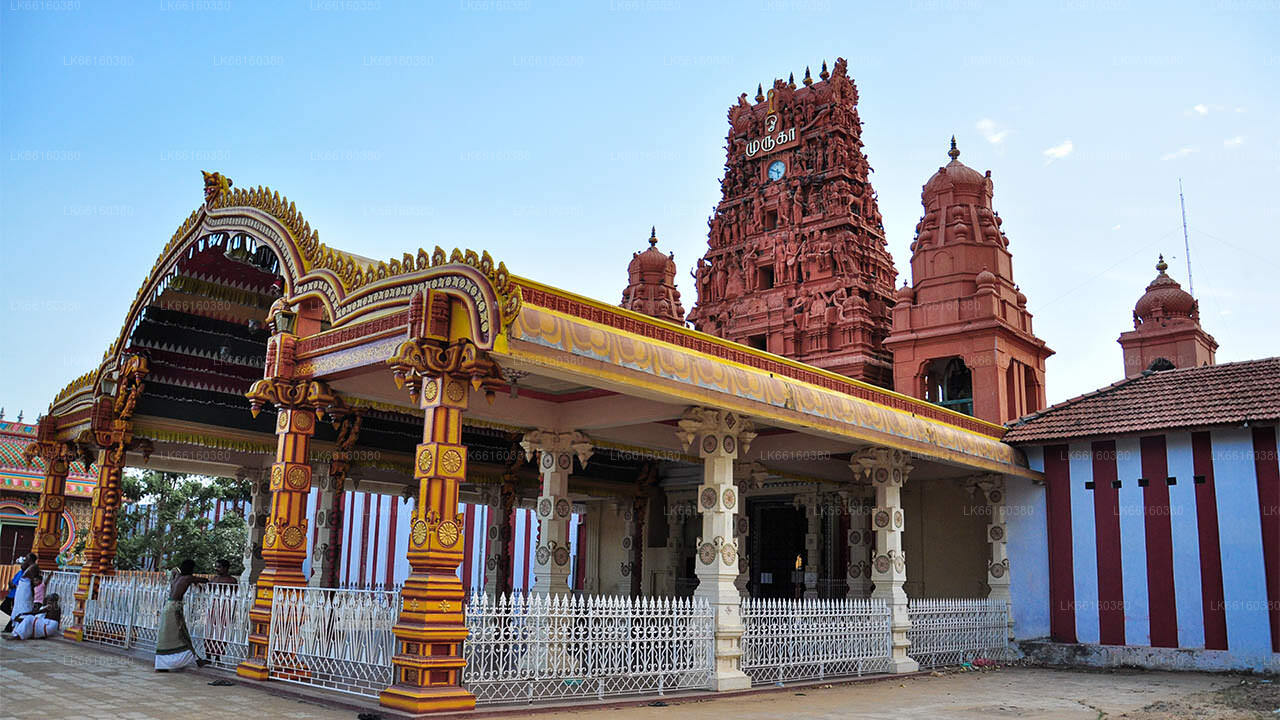
The rebuilt complex reflects classic Dravidian temple architecture, featuring a gopuram — the ornate tiered gateway tower characteristic of South Indian temple design — along with mandapam (pillared halls) and an inner sanctum housing the Shivalingam. Stone carvings of deities and celestial figures line the corridors, and the colour and intricacy of the work reflect the skill of craftsmen trained in the Tanjore tradition. While the building is new relative to the site's legendary age, the sacred ground and the spring adjacent to it carry continuity that pilgrims regard as unbroken.

What are the Keerimalai Springs near the temple?

Directly beside the temple lies a set of natural freshwater springs fed by an underground aquifer. What makes them unusual is their proximity to the sea — within metres of the ocean shoreline — and their consistent freshwater output even at high tide. The springs are divided into separate bathing areas for men and women and remain a pilgrimage destination in their own right. Many visitors believe the waters hold curative properties, a belief that mirrors the founding legend of Nagula Muni's healing bath. Bathing here before entering the temple is considered auspicious, and on major festival days the area around the springs can be very crowded.

When is the best time to visit Naguleswaram Temple?

The temple is open throughout the year, but the most significant period is the annual Ther Thirunal festival (chariot festival), typically held between June and August during the Tamil month of Aani. Tens of thousands of pilgrims attend, and the chariot procession along the coastal road is a remarkable sight. If you prefer a quieter visit, the early morning puja — usually around dawn — offers the most contemplative atmosphere. Jaffna's dry season broadly runs from May to September, making those months the most comfortable for travel in the north.

Period Weather Crowd Level
May – September Dry, warm (around 30–34 °C) Moderate; high during Ther Thirunal festival
October – January North-east monsoon, periodic rain Lower
February – April Transitional, generally dry Low to moderate

How do I get to Naguleswaram Temple from Jaffna?

The temple is located in Keerimalai, roughly 20 kilometres north-west of Jaffna city. The most straightforward way to reach it is by hired vehicle or tuk-tuk from Jaffna town, following the coastal road through Kankesanthurai. The journey takes around 40 minutes depending on traffic, and the road is in reasonable condition. There is no direct scheduled bus service that terminates at the temple, though local buses run towards Kankesanthurai and onward connections are available. Renting a bicycle or motorbike from Jaffna is another option popular with independent travellers.

What should visitors know before going?

  • Dress code: Modest clothing is required. Both men and women should cover their shoulders and legs. You will be asked to remove footwear at the temple entrance.
  • Photography: Photography is generally restricted inside the sanctum. Always ask permission before photographing priests or rituals.
  • Bathing at the springs: Bring a change of clothing if you plan to bathe. The springs have basic changing facilities.
  • Entry: The temple is open to visitors of all faiths, though respectful behaviour during active puja ceremonies is expected.
  • Combination visit: Many visitors pair Naguleswaram with a visit to nearby Kandarodai (Kadurugoda) archaeological site, which preserves over 60 miniature Buddhist stupas and adds historical context to a day in the Jaffna peninsula.

What else can I explore in the Jaffna Peninsula?

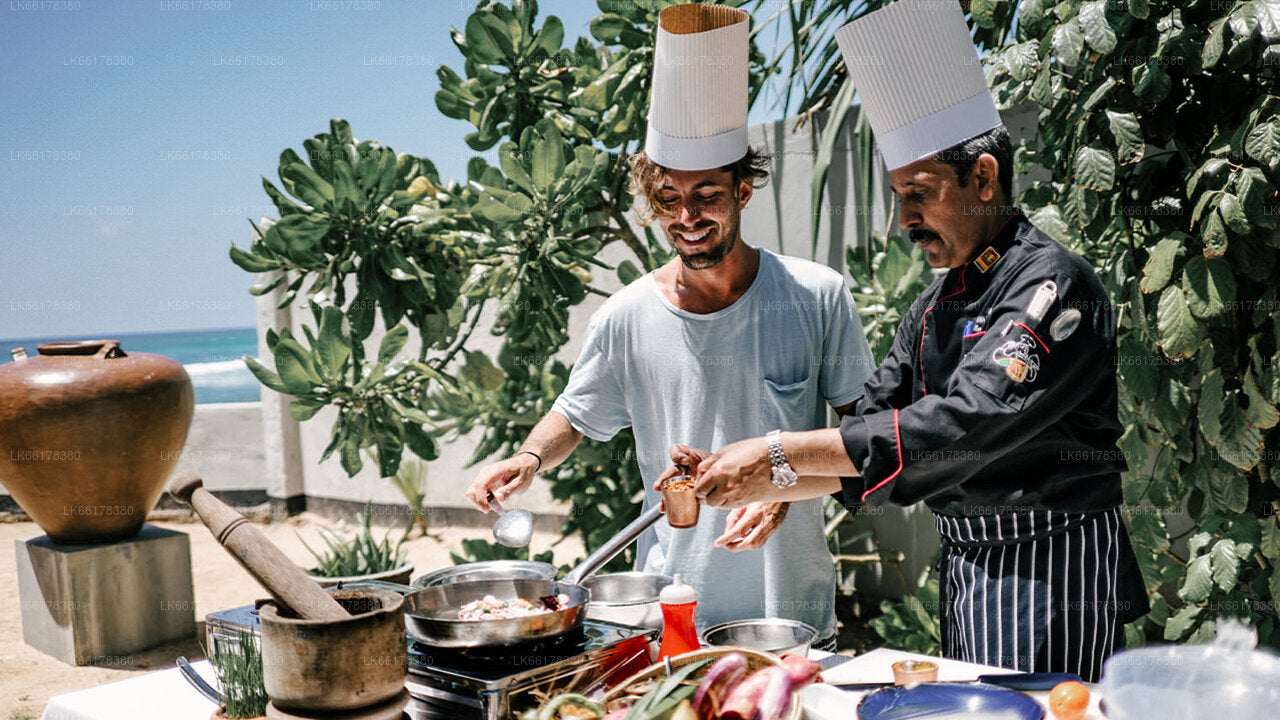
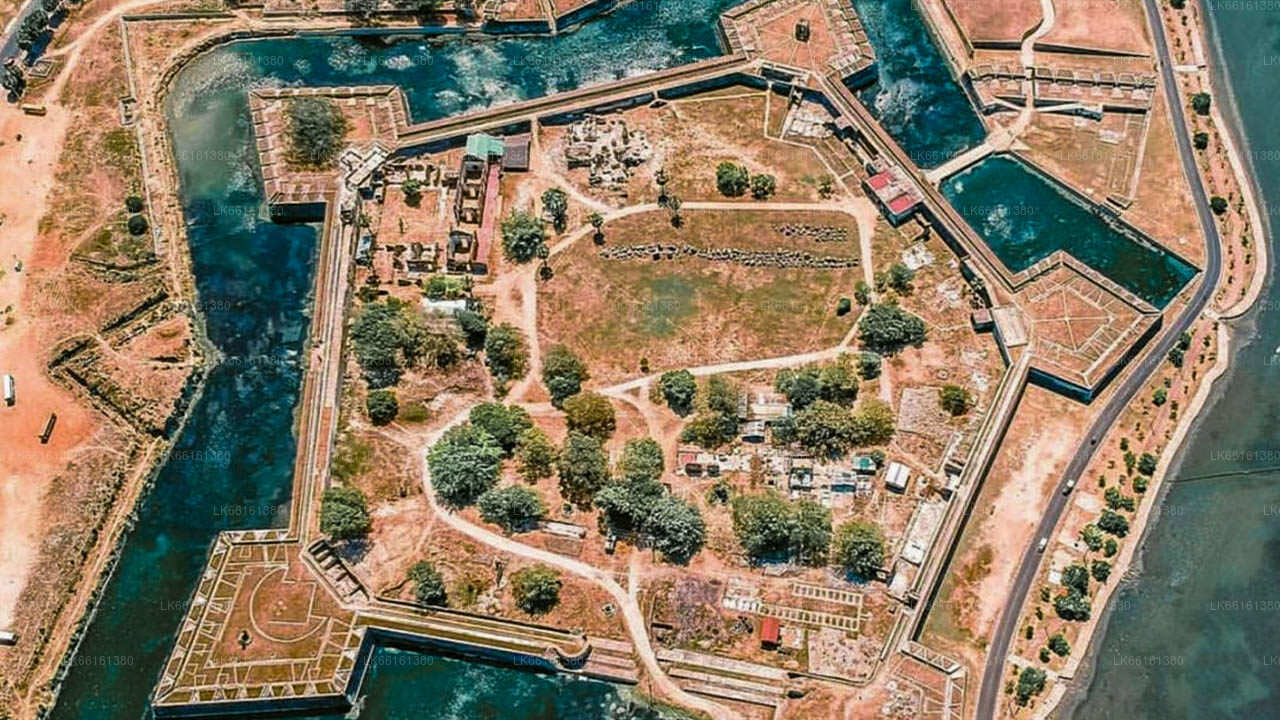
The peninsula holds a concentration of heritage that rewards a stay of at least two nights. The Dutch Fort in Jaffna — one of the largest Dutch colonial fortifications in Asia — is within the city. Nainativu Island, accessible by boat from Kurikadduwan, is home to both the Nainativu Nagapooshani Amman temple and the Buddhist Nagadipa Vihara, illustrating the religious plurality of the north. The distinctive cuisine of Jaffna, built around fresh seafood, palmyrah products, and fiery curries, is itself worth the trip.

Ask Lakpura® Agent