Lakpura
Lakpura®

Jaffna Public Library

The Jaffna Public Library stands as one of the most historically significant buildings in Sri Lanka — not only for its architectural presence at the heart of Jaffna city, but for what it represents to an entire community. Destroyed in a politically charged act of arson in 1981 and painstakingly rebuilt over two decades, the library today is both a working civic institution and a powerful symbol of cultural resilience.

What is the history of the Jaffna Public Library?

Constructed in 1933, the library grew steadily over the following decades to become one of the largest libraries in Asia. By the early 1980s, its collection held more than 97,000 volumes — books, periodicals, palm-leaf manuscripts, and rare documents relating to Tamil history, literature, and religious traditions. Many of those manuscripts were irreplaceable.

In May 1981, the building was set ablaze during a period of intense ethnic tension. The fire, widely attributed to politically motivated actors, destroyed the bulk of the collection. The loss was mourned not only across Sri Lanka but by Tamil communities around the world, and the library's destruction became a defining moment in the country's civil conflict.

Restoration efforts began in earnest after the conflict eased, and by 2001 a new structure had been completed on the original site. The Jaffna Municipal Council, which operates the library, oversaw the reconstruction. While thousands of new books were acquired to replenish the shelves, the original manuscripts and rare texts could not be recovered or replicated. The rebuilt library is Sri Lanka's second principal public library, after the national library in Colombo.

What can visitors see at the Jaffna Public Library today?

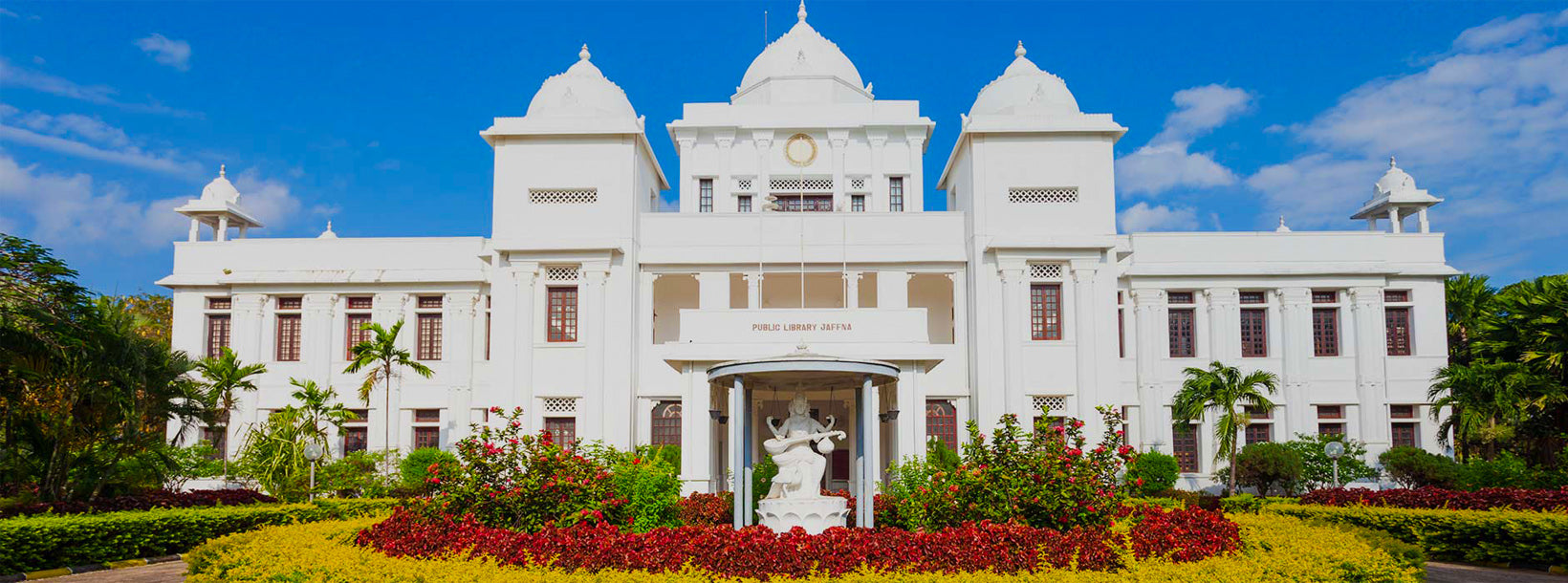
The current building faithfully replicates the colonial-era design of the original — a white-rendered structure with a distinctive dome, set beside Jaffna's lagoon. The architecture draws on South Indian and colonial European influences, and the building is widely photographed as one of the most graceful civic structures in northern Sri Lanka.

Inside, the library functions as an active public resource serving students, researchers, and local residents. Visitors can browse the reading rooms, which hold contemporary Tamil and English language texts, reference works, and some reconstructed historical materials. The collection continues to grow through donations from the Sri Lankan Tamil diaspora and international cultural organisations.

  • Colonial-era domed architecture, faithfully reconstructed
  • Active reading rooms open to the public
  • Tamil and English language collections across literature, history, and the arts
  • Lakeside setting with views across the Jaffna lagoon
  • Proximity to Jaffna Fort and the Nallur Kandaswamy Kovil

How do I get to the Jaffna Public Library?

The library is centrally located in Jaffna city, within easy walking distance of the main commercial streets and the Jaffna Fort. From Colombo, Jaffna is reachable by overnight train (roughly 7–8 hours), by domestic flight from Bandaranaike International Airport (around an hour), or by road along the A9 highway. Once in Jaffna, the library can be reached by tuk-tuk, bicycle, or on foot from most guesthouses in the town centre.

When is the best time to visit Jaffna?

Jaffna experiences a distinct climate from the rest of Sri Lanka. The northeast monsoon (roughly October to January) brings rain to the region, so the most comfortable period for travel is typically between February and September. Temperatures are warm year-round, often higher than in the south or the hill country, so lightweight clothing and early morning sightseeing are advisable during the hotter months.

If you plan to combine the library visit with the Nallur Festival, note that this major Hindu celebration typically takes place over 25 days in July and August and draws large crowds to the city.

Why does the Jaffna Public Library matter culturally?

For Tamil Sri Lankans, the library represents far more than a repository of books. The manuscripts lost in 1981 contained centuries of recorded knowledge — genealogies, religious texts, medical treatises, and literary works composed in classical Tamil. Their destruction echoed the loss of the Library of Alexandria in symbolic weight, and the event is still cited as a turning point that deepened communal divisions.

The reconstruction of the library has therefore carried both practical and symbolic importance in post-war reconciliation efforts. International donors, diaspora communities, and government agencies collaborated on restoring the building, and its reopening in 2001 was treated as a meaningful gesture toward normalcy in the north. Visiting the library today means engaging with that longer story — of loss, recovery, and an ongoing effort to preserve cultural memory.

What else is worth visiting near the library in Jaffna?

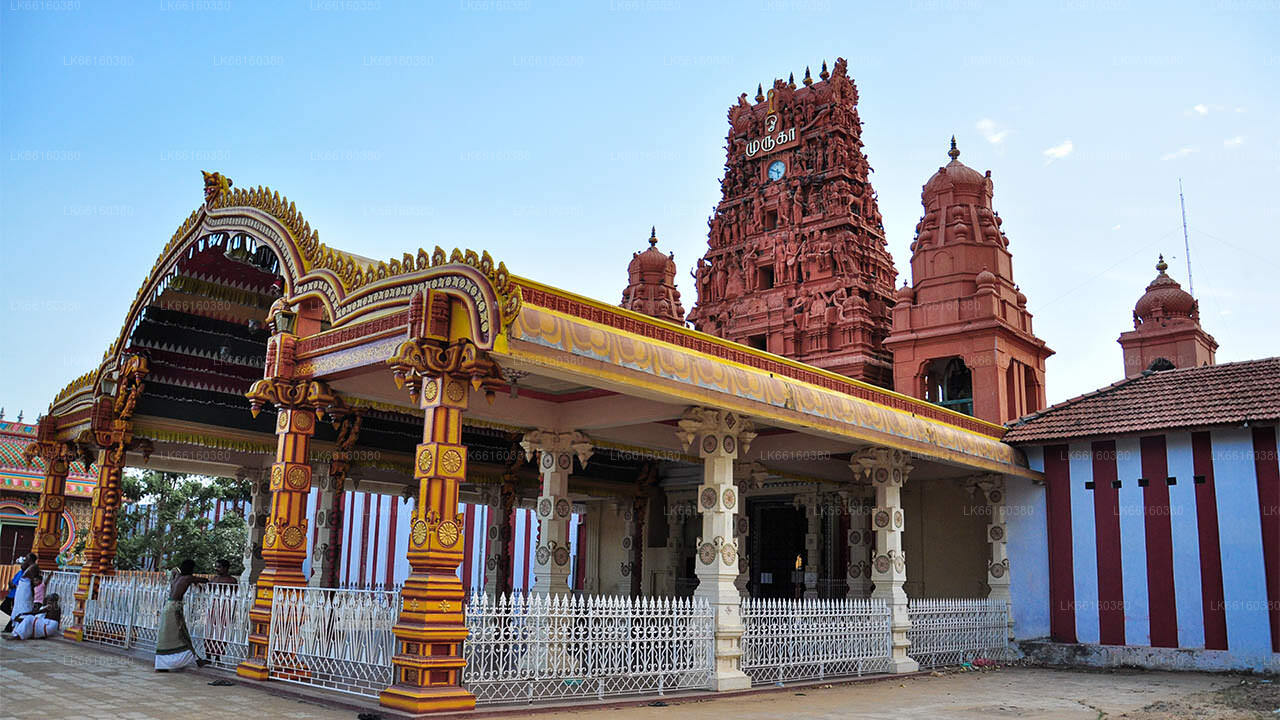
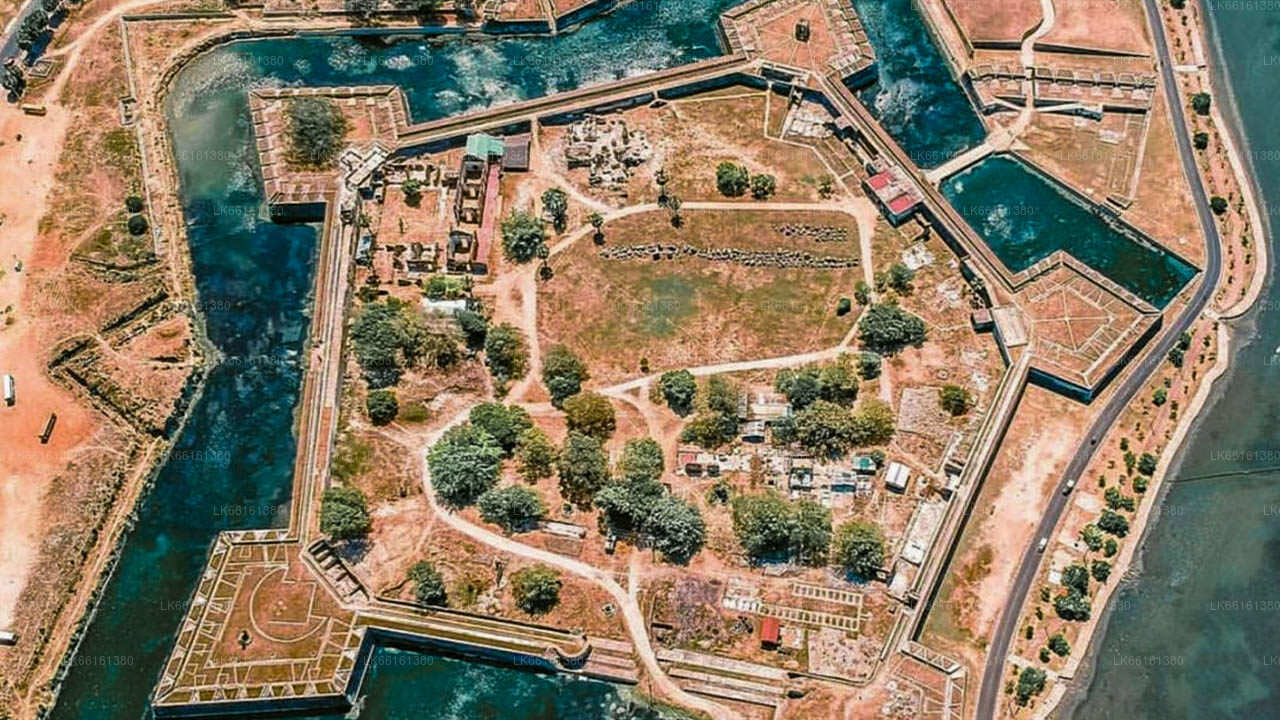
Jaffna rewards unhurried exploration. The Jaffna Fort, a Dutch-built structure dating to the 17th century, is within a short walk. The Nallur Kandaswamy Kovil, one of the most revered Hindu temples in Sri Lanka, is a short tuk-tuk ride away. The city's markets offer a distinct culinary tradition — Jaffna cuisine, shaped by its geography and Tamil heritage, features fresh seafood, palmyra-based sweets, and fiery curries quite unlike anything in the south.

Day trips from Jaffna can include the islands of the Jaffna Peninsula — Nainativu, Neduntivu (Delft), and Kayts — each accessible by ferry and offering quiet landscapes, historic temples, and a slower pace of life. The northern coast around Casuarina Beach is also popular with travellers who want a quieter beach experience away from the crowds of the south and west.

For those with an interest in Sri Lanka's broader historical landscape, the ancient city of Polonnaruwa lies to the south and can be included in a wider northern Sri Lanka itinerary.

Is there an entry fee for the Jaffna Public Library?

The library is a public institution run by the Jaffna Municipal Council, and general entry for visitors is typically free of charge. Reading-room access and borrowing rights are primarily for registered members, but tourists are generally welcomed to walk through and observe the building and its collections. It is advisable to dress modestly and keep noise levels low, as the library is an active working space for students and researchers.

Book this experience with Lakpura

Curated by our local team. Direct booking, instant confirmation.

Ask Lakpura® Agent