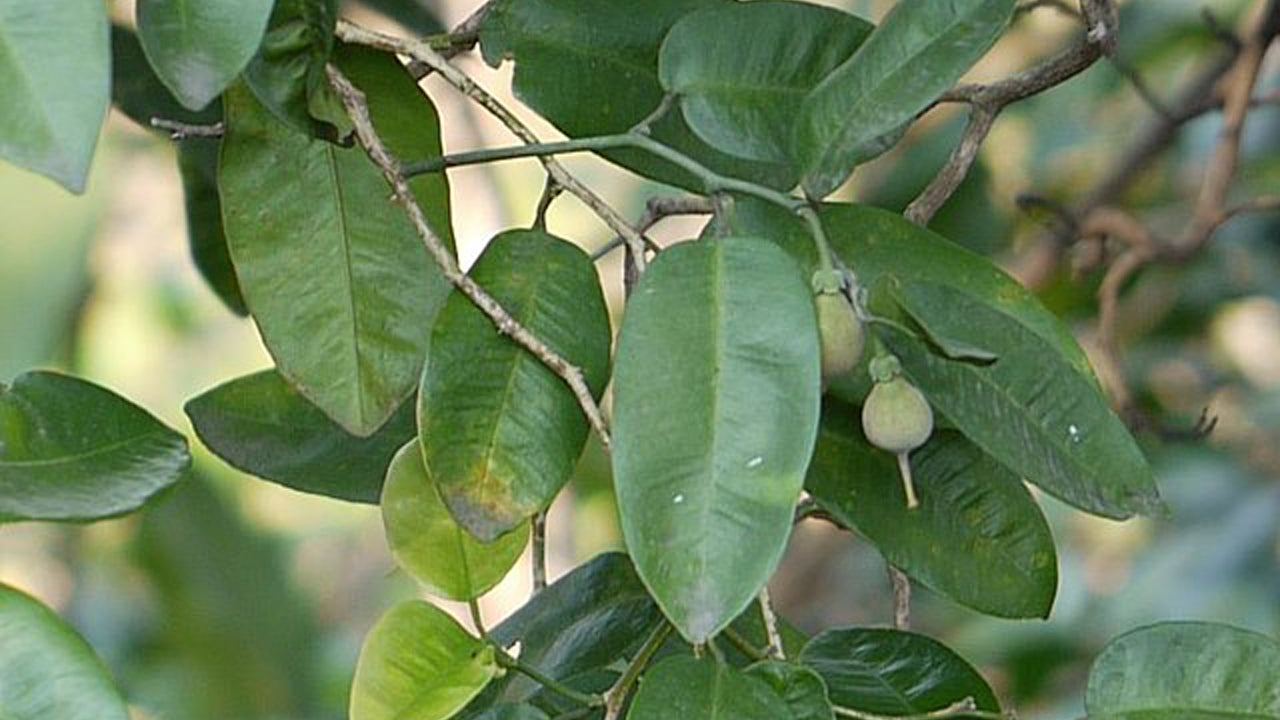
Sida alnifolia
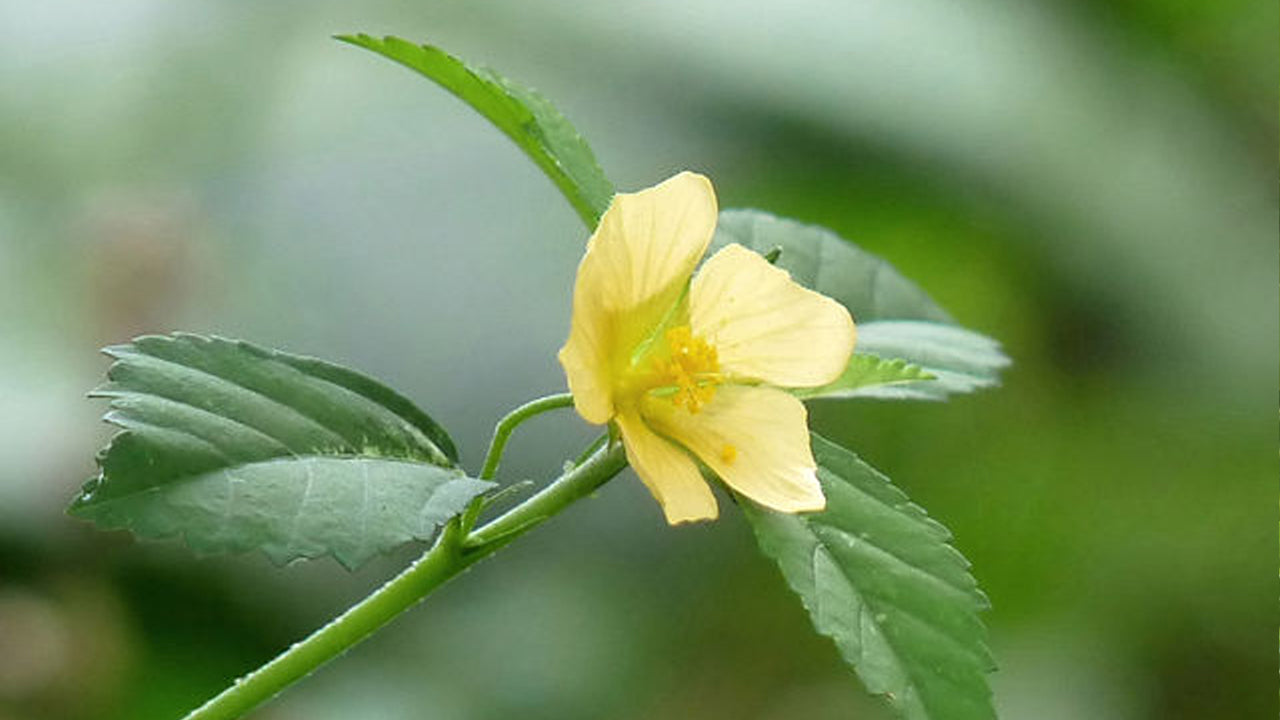
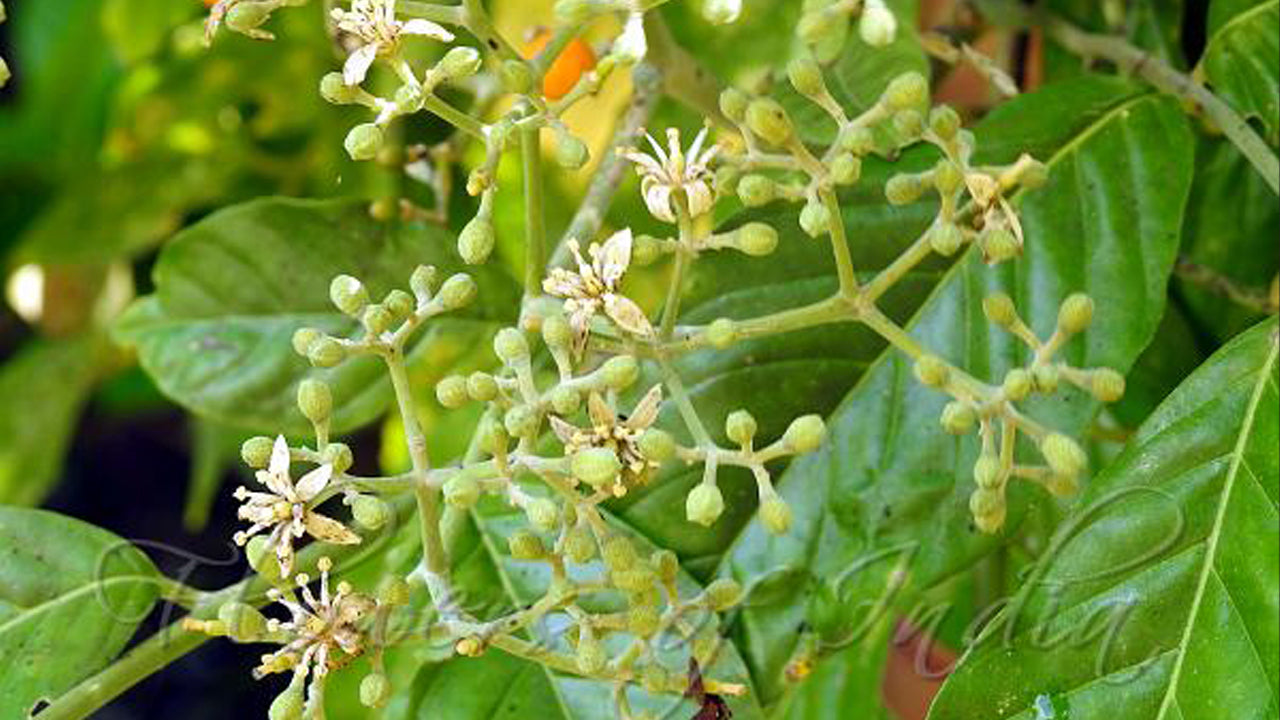
Sida alnifolia is a lesser-known yet valuable medicinal plant that holds a quiet place within Sri Lanka’s rich tradition of herbal healing. Belonging to the Malvaceae family, this hardy shrub thrives in tropical and subtropical climates, often found growing wild along roadsides, grasslands, and uncultivated lands across the island. In Sri Lanka, where Ayurveda and Deshiya Chikitsa are deeply rooted in daily life, plants like Sida alnifolia are appreciated not only for their medicinal properties but also for their resilience and accessibility to rural communities.
Traditionally, Sida alnifolia has been used in Sri Lankan herbal practices for its strengthening and restorative qualities. Local healers often value the whole plant—roots, leaves, and stems—each part believed to contribute distinct therapeutic benefits. The plant is commonly associated with remedies aimed at improving vitality, supporting joint and muscle health, and easing general body weakness. In a country where physical labor remains central to agriculture and cottage industries, such herbs have long played a role in maintaining stamina and recovery.
Within the Ayurvedic framework, Sida species are generally regarded as balya (strength-promoting) and vata-pacifying. Sida alnifolia is sometimes prepared as a decoction or ground into herbal formulations combined with other native plants. These preparations are traditionally used to support the nervous system, improve circulation, and assist in recovery from fatigue. Its cooling and soothing nature is also considered beneficial in balancing the body during periods of excessive heat or inflammation, which aligns well with Sri Lanka’s warm climate.
Beyond its medicinal uses, Sida alnifolia reflects the broader Sri Lankan relationship with nature, where wild plants are respected as part of everyday wellness rather than rare commodities. Many households, especially in rural areas, retain knowledge passed down through generations on how to identify and responsibly harvest such plants. This traditional wisdom complements modern interest in natural and plant-based wellness, encouraging renewed appreciation for indigenous flora.
Today, as Sri Lanka continues to promote herbal products and traditional medicine to both local and global markets, plants like Sida alnifolia gain renewed relevance. They symbolize sustainability, cultural heritage, and the island’s vast botanical diversity. Preserving knowledge about such plants not only supports health traditions but also reinforces Sri Lanka’s identity as a land where nature and healing have long existed in harmony.