Tea Estates
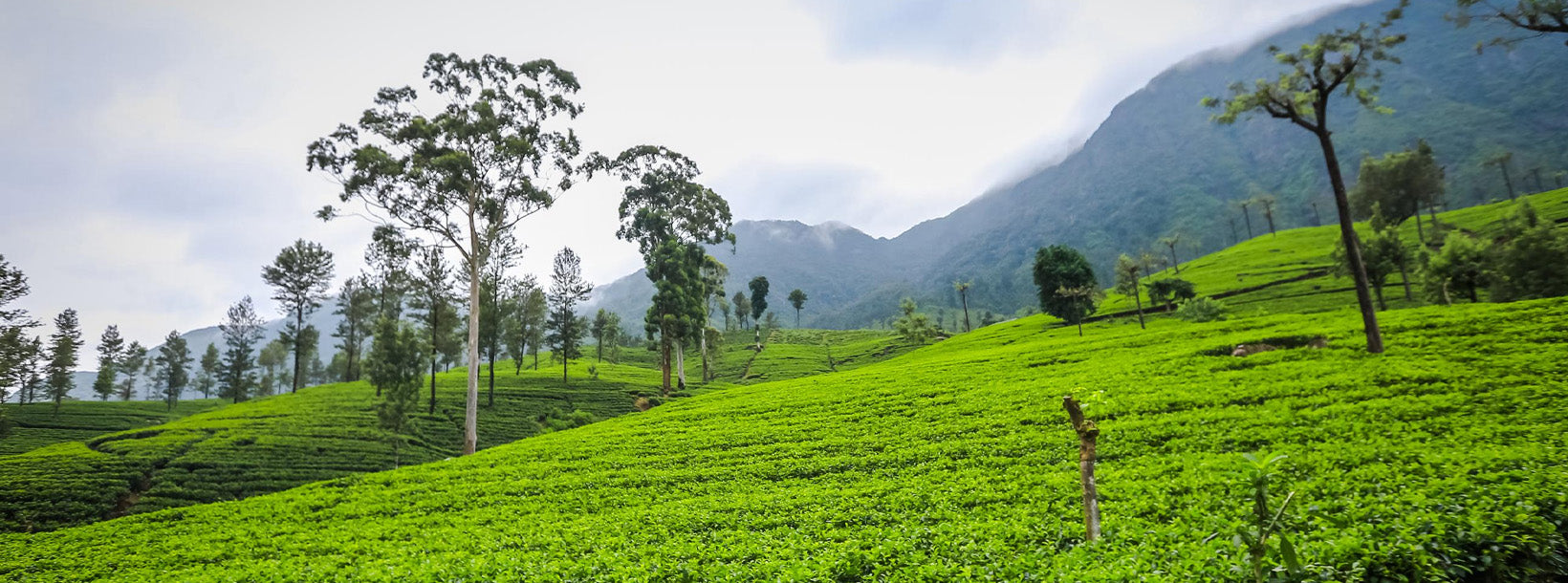
Sri Lanka’s tea estates, primarily located in the central highlands, are renowned for producing some of the world’s finest tea. These lush plantations, such as those in Kandy, Nuwara Eliya, and Hatton, offer scenic landscapes and a rich history. The estates contribute significantly to the country’s economy, exporting high-quality Ceylon tea worldwide.
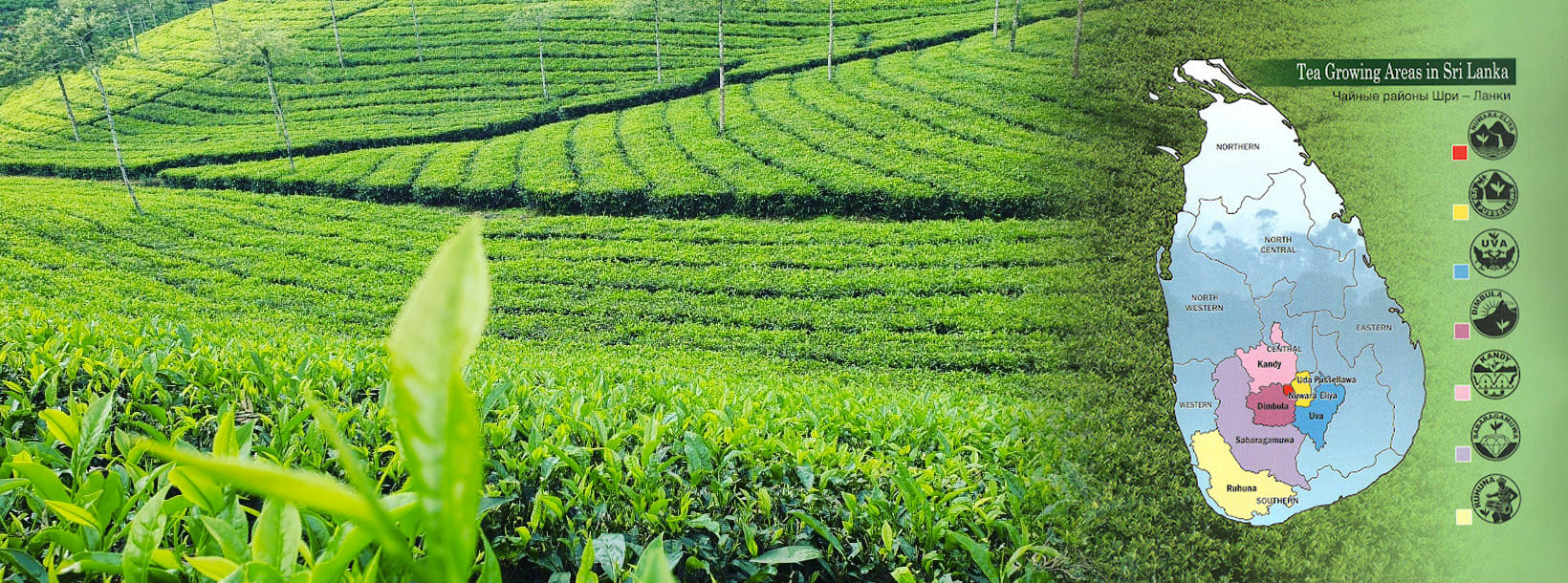
Ceylon Tea Regions
he brew in your cup has a story to tell. It speaks of rolling hills, abundant sunshine, and lush provinces.In Sri Lanka, the central and southern provinces produce most of its tea. Varying elevations and micro-climates influence the distinctive flavour, colour, aroma and seasonality of Ceylon tea.
Ceylon Black Tea Grades
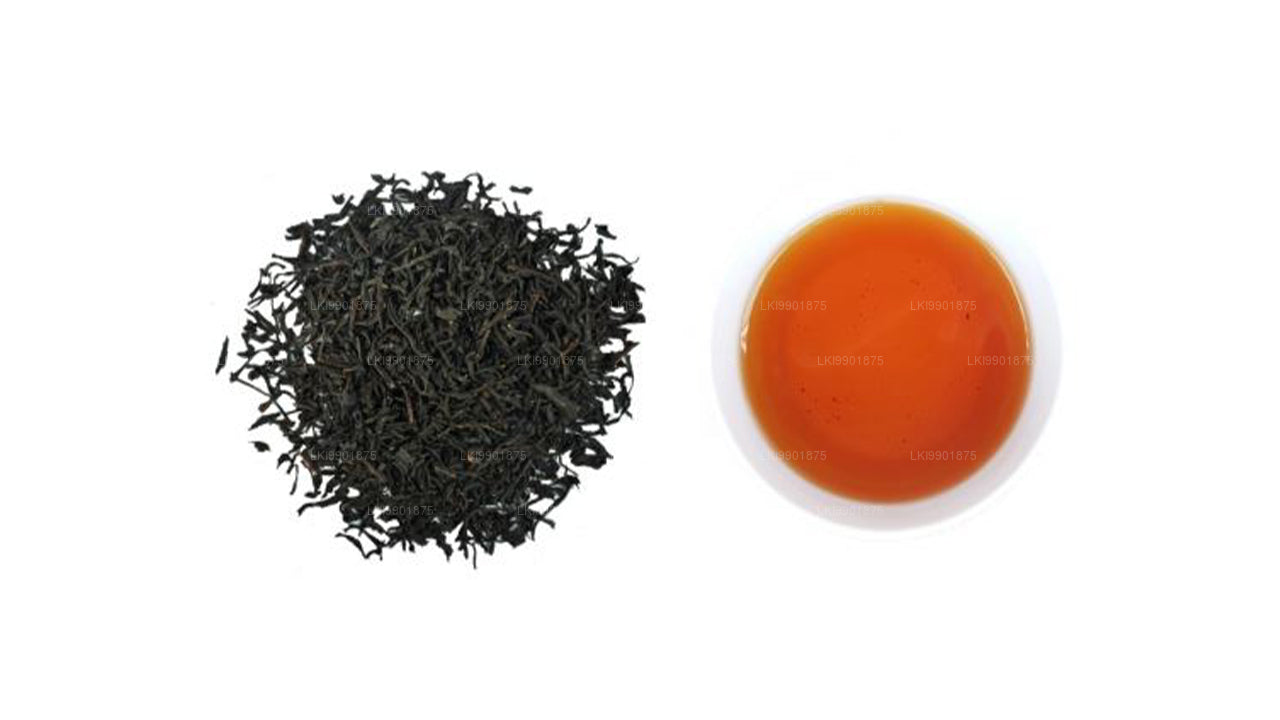
Ceylon Tea as we now know comes in different varieties, which has flavors and aromas unique to itself. Along with the a variety of teas, there are varieties of grades that Ceylon tea has been separated into.
锡兰茶
19世纪80年代初是锡兰的艰难时期。殖民经济几乎完全依赖于咖啡产业,而当这一产业崩溃时,整个经济也随之崩溃。高地的种植园被低价出售,而在科伦坡,银行出现了挤兑潮。
人们疯狂尝试种植靛蓝和金鸡纳树,但都失败了。种植者协会向政府提交了充满恐慌的行政削减提案——幸运的是,这些提案被拒绝了。恐慌的气氛笼罩着整个殖民地。
与此同时,在康提和丁布拉种植区交汇的山地,一位名叫詹姆斯·泰勒的隐居苏格兰种植者正在他的咖啡庄园卢勒康德拉的道路两旁试种一种新植物——茶。早在1867年,他就在自家平房的阳台上萎凋了第一批茶叶,试图模仿印度阿萨姆的制茶工艺。当咖啡枯萎病爆发时,泰勒已在卢勒康德拉种下了19英亩的茶树,并将首批23磅的茶叶寄往英国。不久,来自整个高地的种植者纷纷前往卢勒康德拉,学习种植与制茶的技术。锡兰及其种植业因此得救。然而,这场拯救并非轻而易举。超过12万公顷(30万英亩)的土地必须清除死亡的咖啡树并重新种上茶树。这是一项昂贵且令人心碎的工程,但最终完成了。
种植者的英勇行为得到了《福尔摩斯》作者阿瑟·柯南·道尔爵士的赞颂。他在短篇小说《深渊中》(De Profundis)中写道:“一种腐烂的真菌让整个社区在绝望的岁月中奋起,取得了勇气与创造力所赢得的最伟大商业胜利之一。”他还补充说:“锡兰的茶园与滑铁卢的雄狮一样,是勇气的真实纪念碑。”不到十年时间,锡兰就在旧产业的废墟上建立起新的种植业,殖民地再次繁荣起来。
詹姆斯·泰勒是锡兰第一个成功种植茶叶的种植者,但并非第一个尝试者。尽管记录稀少,但有证据表明,早在1824年,人们就曾尝试种植从中国引进的茶树。后来,国际金融世家罗斯柴尔德家族成员莫里斯·沃姆斯在普塞拉瓦和兰博达的罗斯柴尔德庄园种下了几株中国茶苗。他甚至以中国方式用收获的茶叶制茶,但每磅售价高达5英镑,价格太高,无法竞争。一代人之后,泰勒指明了正确的方向。
下载: