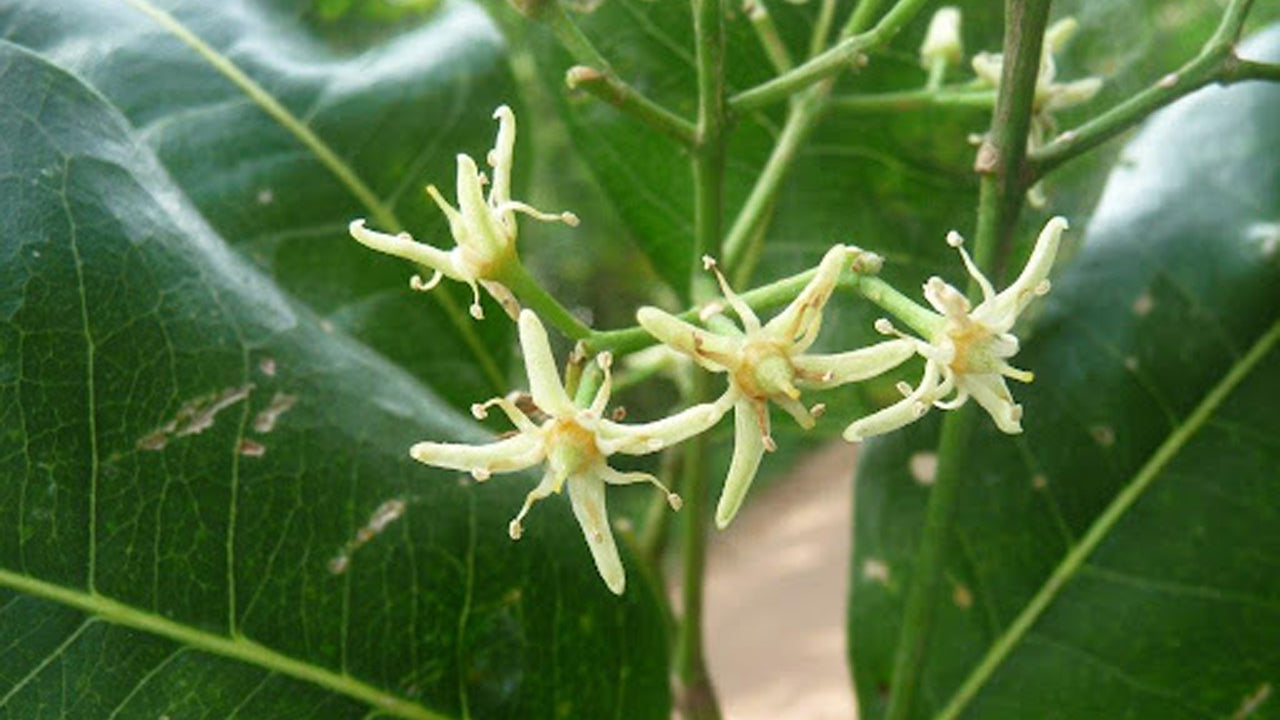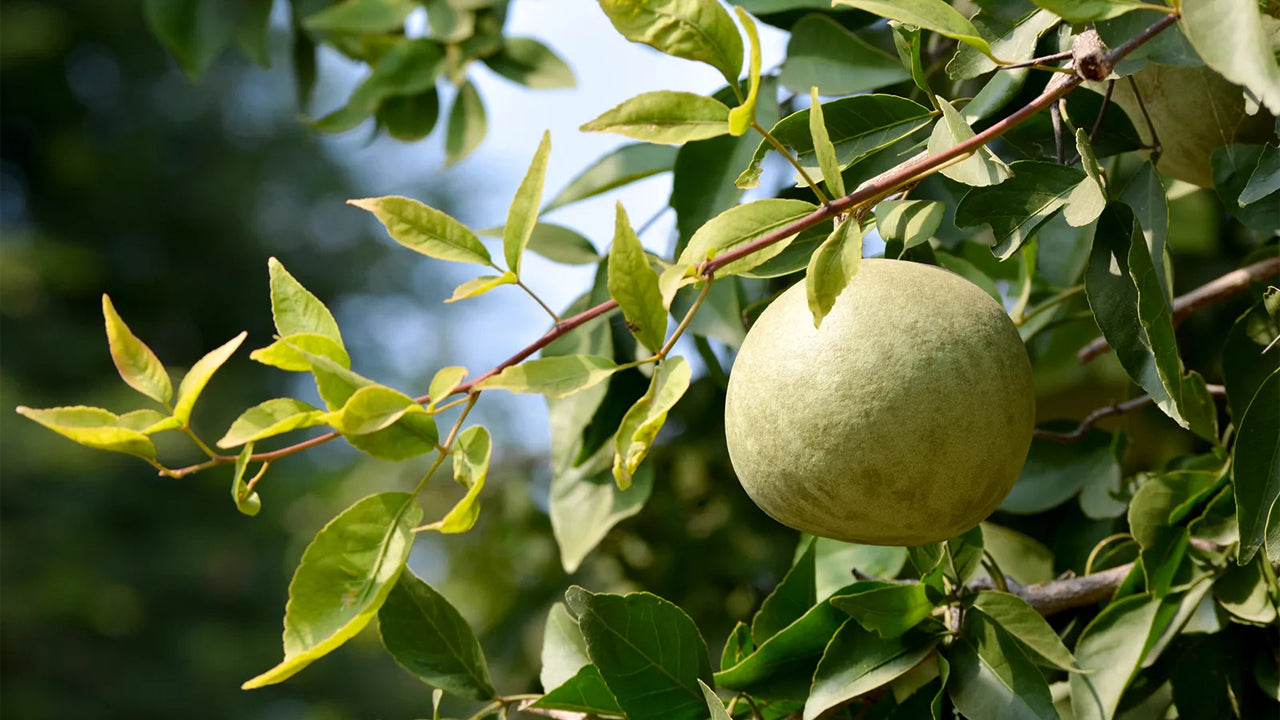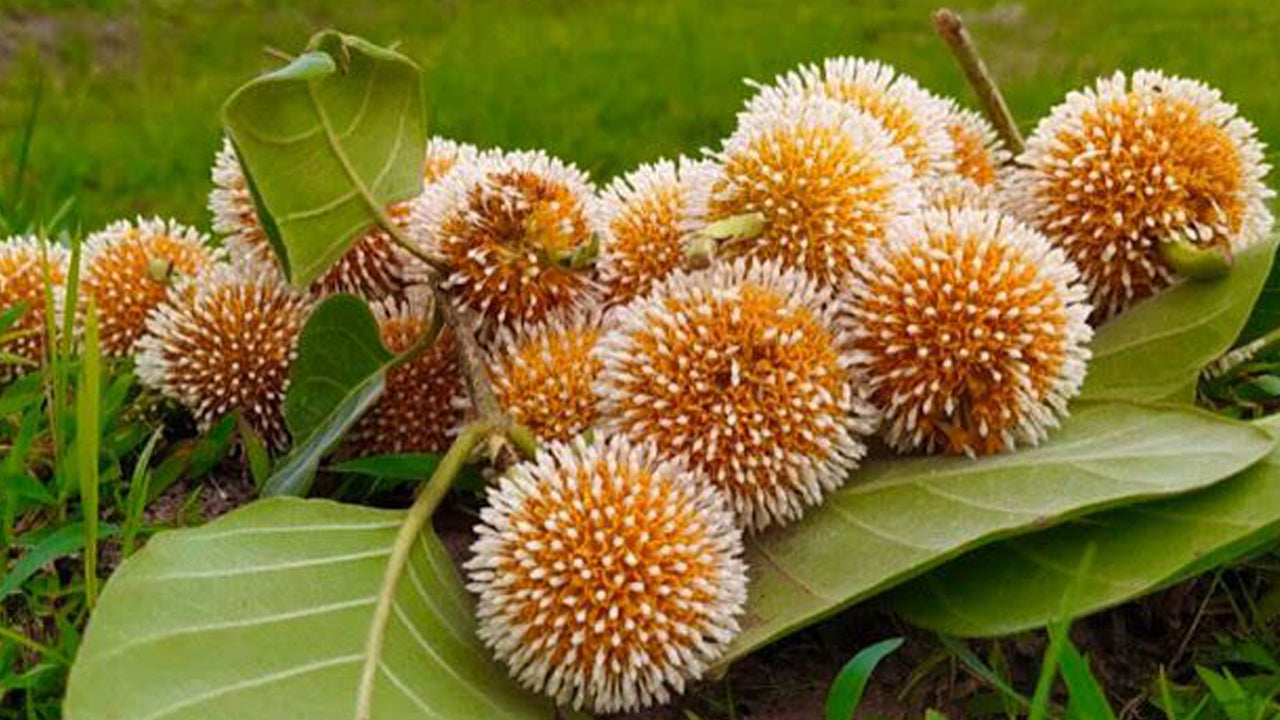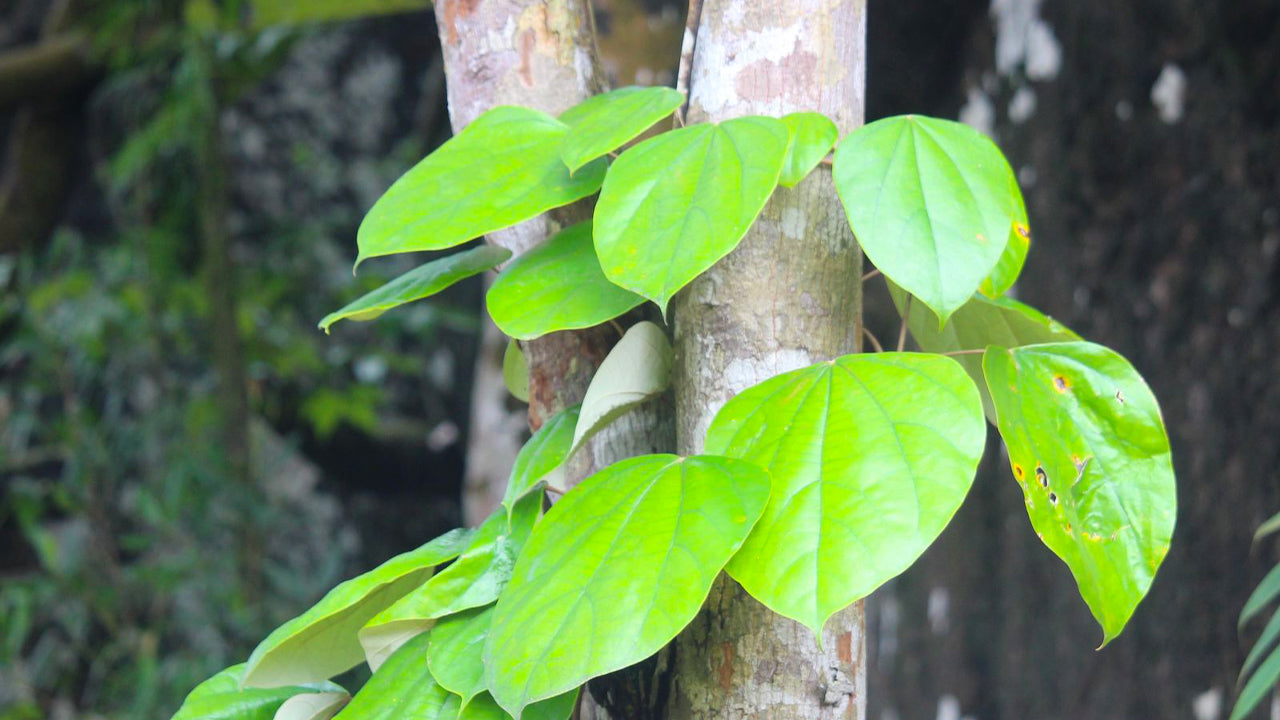
Trachyspermum involucratum is a lesser-known member of the carrot family (Apiaceae) that holds a recognised place in the Ayurvedic medicinal plant catalog of Sri Lanka. Closely related to the more widely documented Trachyspermum roxburghianum — sometimes listed under the synonym Carum roxburghianum — it shares the genus's characteristic aromatic dried fruits and a long history of use across South and Southeast Asia.
What is Trachyspermum involucratum?
The genus Trachyspermum belongs to the Apiaceae family, a group that also includes familiar culinary plants such as cumin, coriander, and dill. Plants in this genus produce small, ribbed fruits that contain volatile oils responsible for their distinctive aroma — similar in character to ajwain (Trachyspermum ammi), perhaps the most widely known member of the genus.
Trachyspermum involucratum is distinguished by its involucrate flower heads — the botanical feature reflected in its species name. Like other members of the genus, it is a slender, branching annual herb that produces white compound flowers arranged in umbels, the typical inflorescence structure of the Apiaceae family.
Where does Trachyspermum involucratum grow?
Species within the Trachyspermum genus are distributed across tropical and subtropical regions of South Asia and Southeast Asia, including Sri Lanka, India, Myanmar, Thailand, and parts of Indonesia. In Sri Lanka, the plant is associated with the island's rich tradition of indigenous herbal medicine and is documented as part of the country's Ayurvedic pharmacopoeia.
Sri Lanka's biodiversity — spanning dry zone scrub forests, intermediate zone gardens, and the moist lowland regions — supports a wide variety of medicinal plants. The island's Ayurvedic traditions have catalogued hundreds of such species over centuries, and Trachyspermum involucratum sits among them as a plant of regional significance.
How is Trachyspermum involucratum used in Ayurveda?
Within Sri Lanka's Ayurvedic system, aromatic plants from the Trachyspermum genus are valued primarily for their carminative and digestive properties. The volatile oils present in the dried fruits are traditionally associated with relieving digestive discomfort, reducing flatulence, and supporting respiratory health — uses documented across multiple South Asian herbal traditions.
In neighbouring Myanmar, closely related species have a documented history of medicinal application, while in Thailand the fresh leaves of Trachyspermum roxburghianum are used as a culinary herb. Sri Lanka's Ayurvedic practitioners, working within a system that draws on both indigenous knowledge and classical Sanskrit texts, have incorporated plants of this genus into compound formulations alongside other documented medicinal species.
Ayurvedic compound preparations sometimes pair aromatic herbs like those in the Trachyspermum genus with other botanicals recognised in traditional medicine. Related compound formulations — such as Yogaraja Guggulu, a classical Ayurvedic preparation — illustrate how individual medicinal herbs are integrated into broader therapeutic frameworks in Sri Lankan practice.
How does Trachyspermum involucratum relate to Sri Lanka's spice traditions?
Sri Lanka has one of the most celebrated spice heritages in the world, and aromatic plants with culinary or medicinal value have been cultivated and traded here for over two thousand years. While Trachyspermum involucratum is not among the island's major export spices, it represents the depth of botanical knowledge embedded in Sri Lankan Ayurveda.
The island's spice culture extends well beyond its internationally famous exports. Plants like Syzygium aromaticum (clove) and Ceylon black pepper have shaped Sri Lanka's global spice identity, but the Ayurvedic tradition encompasses a far broader pharmacopoeia — one that includes less commercially prominent species such as Trachyspermum involucratum.
What is the significance of Sri Lanka's Ayurvedic plant catalog?
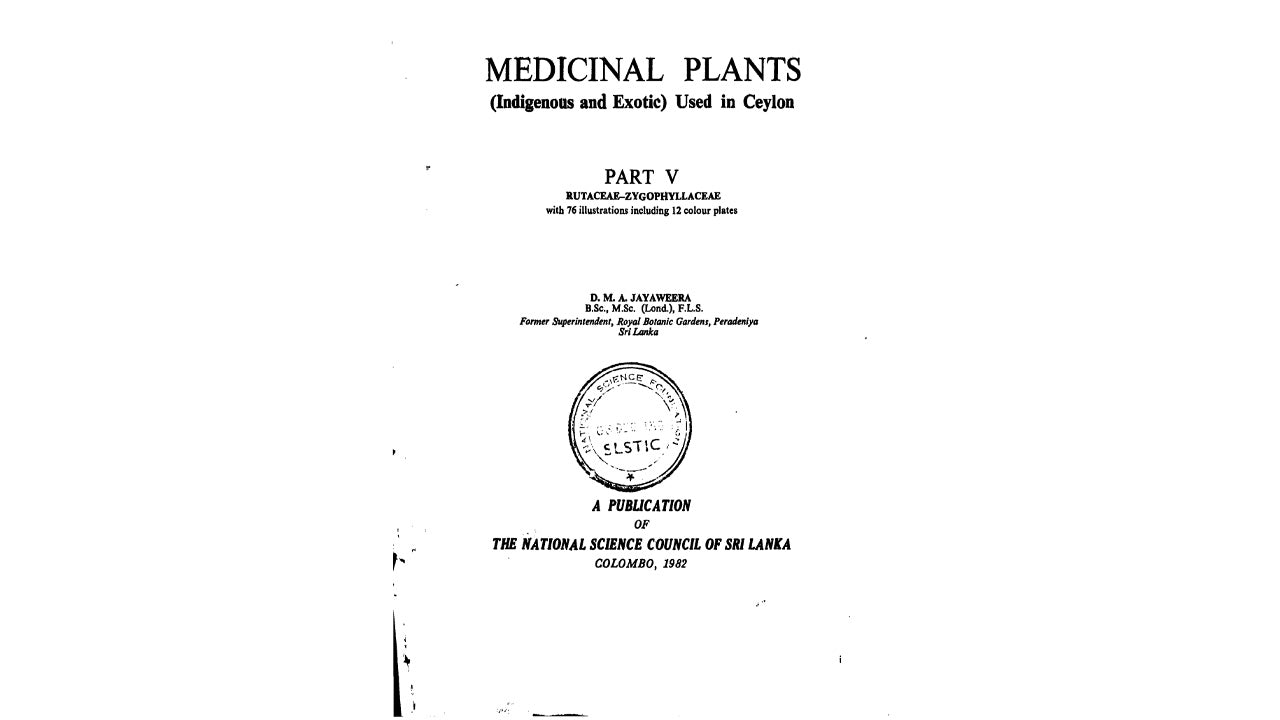
Sri Lanka's Department of Ayurveda maintains an official catalog of medicinal plants used in indigenous medicine, drawing on centuries of written and oral tradition. This catalog is a living document that recognises both well-known and lesser-documented plants, validating their use within the formal Ayurvedic healthcare system that operates alongside conventional medicine on the island.
The inclusion of Trachyspermum involucratum in this catalog signals its recognised status as a plant of medicinal relevance, even if peer-reviewed pharmacological research on this specific species remains limited compared to its more widely studied relatives. Researchers working in ethnobotany and traditional medicine continue to investigate the chemical constituents and therapeutic potential of Trachyspermum species across the region.
Other Sri Lankan medicinal plants with documented Ayurvedic applications include Acacia chundra and Pongamia pinnata, reflecting the breadth of the island's botanical heritage. Sri Lanka's forests and cultivated landscapes together harbour a significant proportion of the plant species referenced in traditional South Asian medicine.
Can visitors learn about Sri Lanka's medicinal plants while travelling?
Travellers with an interest in botany, Ayurveda, or traditional medicine will find Sri Lanka a rewarding destination. Several botanical gardens, Ayurvedic resorts, and herb garden tours offer guided introductions to the island's medicinal plant heritage. The Peradeniya Royal Botanical Gardens near Kandy is among the most comprehensive in Asia and provides a structured setting for encountering many of Sri Lanka's documented plant species.
Rural areas and forested regions — including reserves such as the Sinharaja Forest Reserve, a UNESCO World Heritage Site — support wild populations of many medicinal species in their natural habitat. Guided nature walks in such areas often incorporate traditional knowledge shared by local guides familiar with indigenous plant use.
For those travelling through the central highlands, the Makandawa Rainforest near Kithulgala is another location where Sri Lanka's forest biodiversity — including many Ayurvedic plant species — can be observed in a relatively accessible setting.