Lakpura
Lakpura®

Ranna

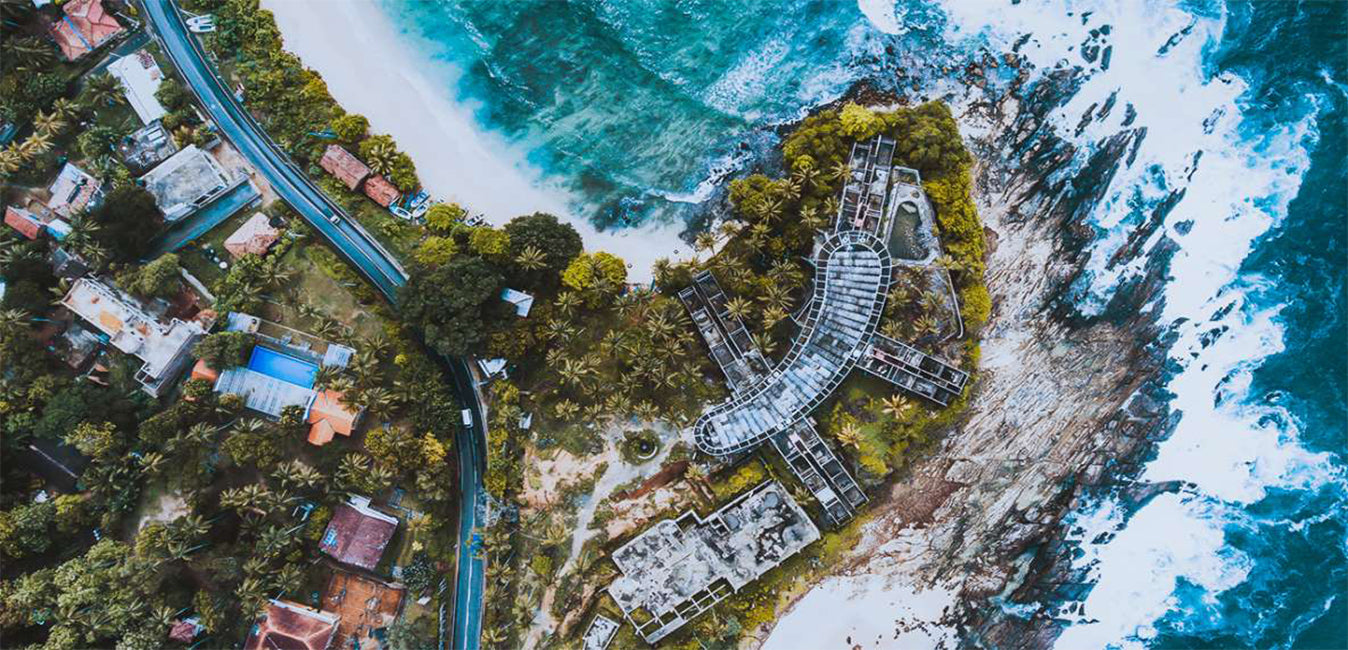
Ranna is a small coastal town on the southern tip of Sri Lanka, administratively part of the Tangalle area in the Southern Province. Home to around 5,000 residents, it sits between the villages of Vigamuwa and Talamporuwa and occupies a stretch of shoreline that remains largely unhurried — a meaningful contrast to the busier resorts further west along the southern coast.

What is Ranna like as a destination?

The town has the character of a working fishing community rather than a purpose-built resort. Wooden outrigger boats line the shore, coconut palms shade the lanes, and the pace of daily life is slow. That quietude is precisely what draws travellers who have already visited the more developed southern towns and want something lower-key. The area around Ranna also connects easily with wildlife and nature experiences that distinguish the southern coast from elsewhere in Sri Lanka.

When is the best time to visit Ranna?

Ranna, like the rest of the Southern Province, is warm year-round. The southwest monsoon typically brings heavier rainfall between May and September, with June and July being the wettest months on average. The drier, sunnier window runs from late November through April, when the sea is calmer and the beach is at its most accessible. Visiting in the shoulder months — October or late April — often means fewer crowds and reasonable weather.

PeriodConditionsSuitability
Nov – AprDry, sunny, calm seasBest for beach and wildlife
May – JunTransitional, some rainModerate
Jul – SepSouthwest monsoon, rougher seasLower — beach less accessible
OctInter-monsoon, patchy showersModerate, quieter crowds

What can I do at Ranna Beach?

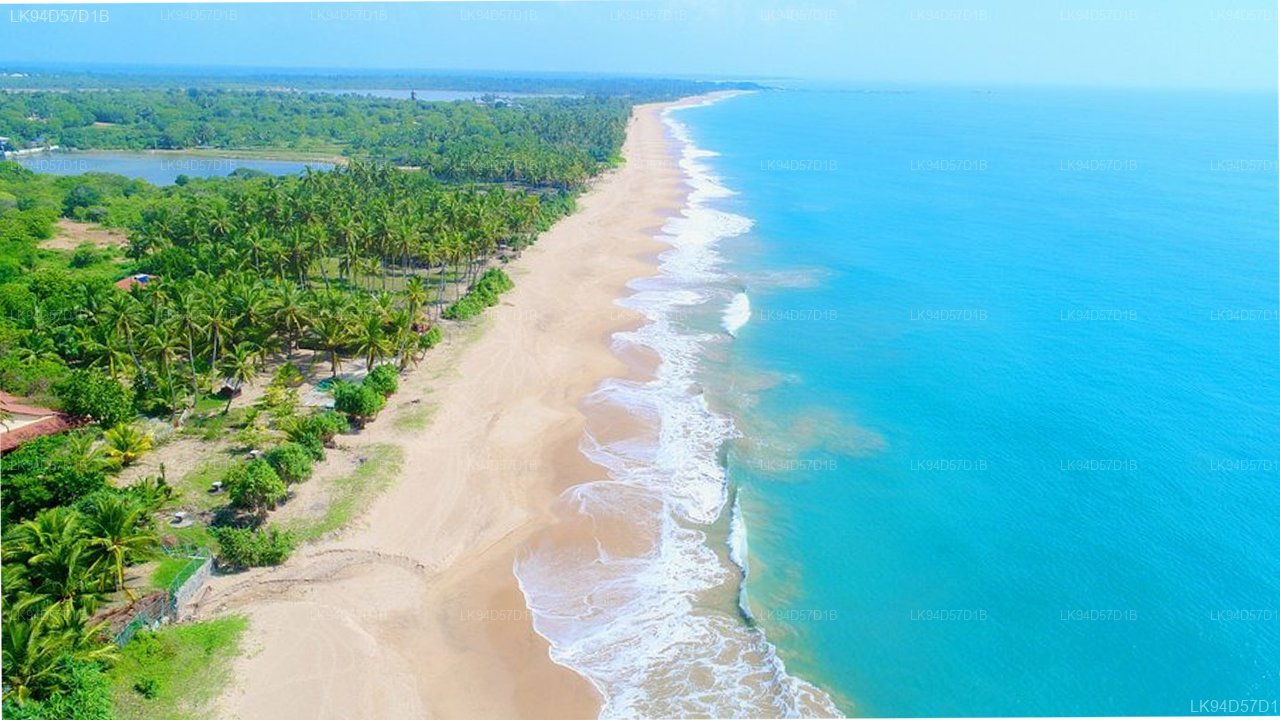
Ranna Beach is a long, gently curving strip of sand that is rarely crowded. The calm stretches are suitable for swimming during the dry season, and the wide foreshore is pleasant for early-morning walks when fishing boats are heading out. The beach also provides access to reef snorkelling at certain points, though conditions vary by season. Sunsets here, viewed across the open Indian Ocean, are particularly clear on dry-season evenings.

Is the Rekawa Turtle Conservation Project worth visiting?

Rekawa Beach, a short distance from Ranna, is one of Sri Lanka's most important nesting sites for sea turtles. Five species — including the green turtle and the leatherback — come ashore to nest, primarily between March and August. The Rekawa Turtle Conservation Project, run with support from conservation organisations, allows visitors to observe nesting females and hatchlings after dark under the guidance of trained local monitors. It is one of the few places in Sri Lanka where turtle watching happens in a genuinely low-impact way. Visitors should book through an authorised channel and follow the guidelines strictly — flash photography and loud noise can deter nesting turtles.

Travellers interested in other coastal conservation programmes along the southern coast may also want to look at the Kosgoda Sea Turtle Conservation Project, which operates further north near Bentota.

What wildlife can I see near Ranna?

The Kalametiya Bird Sanctuary lies within easy reach of Ranna and rewards early-morning visits. The sanctuary encompasses a lagoon system fringed by mangroves, scrub forest, and wetlands that together support a wide variety of resident and migratory birds. Painted storks, purple herons, pelicans, and a range of waders are regularly recorded. The habitat also supports small mammals, mugger crocodiles, and water monitors.

  • Kalametiya Bird Sanctuary — lagoon and mangrove birdwatching, best at dawn
  • Rekawa Turtle Conservation Project — nocturnal turtle nesting observation
  • Udawalawe National Park — around two hours by road, excellent for elephants and raptors

For travellers planning a longer southern circuit, Udawalawe National Park is a logical add-on from Ranna, offering one of the most reliable elephant sightings in Sri Lanka.

How do I get to Ranna from Colombo?

Ranna lies roughly 200 km south of Colombo by road, typically a three-and-a-half to four-and-a-half hour drive depending on traffic and the route taken. The Southern Expressway (E01) reduces the journey time considerably compared with the old coastal A2 highway. Joining the expressway at Kottawa and exiting near Godagama before continuing south through Tangalle is the most efficient option. There is no direct train service to Ranna itself; the nearest railway station is at Beliatta or Tangalle town, from where a tuk-tuk or taxi covers the remaining distance.

Where should I stay in Ranna?

Accommodation in Ranna ranges from small guesthouses and boutique villas to a handful of beach resorts. The area appeals to travellers who want direct beach access combined with proximity to wildlife sites, so most properties are positioned close to the shore or within a short drive of the Rekawa lagoon. Staying a minimum of two nights is advisable to make the most of the turtle-watching excursion and a Kalametiya morning visit without feeling rushed.

What else is near Ranna?

Tangalle town, the main commercial centre for the area, is around 10–15 km to the east and has banks, a market, and a small fishing harbour. Mulkirigala Rock Temple — a series of ancient cave shrines set into a dramatic granite outcrop — is roughly 15 km inland and makes for a worthwhile half-day excursion. Further west, the walled city of Galle is around 90 km along the coast; a Galle city tour can be incorporated into an arrival or departure day if the timing works. The Hambantota district to the east, currently undergoing significant infrastructure development around its deep-water port, is accessible in under an hour and provides access to Bundala National Park, another significant birding site.

Is Ranna suitable for families with children?

Ranna works well for families, particularly those with children old enough to appreciate wildlife. The turtle-watching experience at Rekawa is memorable for older children and teenagers. The beach itself is relatively safe for supervised swimming during the dry season, and the unhurried pace of the town means there is little of the traffic and noise that can make busier resorts tiring. Families with younger children should check sea conditions before swimming, as the open-ocean exposure means waves can be stronger than on more sheltered bays.

Book this experience with Lakpura

Curated by our local team. Direct booking, instant confirmation.

Ask Lakpura® Agent