Complexo do Palácio de Kurunegala

Palace Complex Palace Complex Palace Complex

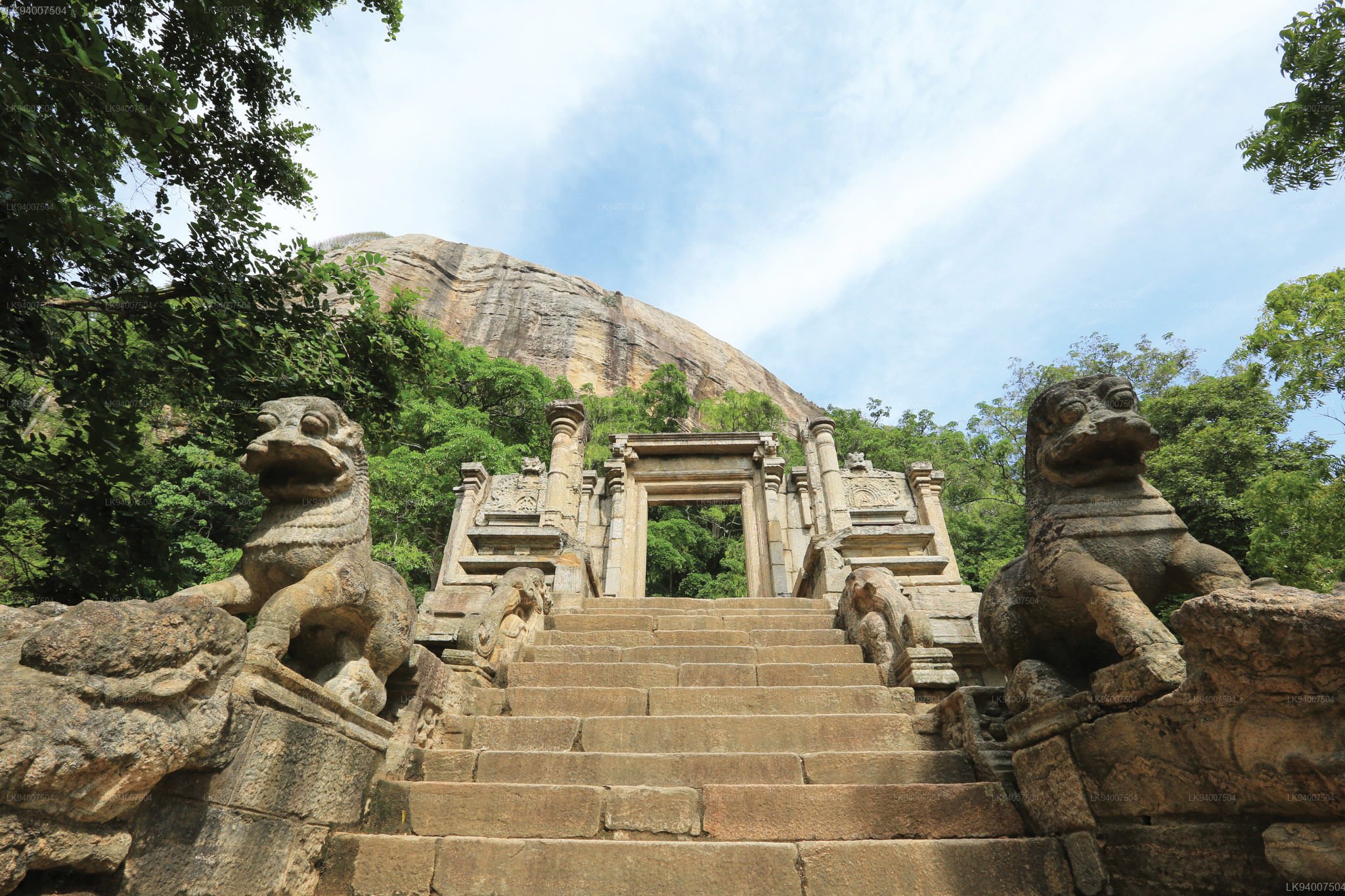
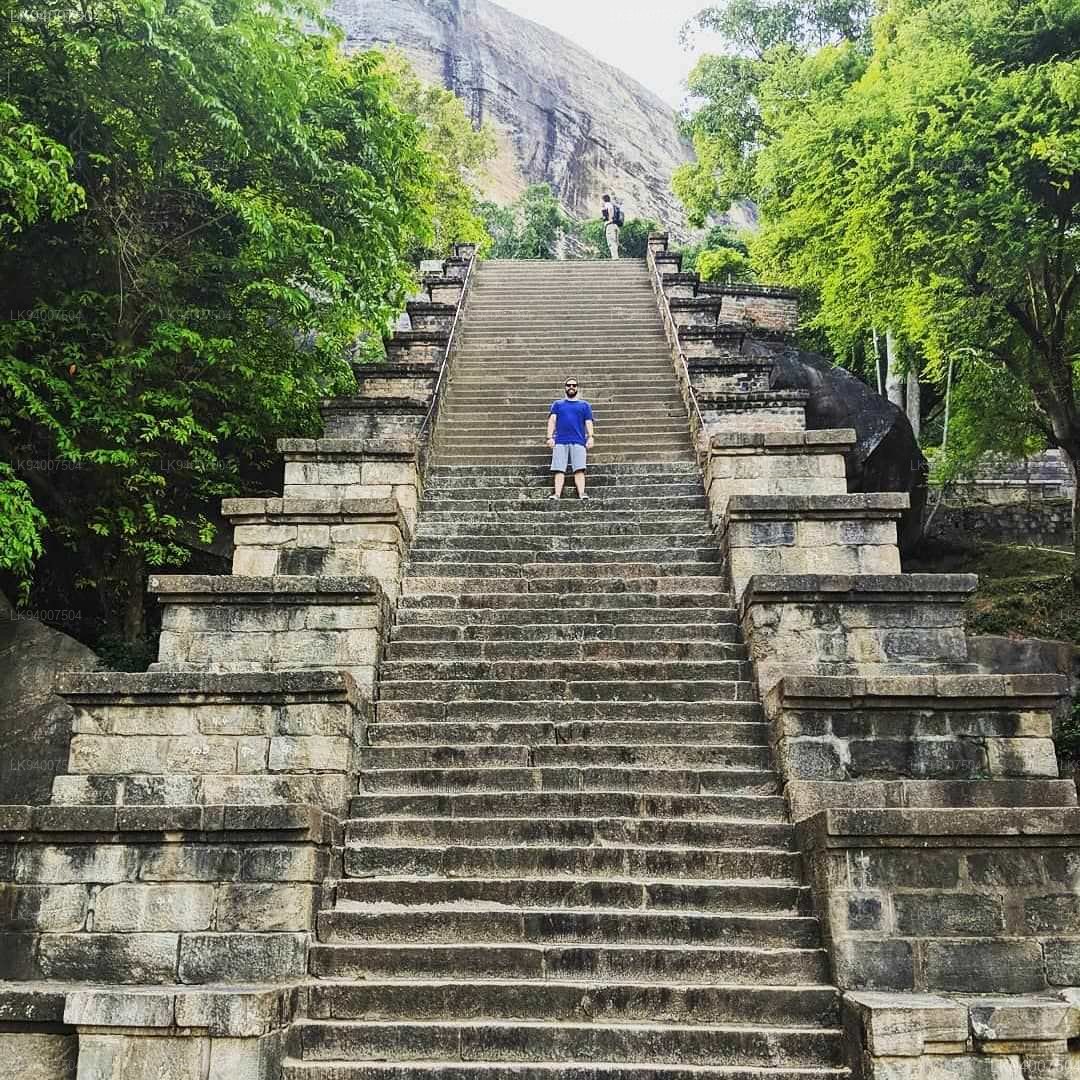
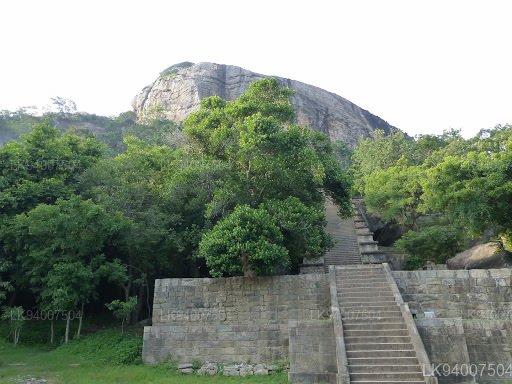
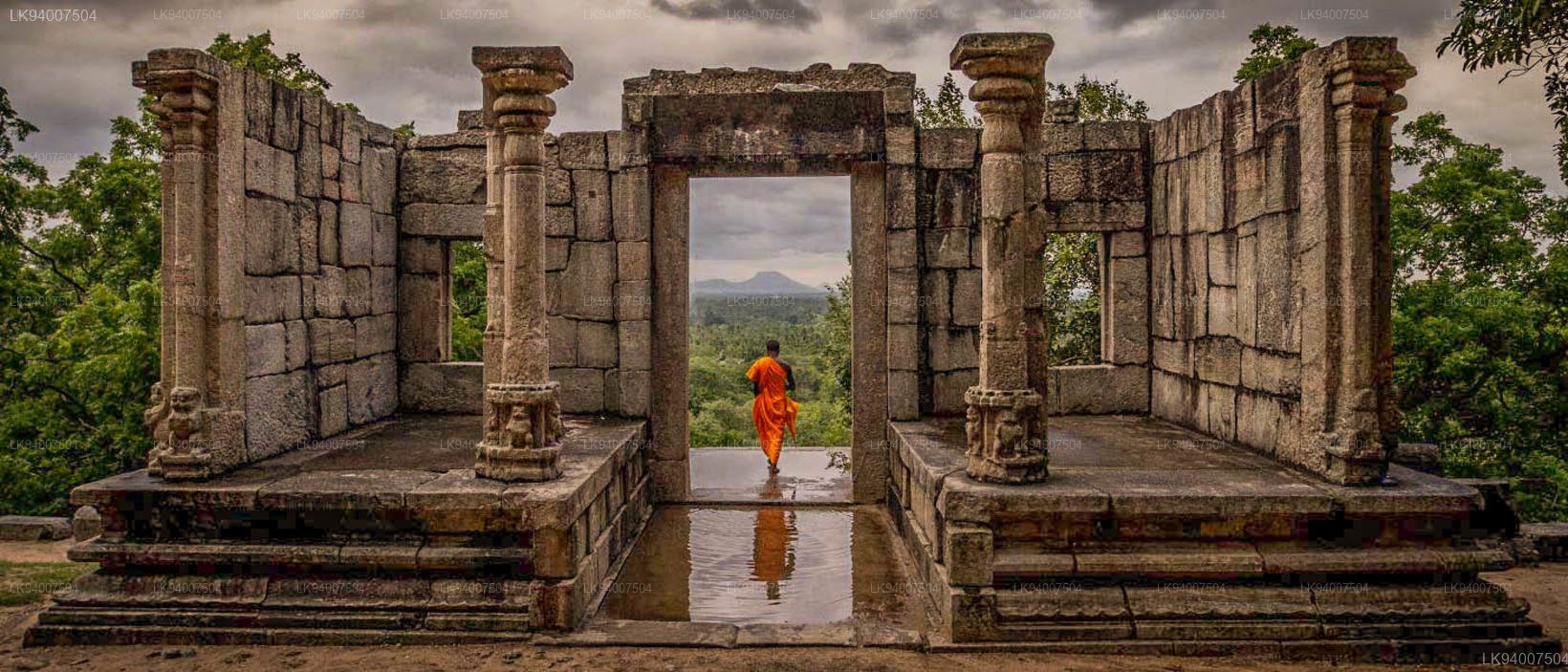
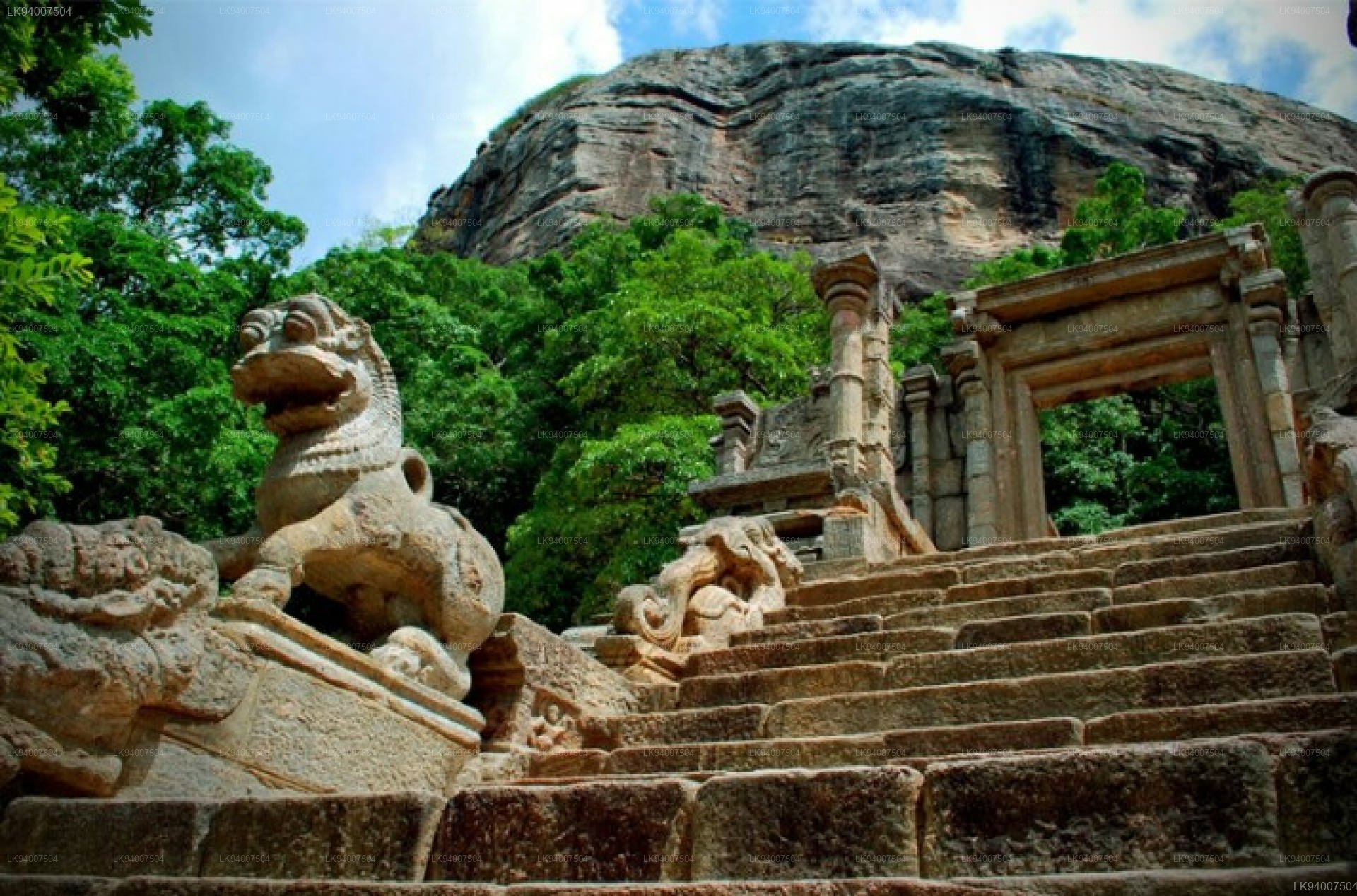
O vasto complexo foi um palácio e uma fortaleza militar no final do século XIII, lar do rei que vivia com medo de um ataque. Naquela época, fossos profundos e grossas muralhas resistiam ao inimigo, mas agora foram cobertos ou nivelados. O centro fenomenalmente fotografado do antigo reino, seu símbolo hoje, é uma escada de pedra muito íngreme. Ela é adornada com esculturas requintadas.

No meio da subida, você encontrará dois leões de pedra grandes e muito distintos, inspirados pela arte chinesa. Eles fazem caretas para o escalador. Esculturas lindas florescem em ambos os lados. Nos tempos antigos, o reinado da ilha estava intimamente associado à Relíquia do Dente Sagrado do Supremo Buda. Portanto, quando o rei deixou o antigo reino de Polonnaruwa, ele o fez com a Relíquia. A história da fortaleza de Yapahuwa está, portanto, intimamente ligada à Relíquia Sagrada. Anos após sua fundação, um exército do sul da Índia invadiu e levou a Relíquia do Dente Sagrado, o que levou ao colapso do reino.

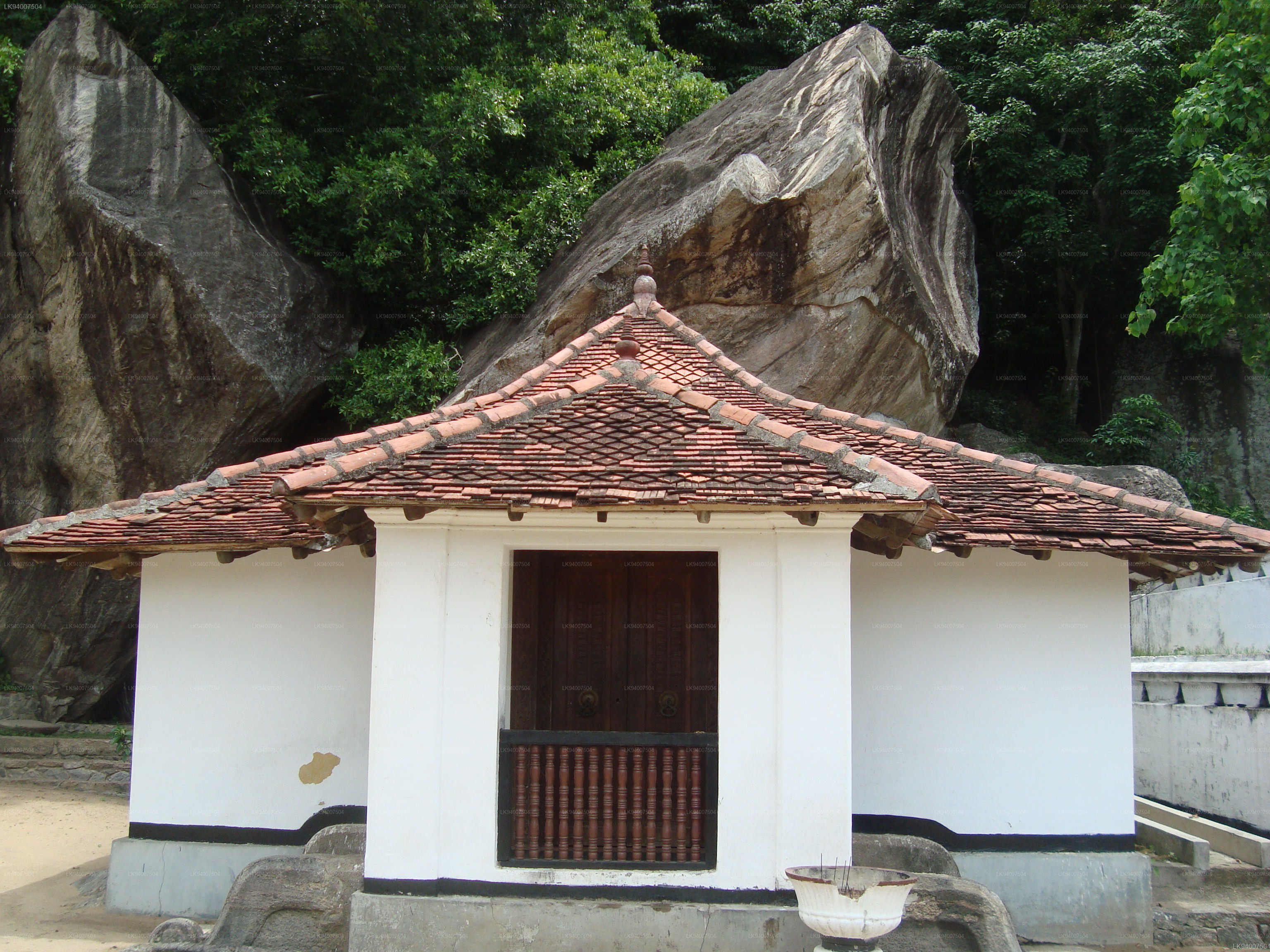
Suba até o topo da montanha para descobrir os vestígios dos primeiros habitantes que viveram aqui. Eles eram monges budistas. Uma pequena estupa varrida pelo vento está localizada ao lado de uma cerca de árvore Bo, bem como uma caverna de rocha. O panorama do topo da montanha captura uma vasta extensão, um patchwork de campos de arroz verdes e florestas que se estendem até as montanhas azuis distantes.
Palace Complex Palace Complex Palace Complex

About Kurunegala District

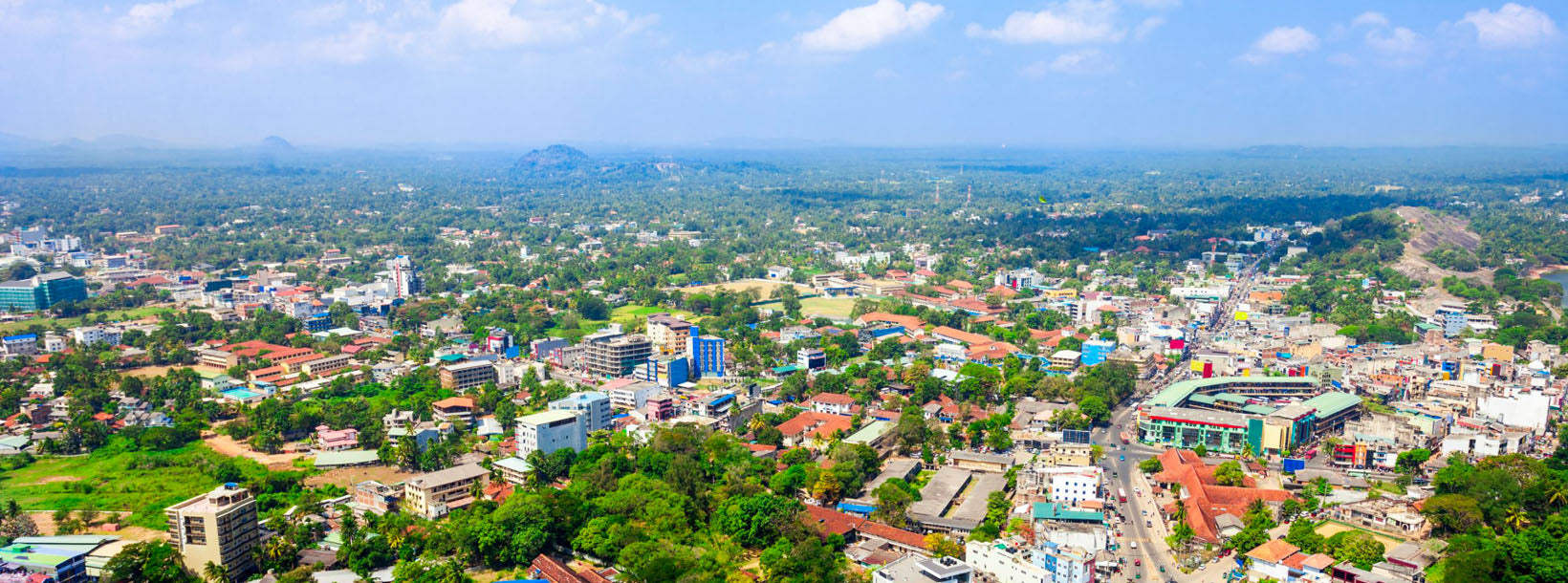
Kurunegala is the capital of the Wayamba Province in Sri Lanka and the Kurunegala District.Kurunegala was a royal capital for only 50 years, from the end of the 13th century to the start of the next, though even before this it was strategically placed in the middle of other majestic strongholds such as Yapahuwa to the north, Dambadeniya to the south and Panduwasnuwara in the east. Ethagala a rock reaching 316 meters, towers over the town, which is located at an altitude of 116 meters above sea level. The shape of Ethagala resembles an Elephant. A transport hub, it has a railway station, and several main roads linking important parts of the country.Kurunegala is situated about 94 km from Colombo, and 42 km from Kandy.

Most of Kurunegala's residents belong to the Sinhalese majority. Other ethnic minorities include the Sri Lankan Moors, Sri Lankan Tamils, Burghers and Malays. Residents from ethnic minorities live in all parts of the city, however, sizeable communities of Moors and Tamils also live in the areas of Teliyagonna and Wilgoda.

About North Western Province

North Western Province is a province of Sri Lanka. The districts of Kurunegala and Puttalam formulate North Western or Wayamba. Its capital is Kurunegala, which has a population of 28,571. The province is known mainly for its numerous coconut plantations. Other main towns in this province are Chilaw (24,712) and Puttalam (45,661), which are both small fishing towns. The majority of the population of Wayamba province is of Sinhalese ethnicity. There is also a substantial Sri Lankan Moor minority around Puttalam and Sri Lankan Tamils in Udappu and Munneswaram. Fishing, prawn farming and rubber tree plantations are other prominent industries of the region. The province has an area of 7,888 km² and a population of 2,184,136 (2005 calculation).

Wayamba is the third largest paddy producing area in Sri Lanka .Wayamba has a highly developed agricultural economy, growing a variety of fruits and vegetables, flowering plants, spices, oil-seeds in addition to the traditional plantation crops such as Coconut, Rubber and Rice. Rich soils and varied climate give Wayamba a potential for growing of virtually any crop.

In Wayamba or North western province, home for ancient Buddhist rock temples, magnificent citadels Panduwasnuwara, Dambadeniya, Yapahuwa and Kurunegala. Impressive remains of those citadels, palaces, Buddhist temples and monasteries provide exciting sight seeing to the visitors.