Oroxylum indicum, known in Sri Lanka as Thotila (තොටිල), is a distinctive tree that stands out in the island's secondary forests with its lanky form, sparse branching, and wide, irregular crown. Belonging to the family Bignoniaceae and the sole member of the genus Oroxylum, it occupies an important place in both Sri Lanka's forest ecology and its long tradition of Ayurvedic medicine.
What does Oroxylum indicum look like?
Thotila is a fast-growing, semi-evergreen to partly deciduous tree that typically reaches 5–8 metres in height, though taller specimens are recorded in favourable conditions. The trunk is notably slender relative to the broad crown, and branches emerge sparsely, giving the whole tree an open, almost skeletal silhouette — particularly striking when the tree sheds its leaves during the dry season.
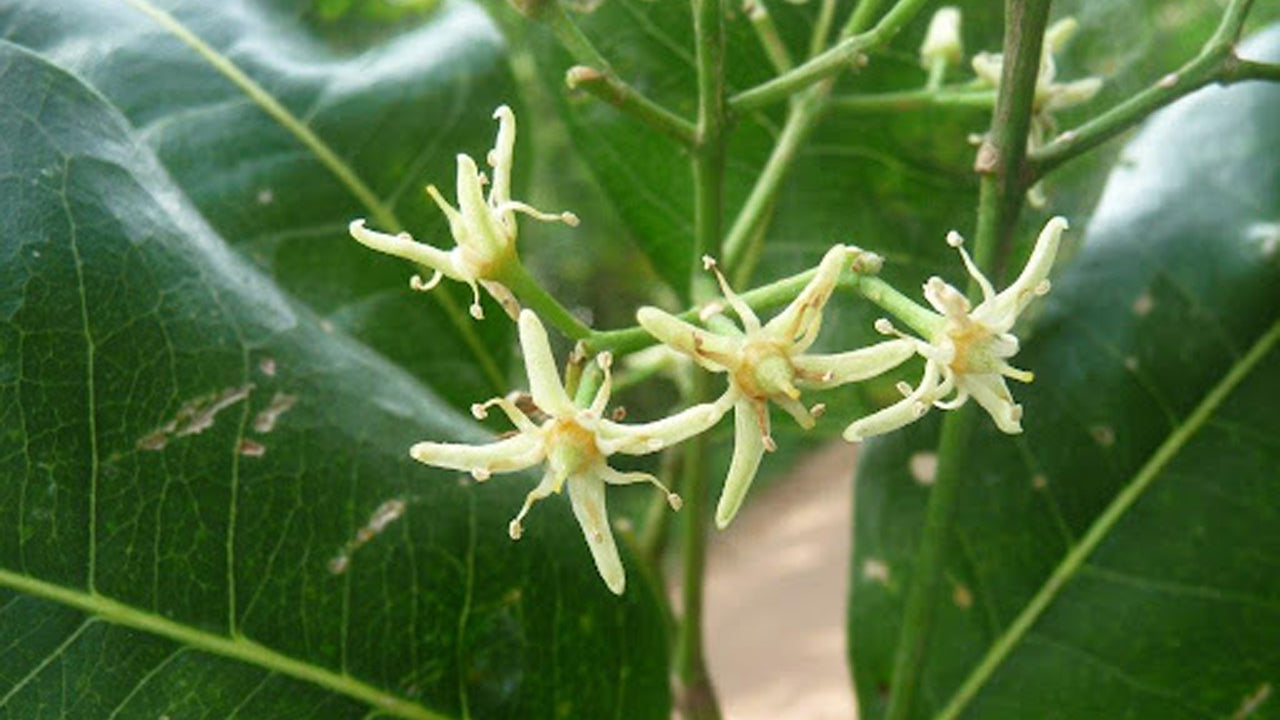
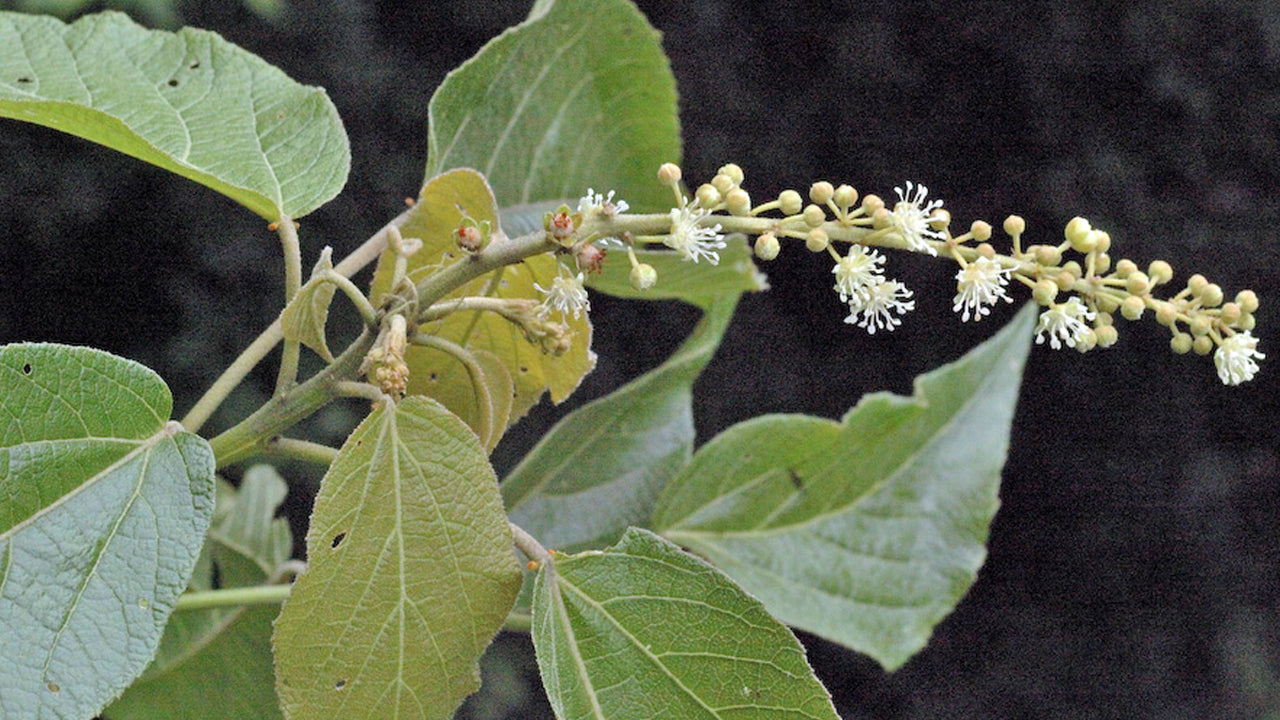
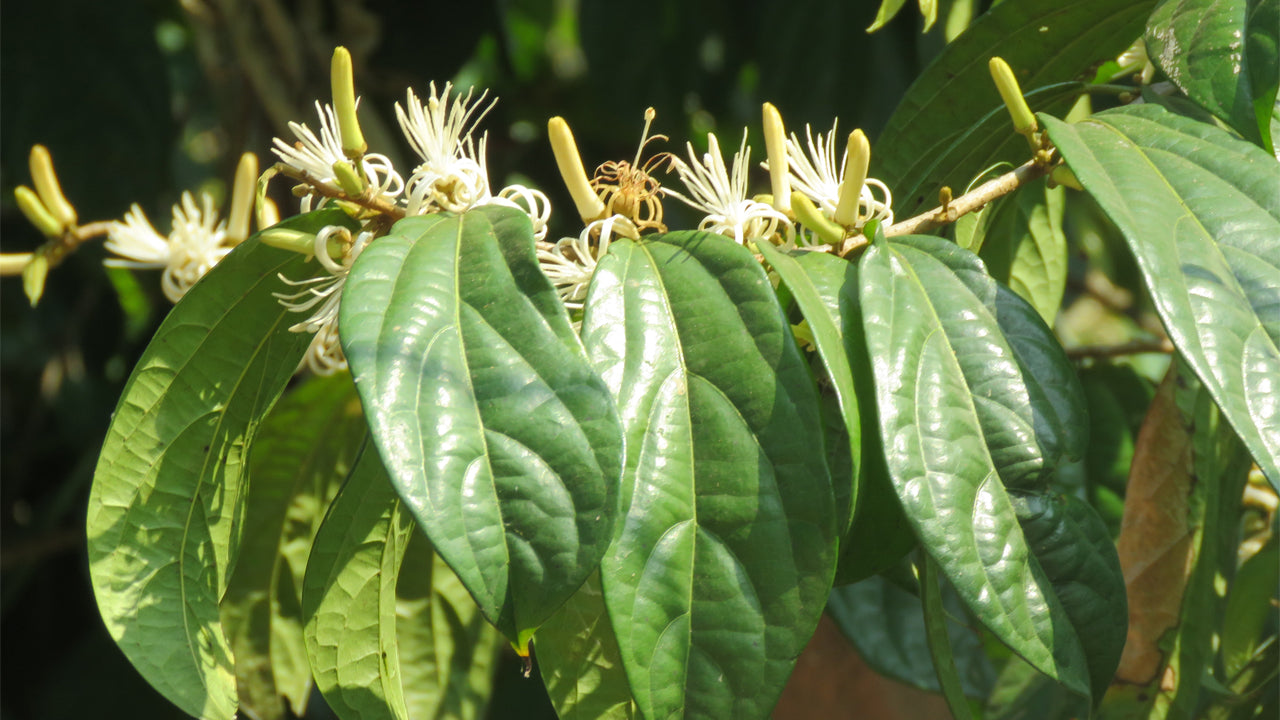
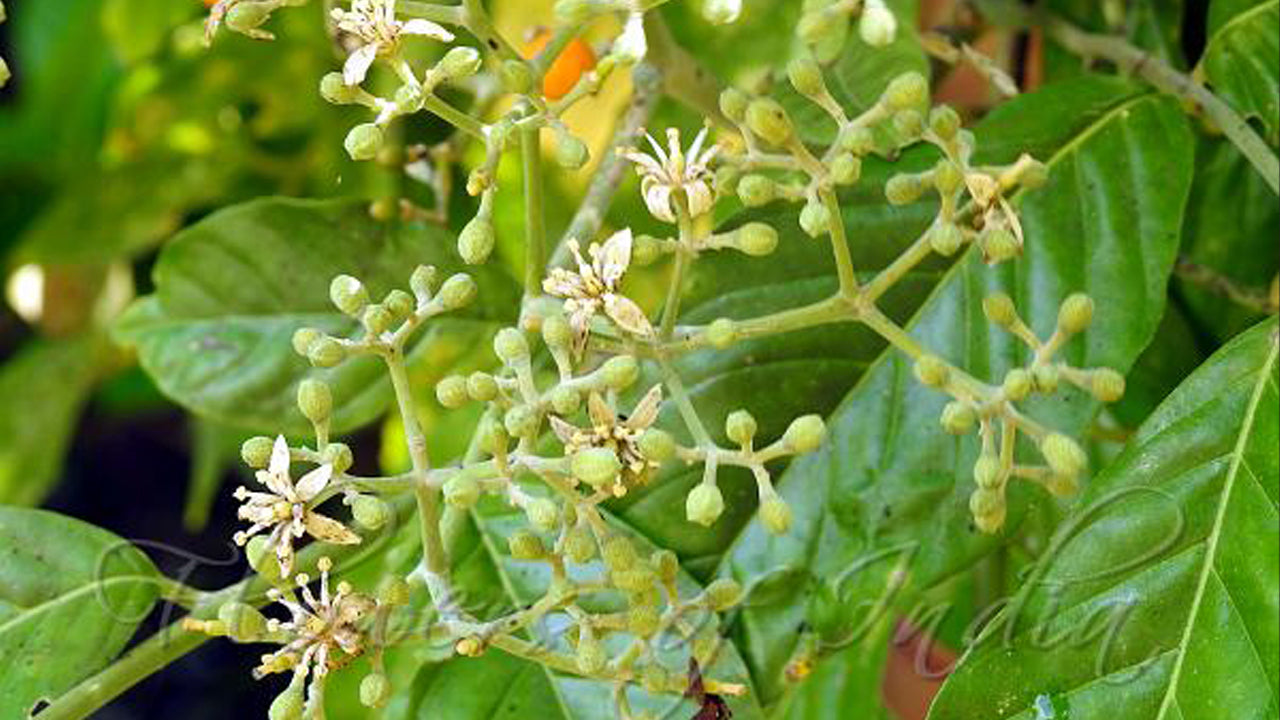
The leaves are large and bipinnate, clustered near the tips of the branches in a manner that recalls a giant fern frond. At night and in cloudy weather, the leaflets fold downward, a behaviour that has fascinated botanists and is reflected in one of the plant's older vernacular names, the "broken bones tree." The flowers emerge on long, erect racemes and are dull purple to maroon on the outside, pale yellow within, opening primarily at night and producing a faint, slightly unpleasant odour that attracts bats as its primary pollinators.
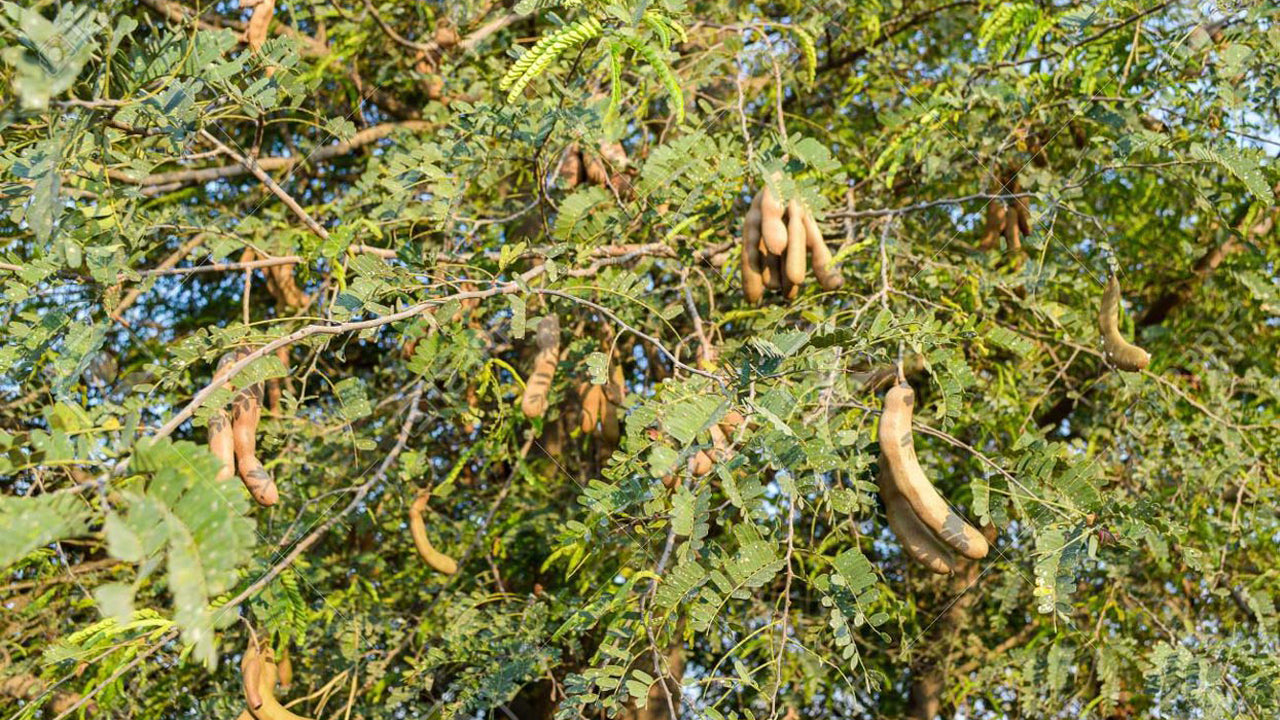
The seed pods are among the tree's most memorable features: flat, woody, and sword-shaped, they can reach a metre or more in length and hang in pairs from the upper branches like enormous brown blades, remaining on the tree long after the seeds have dispersed.
Where does Thotila grow in Sri Lanka?
In Sri Lanka, Oroxylum indicum occurs naturally in secondary forest — areas that have regenerated after clearing or disturbance — and is most commonly found below around 1,000 metres above sea level. It favours the dry and intermediate zones and tends to colonise disturbed ground quickly thanks to its rapid growth rate.
The tree is documented across a range of habitats, from forest margins and roadsides to the edges of cultivated land. Travellers passing through forested stretches near places such as the Sinharaja Forest Reserve buffer zone or the drier lowland regions may notice the distinctive hanging pods or the large compound leaves emerging from sparse canopy gaps.
What is Thotila's role in Ayurvedic medicine?
Oroxylum indicum is formally catalogued among the ayurvedic medicinal plants of Sri Lanka, and its use in traditional healing systems across South and Southeast Asia is well documented. Virtually every part of the plant — root bark, stem bark, leaves, seeds, and flowers — has recorded applications in traditional medicine.
Root bark preparations have historically been used for their reported anti-inflammatory and antipyretic properties. The seeds contain flavonoids, including the compound baicalein, which has attracted interest in pharmacological research for its antioxidant activity. Leaves and bark have been employed in preparations addressing respiratory and digestive complaints. The Acacia chundra tree is another species with a similarly broad footprint in Sri Lankan Ayurvedic practice, reflecting the depth of the island's botanical healing heritage.
In classical Ayurvedic texts, Oroxylum indicum — known in Sanskrit as Shyonaka — is listed as one of the ten roots forming the Dashamula group, a foundational combination used in a wide range of compound formulations. This places it among the most consequential species in the entire Ayurvedic pharmacopoeia, not merely a peripheral folk remedy.
How is Oroxylum indicum used beyond medicine?
Beyond its medicinal applications, the wood of Thotila — light and relatively soft — has traditionally been used for small-scale carpentry and for making splints and boards where lightness matters more than durability. The large flat pods are sometimes used as makeshift platters or packaging in rural areas, though this is largely incidental rather than a systematic use.
Ecologically, the tree plays a useful role as a pioneer species: its rapid establishment on disturbed ground helps stabilise soil and provides early canopy cover that allows slower-growing, more shade-tolerant species to establish beneath it. Its bat-pollinated flowers also contribute to nocturnal pollination networks that support broader forest health.
Is Oroxylum indicum found only in Sri Lanka?
No — Oroxylum indicum has a broad natural distribution extending across South Asia, Southeast Asia, and into parts of East Asia, including India, Nepal, Bangladesh, Myanmar, Thailand, Malaysia, and southern China. Sri Lanka sits at the southwestern edge of this range. The species has been introduced beyond its native range in some tropical regions due to its medicinal reputation and ornamental interest.
Despite its wide range, the species is not considered threatened globally, though localised pressure from habitat clearance and collection of root bark for medicinal use has drawn attention in some range countries. In Sri Lanka, it remains part of the managed catalogue of indigenous medicinal plants used in traditional healthcare systems.
How can I see Oroxylum indicum while visiting Sri Lanka?
The tree is not typically found in formal botanical garden displays in the way that showier ornamentals are, but patient observers exploring secondary forest edges in the lowland wet and dry zones have a reasonable chance of encountering it, especially if looking for the distinctive hanging pods that remain visible for much of the year.
Sri Lanka's network of forest reserves and national parks often borders secondary growth where Thotila is present. A visit to the dry-zone parks or the edges of the intermediate-zone forests — perhaps combined with a nature walk arranged through an experienced local guide — gives the best opportunity for a sighting. The Pongamia pinnata is another medicinal tree commonly encountered along similar habitat edges across the island.
Key facts at a glance
| Common name (Sri Lanka) | Thotila (තොටිල) |
|---|---|
| Scientific name | Oroxylum indicum (L.) Kurz |
| Family | Bignoniaceae |
| Genus | Oroxylum (monotypic) |
| Average height | 5–8 metres |
| Typical altitude range | Below approximately 1,000 m |
| Habitat | Secondary forest, forest margins, disturbed ground |
| Pollination | Primarily bat-pollinated (nocturnal flowers) |
| Ayurvedic significance | One of the ten roots of Dashamula |
| Distribution | South Asia, Southeast Asia, East Asia |