Justiça adhatoda


Justicia adhathoda, comumente conhecida como adhatoda, noz-malabar ou "Pavatta" em cingalês, é um arbusto medicinal nativo do Sri Lanka. Esta planta perene é amplamente reconhecida na medicina tradicional ayurvédica e siddha por suas propriedades terapêuticas, especialmente no tratamento de afecções respiratórias.
A planta contém alcaloides como a vasicina, que apresentam fortes efeitos broncodilatadores e anti-inflamatórios. Suas folhas, flores, raízes e cascas são usadas para preparar remédios fitoterápicos para condições como asma, bronquite, tosse e resfriados. Justicia adhathoda também é um recurso valioso para a biodiversidade devido às suas propriedades naturais repelentes de insetos e resiliência ecológica.
No Sri Lanka, Justicia adhathoda pode ser frequentemente encontrada crescendo em jardins rurais, jardins de ervas e instituições ayurvédicas. Visitantes interessados em tradições fitoterápicas podem encontrar esta planta durante passeios etnobotânicos ou ao explorar parques ecológicos focados em bem-estar. Suas folhas verdes brilhantes e flores brancas distintas facilitam seu reconhecimento.
Este arbusto resistente cresce bem em climas tropicais e floresce durante todo o ano, prosperando particularmente em regiões de terras baixas e médias altitudes. Sua adaptabilidade e valor medicinal continuam a torná-lo uma parte essencial da paisagem natural e cultural do Sri Lanka, servindo como ponte entre as práticas de cura tradicionais e o bem-estar fitoterápico moderno.


-
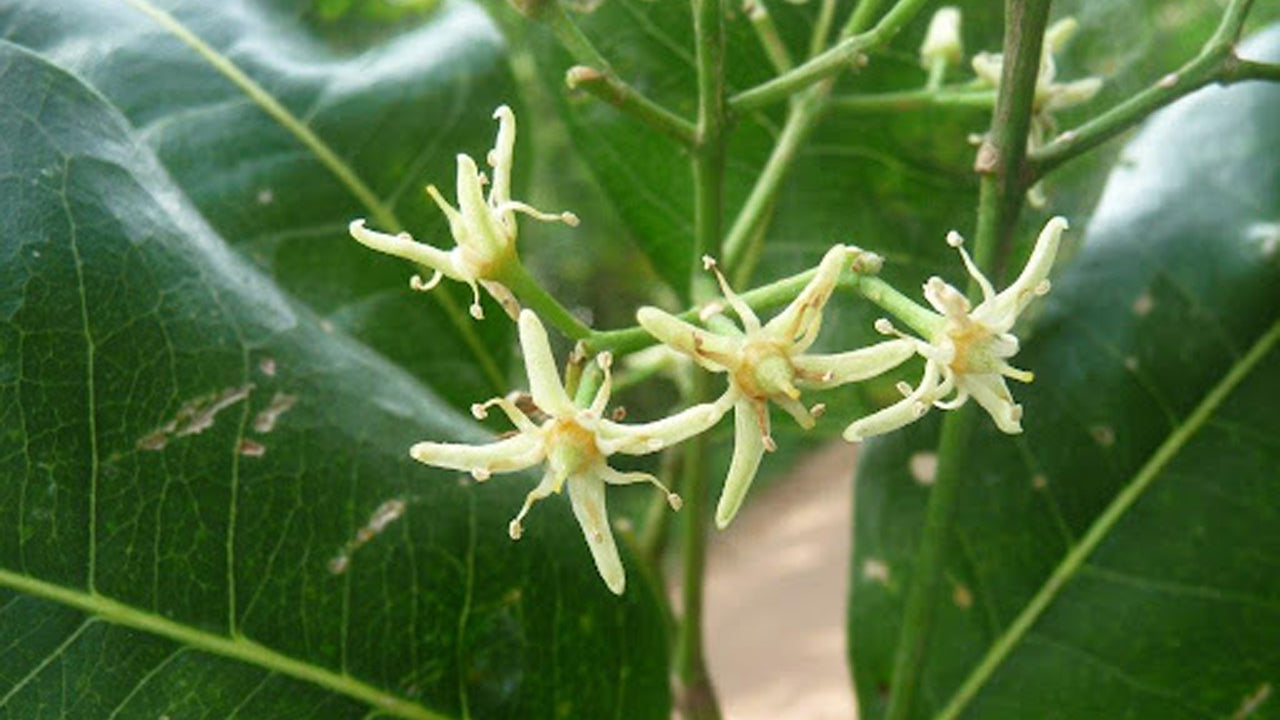
Claw-flowered laurel
Acronychia pedunculata -
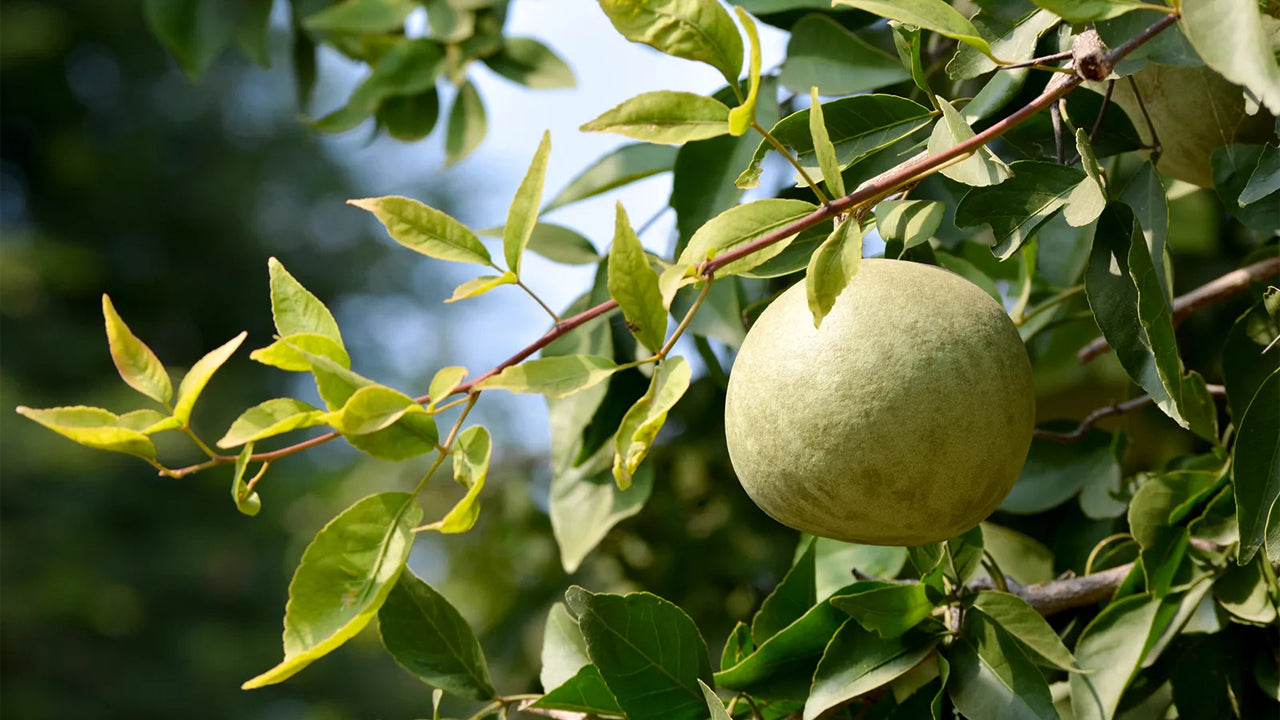
Bael
Aegle marmelos -
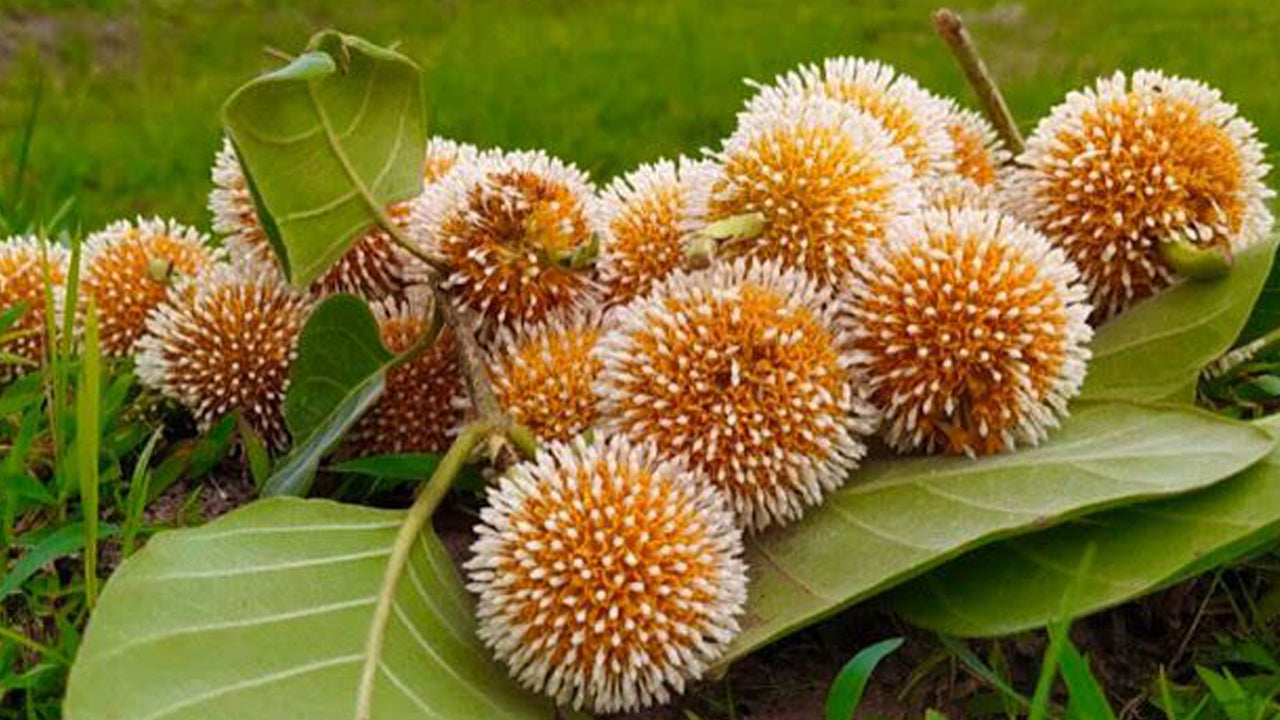
Leichhardt tree
Nauclea orientalis -
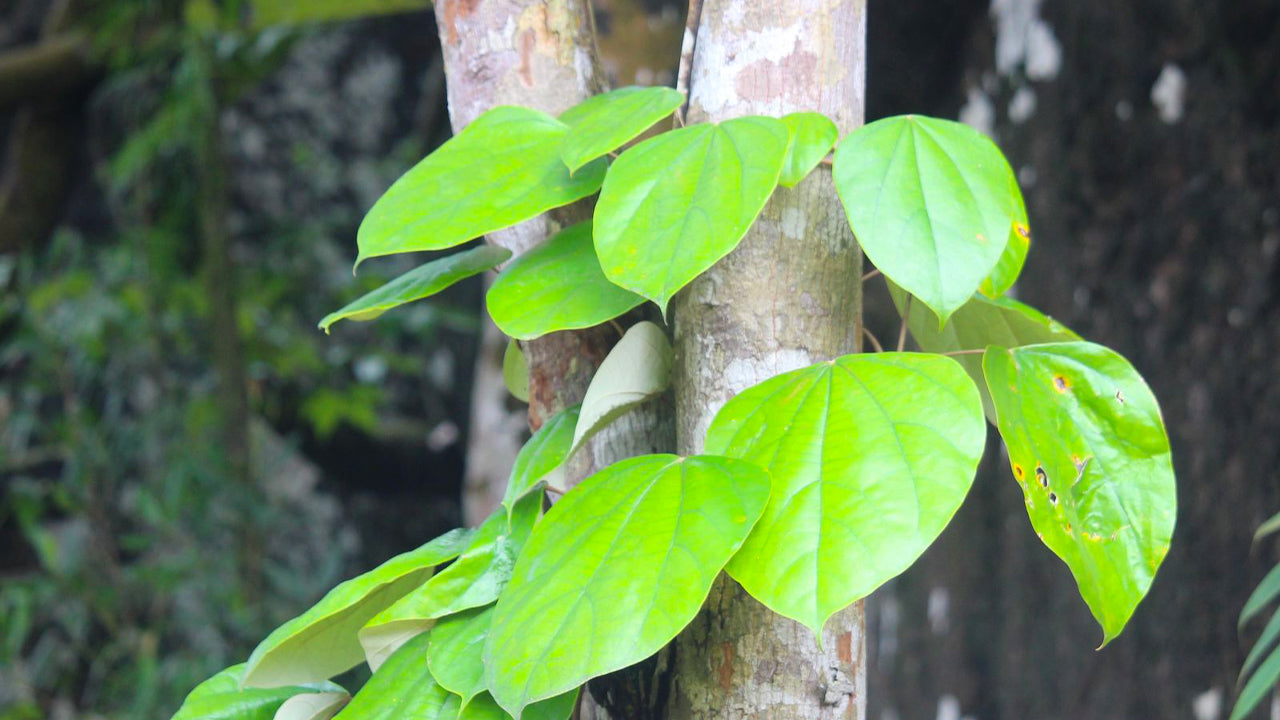
False Calumba
Coscinium fenestratum -

Malabar Gulbel
Tinospora malabarica -
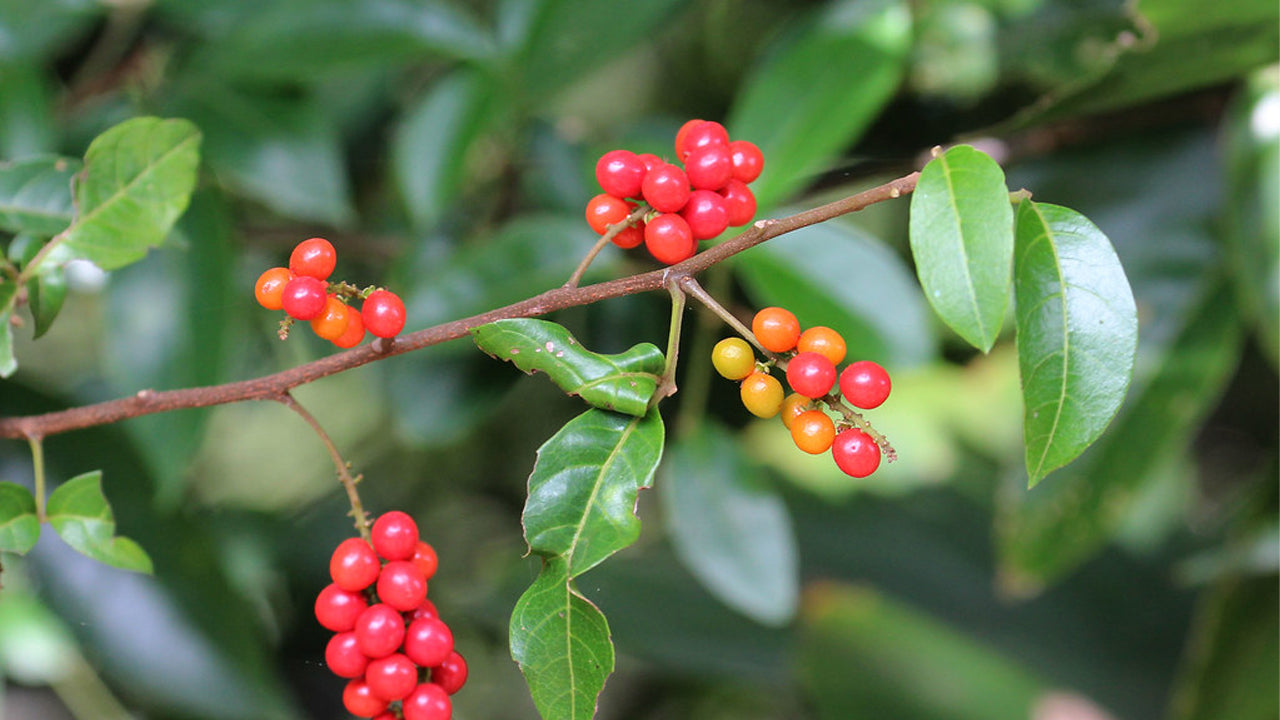
Titberry
Allophylus cobbe -
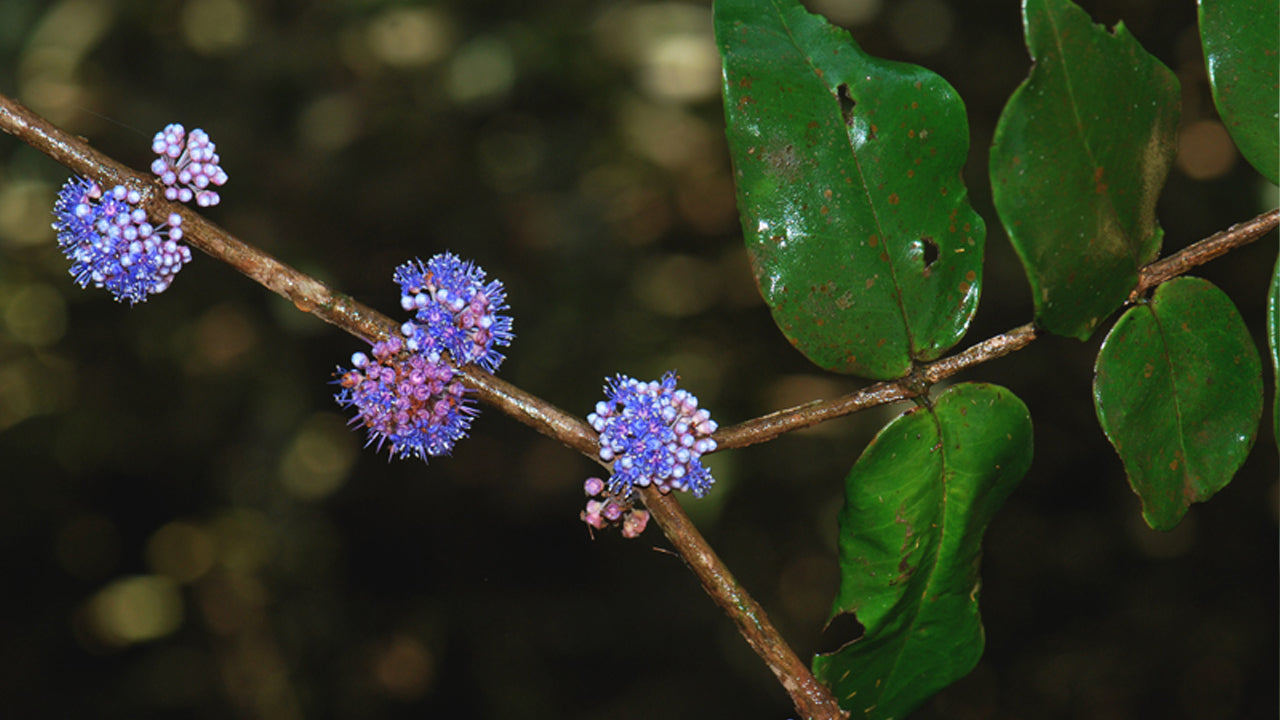
Ironwood Tree
Memecylon capitellatum -
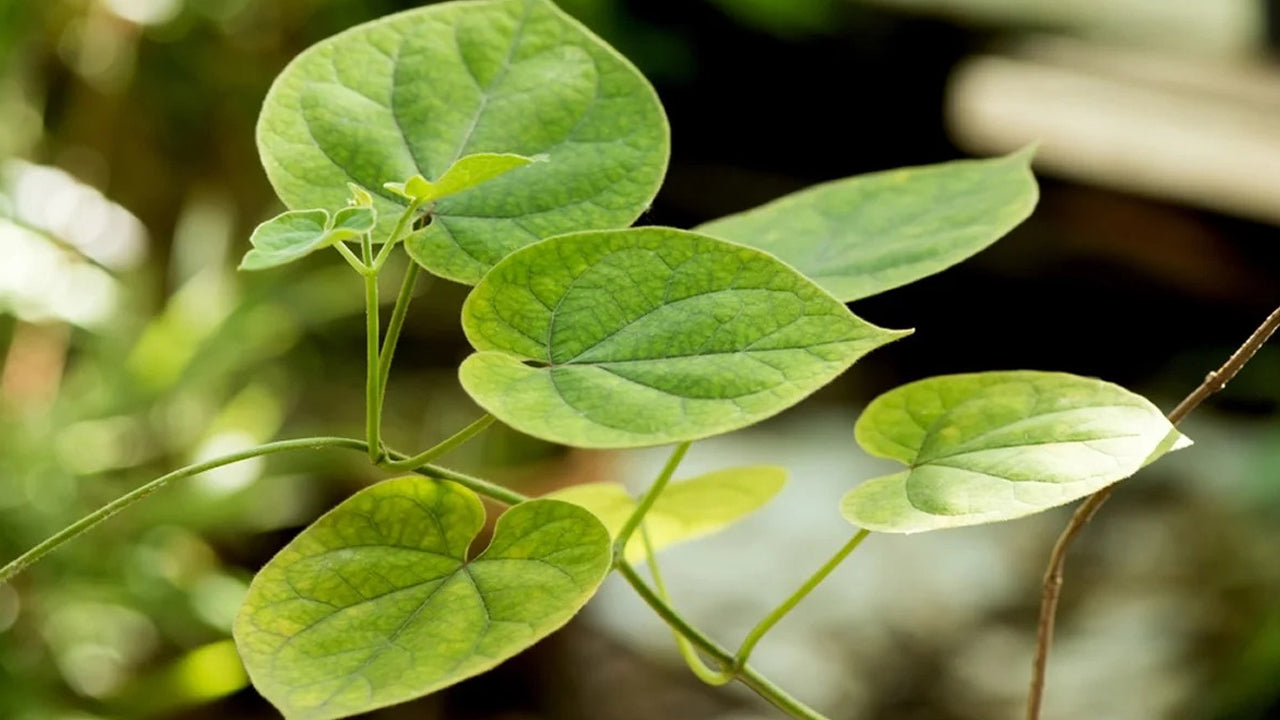
Velvet Leaf
Cissampelos pareira -
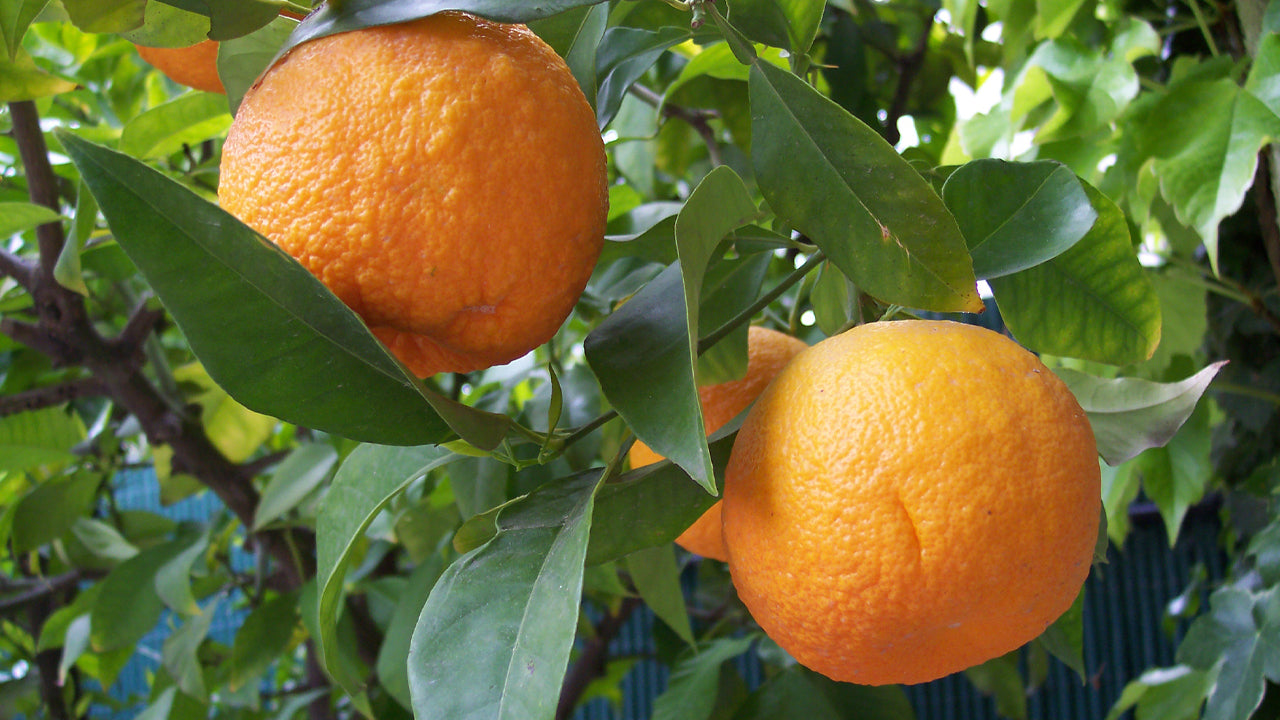
Bitter orange
Citrus aurantium -

Reinwardt's Tree Plant
Biophytun reinward -
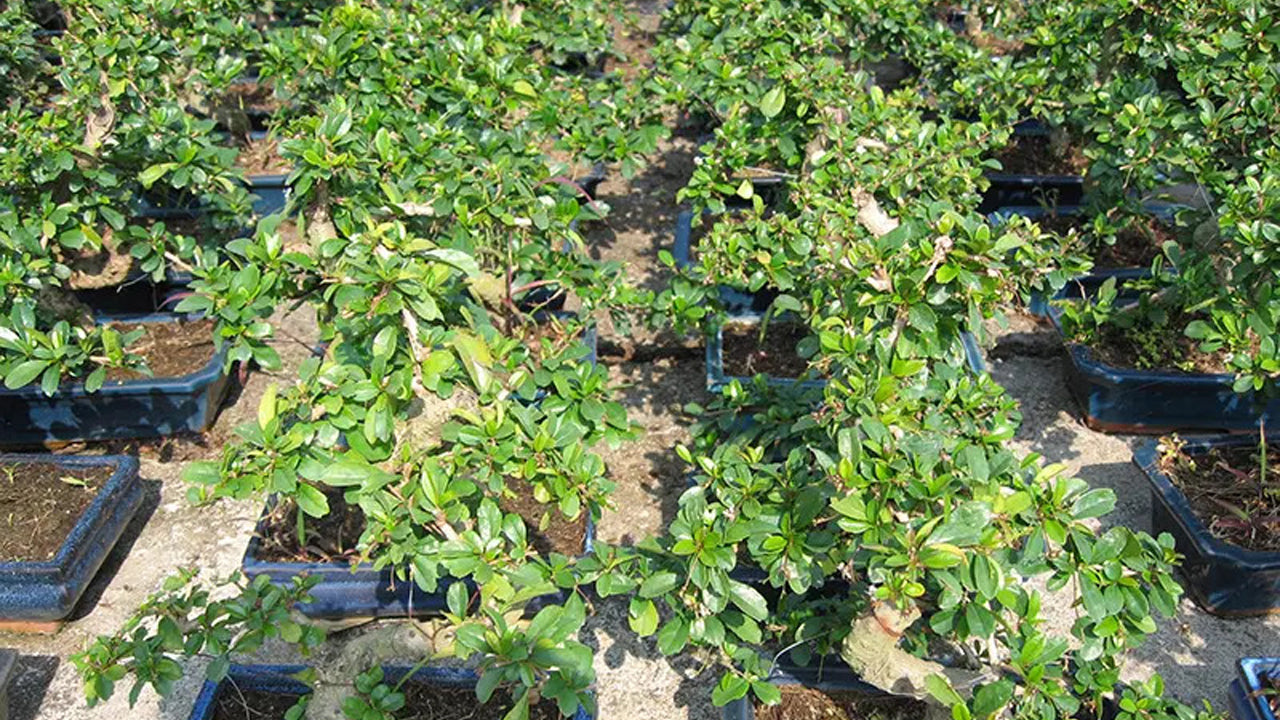
Fukien tea
Carmona microphylla -
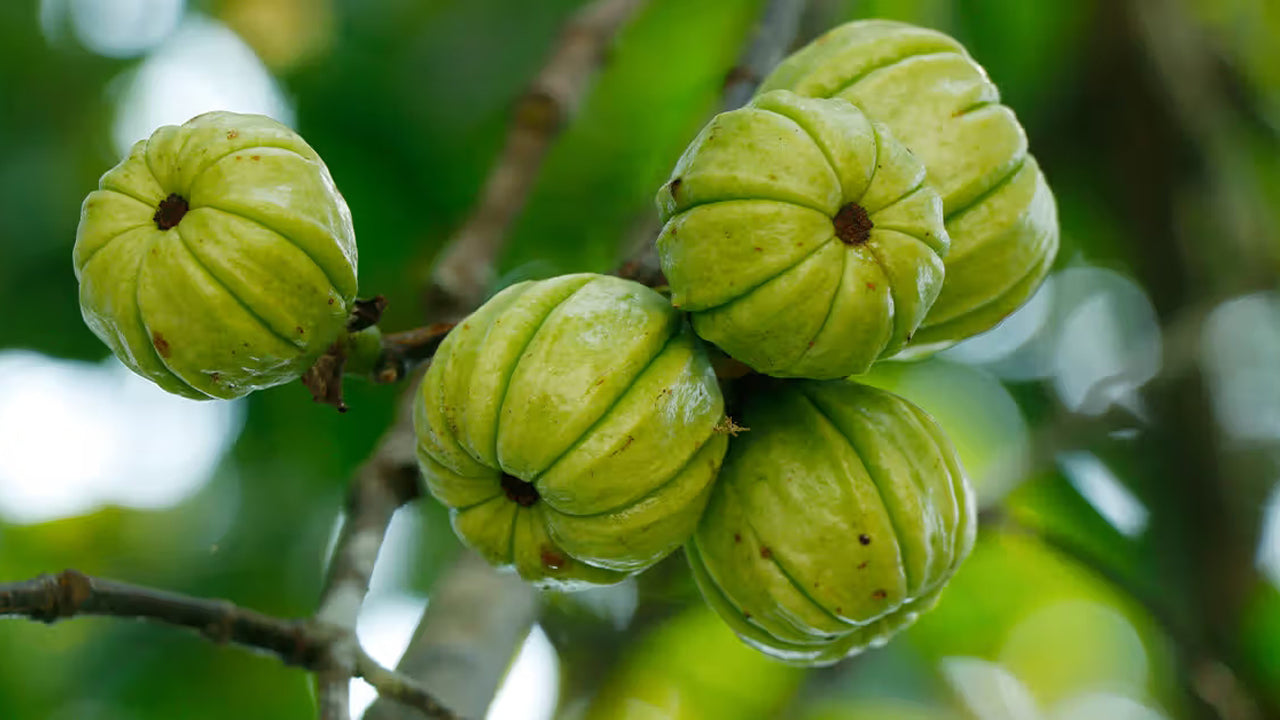
Malabar tamarind
Garcinia cambogia -
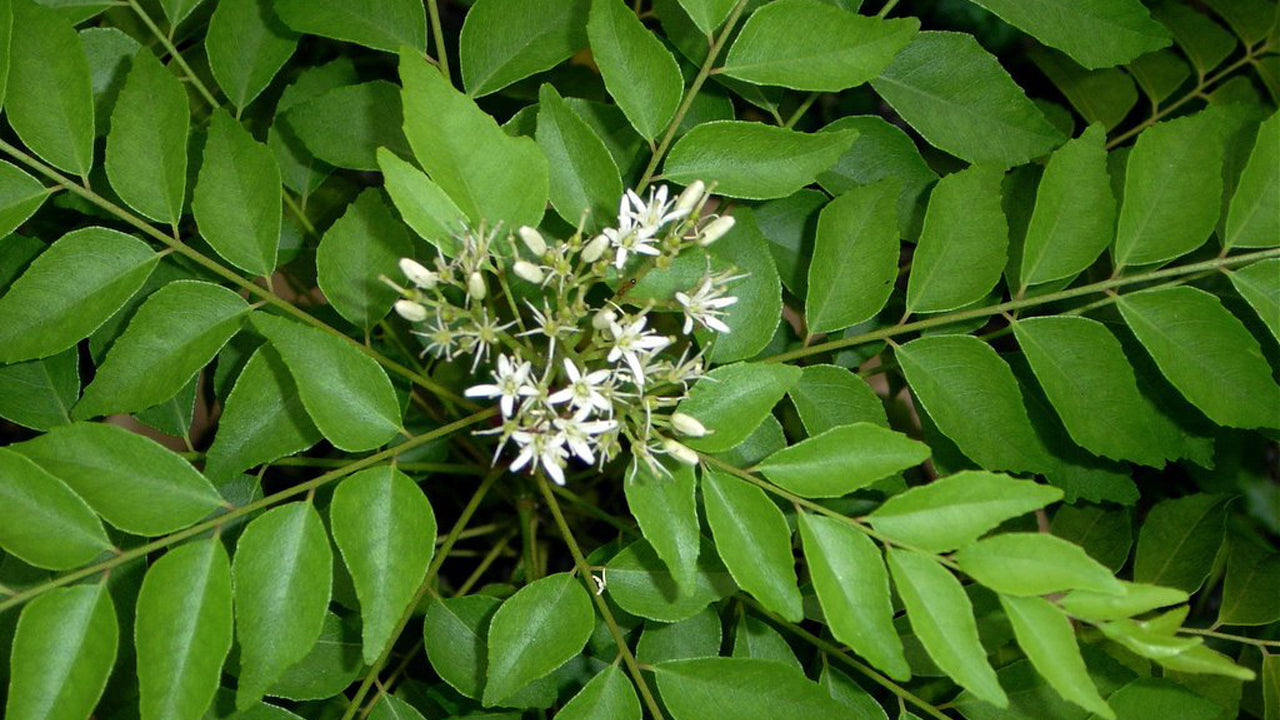
Curry leaf tree
Murraya koenigii -
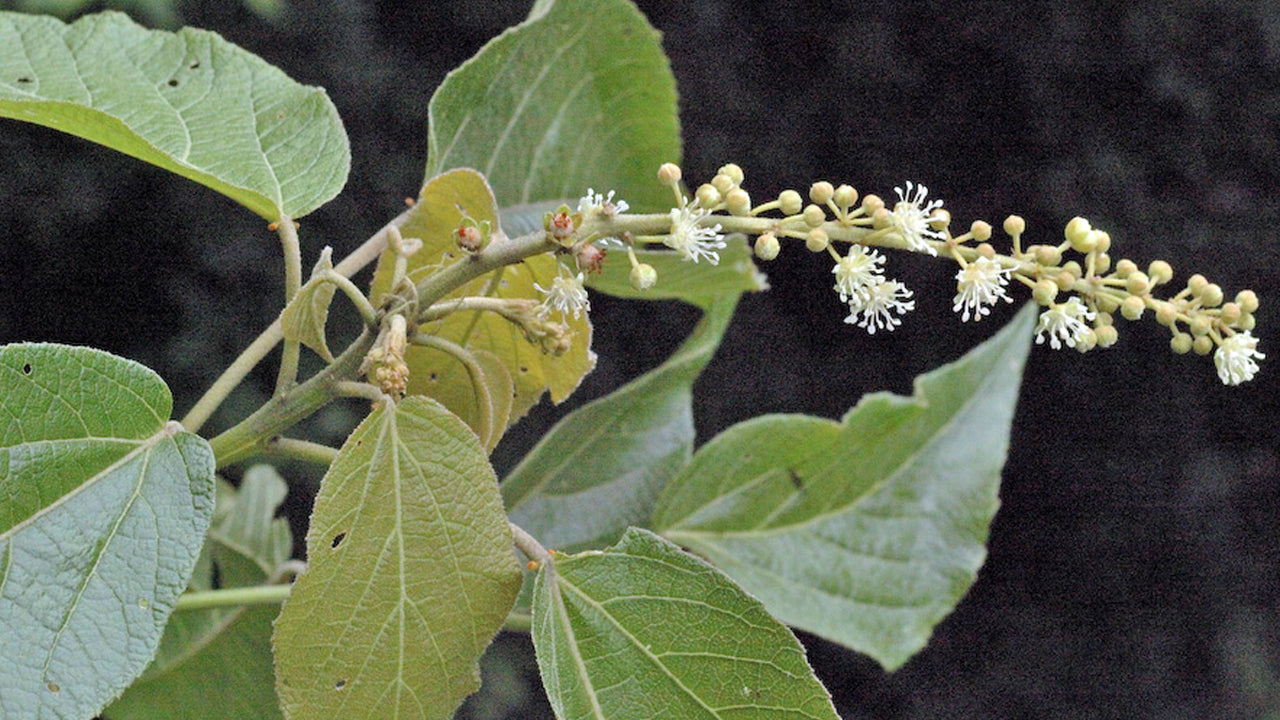
Kappetiya
Croton laccifer -
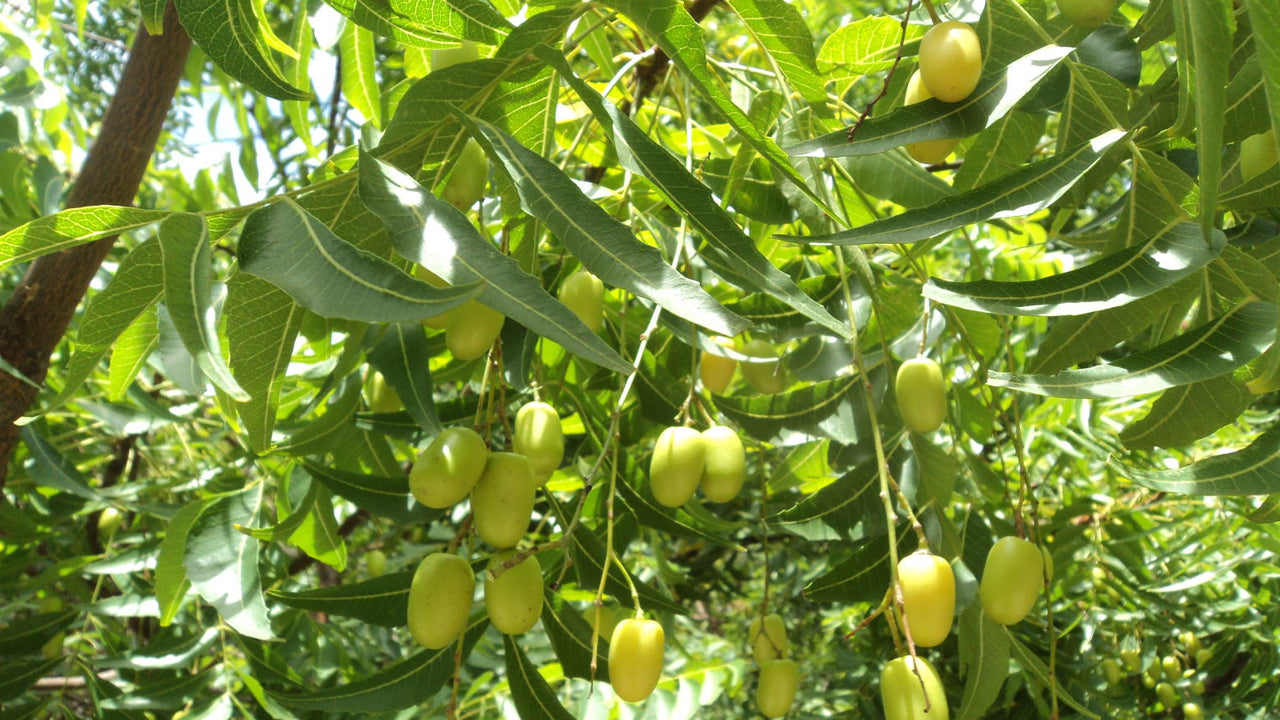
Indian lilac
Azadirachta indica -
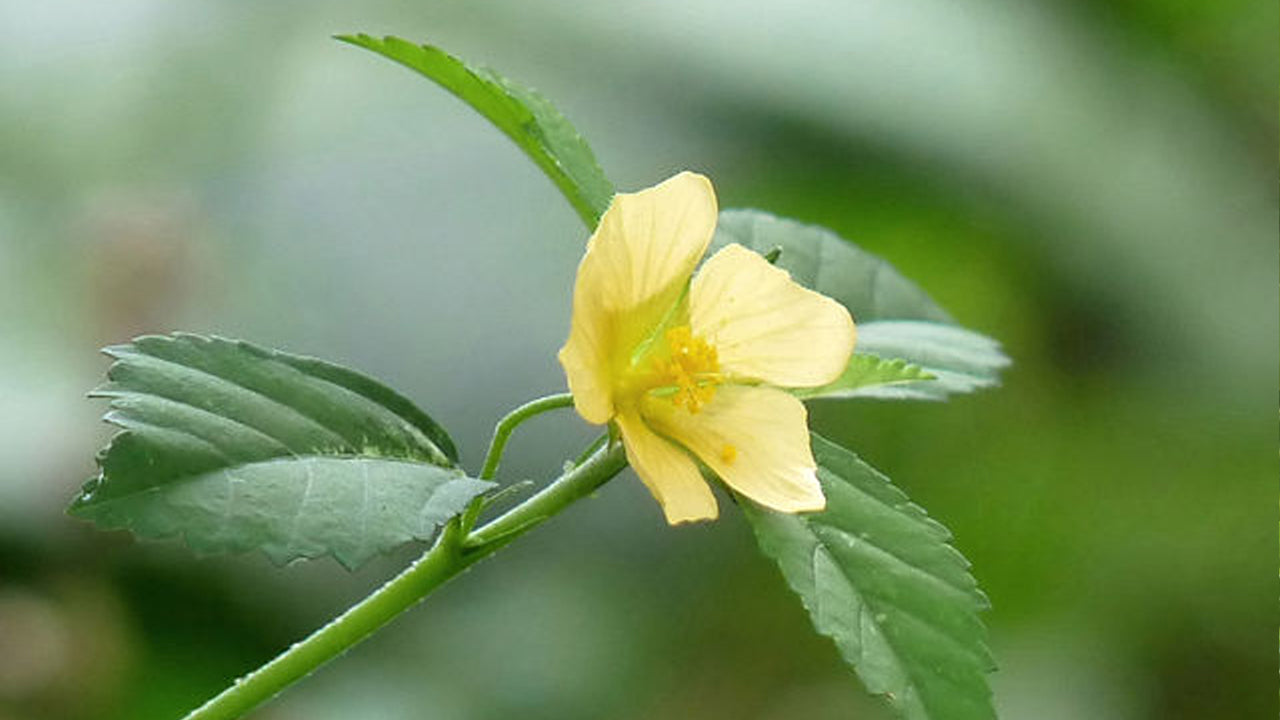
Spiny sida
Sida alba -
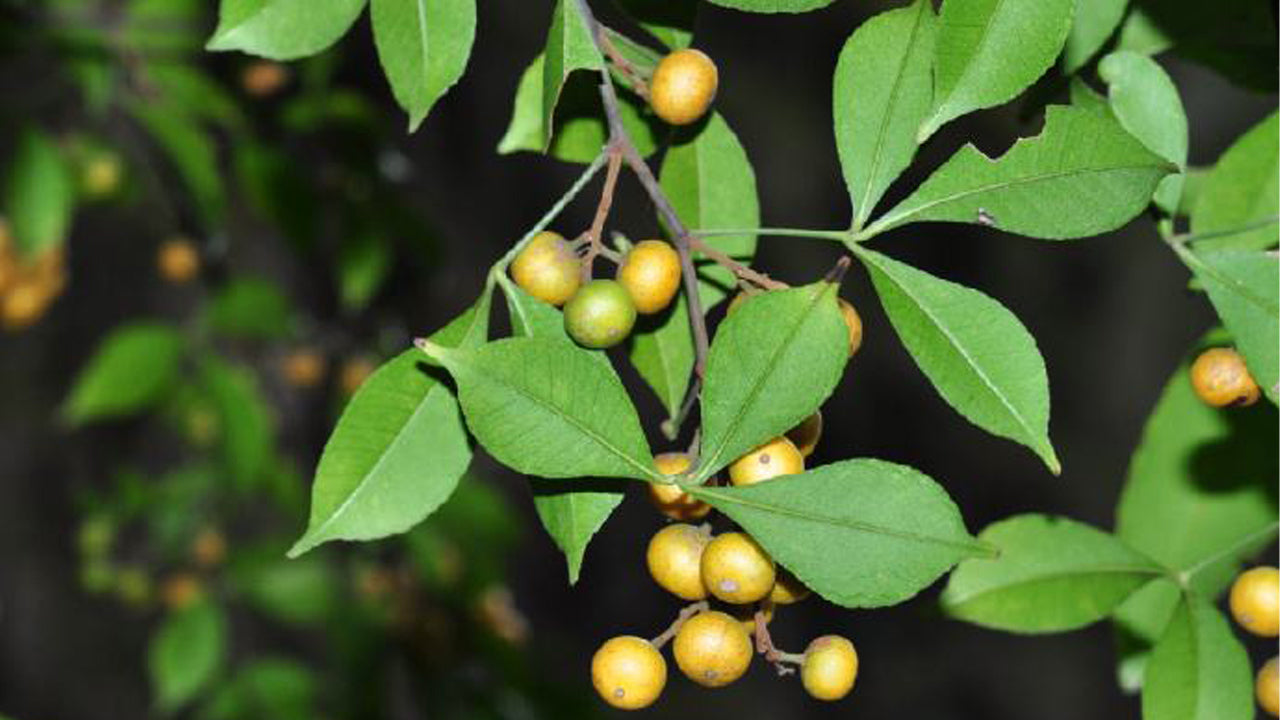
Orange climber
Toddlia asiatica -
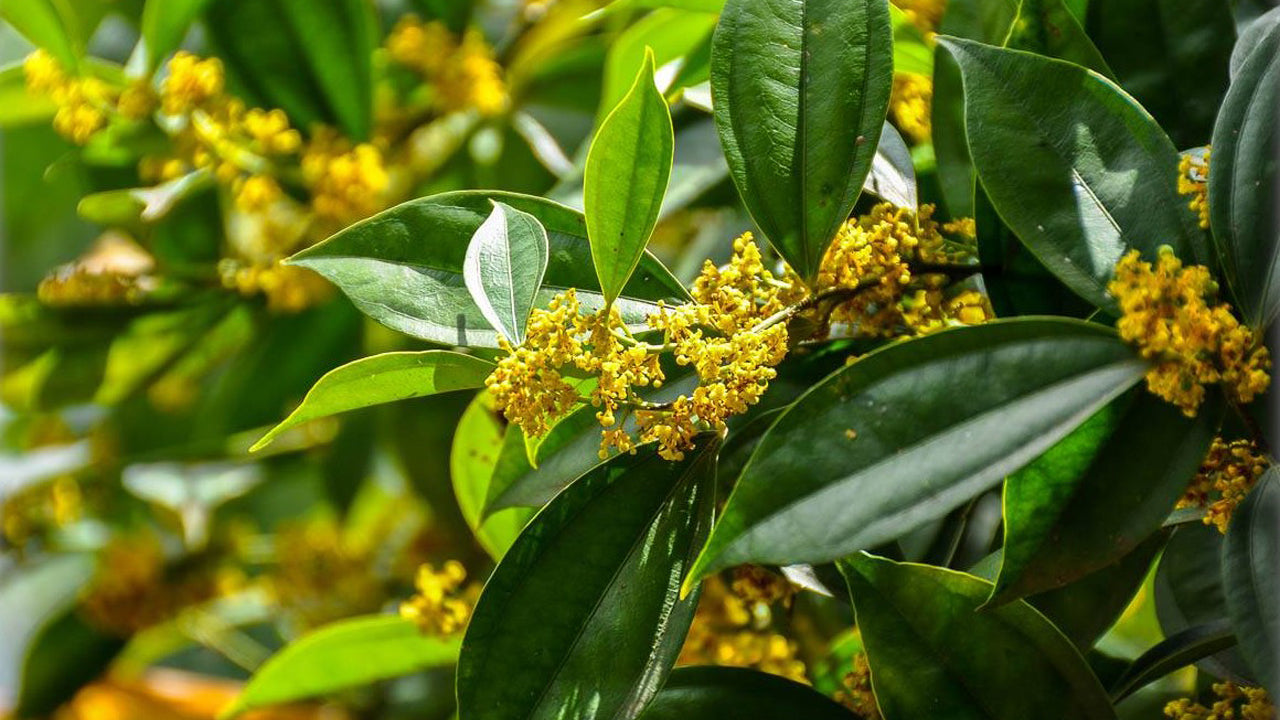
Ceylon cinnamon
Cinnamomum zeylanicum -
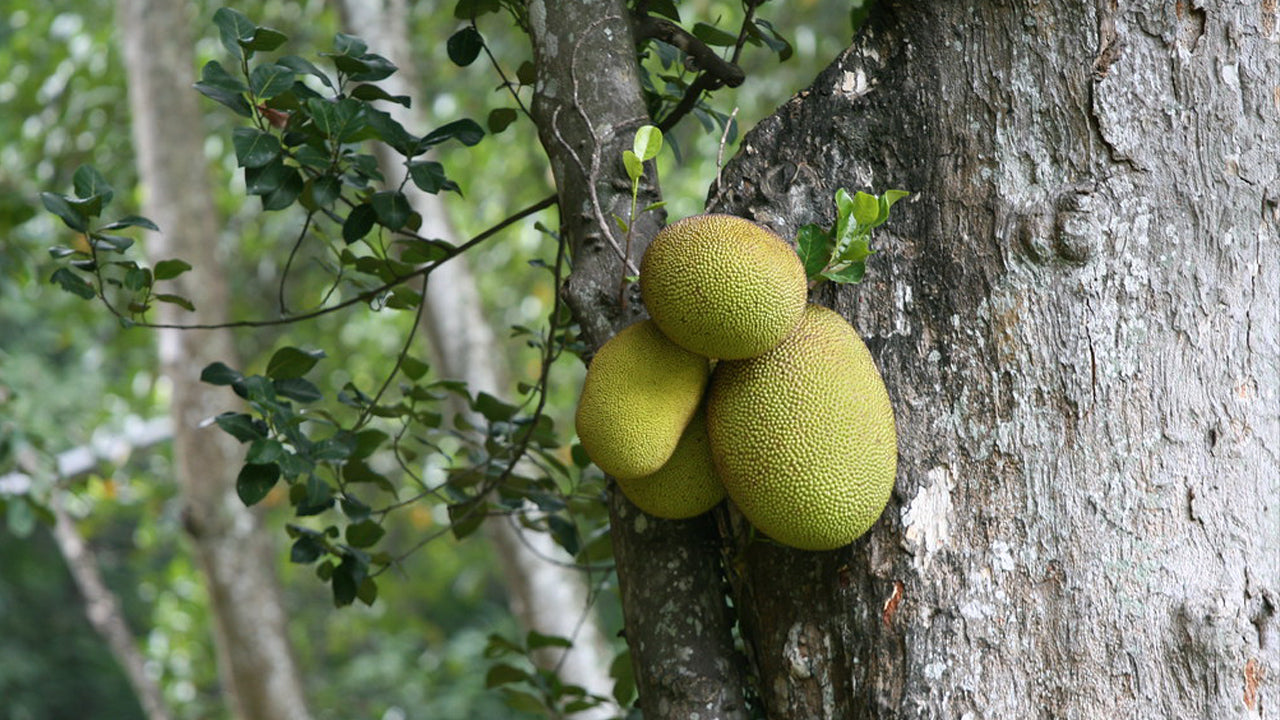
Jackfruit
Artocarpus heterophyllus -
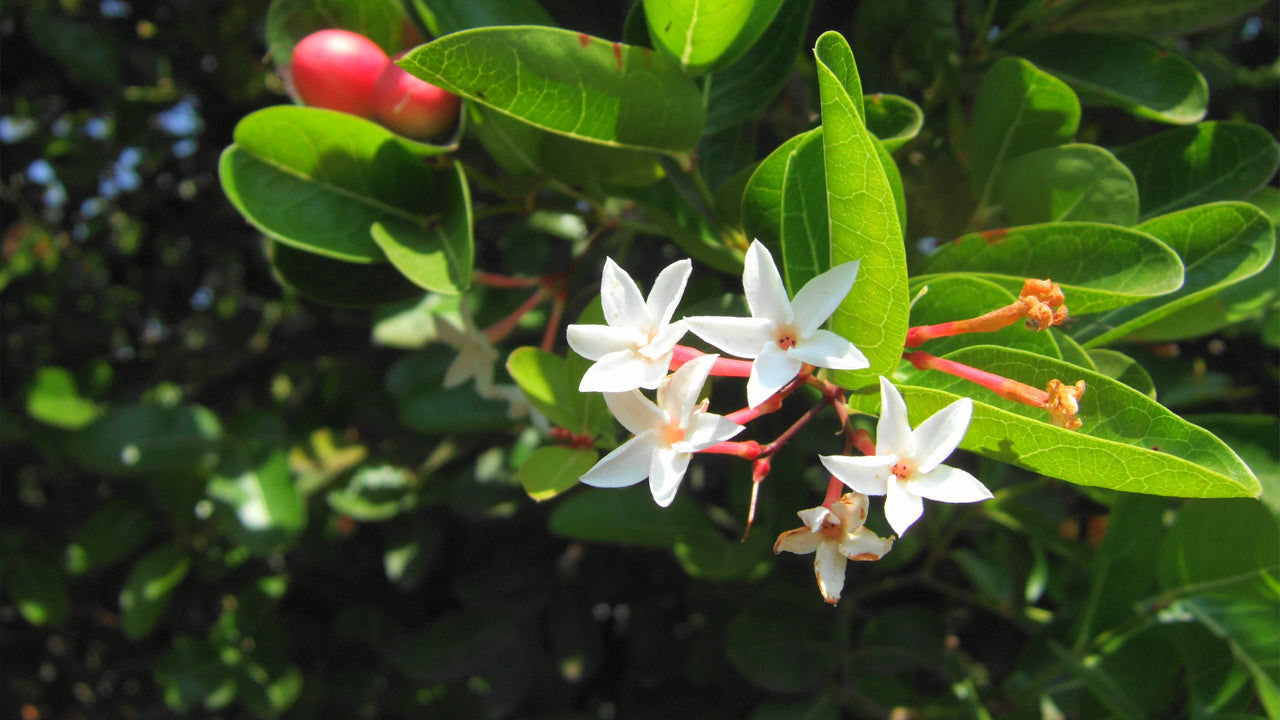
Karonda
Carissa carandas -
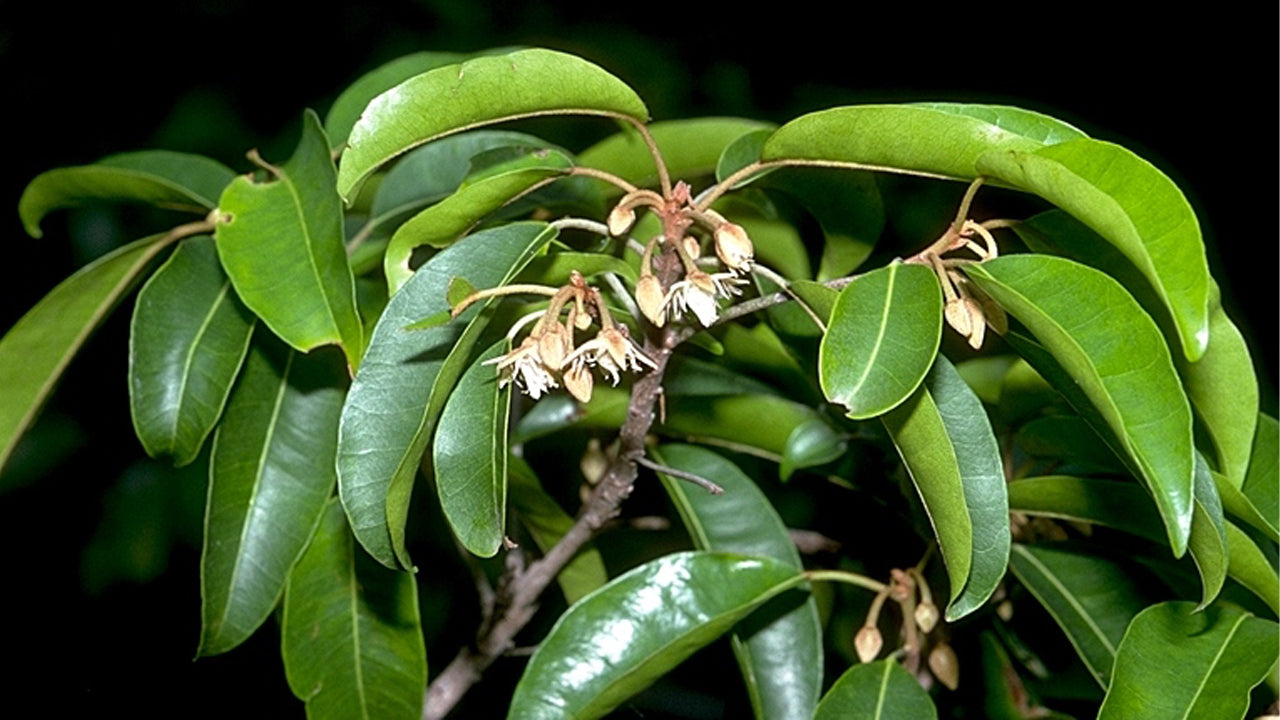
Spanish cherry
Mimusops elengi -
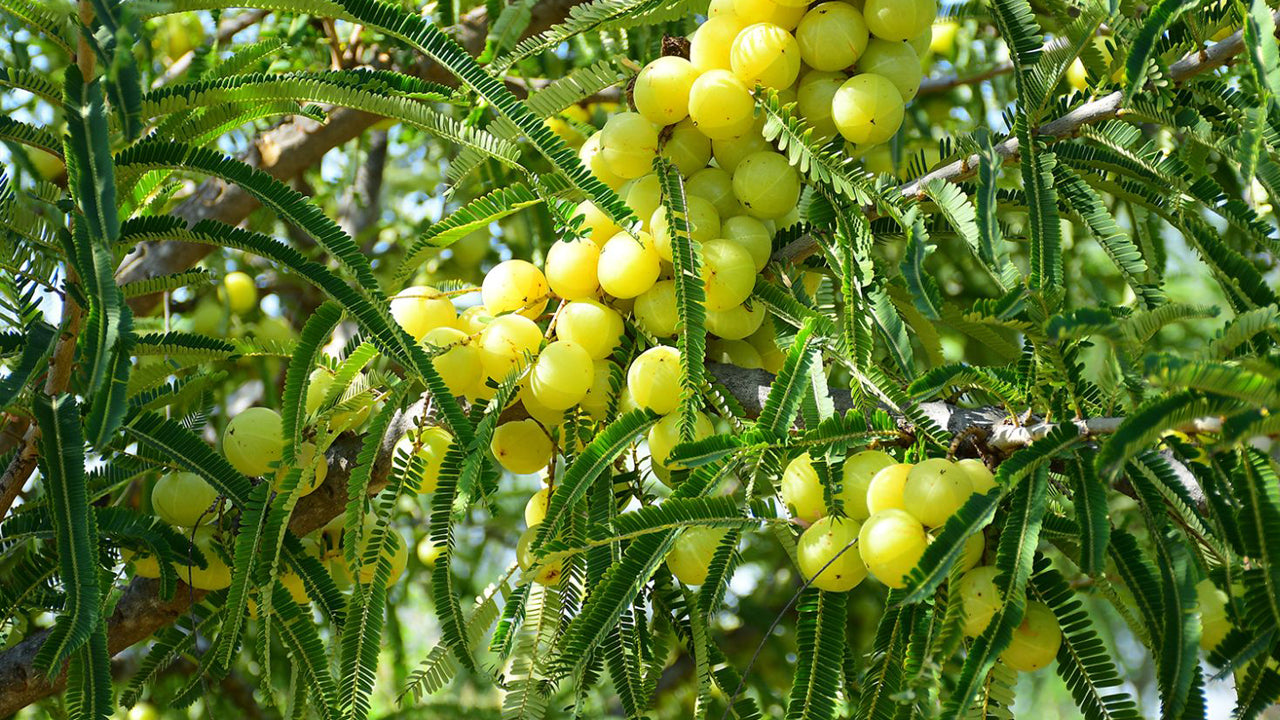
Indian gooseberry
Phyltanthus emblica -
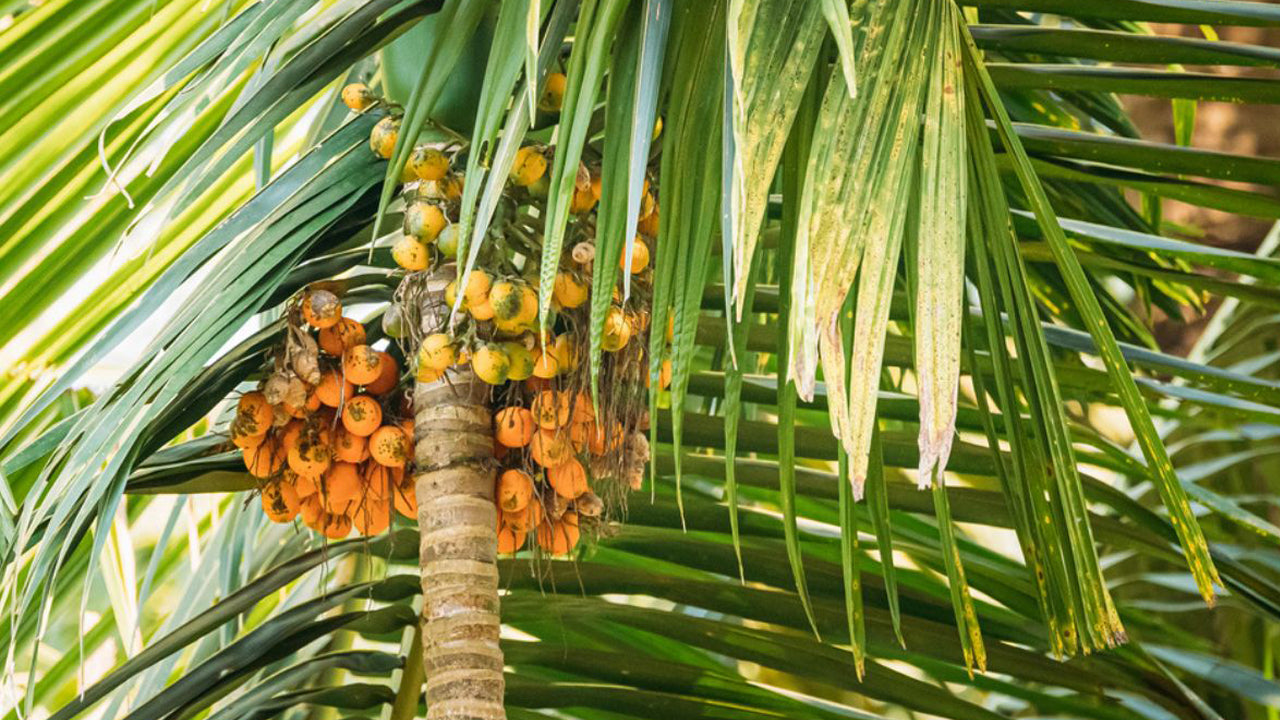
Betel palm
Areca catechu -
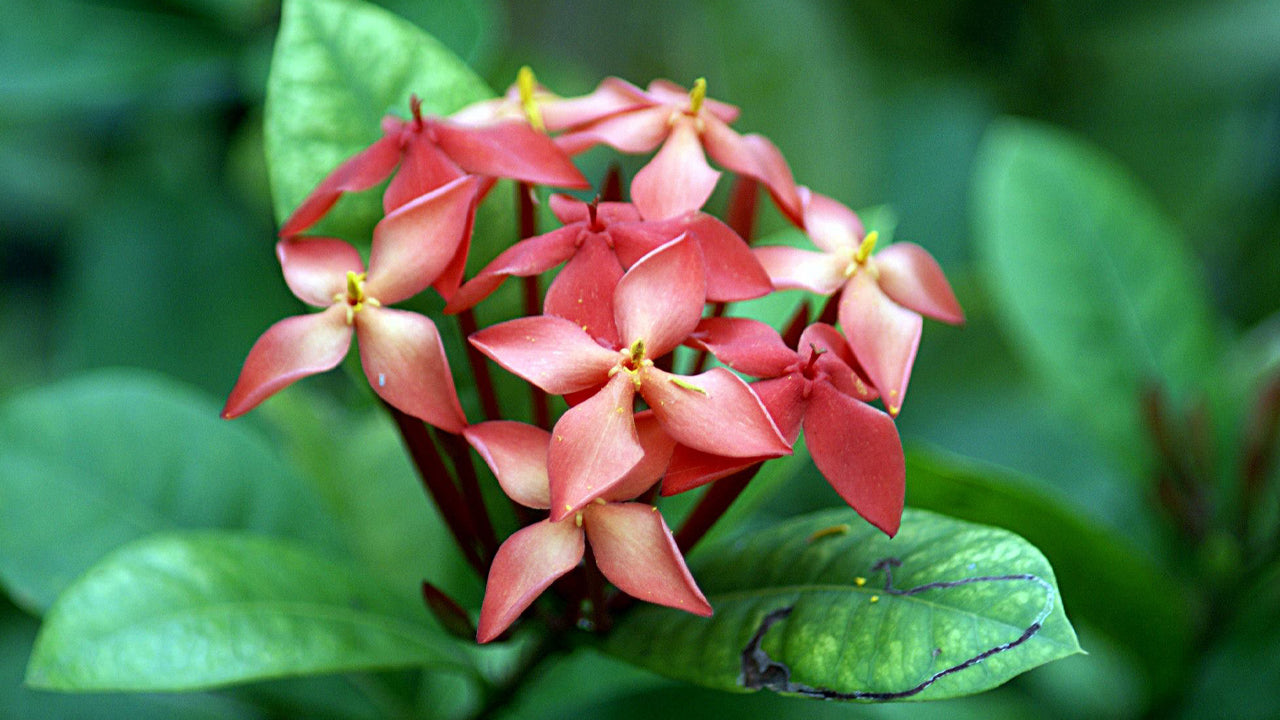
Jungle geranium
Ixora coccinea -
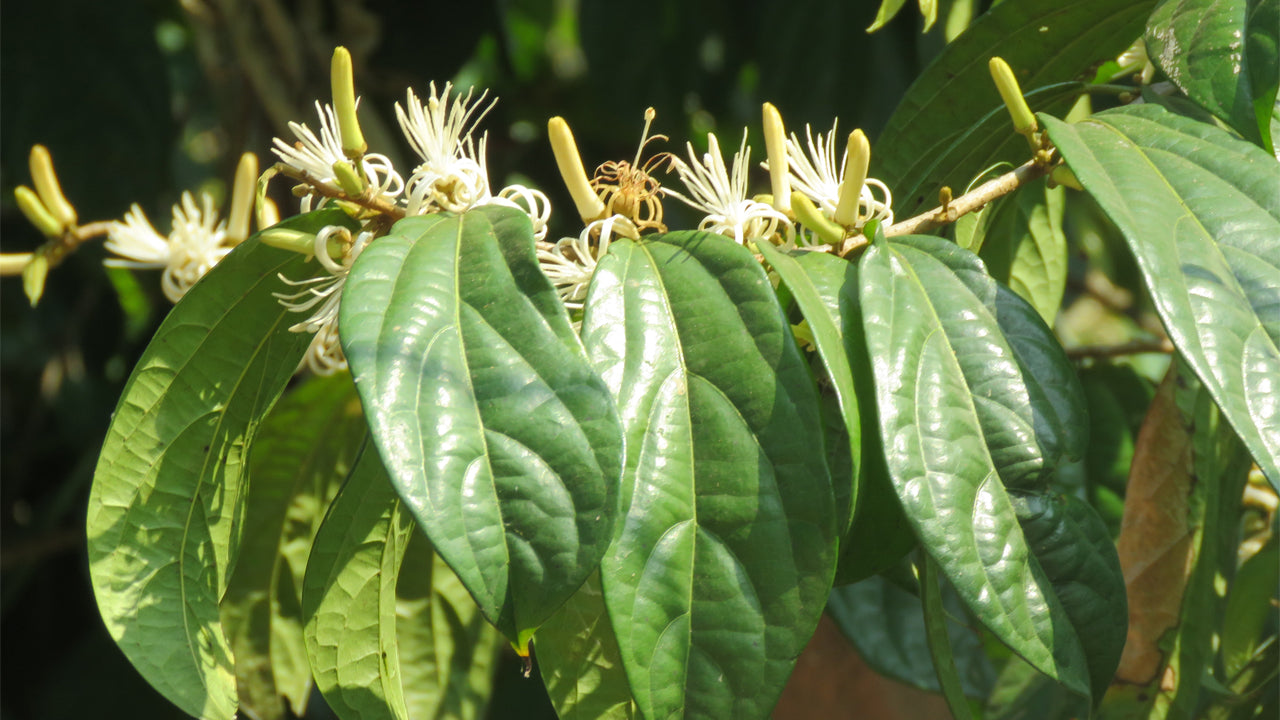
Sage-leaved alangium
Alangium salviifolium -
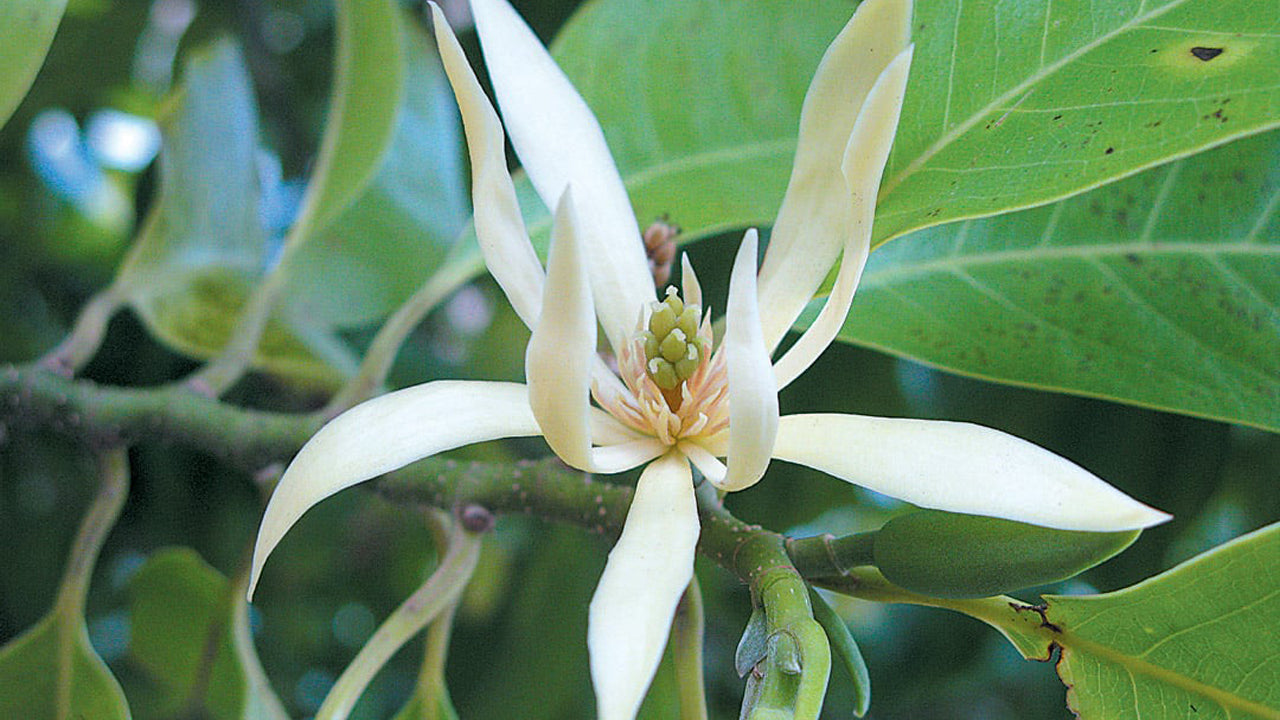
Champak
Michelia champaca -
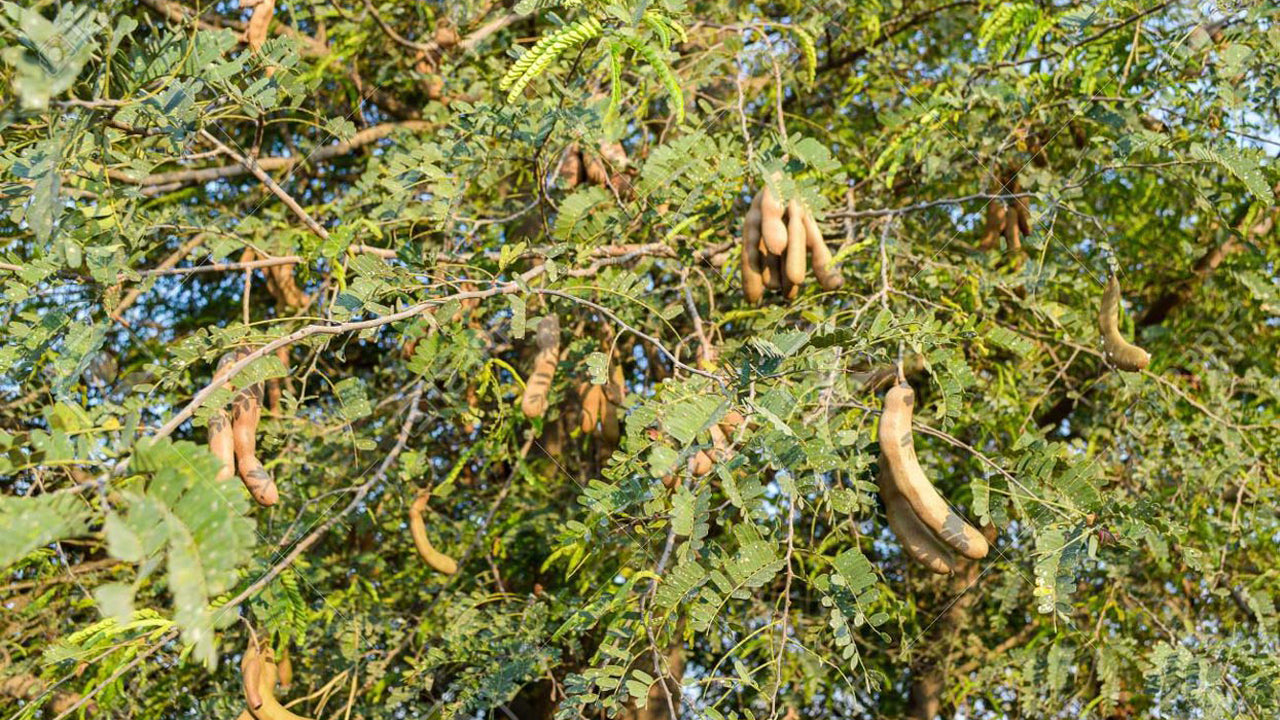
Tamarind
Tamarindus indica -
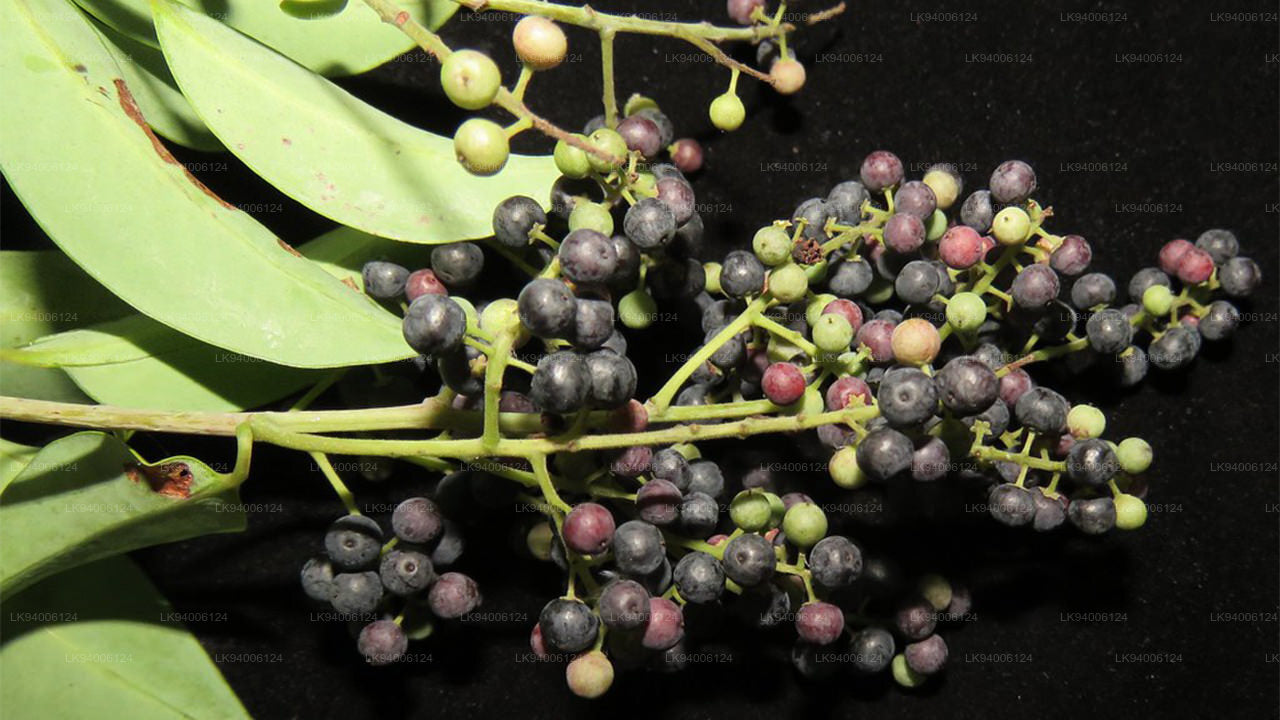
False Black Pepper
Embelia ribes -
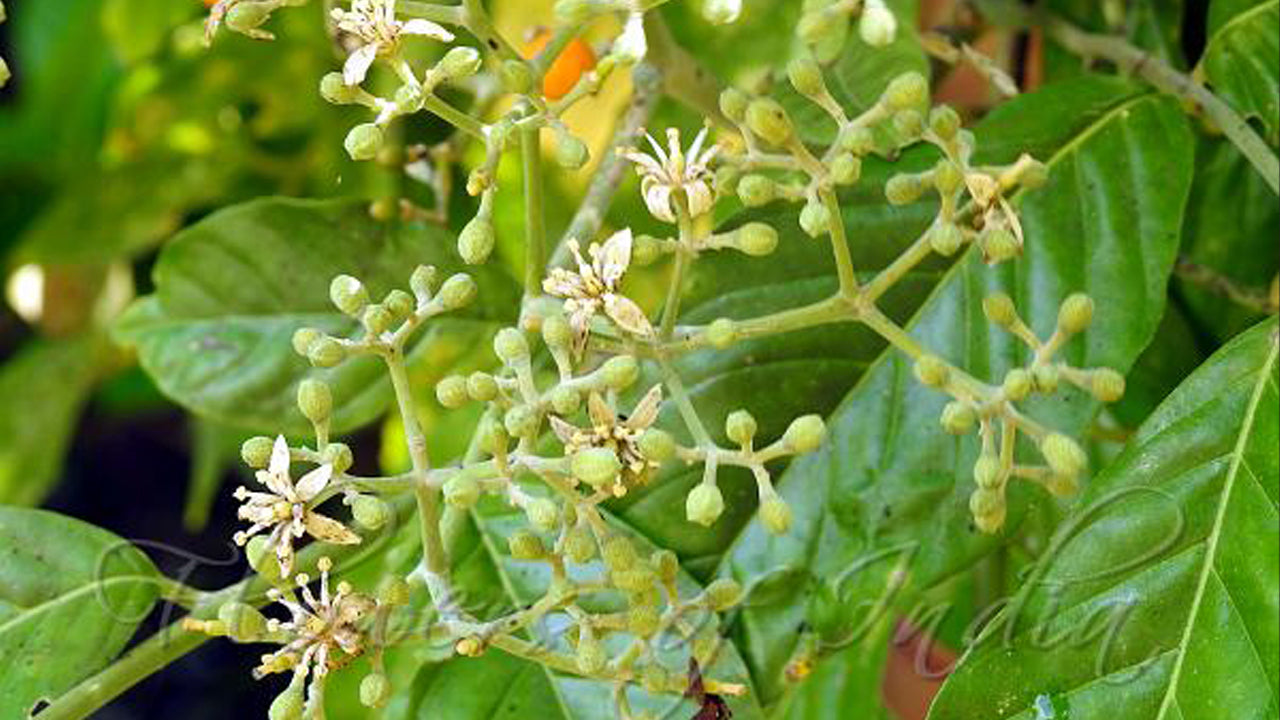
Limeberry
Micromelum ceylanicum -
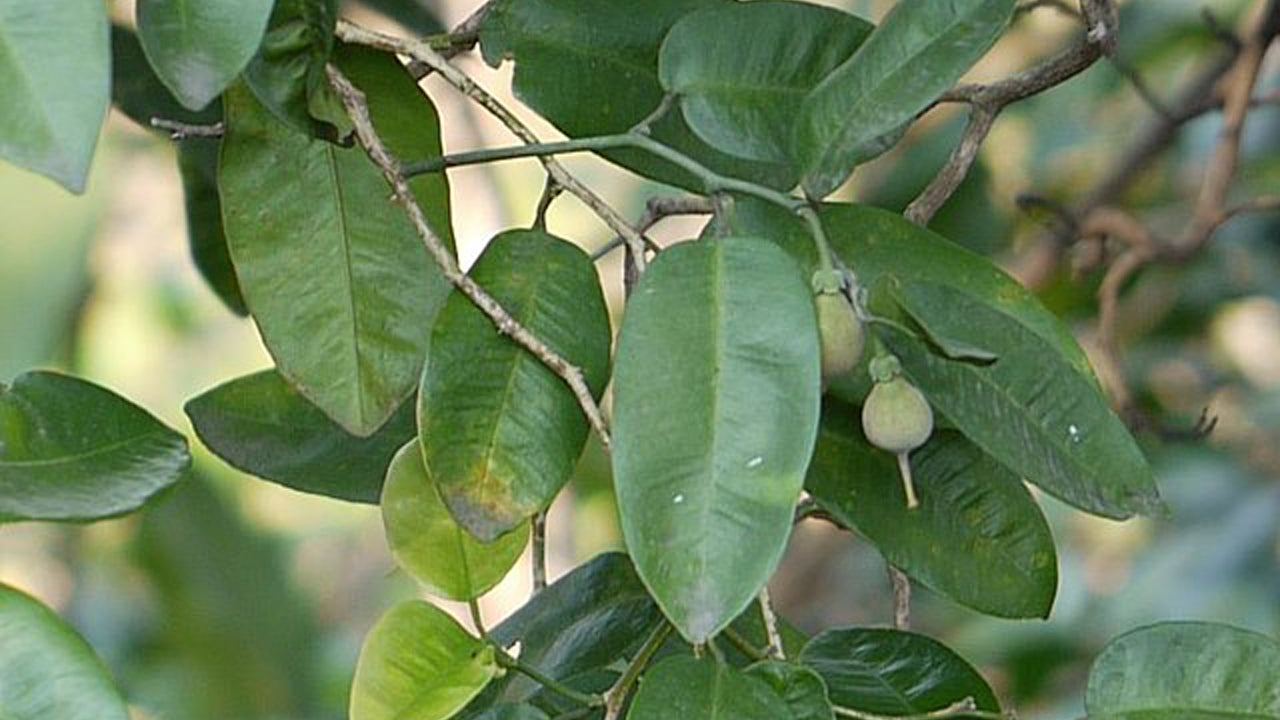
Climbing Atalantia
Paramignya monophylla


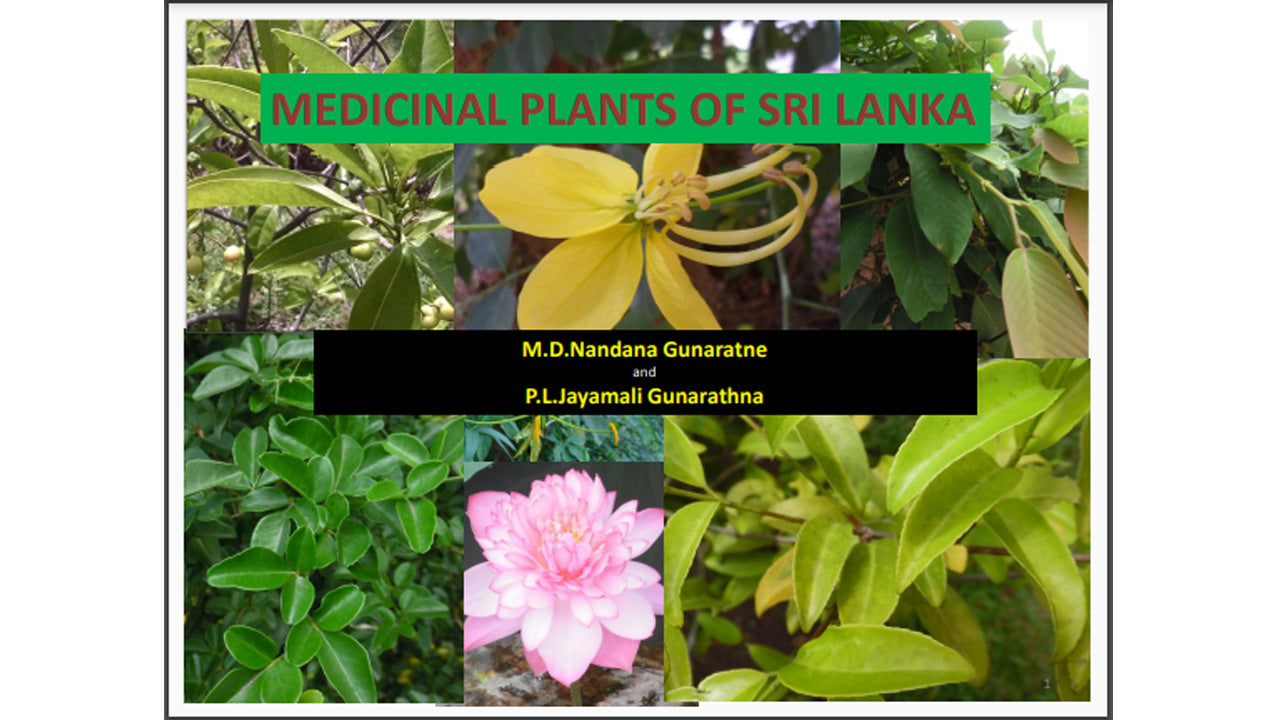



Ayurvedic and Herbal
-
 Promoção
Bálsamo Herbal Ayurvédico Siddhalepa
Preço normal De $0.48 USDPreço normal$0.54 USDPreço promocional De $0.48 USDPromoção -
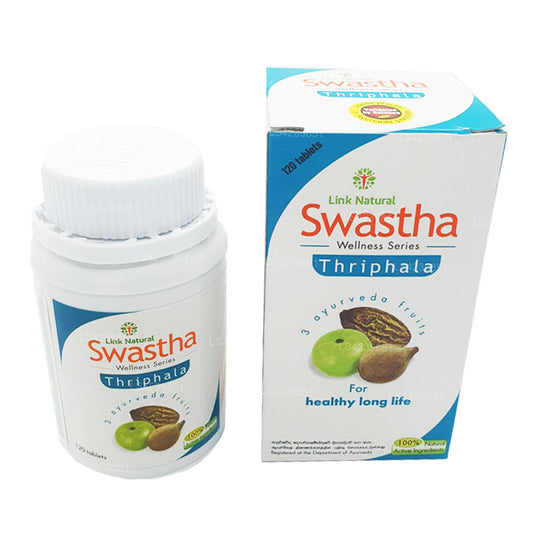 Promoção
Link Swastha Triphala
Preço normal De $1.74 USDPreço normal$1.93 USDPreço promocional De $1.74 USDPromoção -
Folhas Desidratadas Inteiras de Graviola Selvagem Lakpura® (Guanabana, Graviola, Guyabano)
Preço normal De $0.72 USDPreço normal$0.81 USDPreço promocional De $0.72 USDPromoção -
 Promoção
Óleo Setsuwa Pranajeeva
Preço normal De $3.85 USDPreço normal$4.28 USDPreço promocional De $3.85 USDPromoção