Sesbania grandiflora (Kathurumurunga)


Kathurumurunga which is known as Sesbania grandiflora belongs to the bean family, Also known as Hummingbird tree, Fabaceae. Katurumuranga, which grows faster than other plants, is found in other parts of Sri Lanka except in cold climates. As it grows quickly, this plant will soon be destroyed within a few years. The leaves of the Katurumurunga plant, which is about 8 to 10 m tall, are similar to the Siyambala leaves. The tree flowers in the months of September and October.
There are four varieties of Katurumurunga. These are the four varieties of white flowers, red flowers, blue flowers and yellow flowers. Although the white and red flowering varieties are common, the blue and yellow flowering cuttlefish varieties are relatively rare. The two species used for food are white and red flowering kathurumurunga. According to literary texts, the white flowering Katurumurunga variety is used in Ayurvedic medicine.
Kathurumurunga Mallum and Sambol are culinary favourites among many Sri Lankans. The leaves can measure up to 30 cm in length with 5-15 paired elliptical leaflets that are three cm in length. The bark of this species is light grey and the wood is soft and white. The fruit is a thin pod which can be up to 60 cm long with 15-50 seeds. All parts of the Kathurumurunga tree have healing properties including the leaves, flowers, bark and root.
leaves
According to Sri Lankan native treatment, the leaves are used as a cure for fever, sinus, and respiratory problems. It acts as a coolant and a worm-killer. The leaves are rich in Vitamin E and have the properties to kill germs, bacteria, and clear poison.
The juice of the leaves is used for the treatment of nausea, gout, and itchiness and leprosy. The crushed leaves of the tree are also used for the treatment of sprains and bruises. It is also considered as native treatment for epileptic fits. The leaves of the Kathurumurunga are also used as fodder for livestock, and also as green manure. Constipation and burning sensation in the body can be controlled by taking these leaves. Kathurumurunga leaves are boiled and given to mothers of new-born babies for healthy breast feeding. It is often recommended for indigestion and other digestion related problems.
Flowers
Flowers of Kathurumunga tree are large (7-9 cm long), it has white flowers and rose pink or red flowers.
The flowers are used as a key ingredient in anti-ageing skin care products because it is rich in tannins and nutrients that re-activate the skin's ability to heal wrinkles while increasing collagen production. Sesbania grandiflora flowers are known to have been used in Sri Lankan traditional medicine to cure headaches and stuffy noses. They are rich in calcium, iron as well as Vitamins A and B.
-
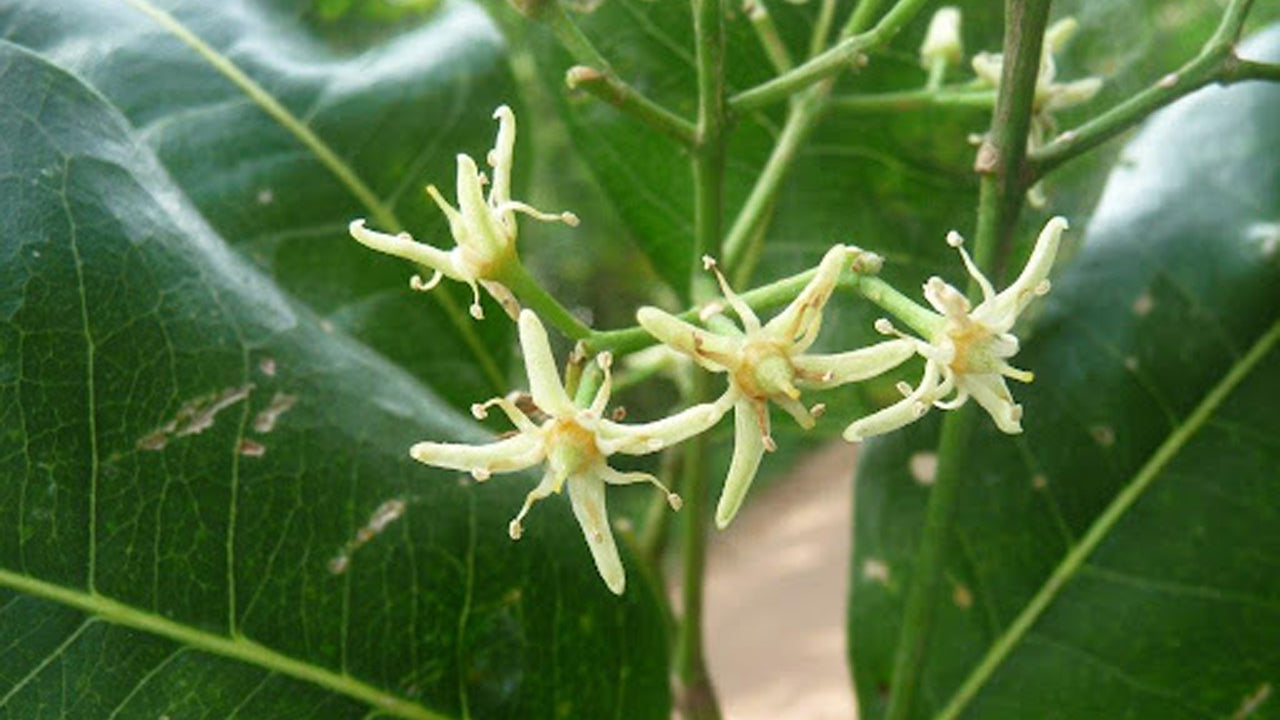
Claw-flowered laurel
Acronychia pedunculata -
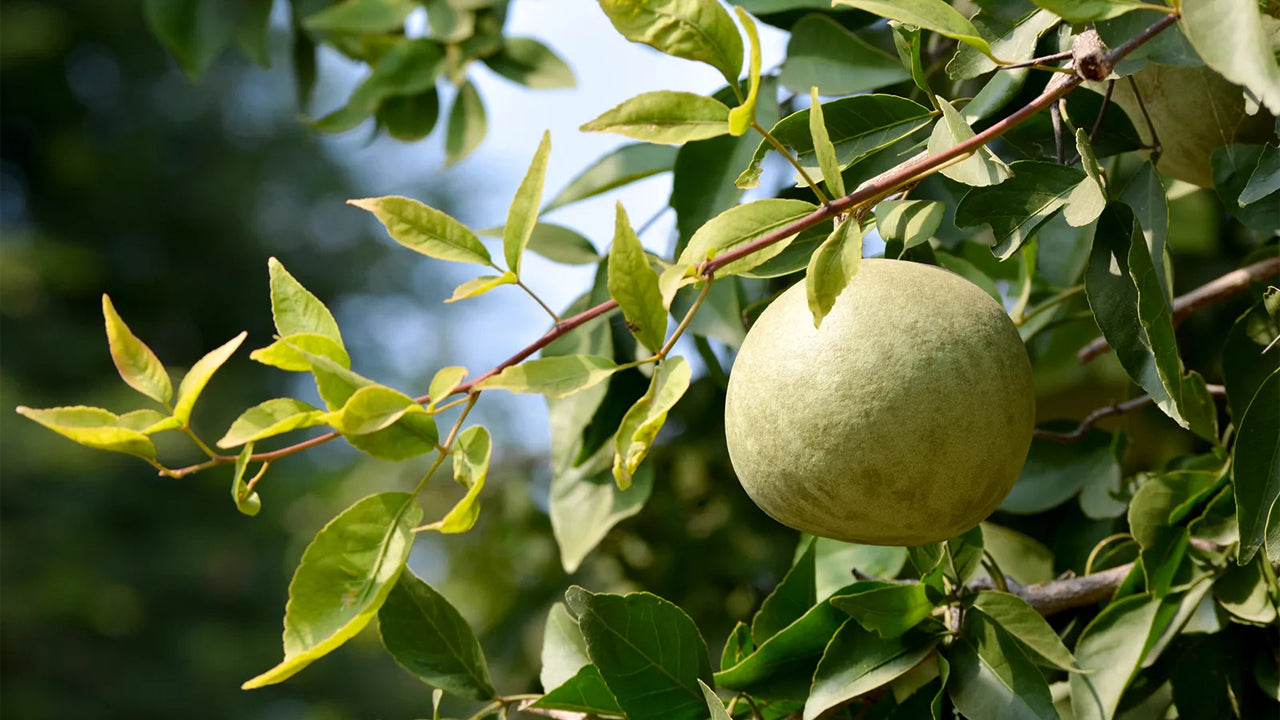
Bael
Aegle marmelos -
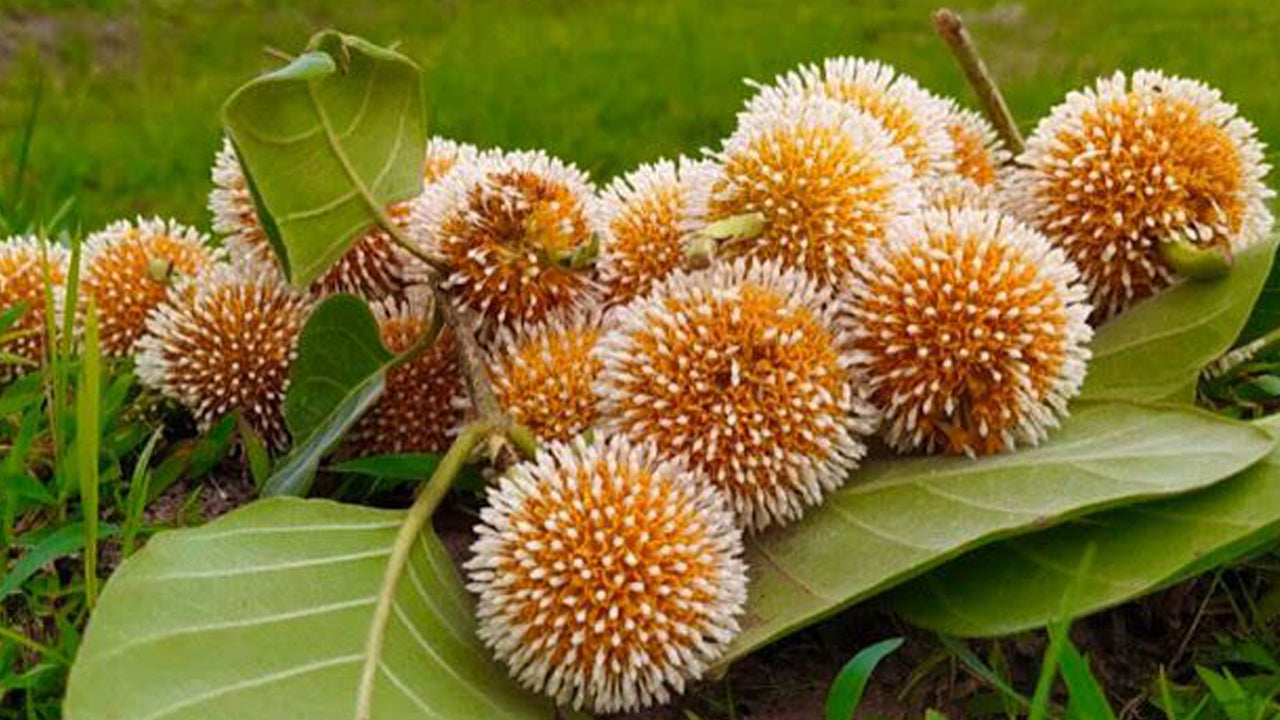
Leichhardt tree
Nauclea orientalis -
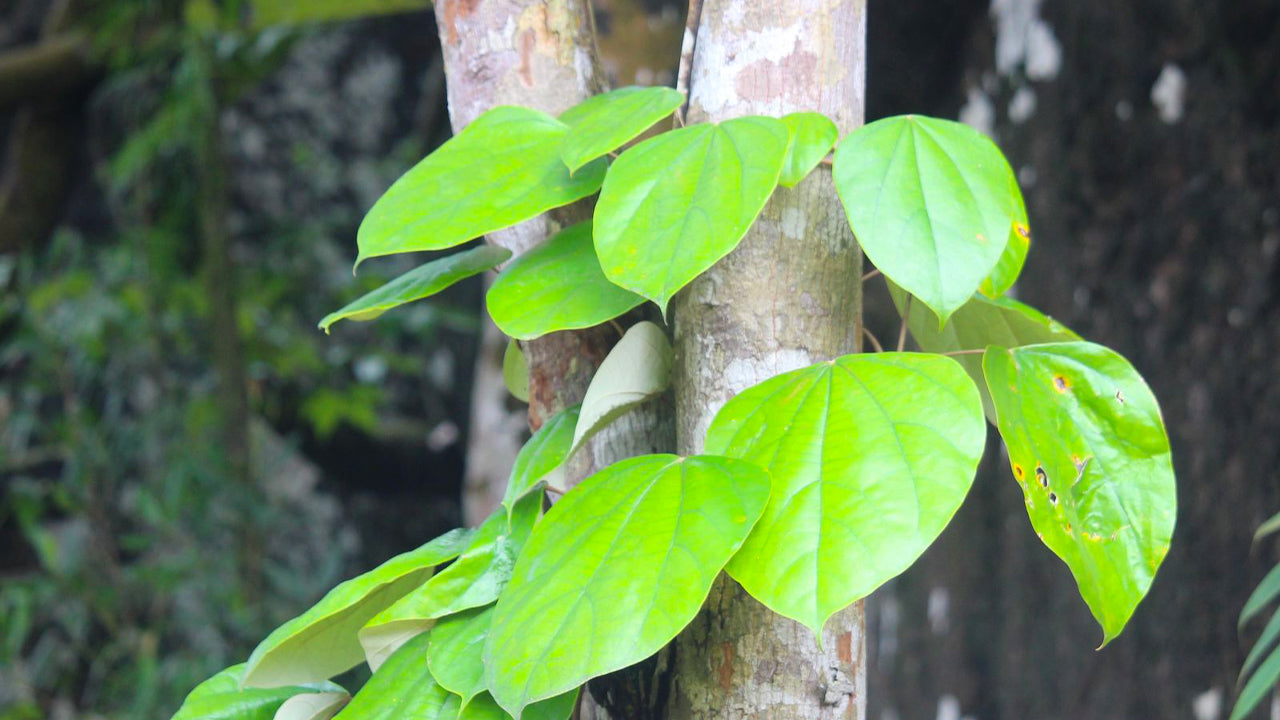
False Calumba
Coscinium fenestratum -

Malabar Gulbel
Tinospora malabarica -
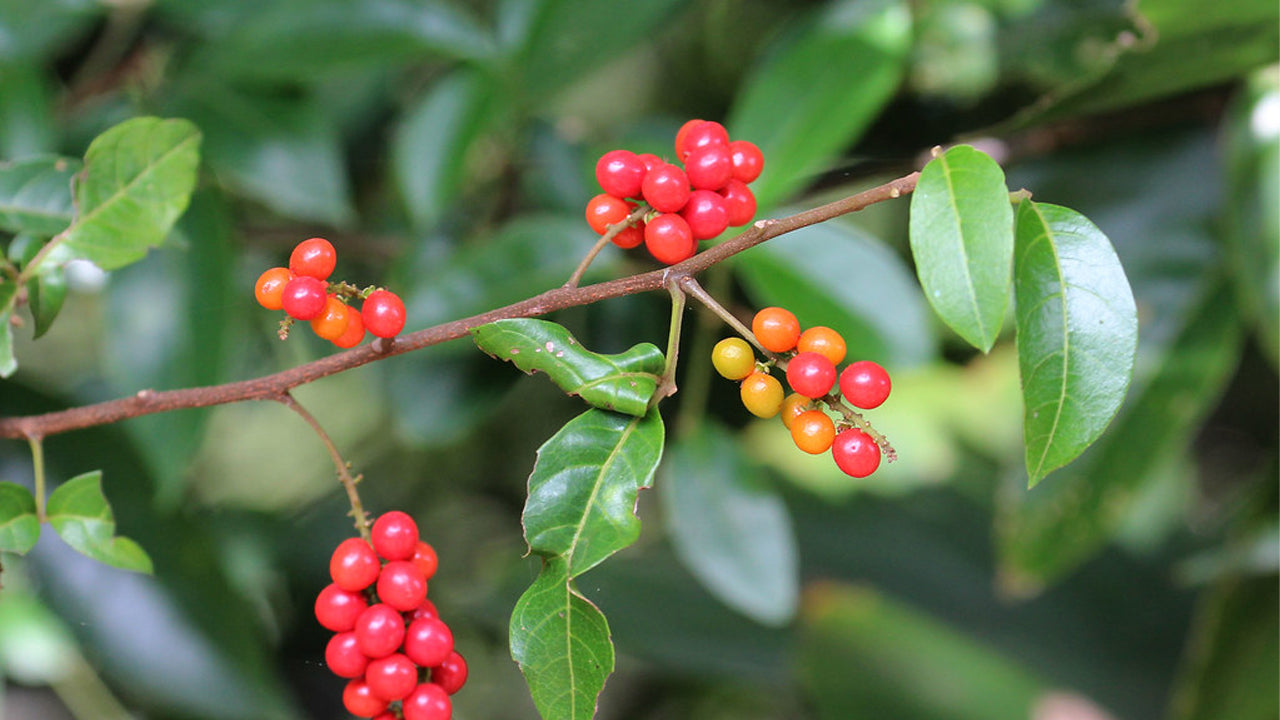
Titberry
Allophylus cobbe -
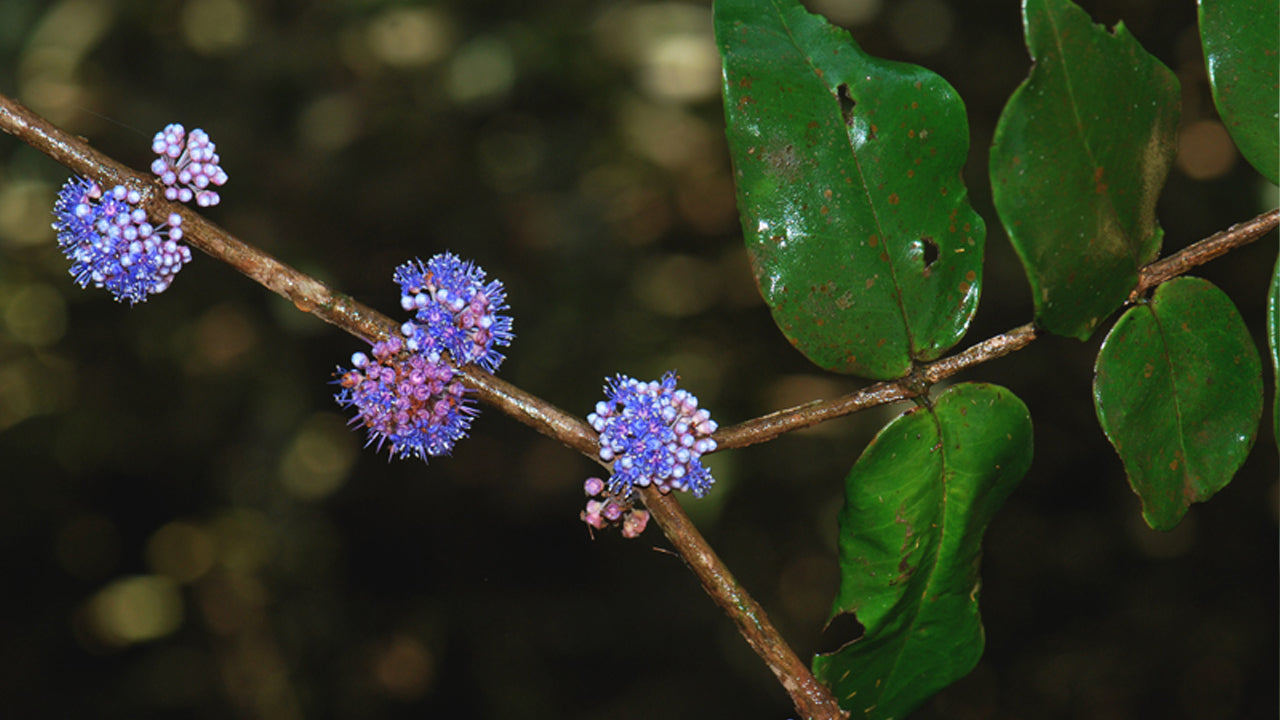
Ironwood Tree
Memecylon capitellatum -
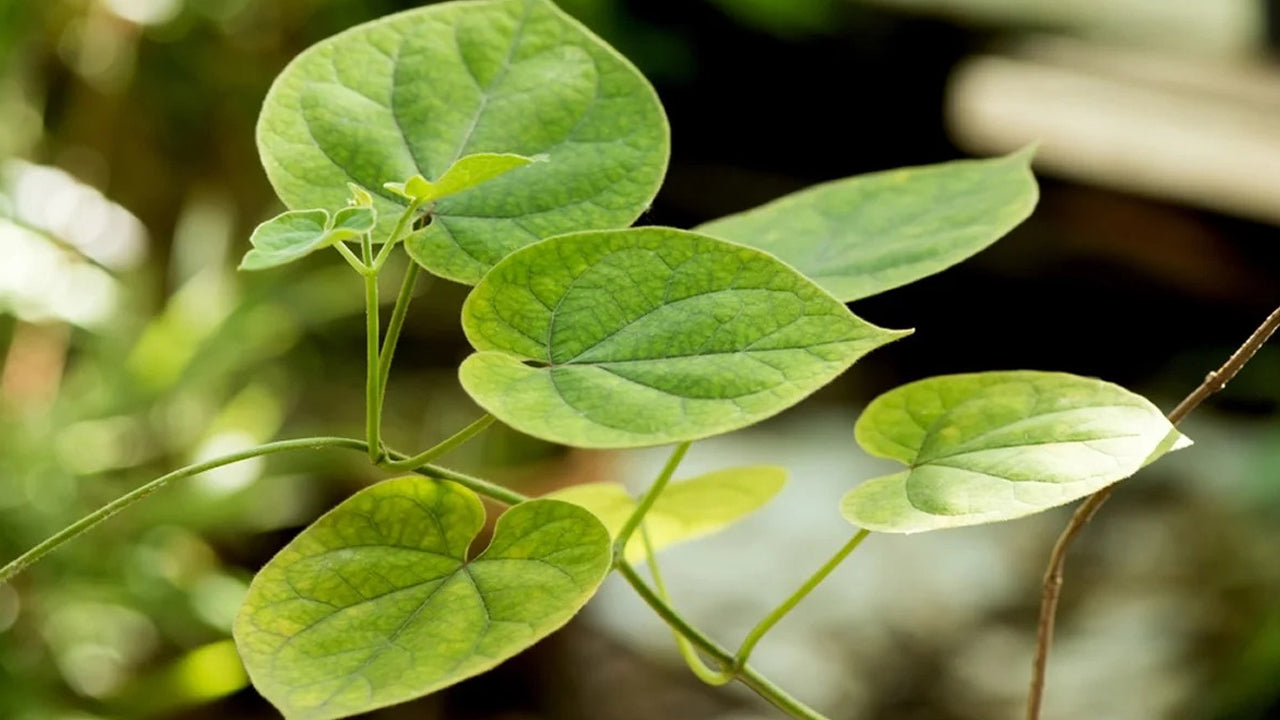
Velvet Leaf
Cissampelos pareira -
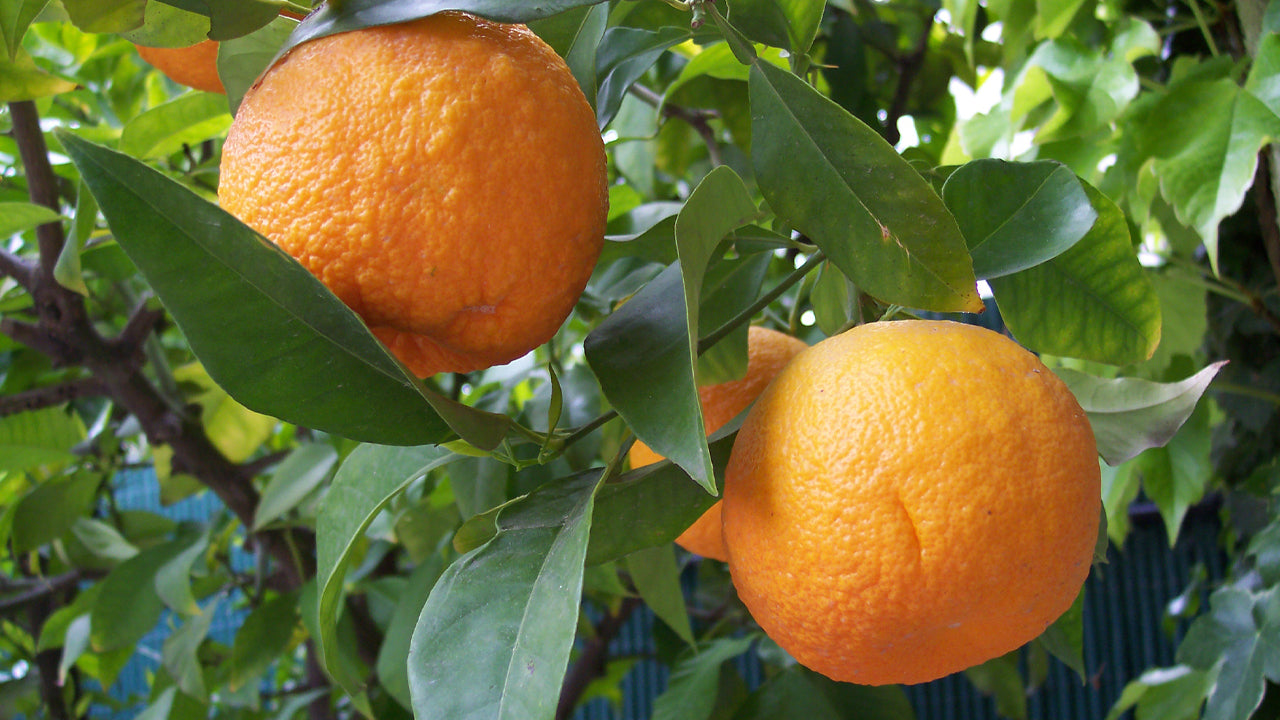
Bitter orange
Citrus aurantium -

Reinwardt's Tree Plant
Biophytun reinward -
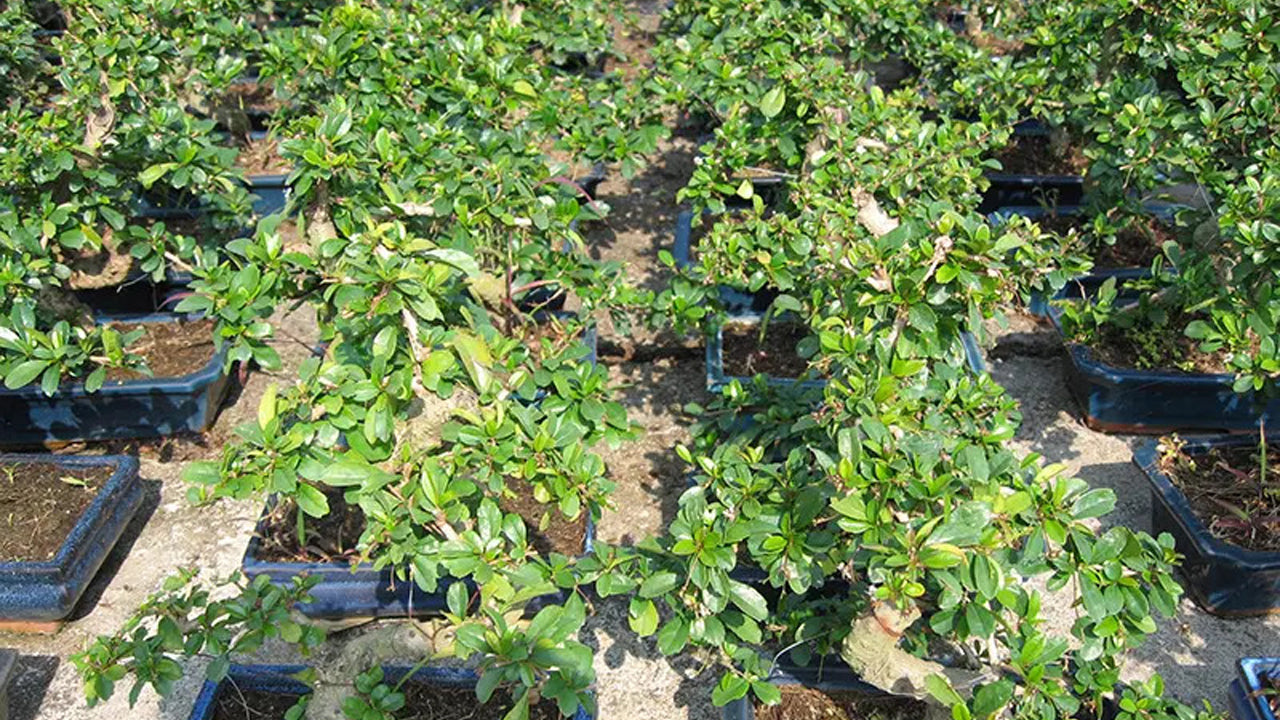
Fukien tea
Carmona microphylla -
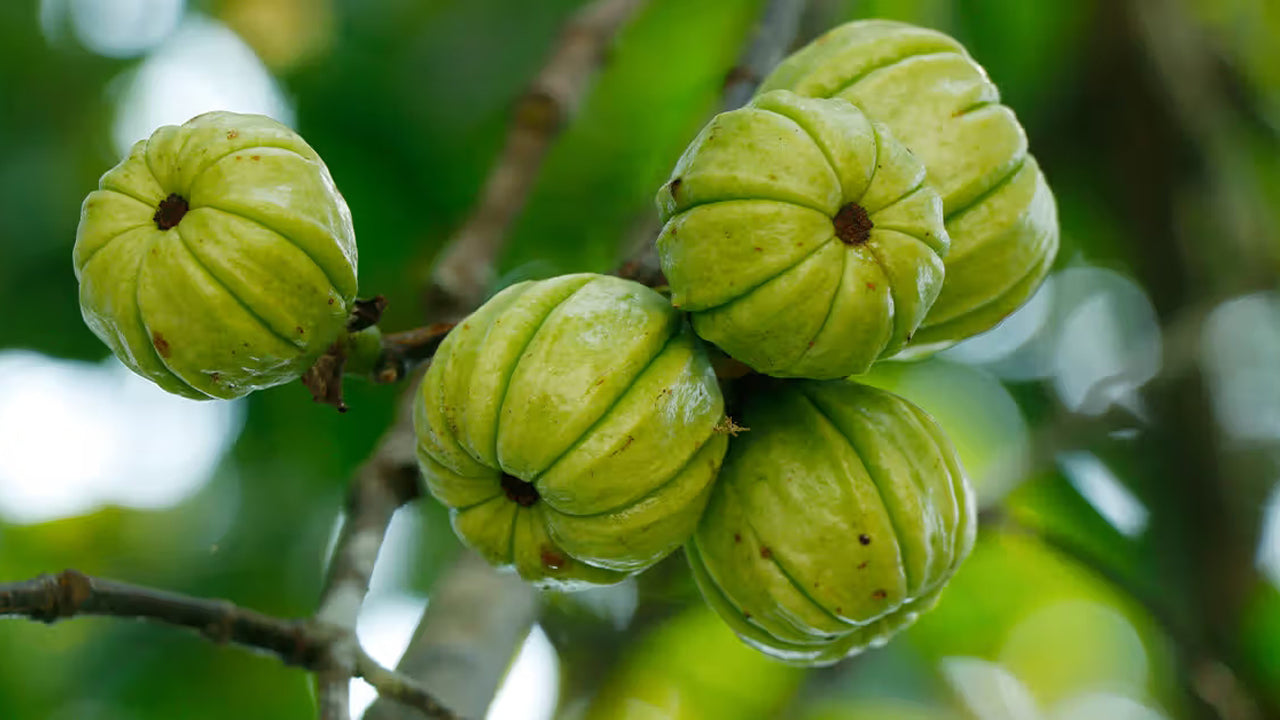
Malabar tamarind
Garcinia cambogia -
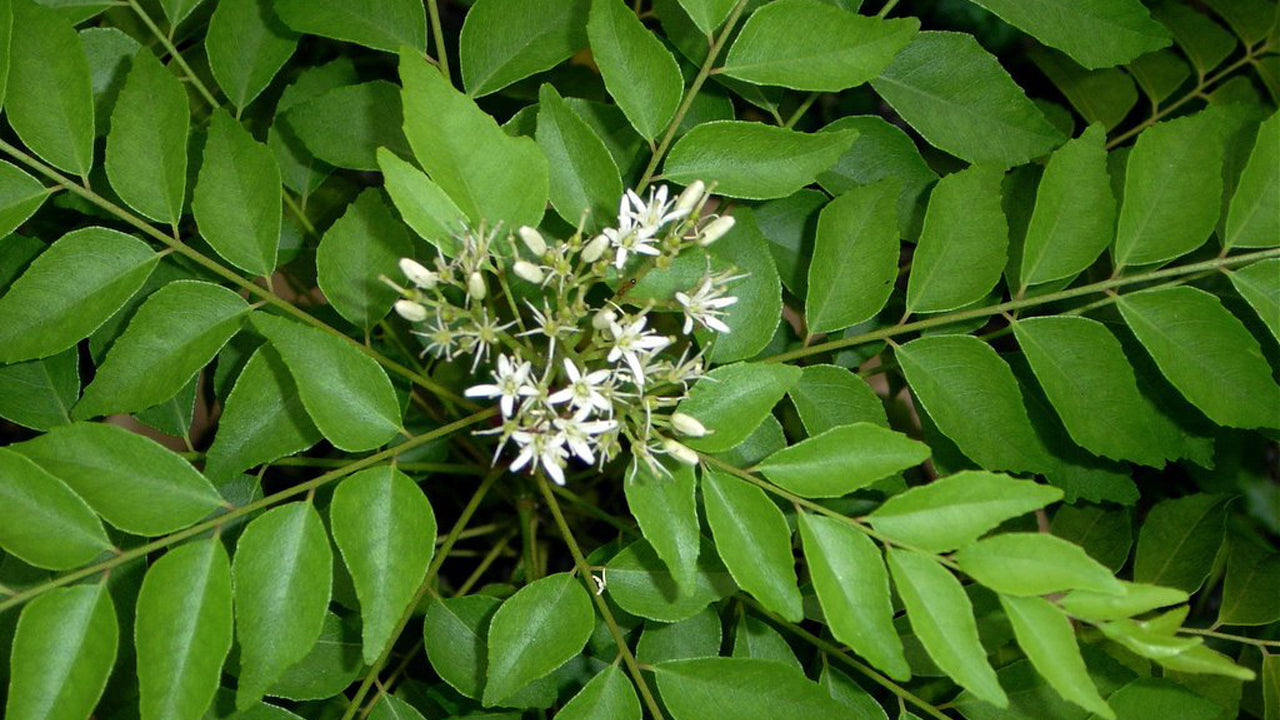
Curry leaf tree
Murraya koenigii -
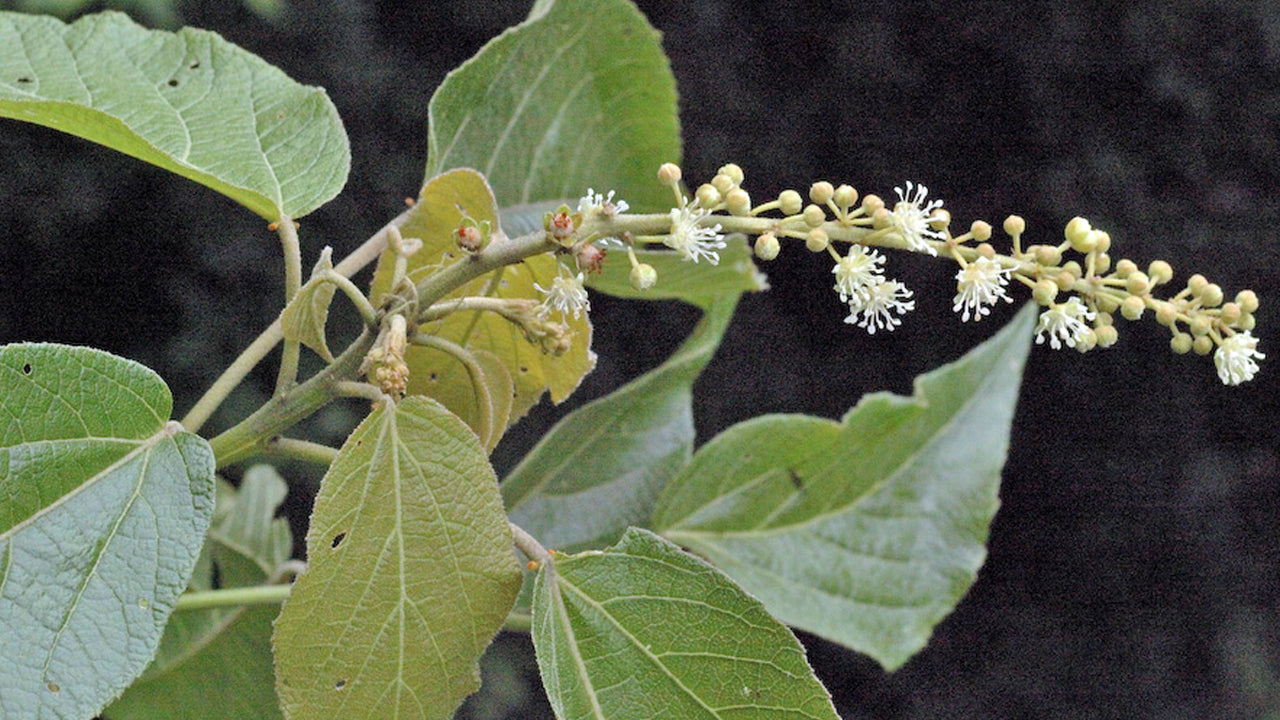
Kappetiya
Croton laccifer -
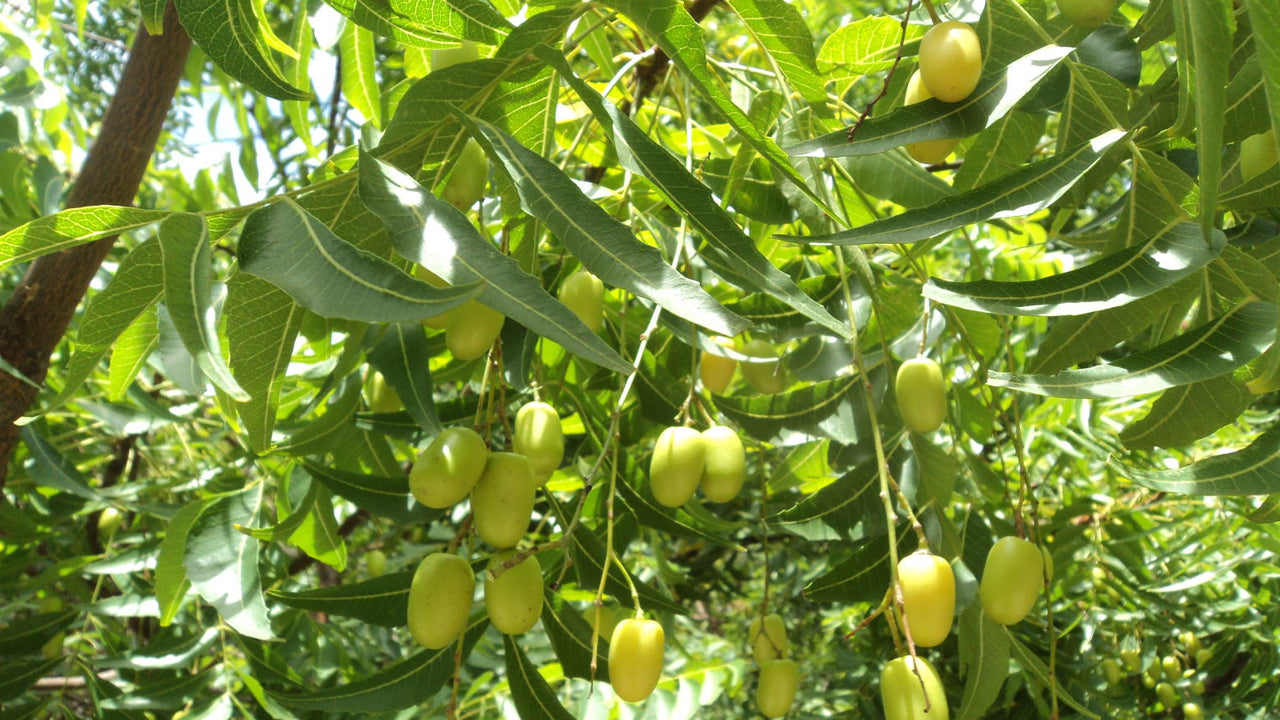
Indian lilac
Azadirachta indica -
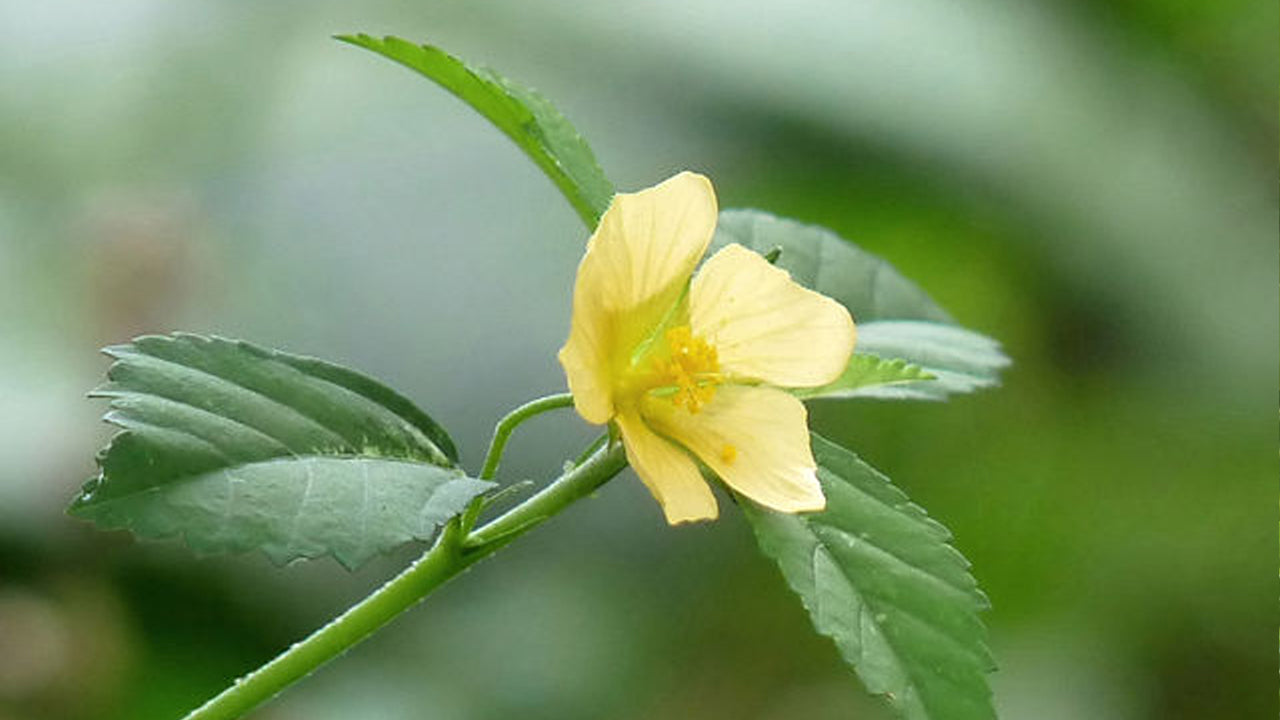
Spiny sida
Sida alba -
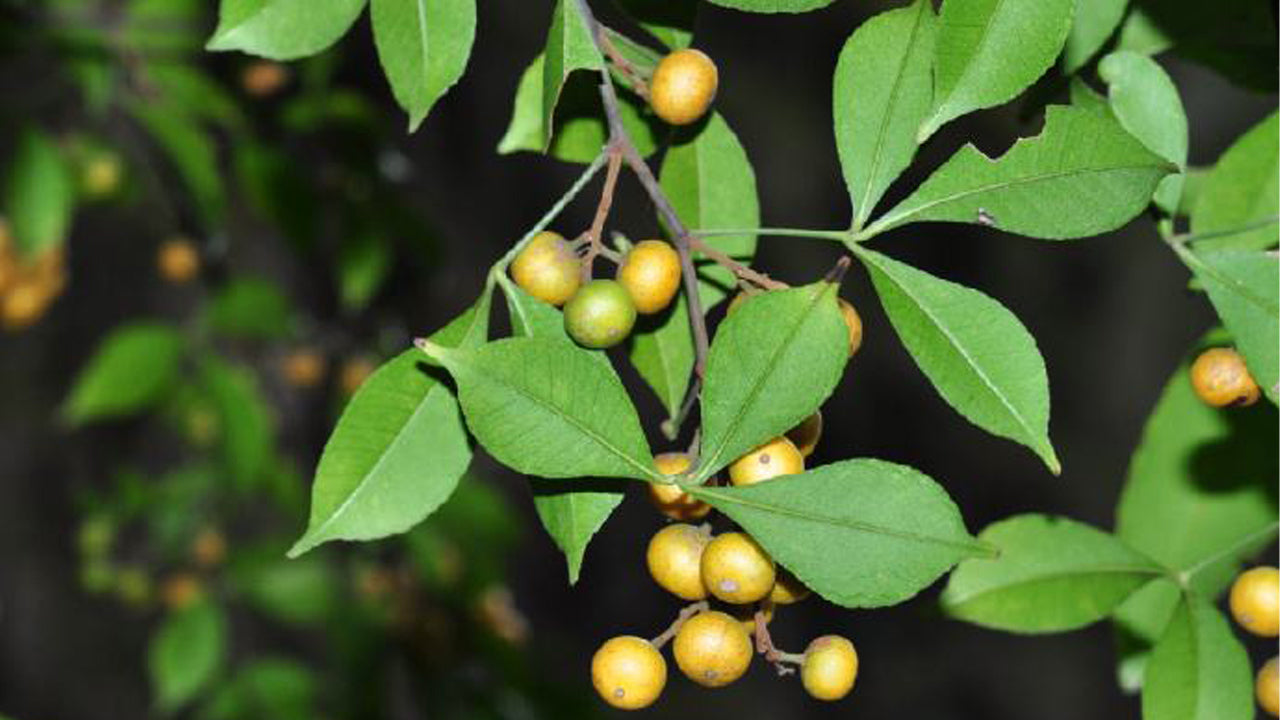
Orange climber
Toddlia asiatica -
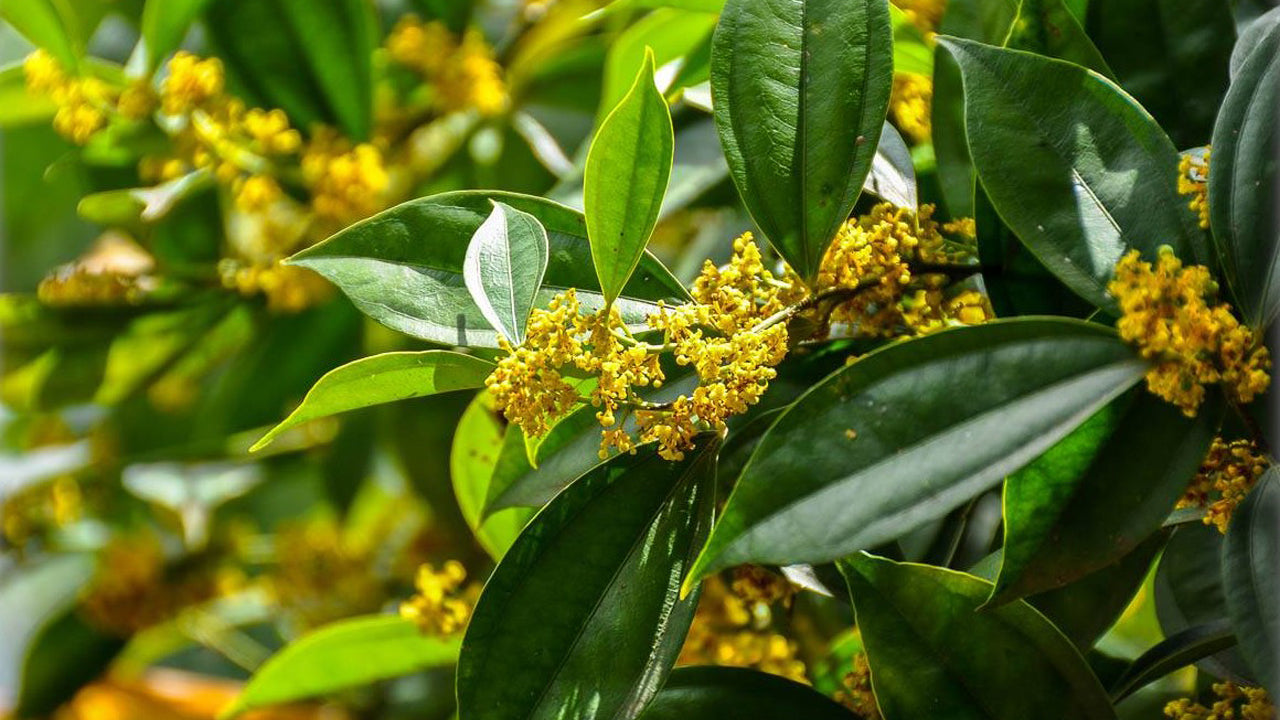
Ceylon cinnamon
Cinnamomum zeylanicum -
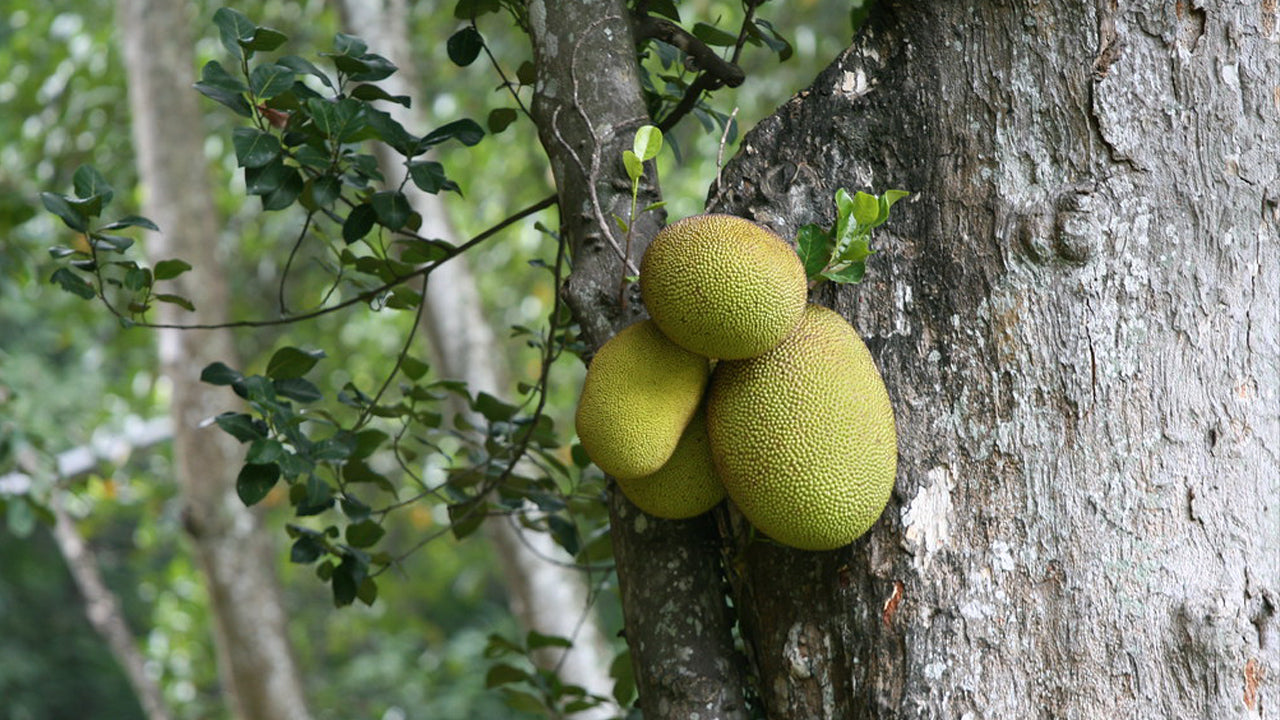
Jackfruit
Artocarpus heterophyllus -
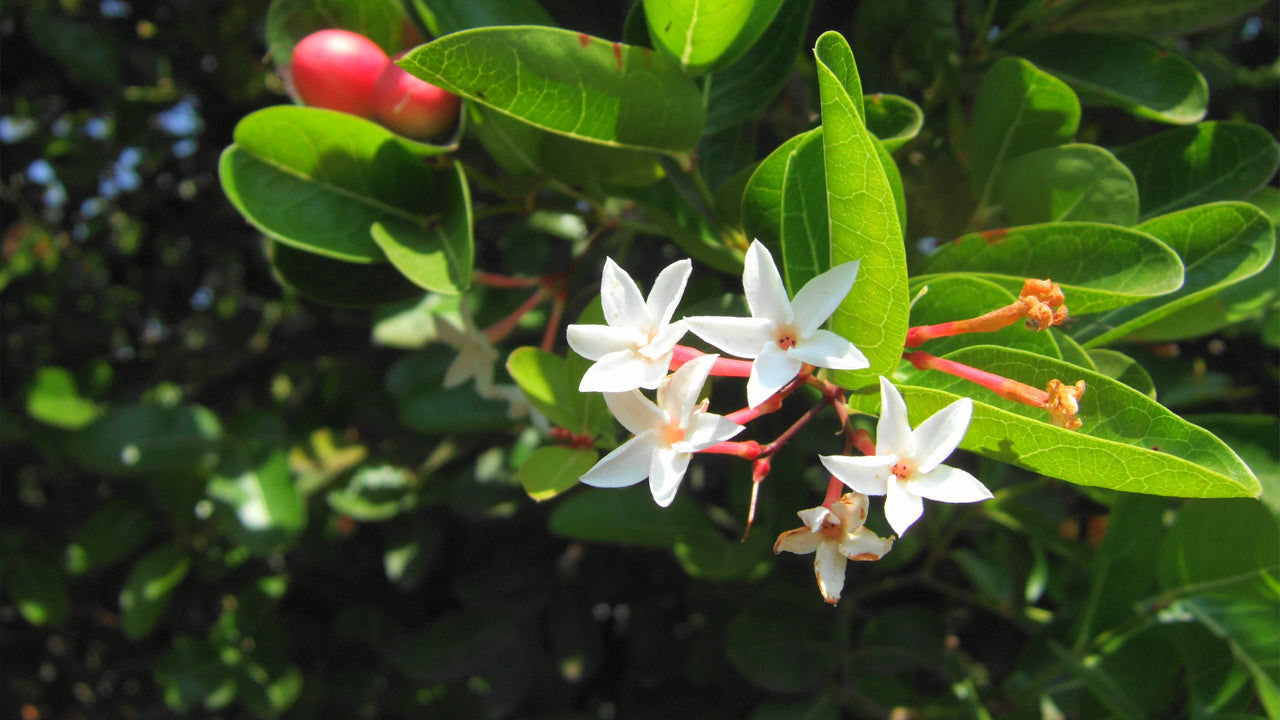
Karonda
Carissa carandas -
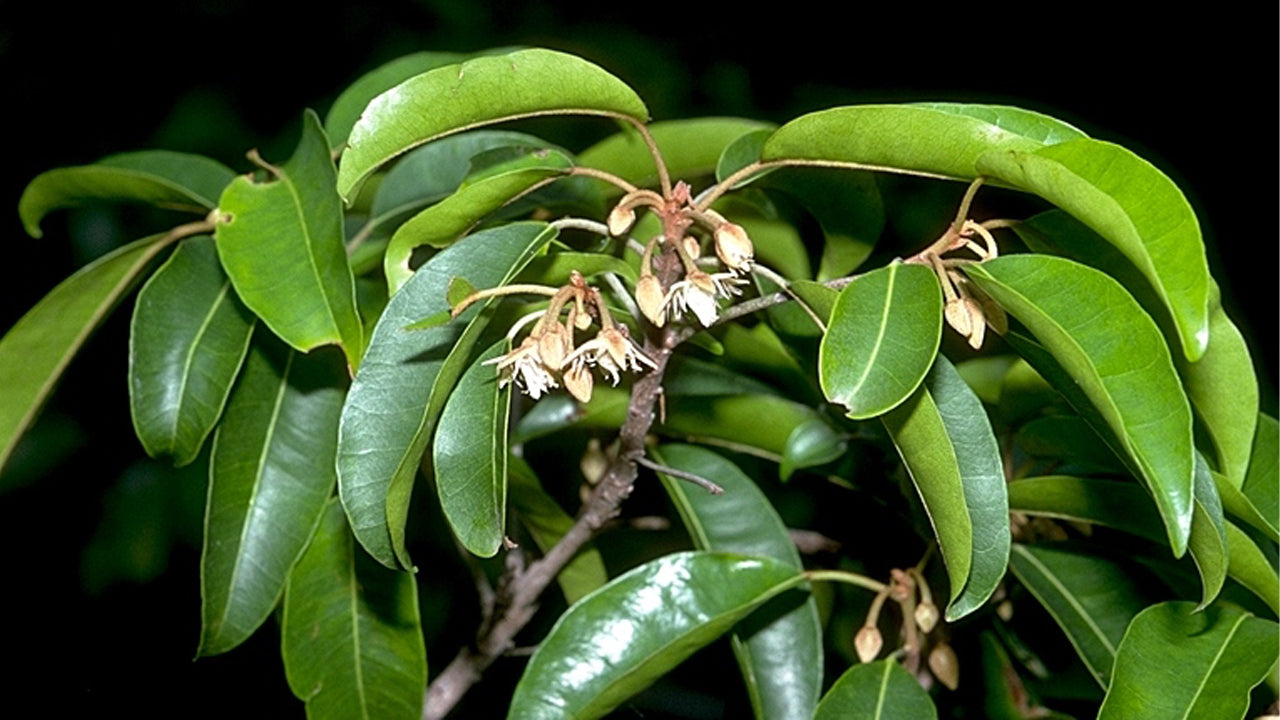
Spanish cherry
Mimusops elengi -
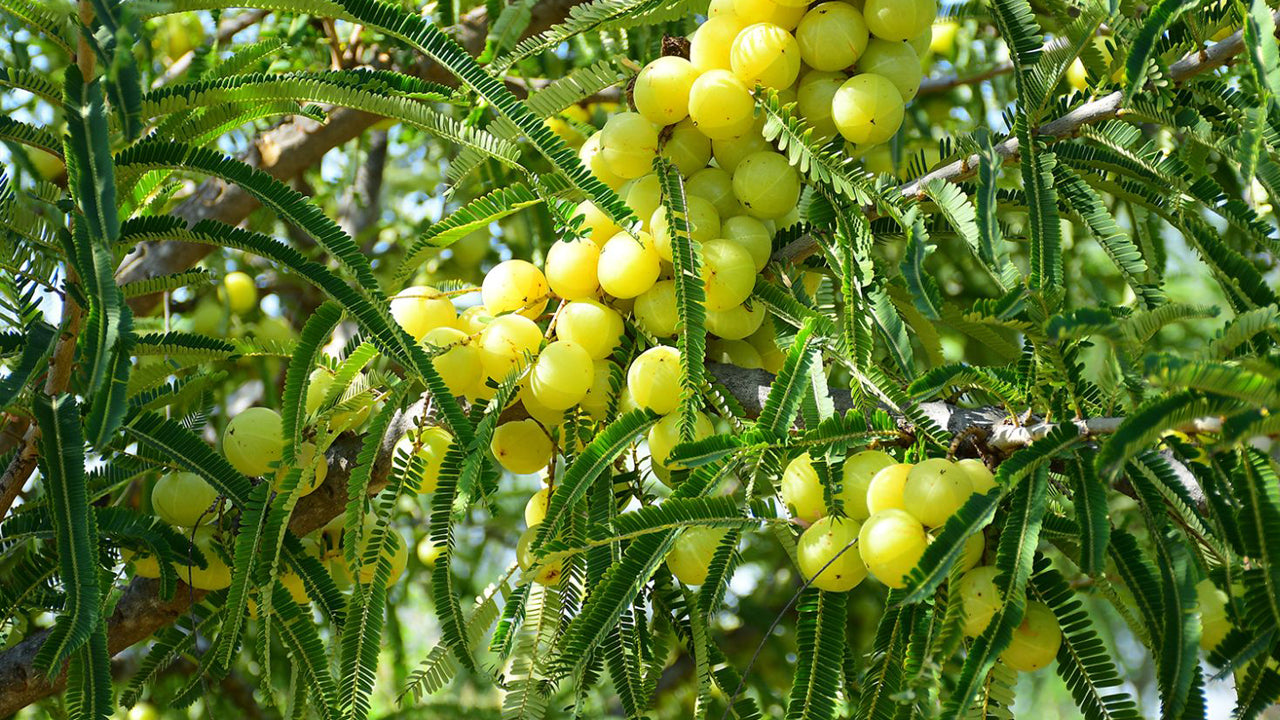
Indian gooseberry
Phyltanthus emblica -
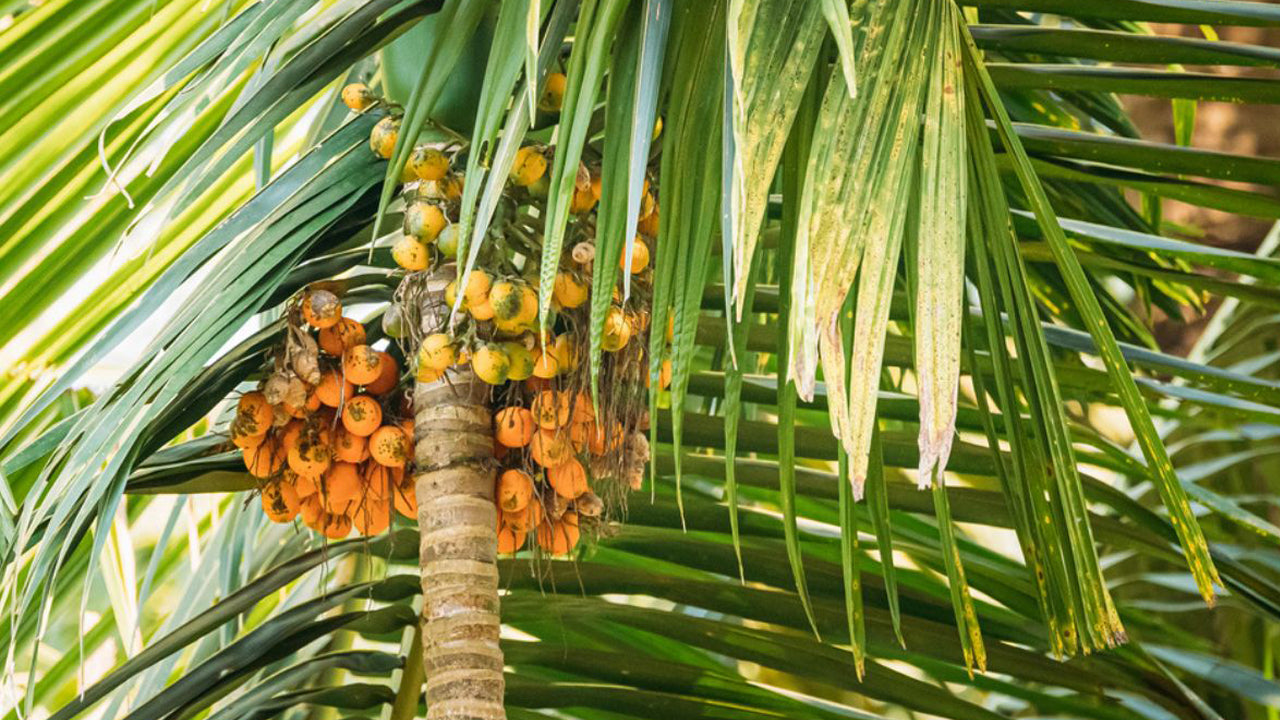
Betel palm
Areca catechu -
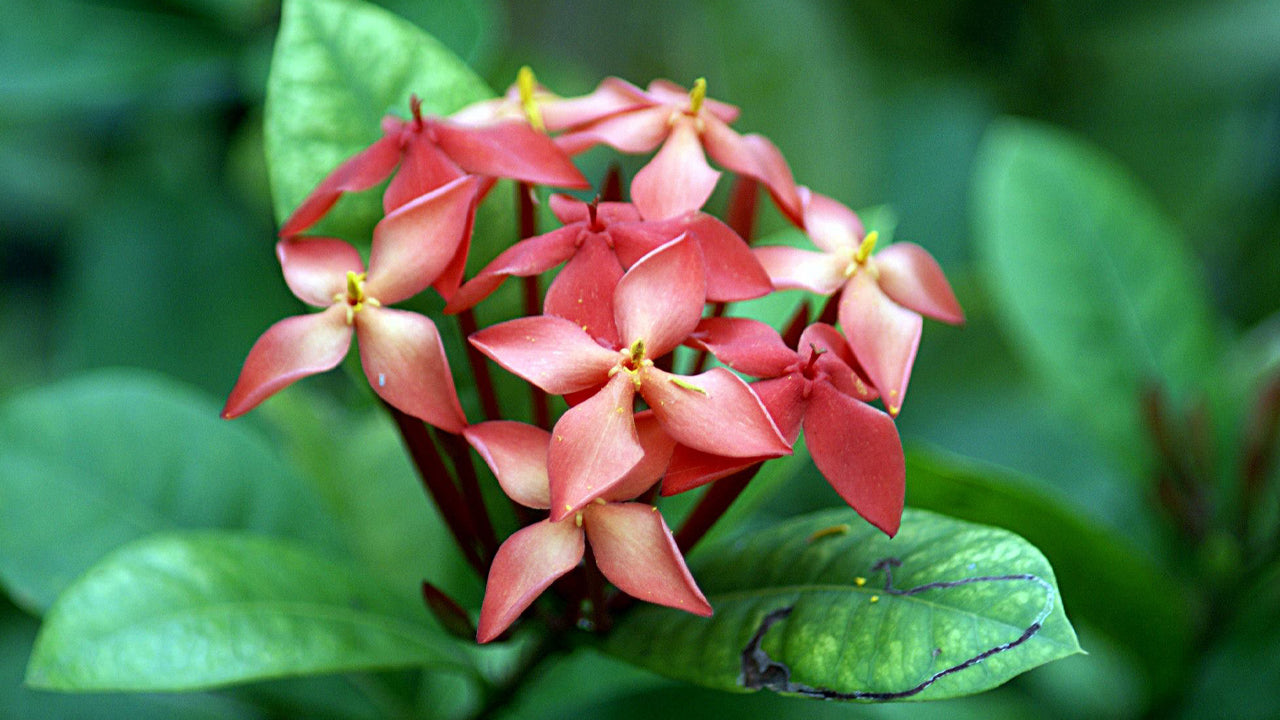
Jungle geranium
Ixora coccinea -
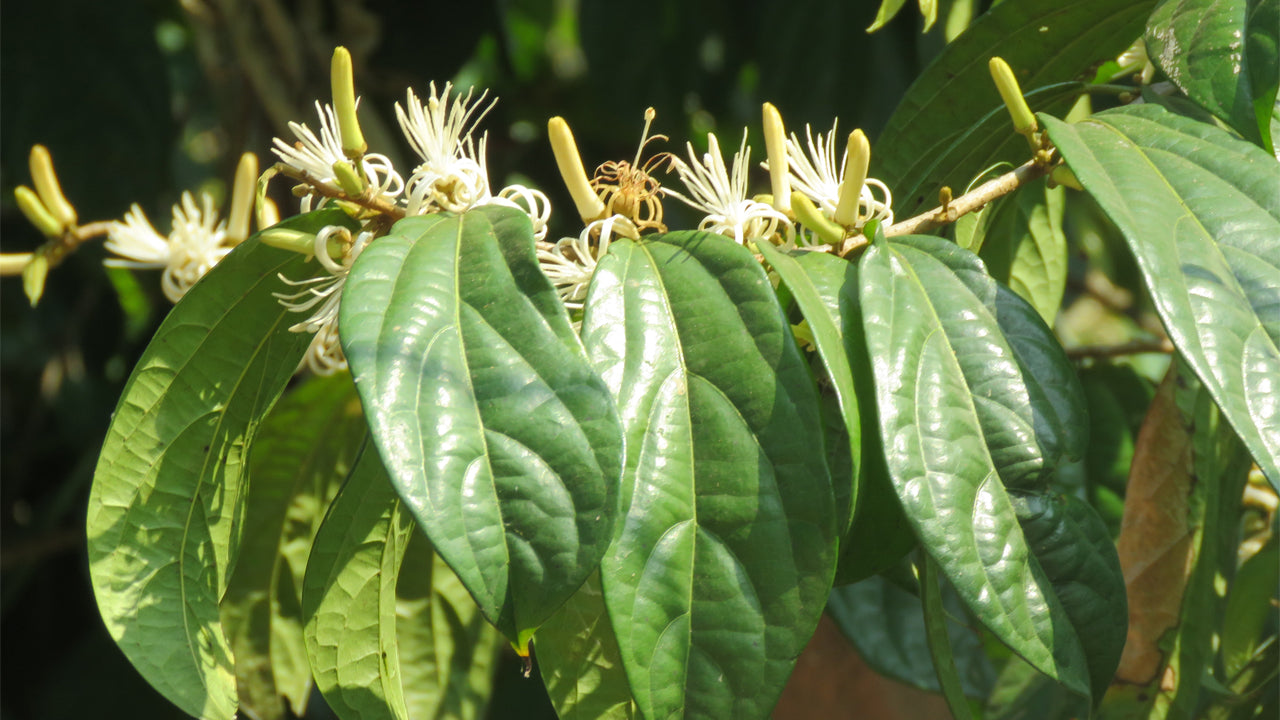
Sage-leaved alangium
Alangium salviifolium -
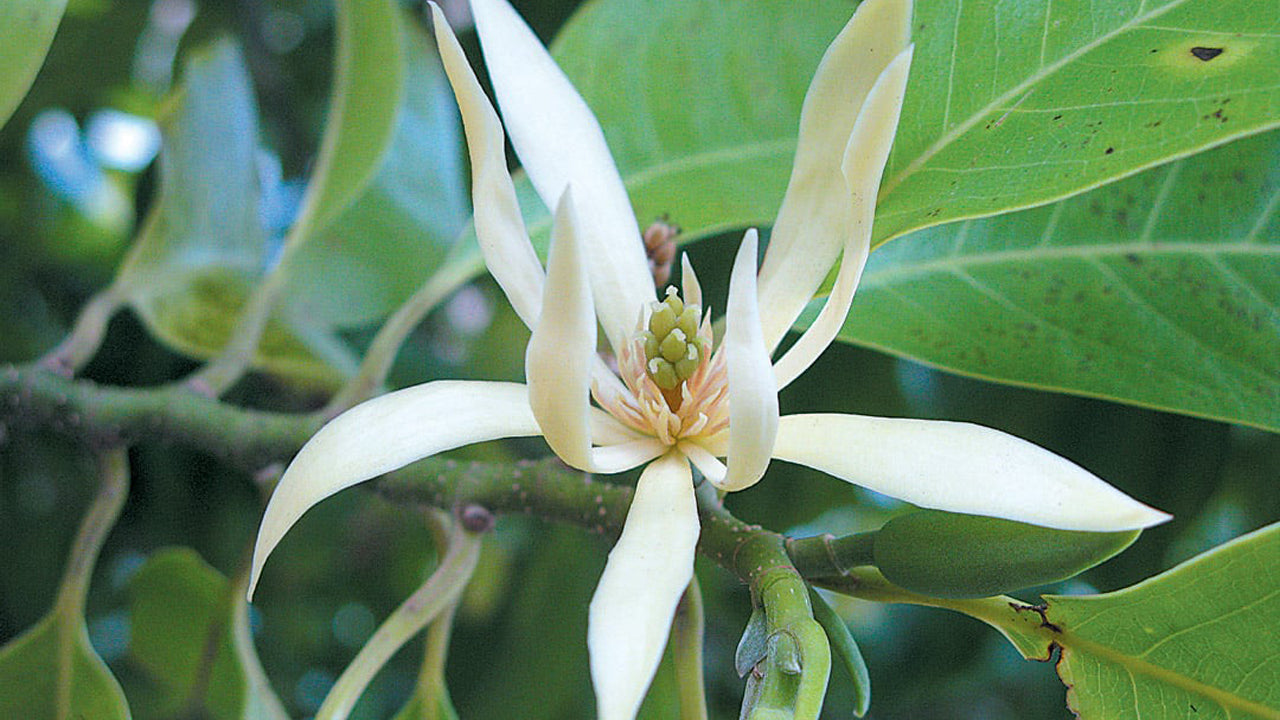
Champak
Michelia champaca -
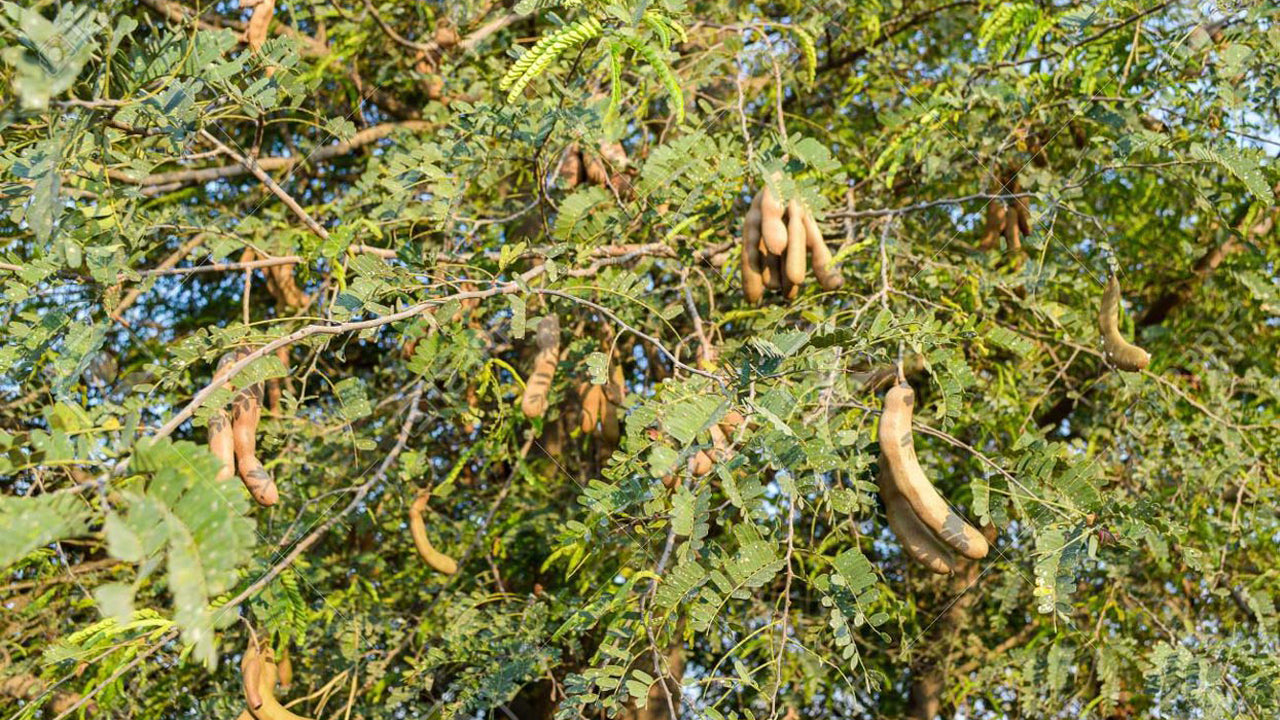
Tamarind
Tamarindus indica -
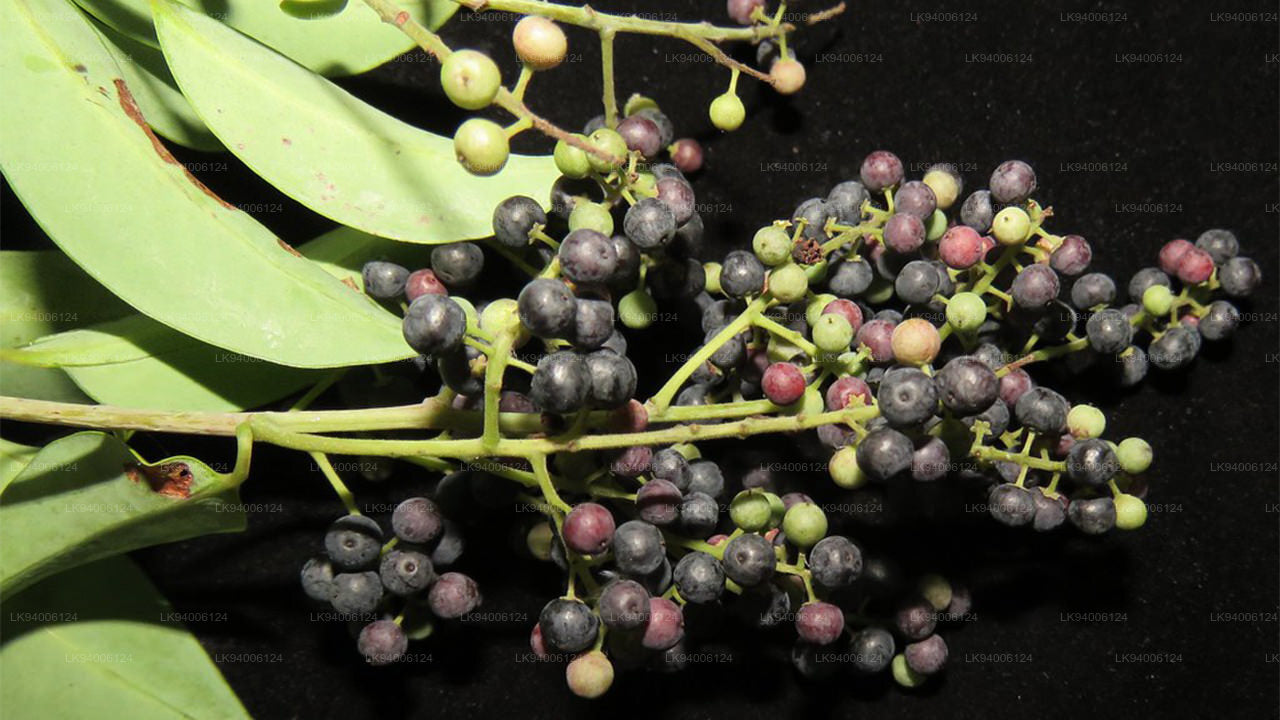
False Black Pepper
Embelia ribes -
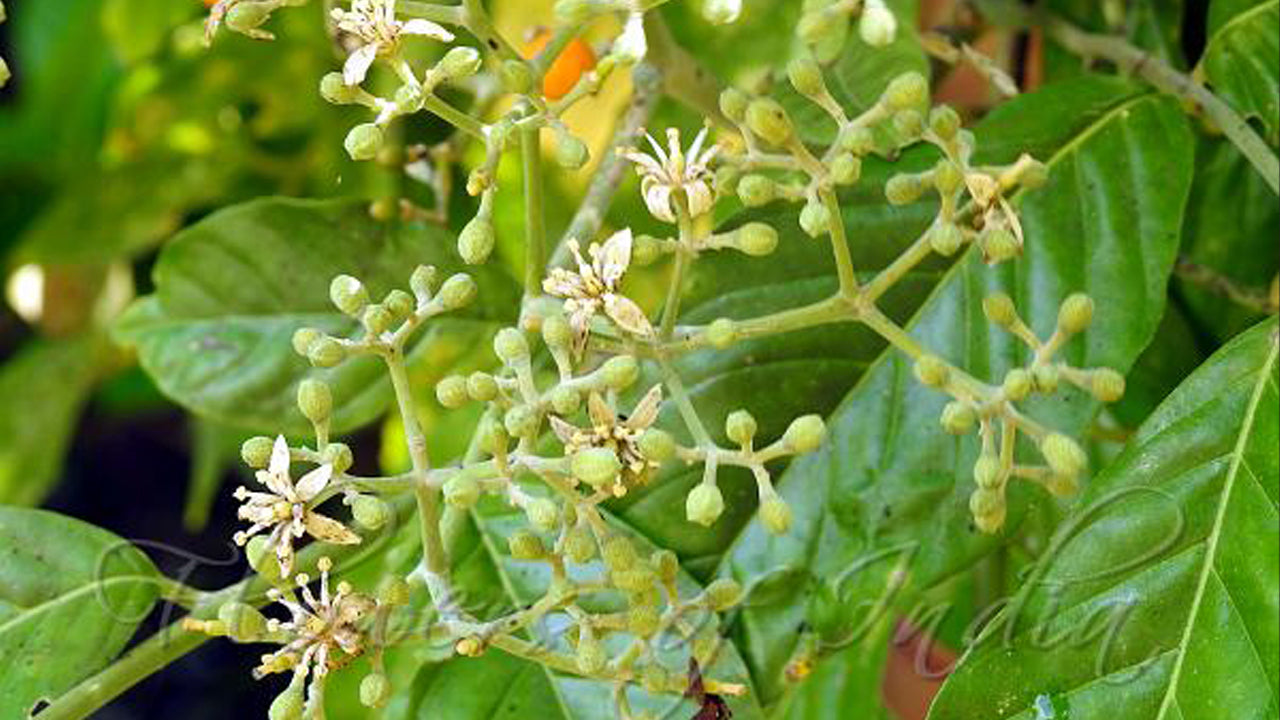
Limeberry
Micromelum ceylanicum -
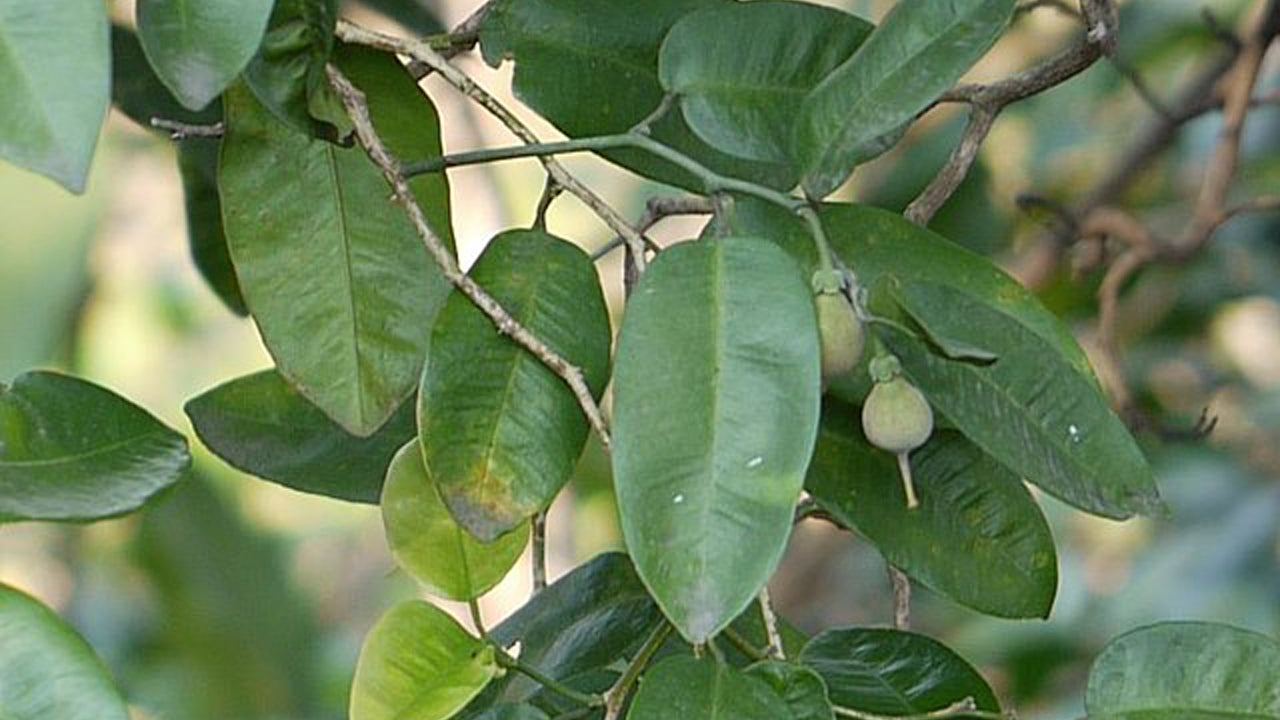
Climbing Atalantia
Paramignya monophylla




Ayurvedic and Herbal
-
 Promoção
Bálsamo Herbal Ayurvédico Siddhalepa
Preço normal De $0.48 USDPreço normal$0.54 USDPreço promocional De $0.48 USDPromoção -
 Promoção
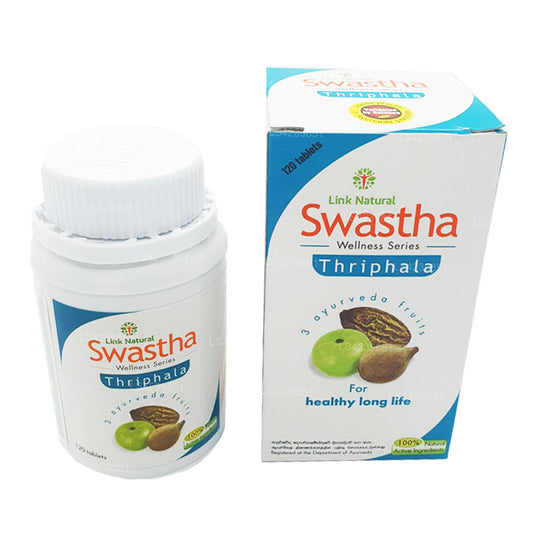
Link Swastha Triphala
Preço normal De $1.74 USDPreço normal$1.93 USDPreço promocional De $1.74 USDPromoção -
Folhas Desidratadas Inteiras de Graviola Selvagem Lakpura® (Guanabana, Graviola, Guyabano)
Preço normal De $0.72 USDPreço normal$0.81 USDPreço promocional De $0.72 USDPromoção -
 Promoção
Óleo Setsuwa Pranajeeva
Preço normal De $3.85 USDPreço normal$4.28 USDPreço promocional De $3.85 USDPromoção