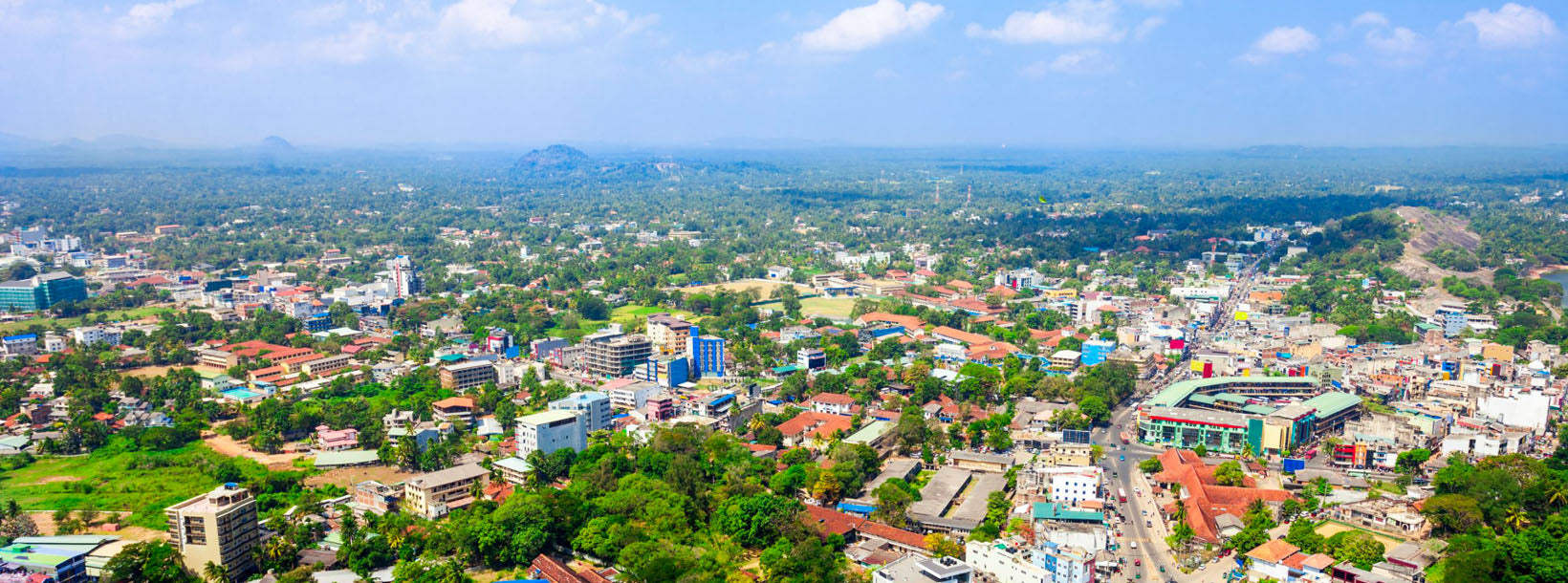
Góra Galgiriya
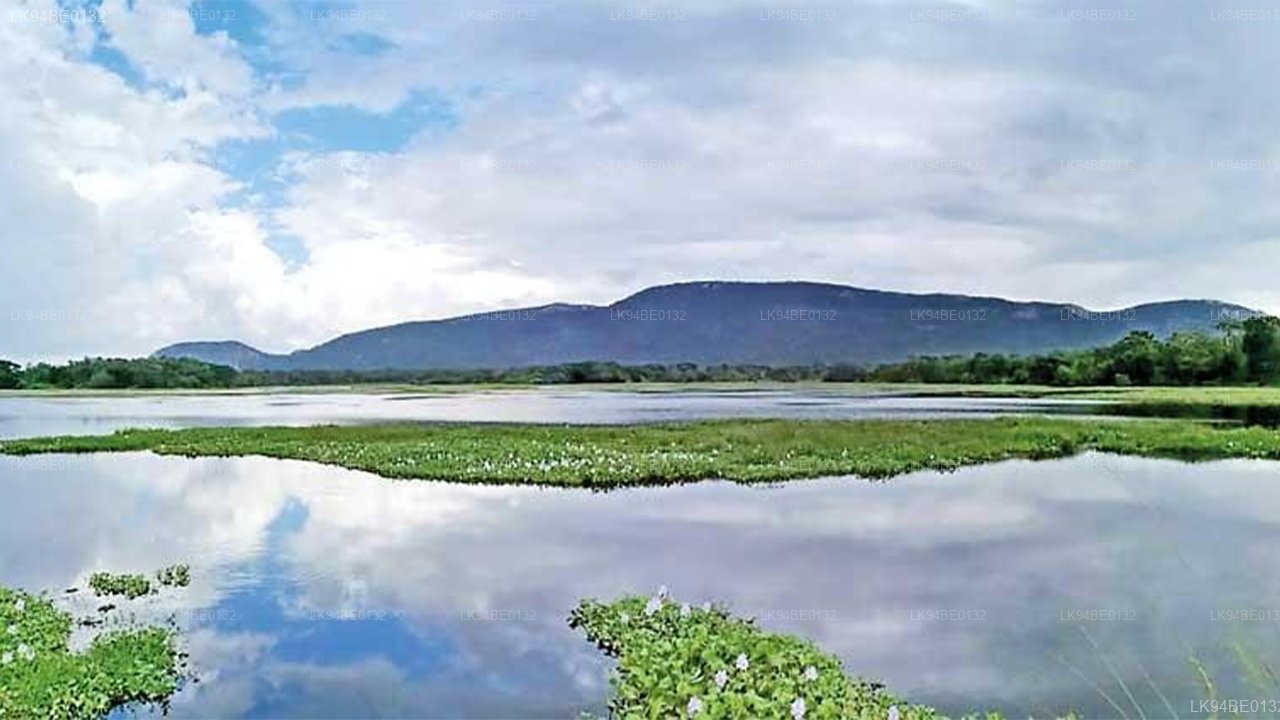
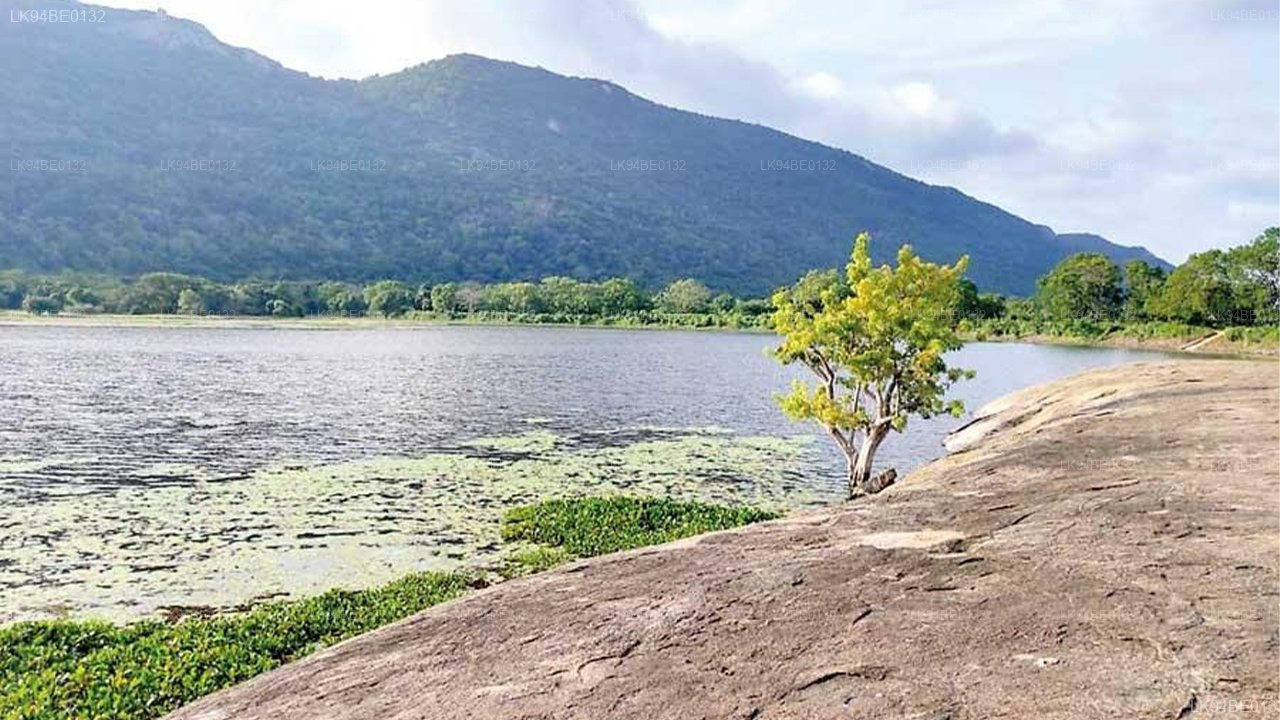
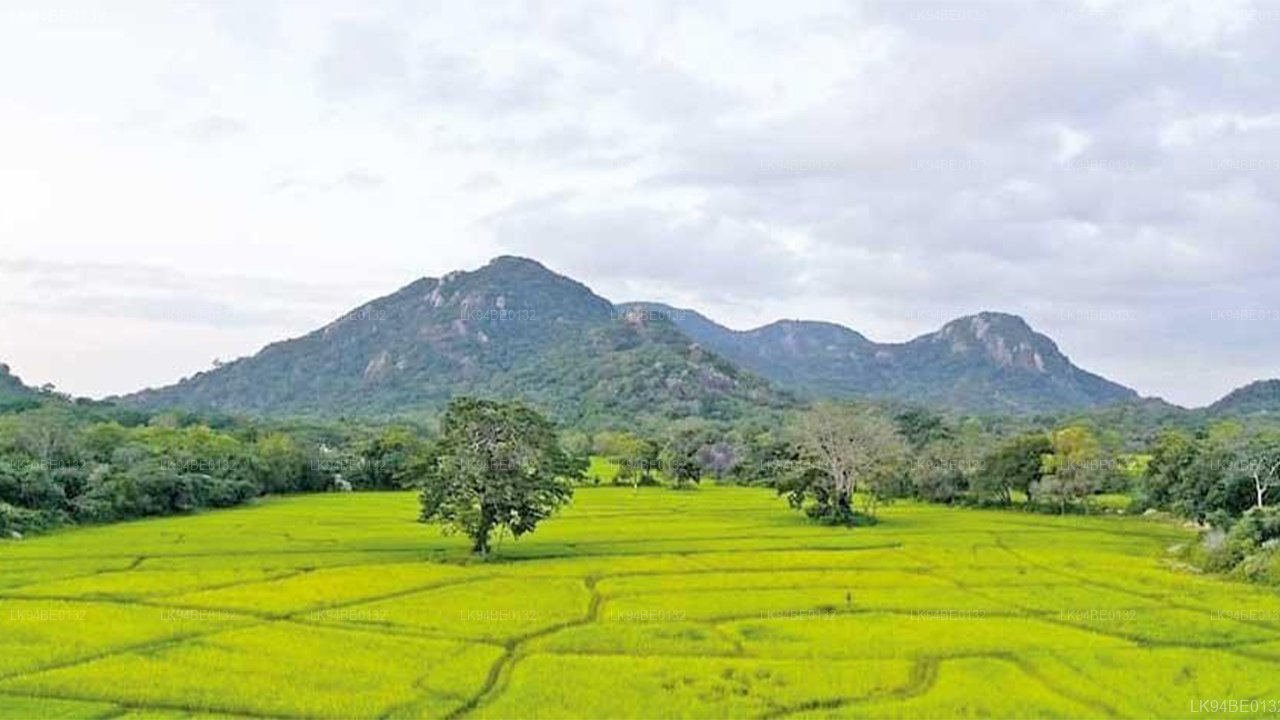
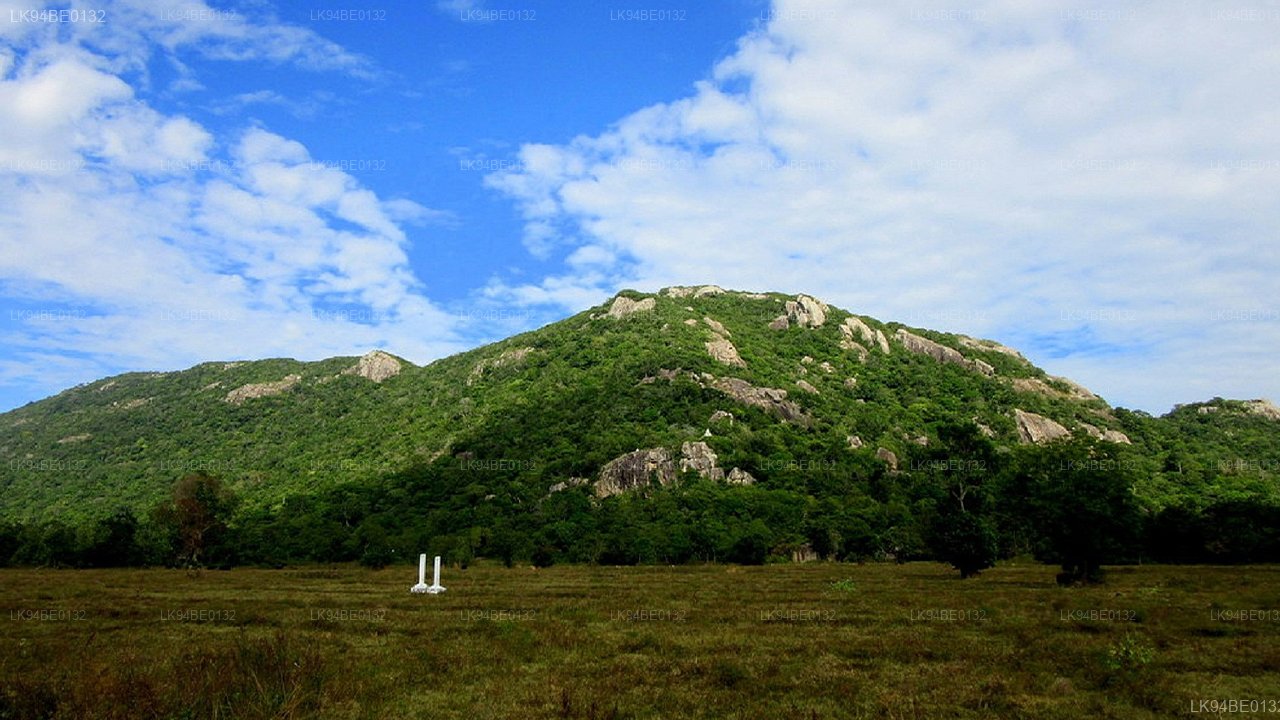
A Montanha Galgiriya, com 11 km de comprimento, é conhecida como a montanha mais longa do Sri Lanka. A montanha está situada no Secretariado Divisional de Ahatuwewa da área de Galgamuwa e está sob a jurisdição do Distrito de Kurunegala. Existem muitas lendas populares associadas a esta montanha.
Em particular, a história de Saliya e Ashokamala se desenrola com base na Montanha Galgiriya. Historicamente, é aceito que o Príncipe Saliya, filho do Rei Dutugemunu, casou-se com Ashokamala e foi viver na Montanha Galgiriya. Numerosas provas e evidências que sustentam esta história ainda podem ser encontradas na Montanha Galgiriya, até hoje. A Montanha Galgiriya, antes considerada a terra onde a história de amor de Saliya e Ashokamala aconteceu, é agora um lugar sagrado de adoração para os monges Aranya Senasana (monges que habitam florestas), que praticam meditação. Registros históricos confirmam que o Príncipe Saliya governou esta área como líder local e construiu reservatórios e canais para promover a agricultura. Qualquer pessoa que visite a área hoje pode testemunhar a recuperação agrícola que se originou a partir de seus esforços.
A Montanha Galgiriya é a terra natal do Príncipe Saliya, que, como governante local, tornou essa área muito próspera. As cavernas de rocha testemunham que os Arahath Theras (monges iluminados) viveram nela.
Esta montanha. Caldeirões estão esculpidos nessas cavernas de rocha, enquanto as inscrições em pedra também confirmam que monges iluminados viveram nesta grande floresta. O local sagrado na Montanha Galgiriya, com um rico patrimônio, foi descoberto em 1962 por Arahapola Vipassi Thera. Até então, essa área estava coberta por uma densa selva. Vipassi Thera chegou a este local e passou seu tempo meditando. Posteriormente, outros monges chegaram e começaram a praticar meditação. Desde então, este lugar se tornou um Aranya Senasana (monastério florestal). Atualmente, cerca de 12 monges residem no Aranya Senasana da Montanha Galgiriya praticando meditação. Aproximadamente 60-70 acres pertencem a este monastério florestal, que compreende mais de 20 cavernas de rocha. Existem quatro principais inscrições em pedra nesta área, embora a maioria delas tenha sido destruída e as inscrições apagadas. Além disso, há inscrições nas cavernas de rocha que indicam que monges iluminados viveram neste lugar no passado. As inscrições em pedra e as inscrições nas cavernas mencionam que o Príncipe Saliya ofereceu esta montanha e as cavernas de pedra para Pussadeva Arahath Thera. Atualmente, este monastério florestal está registrado no Departamento de Arqueologia. Embora tenha sido realizado um estudo sobre suas inscrições em pedra e inscrições nas cavernas, nenhuma outra pesquisa foi realizada, de acordo com o líder do Aranya Senadhipathi, Vitharanagama Sumedha Thera.
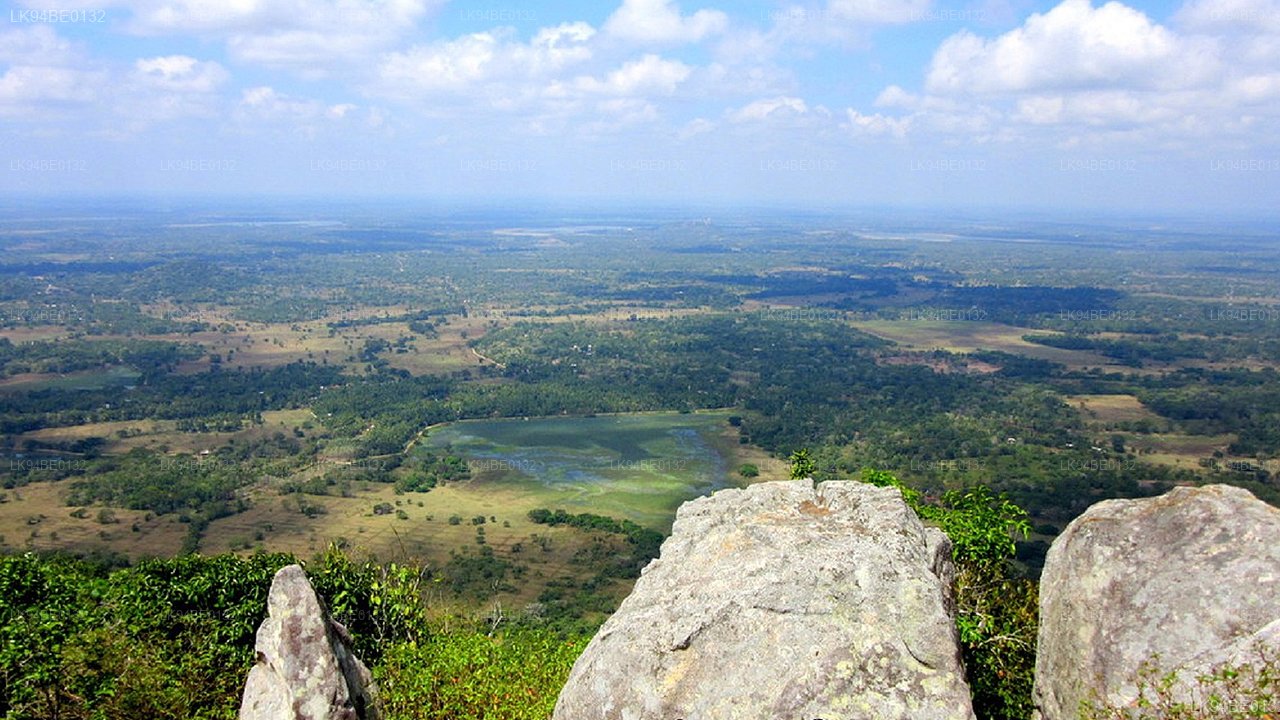
Esta área também possui o sistema de tanques em cascata mais bem-sucedido em Sath Korala, baseado na Montanha Galgiriya. Com as fontes de água que se originam na Montanha Galgiriya, cerca de quatrocentos e vinte tanques na área têm sido continuamente alimentados até hoje. O pesquisador de folclore Karunaratne Mahagamarala disse que a água da Montanha Galgiriya viaja até o Reservatório Tabbowa.
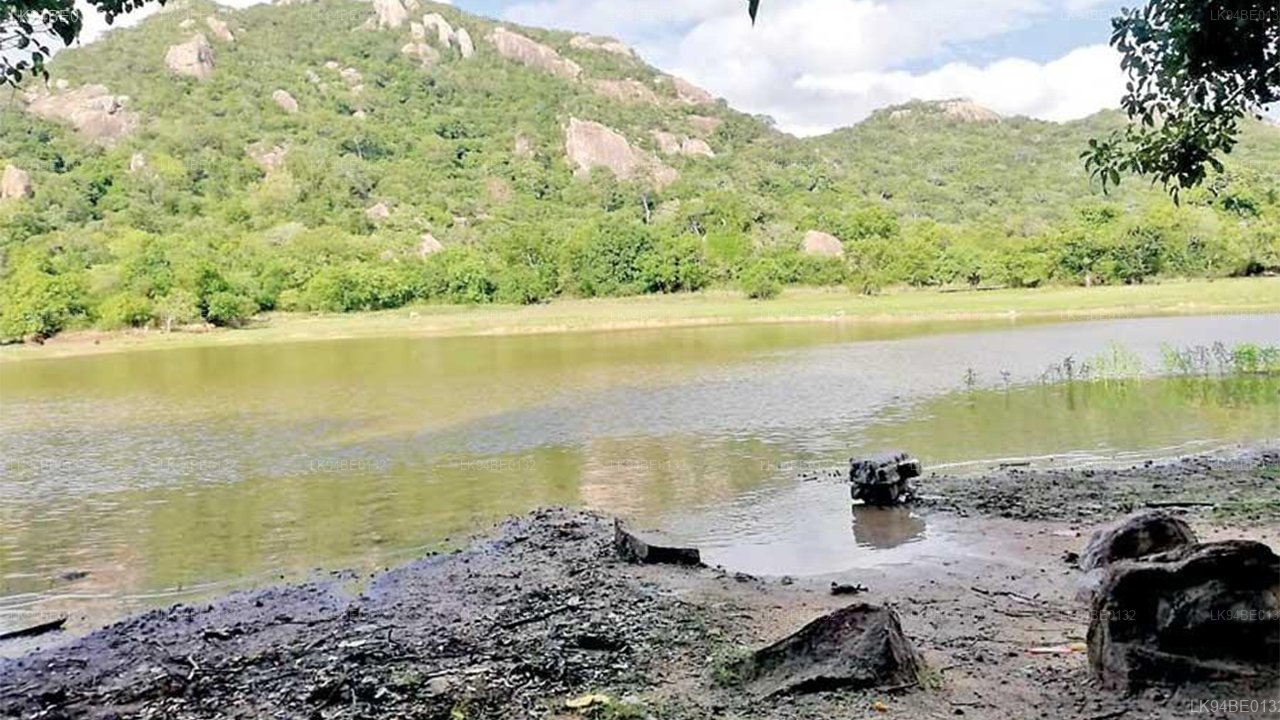
A outra característica especial da Montanha Galgiriya é a presença de dois tanques no topo da montanha; uma característica que nenhuma outra montanha na nação insular pode igualar. Ambos os tanques são considerados construídos pelo Príncipe Saliya. O primeiro tanque nesta montanha é o Ahas Wewa, localizado perto de Maligathenna. O segundo tanque foi construído no local onde a água do Ahas Wewa ressurgiu.