Benincasa hispida (Alu Puhul)


Benincasa hispida also known as Alu Puhul is a large trailing or climbing plant with stout, hispid stems, tendrils 2- fid. Leaves 10-25 cm in diameter, reniform, cordate, more or less 5-lobed, hispids beneath; petioles 7.5 – 10 cm long without glands. Flowers large, yellow, monoecious, solitary. Fruits 30-45 cm long, broadly cylindric, not ribbed, hairy, ultimately covered with a waxy bloom.
"Ash pumpkin is mainly water but it has many minerals in solution which gives it good medical value. It has a peculiar action on the circulatory system in that it rapidly stops haemorrhage. Hence, it has been found very useful in the treatment of haemorrhage from the alimentary canal.
The root of the puhul creeper with that Komadu (Which is also of the puhul family) made into a paste by rubbing them on a stone can be applied on carbuncles. For severe burns, a drink of puhul juice mixed with Kitul jaggery is the first thing to be given to the patient. Puhul is also applied on the burnt area of the skin. The five parts of the lime tree, the leaf, bark, root, flower, and the fruit ground to a fine paste with lime juice is applied on the burnt surface of the skin." Dr. Seela Fernando, Herbal Food and Medicines in Sri Lanka


-
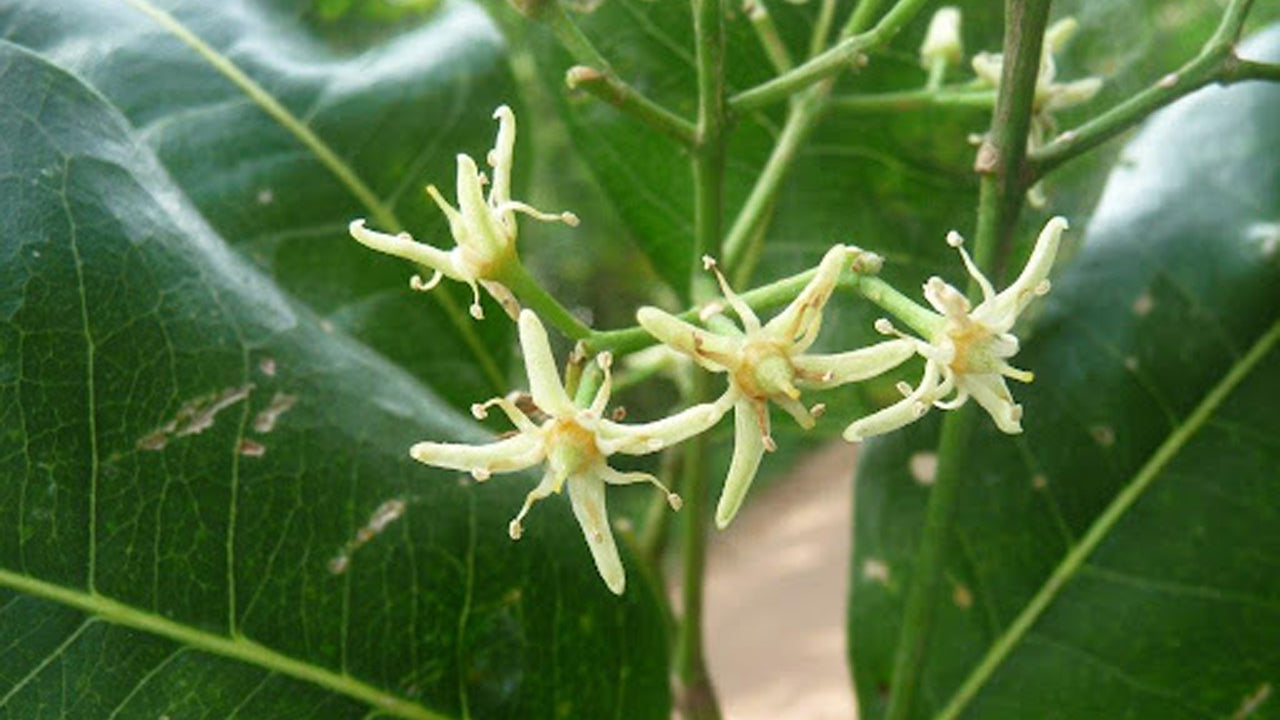
Claw-flowered laurel
Acronychia pedunculata -
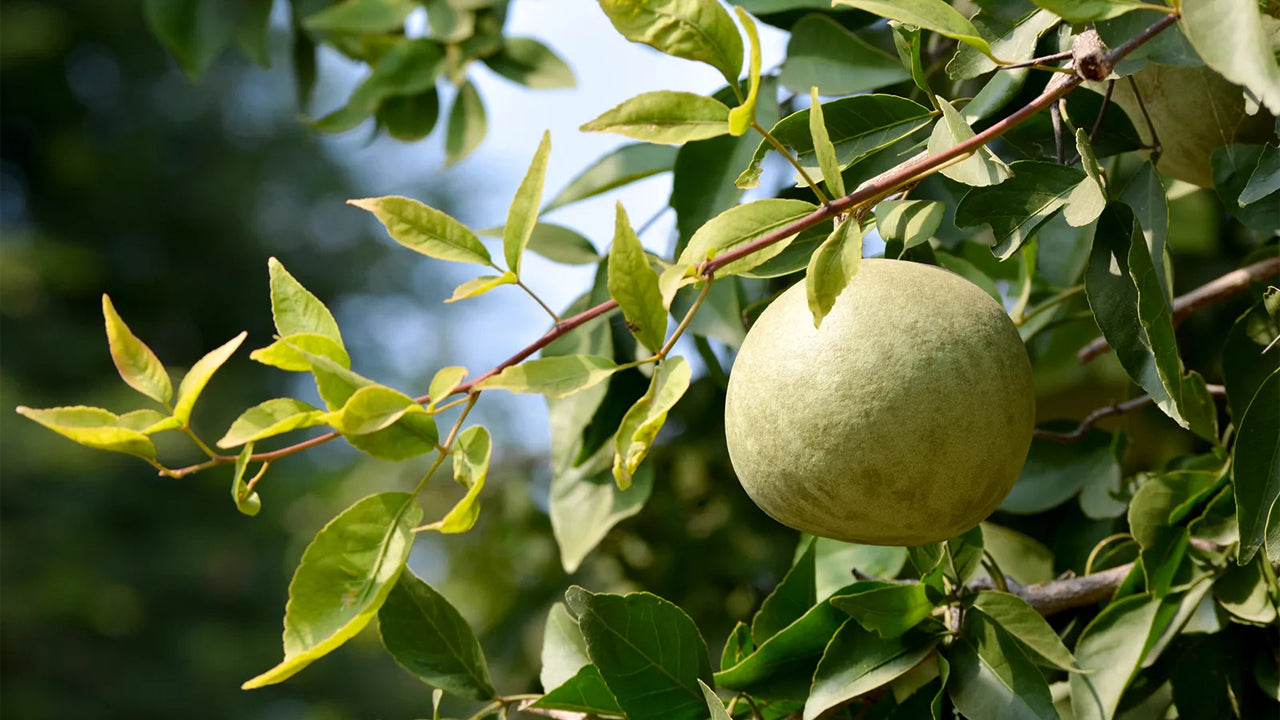
Bael
Aegle marmelos -
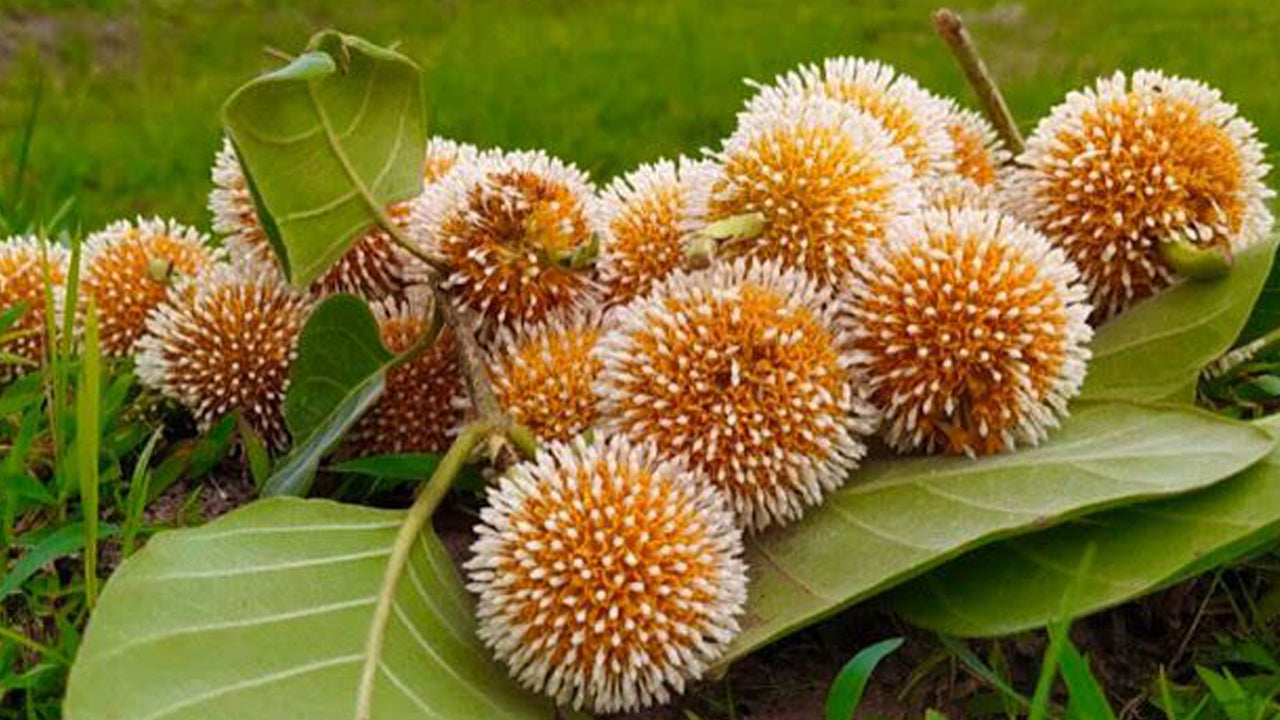
Leichhardt tree
Nauclea orientalis -
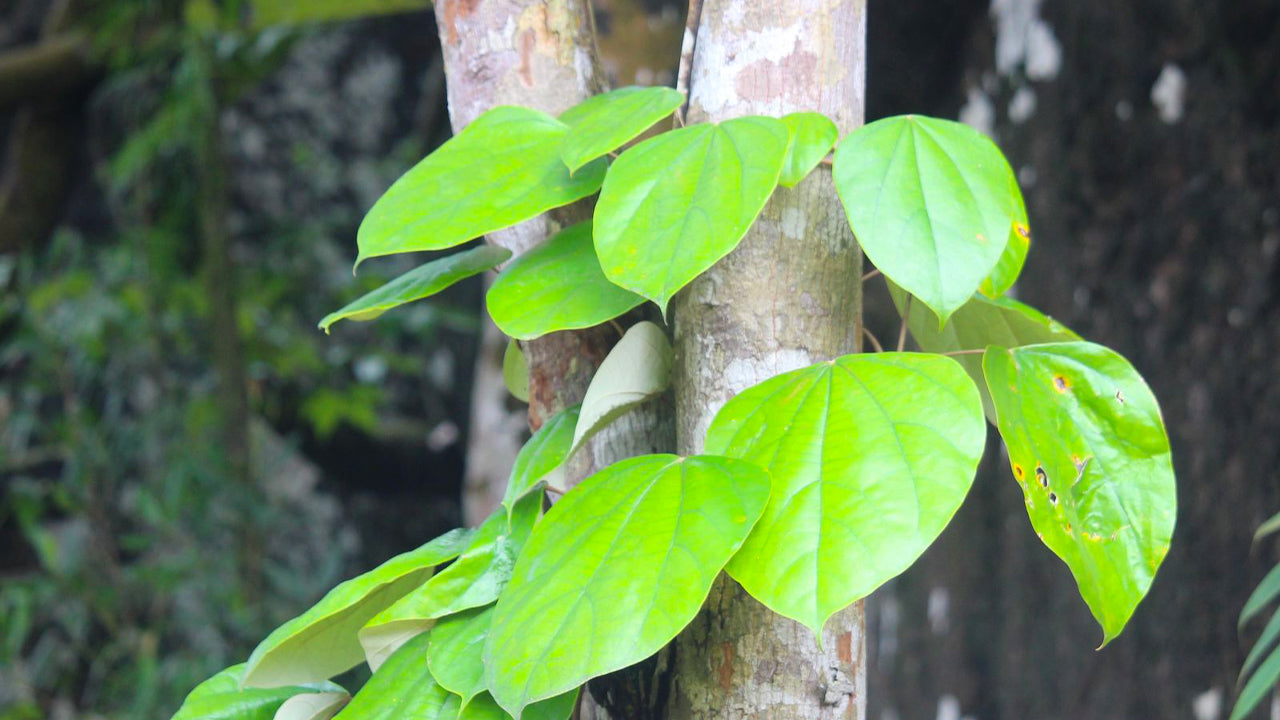
False Calumba
Coscinium fenestratum -

Malabar Gulbel
Tinospora malabarica -
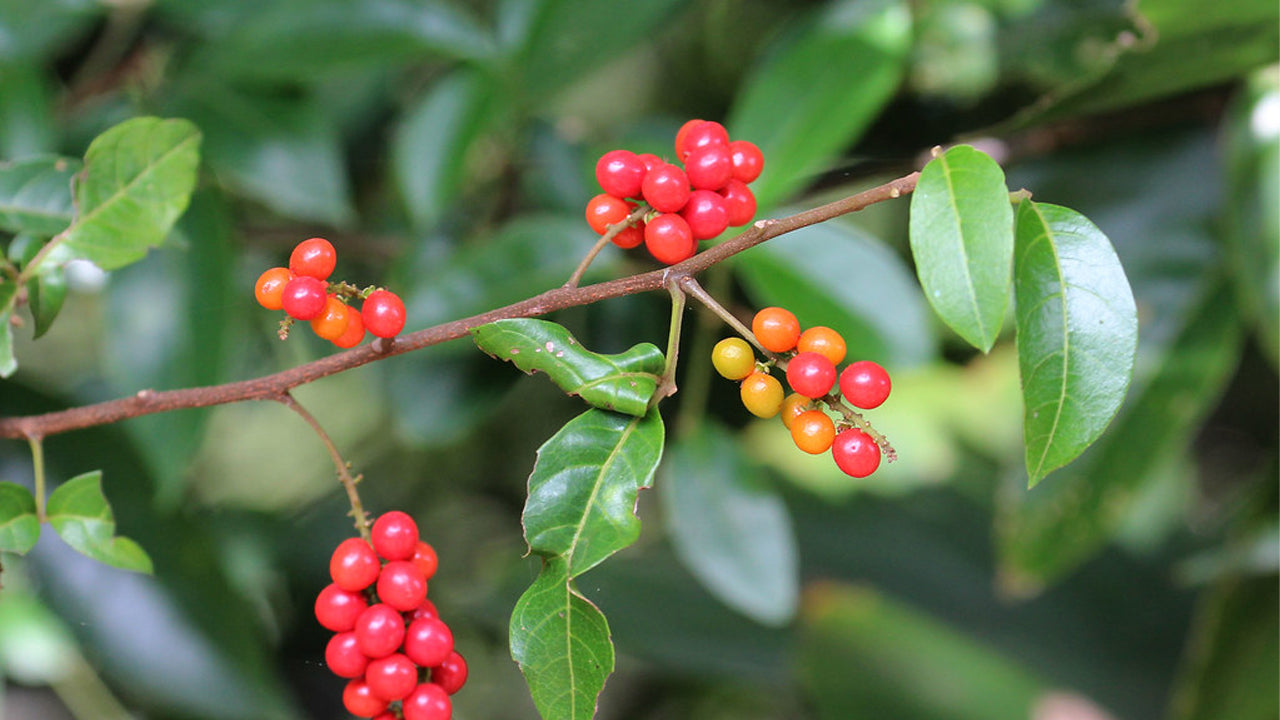
Titberry
Allophylus cobbe -
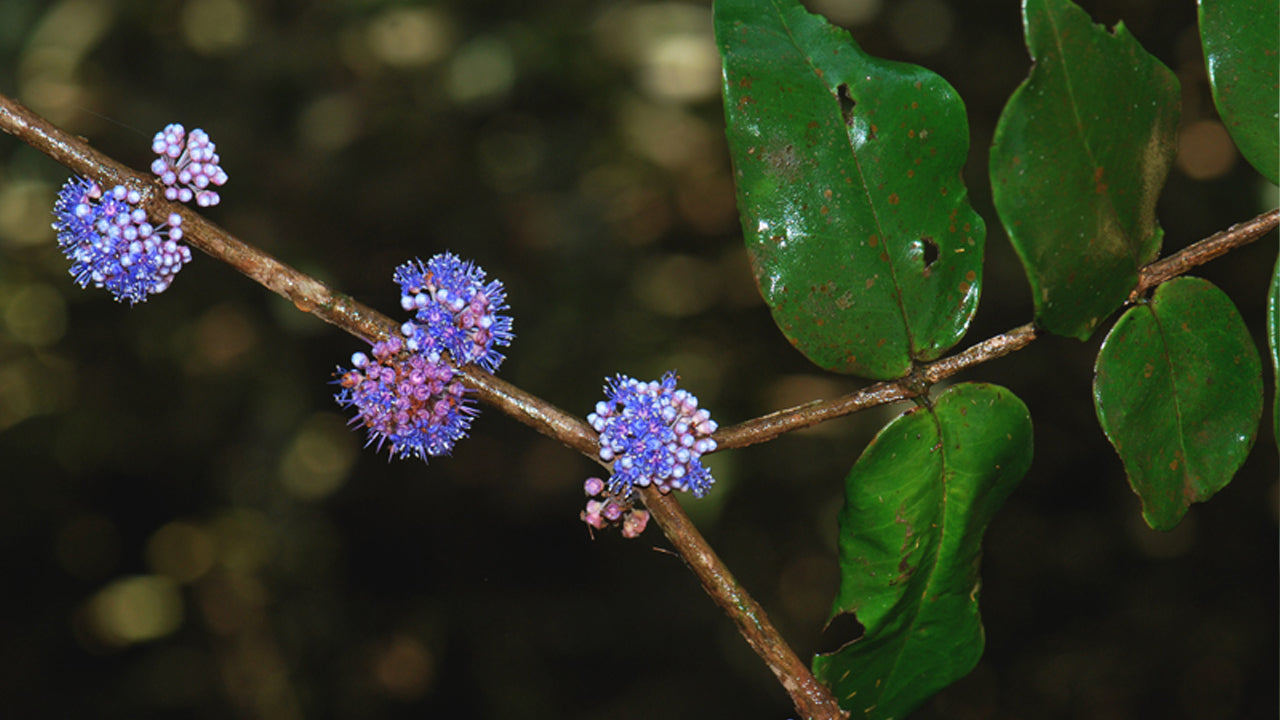
Ironwood Tree
Memecylon capitellatum -
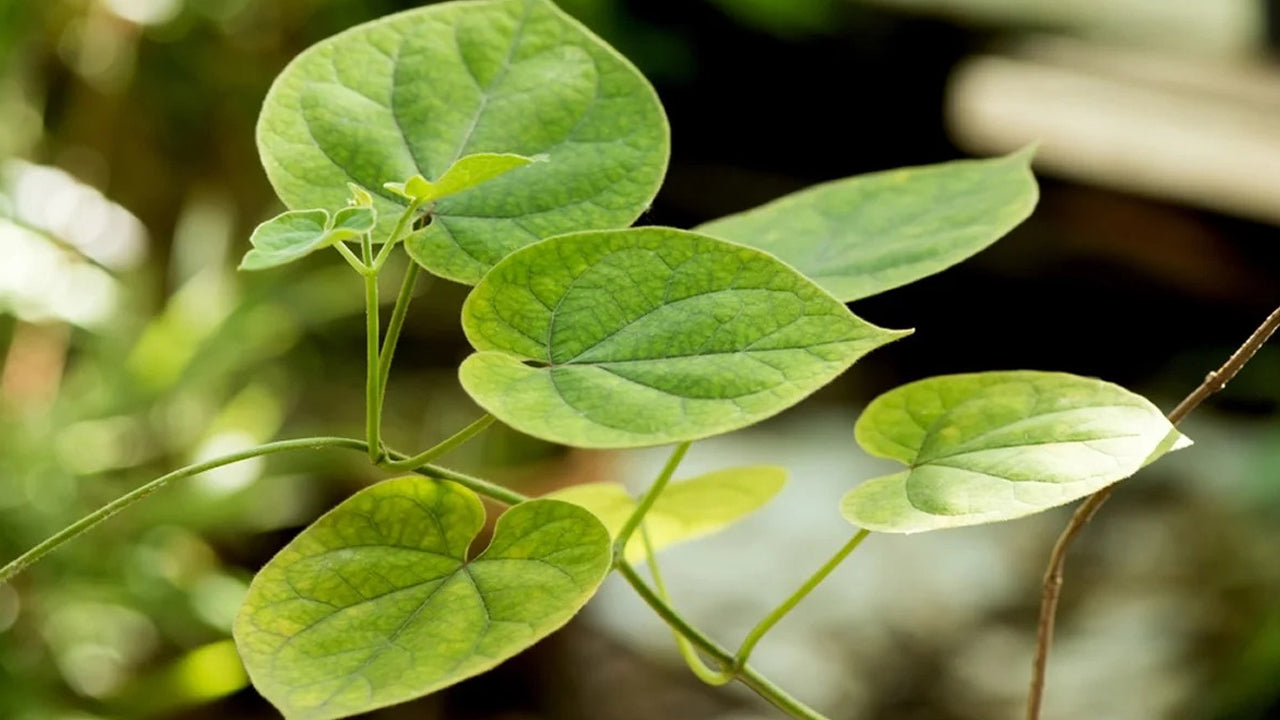
Velvet Leaf
Cissampelos pareira -
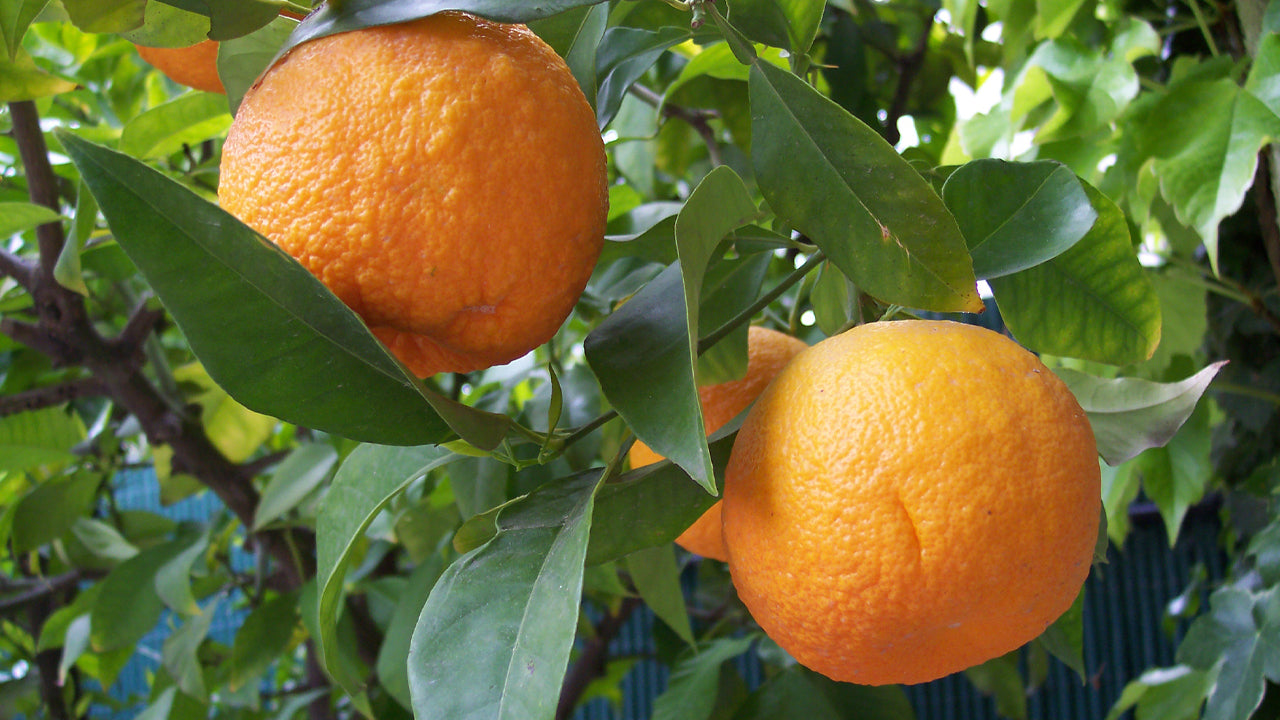
Bitter orange
Citrus aurantium -

Reinwardt's Tree Plant
Biophytun reinward -
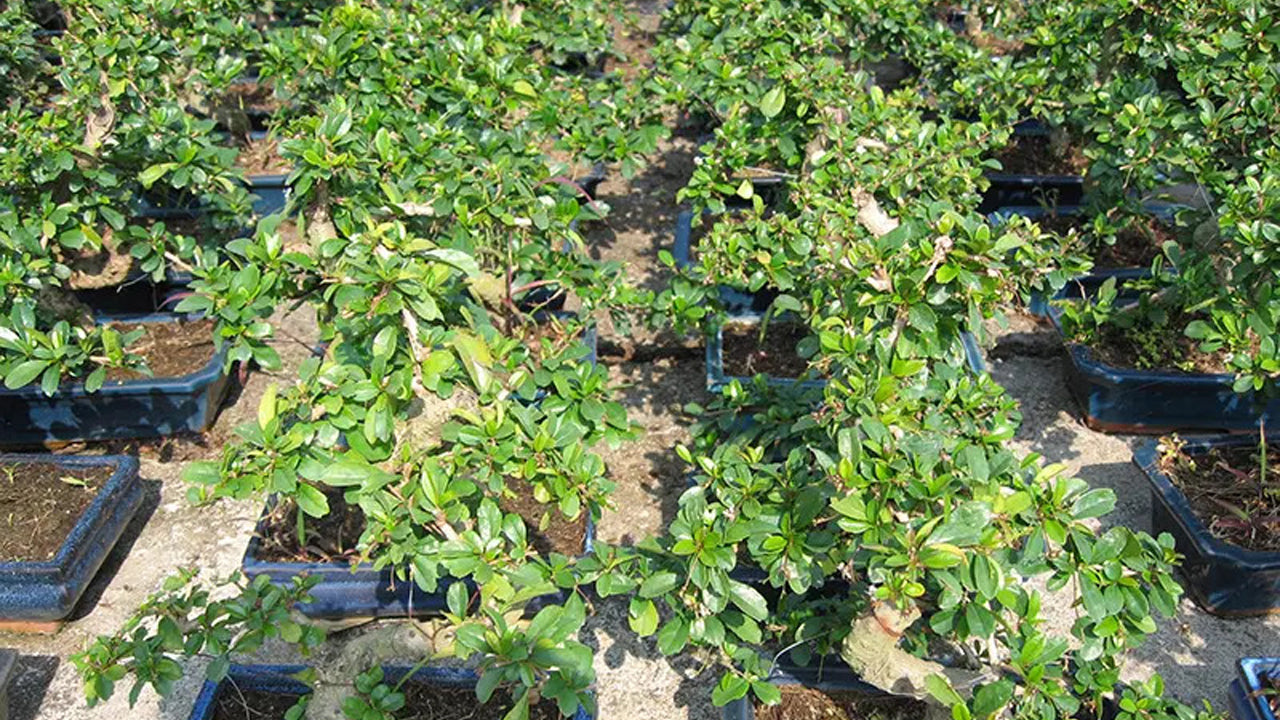
Fukien tea
Carmona microphylla -
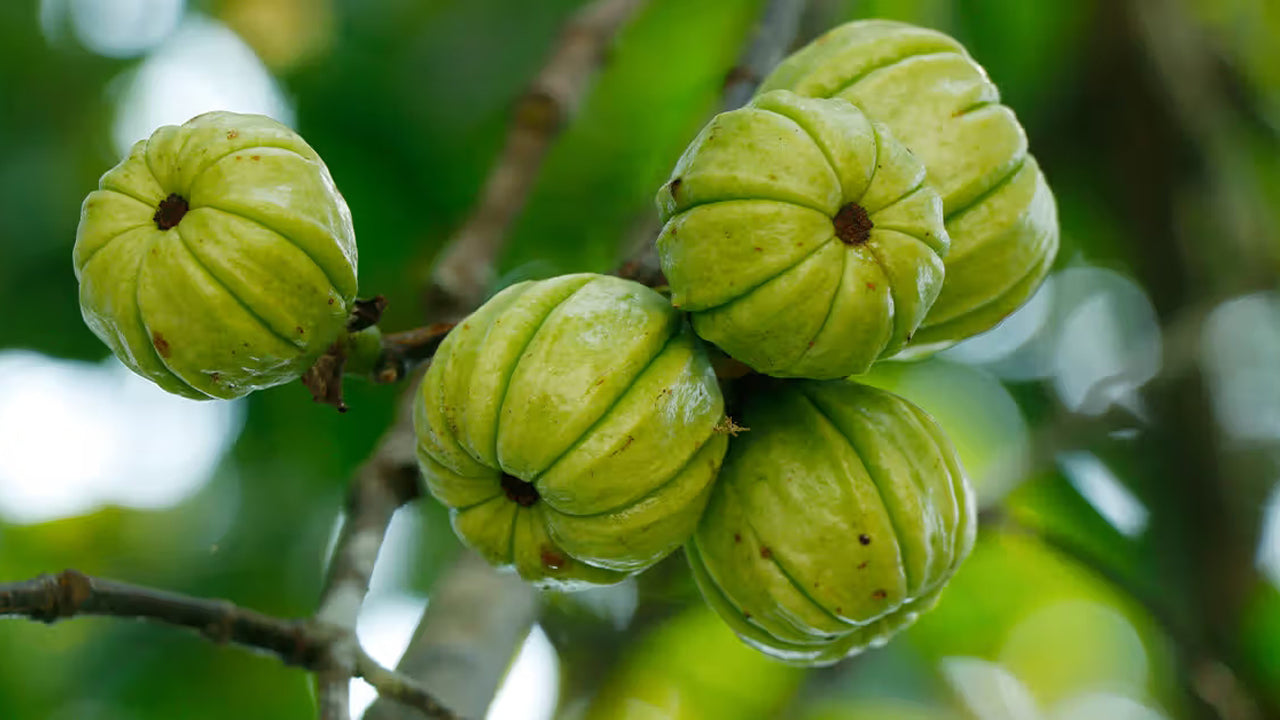
Malabar tamarind
Garcinia cambogia -
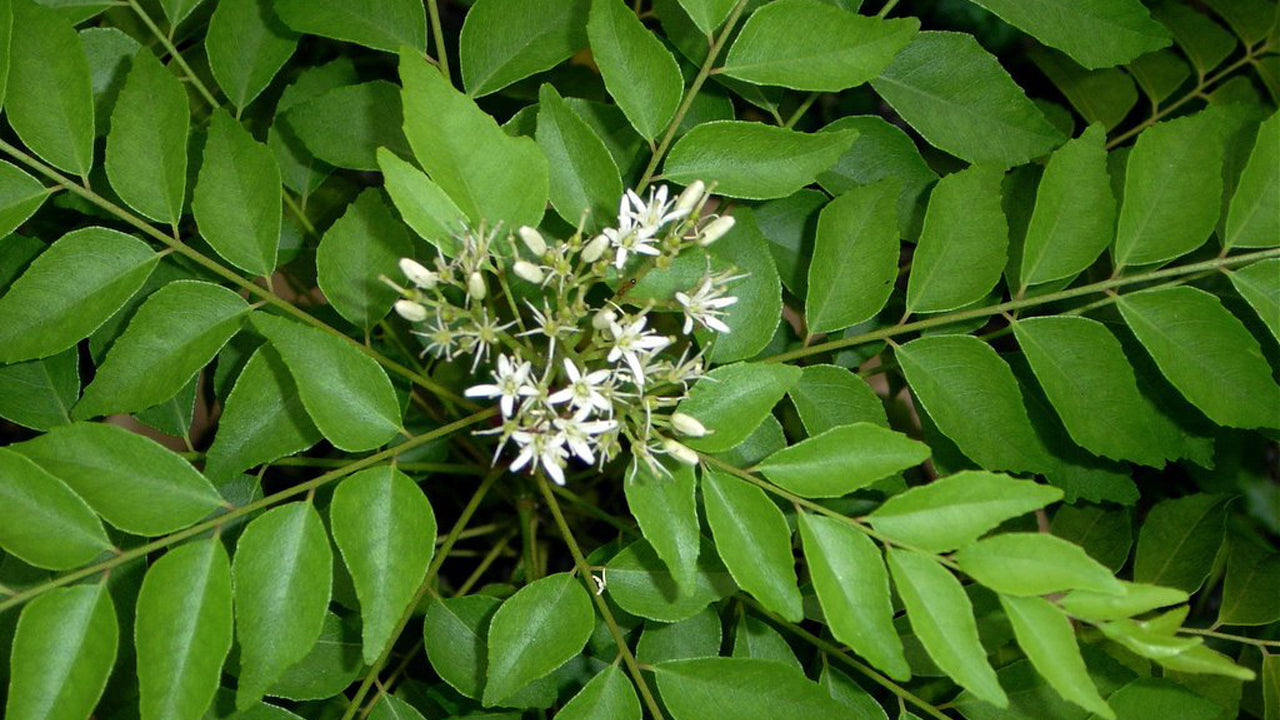
Curry leaf tree
Murraya koenigii -
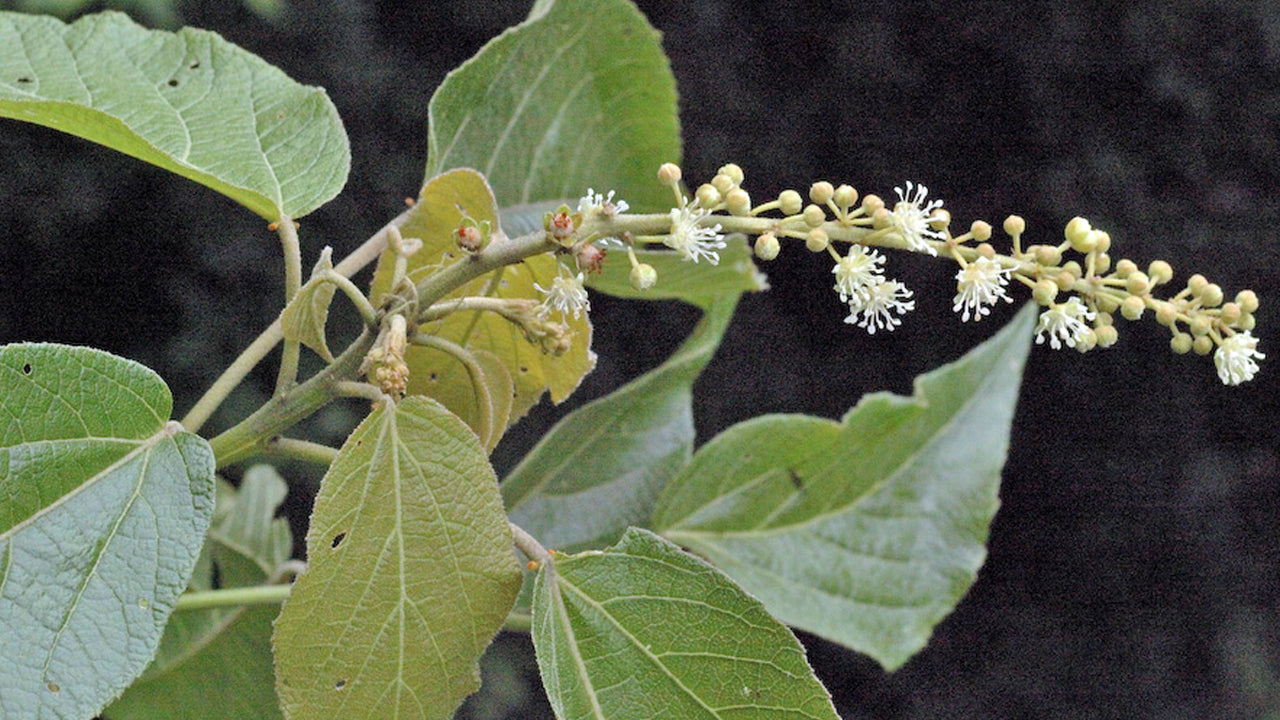
Kappetiya
Croton laccifer -
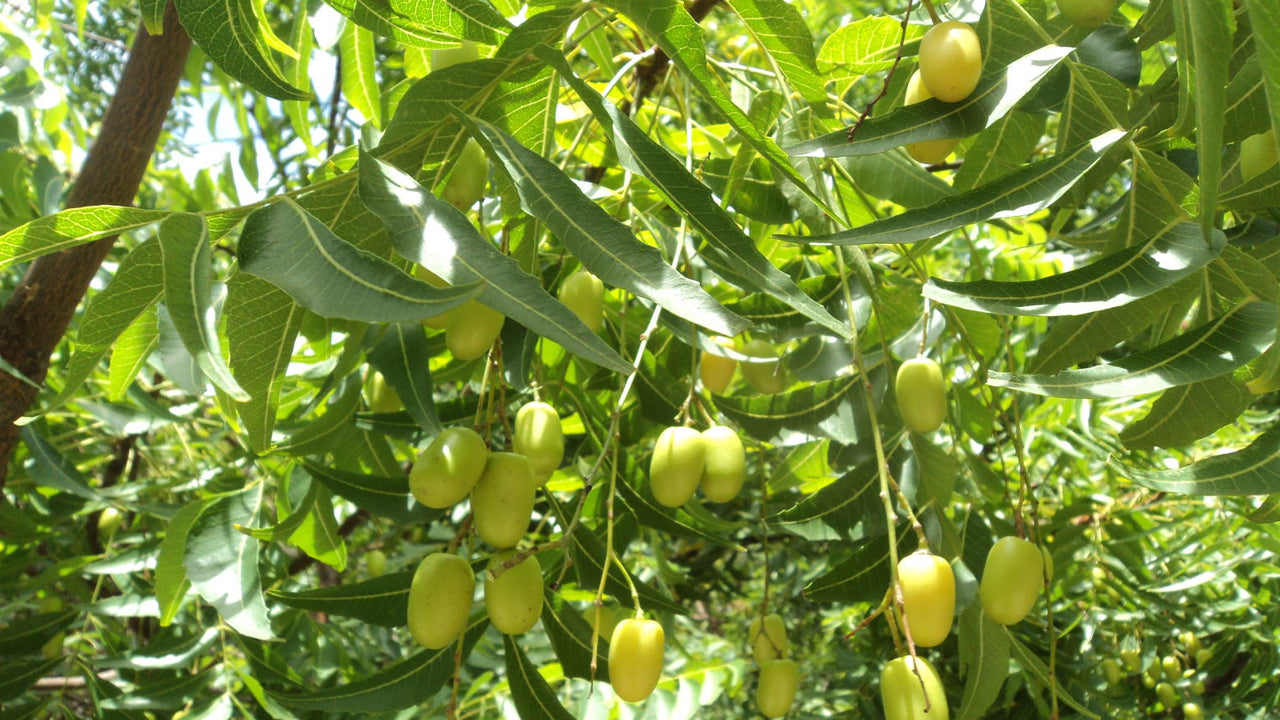
Indian lilac
Azadirachta indica -
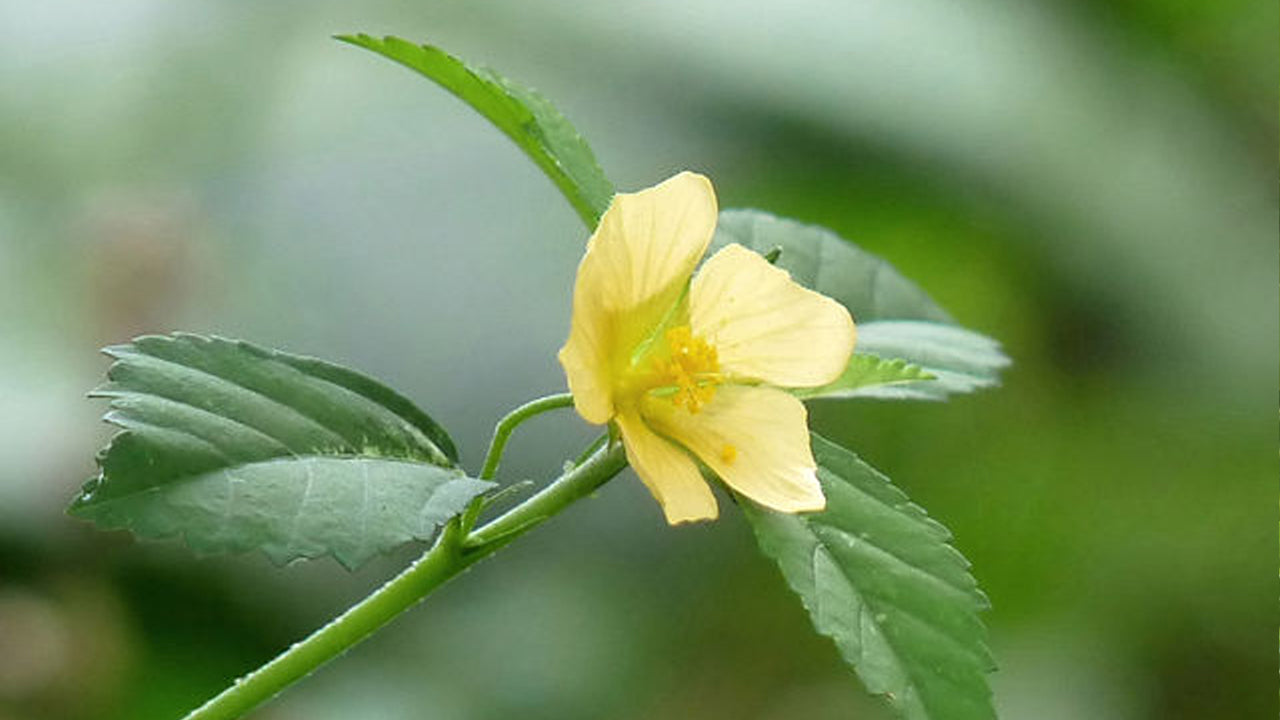
Spiny sida
Sida alba -
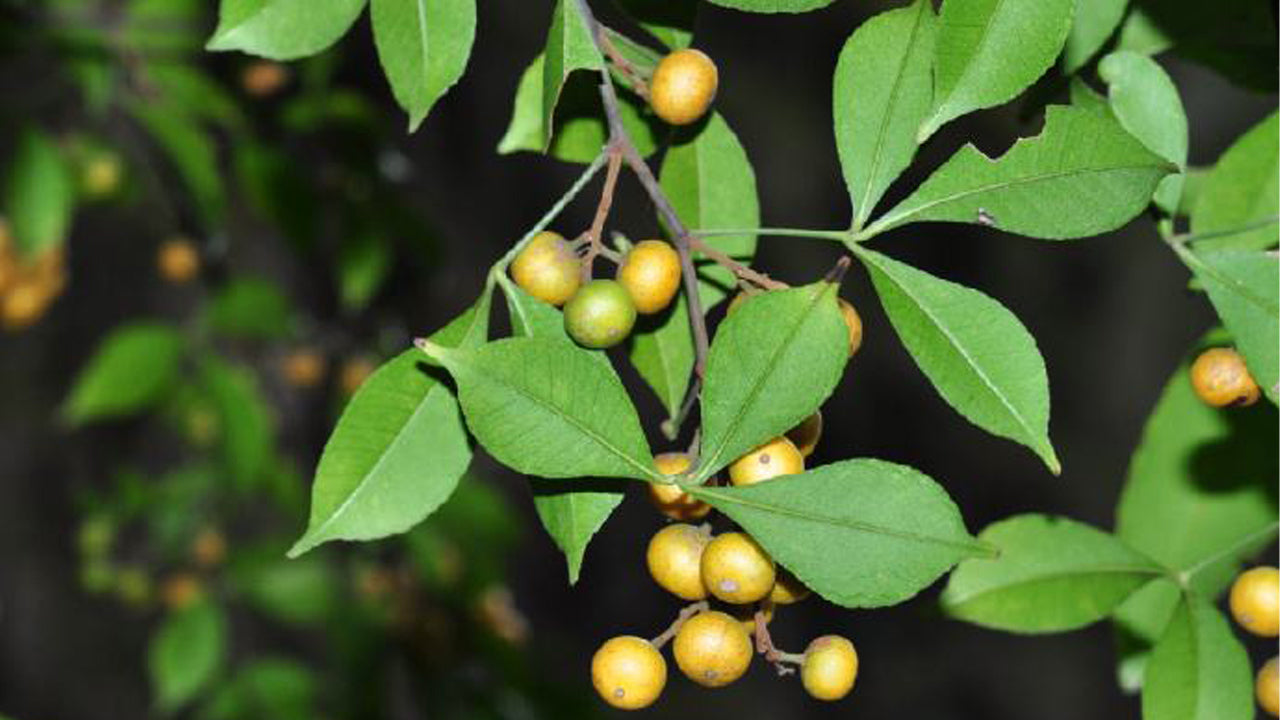
Orange climber
Toddlia asiatica -
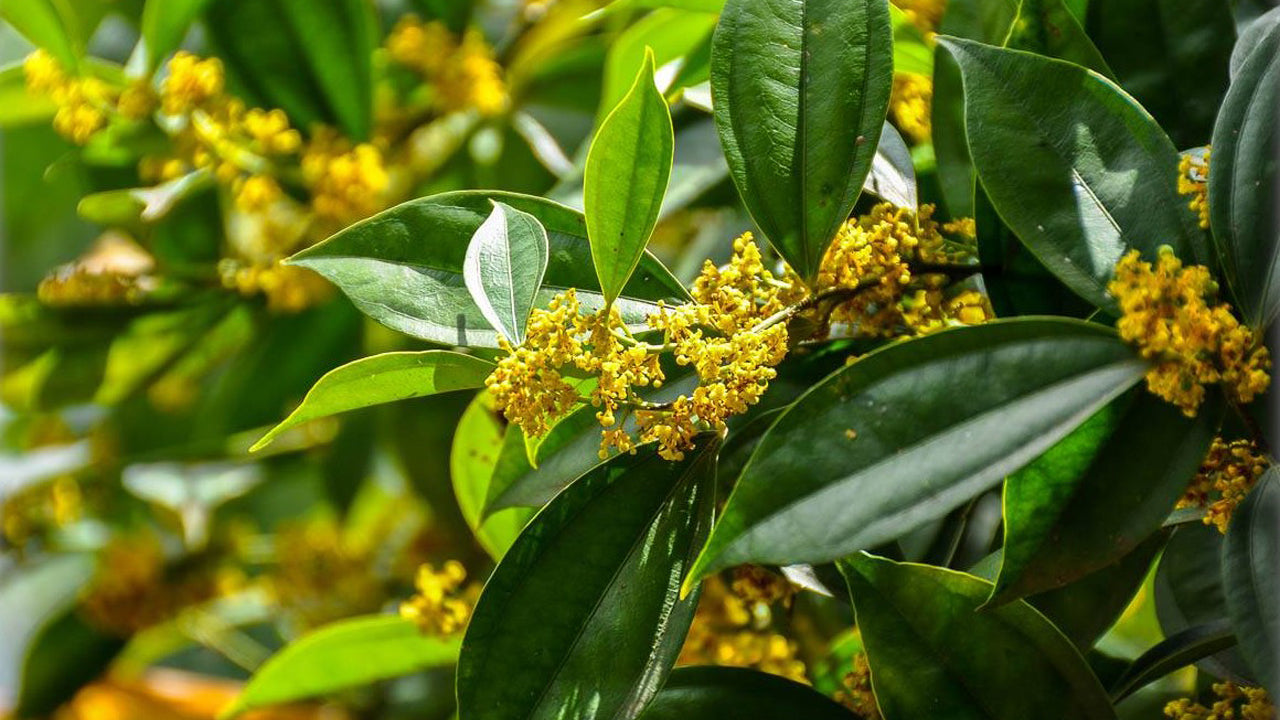
Ceylon cinnamon
Cinnamomum zeylanicum -
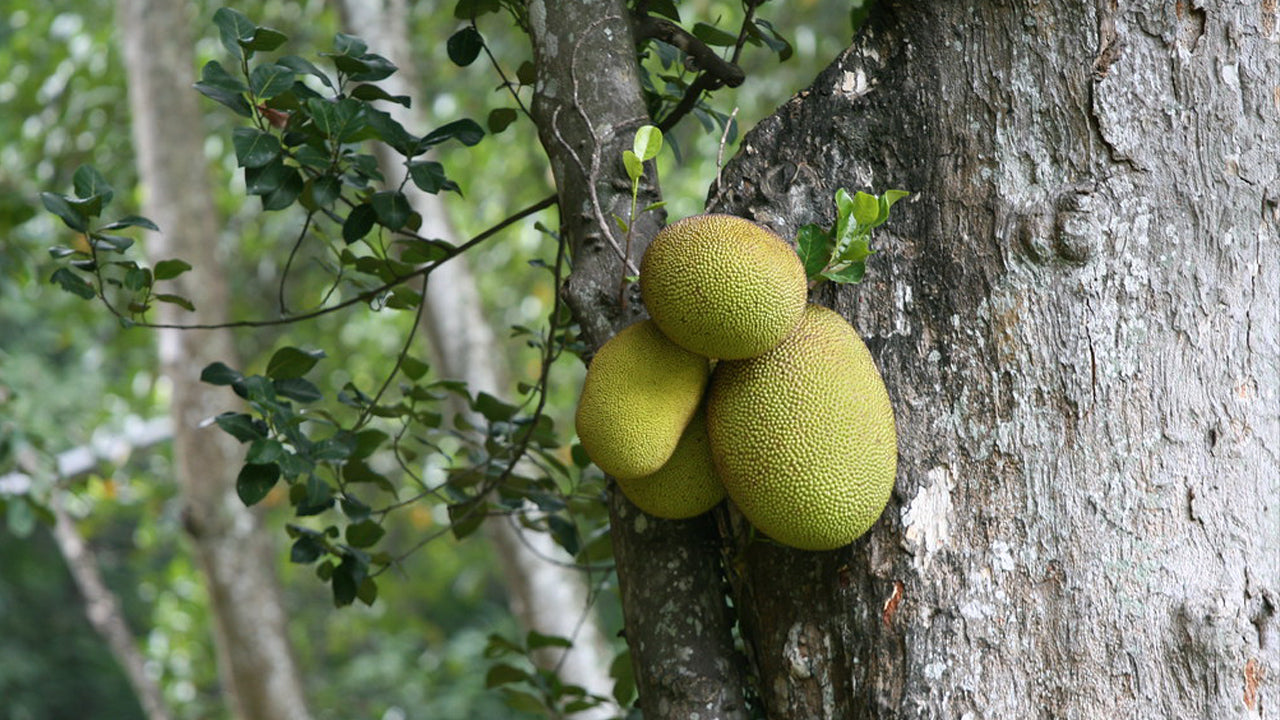
Jackfruit
Artocarpus heterophyllus -
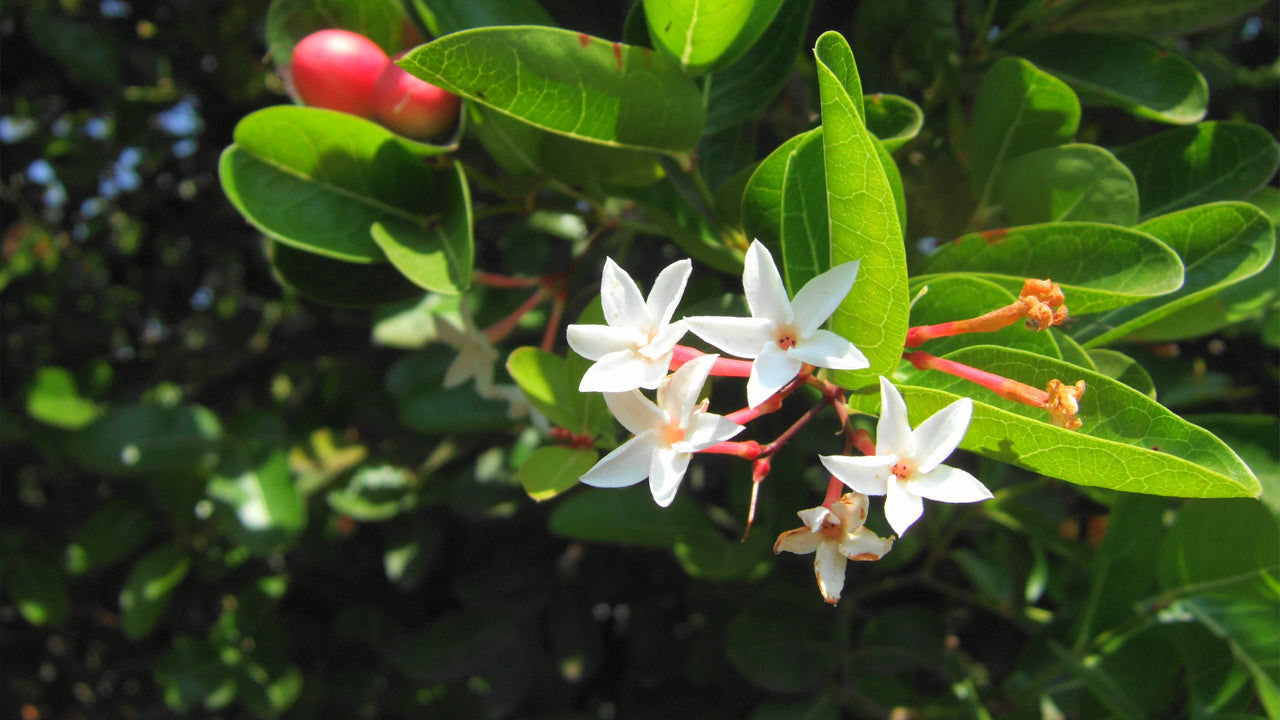
Karonda
Carissa carandas -
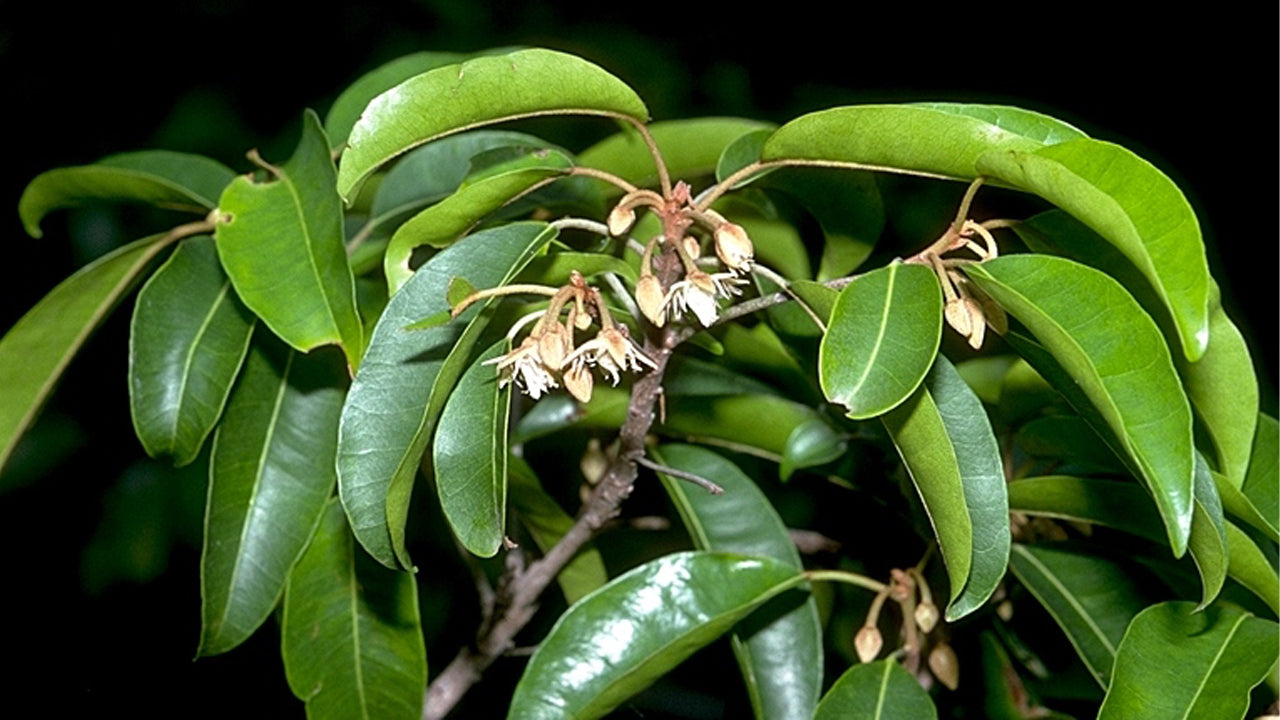
Spanish cherry
Mimusops elengi -
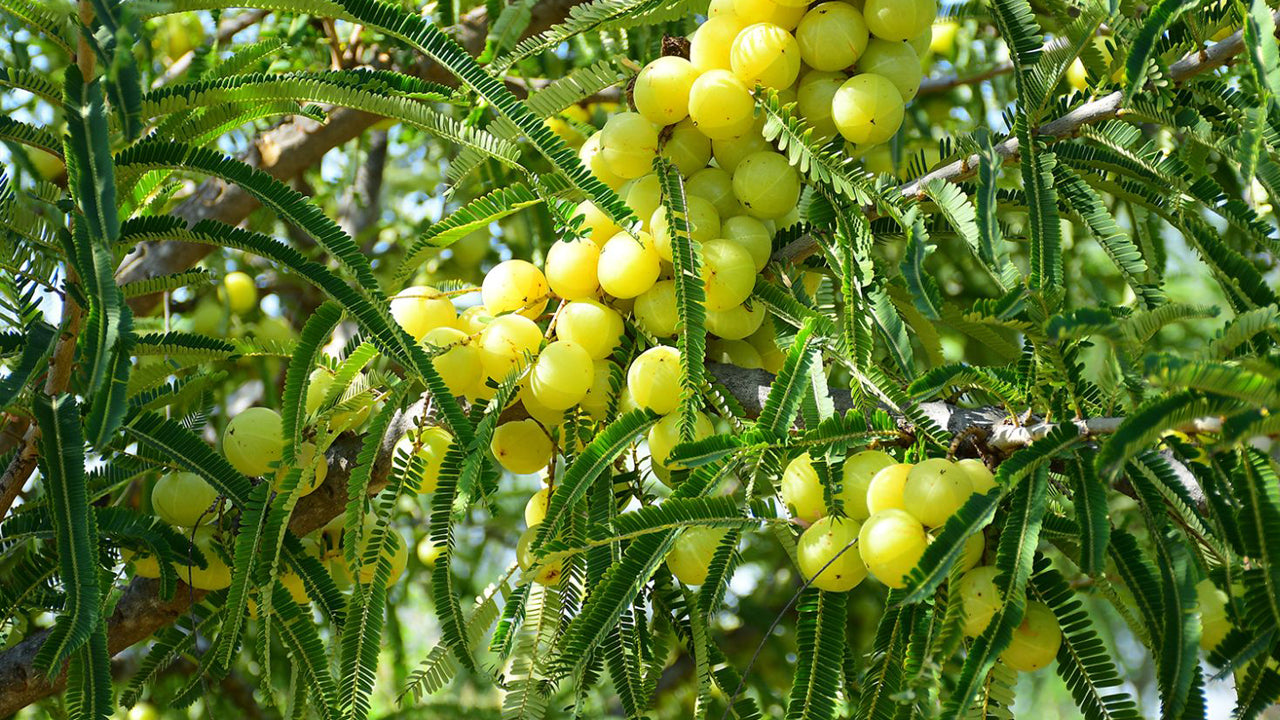
Indian gooseberry
Phyltanthus emblica -
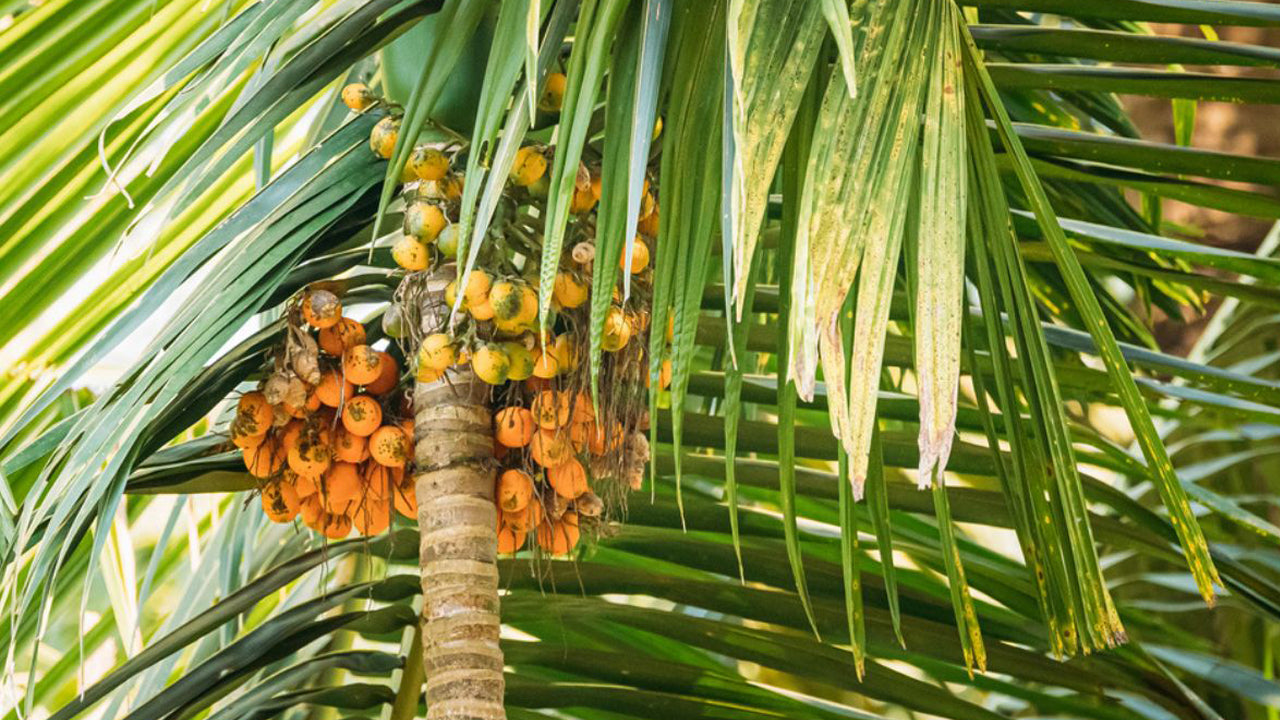
Betel palm
Areca catechu -
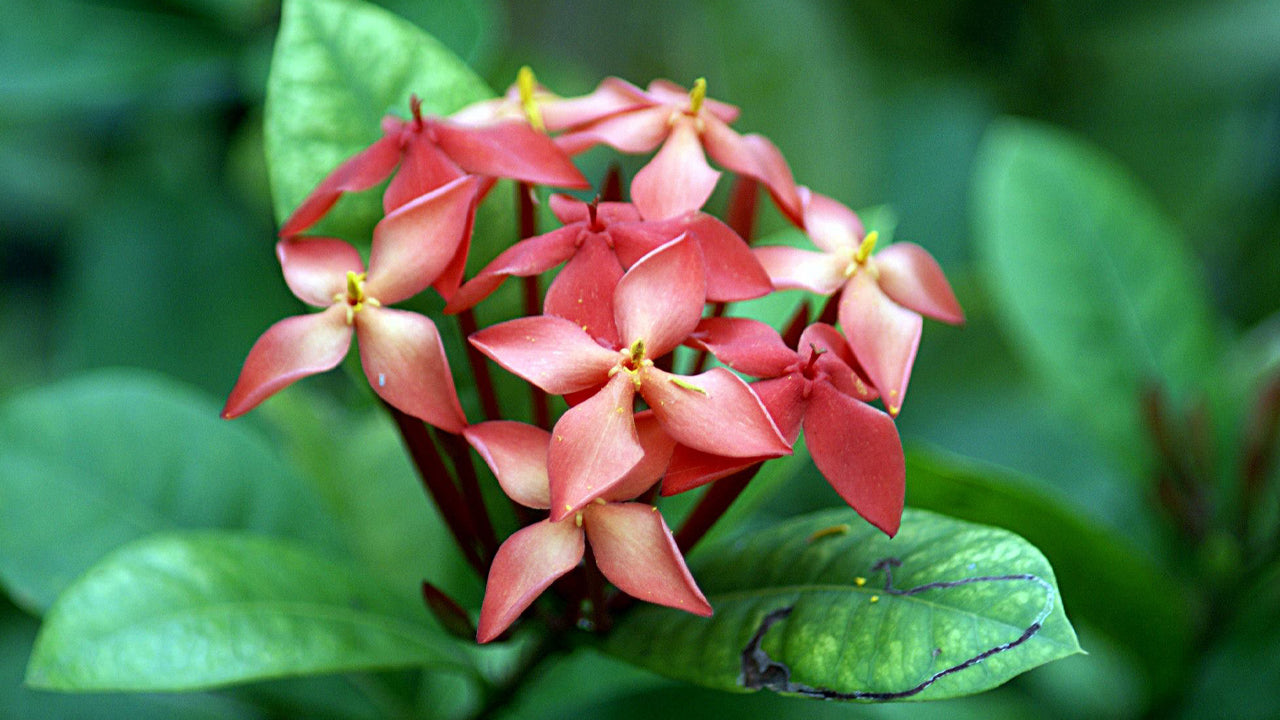
Jungle geranium
Ixora coccinea -
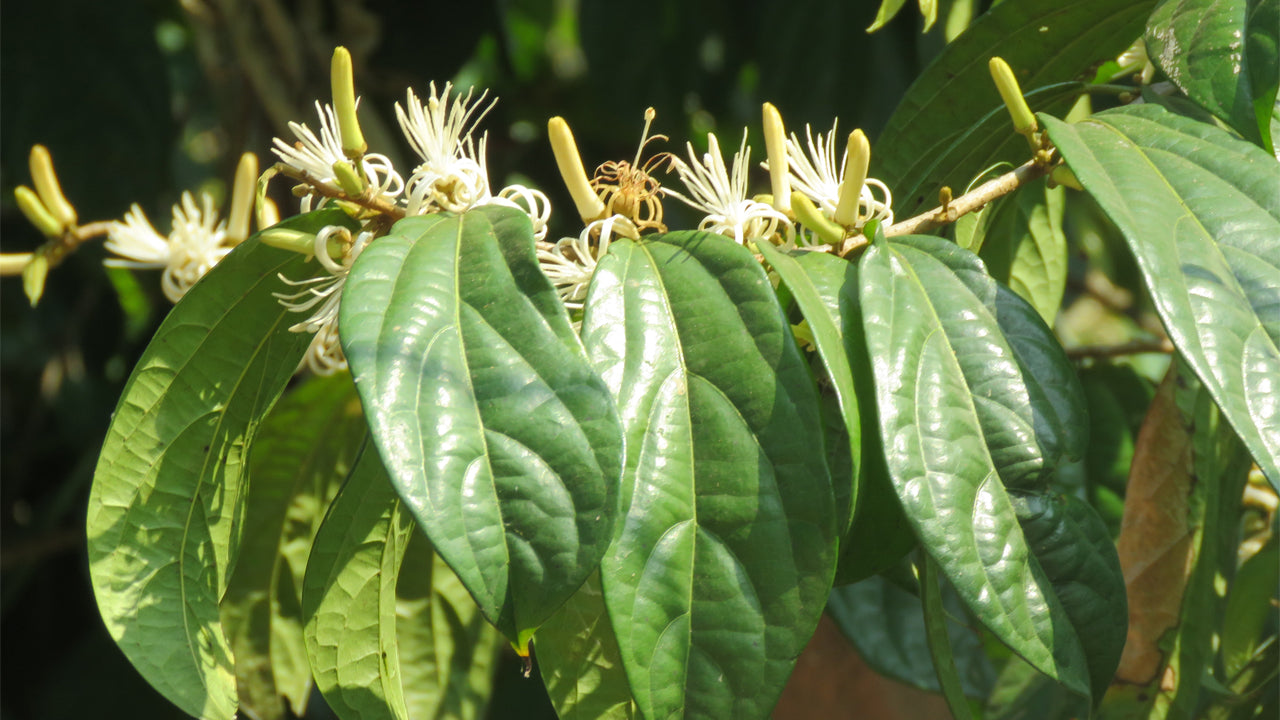
Sage-leaved alangium
Alangium salviifolium -
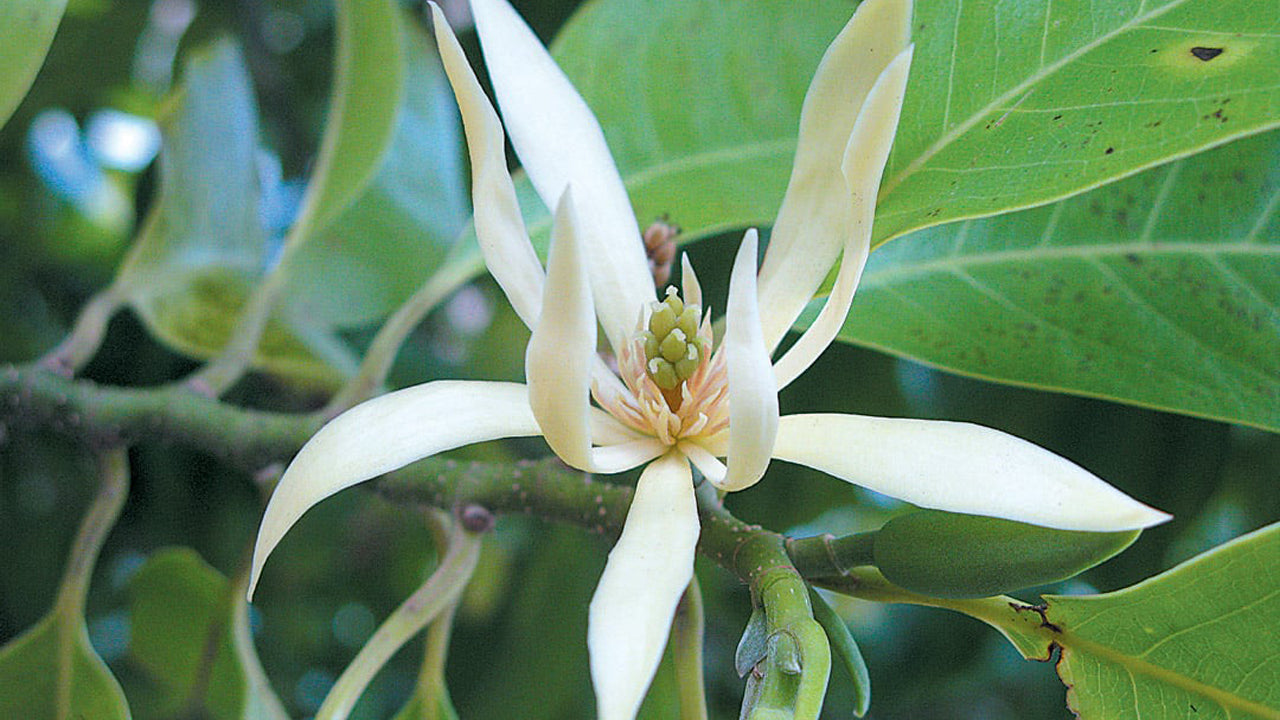
Champak
Michelia champaca -
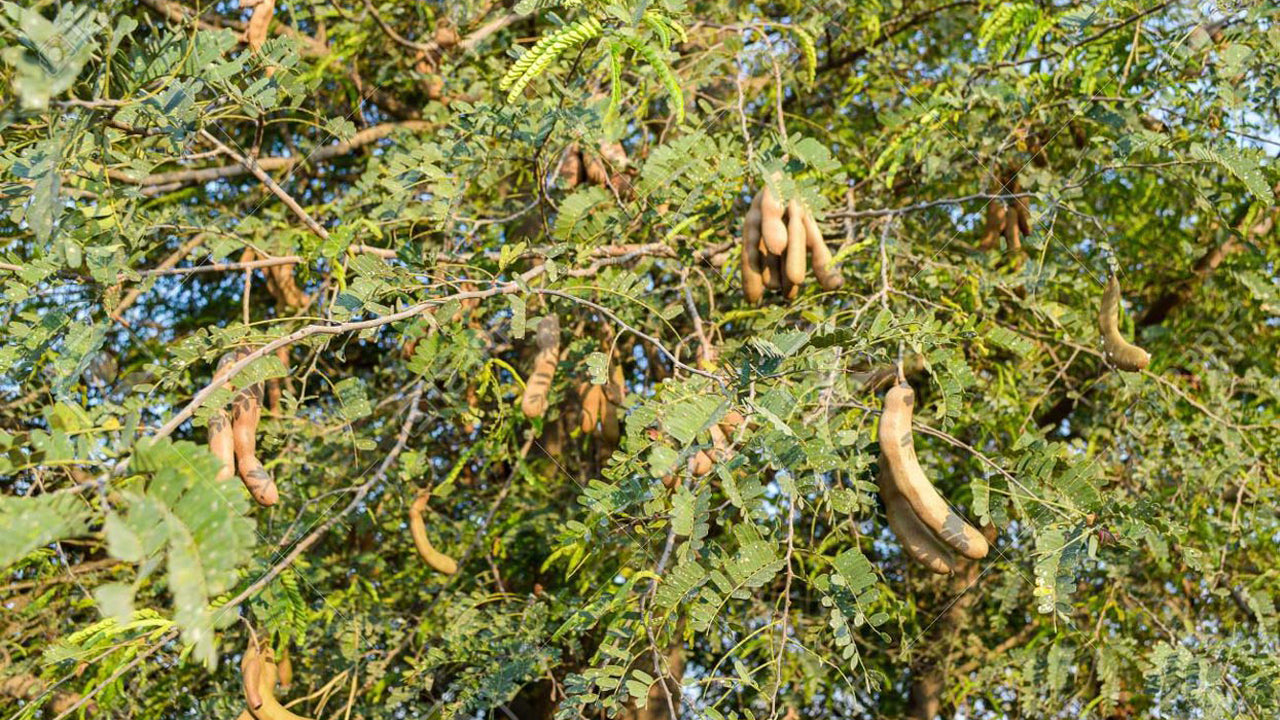
Tamarind
Tamarindus indica -
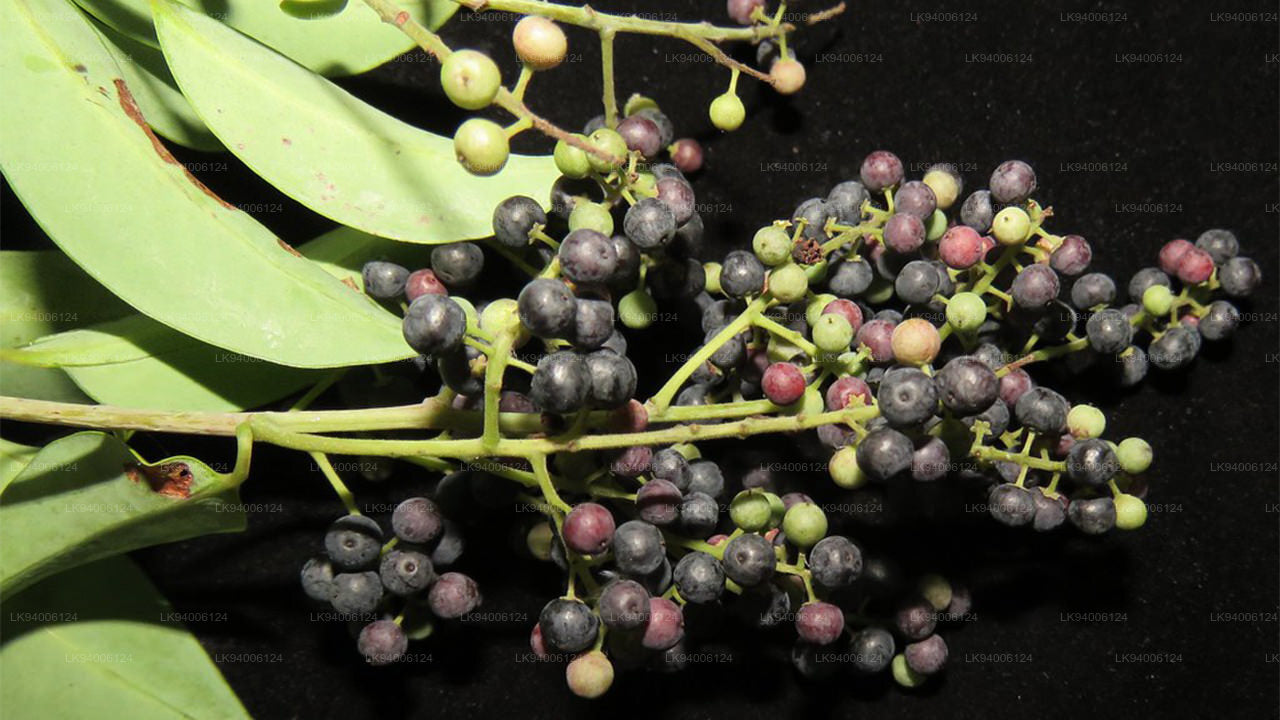
False Black Pepper
Embelia ribes -
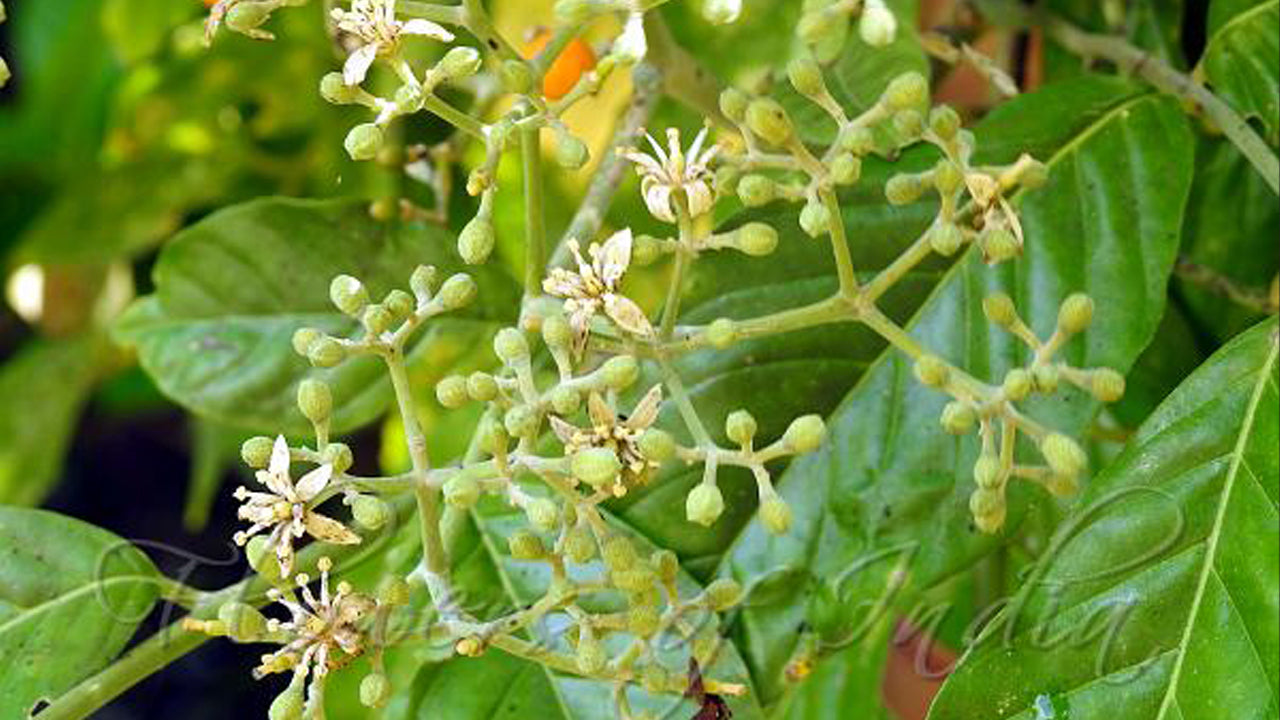
Limeberry
Micromelum ceylanicum -
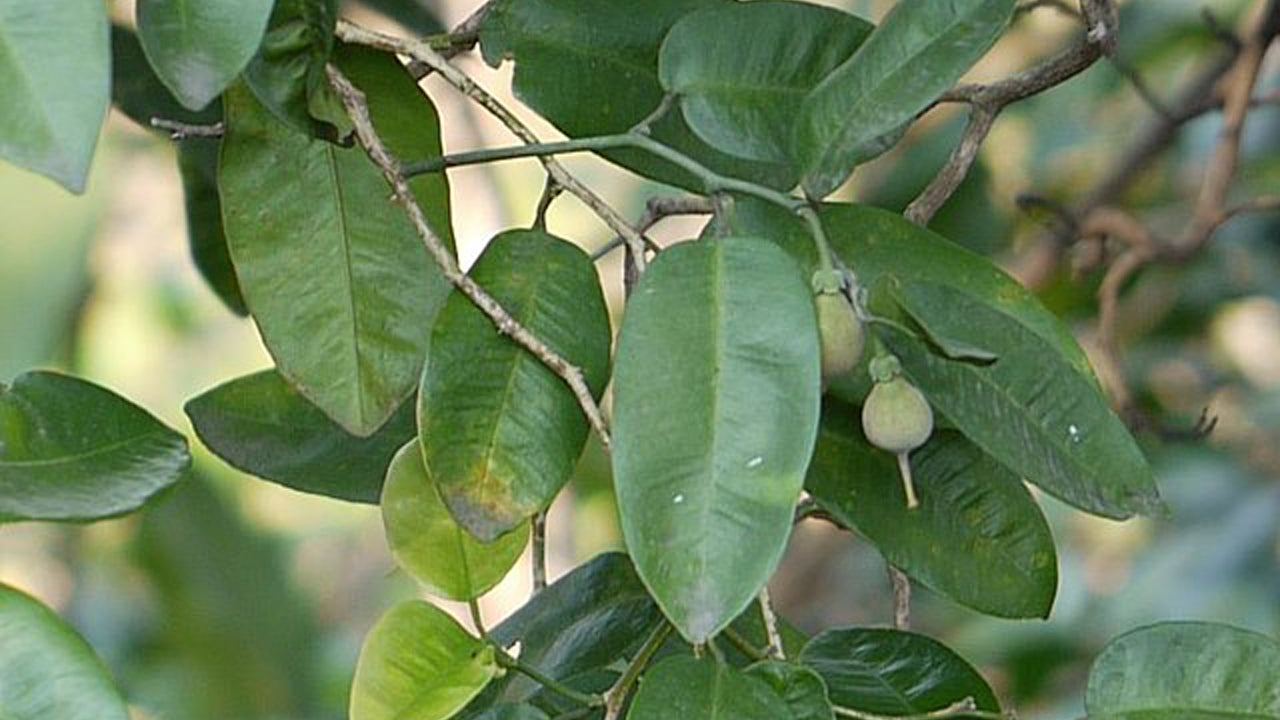
Climbing Atalantia
Paramignya monophylla



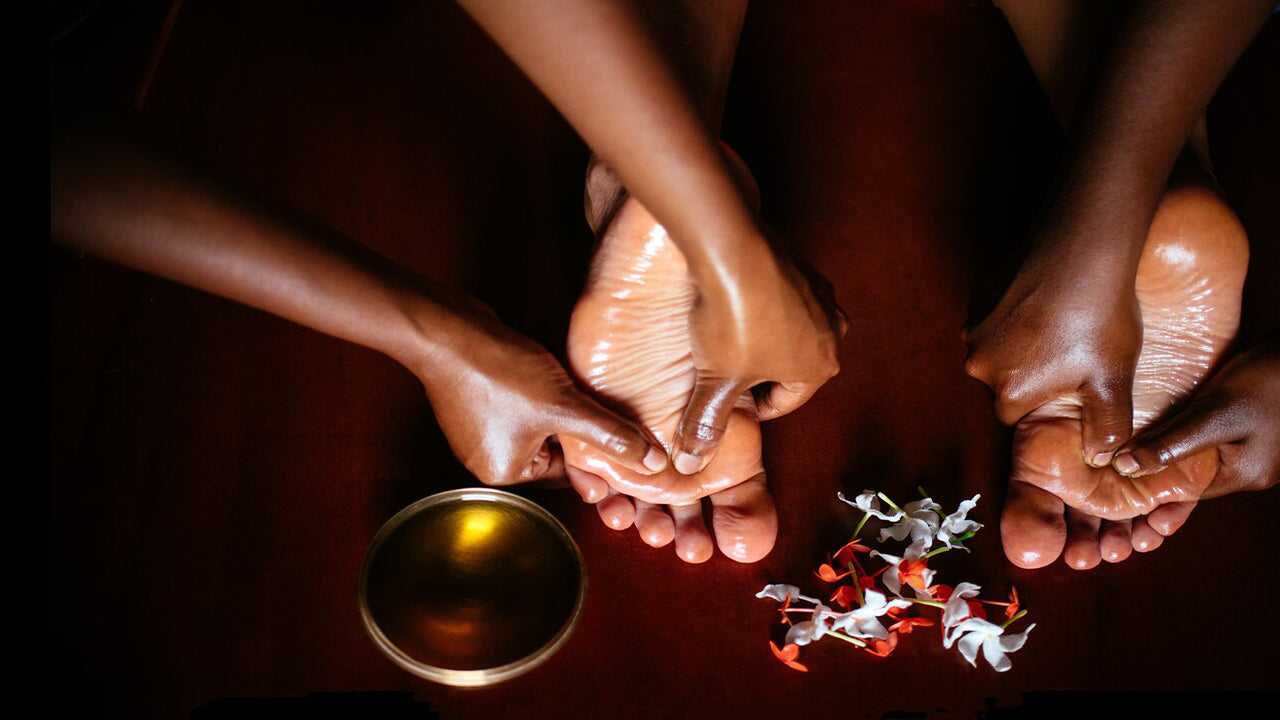

Ayurvedic and Herbal
-
 Promoção
Bálsamo Herbal Ayurvédico Siddhalepa
Preço normal De $0.48 USDPreço normal$0.54 USDPreço promocional De $0.48 USDPromoção -
 Promoção
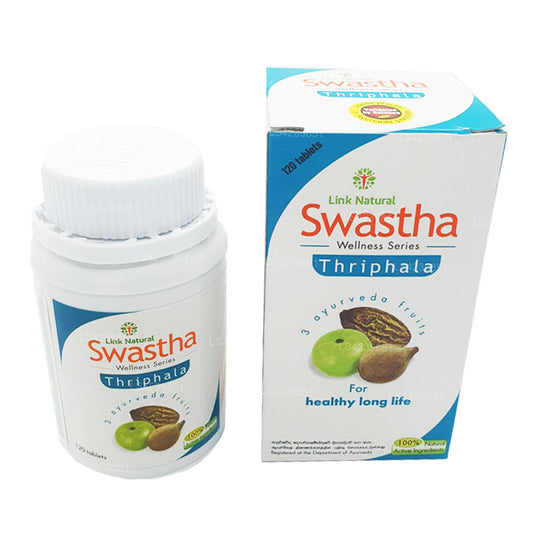
Link Swastha Triphala
Preço normal De $1.74 USDPreço normal$1.93 USDPreço promocional De $1.74 USDPromoção -
Folhas Desidratadas Inteiras de Graviola Selvagem Lakpura® (Guanabana, Graviola, Guyabano)
Preço normal De $0.72 USDPreço normal$0.81 USDPreço promocional De $0.72 USDPromoção -
 Promoção
Óleo Setsuwa Pranajeeva
Preço normal De $3.85 USDPreço normal$4.28 USDPreço promocional De $3.85 USDPromoção