Allium sativum (Sudu Lunu)


Allium is a genus of monocotyledonous flowering plants that includes hundreds of species, including the cultivated onion, garlic, scallion, shallot, leek, and chives. The generic name Allium is the Latin word for garlic,and the type species for the genus is Allium sativum which means "cultivated garlic"
Carl Linnaeus first described the genus Allium in 1753. Some sources refer to Greek ???? (aleo, to avoid) by reason of the smell of garlic. Various Allium have been cultivated from the earliest times, and about a dozen species are economically important as crops, or garden vegetables, and an increasing number of species are important as ornamental plants
Allium species occur in temperate climates of the Northern Hemisphere, except for a few species occurring in Chile (such as A. juncifolium), Brazil (A. sellovianum), and tropical Africa (A. spathaceum). They vary in height between 5 cm and 150 cm. The flowers form an umbel at the top of a leafless stalk. The bulbs vary in size between species, from small (around 2–3 mm in diameter) to rather large (8–10 cm). Some species (such as Welsh onion A. fistulosum and leeks (A. ampeloprasum)) develop thickened leaf-bases rather than forming bulbs as such.
Allium species occur in temperate climates of the Northern Hemisphere, except for a few species occurring in Chile (such as A. juncifolium), Brazil (A. sellovianum), and tropical Africa (A. spathaceum). They vary in height between 5 cm and 150 cm. The flowers form an umbel at the top of a leafless stalk. The bulbs vary in size between species, from small (around 2–3 mm in diameter) to rather large (8–10 cm). Some species (such as Welsh onion A. fistulosum and leeks (A. ampeloprasum)) develop thickened leaf-bases rather than forming bulbs as such.
Plants of the genus Allium produce chemical compounds, mostly derived from cysteine sulfoxides, that give them a characteristic onion or garlic taste and odor.Many are used as food plants, though not all members of the genus are equally flavorful. In most cases, both bulb and leaves are edible. The characteristic Allium flavor depends on the sulfate content of the soil the plant grows in. In the rare occurrence of sulfur-free growth conditions, all Allium species completely lose their usual pungency.
In the APG III classification system, Allium is placed in the family Amaryllidaceae, subfamily Allioideae (formerly the family Alliaceae). In some of the older classification systems, Allium was placed in Liliaceae.Molecular phylogenetic studies have shown this circumscription of Liliaceae is not monophyletic.
Allium is one of about fifty-seven genera of flowering plants with more than 500 species.It is by far the largest genus in the Amaryllidaceae, and also in the Alliaceae in classification systems in which that family is recognized as separate


-
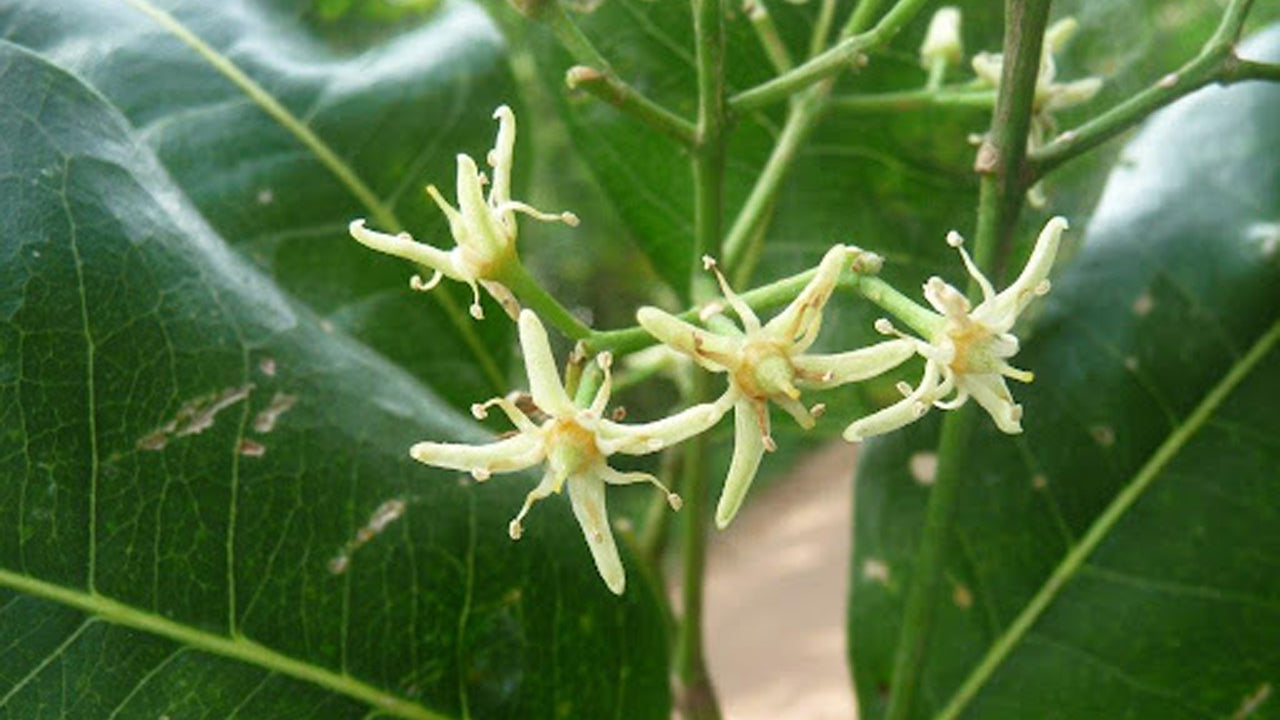
Claw-flowered laurel
Acronychia pedunculata -
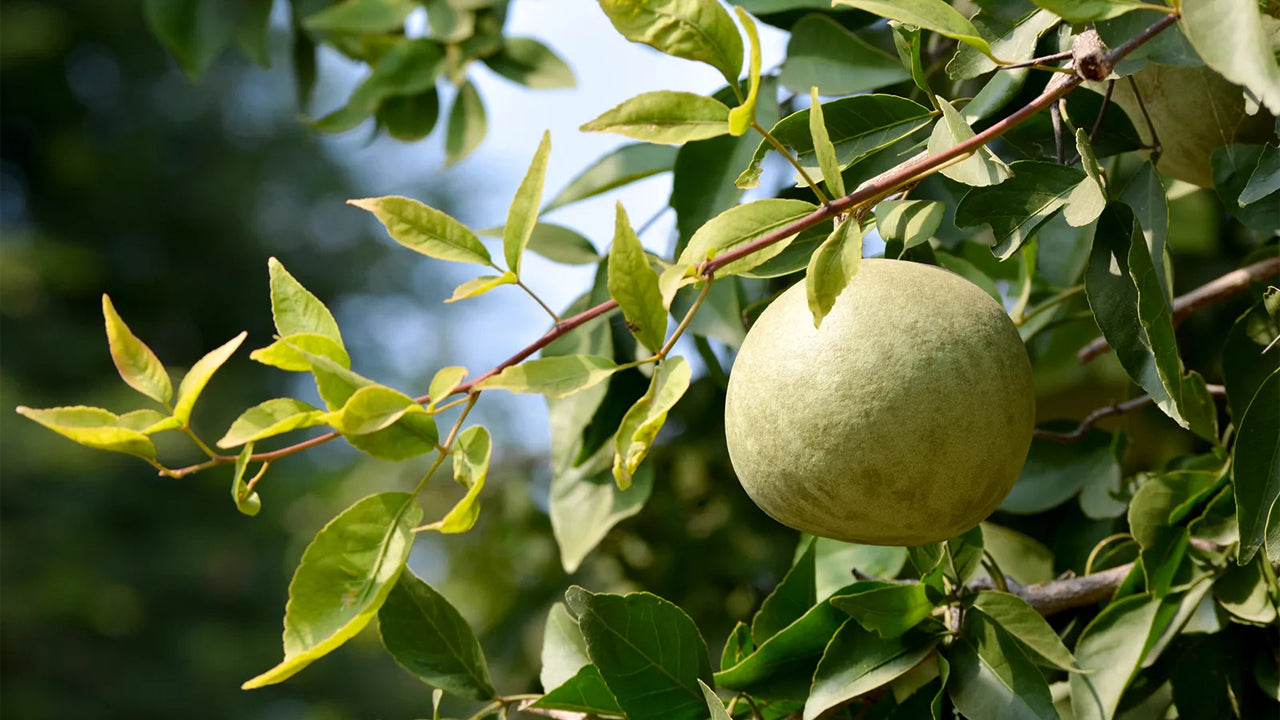
Bael
Aegle marmelos -
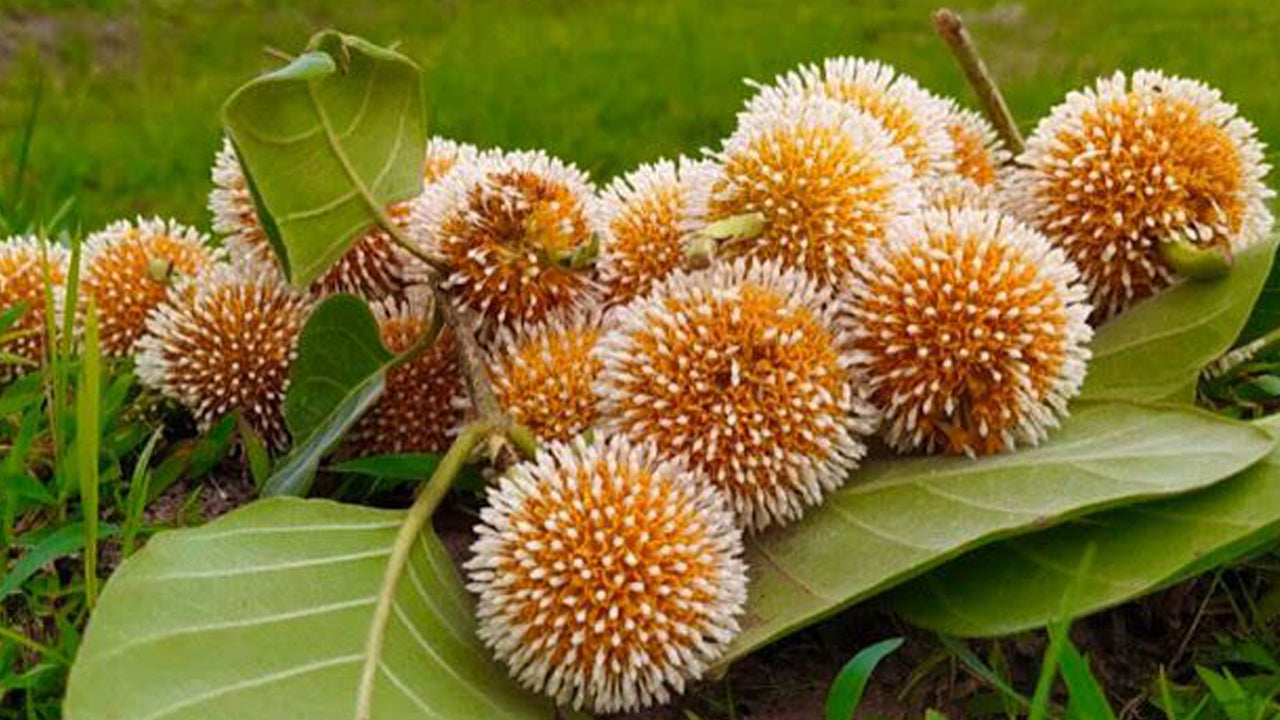
Leichhardt tree
Nauclea orientalis -
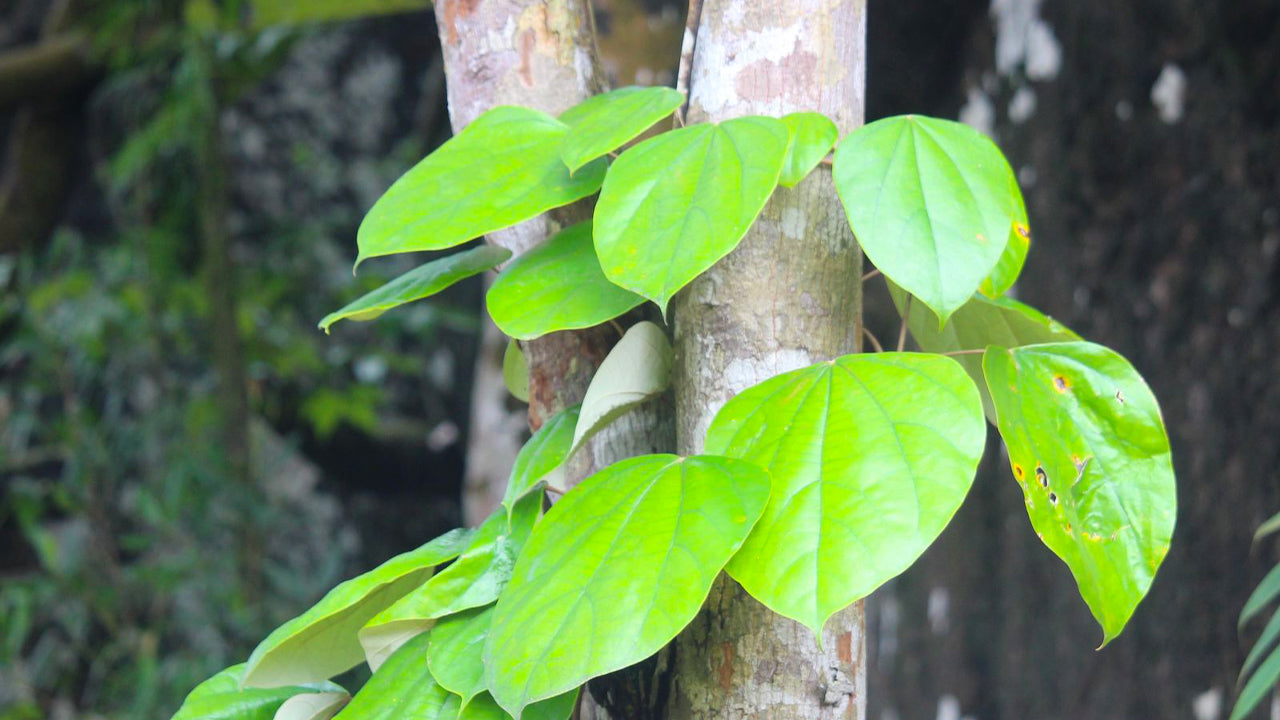
False Calumba
Coscinium fenestratum -

Malabar Gulbel
Tinospora malabarica -
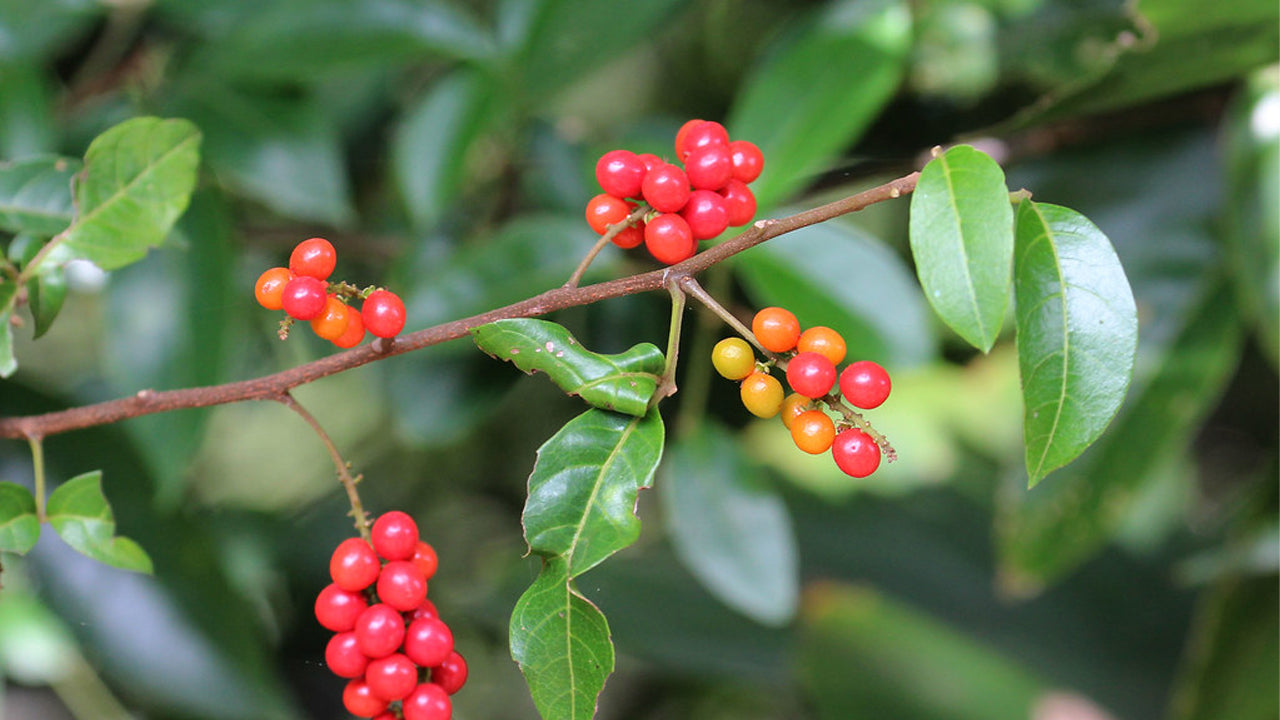
Titberry
Allophylus cobbe -
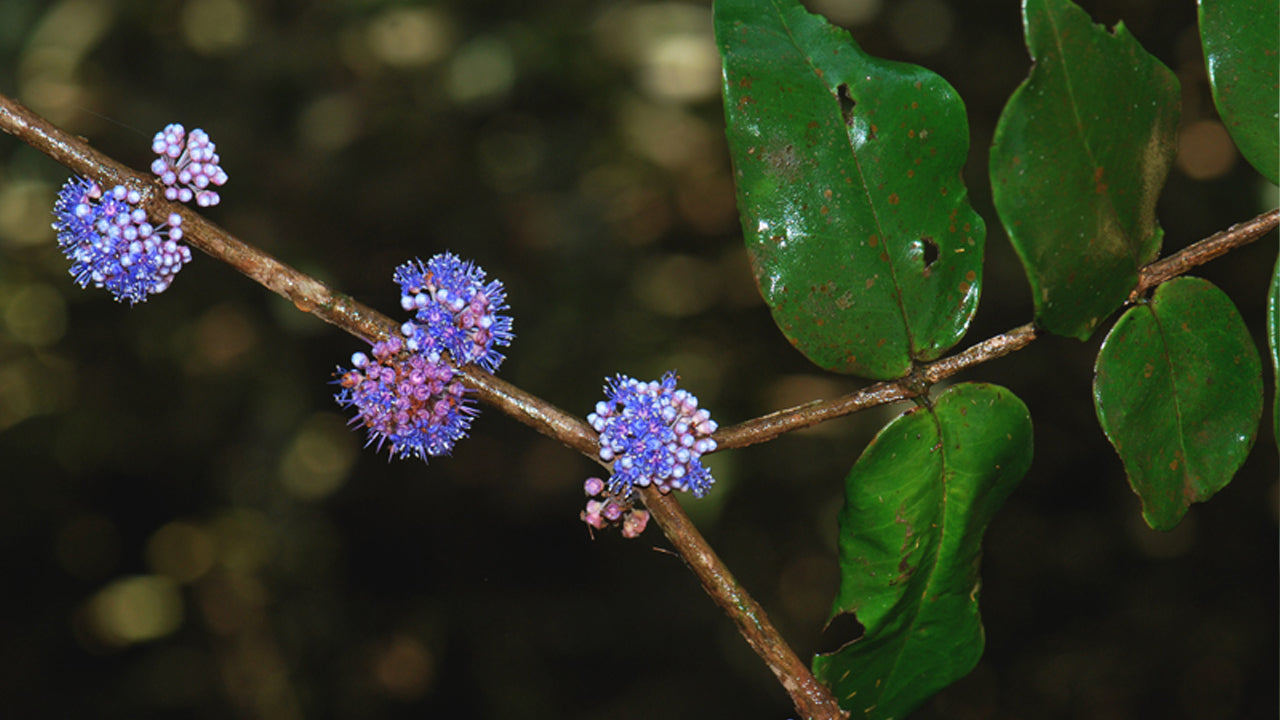
Ironwood Tree
Memecylon capitellatum -
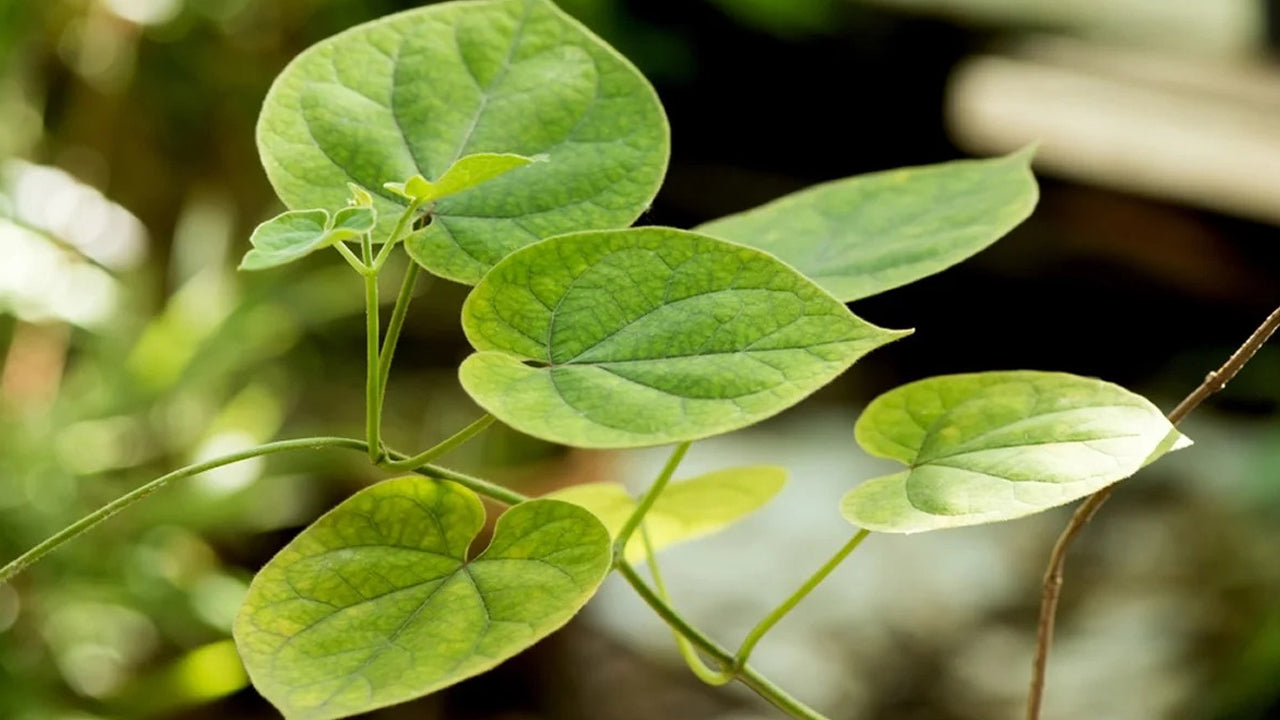
Velvet Leaf
Cissampelos pareira -
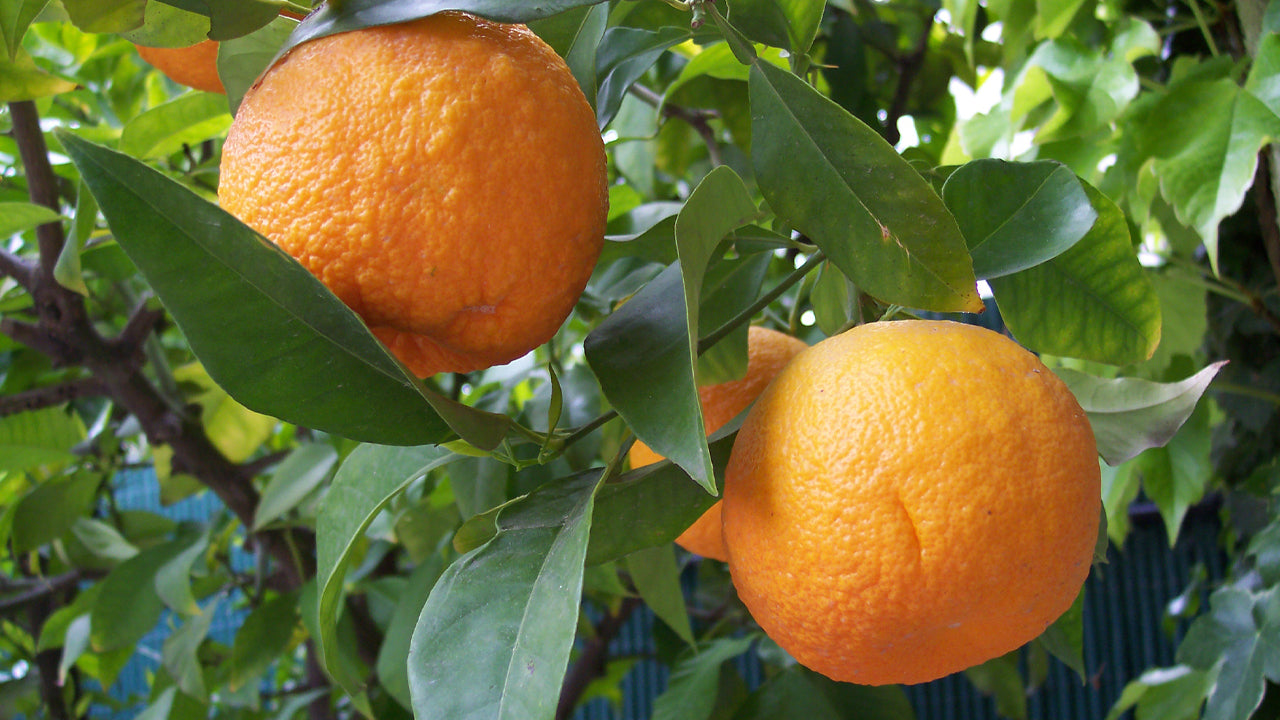
Bitter orange
Citrus aurantium -

Reinwardt's Tree Plant
Biophytun reinward -
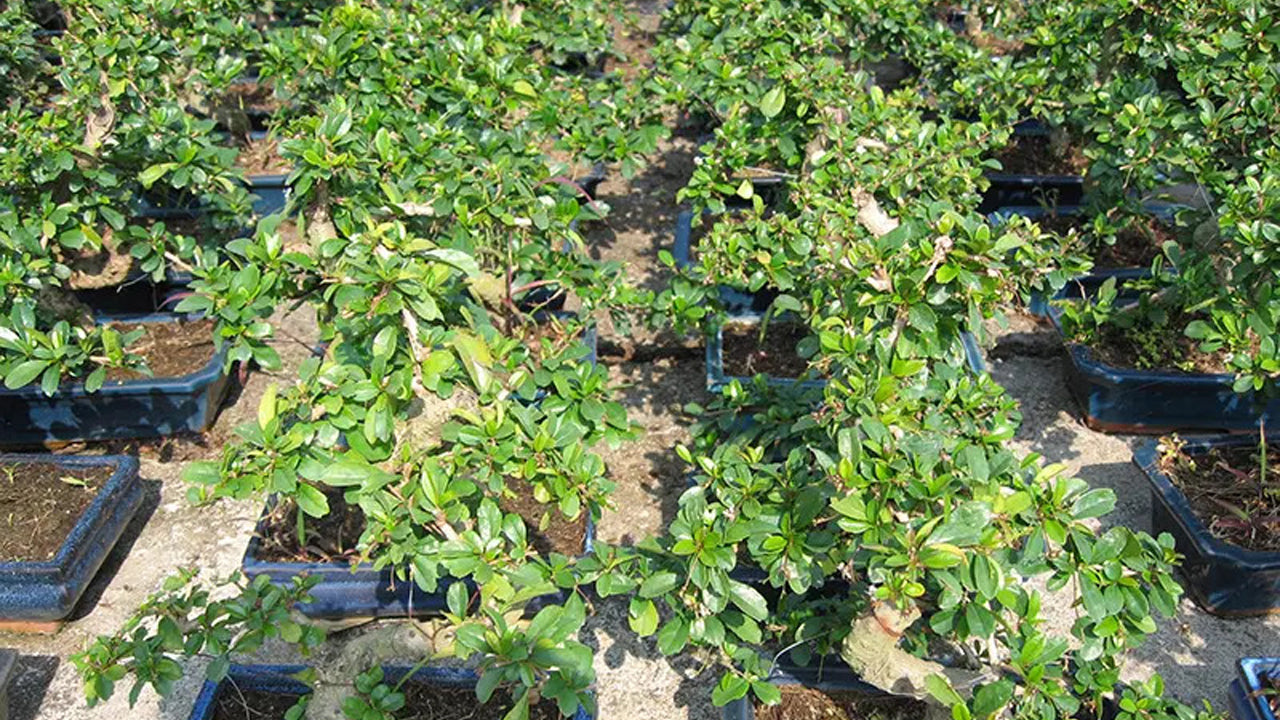
Fukien tea
Carmona microphylla -
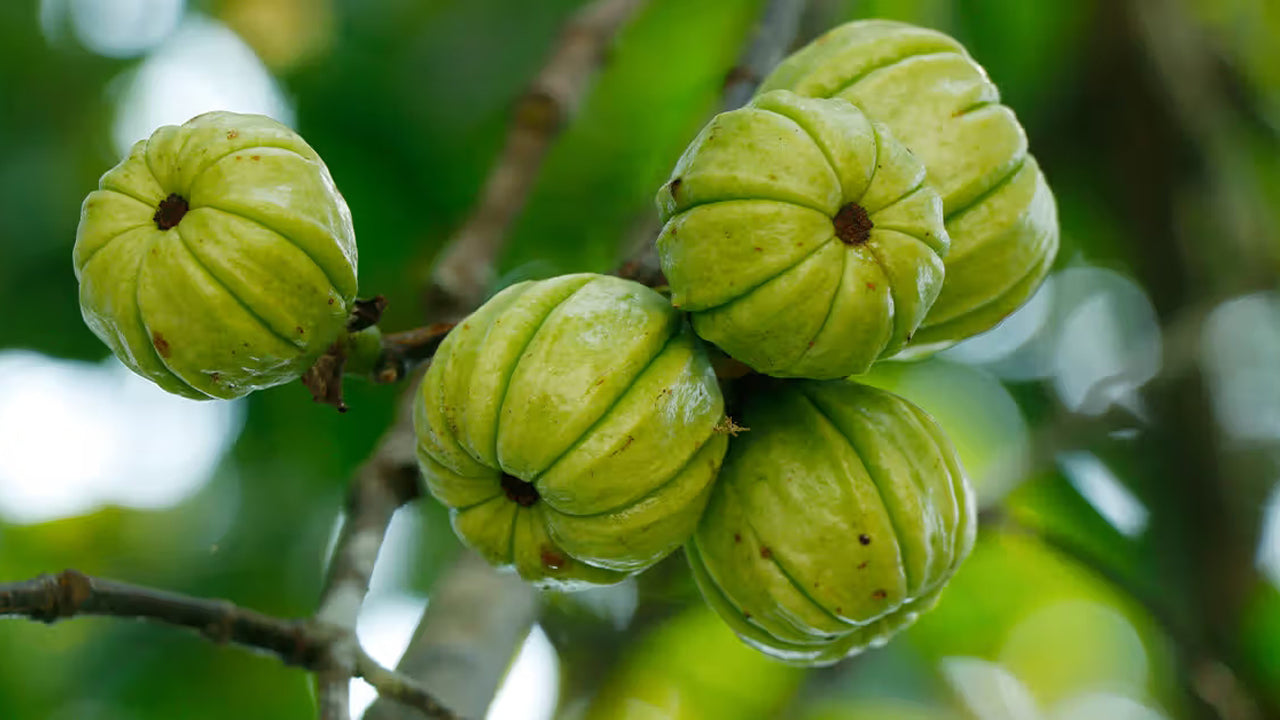
Malabar tamarind
Garcinia cambogia -
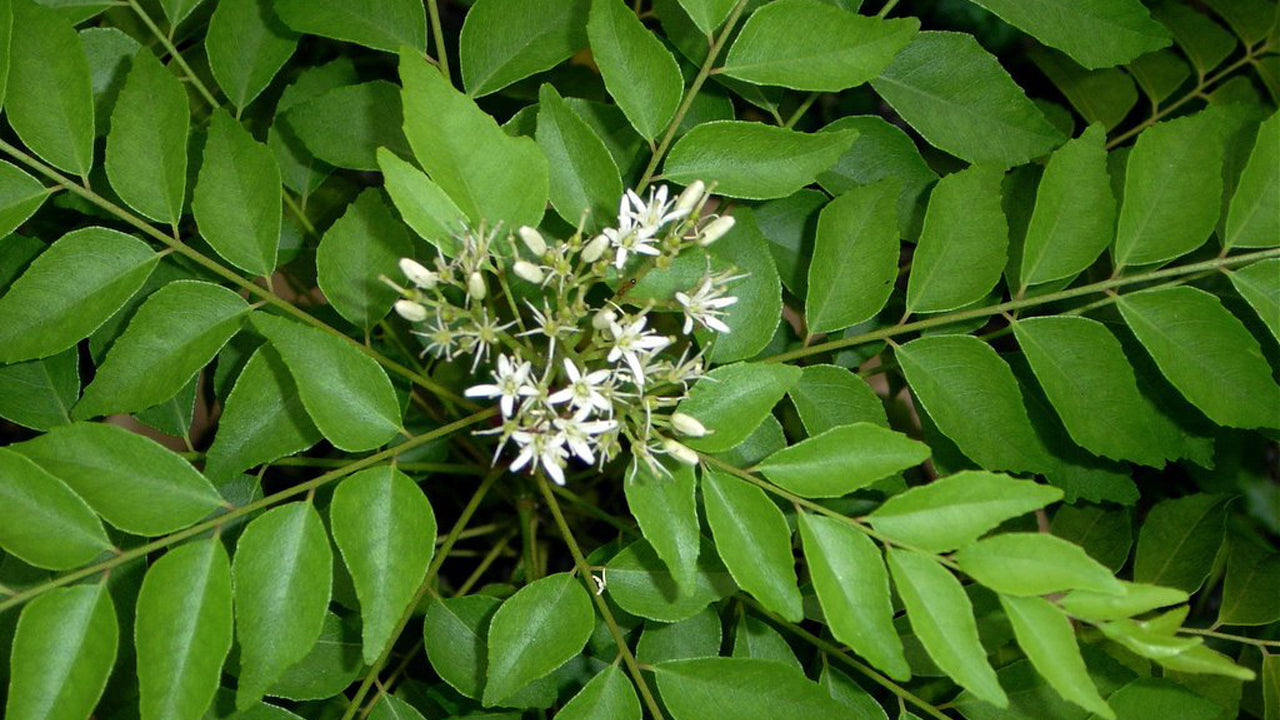
Curry leaf tree
Murraya koenigii -
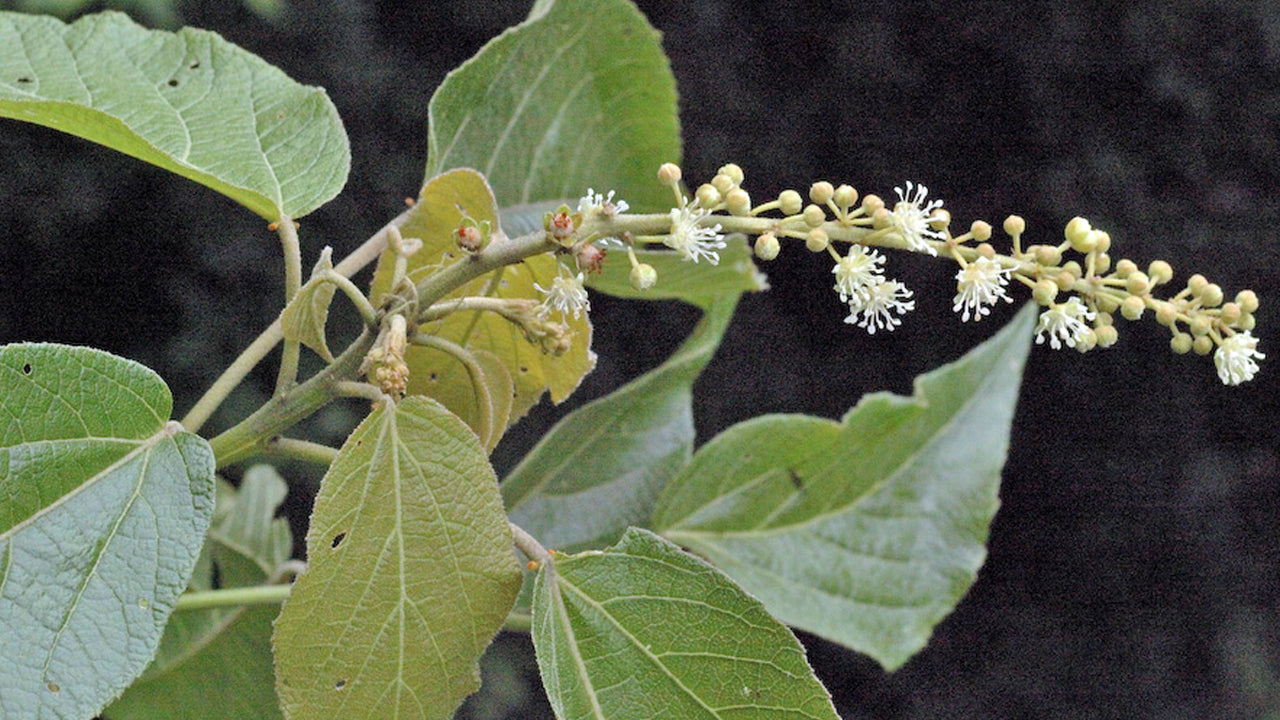
Kappetiya
Croton laccifer -
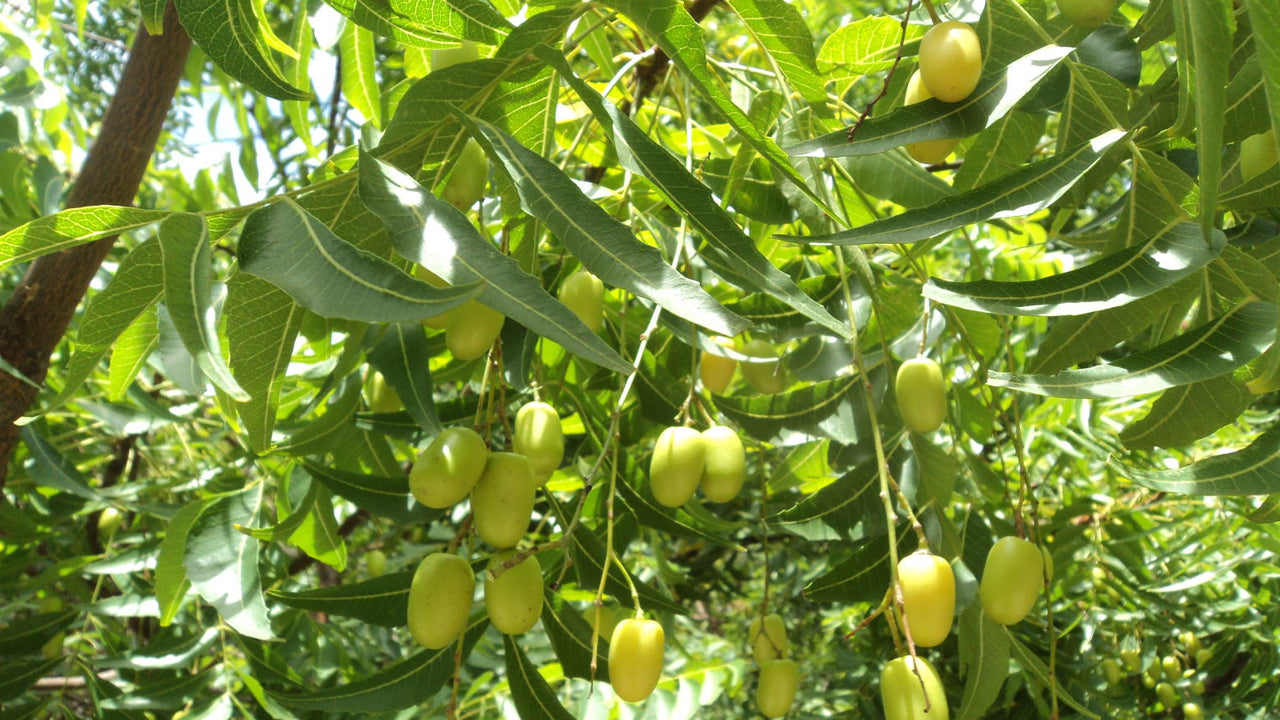
Indian lilac
Azadirachta indica -
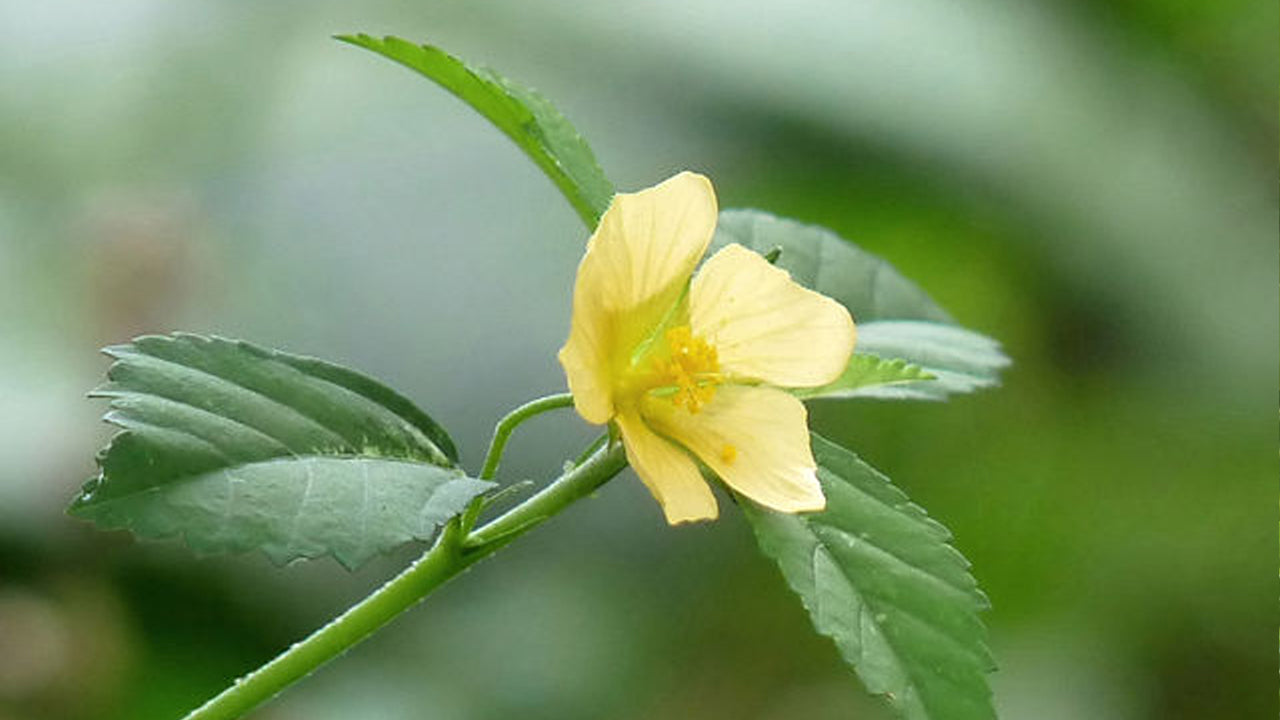
Spiny sida
Sida alba -
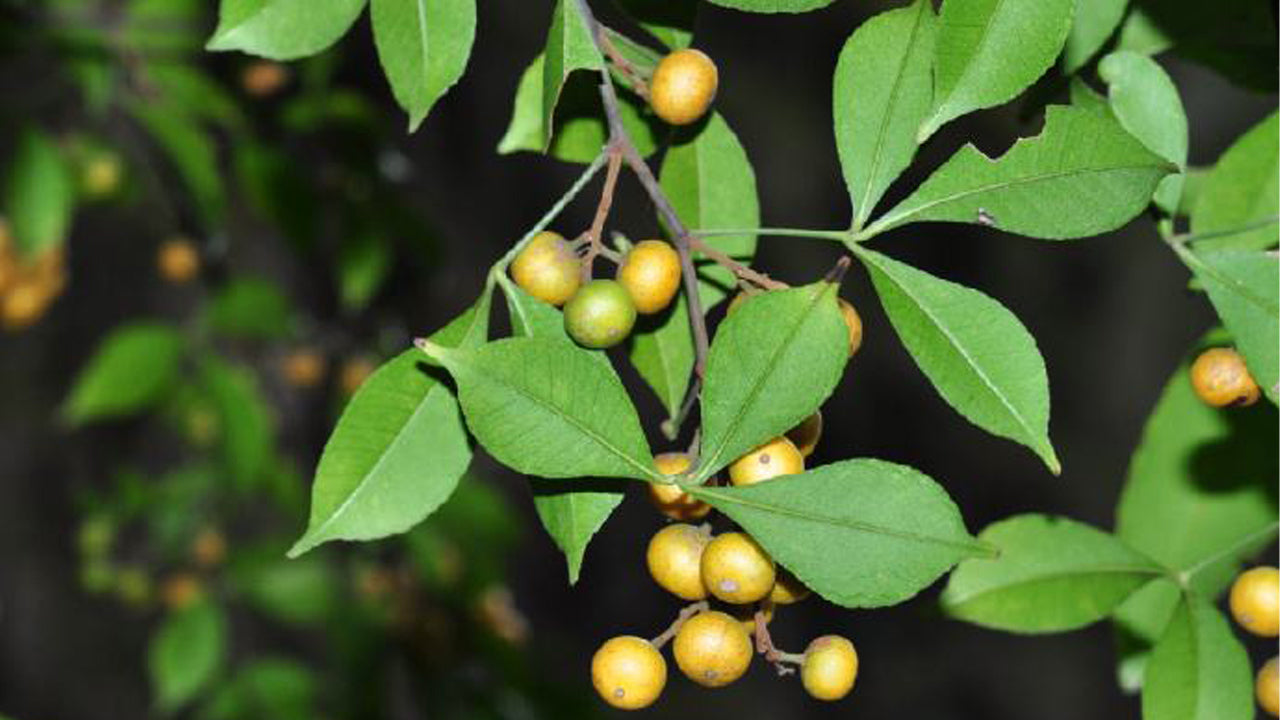
Orange climber
Toddlia asiatica -
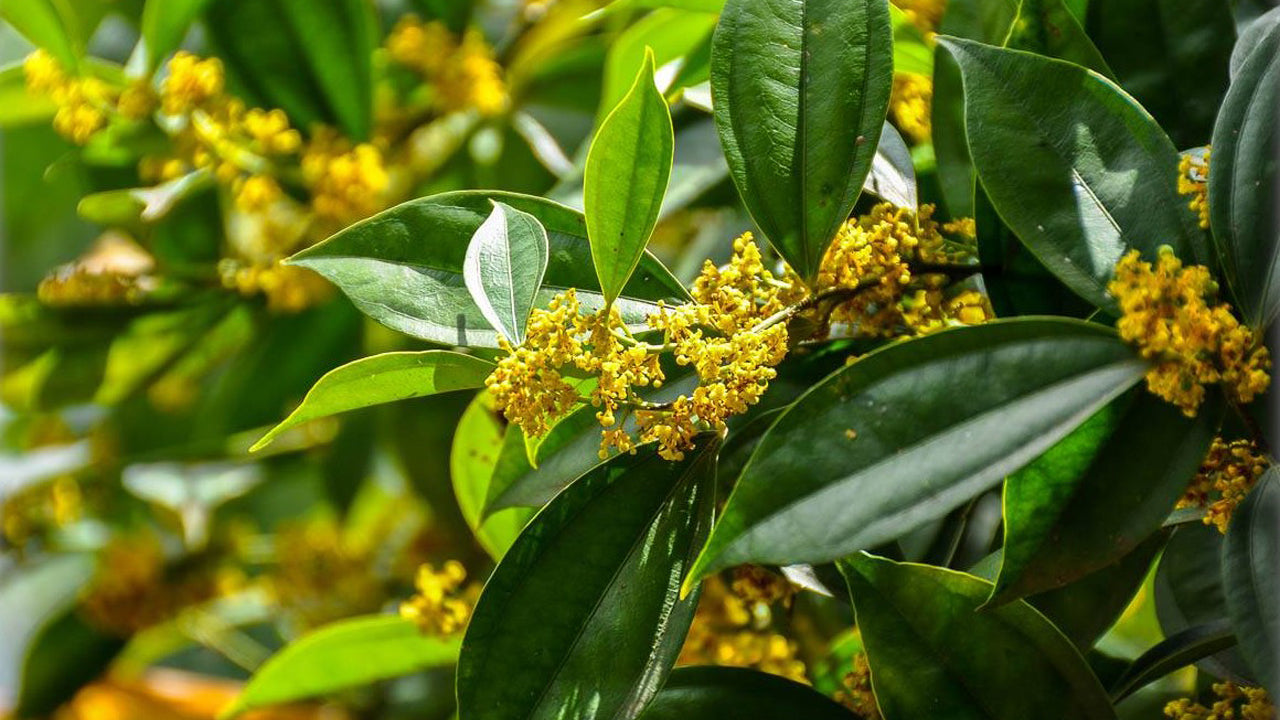
Ceylon cinnamon
Cinnamomum zeylanicum -
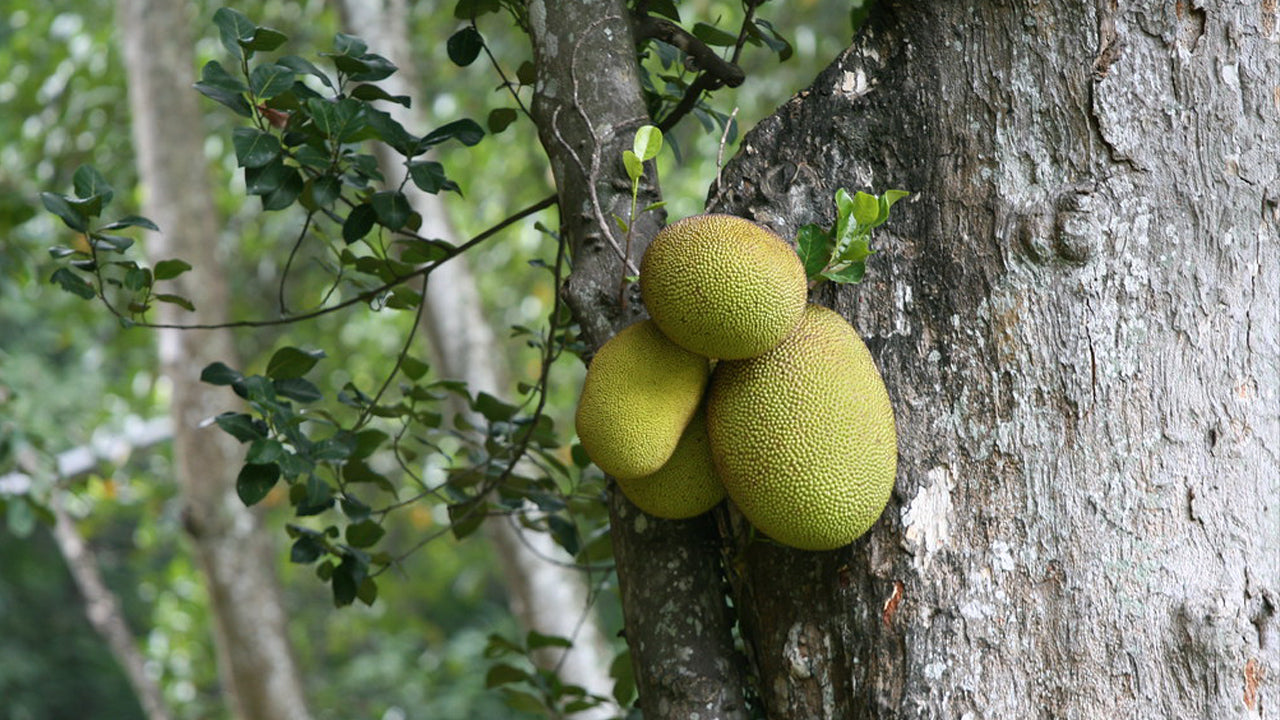
Jackfruit
Artocarpus heterophyllus -
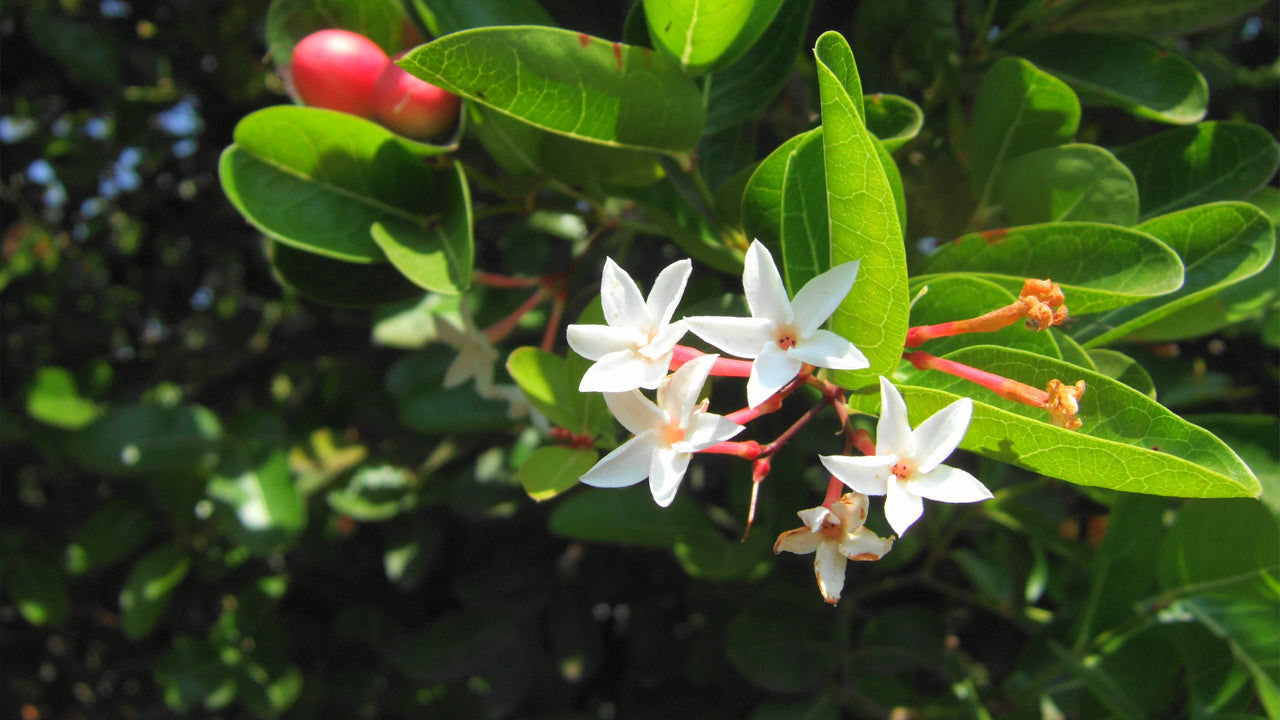
Karonda
Carissa carandas -
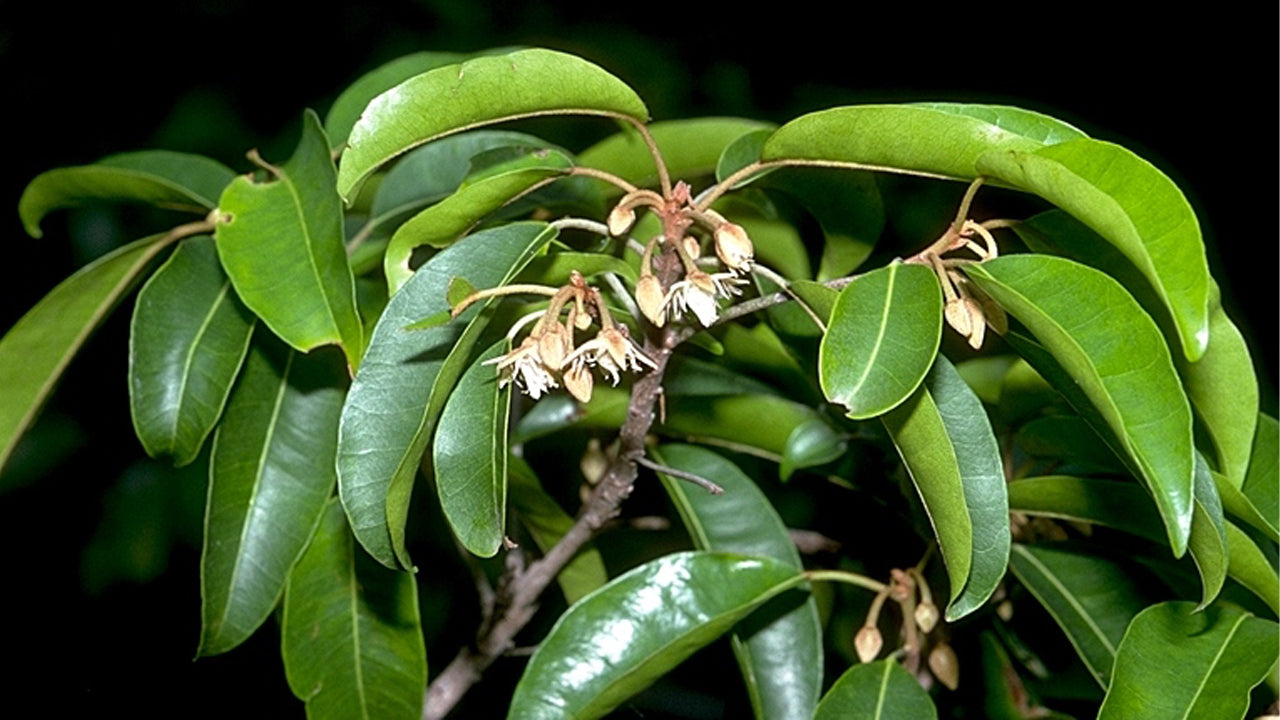
Spanish cherry
Mimusops elengi -
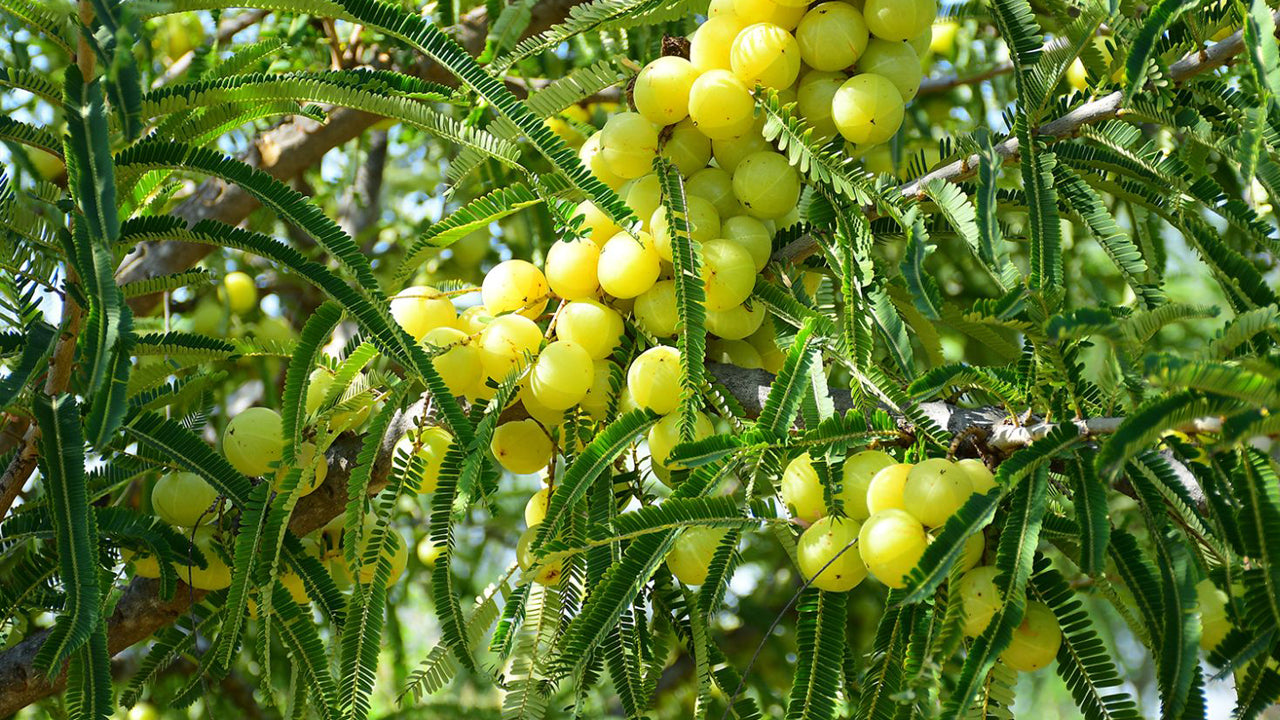
Indian gooseberry
Phyltanthus emblica -
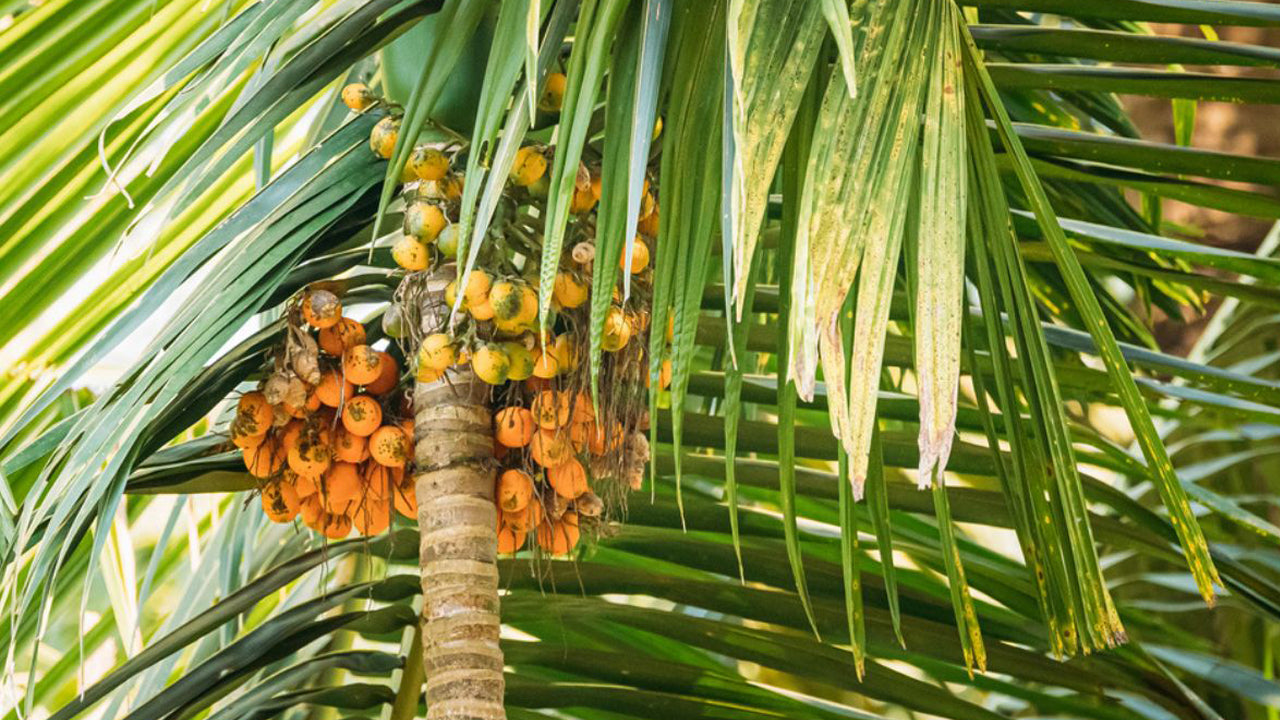
Betel palm
Areca catechu -
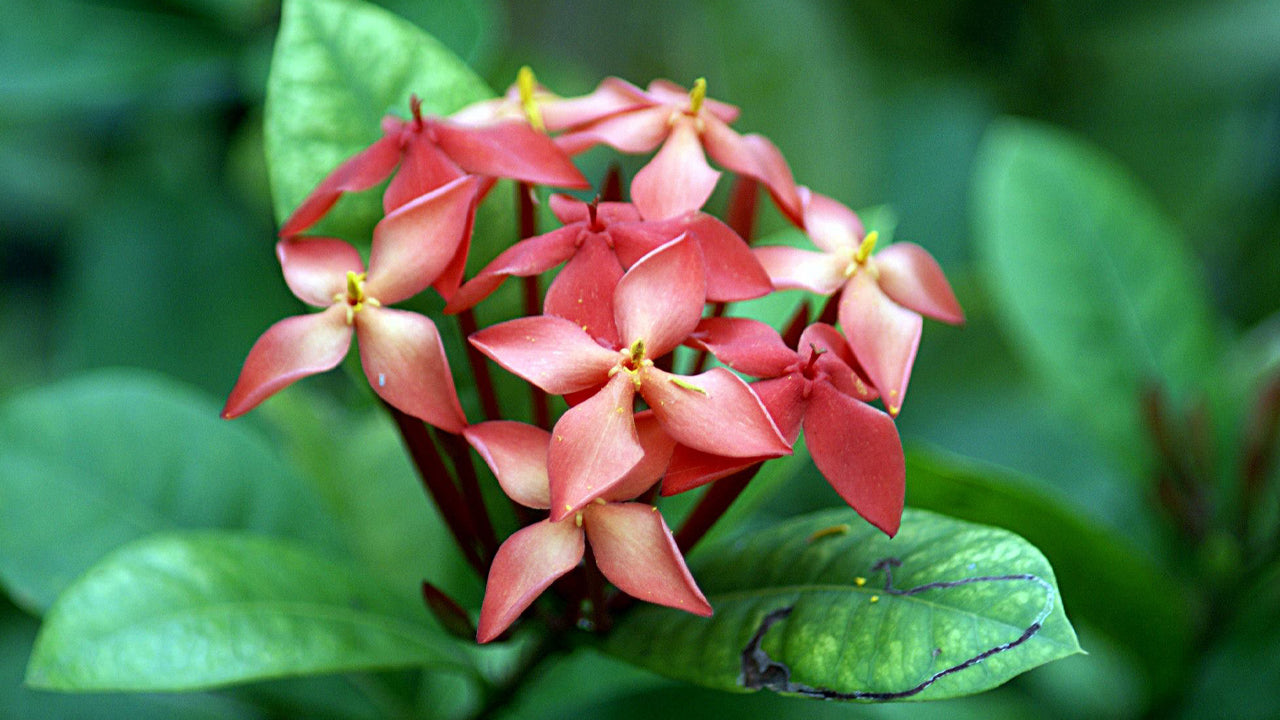
Jungle geranium
Ixora coccinea -
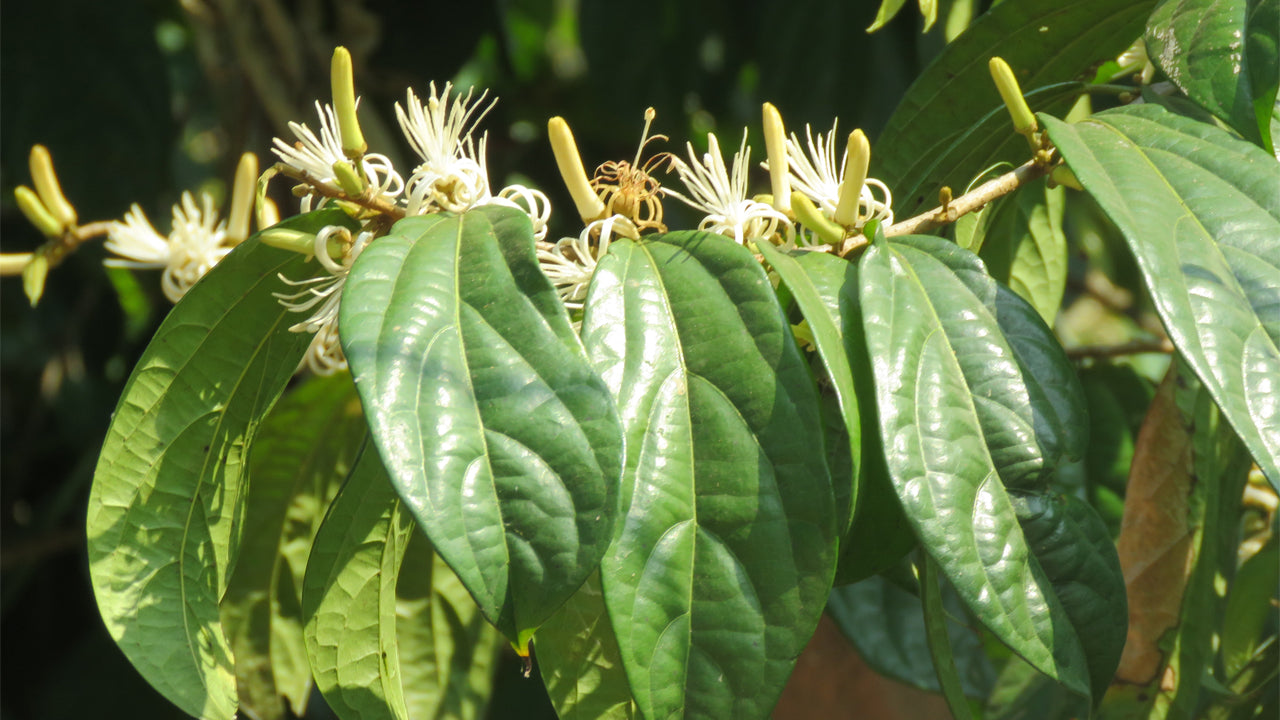
Sage-leaved alangium
Alangium salviifolium -
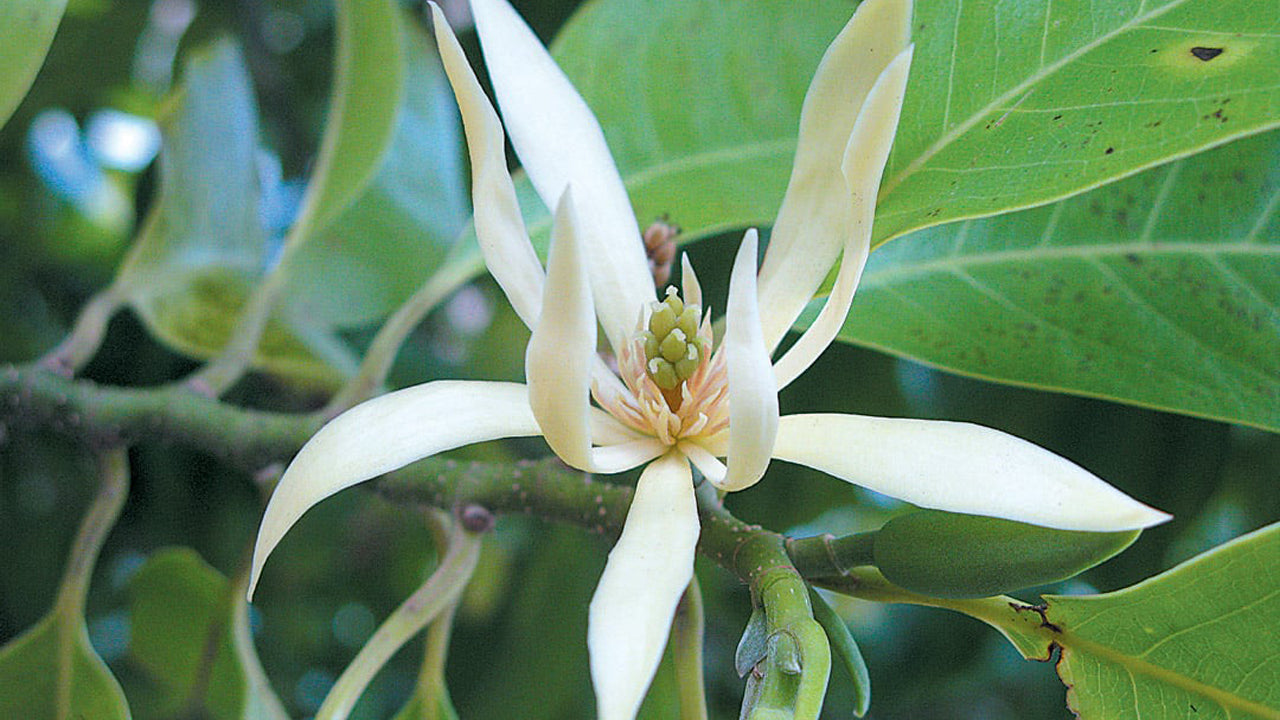
Champak
Michelia champaca -
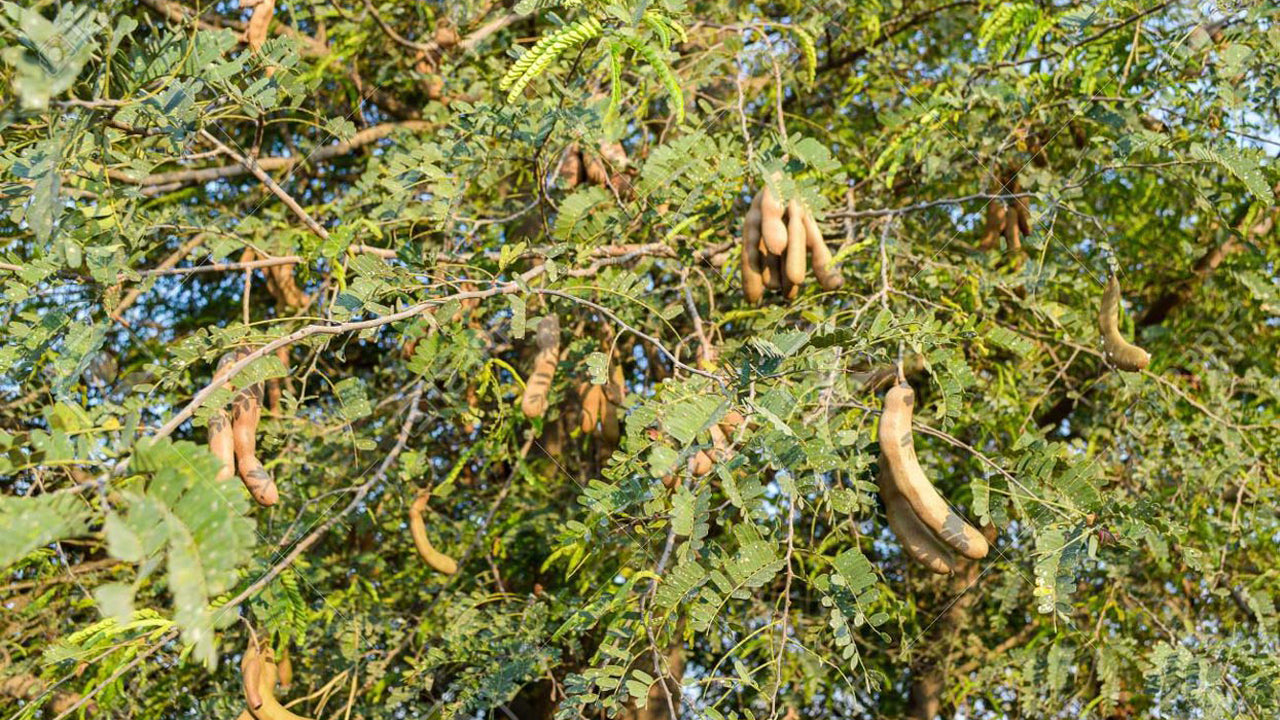
Tamarind
Tamarindus indica -
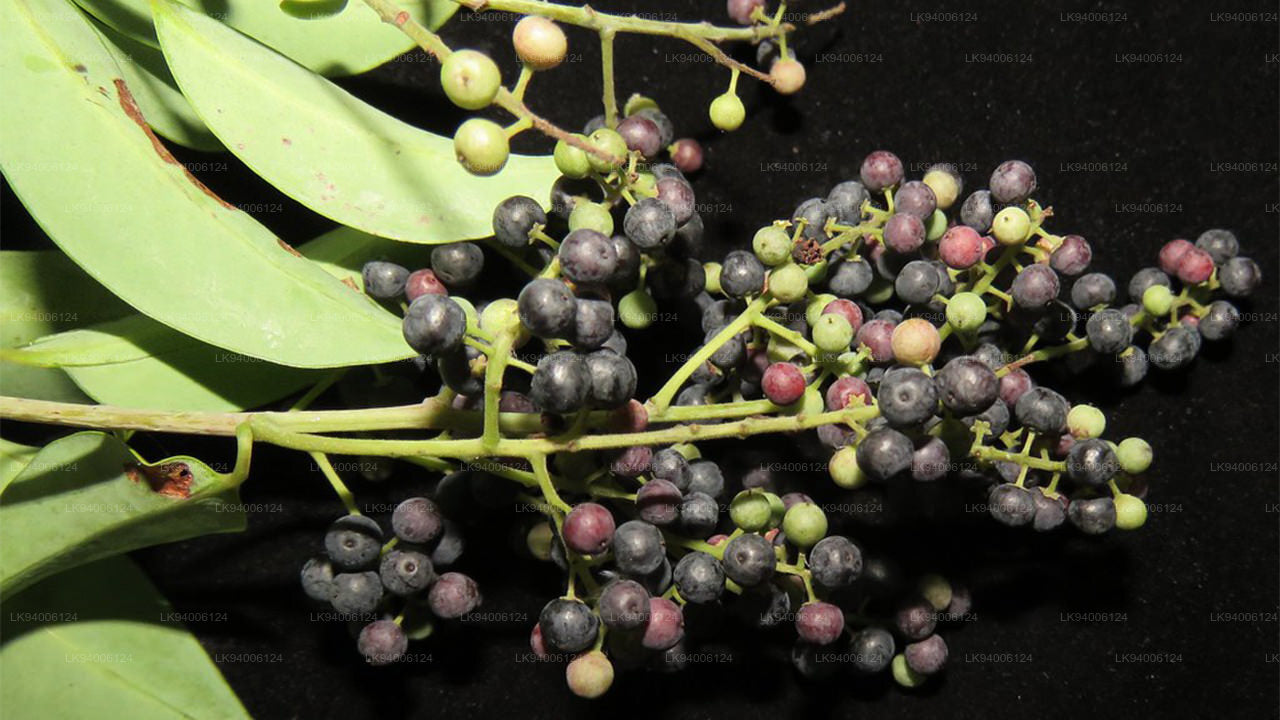
False Black Pepper
Embelia ribes -
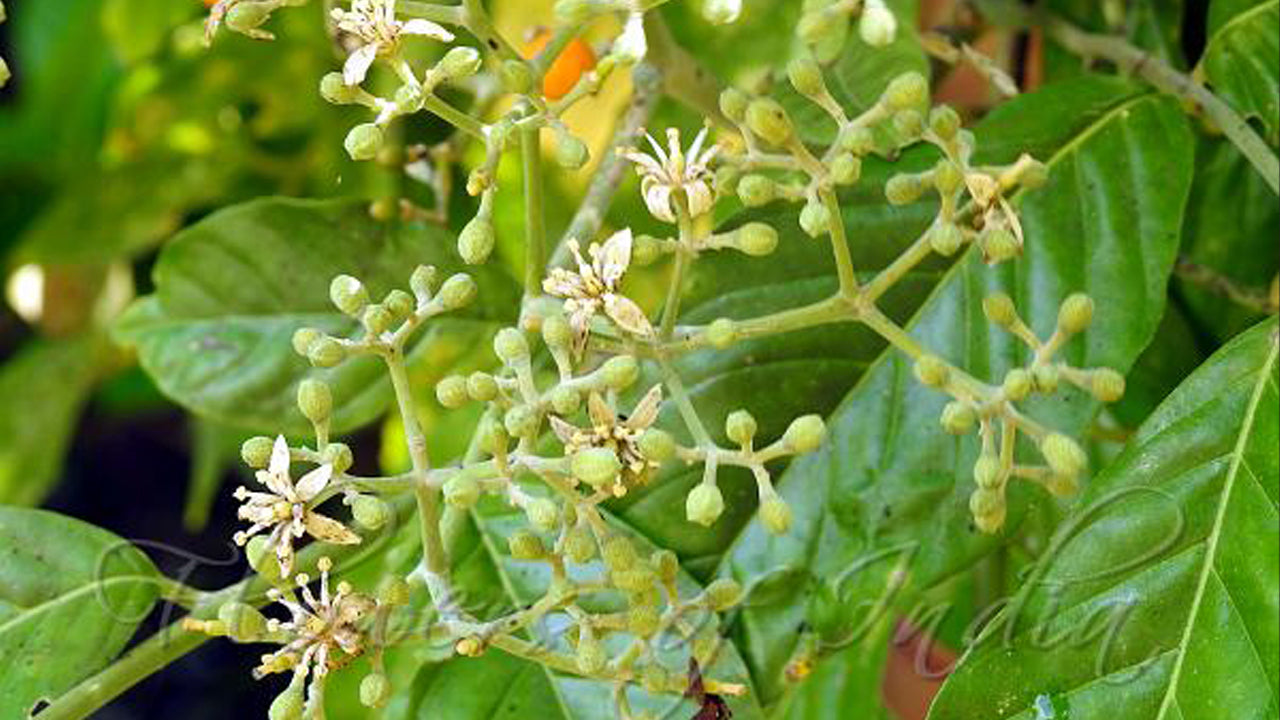
Limeberry
Micromelum ceylanicum -
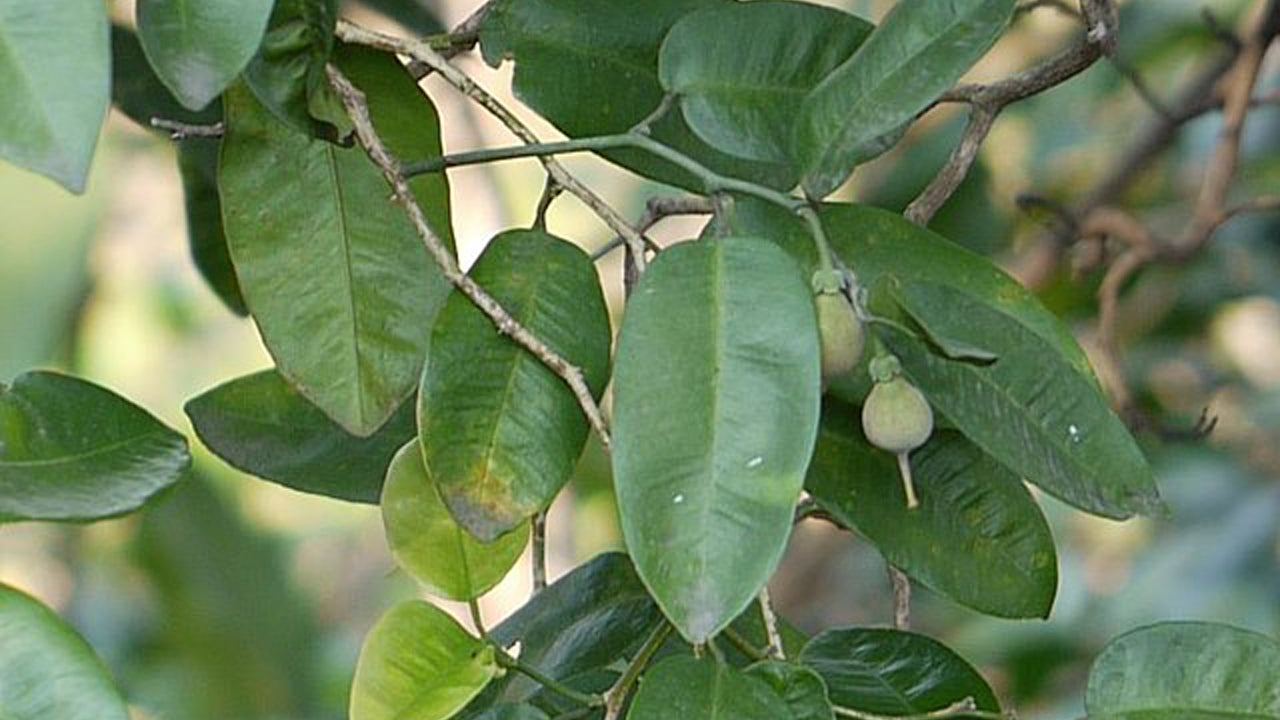
Climbing Atalantia
Paramignya monophylla





Ayurvedic and Herbal
-
 Promoção
Bálsamo Herbal Ayurvédico Siddhalepa
Preço normal De $0.48 USDPreço normal$0.54 USDPreço promocional De $0.48 USDPromoção -
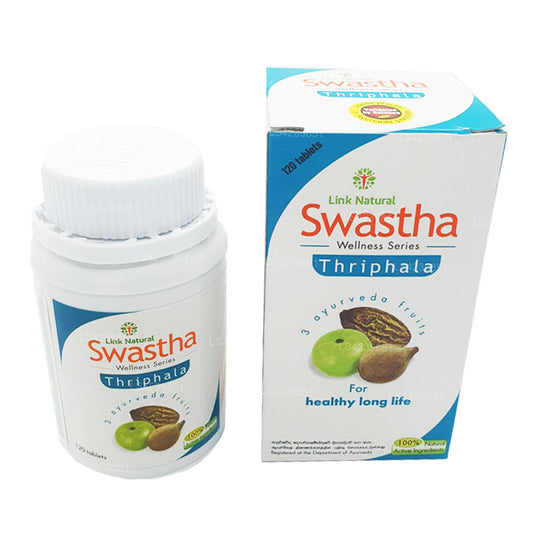 Promoção
Link Swastha Triphala
Preço normal De $1.74 USDPreço normal$1.93 USDPreço promocional De $1.74 USDPromoção -
Folhas Desidratadas Inteiras de Graviola Selvagem Lakpura® (Guanabana, Graviola, Guyabano)
Preço normal De $0.72 USDPreço normal$0.81 USDPreço promocional De $0.72 USDPromoção -
 Promoção
Óleo Setsuwa Pranajeeva
Preço normal De $3.85 USDPreço normal$4.28 USDPreço promocional De $3.85 USDPromoção