Polonnaruwa City
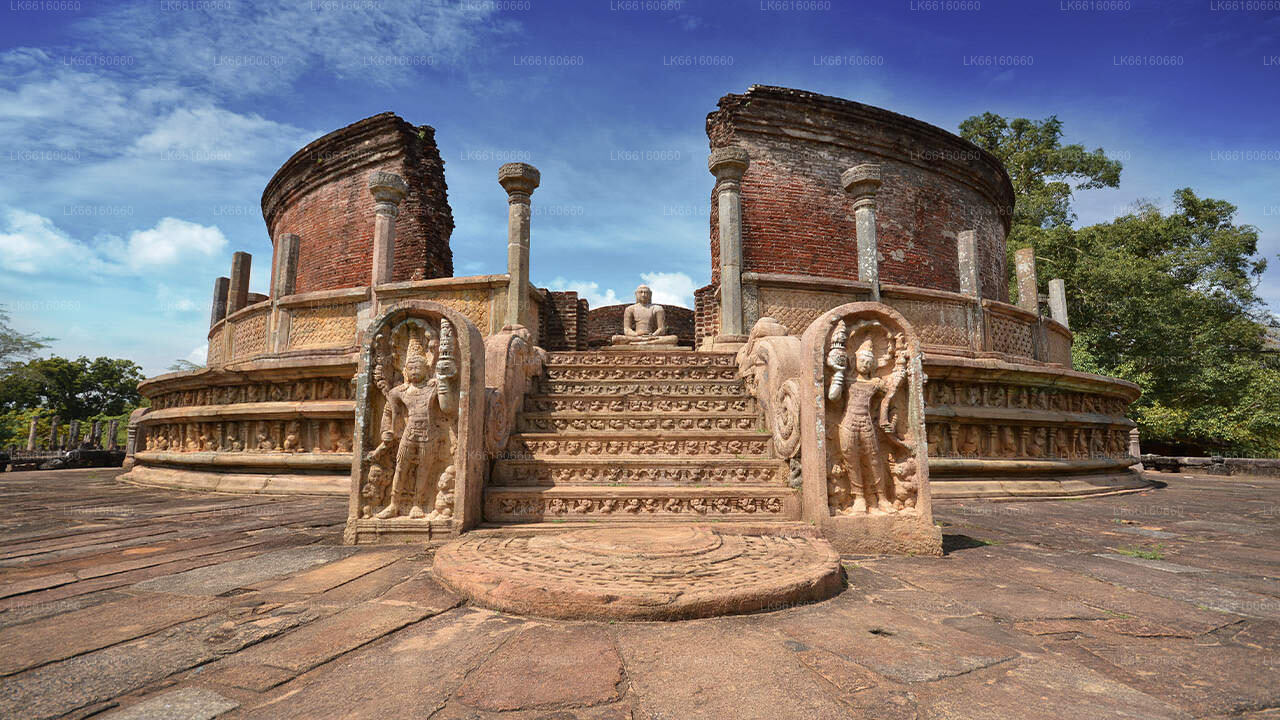
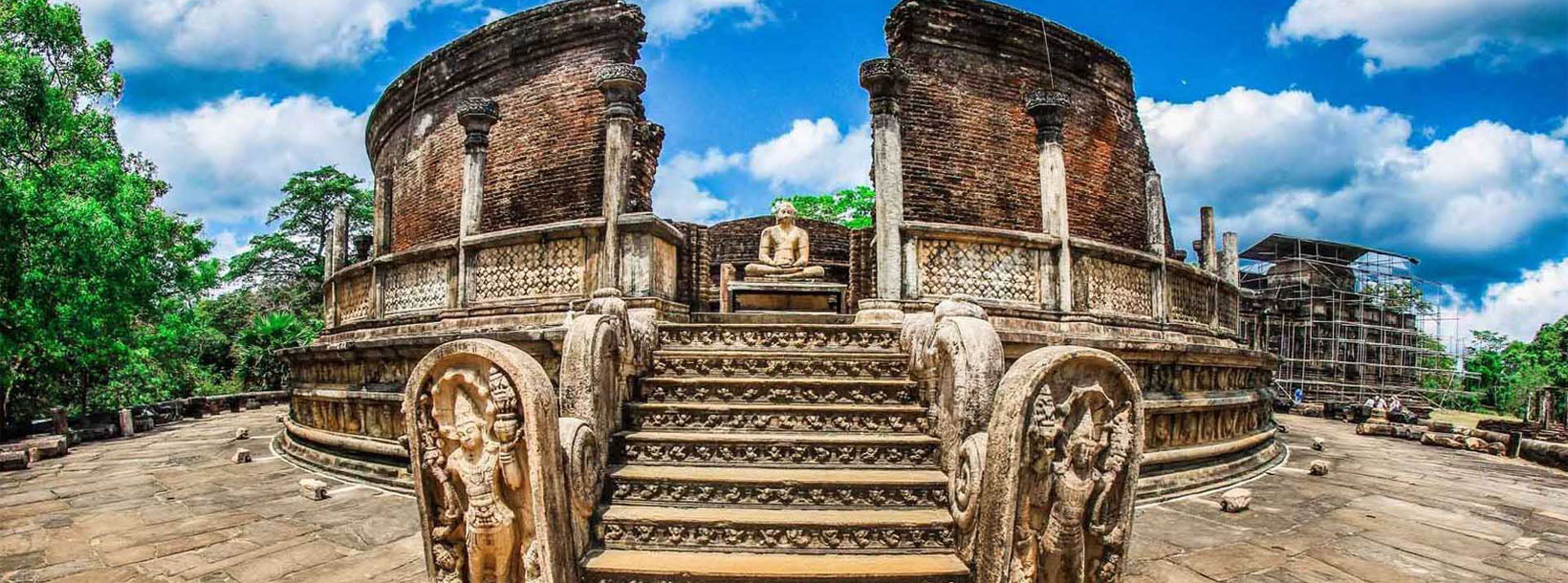
Polonnaruwa, a UNESCO World Heritage Site in Sri Lanka, was the country's medieval capital (11th-13th century). Renowned for its well-preserved ruins, including the iconic Gal Vihara statues, it showcases impressive architecture, reflecting the grandeur of the ancient Sinhalese civilization.
Stupa Somawathiya
Somawathiya Stupa to ważna buddyjska stupa położona w Wschodniej Prowincji Sri Lanki, w pobliżu miasta Polonnaruwa. Jest jednym z najbardziej czczonych miejsc sakralnych na wyspie, uważanym za przechowującego relikwię Buddy, a konkretnie jego prawy ząb. Stupa jest ikonicznym symbolem buddyjskiego dziedzictwa Sri Lanki i jest głównym celem pielgrzymek i czci.
Stupa została zbudowana za panowania króla Mahaseny w III wieku p.n.e., ma tradycyjny kształt kopuły, z centralną komorą na relikwie oraz otaczającymi ją kamiennymi ścieżkami. Nazwa "Somawathiya" pochodzi od księżyca, ponieważ jest związana z cyklem księżyca i historycznie związana z dniem pełni księżyca w miesiącu. Jej spokojna lokalizacja wśród bujnej zieleni podkreśla jej duchowe znaczenie.
Odviste Somawathiya Stupa mogą odkrywać spokojne otoczenie, w tym starożytne kamienne rzeźby, napisy i pozostałości buddyjskich kompleksów klasztornych. Jest to kluczowe miejsce dla tych, którzy chcą połączyć się z historią i duchowością buddyzmu Sri Lanki. Stupa ma również kulturowe znaczenie, z regularnymi ceremoniałami religijnymi i rytuałami odbywającymi się przez cały rok.
Najlepszy czas na wizytę w Somawathiya Stupa to sezon suchy, od grudnia do kwietnia, gdy warunki pogodowe sprzyjają eksploracji na świeżym powietrzu. Stupa jest łatwo dostępna i oferuje znaczącą podróż przez bogate tradycje buddyjskie oraz archeologiczne dziedzictwo Sri Lanki.
About Polonnaruwa District
Polonnaruwa is the 2nd largest city in north central province in Sri Lanka. The ancient city of Polonnaruwa has been declared a World Heritage site by UNESCO Polonnaruwa has a great history of conquest and struggle behind it and rightfully forms the third element in the Cultural Triangle. Located about 140 kms north east from Kandy,Polonnaruwa offers hours of endless pleasure for history and culture lovers, as there are numerous sights of significance.
Much of the physical ruins standing today are credited to King Parakrama Bahu I who spent many royal resources on town planning, including parks, edifices, irrigation systems and so on. The period of his rule is considered a golden age where the kingdom thrived and prospered under a visionary ruler. The Parakrama Samudra is a mammoth tank and named after its patron. The popular kings Royal Palace, the Audience Hall encircled by beautifully carved stone elephants and the Bathing Pool reflect the superior engineering capabilities of the time.
About North Central Province
North Central Province which is the largest province in the country covered 16% of total country's land area. North Central Province consist two districts called Polonnaruwa and Anuradhapure. Anuradhapura is the largest district in Sri Lanka. Its area is 7,128 km².
North Central Province has numerous potentials for Investors to start their Businesses, especially Agriculture, agro based industries and Livestock sectors. More than 65% of North Central Province's people depend on basic Agriculture and agro base industries. NCP also called "Wew Bendi Rajje" because there are more than 3,000 medium and large scale tanks situated in the province. Sri maha bodiya, Ruwanweli seya, Thuparama dageba, Abayagiri Monastry, Polonnaruwa Rankot wehera, Lankathilake are scared