Jaya Sri Maha Bodhiya


Jaya Sri Maha Bodhiyaa to historyczne, święte drzewo bo (Ficus religiosa) w Ogrodzie Mahamewuna, w historycznym mieście Anuradhapura, Sri Lanka. Wierzy się, że to drzewo wyrosło z sadzonki południowej gałęzi historycznego świętego drzewa bo, Sri Maha Bodhi, które zostało zniszczone za czasów cesarza Ashoki Wielkiego w Bodh Gaya w Indiach, pod którym Siddhartha Gautama (Budda) osiągnął oświecenie. Buddystka Sangamitta Maha Theri, córka indyjskiego cesarza Ashoki, przywiozła sadzonkę tego drzewa do Sri Lanki w 288 roku p.n.e. za panowania singaleskiego króla Devanampiya Tissy. Mając ponad 2300 lat, jest to najstarsze żyjące drzewo posadzone przez człowieka na świecie, którego data posadzenia jest znana. Mahavamsa, czyli wielka kronika Sinhalese, zawiera szczegółowy opis założenia Jaya Sri Maha Bodhiyaa na wyspie i późniejszy rozwój tego miejsca jako głównego miejsca pielgrzymkowego buddyjskich wiernych.
Dziś Jaya Sri Maha Bodhiyaa znajduje się na wysokiej tarasie, około 6,5 metra nad ziemią, i jest otoczone przez cztery inne niższe tarasy z drzewami bo, zwane "Parivara Bodhi", które zostały posadzone w celu jego ochrony. Miejsce to jest obecnie zarządzane przez głównego kapłana Atamasthana oraz Atamasthana Palakasabha, administracyjny organ Atamasthana, i corocznie przyjmuje miliony pielgrzymów. Miejsce jest otwarte dla odwiedzających i przez cały rok odbywają się liczne ceremonie religijne. Jednak dostęp do najwyższego tarasu, na którym znajduje się drzewo bo, jest ograniczony z powodu starości drzewa oraz różnych aktów wandalizmu, które miały miejsce w jego historii, w tym ataku terrorystycznego przeprowadzonego przez LTTE w 1985 roku, w wyniku którego około 146 pielgrzymów zostało zamordowanych.
Historia
Jaya Sri Maha Bodhiyaa to święte drzewo bo, które rośnie w Ogrodach Mahamewna w Anuradhapura, Sri Lanka. Jest to nie tylko najbliższy autentyczny żywy związek z Gautamą Buddą, ale również najstarsze drzewo posadzone przez człowieka na świecie, którego data posadzenia jest znana i które ma zarejestrowaną historię. Około 2600 lat temu, Pan Gautama Budda siedział z plecami opartymi o drzewo Esathu (Asvattha) nad rzeką Neranjana w Bodh Gaya, Indie. To właśnie w tym momencie, siedząc oparty o drzewo, Budda rzekomo osiągnął oświecenie. W ten sposób drzewo to również zyskało status czci. Zostało nazwane drzewem Bodhi i pielgrzymi przychodzili, aby je zobaczyć, nawet za życia Buddy.
Później, w 236 roku p.n.e., buddyjska zakonnica Sanghamitta Maha Theri została wysłana przez cesarza Ashokę z Indii do Sri Lanki. Przywiozła ze sobą południową gałąź pierwotnego świętego drzewa figowego. Ta gałąź została uroczyście przekazana królowi Devanampiya Tissie, jednemu z pierwszych królów Sri Lanki, którego panowanie było znaczące z powodu przybycia buddyzmu. W 288 roku p.n.e. Tissa zasadził gałąź drzewa Bodhi w swoim królewskim parku w Anuradhapura.
Jaya Sri Maha Bodhiyaa, jak zaczęto nazywać to drzewo, od tego czasu było pielęgnowane i chronione przez buddyjskich mnichów oraz oddanych królów. Zostały postawione posągi, kanały wodne, złote


-
 Sri Maha Bodhiya
Jaya Sri Maha Bodhi is a sacred bo tree in the Mahamewna Gardens, Anuradhapura, Sri Lanka. It is the southern branch from the historical Sri Maha Bodhi at Buddha Gaya in India under which Buddha attained Enlightenment. It was planted in 288 BC, and is the oldest living human-planted tree in the world with a known planting date.
-
 Ruwanweliseya
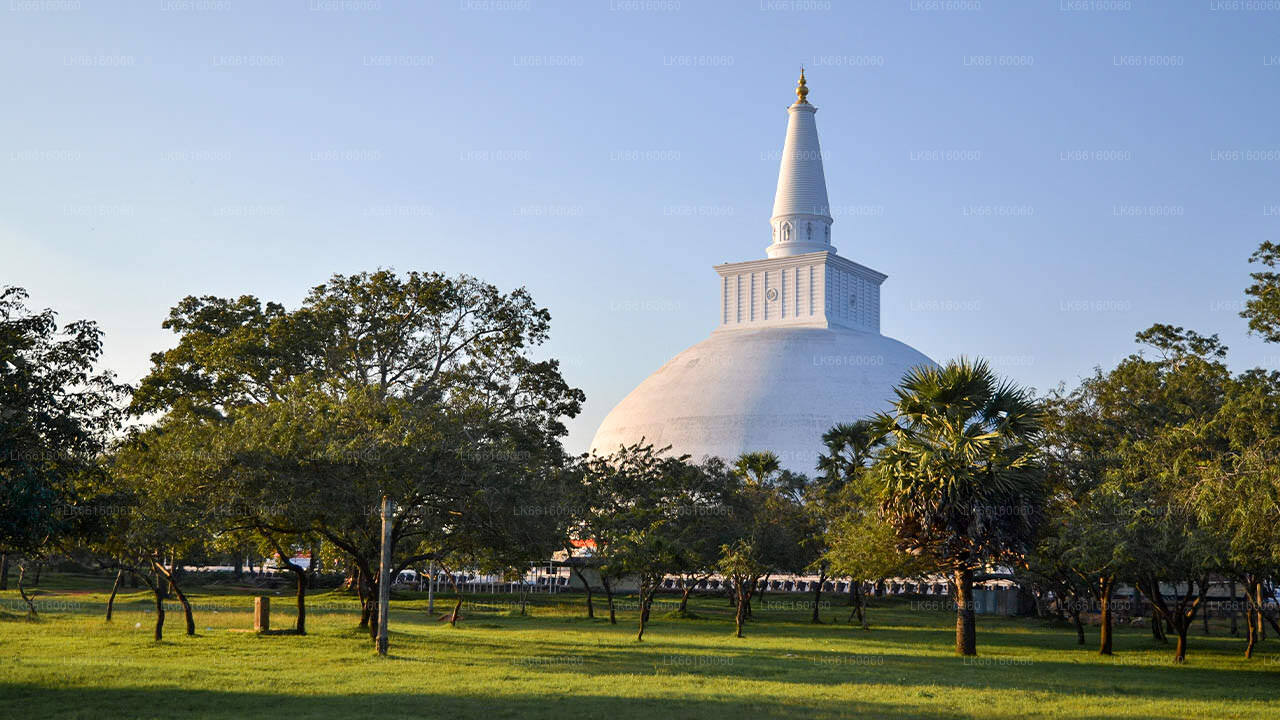
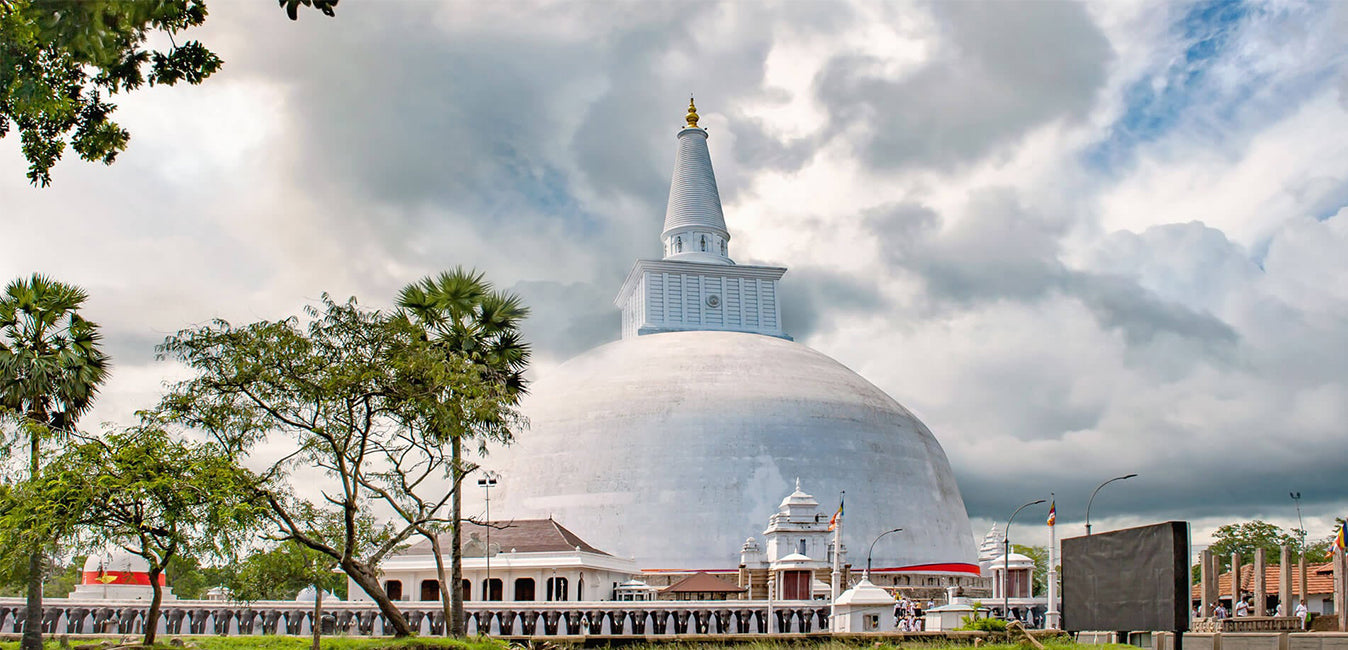
The Ruwanweli Maha Seya, also known as the Mahathupa (the Great Thupa) is a stupa (a hemispherical structure containing relics) in Anuradhapura, Sri Lanka. Two quarts or one Dona of the Buddha's relics are enshrined in the stupa, making it the largest collection of his relics anywhere. It was built by Sinhalese King Dutugemunu in c. 140 B.C., who became king of Sri Lanka after a war in which the Chola King Elāra (Ellalan) was defeated.
-
 Thuparamaya
Thuparamaya is the first Buddhist temple that was constructed, after the arrival of mahinda thero(mahindagamanaya) in Sri Lanka. Located in the sacred area of Mahamewna park, the Thuparamaya Stupa is the earliest Dagoba to be constructed in the island, dating back to the reign of King Devanampiya Tissa (247-207 BC). The temple has been formally recognised by the Government as an archaeological site in Sri Lanka.
-
 Lovamahapaya
Lovamahapaya is a building situated between Ruwanweliseya and Sri Mahabodiya in the ancient city of Anuradhapura, Sri Lanka. It is also known as the Brazen Palace or Lohaprasadaya because the roof was covered with bronze tiles. In ancient times, the building included the refectory and the uposathagara (Uposatha house).
-
 Abhayagiri Stupa
Abhayagiri Vihāra was a major monastery site of Mahayana, Theravada and Vajrayana Buddhism that was situated in Anuradhapura, Sri Lanka. It is one of the most extensive ruins in the world and one of the most sacred Buddhist pilgrimage cities in the nation.
-
 Jetavanaramaya
The Jetavanarama stupa or Jetavanaramaya is a stupa, or Buddhist reliquary monument, located in the ruins of Jetavana monastery in the UNESCO world heritage city of Anuradhapura, Sri Lanka. At 122 metres (400 ft), it was the world's tallest stupa, and the third tallest structure in the world when it was built by King Mahasena of Anuradhapura (273–301).
-
 Mirisawetiya Stupa
The Mirisaweti Stupa is a memorial building, a stupa, situated in the ancient city of Anuradhapura, Sri Lanka. King Dutugamunu (161 BC to 137 BC) built the Mirisaveti Stupa after defeating King Elara. After placing the Buddha relics in the sceptre, he had gone to Tissa Wewa for a bath leaving the sceptre.
-
 Lankarama
Lankarama is a stupa built by King Valagamba, in an ancient place at Galhebakada in the ancient kingdom of Anuradhapura, Sri Lanka. Nothing is known about the ancient form of the stupa, and later this was renovated. The ruins show that there are rows of stone pillars and it is no doubt that there has been a house built encircling the stupa (vatadage) to cover it.
-
 Isurumuniya
Isurumuniya is a Buddhist temple situated near to the Tissa Wewa (Tisa tank) in Anuradhapura, Sri Lanka. There are four carvings of special interest in this Vihara. They are the Isurumuniya Lovers, Elephant Pond and The Royal Family. The ancient Meghagiri Vihara or Meygiri Vihara is presently identified as the Isurumuni Vihara.