Miasto Kandy
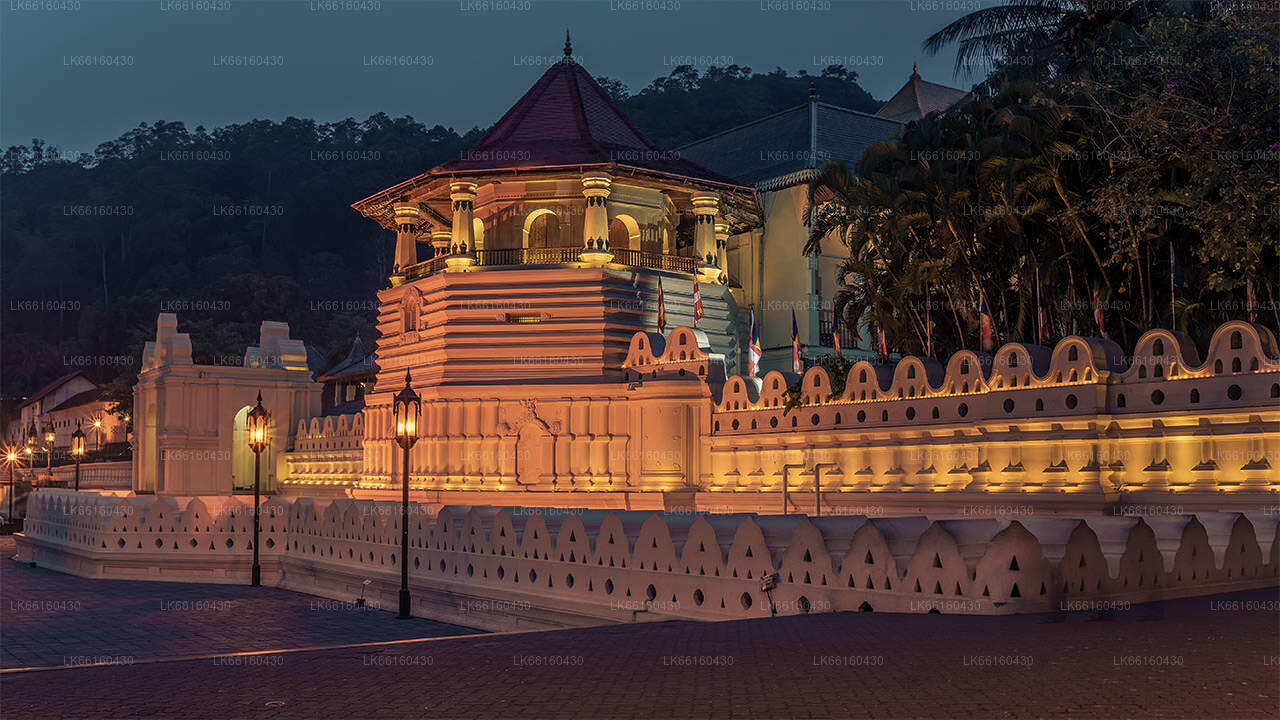
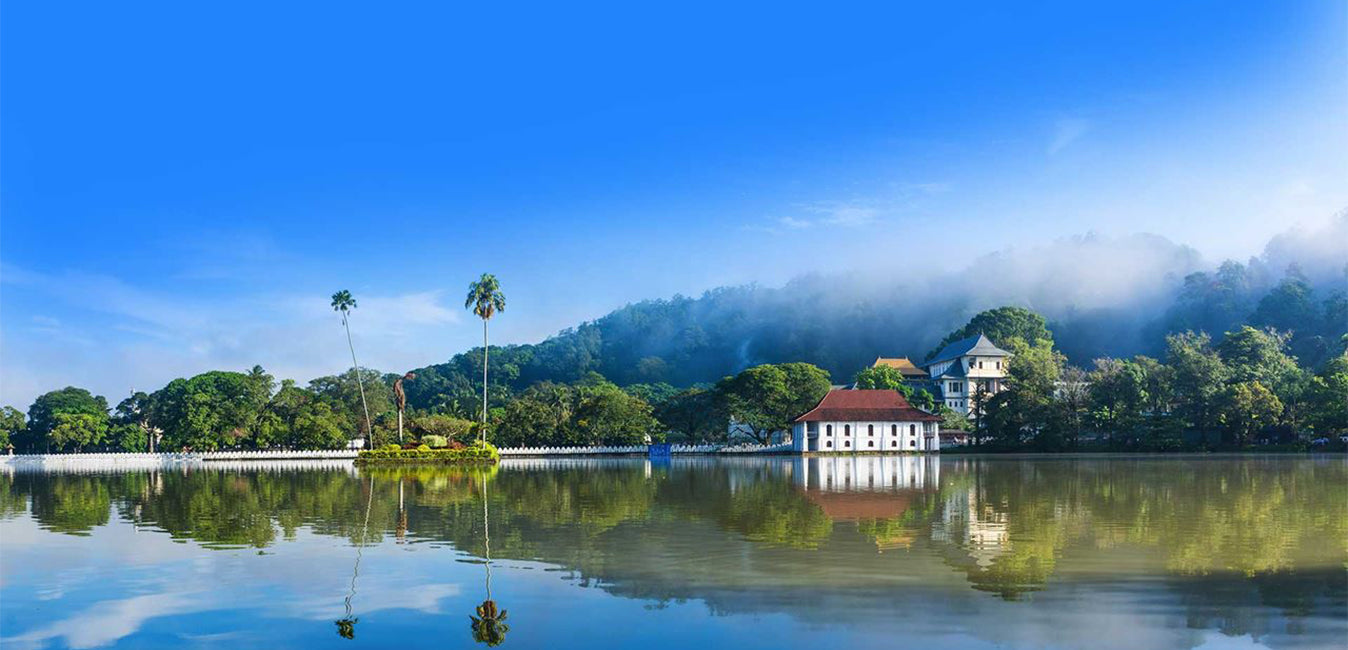
Kandy, malownicze miasto w środkowej Sri Lance, słynie z bogatego dziedzictwa kulturowego, tętniących życiem festiwali i malowniczych widoków. Położone pośród bujnych wzgórz, jest domem Świątyni Zęba, wpisanej na Listę Światowego Dziedzictwa UNESCO, i oferuje urzekające połączenie historii i naturalnego piękna.
Lankathilaka Viharaya
Lankathilaka Viharaya in Sri Lanka: The Great Temple of the Kings
Lankatilaka is Buddhist temple of the 14th century in the Hiyarapitiya village, from the Udu Nuwara area of Kandy district in Sri Lanka. This historical temple was built by the Gampola king, King Buwanekabahu the fourth (1341 – 1351AD), in 1344 AD. Gampola was a stronghold on the banks of Mahaveli River.
Lankathilaka Viharaya in Sri Lanka: Architectural Facts
- The temple was designed by the South Indian architect Sthapati Rayar.
- According to the opinions of researchers; the temple combines the design elements of the Polonnaruwa era architecture with that of Dravidian (India) and Indo-Chinese design. At the time of construction the temple was a four storied edifice of eighty feet, built on uneven bedrock using a granite based foundation.
- The temple structure is such that it radiates from the centre in the four cardinal directions, like a cross. Only then ground floor and part of the first floor of the original temple can be seen today, though the temple appears to have three stories from the outside.
- The thick outer walls of the Temple have beautifully sculpted arches and various sculptures making it a unique design of the 14th century.
Lankathilaka Viharaya in Sri Lanka: Sights when entering the Temple
- There are two directions of approach to the temple. One of them has abodes for Buddhist monks at the base of the rock.
- The premises also have many sights such as the huge rice storage bins, known as ‘Atuwa’ by the locals. The stairs begin in the premises of the abodes.
- The other method of approach is from the west of the temple.
- With two ways of approach come two different flights of stairs. One is the original flight built in the 14th century, while the other is more recent; built around 1913. The stairs are cut into the living rock of Pahangalla and provide a climber with beautiful views of the surrounding countryside.
- At the top of the old flight of stairs, the premises of the temple can be entered through a primitive stone door arch, created with three long pieces of rock affixed together.
Lankathilaka Viharaya in Sri Lanka: The Temple
The temple premises have three sectors; the actual temple building, the Dagoba or stupa and finally the Bo tree.
The temple like the flights of stairs has two entrances, leading to two different and disconnected sections in the same building. The main and most important sector is the eastern section, the Buddha Image House. The other is on the west, the the Temples of the Gods.
The Buddha Image House
- The Buddha Image House which is approached from the eastern entrance, right in front of the eastern flight of stairs, and has a Moonstone adorning the ground before the entrance.
- Def. Moonstone: A semi-circular piece of stone which stands at the foot of a flight of steps in most historical Buddhist buildings.
O dystrykcie Kandy
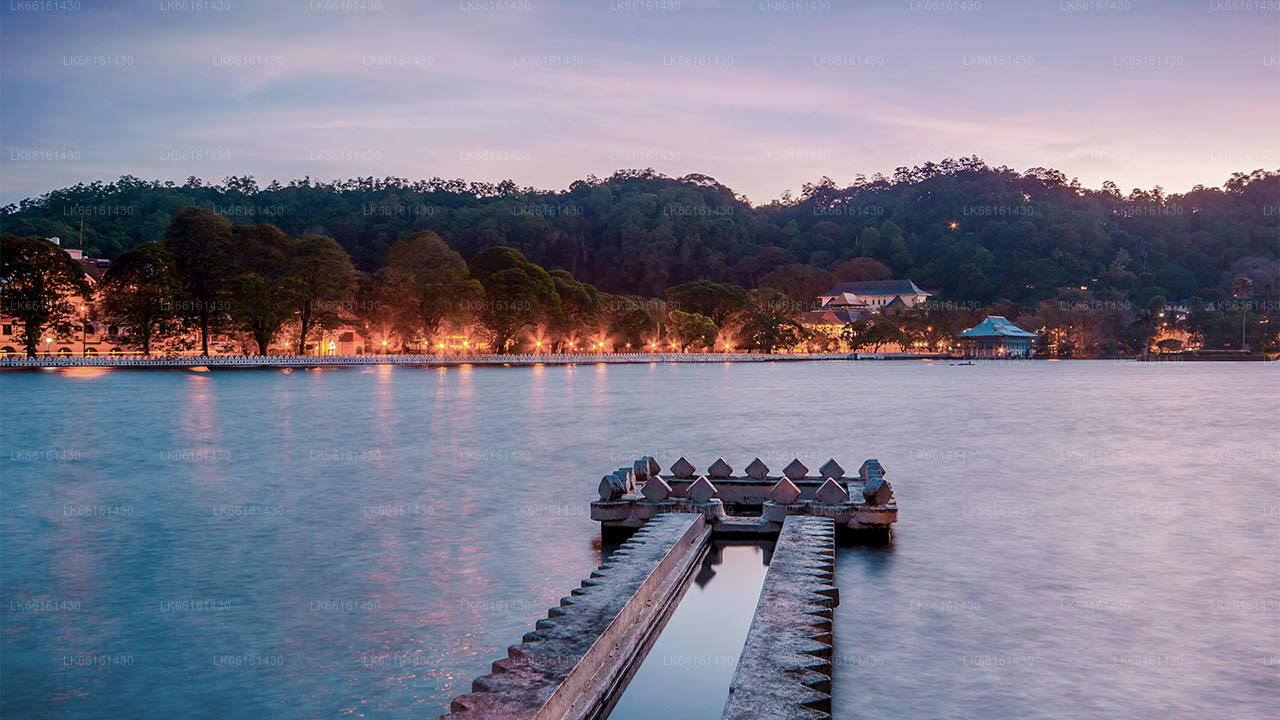
Dystrykt Kandy znajduje się w centralnej prowincji Sri Lanki. Kandy, jedno z siedmiu miejsc światowego dziedzictwa na Sri Lance, było kiedyś domem królów Kandy w XVI wieku i źródłem całej muzyki, sztuki, rzemiosła i kultury w kraju. Około 129 km od Kolombo, Kandy jest położone wśród pagórkowatego terenu, a wszystkie oczy zwrócone są ku centrum miasta, gdzie jezioro Kandy stanowi urokliwy element. Kandy zachowuje wielkie znaczenie religijne dla Sri Lanki, ponieważ to w tym uroczym mieście znajduje się Dalada Maligawa lub „Świątynia Zęba”, w której święta relikwia zęba Buddy leży dobrze strzeżona.
Królewski Ogród Botaniczny Peradeniya znajduje się około 5 km na zachód od centrum miasta Peradeniya i odwiedza go 1,2 miliona ludzi rocznie. Jest to największy ogród botaniczny na wyspie.
Udawatta Kele (Las Udawatta) to chronione sanktuarium położone w sercu miasta, na północ od Świątyni Zęba. Kandy to miasto, w którym większość stanowią Syngalezi; zamieszkują je liczne społeczności należące do innych grup etnicznych, takich jak Maurowie i Tamilowie. Kandy ustępuje jedynie Kolombo centrum gospodarki Sri Lanki. Wiele dużych przedsiębiorstw ma w Kandy rozbudowane filie, a wiele gałęzi przemysłu, takich jak tekstylia, meble, technologie informatyczne i jubilerstwo, znajduje się tutaj. W mieście znajduje się wiele ośrodków badawczych w rolnictwie, a także źródło muzyki, sztuki, rzemiosła i kultury kraju. Kandy, położone około 129 km od Kolombo, położone jest na pagórkowatym terenie, a wszystkie oczy zwrócone są w stronę centrum miasta, gdzie jezioro Kandy stanowi urokliwy punkt orientacyjny.
Kandy zachowuje ogromne znaczenie religijne dla Sri Lanki, ponieważ to właśnie w tym urokliwym mieście znajduje się Dalada Maligawa, czyli Świątynia Zęba, w której strzeżona jest święta relikwia zęba Buddy.
O prowincji centralnej
Prowincja Centralna Sri Lanki składa się głównie z terenów górzystych. Prowincja ma powierzchnię 5674 km² i liczy 2 421 148 mieszkańców. Do większych miast należą Kandy, Gampola (24 730), Nuwara Eliya i Bandarawela. Ludność jest mieszanką Syngalezów, Tamilów i Maurów. Zarówno stolica gór Kandy, jak i miasto Nuwara Eliya znajdują się w Prowincji Centralnej, podobnie jak Sri Pada.
Prowincja produkuje dużą część słynnej herbaty cejlońskiej, uprawianej przez Brytyjczyków w latach 60. XIX wieku po tym, jak wyniszczająca choroba zniszczyła wszystkie plantacje kawy w prowincji. Prowincja Centralna przyciąga wielu turystów, a jej górskie miejscowości, takie jak Kandy, Gampola, Hatton i Nuwara Eliya, to popularne górskie kurorty. Świątynia Zęba, zwana Dalada Maligawa, jest głównym miejscem świętym w prowincji Centrel. Klimat jest chłodny, a wiele obszarów położonych na wysokości około 1500 metrów n.p.m. charakteryzuje się chłodnymi nocami.
Zachodnie stoki są bardzo wilgotne, w niektórych miejscach spada tam prawie 7000 mm deszczu rocznie. Wschodnie stoki należą do strefy średniosuchej, ponieważ deszcz pada tam wyłącznie z monsunu północno-wschodniego. Temperatury wahają się od 24°C w Kandy do zaledwie 16°C w Nuwara Eliya, położonej 1889 m n.p.m. Najwyższe góry Sri Lanki znajdują się w Prowincji Centralnej. Teren jest w większości górzysty, z głębokimi dolinami. Dwa główne regiony górskie to masyw centralny i pasmo Knuckles na wschód od Kandy.