Sandakada Pahana


Sandakada Pahana, znany również jako Kamień Księżyca, jest ważnym elementem kulturowym i architektonicznym w historii Sri Lanki, który znajduje się w wielu najważniejszych buddyjskich miejscach wyspy, w tym w Anuradhapurze, Polonnaruwie oraz w skalnych świątyniach Sigirii. Ta misternie rzeźbiona kamienna konstrukcja pełni rolę znaku wejścia do świętych przestrzeni, symbolizując przejście od rzeczywistego do boskiego. Jej piękno i symboliczne znaczenie sprawiają, że jest jednym z najbardziej ikonicznych elementów architektonicznych Sri Lanki, odzwierciedlając głębokie tradycje duchowe i artystyczne, które kształtowały tę wyspę przez wieki.
Sandakada Pahana ma półokrągły kształt i zazwyczaj ozdobiona jest rzeźbami przedstawiającymi płatki lotosu, słonie, konie oraz inne symboliczne motywy, z których każdy reprezentuje elementy buddyzmu, natury i kultury Sri Lanki. Te elementy, które można znaleźć w takich regionach jak Kandy i Galle, odzwierciedlają bogatą bioróżnorodność wyspy, z słoniami i innymi zwierzętami dzikimi, które występują w folklorze Sri Lanki. Rzeźby te przekazują duchowe idee takie jak czystość, oświecenie i ochrona, oferując odwiedzającym zarówno kulturowe, jak i artystyczne połączenie z buddyjskim dziedzictwem wyspy.
Odwiedzający miejsca z Sandakada Pahana mogą docenić jego artystyczną złożoność oraz związek z religijną historią Sri Lanki. Znajdujący się przy wejściu do stup, świątyń i klasztorów, Kamień Księżyca służy jako wizualne przypomnienie o oddaniu Sri Lanki świętej architekturze i tradycjom buddyjskim. Podróżnicy zwiedzający starożytne miasta, takie jak Anuradhapura, lub eksplorujący skalne świątynie, takie jak Dambulla i Sigiriya, często zatrzymują się, aby podziwiać te kamienie, które prowadzą ich duchową podróż przez kulturalne krajobrazy Sri Lanki. Sandakada Pahana zaprasza do refleksji na temat związku między naturą, sztuką a wiarą.
Sandakada Pahana jest widoczna przez cały rok w wielu historycznych i religijnych miejscach w Sri Lance. Sezon suchy, od grudnia do kwietnia, oferuje idealne warunki do zwiedzania tych starożytnych pomników, zapewniając czyste niebo i spokojną pogodę do turystyki. Dostępne z głównych miast, takich jak Anuradhapura, Kandy i Sigiriya, te święte kamienie wciąż inspirują odwiedzających, którzy starają się zrozumieć bogate duchowe i kulturowe dziedzictwo Sri Lanki. Niezależnie od tego, czy są cenione za swoją wartość artystyczną, historyczne znaczenie czy religijne symbole, Sandakada Pahana pozostaje potężnym świadectwem Sri Lanki's ponadczasowego dziedzictwa.


-
 Sri Maha Bodhiya
Jaya Sri Maha Bodhi is a sacred bo tree in the Mahamewna Gardens, Anuradhapura, Sri Lanka. It is the southern branch from the historical Sri Maha Bodhi at Buddha Gaya in India under which Buddha attained Enlightenment. It was planted in 288 BC, and is the oldest living human-planted tree in the world with a known planting date.
-
 Ruwanweliseya
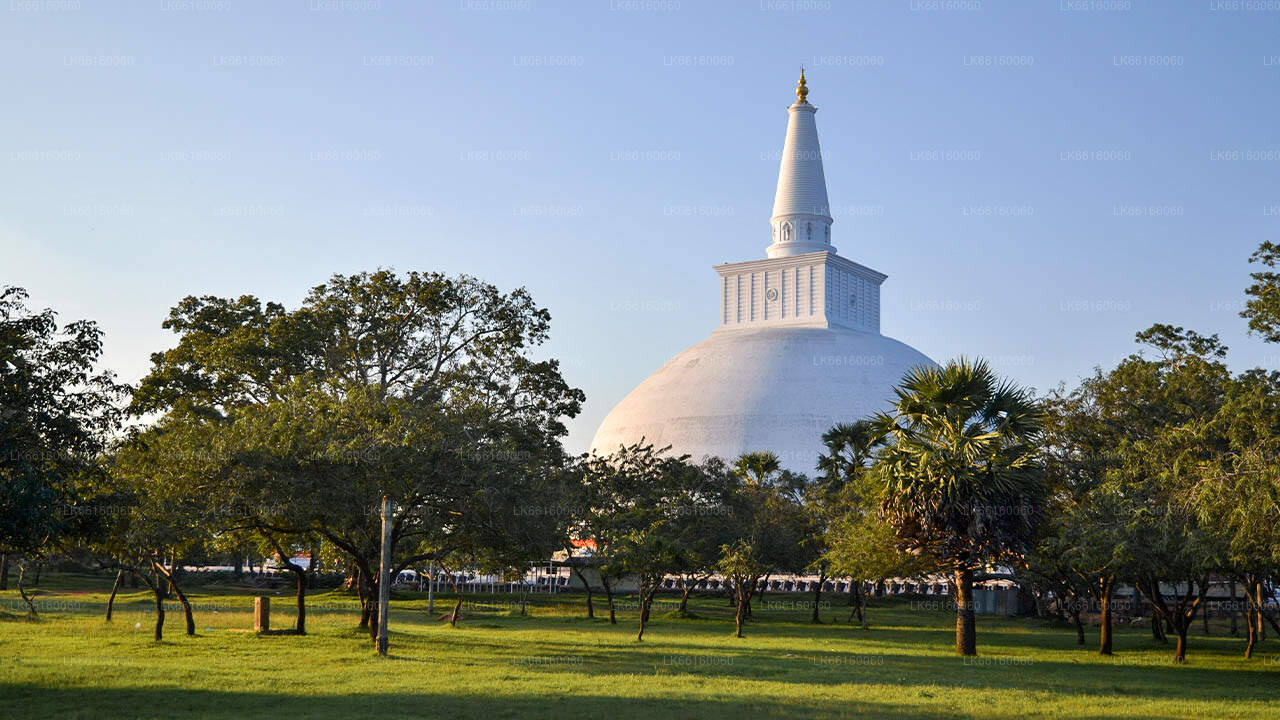
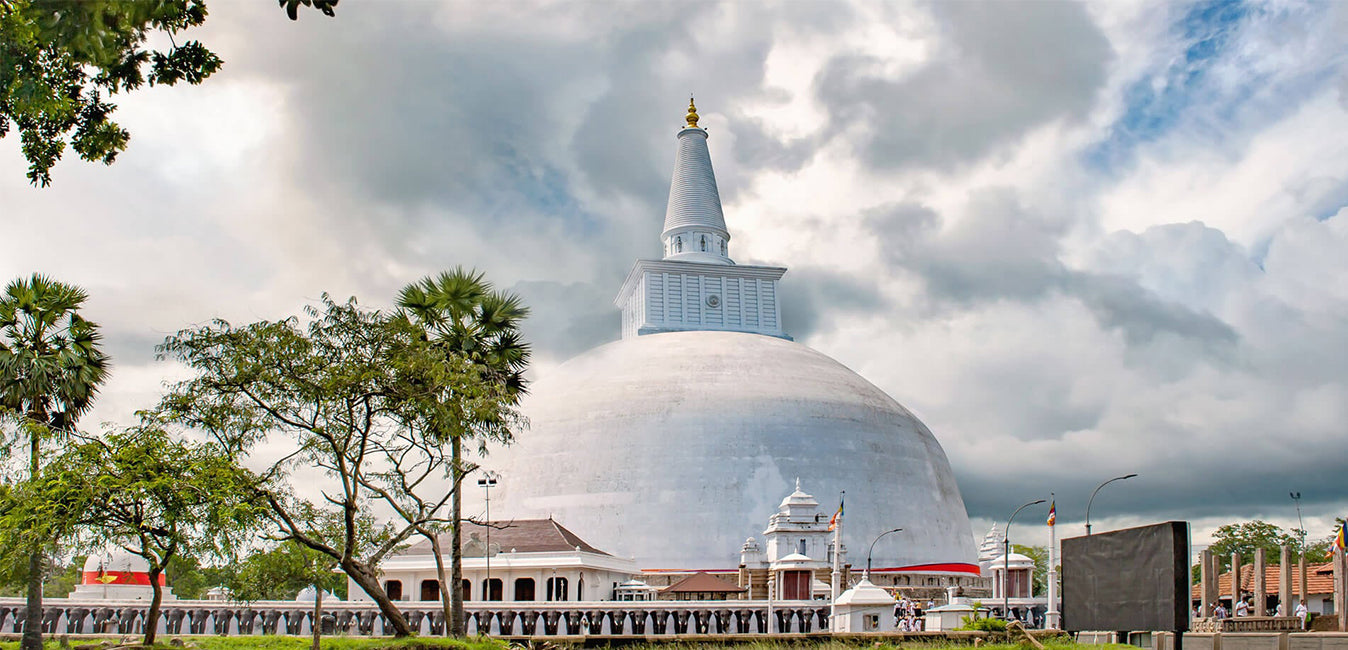
The Ruwanweli Maha Seya, also known as the Mahathupa (the Great Thupa) is a stupa (a hemispherical structure containing relics) in Anuradhapura, Sri Lanka. Two quarts or one Dona of the Buddha's relics are enshrined in the stupa, making it the largest collection of his relics anywhere. It was built by Sinhalese King Dutugemunu in c. 140 B.C., who became king of Sri Lanka after a war in which the Chola King Elāra (Ellalan) was defeated.
-
 Thuparamaya
 is the first Buddhist temple that was constructed, after the arrival of mahinda thero(mahindagamanaya) in Sri Lanka. Located in the sacred area of Mahamewna park, the Thuparamaya Stupa is the earliest Dagoba to be constructed in the island, dating back to the reign of King Devanampiya Tissa (247-207 BC). The temple has been formally recognised by the Government as an archaeological site in Sri Lanka.
-
 Lovamahapaya
 is a building situated between Ruwanweliseya and Sri Mahabodiya in the ancient city of Anuradhapura, Sri Lanka. It is also known as the Brazen Palace or Lohaprasadaya because the roof was covered with bronze tiles. In ancient times, the building included the refectory and the uposathagara (Uposatha house).
-
 Abhayagiri Stupa
Abhayagiri Vihāra was a major monastery site of Mahayana, Theravada and Vajrayana Buddhism that was situated in Anuradhapura, Sri Lanka. It is one of the most extensive ruins in the world and one of the most sacred Buddhist pilgrimage cities in the nation.
-
 Jetavanaramaya
The Jetavanarama stupa or Jetavanaramaya is a stupa, or Buddhist reliquary monument, located in the ruins of Jetavana monastery in the UNESCO world heritage city of Anuradhapura, Sri Lanka. At 122 metres (400 ft), it was the world's tallest stupa, and the third tallest structure in the world when it was built by King Mahasena of Anuradhapura (273–301).
-
 Mirisawetiya Stupa
The Mirisaweti Stupa is a memorial building, a stupa, situated in the ancient city of Anuradhapura, Sri Lanka. King Dutugamunu (161 BC to 137 BC) built the Mirisaveti Stupa after defeating King Elara. After placing the Buddha relics in the sceptre, he had gone to Tissa Wewa for a bath leaving the sceptre.
-
 Lankarama
 is a stupa built by King Valagamba, in an ancient place at Galhebakada in the ancient kingdom of Anuradhapura, Sri Lanka. Nothing is known about the ancient form of the stupa, and later this was renovated. The ruins show that there are rows of stone pillars and it is no doubt that there has been a house built encircling the stupa (vatadage) to cover it.
-
 Isurumuniya
 is a Buddhist temple situated near to the Tissa Wewa (Tisa tank) in Anuradhapura, Sri Lanka. There are four carvings of special interest in this Vihara. They are the Isurumuniya Lovers, Elephant Pond and The Royal Family. The ancient Meghagiri Vihara or Meygiri Vihara is presently identified as the Isurumuni Vihara.