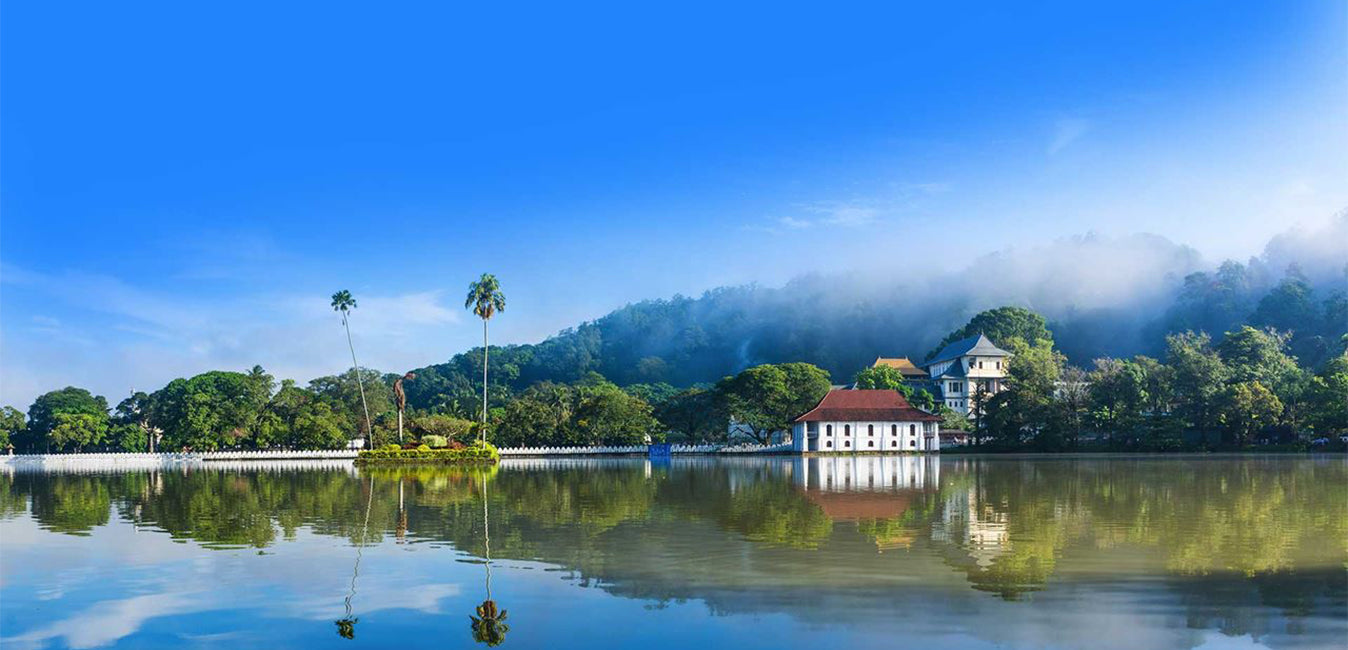
Meemure

Meemure Meemure Meemure

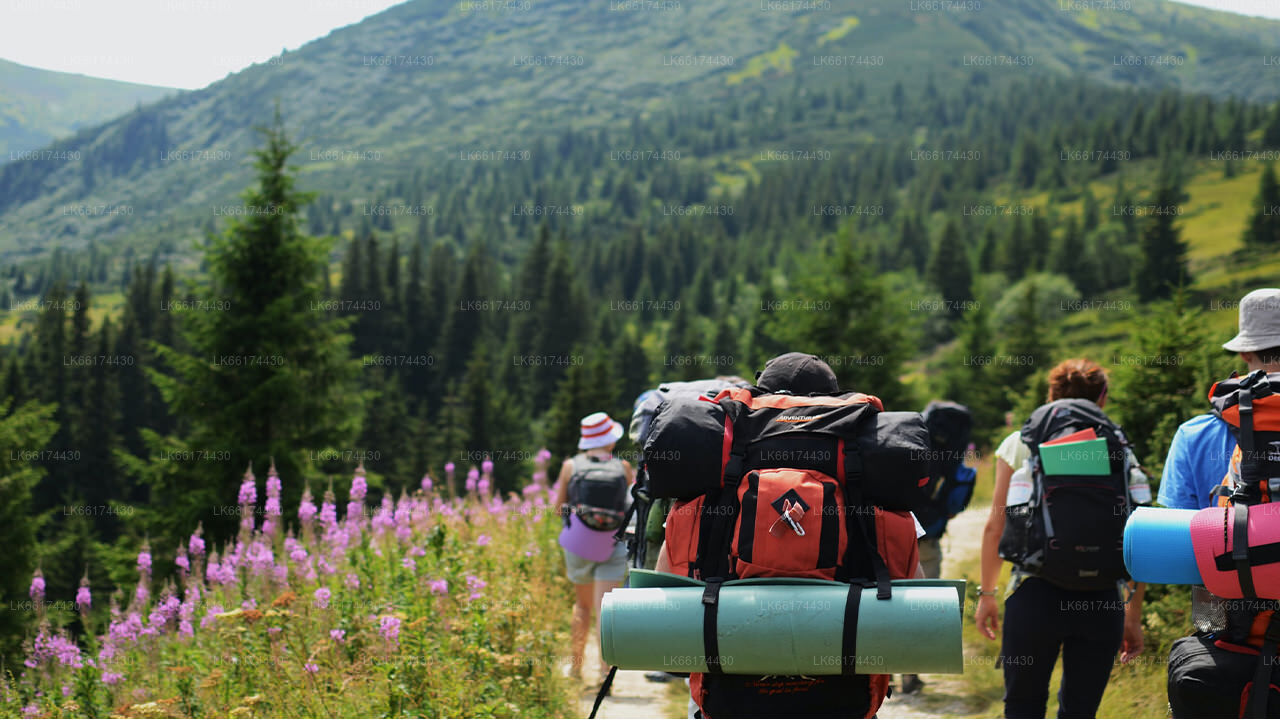
Meemure is an isolated village in the Central Province of Sri Lanka, located 324m above sea level and hidden amongst the mountains. The only way to reach it is from the  ‘Hunnasgiriya’ mountain, which is part of the Knuckles range, approximately 50km from Kandy. It’s a difficult trail of 33km from Hunnasgiriya to Meemure with many tricky spots, though the view along it is excellent. The village itself receives abundant water in the form of waterfalls that have their sources in the evergreen forests of the Knuckles. East of the village lies the pyramid shaped Lakegala mountain; while the west is dominated by the picturesque Knuckles range. The northern boundary of Meemure borders a forest which runs to the ‘Pitawala Pathana’ grassland; and the south is bounded by Heen River.

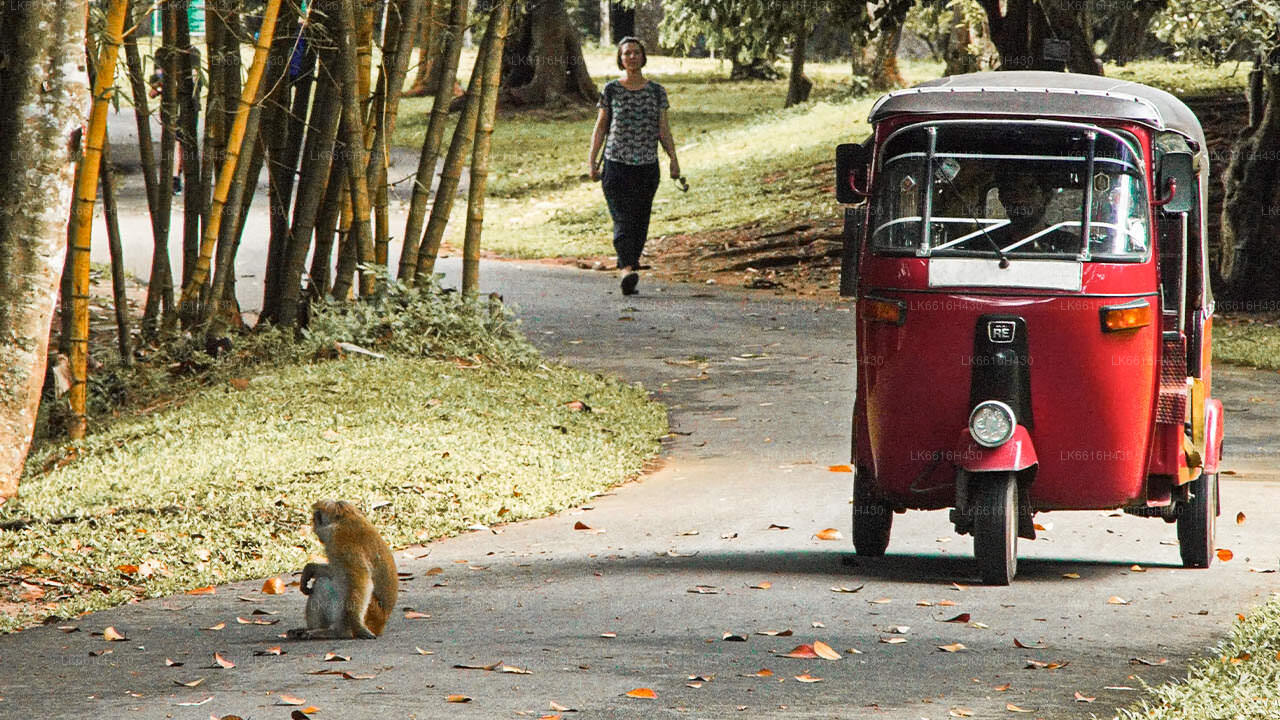
Pack-bulls used to be the solitary method of transport to Meemure until 2004. Herds of cattle carried sacks full of goods and equipment to the village. Due to the fertility and prosperity of the village; the pack-bulls were only used to carry salt, cloths, tobacco and calcium bicarbonate. But with the invasion of modern technology, the trails have been widened to allow three wheelers, jeeps and small trucks.

Folklore and History

Meemure received its name from the ‘Mee’ trees (as the villagers called them) that surrounded the place.

According to the folklore the village dates back to almost 5000 years ago. Lakegala that that lies to the east is believed to have been the property of the legendary King Ravana from the Indian literary epic Ramayana. As the stories go, Lakegala was used by Ravana as a power source and there was a tunnel through Lakegala in the times of Ramayana. It is said the tunnel was sealed after the war of Ramayana with the corpse of Ravana placed within it.

Another story states dates to 700 B.C which was the era of King Vijaya who is believed to be the forefather of the current population of Sri Lanka. Vijaya arrived on the island from India with his followers and caught sight of the shapely primitive woman Kuweni. He was overtaken by lust and took Kuweni as his informal wife. Kuweni bore him two children, but then Vijaya banished her from his castle when he formally married a royal princess from India. Hence Kuweni was forced to take her move into the forest along with her children. It is believed that they lived in the forest where Meemure is located, and that the indigenous people of Sri Lanka originated from the two children of Kuweni. The indigenous people of modern Sri Lanka are based just 60km from Meemure in
O dystrykcie Kandy

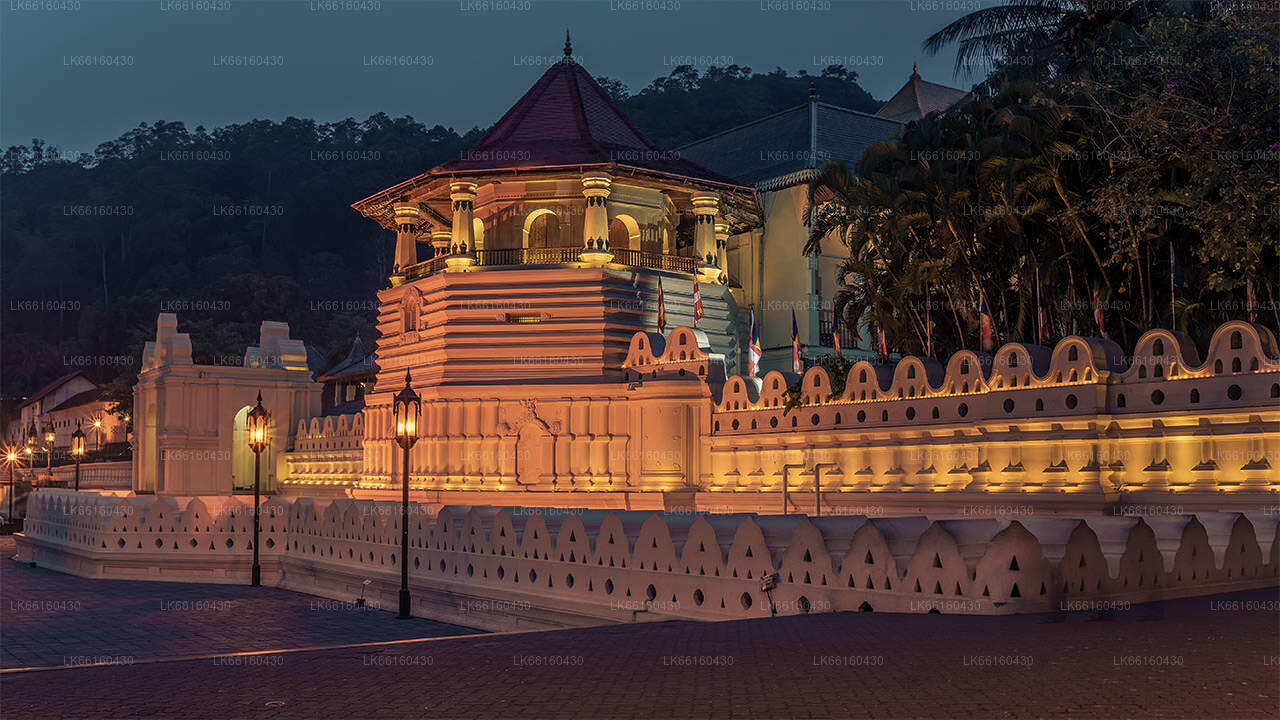
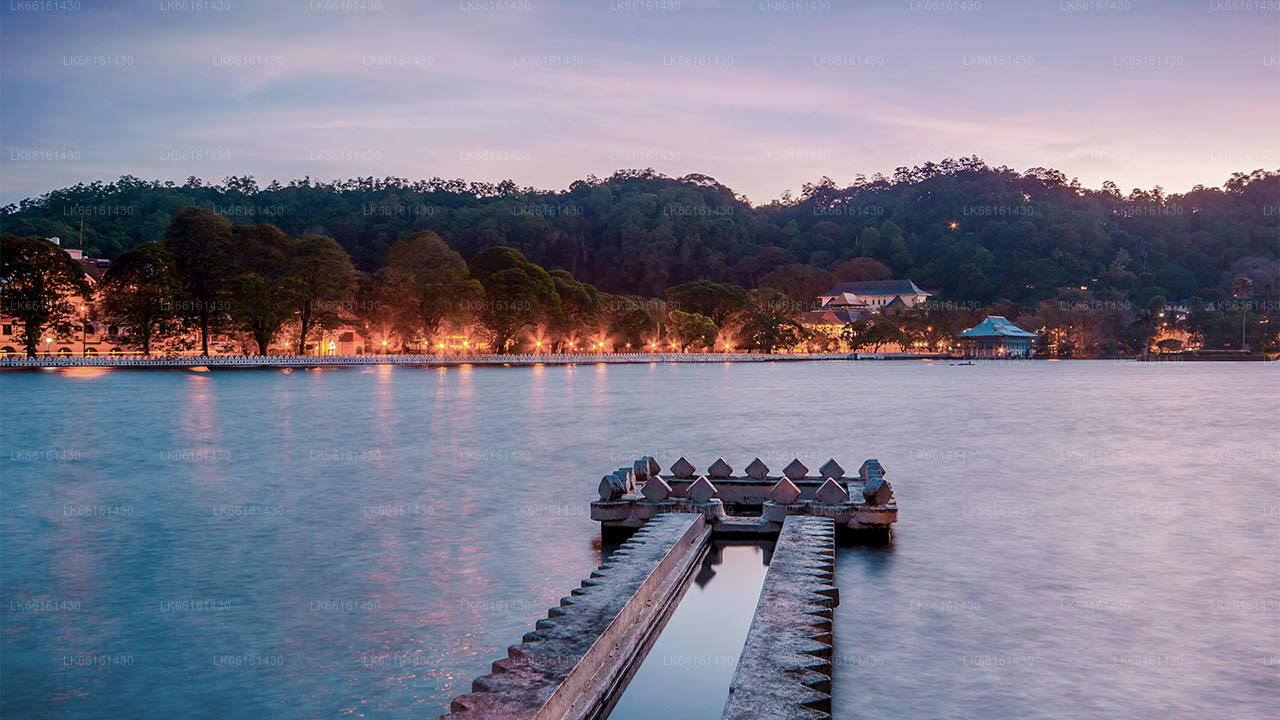
Dystrykt Kandy znajduje się w centralnej prowincji Sri Lanki. Kandy, jedno z siedmiu miejsc światowego dziedzictwa na Sri Lance, było kiedyś domem królów Kandy w XVI wieku i źródłem całej muzyki, sztuki, rzemiosła i kultury w kraju. Około 129 km od Kolombo, Kandy jest położone wśród pagórkowatego terenu, a wszystkie oczy zwrócone są ku centrum miasta, gdzie jezioro Kandy stanowi urokliwy element. Kandy zachowuje wielkie znaczenie religijne dla Sri Lanki, ponieważ to w tym uroczym mieście znajduje się Dalada Maligawa lub „Świątynia Zęba”, w której święta relikwia zęba Buddy leży dobrze strzeżona.

Królewski Ogród Botaniczny Peradeniya znajduje się około 5 km na zachód od centrum miasta Peradeniya i odwiedza go 1,2 miliona ludzi rocznie. Jest to największy ogród botaniczny na wyspie.

Udawatta Kele (Las Udawatta) to chronione sanktuarium położone w sercu miasta, na północ od Świątyni Zęba. Kandy to miasto, w którym większość stanowią Syngalezi; zamieszkują je liczne społeczności należące do innych grup etnicznych, takich jak Maurowie i Tamilowie. Kandy ustępuje jedynie Kolombo centrum gospodarki Sri Lanki. Wiele dużych przedsiębiorstw ma w Kandy rozbudowane filie, a wiele gałęzi przemysłu, takich jak tekstylia, meble, technologie informatyczne i jubilerstwo, znajduje się tutaj. W mieście znajduje się wiele ośrodków badawczych w rolnictwie, a także źródło muzyki, sztuki, rzemiosła i kultury kraju. Kandy, położone około 129 km od Kolombo, położone jest na pagórkowatym terenie, a wszystkie oczy zwrócone są w stronę centrum miasta, gdzie jezioro Kandy stanowi urokliwy punkt orientacyjny.

Kandy zachowuje ogromne znaczenie religijne dla Sri Lanki, ponieważ to właśnie w tym urokliwym mieście znajduje się Dalada Maligawa, czyli Świątynia Zęba, w której strzeżona jest święta relikwia zęba Buddy.

O prowincji centralnej

Prowincja Centralna Sri Lanki składa się głównie z terenów górzystych. Prowincja ma powierzchnię 5674 km² i liczy 2 421 148 mieszkańców. Do większych miast należą Kandy, Gampola (24 730), Nuwara Eliya i Bandarawela. Ludność jest mieszanką Syngalezów, Tamilów i Maurów. Zarówno stolica gór Kandy, jak i miasto Nuwara Eliya znajdują się w Prowincji Centralnej, podobnie jak Sri Pada.

Prowincja produkuje dużą część słynnej herbaty cejlońskiej, uprawianej przez Brytyjczyków w latach 60. XIX wieku po tym, jak wyniszczająca choroba zniszczyła wszystkie plantacje kawy w prowincji. Prowincja Centralna przyciąga wielu turystów, a jej górskie miejscowości, takie jak Kandy, Gampola, Hatton i Nuwara Eliya, to popularne górskie kurorty. Świątynia Zęba, zwana Dalada Maligawa, jest głównym miejscem świętym w prowincji Centrel. Klimat jest chłodny, a wiele obszarów położonych na wysokości około 1500 metrów n.p.m. charakteryzuje się chłodnymi nocami.

Zachodnie stoki są bardzo wilgotne, w niektórych miejscach spada tam prawie 7000 mm deszczu rocznie. Wschodnie stoki należą do strefy średniosuchej, ponieważ deszcz pada tam wyłącznie z monsunu północno-wschodniego. Temperatury wahają się od 24°C w Kandy do zaledwie 16°C w Nuwara Eliya, położonej 1889 m n.p.m. Najwyższe góry Sri Lanki znajdują się w Prowincji Centralnej. Teren jest w większości górzysty, z głębokimi dolinami. Dwa główne regiony górskie to masyw centralny i pasmo Knuckles na wschód od Kandy.