Lakpura
Lakpura®

R Premadasa International Cricket Stadium (Colombo)

Few cricket grounds in the world carry the weight of history that R. Premadasa International Cricket Stadium does. Situated in the Maligawatta neighbourhood of Colombo — roughly three kilometres north-east of Colombo Fort — this 35,000-seat arena has shaped the narrative of Sri Lankan cricket for nearly four decades. Whether you are a cricket devotee making a pilgrimage to a legendary ground or a curious traveller passing through the capital, the Premadasa stadium rewards a visit with an unmistakable atmosphere and a story worth knowing.

What records were set at R. Premadasa Stadium?

The stadium's place in cricket folklore was cemented in August 1997, when Sri Lanka posted 952 for 6 declared against India — the highest team total ever recorded in Test cricket. That same innings produced an extraordinary second-wicket partnership of 576 between Sanath Jayasuriya and Roshan Mahanama, a record for any wicket in Test cricket that stood for years and remains one of the most celebrated partnerships the game has ever seen.

The ground's record-breaking credentials extend to one-day cricket as well. The Premadasa stadium became the first venue in Sri Lanka — and the fourth in the world at the time — to host 100 One Day International (ODI) matches, underlining how central it has been to the international cricket calendar in South Asia.

What is the history behind the stadium's name and location?

The stadium is named after Ranasinghe Premadasa, Sri Lanka's third president, who championed the project with the ambition of giving the country a world-class cricketing facility. Before construction began, the site was a swamp that monks used to cross by boat to reach the nearby Khettarama temple — a detail that explains the ground's earlier name, Khettarama Stadium, which older Sri Lankans still use affectionately. The swamp was sand-filled to create the foundations, and the inaugural match — a limited-overs fixture between Sri Lanka 'B' and England 'B' — was played on 2 February 1986.

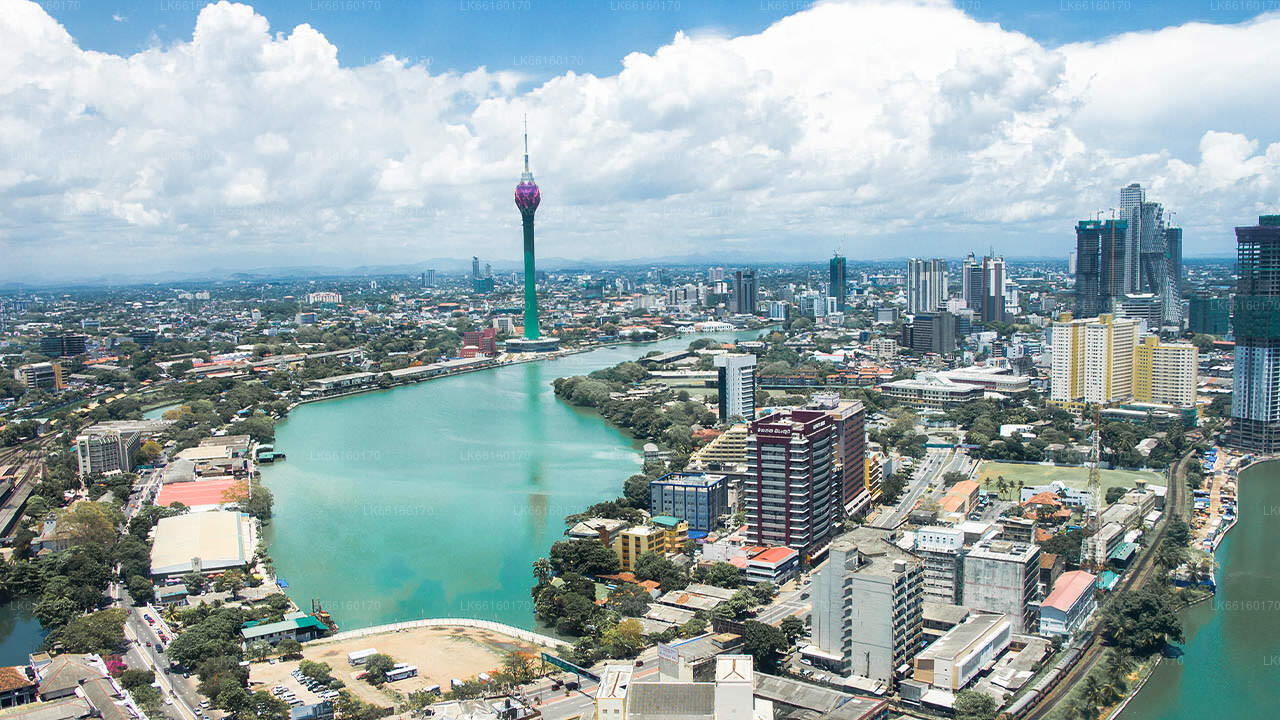
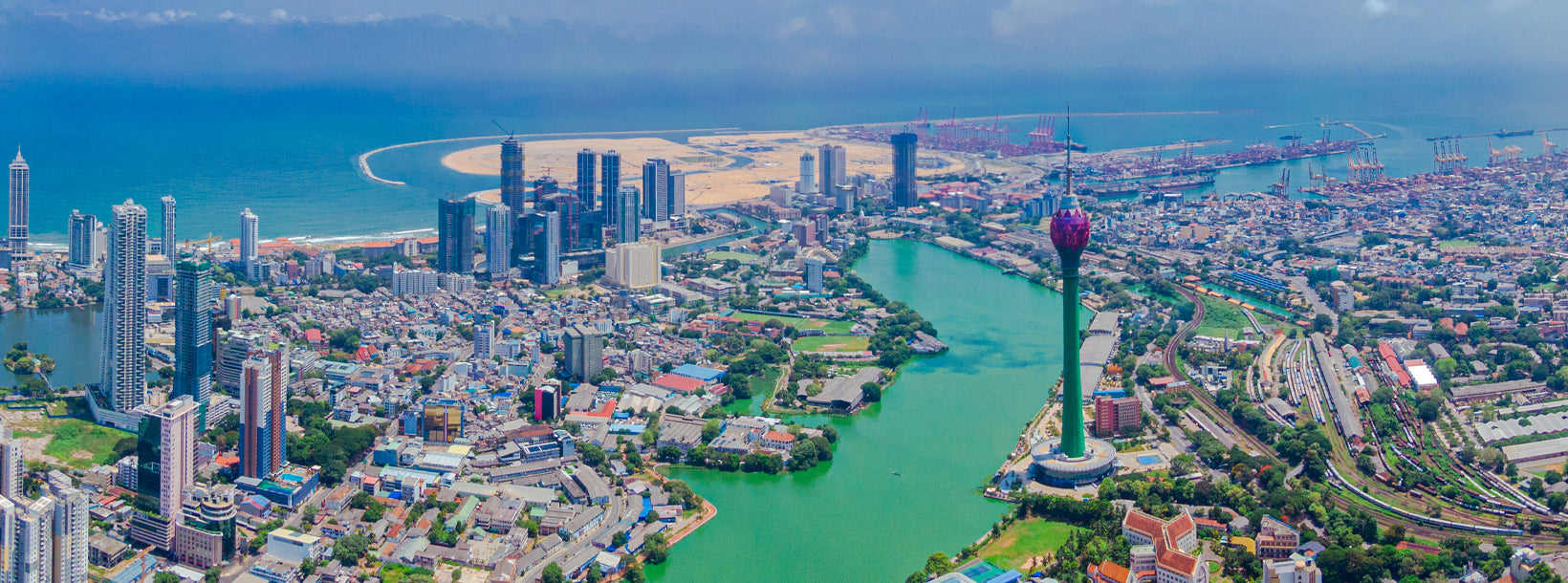
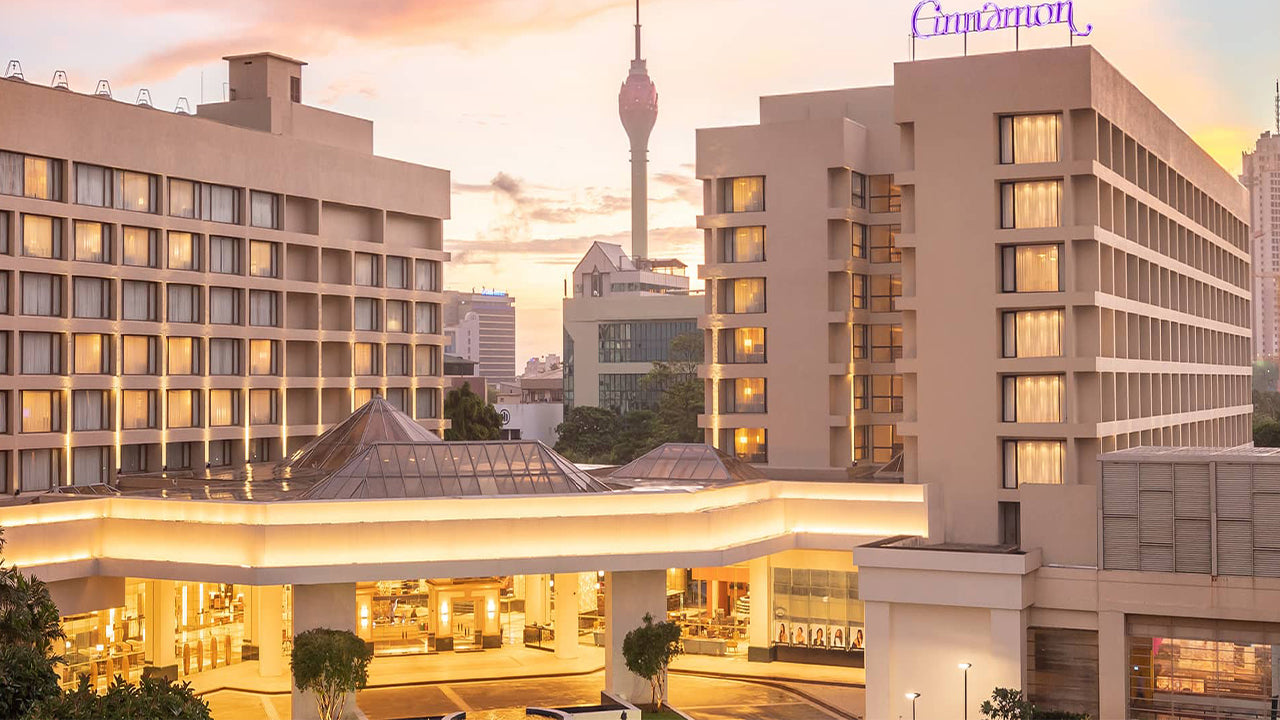
Maligawatta itself is a quiet, predominantly residential district without major tourist clusters, making the stadium something of an unexpected landmark in its surroundings. The Colombo Lotus Tower, the city's most recognisable modern structure, is visible from parts of the ground on clear days, offering an interesting contrast between Colombo's architectural eras.

How was the stadium upgraded for the 2011 ICC Cricket World Cup?

Ahead of the 2011 ICC Cricket World Cup, the Premadasa stadium underwent comprehensive renovations. The original concrete bowl, which held around 14,000 spectators, was transformed into a modern international venue with a capacity of 35,000. New seating was installed in banks of blue and yellow — the colours of the Sri Lanka national cricket team — giving the ground a vivid identity that is immediately recognisable on broadcast. The media box was expanded to accommodate up to 200 journalists, and general infrastructure was upgraded to meet ICC standards for a marquee global event.

What is the experience like on match day?

On match days, Maligawatta transforms. Street vendors set up outside the gates selling flags, replica jerseys, and snacks, and the crowds — famously passionate and knowledgeable — create a noise level that belies the ground's mid-sized capacity. The stands fill quickly for high-profile fixtures, so arriving early and arranging transport in advance is strongly advisable.

  • The stadium is best approached by taxi or tuk-tuk from Colombo Fort or the Pettah district.
  • Public buses serve Maligawatta, though they become very crowded after matches end.
  • Pre-booked private transfers are the most straightforward option for international visitors arriving from the airport.

Can visitors tour the stadium when there is no match?

Non-match-day access to the playing field and dressing rooms is not consistently available and depends on whether the ground is in use for training or other events. Visiting the exterior and the surrounding area is always possible, and the ground's position makes it a natural addition to a broader Colombo city tour itinerary. Visitors with a serious interest in Sri Lankan cricket history are advised to contact the stadium administration or Sri Lanka Cricket directly to enquire about scheduled tours.

What else is worth knowing about the stadium?

Detail Information
Formal name R. Premadasa International Cricket Stadium
Former name Khettarama Stadium
Location Maligawatta, Colombo
Inaugurated 2 February 1986
Seating capacity Approximately 35,000
Highest Test total hosted 952/6 dec — Sri Lanka vs India, 1997
Named after President Ranasinghe Premadasa

How does the Premadasa stadium fit into Sri Lanka's broader cricket culture?

Cricket in Sri Lanka occupies a place closer to religion than sport. The national team's 1996 ICC Cricket World Cup triumph — achieved partly through performances at grounds like this one — transformed the game's profile in the country and created a generation of fans for whom following the team is a lifelong commitment. The Premadasa stadium sits at the heart of that culture: a venue where schoolchildren grow up dreaming of playing, where neighbourhoods plan their weeks around fixtures, and where the boundary rope separates everyday Colombo from international spectacle.

For travellers who happen to be in Colombo during an international series, securing tickets to a match at Premadasa is one of the more authentic experiences the city offers — a window into Sri Lankan life that no museum or monument quite replicates.

Book this experience with Lakpura

Curated by our local team. Direct booking, instant confirmation.
Ask Lakpura® Agent