Lakpura
Lakpura®

Naaran Kavum

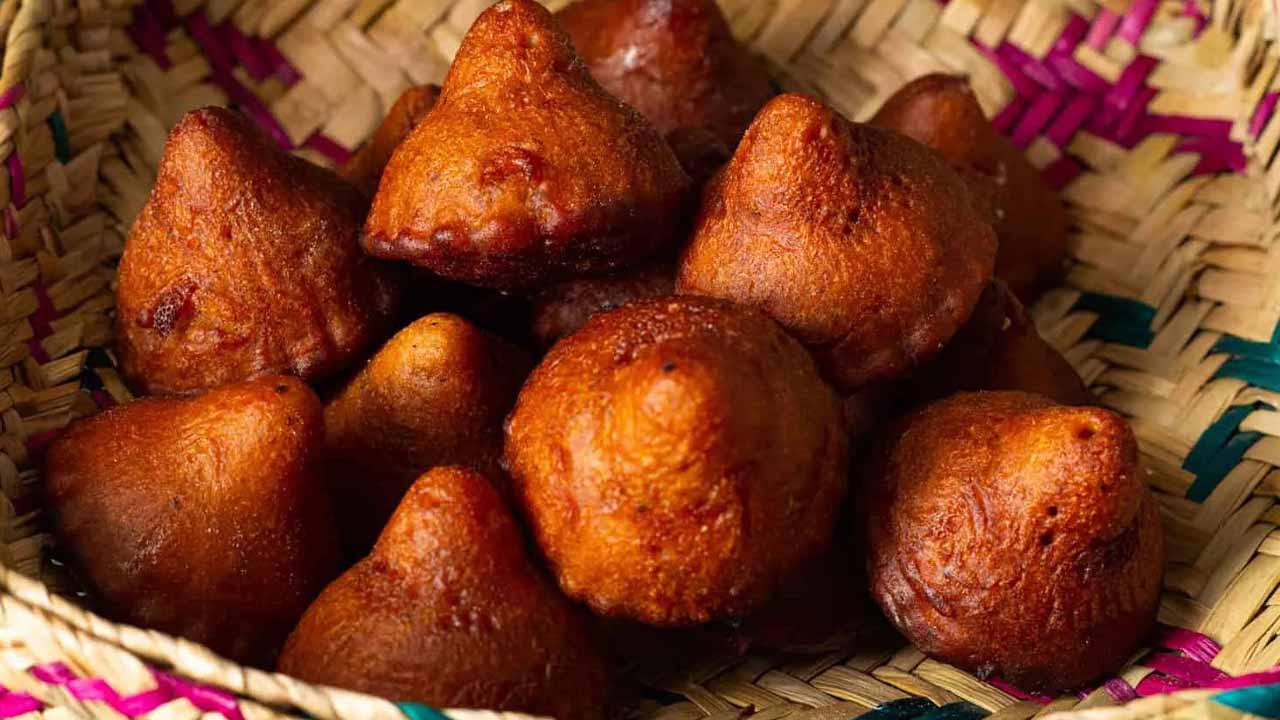
Naaran Kavum is a traditional Sri Lankan sweet that earns its place on the New Year table alongside better-known treats like Konda Kavum. Encased in a thin, golden batter, each piece hides a soft, spiced coconut and jaggery filling that is fragrant with cardamom, cinnamon and cloves. If you have ever tried the South Indian sukhiyan, the concept will feel familiar — though the Sri Lankan version leans on sugar or jaggery rather than the dal-based fillings more common across the Palk Strait.

What is Naaran Kavum and how does it differ from Konda Kavum?

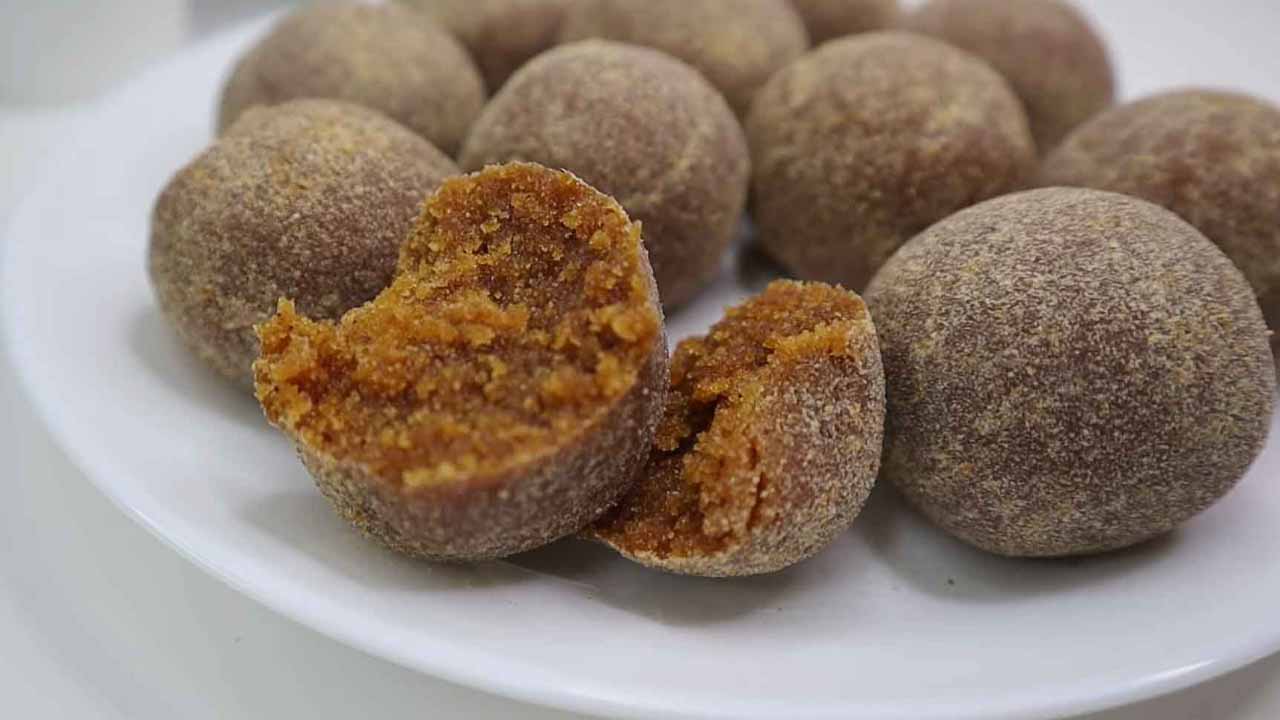
Both sweets belong to the same family of deep-fried rice-flour kavum made for Sinhala and Tamil New Year, typically celebrated in April. Konda Kavum is heavier — a whole fried cake shaped with a distinctive topknot. Naaran Kavum is lighter and bite-sized: a coconut-jaggery ball dipped in batter and fried until crisp outside and chewy within. The name "naaran" is thought to refer to the small, round shape, similar to a little orange (naaran in Sinhala). The two sweets are often served together on the same plate during the New Year celebrations, alongside kokis, aluwa and asmi.

What ingredients do you need for Naaran Kavum?

The recipe divides neatly into two components: the coconut filling and the outer batter. Quantities below make around 10 pieces.

For the coconut filling

  • Desiccated coconut — 150 g
  • Jaggery — 200 g
  • Cardamom — a few pods, lightly bruised
  • Cinnamon — a small piece
  • Cloves — 3 to 4
  • Water — 50 ml
  • Lime — 2 small slices

For the batter

  • Rice flour — 150 g
  • Water — around 100 ml (added gradually)
  • Turmeric powder — ½ teaspoon
  • Salt — a pinch
  • Sugar — a pinch

You will also need neutral cooking oil with a high smoke point — coconut oil is the traditional choice and adds a subtle flavour to the finished sweet.

How do you make the coconut filling?

Pour the water into a deep, heavy-bottomed pan over medium heat. Add the jaggery and stir gently as it melts. Drop in the cardamom, cinnamon and cloves and let the mixture simmer for a minute or two until the spices begin to release their fragrance. Add the desiccated coconut and the lime slices — the lime balances the sweetness and helps the mixture bind. Continue cooking, stirring regularly, until the filling thickens and pulls away from the sides of the pan. Remove from the heat and allow it to cool enough to handle. Discard the lime slices, then roll the mixture into small, firm balls roughly the size of a large marble.

How do you make the batter and fry Naaran Kavum?

Combine the rice flour, turmeric, salt and sugar in a mixing bowl. The turmeric gives the finished kavum its characteristic warm golden colour. Add water a little at a time, whisking continuously until you have a smooth batter with no lumps — it should coat the back of a spoon without being too thick or too runny.

Heat the oil in a deep pan to around 170–180 °C. Working in batches, dip each coconut ball into the batter so it is evenly coated, then lower it gently into the hot oil. Fry for 3 to 5 minutes, turning occasionally, until the outside is golden brown and cooked through. Lift out with a slotted spoon and drain on kitchen paper. Allow to cool for a few minutes before serving — the filling retains heat.

How should Naaran Kavum be stored and served?

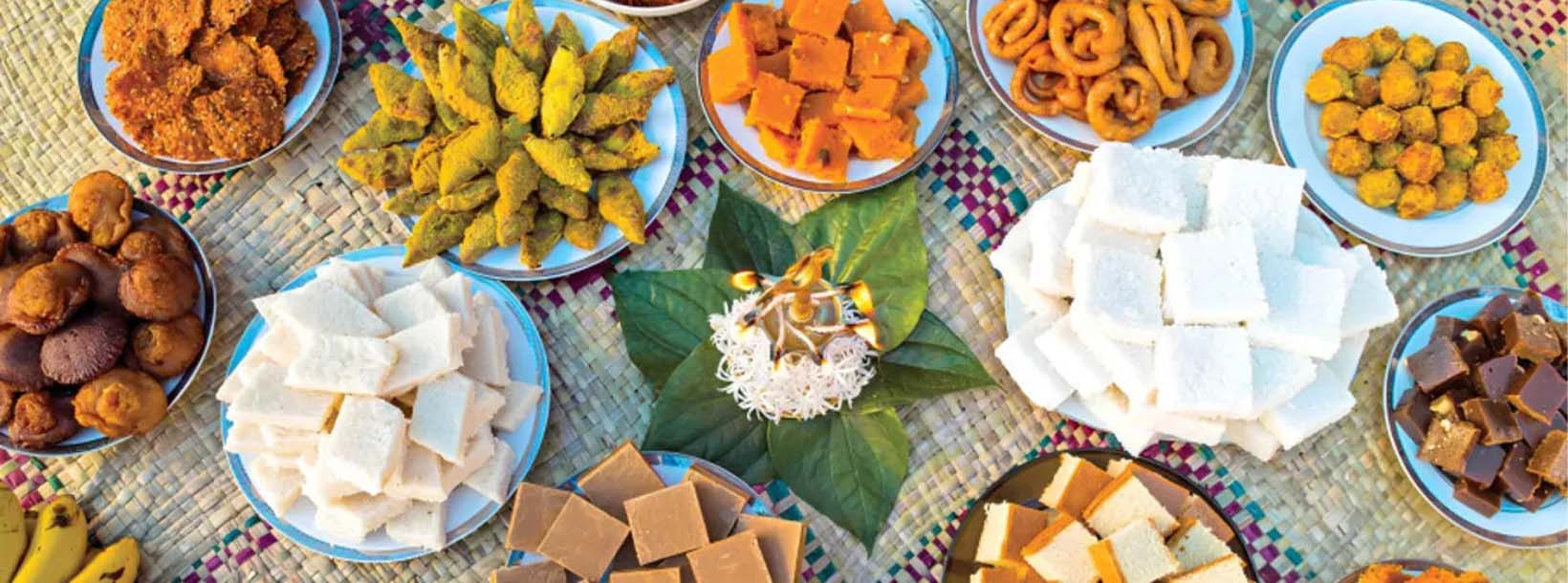
Naaran Kavum is best eaten the day it is made, when the batter is still crisp. If you need to store leftovers, keep them in an airtight container at room temperature for up to two days. Avoid refrigerating, as cold air softens the outer shell considerably. At the New Year table, these sweets are traditionally arranged on a large platter alongside other kavum and oil cakes, often placed at the ceremonial first meal shared with family.

Can you adapt the recipe for dietary preferences?

Naaran Kavum is naturally dairy-free and can be made vegan if coconut oil is used for frying. For a less sweet filling, reduce the jaggery to around 150 g and add an extra squeeze of lime. Some cooks substitute raw coconut sugar for jaggery, which produces a slightly lighter colour and a more caramel-like flavour. Gluten-free by nature — rice flour contains no wheat — the sweet is suitable for most guests, though always worth confirming when cooking for others with allergies.

Quick Recipe Reference
Component Key Ingredients Approximate Time
Coconut filling Coconut, jaggery, spices 10–15 minutes
Rice flour batter Rice flour, turmeric, water 5 minutes
Frying Coconut or neutral oil 3–5 minutes per batch
Total (approx.) Around 30–40 minutes

Where does Naaran Kavum fit in Sri Lankan culinary heritage?

Sri Lankan oil cakes and sweets form one of the richest strands of the island's food culture, with recipes passed down through generations largely by practice rather than written record. Many households have their own small variations — a different spice ratio, fresh grated coconut instead of desiccated, or a touch of rose water in the batter. Naaran Kavum belongs to this living tradition: a simple, satisfying sweet that requires no specialist equipment and rewards the maker with something genuinely homemade. Producing a tray of these for New Year is as much a ritual as it is a recipe.

Book this experience with Lakpura

Curated by our local team. Direct booking, instant confirmation.

Ask Lakpura® Agent