Lakpura
Lakpura®

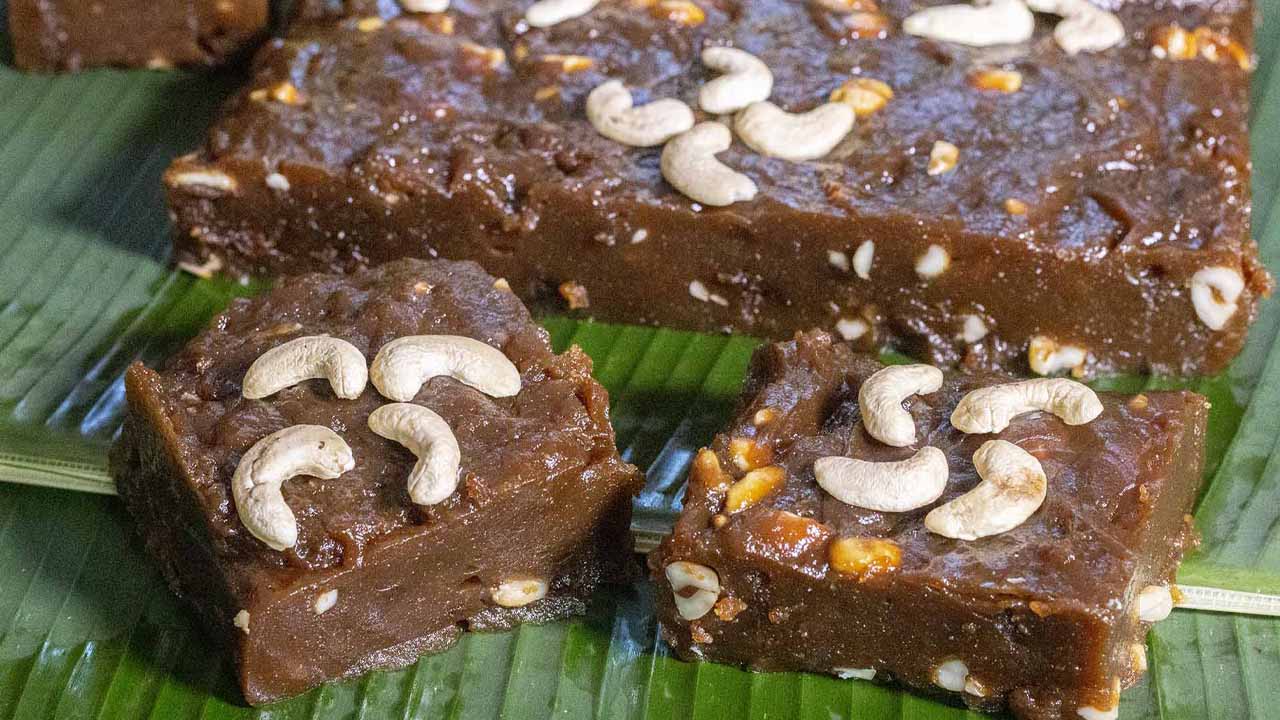
Watalappam (වටලප්පන්)

Watalappam is one of Sri Lanka's most distinctive desserts: a dense, fragrant custard built on coconut milk or condensed milk, dark jaggery, eggs, and a warm blend of spices. It is steamed rather than baked, giving it a silky, yielding texture that sets it apart from Western-style puddings. Whether served at an Eid celebration, a wedding feast, or a neighbourhood bakery, watalappam carries centuries of culinary history in every slice.

What is the origin of watalappam?

The dessert is closely associated with the Sri Lankan Malay community, whose ancestors were brought to the island by the Dutch during the 18th century, primarily from the Indonesian archipelago. They arrived as soldiers, servants, and exiles, and with them came a rich culinary tradition that blended Malay, Javanese, and other Southeast Asian influences.

Watalappam is widely regarded as a local adaptation of serikaya, a Malay steamed custard made from eggs, coconut milk, palm sugar, and pandan leaves. The similarities in technique and ingredient profile are striking, strongly suggesting a shared origin. Over generations, Sri Lankan cooks introduced local spices — cardamom, cloves, and nutmeg — lending the dessert a flavour profile that is distinctly Sri Lankan while honouring its Southeast Asian roots.

The name itself has more than one plausible etymology. One theory traces it to the Tamil words vattil (cup) and appam (cake), yielding vatillappam. Another suggests the word derives from the Dutch vla, meaning custard, which the island's Moor community adapted into the vernacular phrase vattil-appan. Neither origin is definitively settled, which reflects the layered cultural geography of Sri Lanka's colonial past.

Which community is watalappam most associated with?

Today watalappam is deeply embedded in Sri Lanka's Muslim community, particularly among Moors and Malays. It is a central fixture of Eid al-Fitr celebrations that mark the end of Ramadan, and it regularly appears at weddings, religious gatherings, and social functions across the island.

Because the dessert contains no alcohol and is compatible with halal dietary requirements, it has long served as a celebratory food at community events where large numbers of people share a meal. Over time, its appeal has crossed community boundaries: Sinhalese and Tamil households, as well as hotels and restaurants catering to travellers, now serve it as a representative example of Sri Lankan cuisine.

What are the key ingredients in watalappam?

A traditional watalappam relies on a small set of carefully balanced ingredients. Each one contributes to the dessert's characteristic depth and texture.

  • Coconut milk or condensed milk — forms the creamy base. Fresh coconut milk yields a lighter, more aromatic result; condensed milk produces a richer, sweeter custard.
  • Jaggery — unrefined palm sugar that gives watalappam its dark caramel colour and earthy sweetness. Kithul jaggery, derived from the kithul palm, is considered the finest choice in Sri Lanka.
  • Eggs — provide the structure that sets the custard during steaming.
  • Cardamom — the dominant spice note, lending floral warmth.
  • Cloves — used sparingly for a faintly smoky, aromatic undertone. Cloves are a spice Sri Lanka has cultivated for centuries; the botanical species is Syzygium aromaticum.
  • Nutmeg — adds a subtle bittersweet quality that rounds out the spice blend.
  • Cashew nuts — scattered through the mixture or pressed onto the surface, adding texture and a mild richness.
  • Pandan juice or vanilla — optional additions used in some regional or family recipes to introduce a grassy, floral note.

How is watalappam made?

The method is straightforward, though the results depend heavily on the quality of the jaggery and the balance of spices. Jaggery is melted and allowed to cool slightly before being combined with beaten eggs and coconut milk. The spices are added, and the mixture is strained to remove any undissolved solids. Cashew nuts are folded in or placed on top, and the mixture is poured into small cups or a single large dish.

Steaming — rather than oven-baking — is the defining technique. The custard cooks gently over a water bath, typically for around 45 minutes to an hour, until just set. The surface should be firm but the interior should hold a slight wobble. Watalappam is usually served at room temperature or chilled, and it keeps well for a day or two, which makes it practical for large celebrations.

How does watalappam differ from other Sri Lankan sweets?

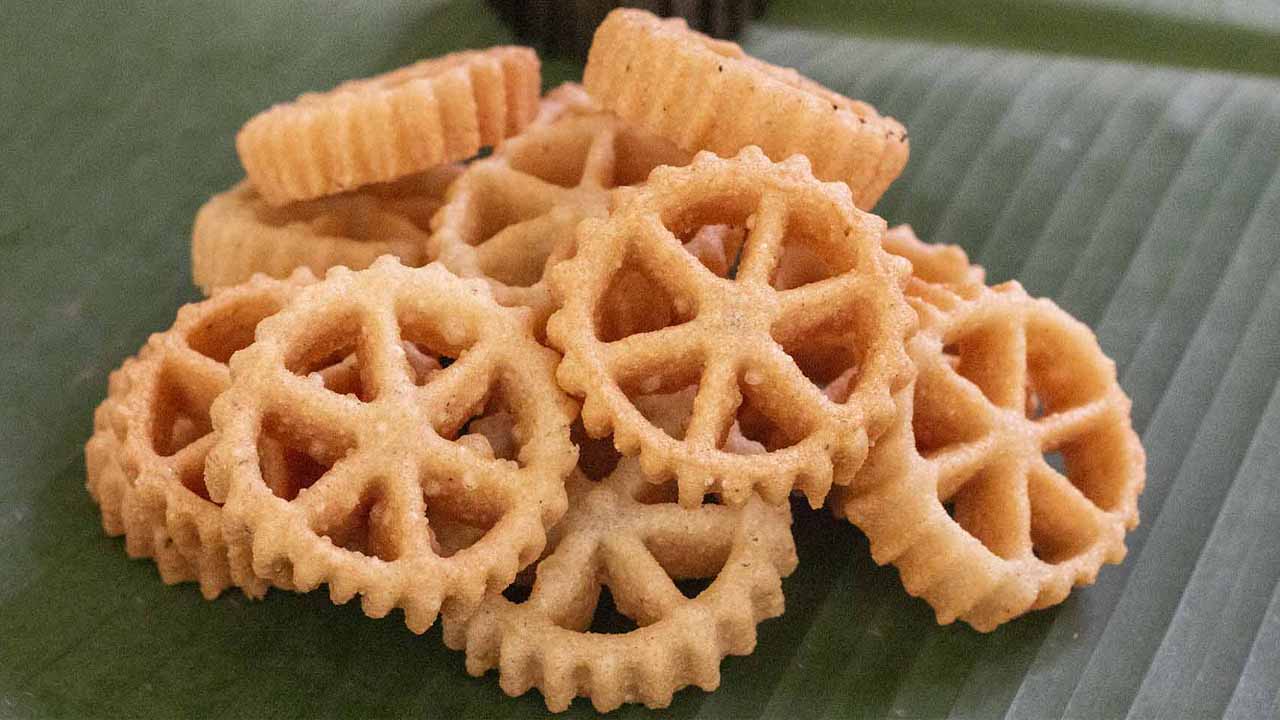
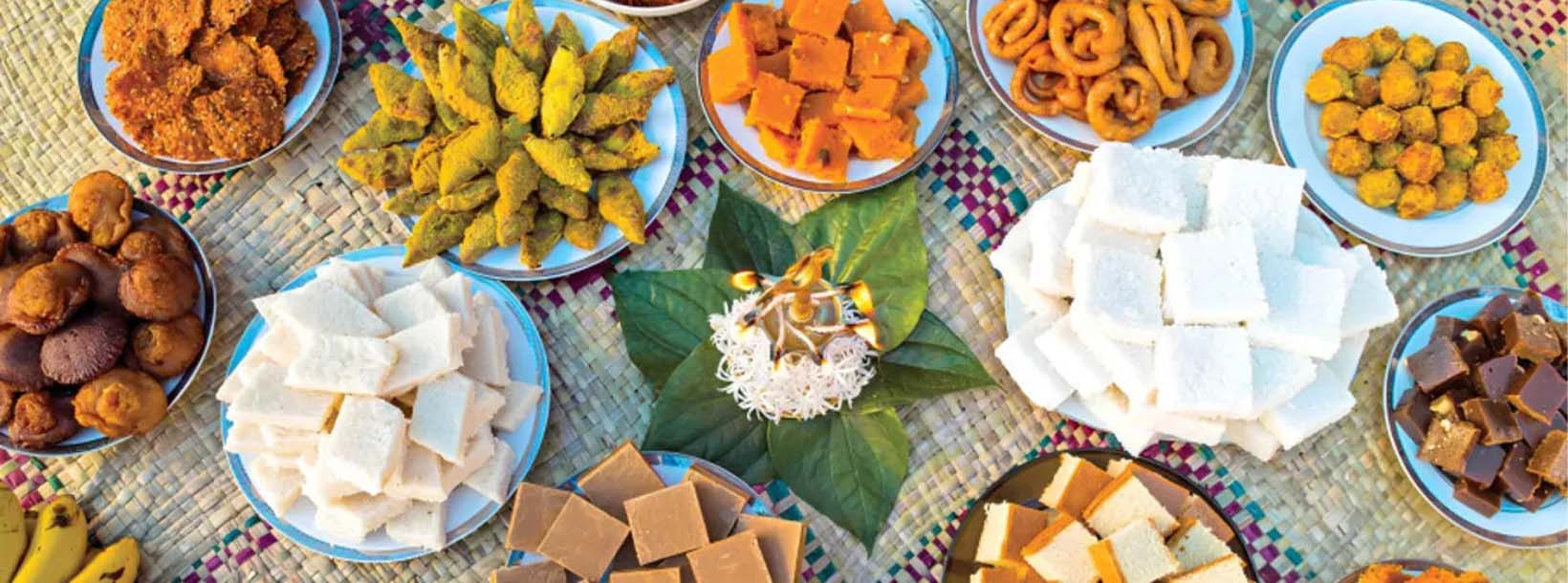
Sri Lanka's dessert tradition spans a wide range of textures and techniques. Kokis, for example, is a crisp, deep-fried rice flour confection influenced by Dutch colonial baking. Pani kadju (honey cashews) is a simpler preparation rooted in local ingredients. Watalappam occupies a different category entirely: it is one of the few steamed custard desserts in Sri Lankan cuisine, and its Malay lineage makes it unlike anything else in the local repertoire.

The use of kithul jaggery also distinguishes it from many neighbouring South Asian sweets that rely on cane sugar. The jaggery introduces a complexity — faintly smoky, molasses-like — that refined sugar cannot replicate.

Where can travellers try watalappam in Sri Lanka?

Watalappam is most reliably found in cities and towns with significant Muslim populations. Colombo's Pettah district and Maradana neighbourhood are home to Moor-owned bakeries and restaurants that serve it year-round. Galle, Beruwala, and Kalpitiya — coastal towns with long-established Muslim communities — are also good places to seek it out.

During Ramadan and in the days immediately surrounding Eid al-Fitr, production peaks considerably. Travellers visiting around this period will find watalappam sold from small street stalls and family bakeries across the island. Upmarket hotels in Colombo and beyond increasingly include it on their dessert menus as part of a broader effort to present authentic Sri Lankan cuisine to international guests.

Is watalappam difficult to make at home?

The ingredient list is short and the method is forgiving, making it accessible to a home cook who has access to the right jaggery. The main challenge outside Sri Lanka is sourcing kithul or coconut palm jaggery, which has a flavour quite different from the denser, drier jaggery common in Indian cooking. Pandan leaves, used in some versions, are available dried or frozen at most Asian grocery stores. With these ingredients secured, the dessert can be assembled in under 20 minutes before a slow steam does the rest of the work.

Ask Lakpura® Agent