Mustard (අබ)


There are over 40 different varieties of mustard plants, but three are the most popular for culinary use; black, brown, and white mustard seeds typically go into recipes and making mustard. All three varieties are found in the U.S. as well as other parts of the world.Mustard is the second most-used spice in the United States, as its usage is only exceeded by the peppercorn. And it's no wonder since mustard works well with all types of meats, pork, poultry, and seafood. You may be used to standard yellow prepared mustard, but there are other wonderful varieties of seeds and prepared mustards to experiment with.
What Are Mustard Seeds?
All parts of the mustard plant are edible, including the seeds, leaves, and flowers; it is in the same genus as cabbage and turnips and is an annual plant. Brassica nigra is the plant that produces black mustard seeds. It is native to North Africa and parts of Europe and Asia; black mustard seeds are still very popular in the Middle East and Asia Minor where they originated. The seeds are removed from their seed coats and are very small. They can be ground into a spice or used whole, often added to hot oil to bring out the flavor.
Brown mustard seeds come from the Brassica juncea plant. It is also often called Chinese mustard, Indian mustard, or Oriental mustard. There are different varieties of brown mustard seeds, ranging from those with a dark brown seed coat to others that are dark yellow. Yellow mustard comes from the seeds of the white mustard plant, Sinapis alba. While it is in the Brassicaceae family, it is not as closely related to the other two types of mustard as they are to each other. The white mustard plant bears light tan seeds that are a little larger than brown mustard seeds. These end up as the bright yellow mustard due to the addition of turmeric or dye.
Cooking With Mustard Seeds
Black mustard seeds are a common ingredient in Indian cooking. They are often kept whole and fried (or toasted) before adding to a dish or including in a stir-fry along with other aromatic ingredients. White mustard seeds can be toasted to add to dishes or used for pickling. Mustard seeds can be ground to make homemade mustard condiments.
Uses of Mustard Seeds
Brown mustard seeds are used in Europe to produce Dijon mustard and other specialty mustards, and the usual table mustard in Russia is made from brown mustard seeds. In Asian countries, brown mustard seeds are used to produce condiments and mustard oil. This mustard oil can contain toxic erucic acid, so is not imported to the United States. White mustard seeds are ground to make a yellow mustard condiment.



-
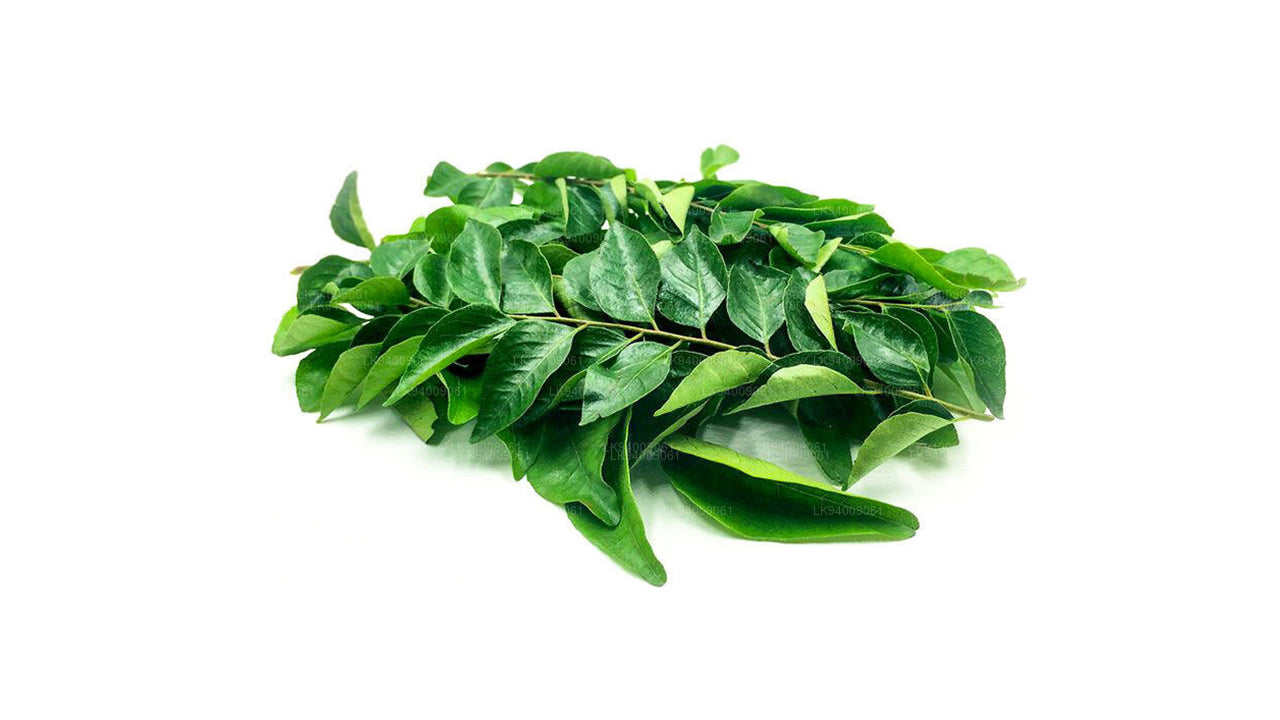 Curry Leaves
Murraya koenigii
-
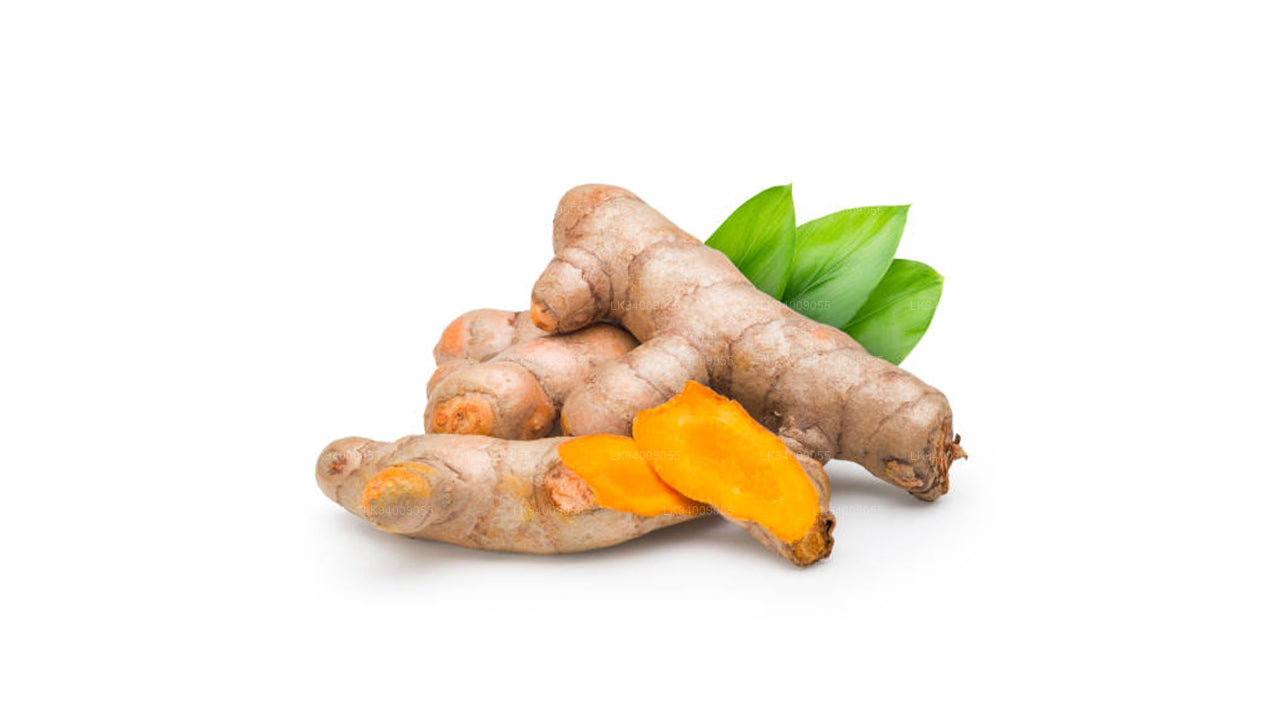 Turmeric
Curcuma longa
-
 Cloves
Syzygium aromaticum
-
 Cinnamon
Cinnamomum zeylanicum
-
 Black Pepper
Piper nigrum
-
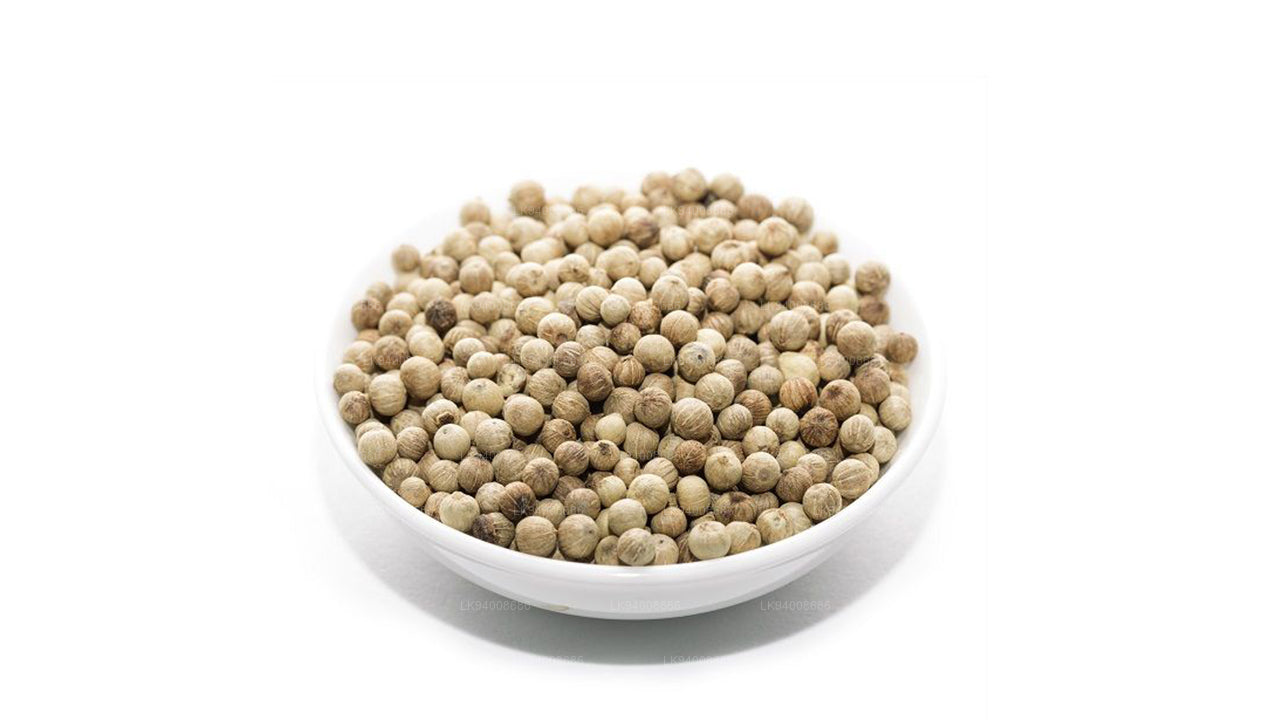 White Pepper
Piper nigrum
-
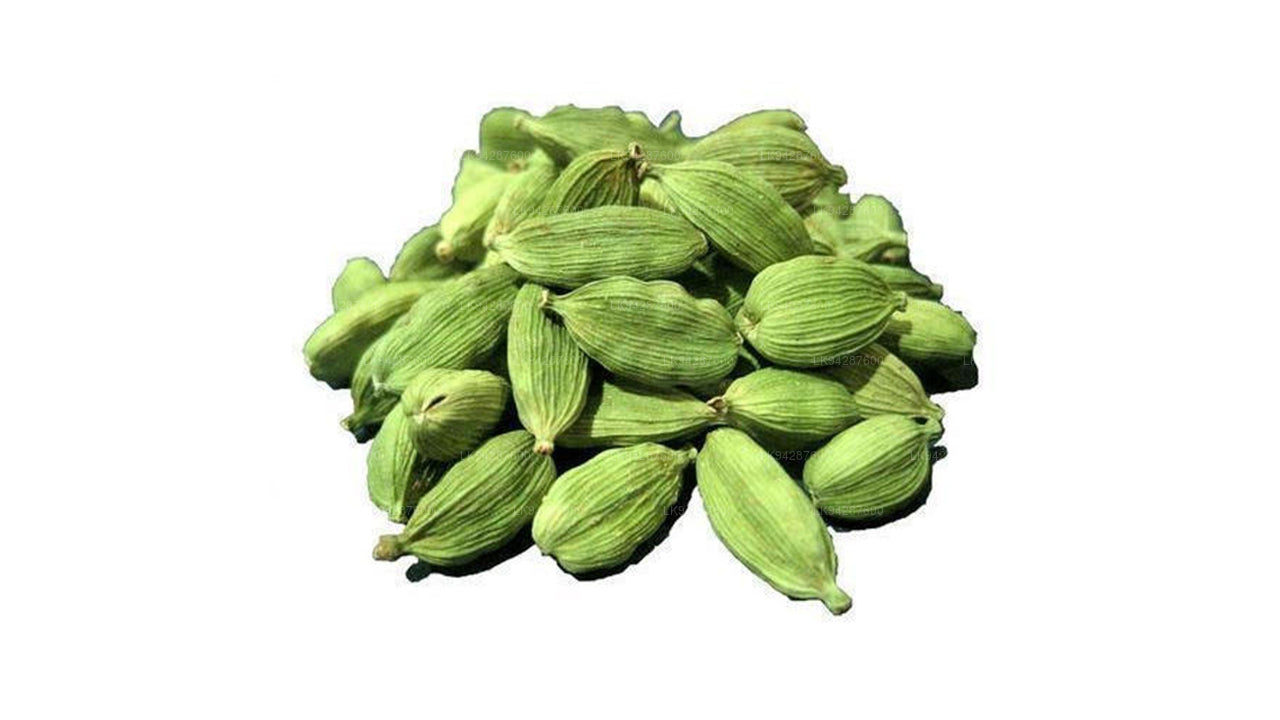 Cardamom
Elettaria cardamomum
-
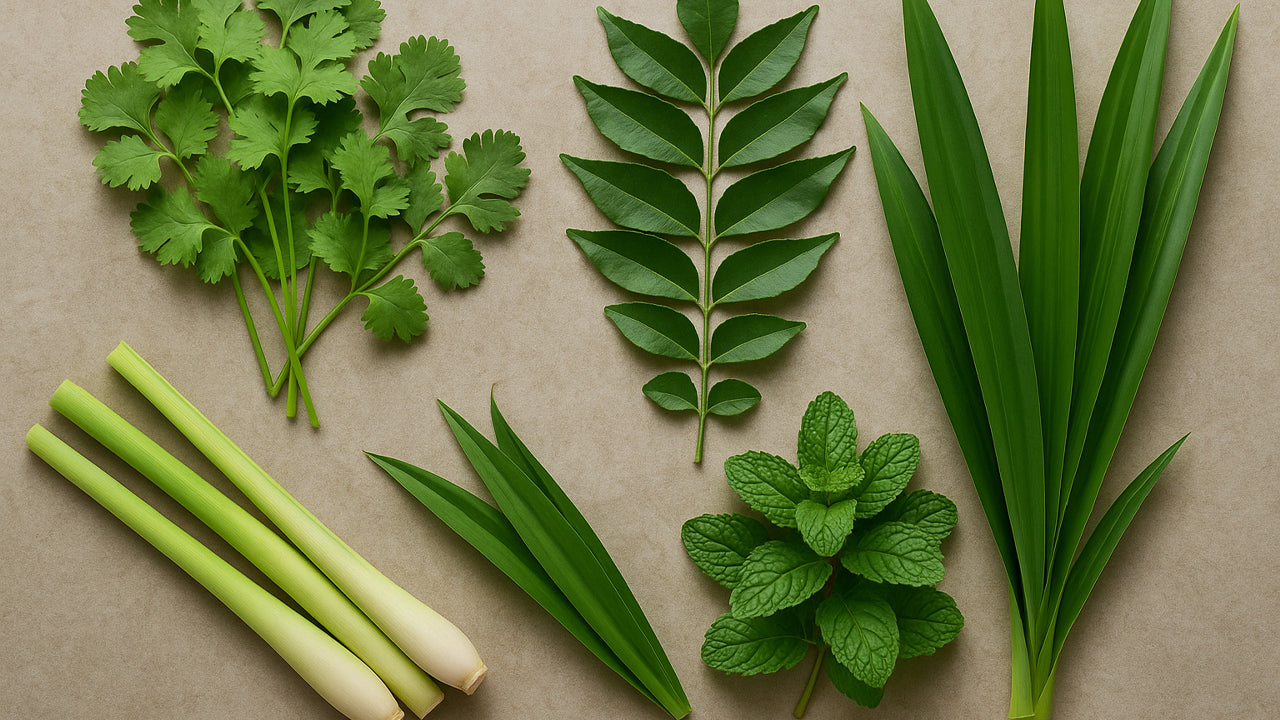
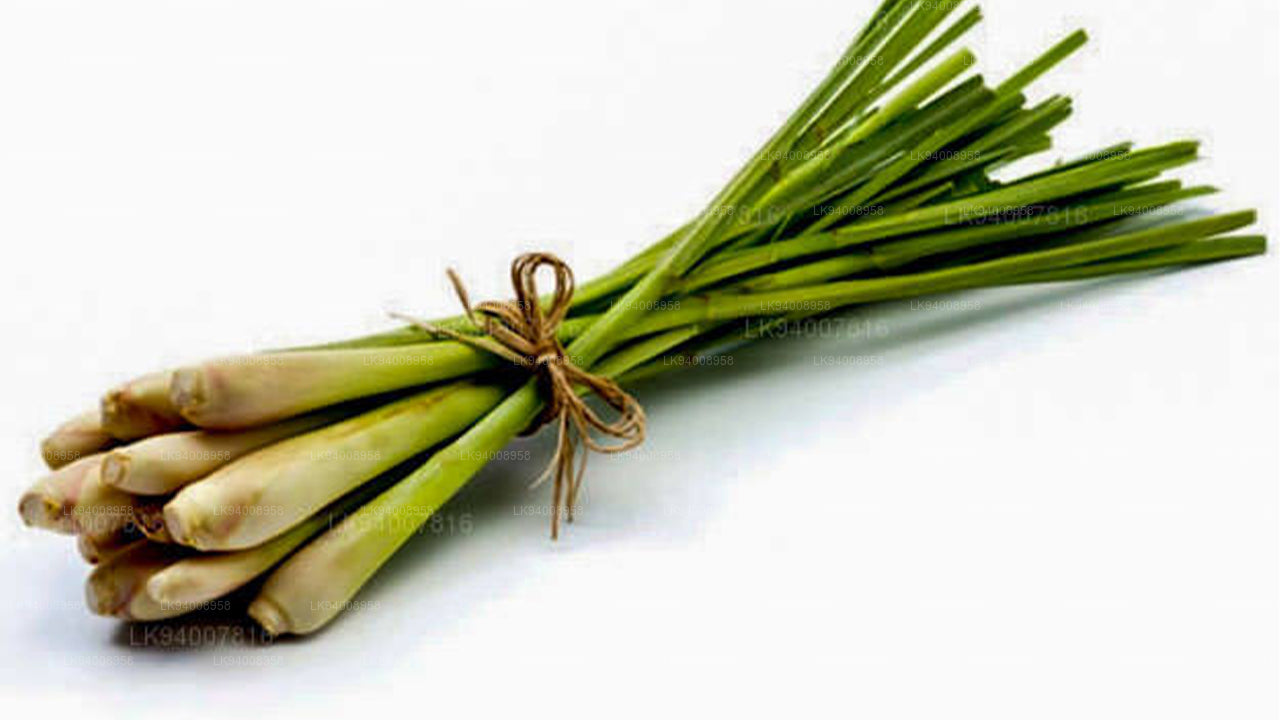 Lemongrass
Cymbopogon citratus
-
 Nutmeg
Myristica fragrans
-
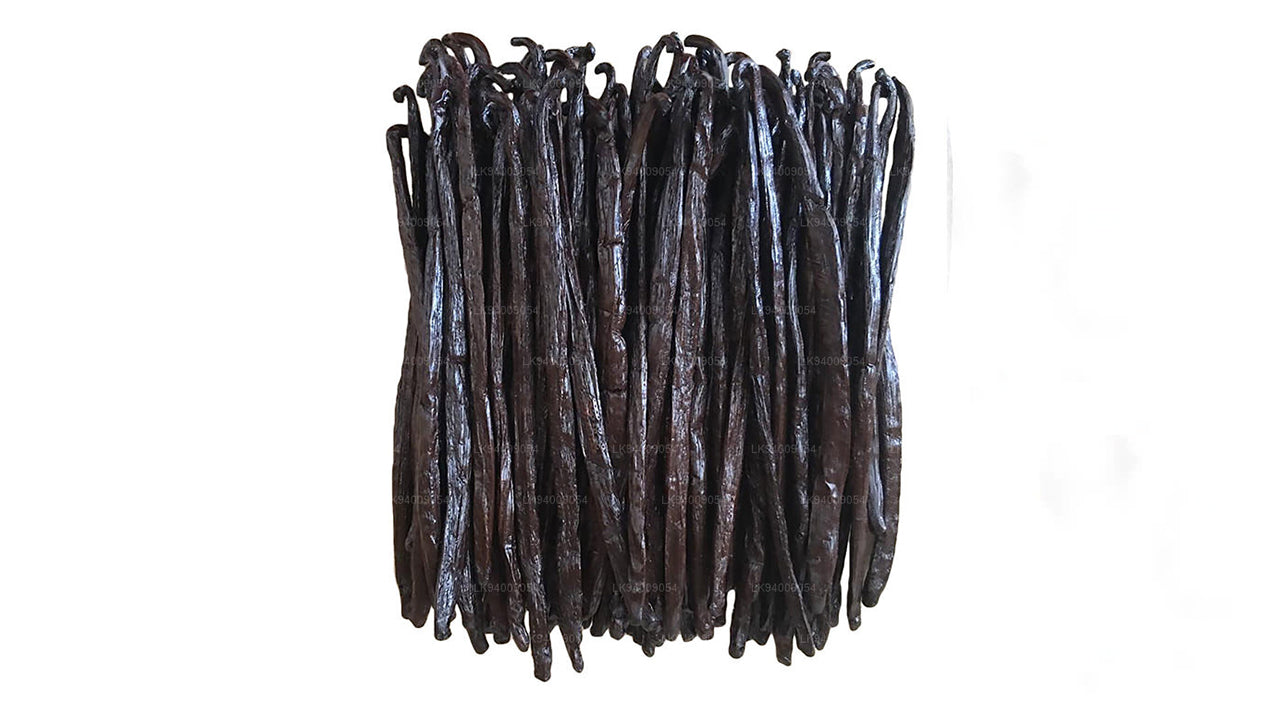 Vanila
Vanilla planifolia
-
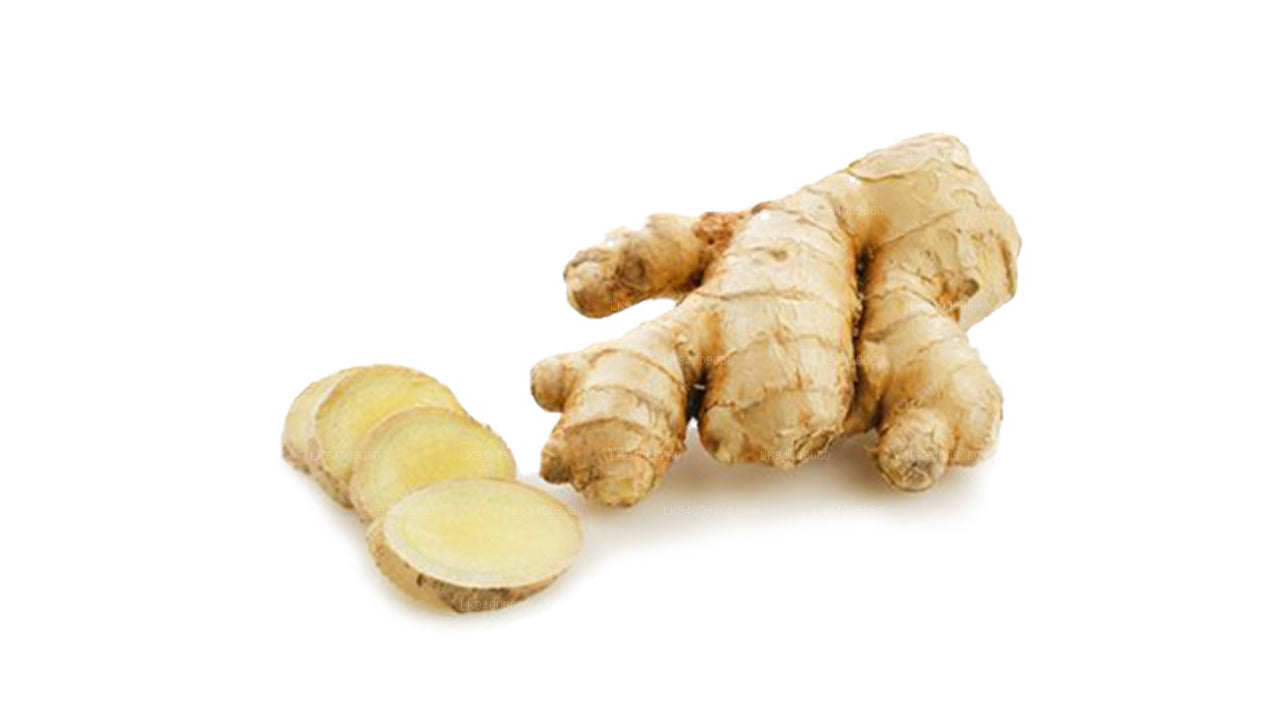 Ginger
Zingiber officinale
-
 Chives
Allium schoenoprasum
-
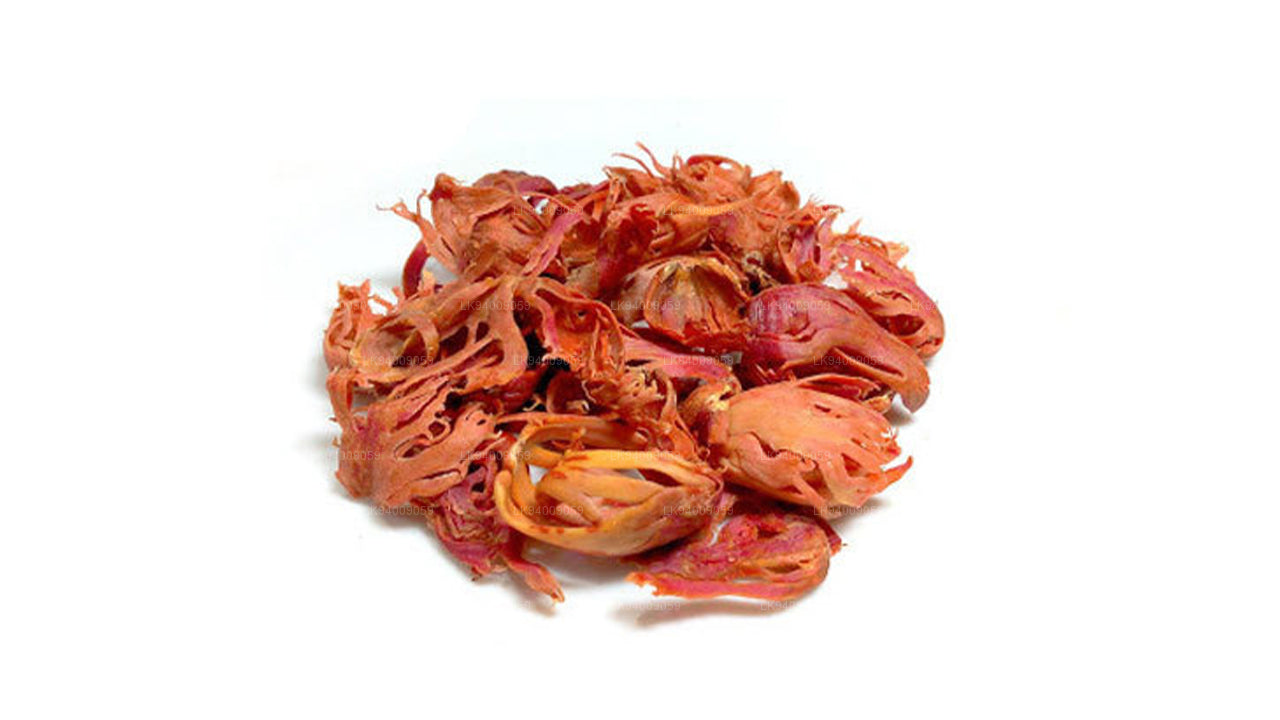 Mace
MaceMyristica fragrans
-
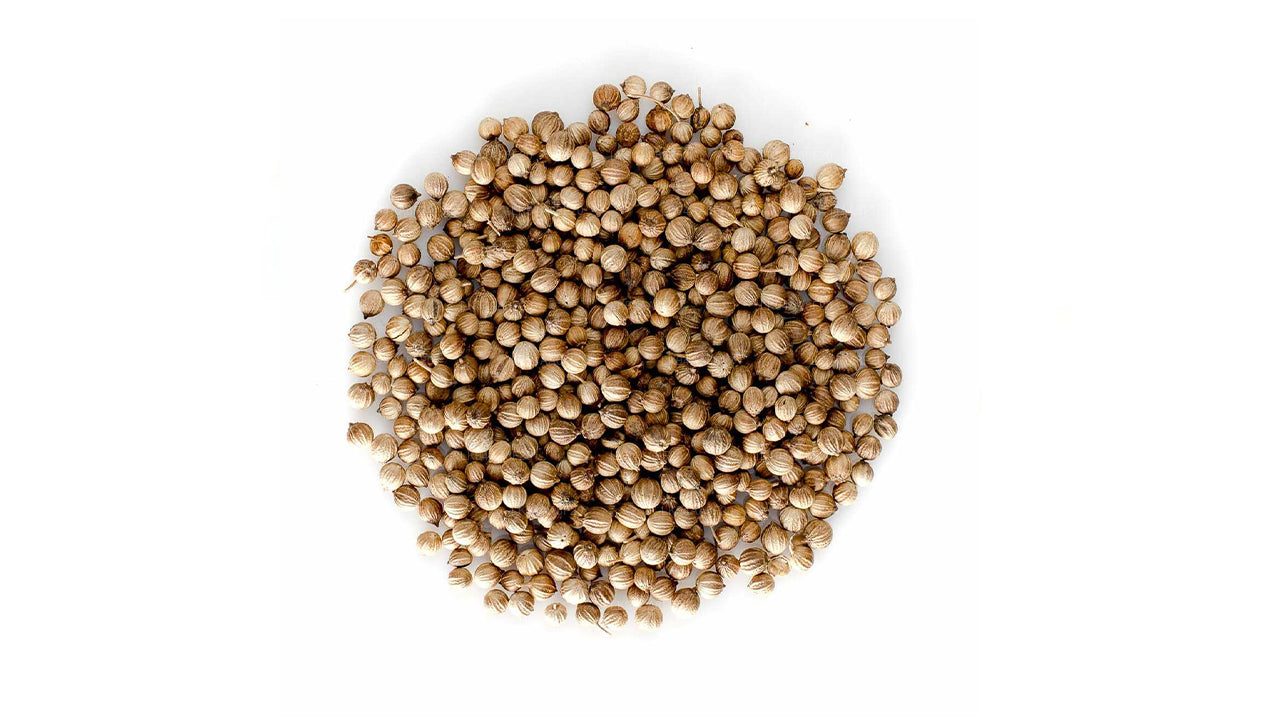 Corinder
Coriandrum sativum
-
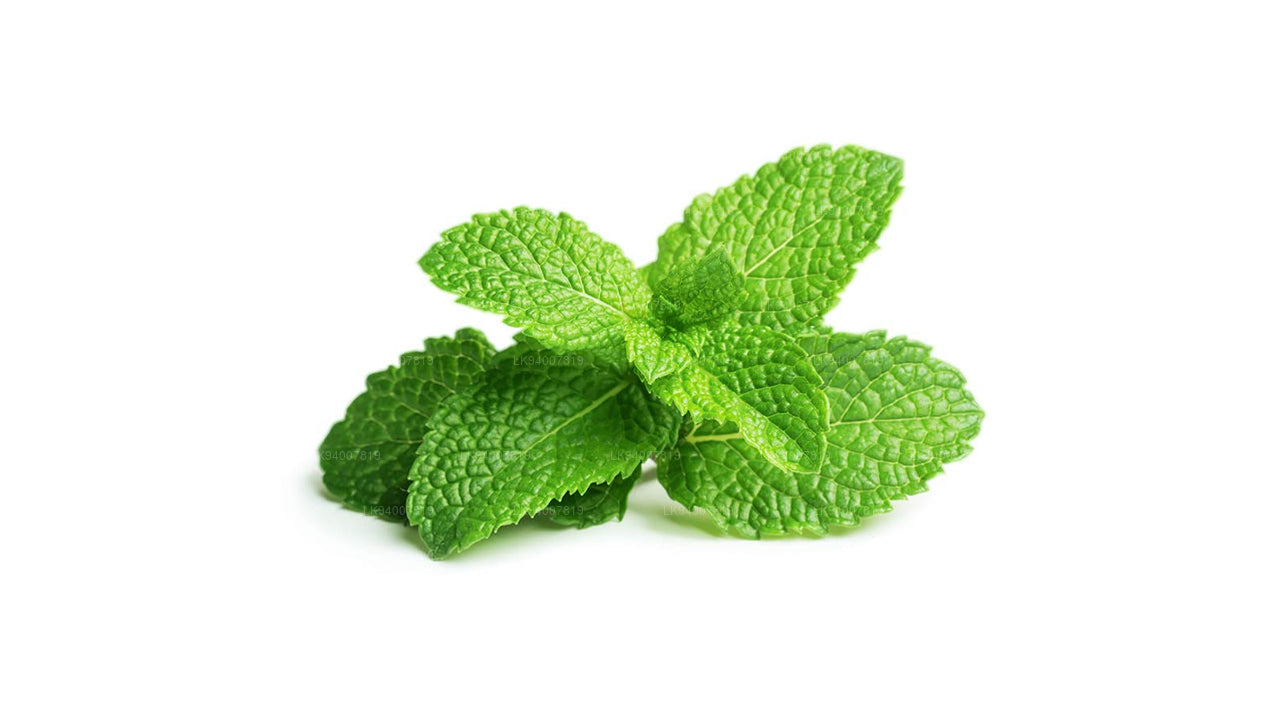 Mint
MintMentha
-
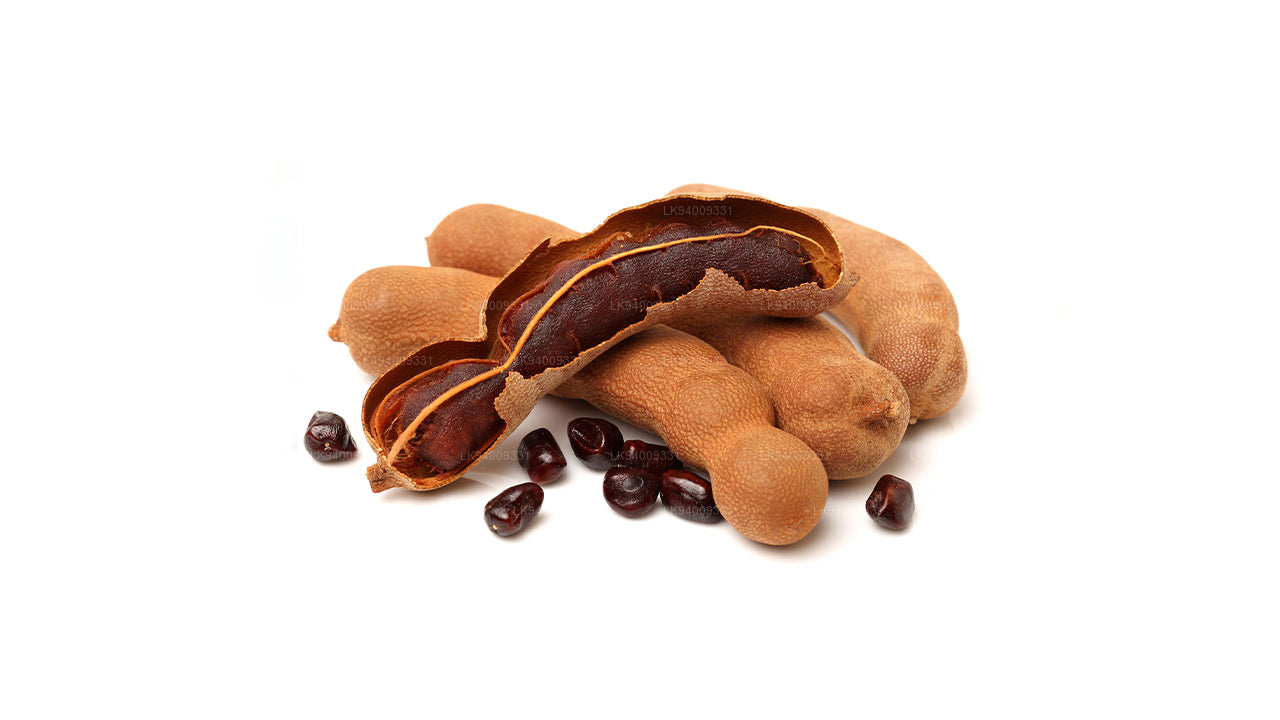 Tamarind
Tamarindus indica
-
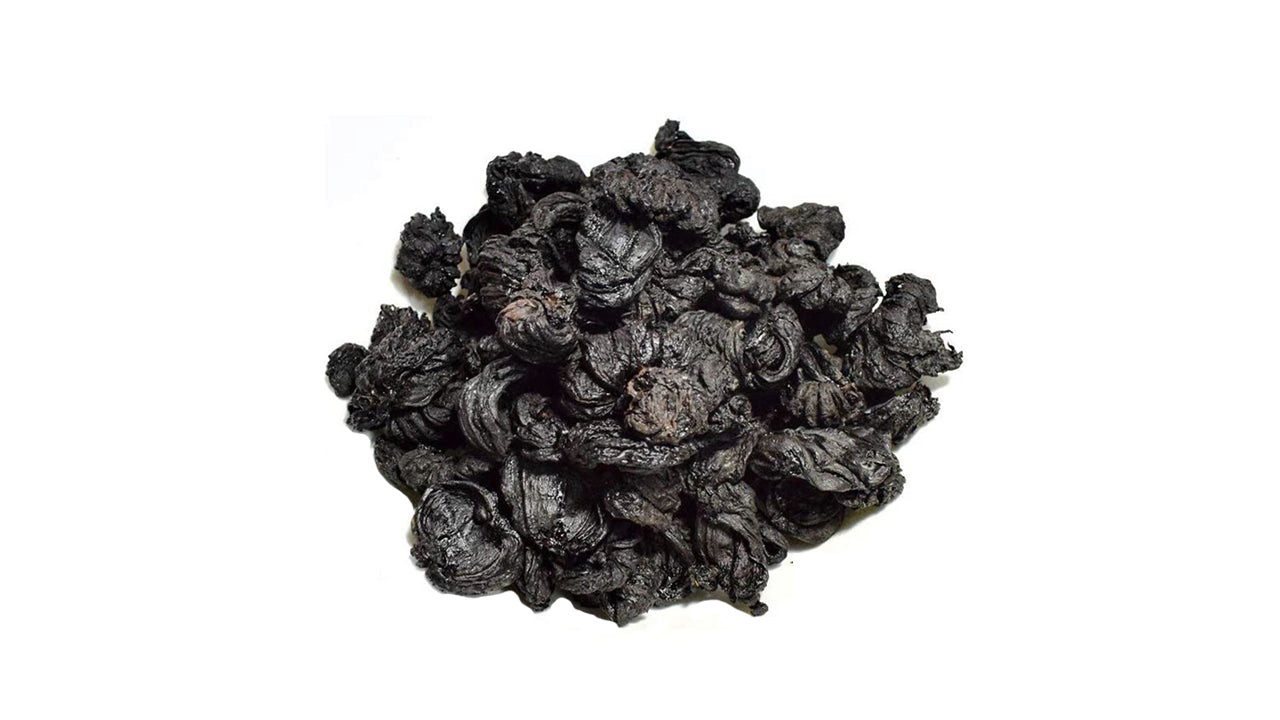 Brindleberry
Garcinia quaesita
-
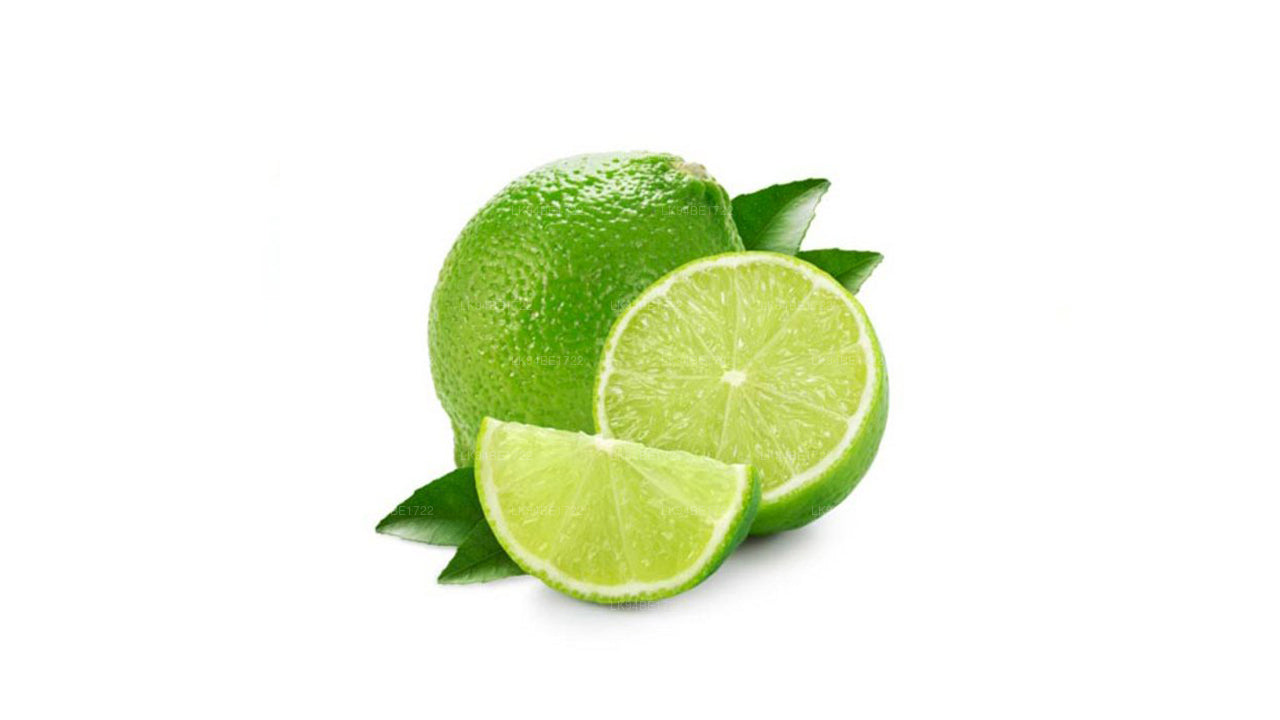 Lime
LimeCitrus aurantifolia
-
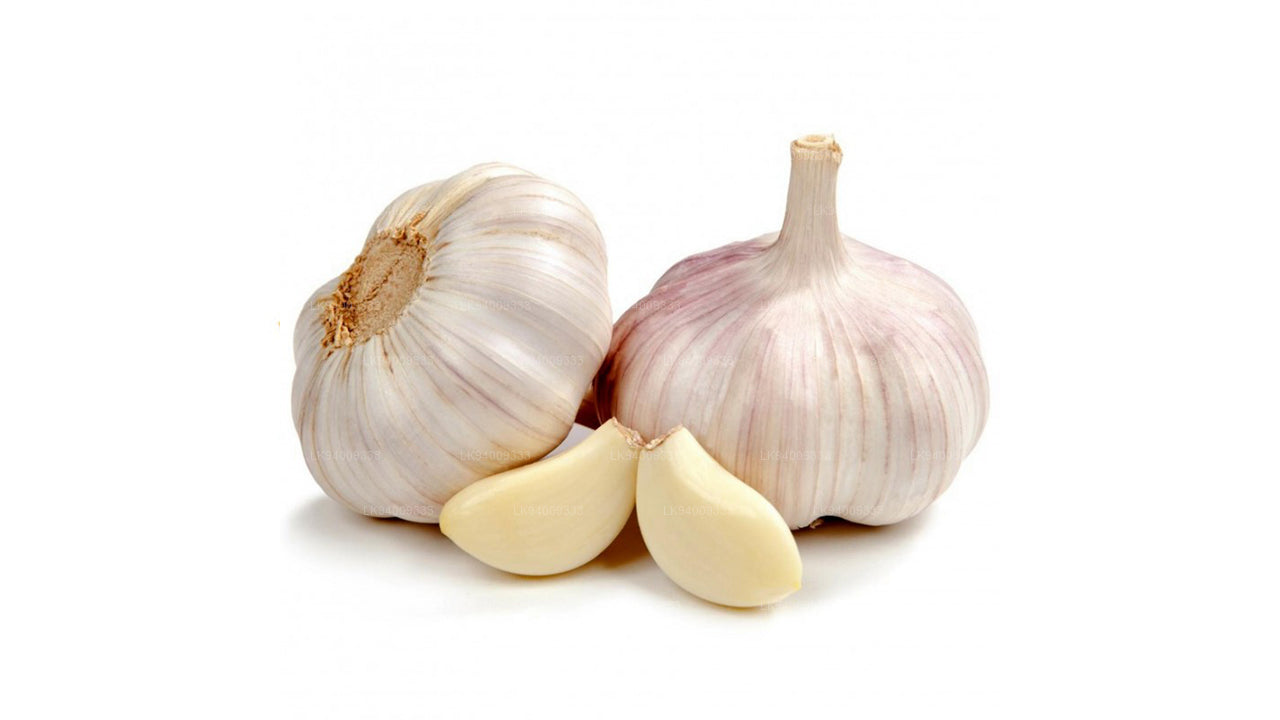 Garlic
Allium sativum
-
 Parsely
Petroselinum crispum
-
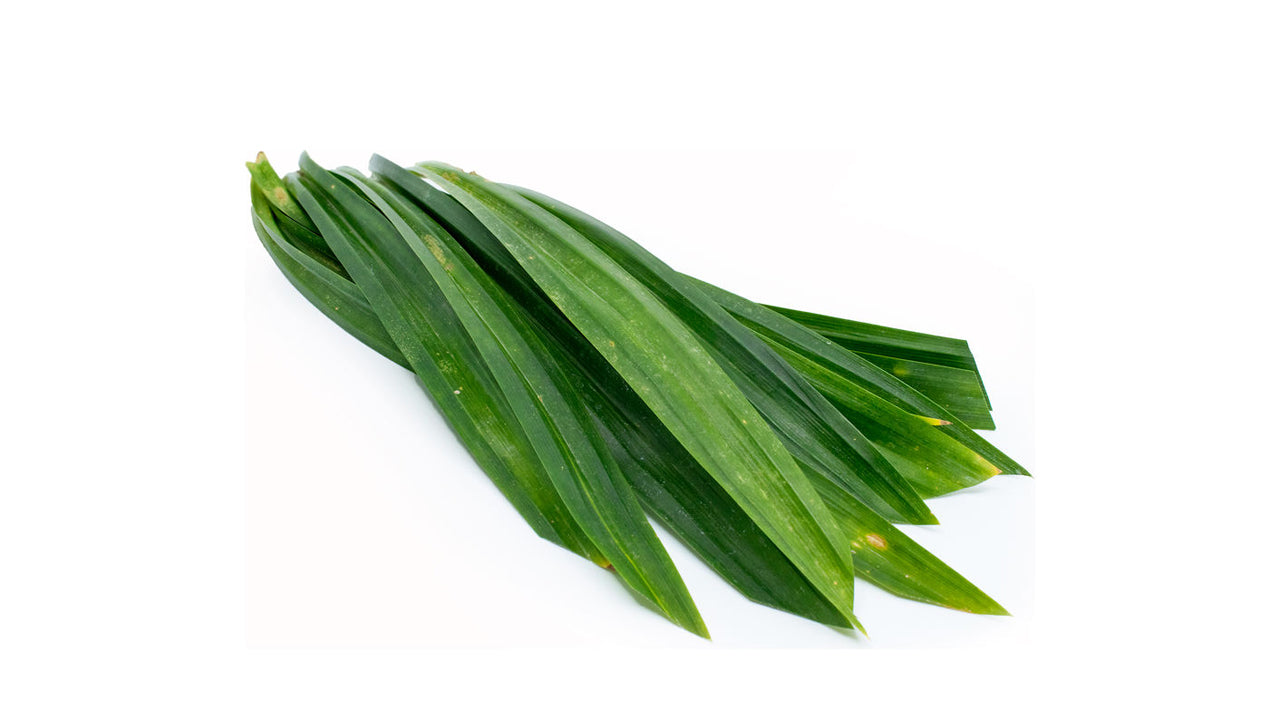 Pandan
Pandanus amaryllifolius
-
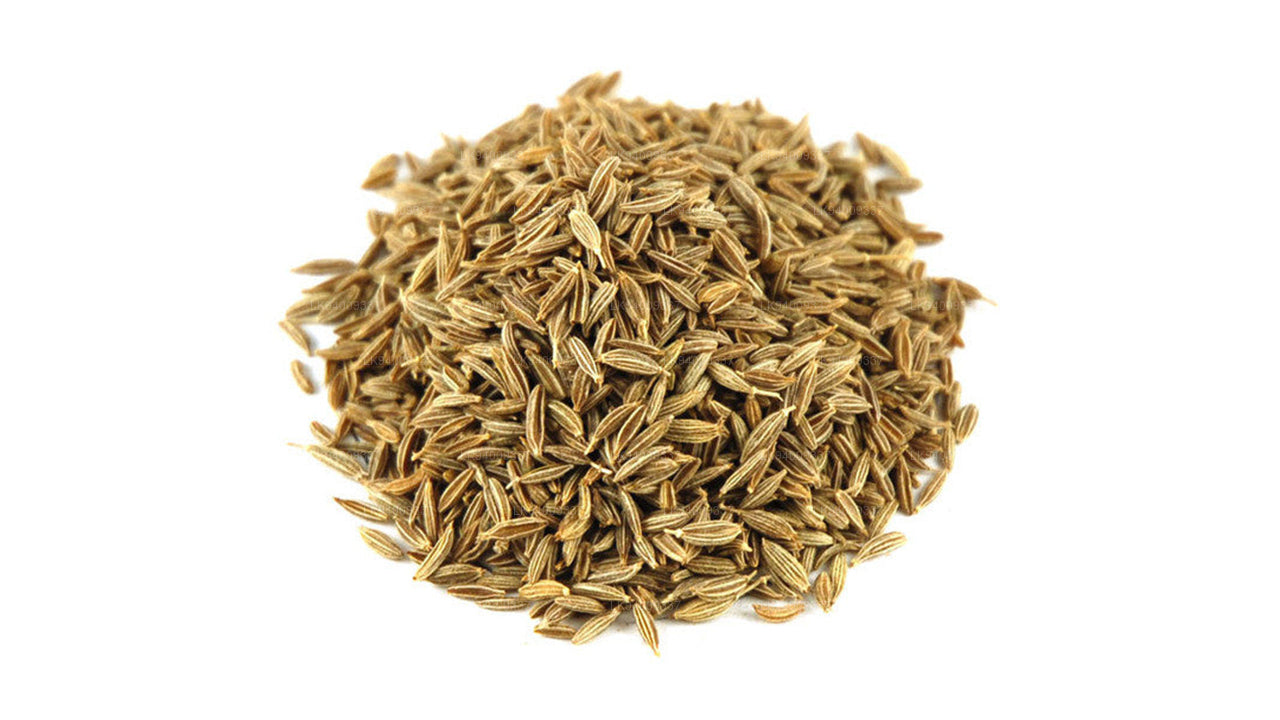 Cumin
CuminCuminum cyminum
-
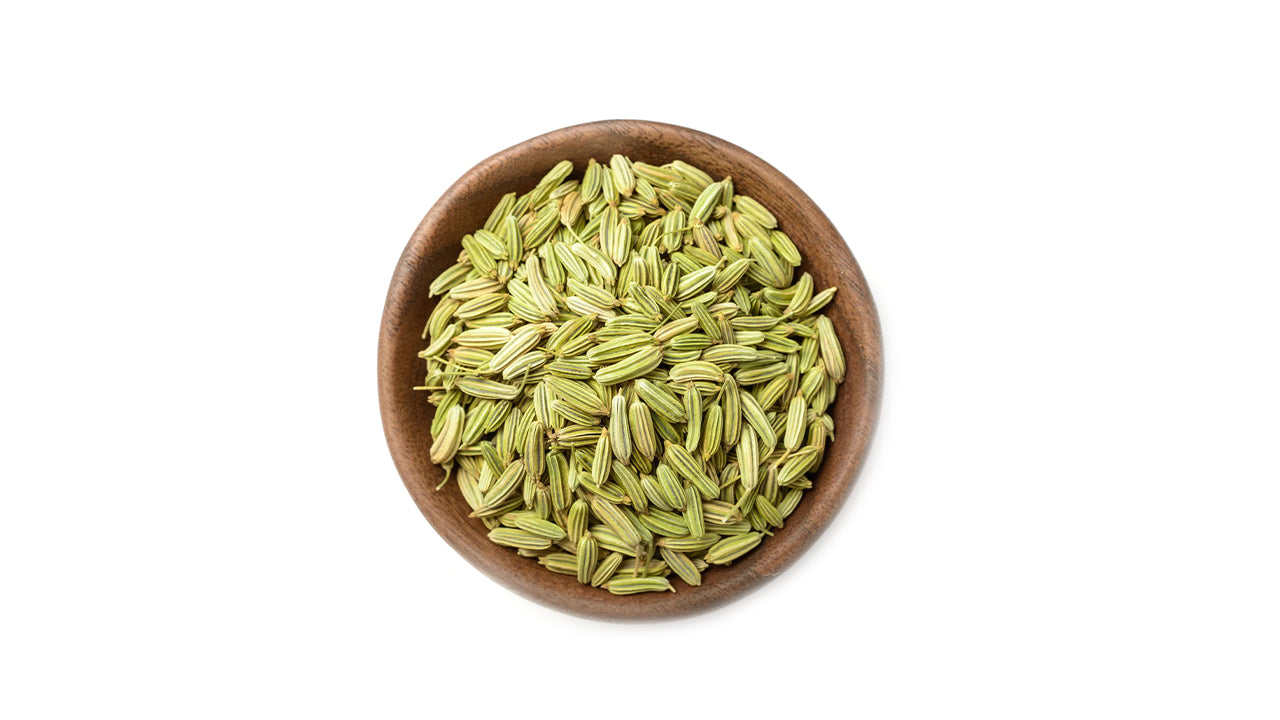 Fennel
Foeniculum vulgare