Garlic


Garlic is a plant in the Allium (onion) family. It is closely related to onions, shallots and leeks. Each segment of a garlic bulb is called a clove. There are about 10–20 cloves in a single bulb, give or take. Garlic grows in many parts of the world and is a popular ingredient in cooking due to its strong smell and delicious taste. However, throughout ancient history, the main use of garlic was for its health and medicinal properties. Its use was well documented by many major civilizations, including the Egyptians, Babylonians, Greeks, Romans and Chinese. Scientists now know that most of its health benefits are caused by sulfur compounds formed when a garlic clove is chopped, crushed or chewed.
Perhaps the most famous of those is known as allicin. However, allicin is an unstable compound that is only briefly present in fresh garlic after it’s been cut or crushed. Other compounds that may play a role in garlic’s health benefits include diallyl disulfide and s-allyl cysteine.The sulfur compounds from garlic enter the body from the digestive tract and travel all over the body, where it exerts its potent biological effects.
USES
Garlic is used for flavouring various dishes practically all over the world. In United States almost half of the produce is dehydrated for use in mayonnaise products, salad dressings and in several meat preparations. Raw garlic is used in the preparation of garlic powder, garlic salt, garlic vinegar, garlic cheese croutins, garlicked potato chips, garlic bread, garlicked bacon etc. Spray dried garlic products, liquid garlic preparations are other products. In India and other Asian and Middle East Countries, garlic is used in pickles, curry powders, curried vegetables, meat preparations etc. Oil of garlic is used as a flavouring agent in soups, canned foods, sauces etc. The other properties are anti-bacterial, fungicidal and insecticidal. In the area of medicine, it is used for various ailments of stomach, skin diseases. It has wider applications in indigenous medicines and is also considered as highly nutritive.
BENEFITS
Garlic has a high nutritional content for its size, with significant amounts of vitamin C, selenium, manganese, and iron. There is also some evidence that consuming garlic may help strengthen the immune system, reduce risk for certain cancers, improve heart health, and even boost athletic performance. To achieve these health benefits, you should consume no more than 1 to 2 cloves of fresh garlic each day.



-
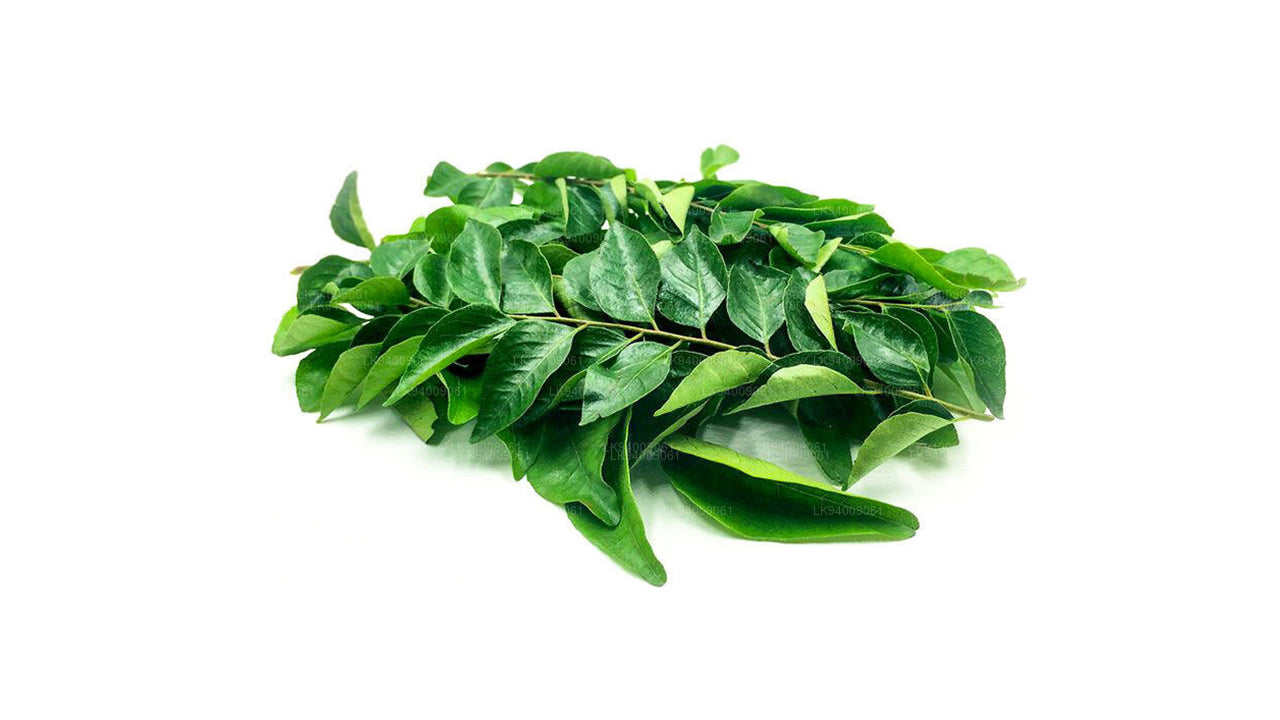 Curry Leaves
Murraya koenigii
-
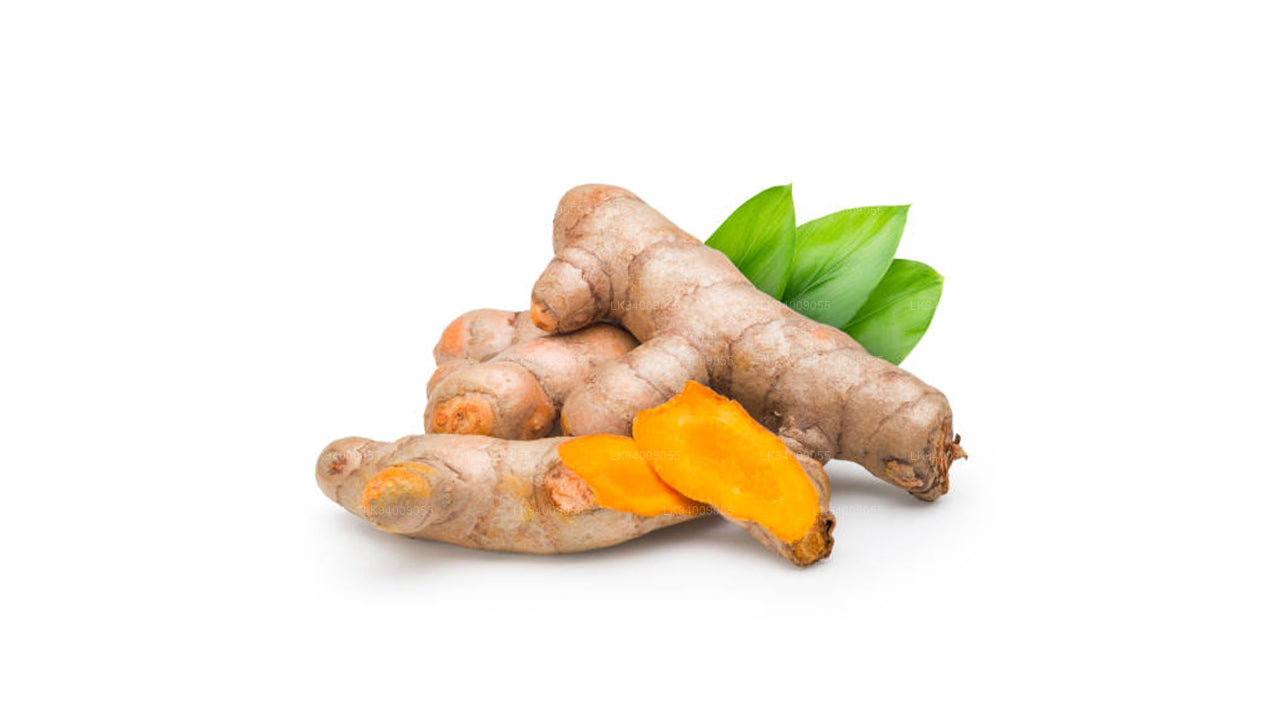 Turmeric
Curcuma longa
-
 Cloves
Syzygium aromaticum
-
 Cinnamon
Cinnamomum zeylanicum
-
 Black Pepper
Piper nigrum
-
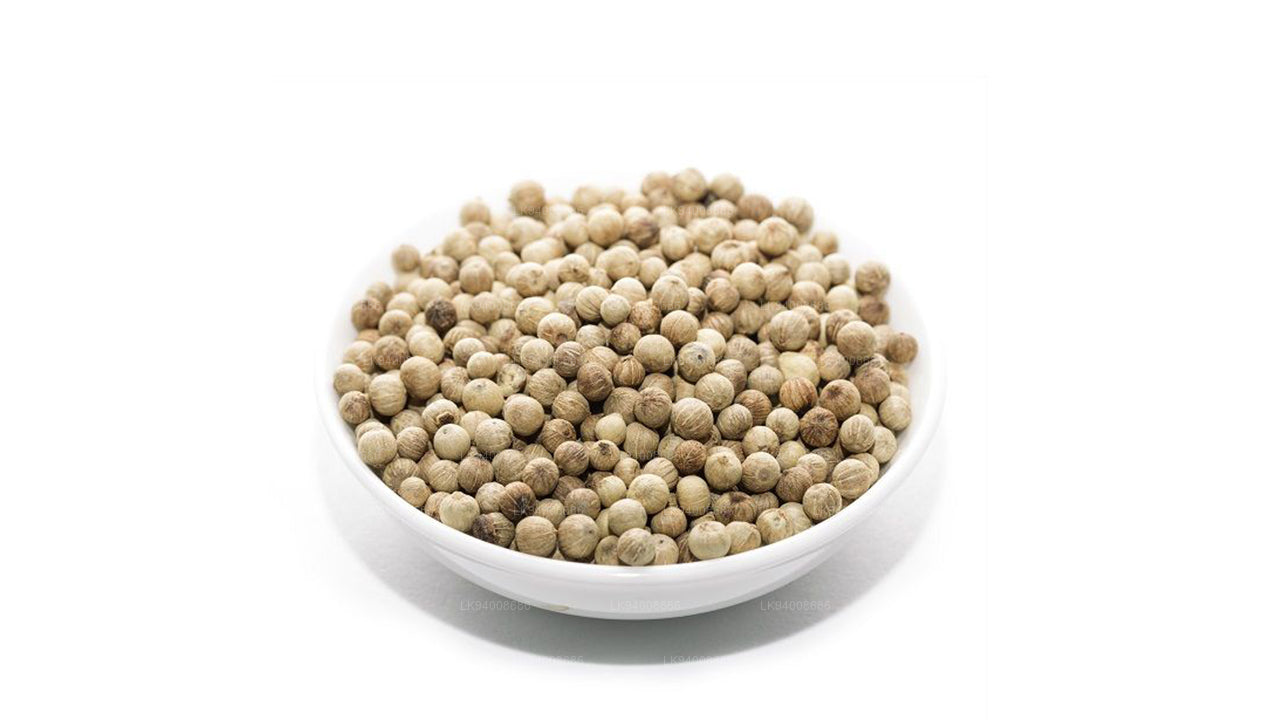 White Pepper
Piper nigrum
-
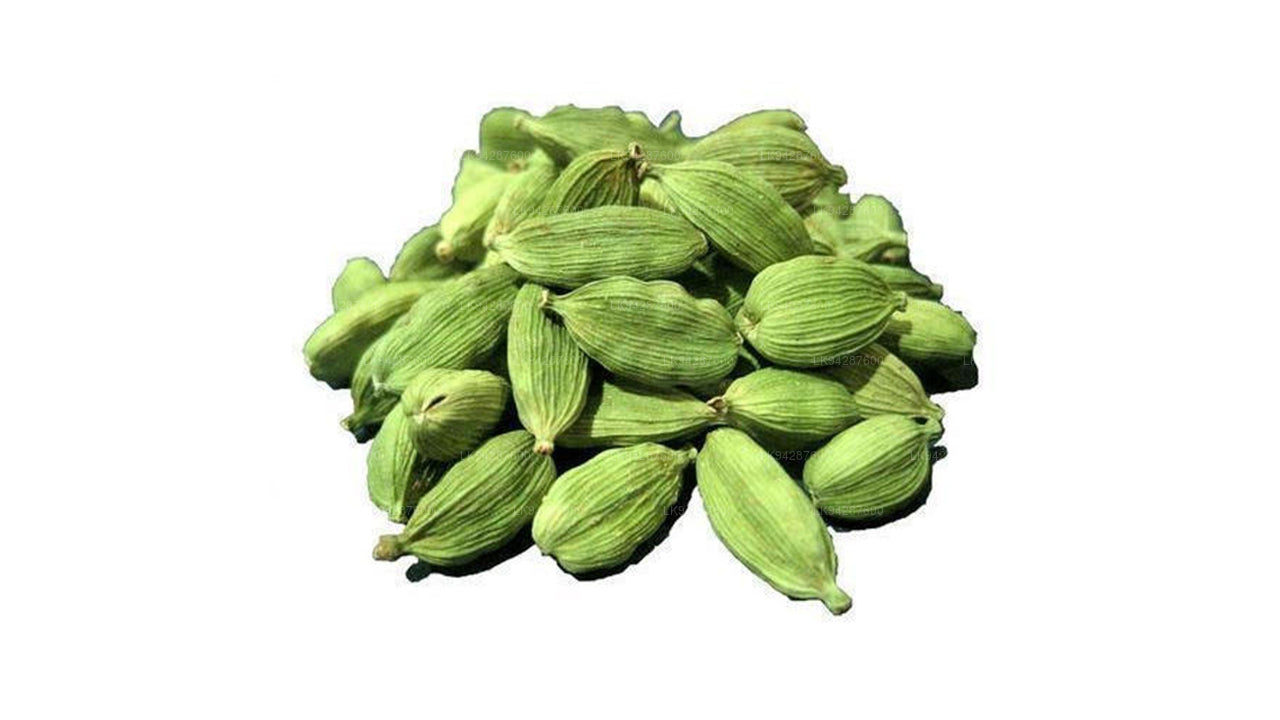 Cardamom
Elettaria cardamomum
-
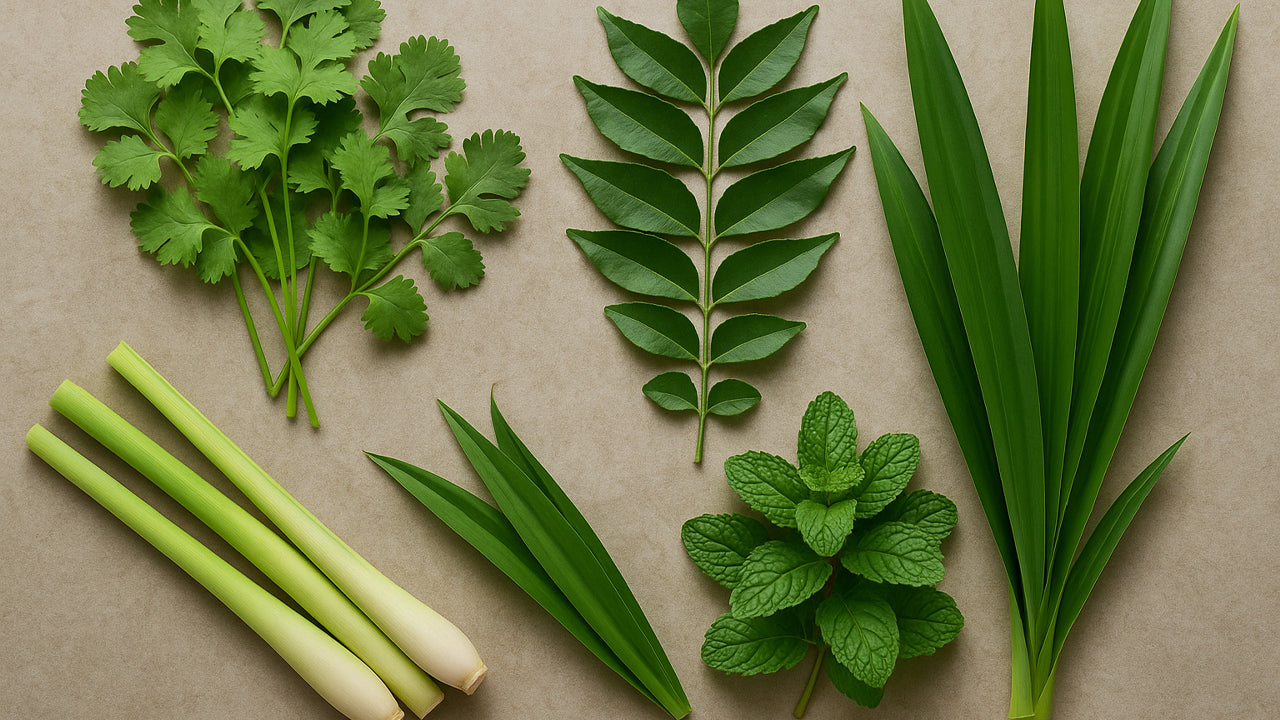
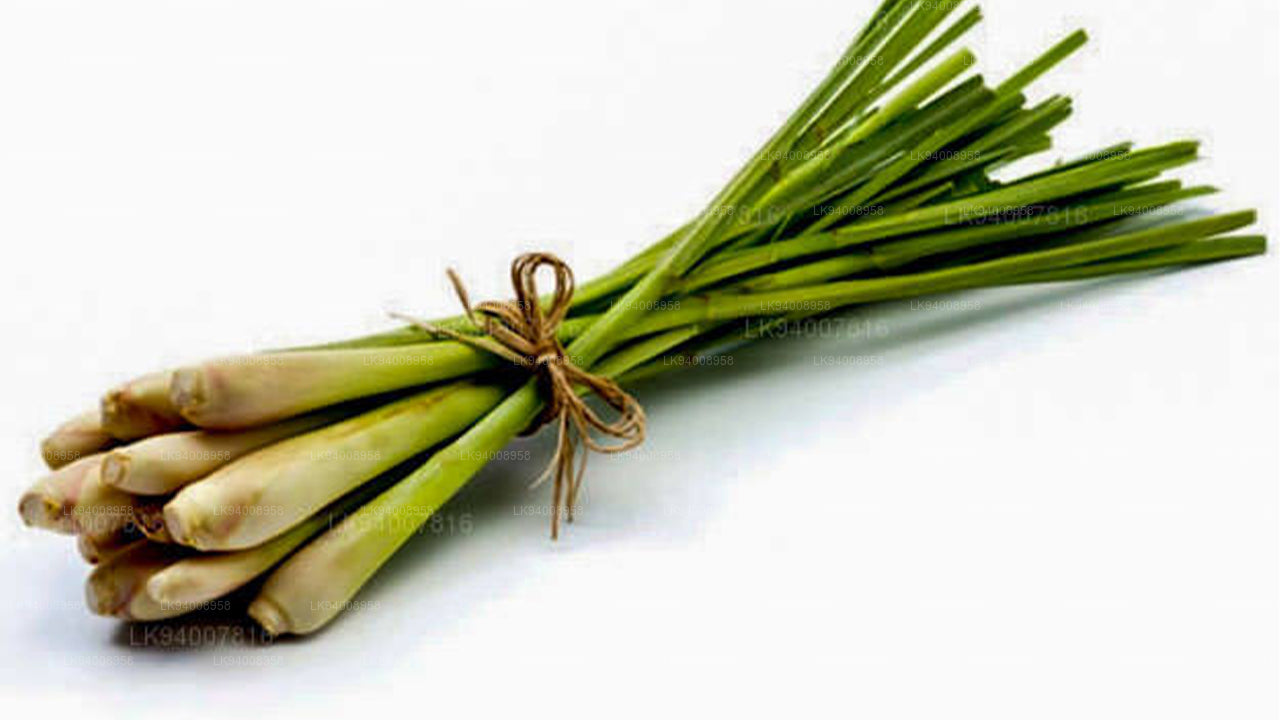 Lemongrass
Cymbopogon citratus
-
 Nutmeg
Myristica fragrans
-
 Vanila
Vanilla planifolia
-
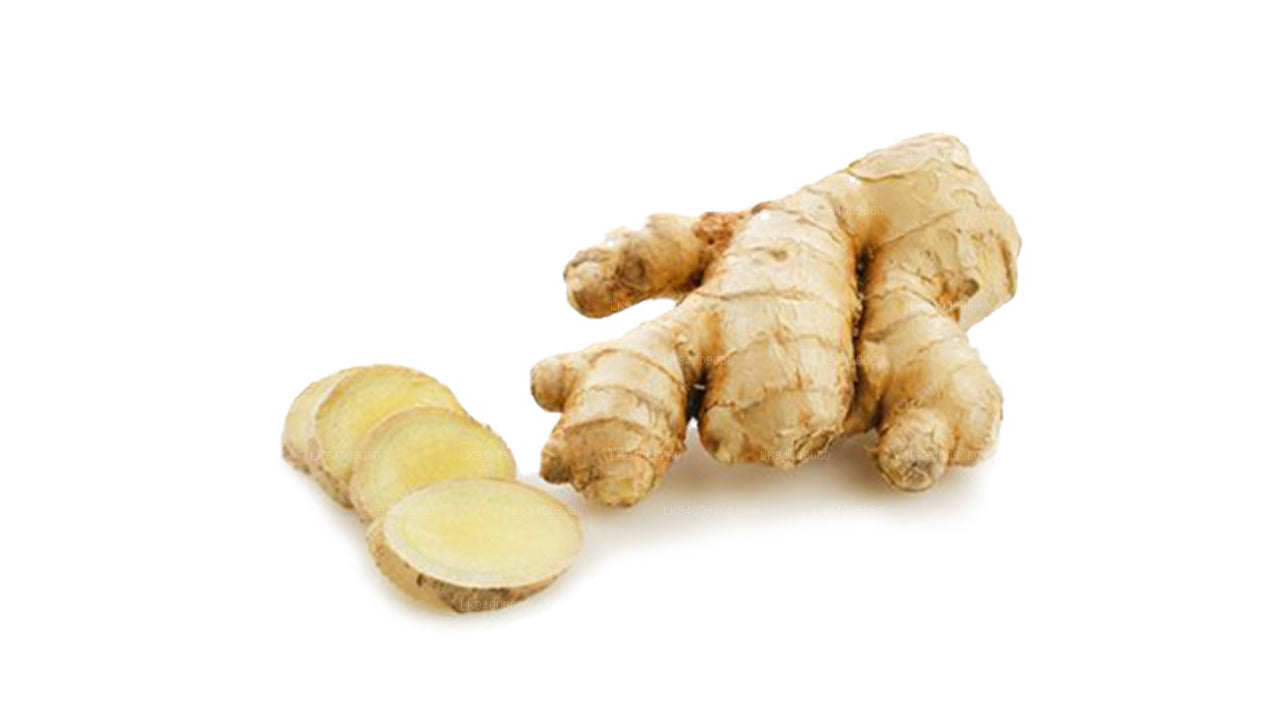 Ginger
Zingiber officinale
-
 Chives
Allium schoenoprasum
-
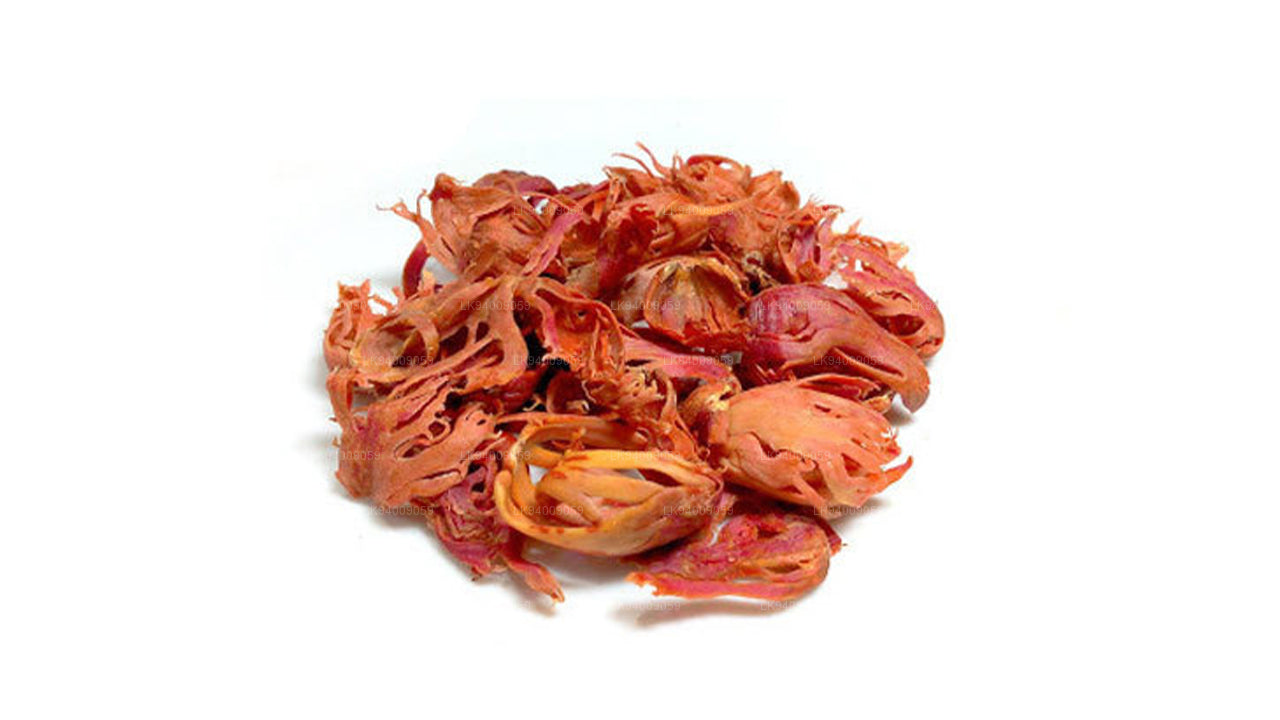 Mace
MaceMyristica fragrans
-
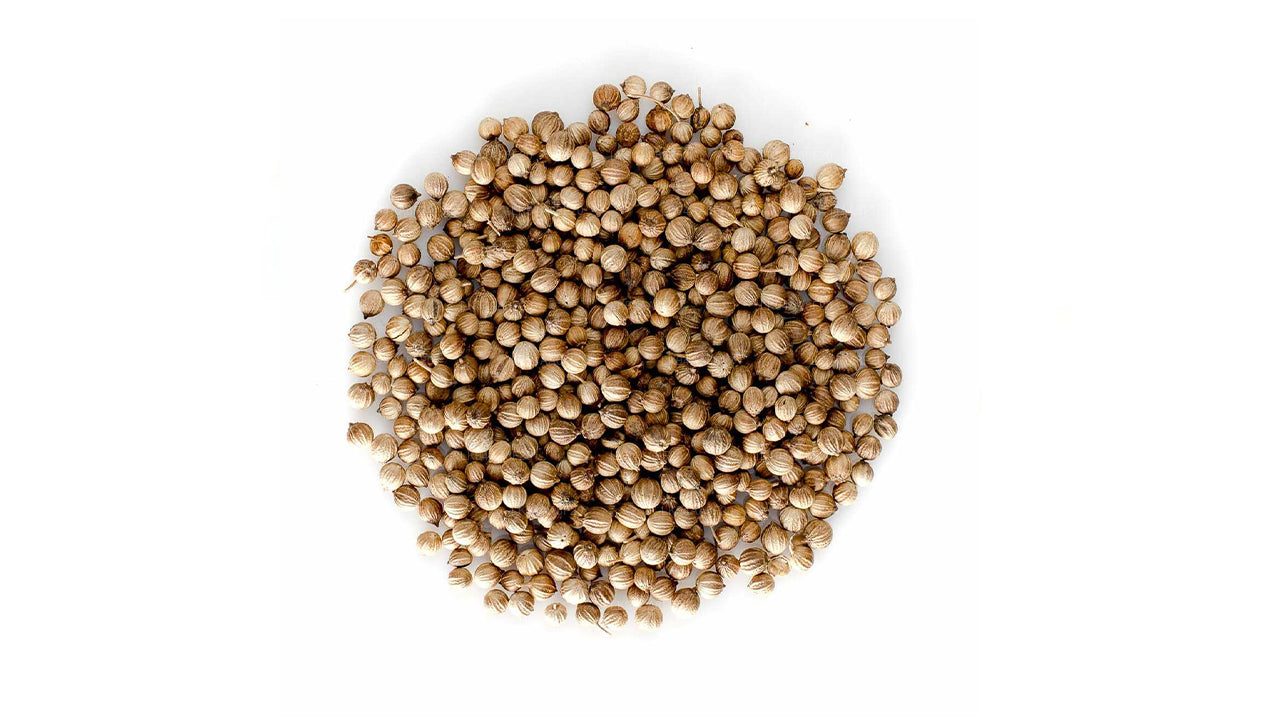 Corinder
Coriandrum sativum
-
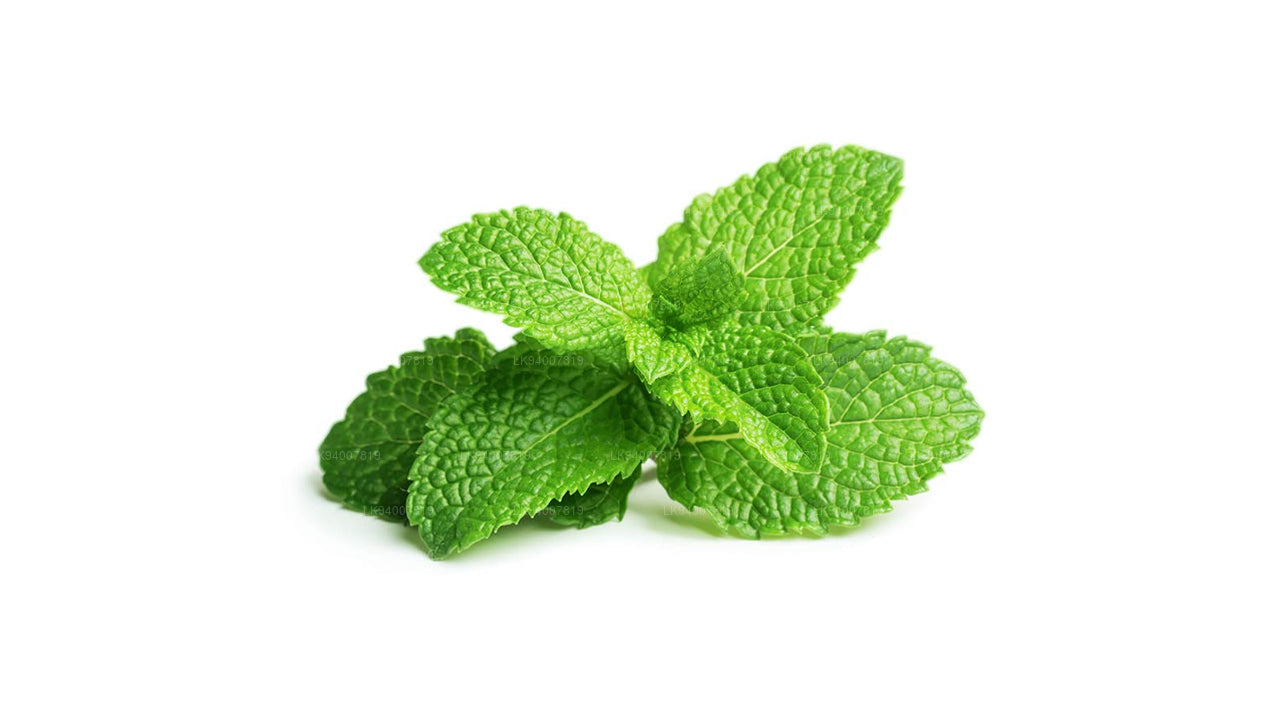 Mint
MintMentha
-
 Tamarind
Tamarindus indica
-
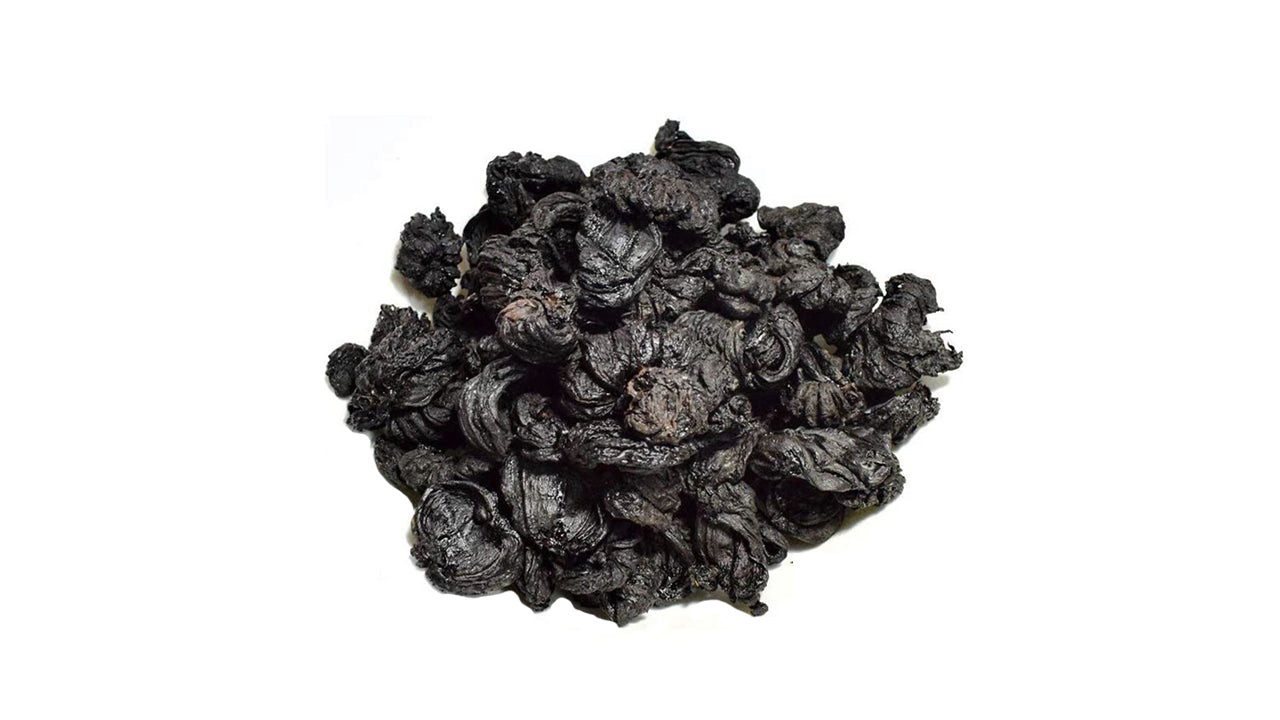 Brindleberry
Garcinia quaesita
-
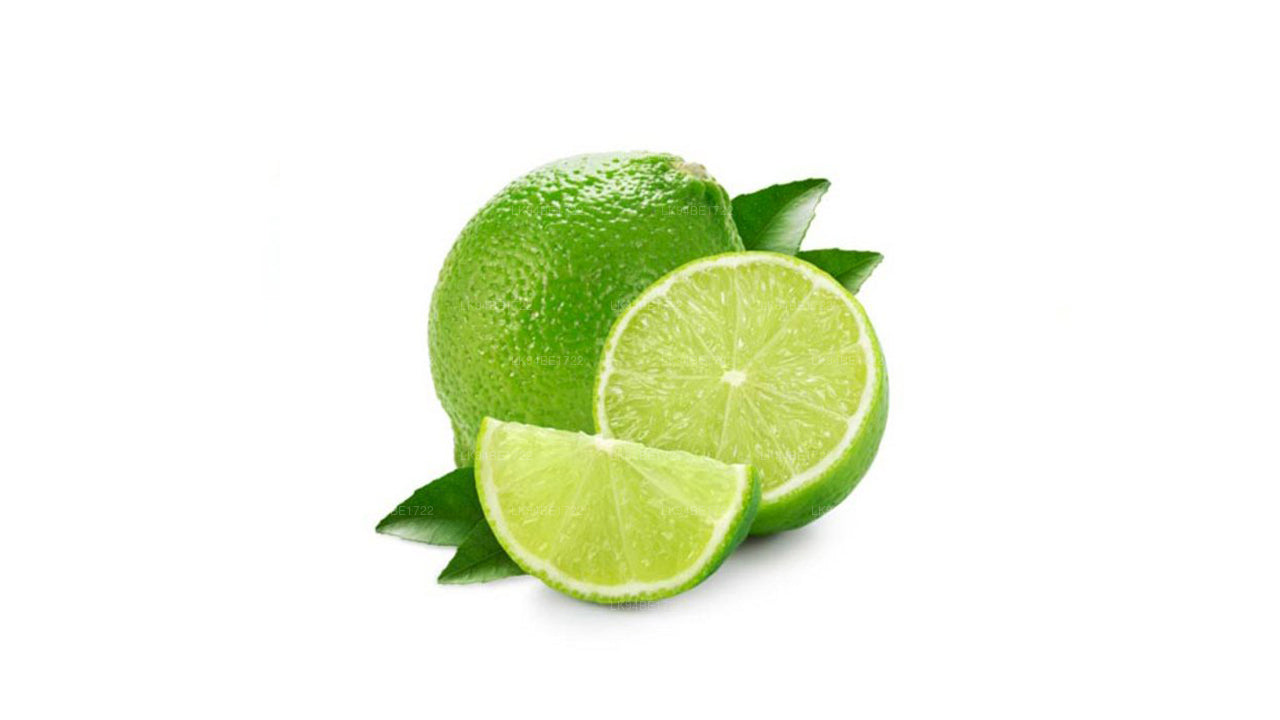 Lime
LimeCitrus aurantifolia
-
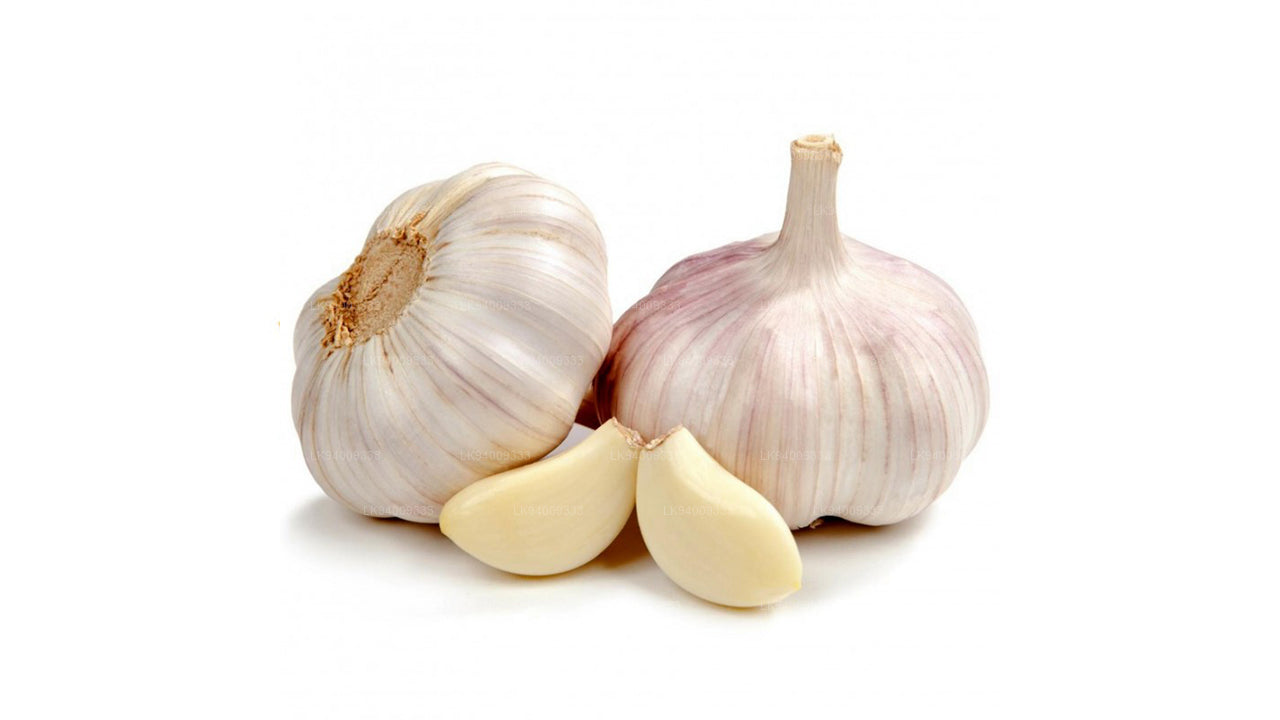 Garlic
Allium sativum
-
 Parsely
Petroselinum crispum
-
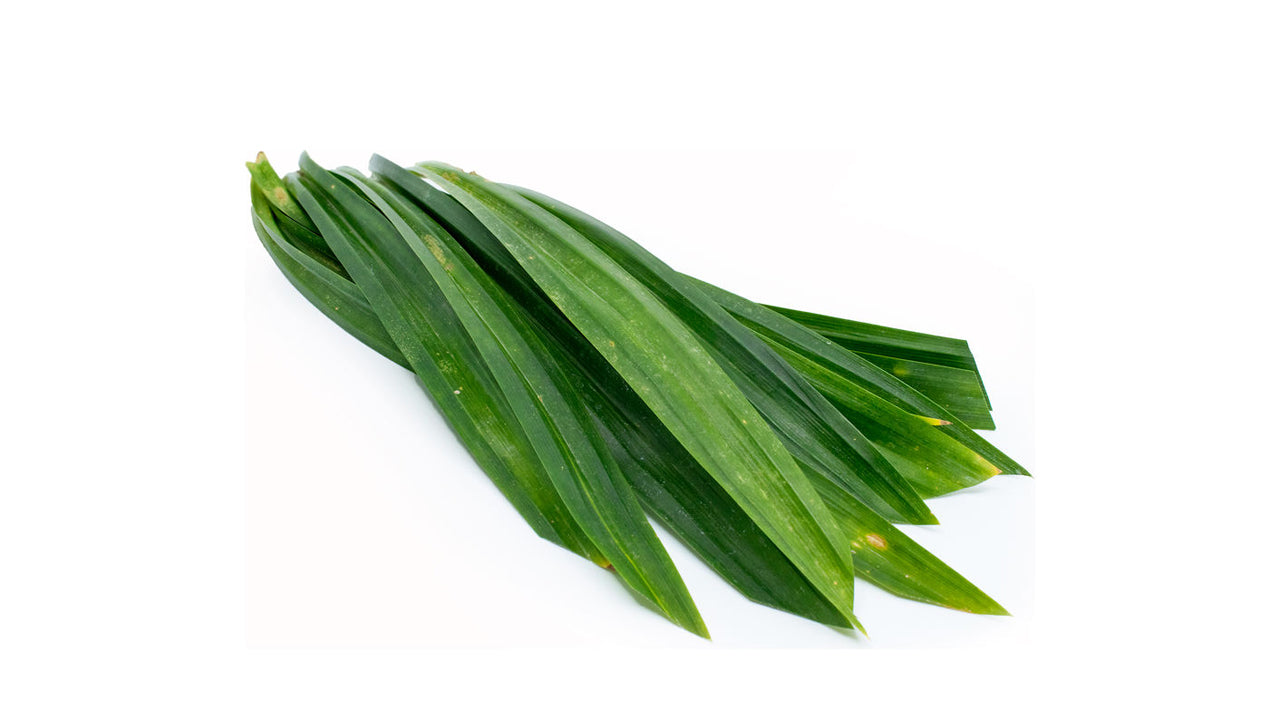 Pandan
Pandanus amaryllifolius
-
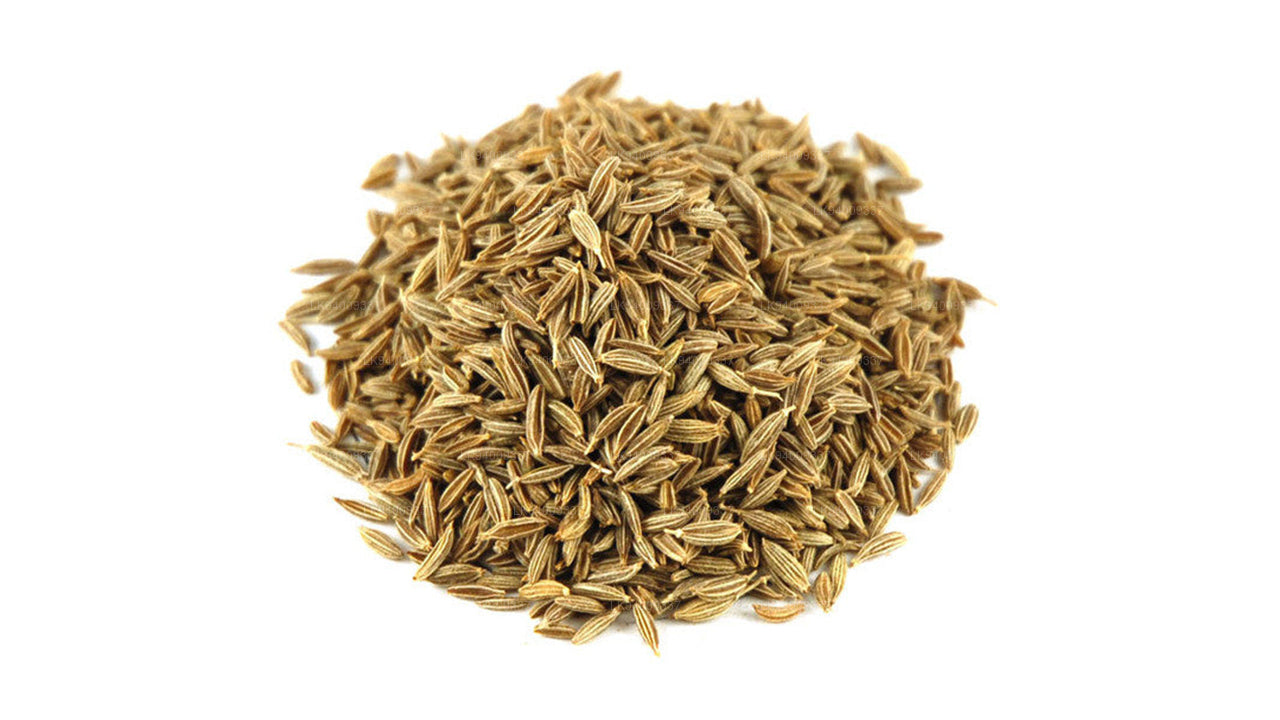 Cumin
CuminCuminum cyminum
-
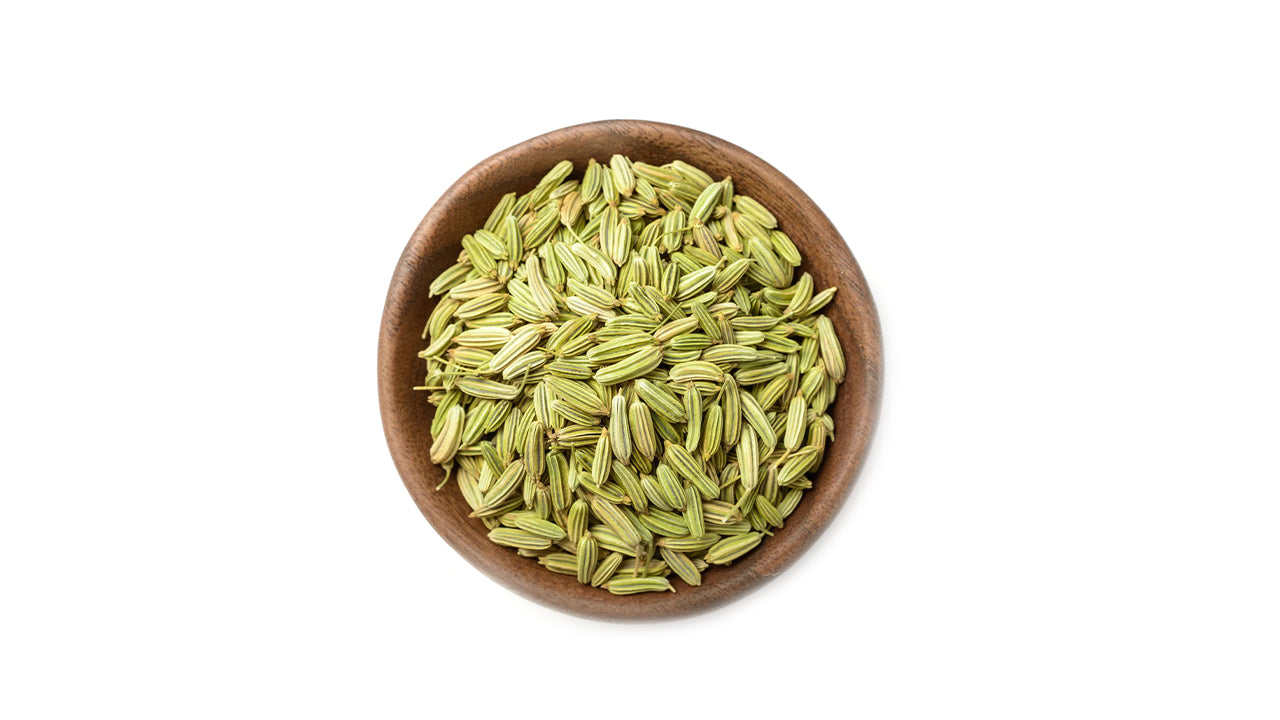 Fennel
Foeniculum vulgare