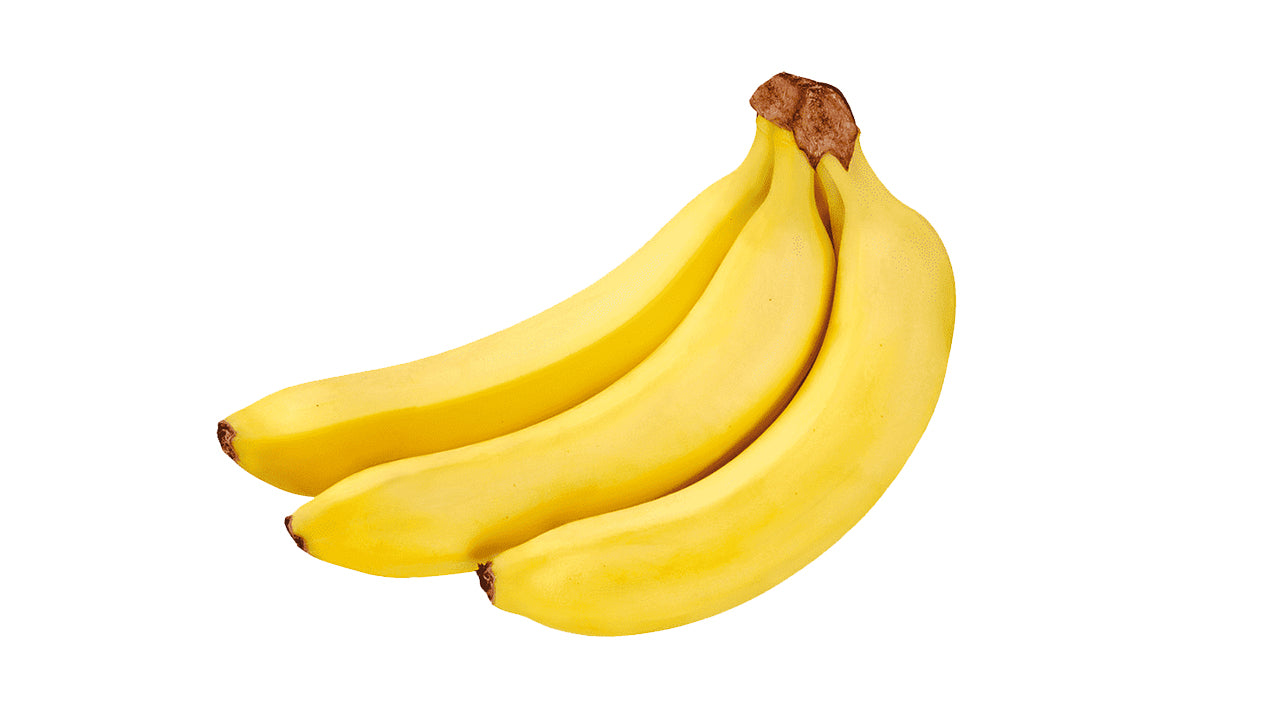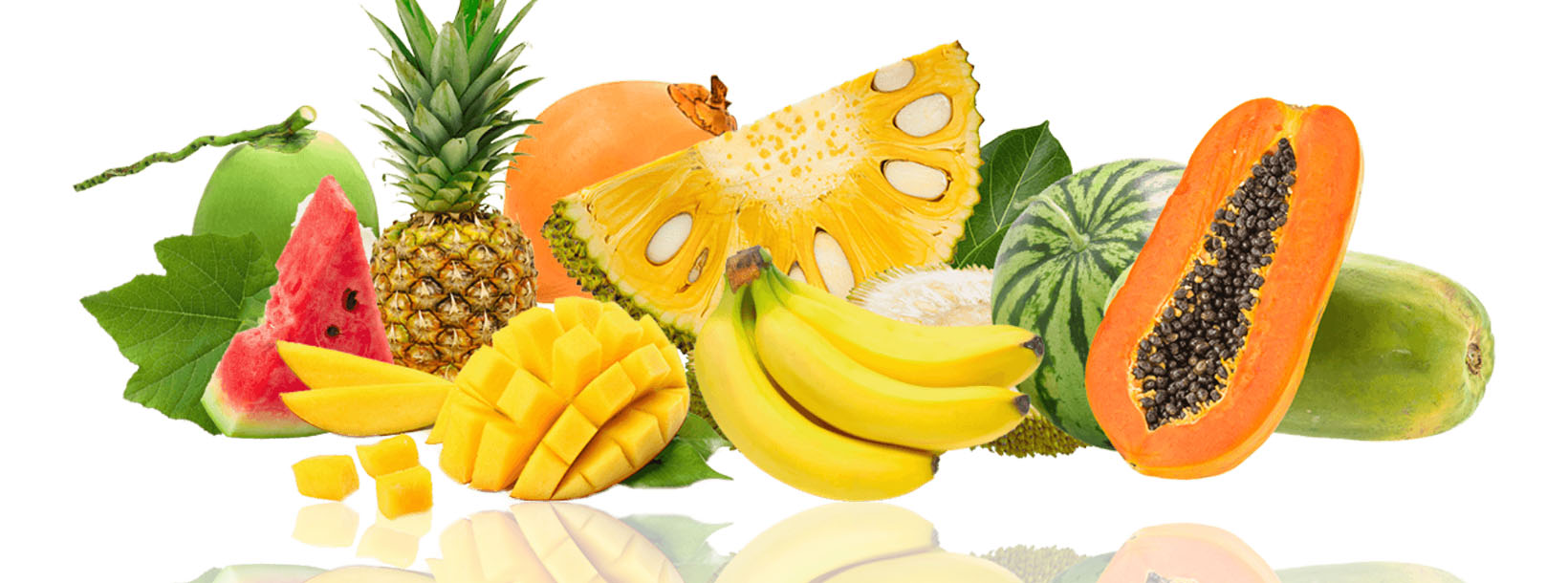
Few fruits are as deeply woven into Sri Lankan daily life as the banana. Grown across the island's lowland gardens, home compounds, and commercial plantations, bananas in Sri Lanka go far beyond the familiar yellow supermarket variety. The island is home to dozens of cultivars, each with its own flavour profile, culinary role, and cultural significance — from the sweet, finger-sized Kolikuttu to the starchy Alukesel used in cooking.
What banana varieties grow in Sri Lanka?
Sri Lanka cultivates an impressive range of banana varieties, broadly divided into dessert types eaten fresh and cooking types prepared as a vegetable or starchy side dish. Among the most commonly found are:
- Kolikuttu — considered by many Sri Lankans to be the finest dessert banana; short, plump, and intensely sweet with a creamy texture.
- Embul (Seeni) — a small, tangy variety often eaten with rice or used in Ayurvedic preparations.
- Alukesel — a large, starchy cooking banana comparable to a plantain; sliced and fried, boiled, or added to curries.
- Ambun — a mid-sized, mildly sweet variety popular in the wet zone lowlands.
- Rathkesel (Red banana) — distinguishable by its reddish-purple peel; richer in beta-carotene than yellow varieties and prized for its soft, dense flesh.
- Ash plantain (Rath Kesel / Nethrampalam) — used unripe in traditional rice-and-curry meals.
Each variety ripens at a different rate, which is why a typical village garden in the wet zone will have several plants at different stages, providing a near-continuous harvest throughout the year.
What are the nutritional benefits of bananas?
Bananas are among the most nutrient-dense fruits available in Sri Lanka, and their health credentials are well established. They are a reliable source of potassium, which supports healthy blood pressure and heart function, and of pectin — a soluble fibre that aids digestion and helps maintain a feeling of fullness.
Bananas also supply magnesium and vitamins C and B6. Vitamin B6, in particular, plays a role in supporting the nervous system, assisting in the production of white blood cells, and helping regulate blood sugar levels. The antioxidants present in bananas — including dopamine and catechins — provide a degree of protection against cell damage from everyday oxidative stress.
Unripe or green bananas contain resistant starch, which functions more like dietary fibre than sugar, feeding beneficial gut bacteria and producing a slower glucose response. As the fruit ripens, this starch converts to simple sugars, making ripe bananas a quick source of natural energy — a reason Sri Lankan farmers and labourers have relied on them as a field snack for generations.
How are bananas used in Sri Lankan cooking and culture?
The banana plant is used in its entirety in Sri Lanka — almost nothing goes to waste. The fruit itself spans both savoury and sweet applications, while the blossom, leaves, stem, and flower are each valued in the kitchen and in traditional medicine.
Banana blossom (Kesel Muwa): The deep-purple flower bud is sliced thinly and cooked as a dry curry or tempered dish. It has a faintly bitter, meaty texture that pairs well with coconut milk and mustard seeds. Dehydrated banana blossom is increasingly popular as a meat substitute.
Banana leaves: Large, fresh leaves are used as natural plates for rice-and-curry meals, particularly during religious festivals and village gatherings. They impart a subtle flavour when food is steamed or grilled within them. At the Esala Perahera Festival, banana leaves are among the traditional decorations adorning temple premises in Kandy.
Green banana: Sliced unripe banana is boiled and added to white rice as a starchy accompaniment, or fried into chips (Kesel Chips) — a common roadside snack across the island.
Ripe banana in sweets: Ripe Kolikuttu bananas are used in traditional Sri Lankan sweets, steamed puddings, and as a flavouring in custards and baked goods. Dried banana slices are a popular snack, often sold at farm stalls and specialty food retailers.
Ayurvedic use: In traditional Ayurvedic practice, the Embul banana and banana stem juice are used to address digestive complaints. Banana blossom tea, made from dried flower petals, is consumed as a tisane believed to support blood sugar balance.
Where in Sri Lanka are bananas grown?
Banana cultivation is widespread, but commercial production is concentrated in several districts. The wet zone — particularly Gampaha, Kurunegala, Matale, and Ratnapura districts — accounts for a significant share of output. The drier north-central and northern regions also support cultivation of hardier varieties suited to less rainfall.
The Midigama Fruit Farm on the southern coast offers visitors a hands-on introduction to tropical fruit cultivation, including bananas alongside other Sri Lankan fruit species. Village home gardens throughout the island typically include at least one or two banana plants — they grow quickly, require minimal care, and provide shade, food, and material in a single plant.
How does Sri Lanka's banana production compare globally?
Global banana exports reached around 18 million tonnes in the mid-2010s, according to the United Nations, with major export flows heading to North American and European markets. Sri Lanka is not a large exporter by volume — most of what is grown is consumed domestically — but the diversity of cultivars on the island is notable. Where large-scale export agriculture worldwide has converged almost entirely on a single cultivar (the Cavendish), Sri Lanka's small-holder farming tradition has preserved a much wider genetic range of banana varieties.
This biodiversity matters: the Cavendish faces a serious ongoing threat from Fusarium wilt (Tropical Race 4), and researchers are increasingly interested in disease-resistant traditional cultivars found in countries like Sri Lanka. The island's banana heritage is, in that sense, not just culturally significant but agriculturally important.
What other Sri Lankan plants and produce are worth exploring?
Sri Lanka's agricultural heritage extends well beyond bananas. The island is equally celebrated for Ceylon Tea, exported worldwide under one of the most recognised origin labels in the food industry, and for spices that shaped the course of global trade history. Cocos nucifera — the coconut palm — shares a similarly central place in Sri Lankan cooking and culture, with every part of the plant finding a practical use. Together, these crops reflect an island that has sustained remarkable agricultural diversity across its varied climates and elevations.