Lakpura
Lakpura®

Lemongrass

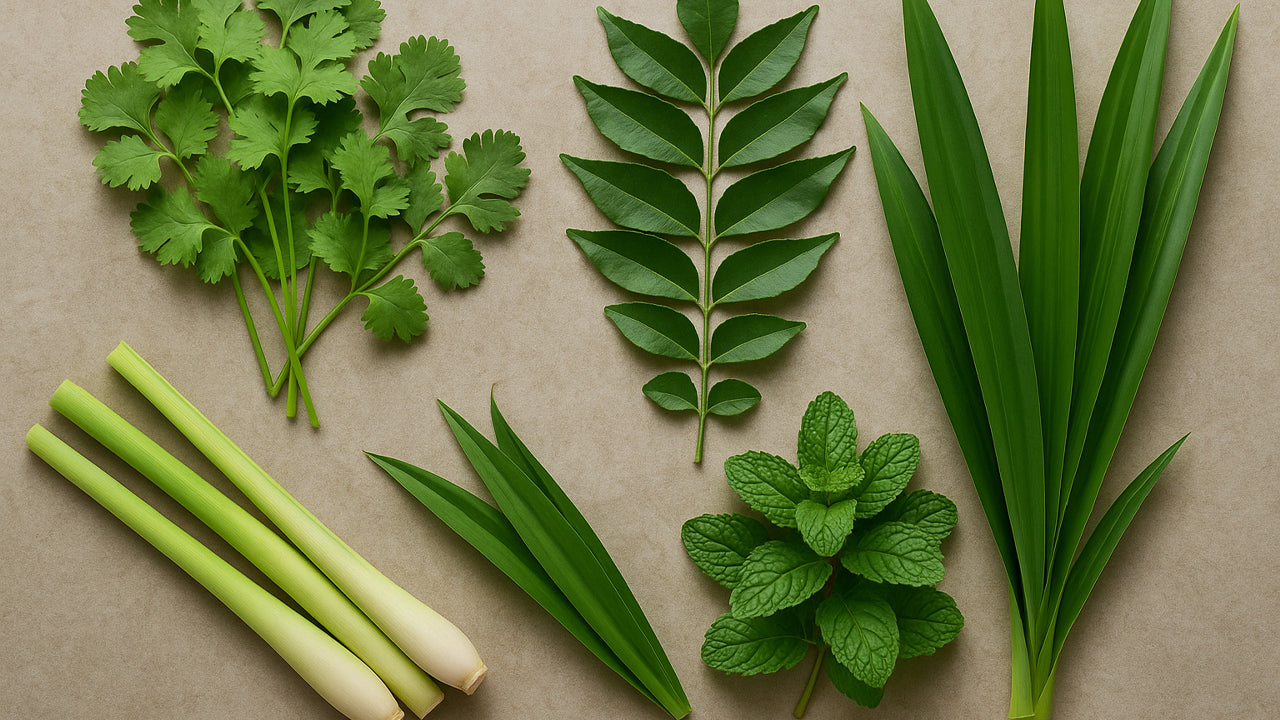
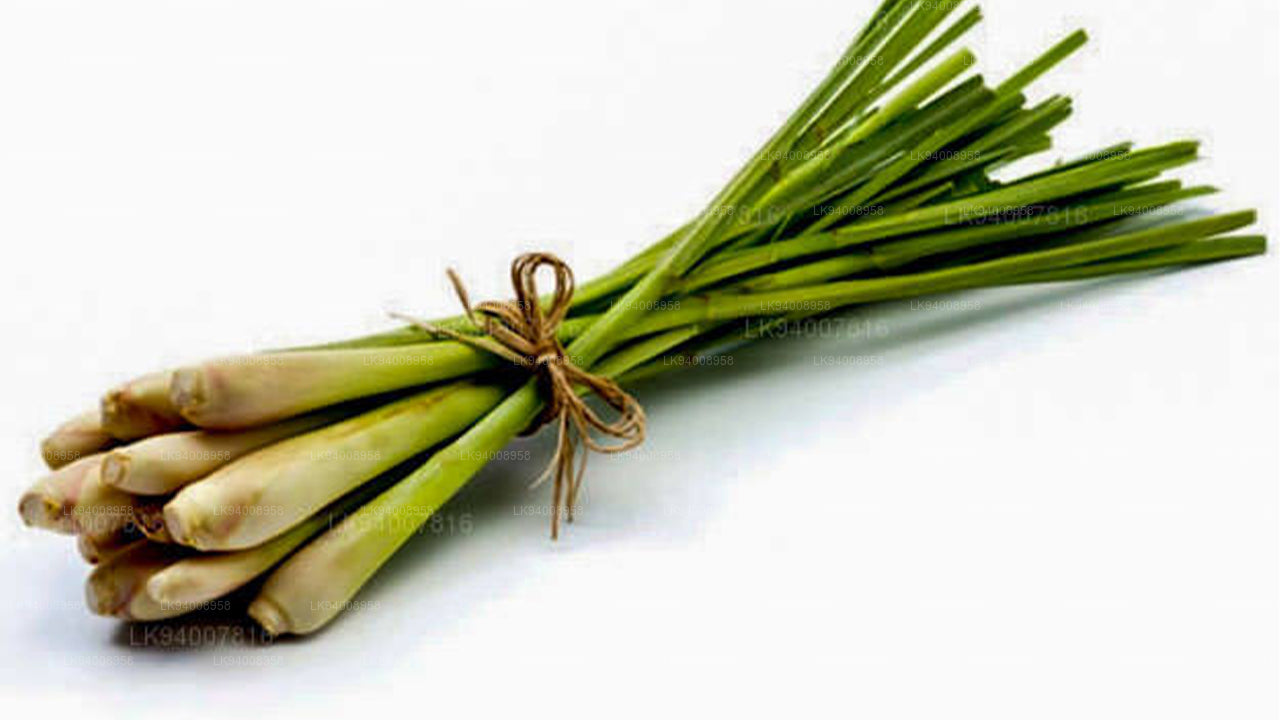
Lemongrass (Cymbopogon citratus) is a tall, aromatic grass native to Sri Lanka and South India that has travelled far beyond its origins to become one of the world's most versatile culinary and medicinal herbs. In Sri Lanka, it grows readily in home gardens, smallholder farms, and alongside spice estates — thriving in the island's warm, humid climate that also nurtures other celebrated crops such as Ceylon black pepper and cinnamon.

What does lemongrass taste and smell like?

Lemongrass delivers a bright citrus flavour built on the same essential oil compound — citral — found in lemon peel. Unlike lemon juice, however, the flavour is rounder and more aromatic, carrying subtle floral and ginger-like undertones. Fresh stalks tend to have clean, minty top notes, while dried or brewed lemongrass becomes slightly sweeter and more mellow. This layered profile makes it equally at home in a spiced curry paste and in a calming evening tea.

How is lemongrass used in cooking?

The lower third of the stalk — pale, firm, and tightly layered — holds the most flavour and is used in a wide range of Asian dishes. In Sri Lankan cooking, bruised lemongrass stalks are commonly added to curries, broths, and rice dishes to lend a gentle citrus depth without sharpness. The outer leaves, though too fibrous to eat, infuse soups and stocks beautifully when simmered whole and removed before serving.

  • Herbal teas: Dried or fresh leaves are steeped to make a caffeine-free infusion. Blended with ginger, it is a popular home remedy for colds and digestive discomfort.
  • Curry pastes: Finely sliced inner stalks are pounded with galangal, chilli, and garlic across South and Southeast Asian cuisines.
  • Flavoured water and beverages: A few bruised stalks added to a jug of water create a refreshing, lightly scented drink.
  • Rice and grain dishes: A single stalk tied in a knot and cooked with rice imparts a subtle fragrance without overpowering the grain.

Lemongrass pairs particularly well with Ceylon green tea, and a number of Sri Lankan tea producers now blend the two into ready-to-brew tea bags that have gained export popularity.

What are the traditional and Ayurvedic uses of lemongrass?

In Sri Lanka's Ayurvedic tradition, lemongrass has long been regarded as more than a flavouring agent. The plant is used in three main forms: the fresh stalk and leaves for culinary and infusion purposes, the dried herb for teas and powders, and the steam-distilled essential oil for topical and aromatherapeutic applications.

Traditional uses include brewing lemongrass tea to ease digestive bloating, reduce mild anxiety, and support restful sleep. The essential oil, diluted in a carrier, is applied topically for muscle discomfort and minor fungal conditions. Inhalation of the oil — through a diffuser or steam bowl — is widely used in wellness and spa settings across the island.

What are the reported health benefits of lemongrass?

Research into lemongrass is ongoing, and while clinical evidence for many traditional uses is still developing, the herb has attracted genuine scientific interest. The following benefits are among those most commonly cited in nutritional and herbal medicine literature:

  • Digestive support: Lemongrass tea is traditionally used to ease bloating, cramping, and nausea.
  • Antimicrobial properties: Citral and other compounds in the essential oil show activity against certain bacteria and fungi in laboratory studies.
  • Cholesterol management: Some animal studies suggest lemongrass extract may help lower LDL cholesterol levels, though human trials remain limited.
  • Anxiety relief: Aromatherapy with lemongrass essential oil is associated with reduced anxiety scores in small clinical settings.
  • Oral health: The plant's antimicrobial properties have led to its inclusion in some natural oral-care formulations.
  • Pain relief: Topical preparations are used traditionally to relieve joint and muscle discomfort.
  • Red blood cell support: Some studies have noted a modest positive effect on haemoglobin levels with regular consumption, though this area needs further research.

As with any herbal remedy, lemongrass is not a substitute for medical advice. Individuals on medication for cholesterol, blood pressure, or anxiety should consult a healthcare professional before using lemongrass therapeutically.

How is lemongrass used in manufacturing and cosmetics?

Lemongrass essential oil is a valued ingredient in the cosmetics and personal-care industry. Its clean citrus-grass scent works well in deodorants, soaps, body washes, and candles — products that benefit from natural fragrance without the harshness of synthetic alternatives. The oil is also a commercial source of natural citral, which is further processed to produce vitamin A and other derivatives used in the food and pharmaceutical industries.

Sri Lanka has developed a growing export market in lemongrass-infused personal-care products. Local brands blend lemongrass with complementary botanicals — mandarin, grapefruit, spearmint — to create Ayurveda-inspired lines that have found audiences in Europe and East Asia.

Where is lemongrass grown in Sri Lanka?

Lemongrass is cultivated across the low and mid-country wet and dry zones of Sri Lanka. It grows well in sandy loam soils with good drainage and tolerates periods of dry weather once established. Home cultivation is common — a single clump in a garden corner can supply a household with fresh stalks year-round.

Commercially, lemongrass is often grown alongside other spices and herbs in the island's spice-rich south and southwest regions, as well as in the dry-zone north-central areas where the herb benefits from long sunny days. The island's biodiversity-rich regions, including areas near the Sinharaja Forest Reserve, offer conditions in which many aromatic herbs, including lemongrass, grow with exceptional oil content.

How should lemongrass be stored and prepared at home?

Fresh lemongrass stalks keep well in the refrigerator for up to two weeks, loosely wrapped. They can also be frozen whole for several months with minimal loss of flavour. To prepare, trim the dry root end and remove the tough outer leaves, then slice, bruise, or pound the inner stalk as the recipe requires.

Dried lemongrass — whether cut leaves or powder — should be stored in an airtight container away from direct light and heat. Dried forms are more convenient for tea preparation: one to two teaspoons of dried leaves per cup, steeped in near-boiling water for five to seven minutes, produces a clear, golden infusion.

Book this experience with Lakpura

Curated by our local team. Direct booking, instant confirmation.

Ask Lakpura® Agent