Lakpura
Lakpura®

Eggplant Curry

Eggplant curry — known in Sri Lanka as wambatu curry or, in its pickled form, wambatu moju — sits at the heart of everyday Sri Lankan cooking. While versions of this dish appear across South and Southeast Asian cuisines, the Sri Lankan interpretation has its own distinct character: deep-fried eggplant pieces simmered in a dark, spiced sauce that balances heat, sweetness, and acidity in a way that is immediately recognisable once you have tasted it.

What makes Sri Lankan eggplant curry different?

The key difference between Sri Lankan eggplant curry and its Indian or Thai counterparts lies in technique and spice philosophy. Sri Lankan cooks typically deep-fry the eggplant first, giving it a caramelised exterior that holds its shape in the sauce without becoming mushy. The curry base is built on roasted spices — including Ceylon black pepper, coriander, cumin, and fennel — which are often freshly ground rather than used from a pre-made blend.

Goraka (dried gamboge), a tart fruit unique to Sri Lanka, frequently replaces tamarind as the souring agent, lending the sauce a distinctly Sri Lankan tartness. Pandan leaves and fresh curry leaves round out the aromatics, adding fragrance without overpowering the eggplant itself.

Which variety of eggplant works best?

Sri Lankan markets stock several eggplant varieties. The long, slender purple variety (commonly called thibbatu in some local contexts, though that name also refers to a smaller wild variety) is the most widely used for curry. It has thin skin, relatively few seeds, and a mild, slightly sweet flesh that absorbs spices efficiently. Smaller round eggplants can also be used and are popular in drier, stir-fried preparations. Whichever variety you choose, salting the cut pieces for 15–20 minutes and then pressing out the moisture improves texture and reduces bitterness.

What spices go into a traditional Sri Lankan eggplant curry?

A typical spice list for Sri Lankan eggplant curry includes:

  • Roasted Sri Lankan curry powder (unroasted powder can be used for a lighter flavour)
  • Turmeric powder
  • Ceylon black pepper
  • Mustard seeds
  • Fresh curry leaves and pandan leaves
  • Dried red chillies
  • Goraka or tamarind for sourness
  • A small amount of sugar or jaggery to balance acidity

Coconut milk is sometimes stirred in at the end to soften the sauce and add richness, though many households prefer to keep the curry dry and intensely spiced without it.

How is wambatu moju prepared as a pickle-style dish?

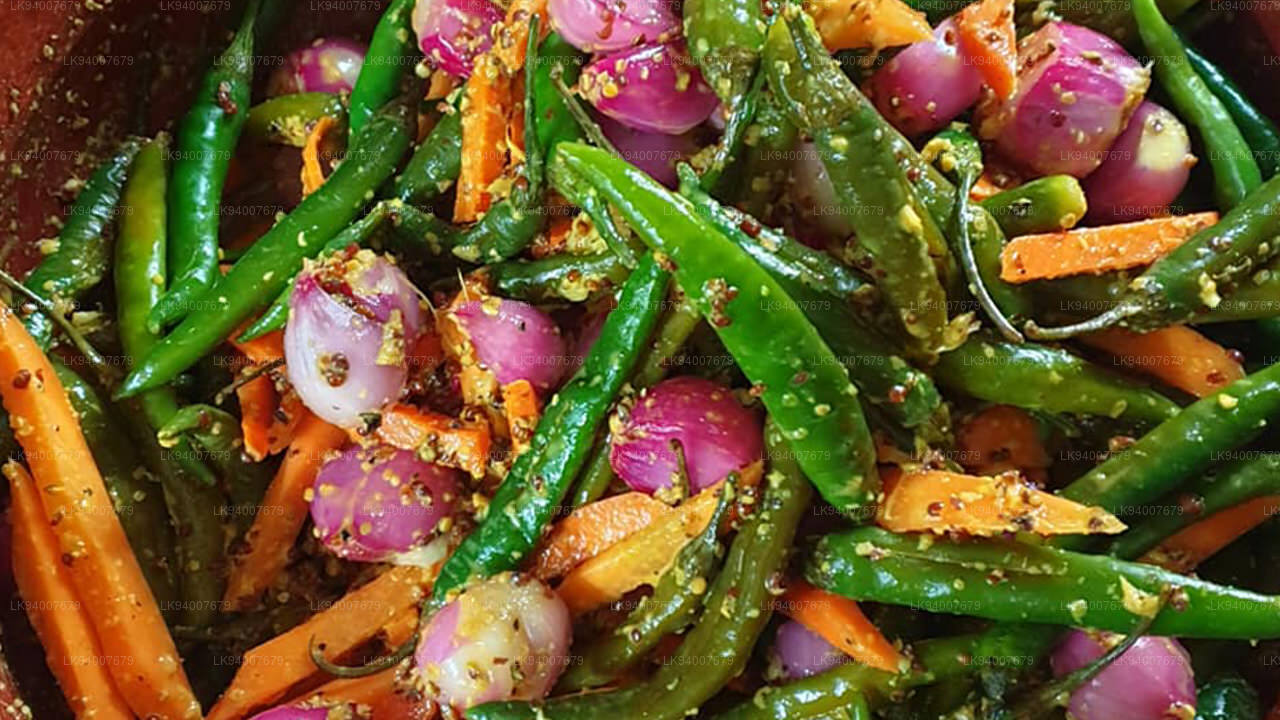
Wambatu moju is a semi-pickled variant that appears regularly on Sri Lankan festive tables and as a side at rice-and-curry meals. The preparation begins by deep-frying eggplant slices until golden, then combining them with fried onions, green chillies, and mustard seeds in a sweet-sour reduction of vinegar, sugar, and spices. The result keeps well for several days and actually improves as the flavours meld, making it a practical dish to prepare ahead. It is especially common at Sinhala and Tamil New Year celebrations.

What do you serve with eggplant curry?

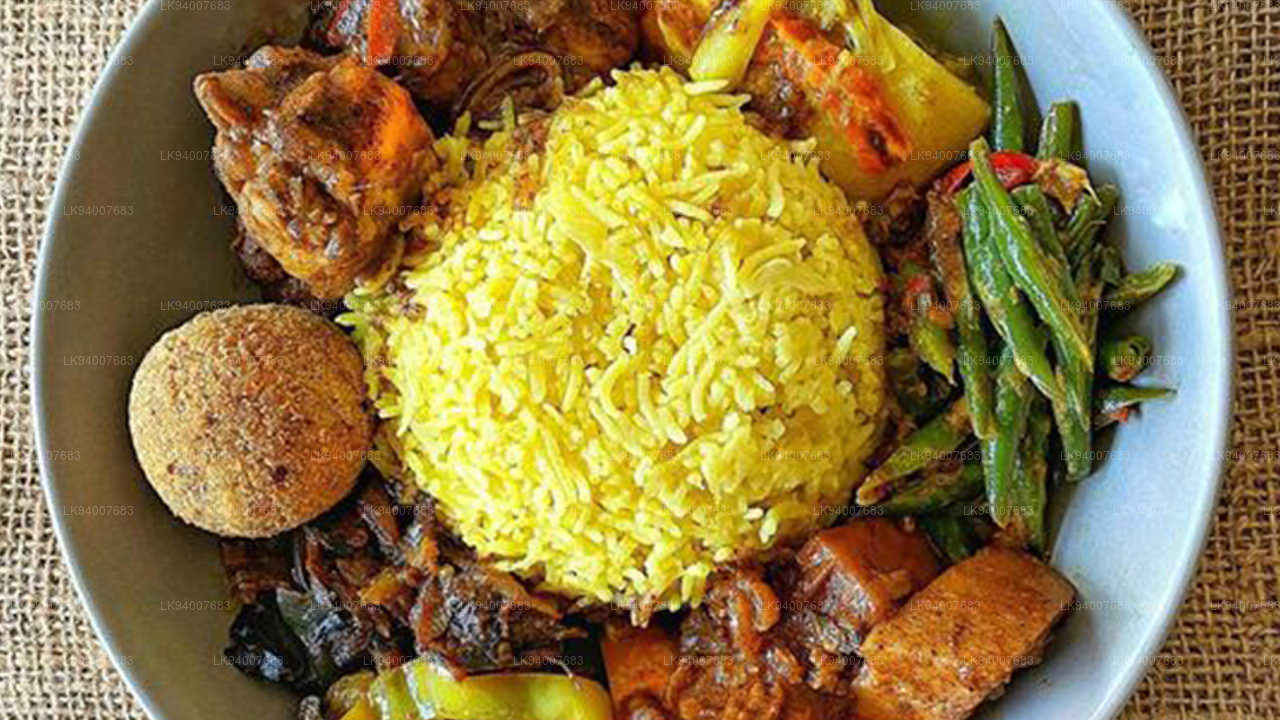
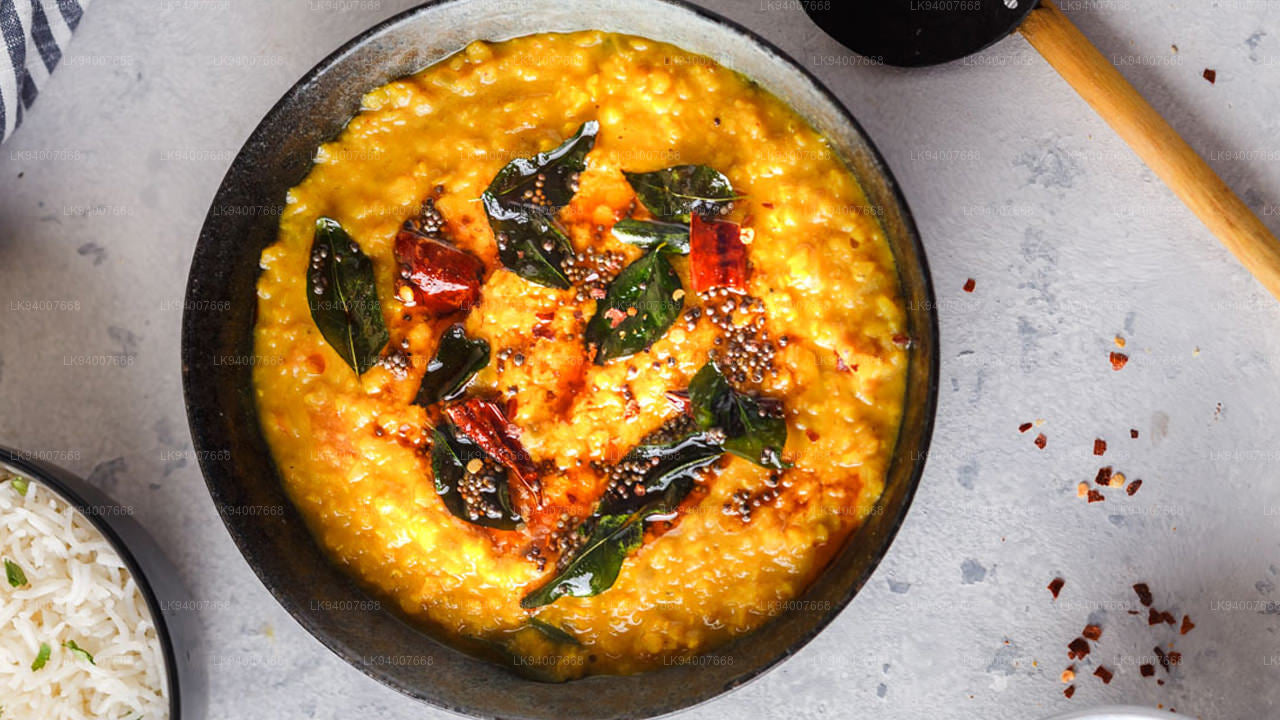
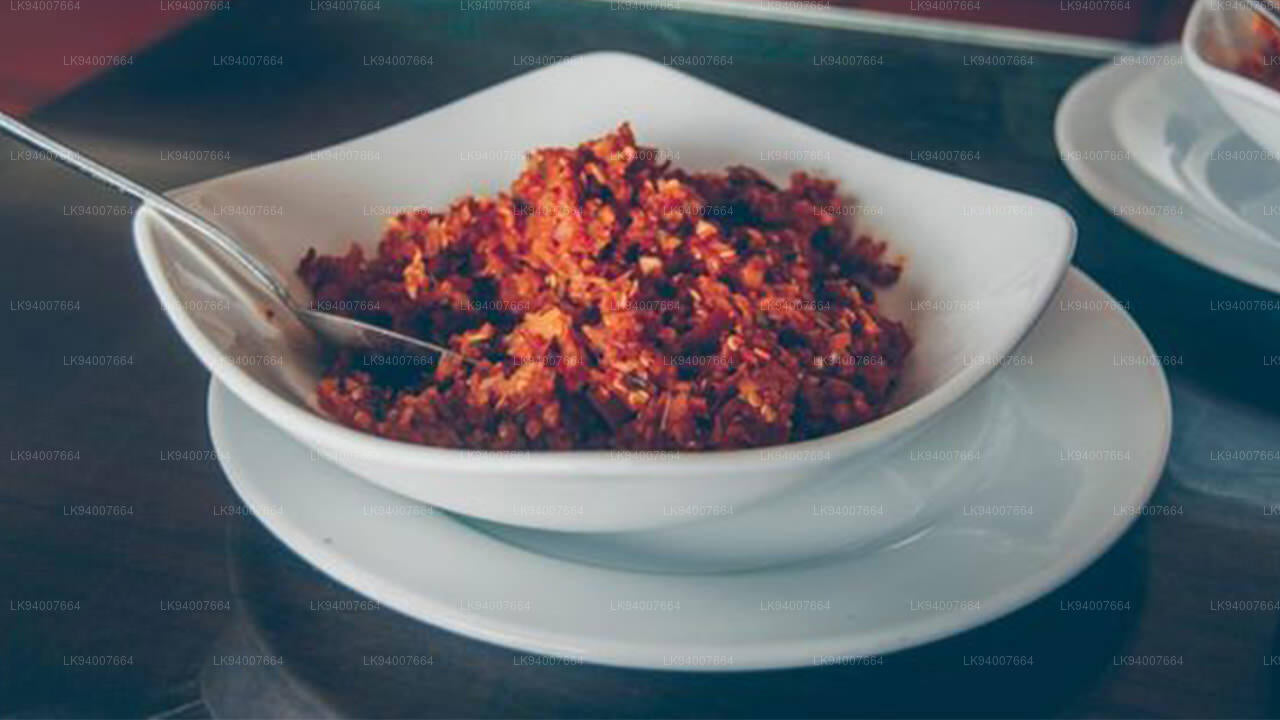
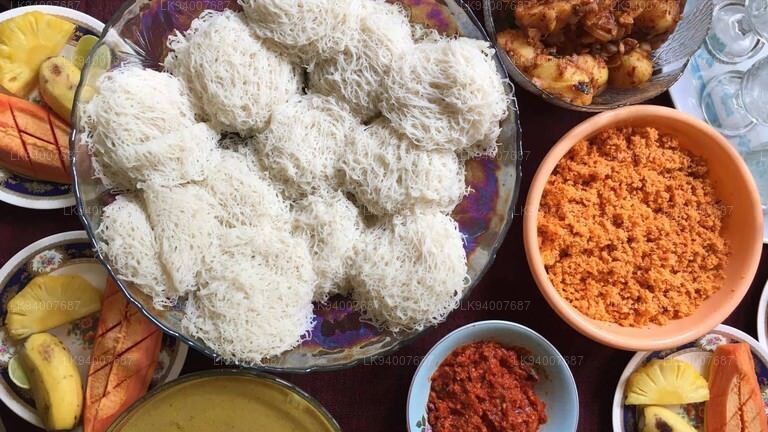
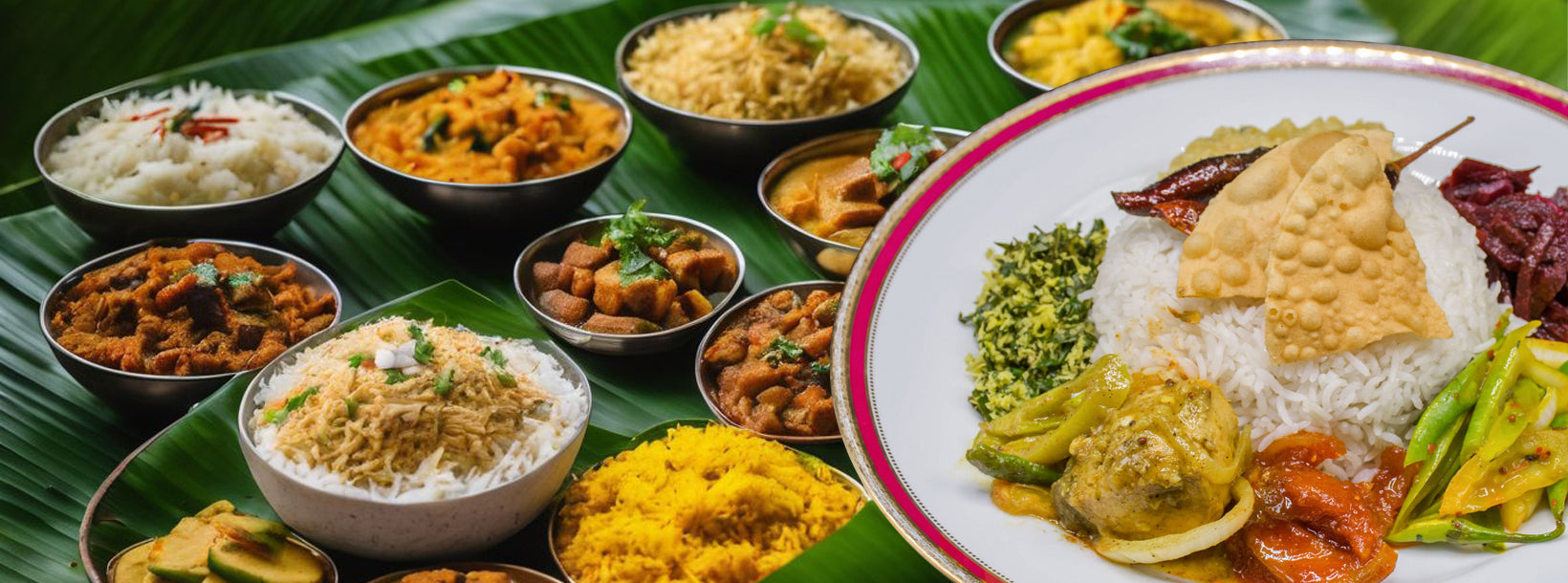
Eggplant curry is almost always part of a larger Sri Lankan rice-and-curry spread rather than served alone. Steamed red or white rice is the standard accompaniment, alongside a lentil dal (parippu), a coconut sambol, and one or two other vegetable preparations. The curry also pairs naturally with string hoppers (indi appa) or roti for breakfast or dinner. Because the dish is robustly flavoured, it benefits from being served alongside milder accompaniments that allow it to stand out without overwhelming the palate.

Is eggplant curry a healthy dish?

Eggplant is naturally low in calories and carbohydrates, and relatively high in dietary fibre. It contains nasunin, an anthocyanin antioxidant found in its purple skin, as well as modest amounts of potassium, folate, and vitamin B6. The nutritional profile of the finished curry depends heavily on cooking method: the deep-fried version absorbs oil and is more calorie-dense, while a baked or lightly sautéed preparation retains more of the vegetable's inherent lightness. Either way, eggplant curry is a fully plant-based dish and fits naturally into vegetarian and vegan diets.

Regional variations worth knowing

Sri Lanka's regional cooking traditions produce noticeably different eggplant curries depending on where you eat. In the south and Galle coast area, the dish tends toward a darker, more pungent sauce with generous use of goraka. In the hill country — villages near Ella, for instance — cooks sometimes add a small amount of coconut milk and reduce heat levels slightly for a creamier result. Jaffna-style preparations in the north tend to use a distinctive regional curry powder with higher proportions of dried chilli, producing a significantly hotter and more aromatic dish.

Tips for cooking Sri Lankan eggplant curry at home

  1. Salt and drain the eggplant before cooking to draw out excess moisture and reduce bitterness.
  2. Use roasted curry powder rather than unroasted for a deeper, more complex base flavour.
  3. Fry in batches — crowding the pan causes the eggplant to steam rather than brown.
  4. Add goraka or tamarind early in the sauce so the sourness has time to mellow into the other flavours.
  5. Rest the curry for at least 15 minutes off the heat before serving; the flavour improves noticeably as it settles.

Authentic Sri Lankan curry powders vary considerably in heat and composition. Using a quality roasted Sri Lankan blend rather than a generic supermarket substitute makes a measurable difference to the finished dish.

Shop this range with Lakpura

Packed in Sri Lanka and shipped worldwide, direct from the source.

Ask Lakpura® Agent