무티양가나 라자 마하 비하라


무티양가나 라자 마하 비하라는 바두라 시의 중심에 위치해 있습니다. 이 사원의 역사는 부처님의 시대까지 거슬러 올라가지만, 바두라 주변 지역(특히 우바 주)은 기원전 19~18세기까지 거슬러 올라갑니다. 제국 라와나는 바두라를 수도로 하여 이 나라를 지배하고 있었습니다. 또한 라마와 라와나의 전쟁이 이 지역에서 일어났다고 믿어집니다. 이 지역에는 라와나의 수도 중 하나로 식별되는 많은 장소와 이름들이 있습니다; 시타 엘리야, 시타 코투와 그리고 라와나 엘라는 라마야나에 묘사되어 있습니다. 라와나는 결국 전쟁에서 패배했고, 그의 반역자 형제 비비샤나는 수도를 켈라니야로 옮기면서 우바는 점차 역사 속에서 사라졌습니다.
부처님과 500명의 아란트는 나가왕 마니악키타의 초대로 이 섬을 세 번째로 방문했습니다. 켈라니야로의 방문 중에 부처님은 나무누쿨라 산맥의 왕인 인다카 왕(현재는 신격화됨)의 초대로 바두라에 오셨습니다. 인다카 왕은 부처님의 머리카락과 묵타카 다투(땀이 진주로 변한 것)를 보관한 스투파를 세웠습니다. 이곳이 무티양가나 스투파의 시작입니다. 그 이후, 이 스투파와 사원은 여러 왕들에 의해 확장되고 재건되었으며, 현재까지도 여러 차례 보수되었습니다.
토라나는 사원의 입구에 있는 독특한 6단계 디자인으로, 그 출처는 알려져 있지 않습니다. 첫 번째 단계는 주요 입구를 포함하고, 그 위의 두 번째 단계에는 전형적인 마카라 (용) 머리가 있습니다. 머리 양옆에는 두 명의 수호자 조각상과 모서리에는 두 명의 사자 조각상이 있습니다. 세 번째 단계에는 두 개의 바마나 조각상과 가장자리에 두 마리의 동물이 있으며, 아마도 사자일 것입니다. 이 조각상들은 두 번째 단계의 사자 조각상들만큼 뚜렷하지 않습니다. 세 번째 단계의 중앙에는 높은 받침대가 있고, 그것은 네 번째 단계로 이어지며, 그 위에는 두 마리의 황소가 있습니다. 이 황소들의 특징은 장식되어 있고 큰 혹을 가지고 있다는 것입니다. 이러한 황소들은 힌두교의 특징으로, 이 특징은 이 구조물의 건설에 있어 힌두교의 영향을 나타냅니다. 마지막으로, 다섯 번째 단계의 꼭대기에는 앉아 있는 부처님 동상이 있습니다. 이 다섯 번째 단계는 부처님의 동상에 헌정된 것입니다. 여섯 번째 단계는 공작들로 구성되어, 전체 구조를 완성합니다. 입구에는 다채로운 마카라 토라나가 있습니다. 입구 바로 위, 용 머리 아래에는 마이트레 보디사트바의 조각상이 있습니다. 이미지 하우스의 오른쪽에는 무티양가나 성스러운 땅과 나무누쿨라 산맥의 수호자인 인다카 신의 조각상이 있습니다. 오른쪽에는 마이트레 보디사트바의 조각상이 있습니다. 이미지 하우스를 지나면, 사원의 가장 신성한 구조물인 스투파에 도달하게 됩니다. 이 스투파는 부처님의 머리카락과 묵타카 다투를 보관하고 있습니다. 인다카 신이 기원전 5세기에 처음 만든 스투파는, 후에 왕 데바남피야티사(기원전 150-210년)에 의해 아누라다푸라 시대에 확장되었습니다.


Special places in Badulla
-
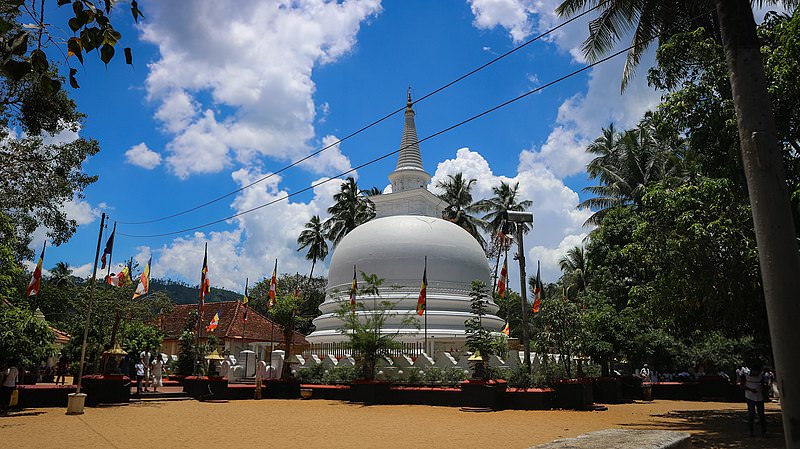 Muthiyangana Raja Maha Vihara
Muthiyanganaya Raja Maha Viharaya lies in the centre of the city of Badulla. The History of this temple goes back to the time of Buddha but this area around Badulla goes way back in to the time of 19th -18th century BCE.
-
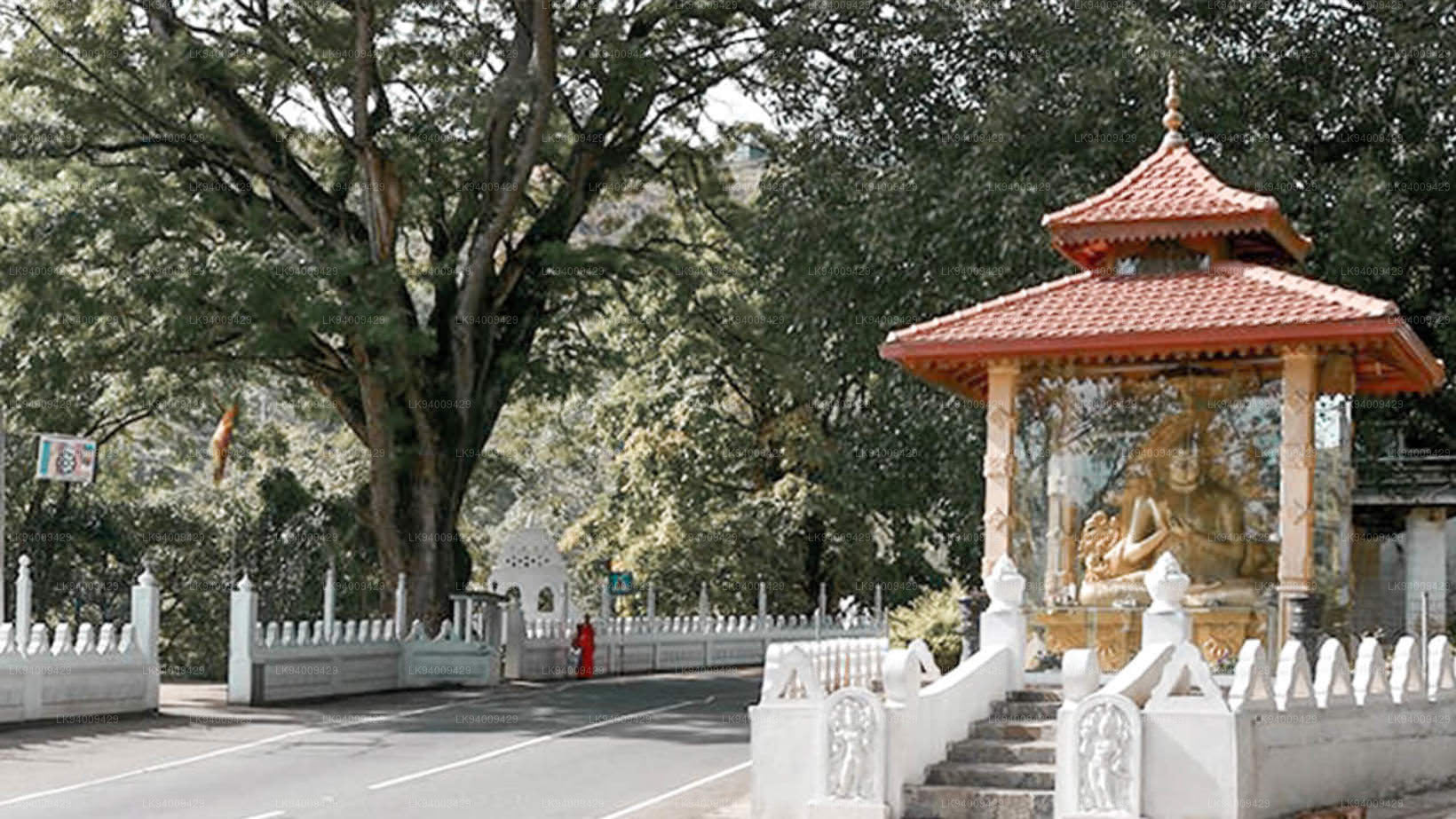 Dowa Raja Maha Viharaya
Dowa Raja Maha Viharaya (Dowa Cape Temple) lies few kilometres away from the Bandarawela town on the Bandarawela – Badulla Road. This temple is thought to be done by King Walagamba in the in first century BC.
-
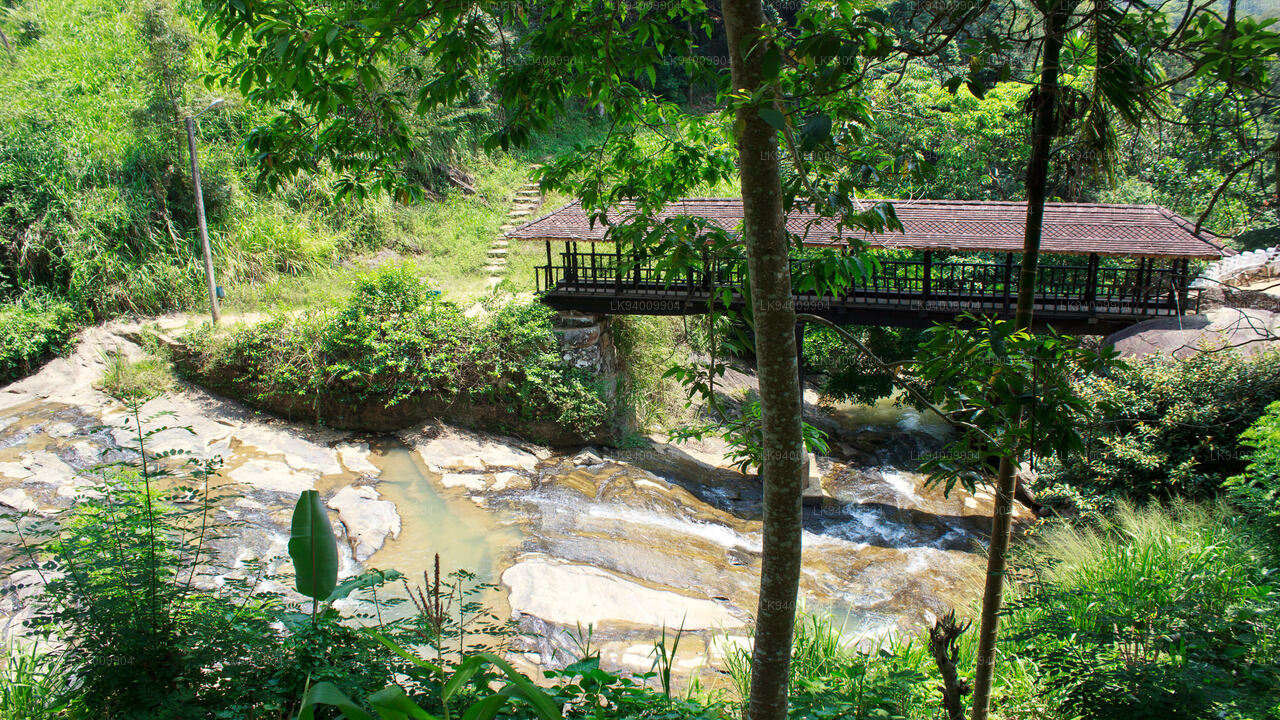 Bogoda Wooden Bridge
The Bogoda Wooden Bridge was built in the 16th century during the Dambadeniya era. This is said to be the oldest surviving wooden bridge in Sri Lanka. The bridge is situated at 7 kilometres (4.3 mi) west of Badulla.
-
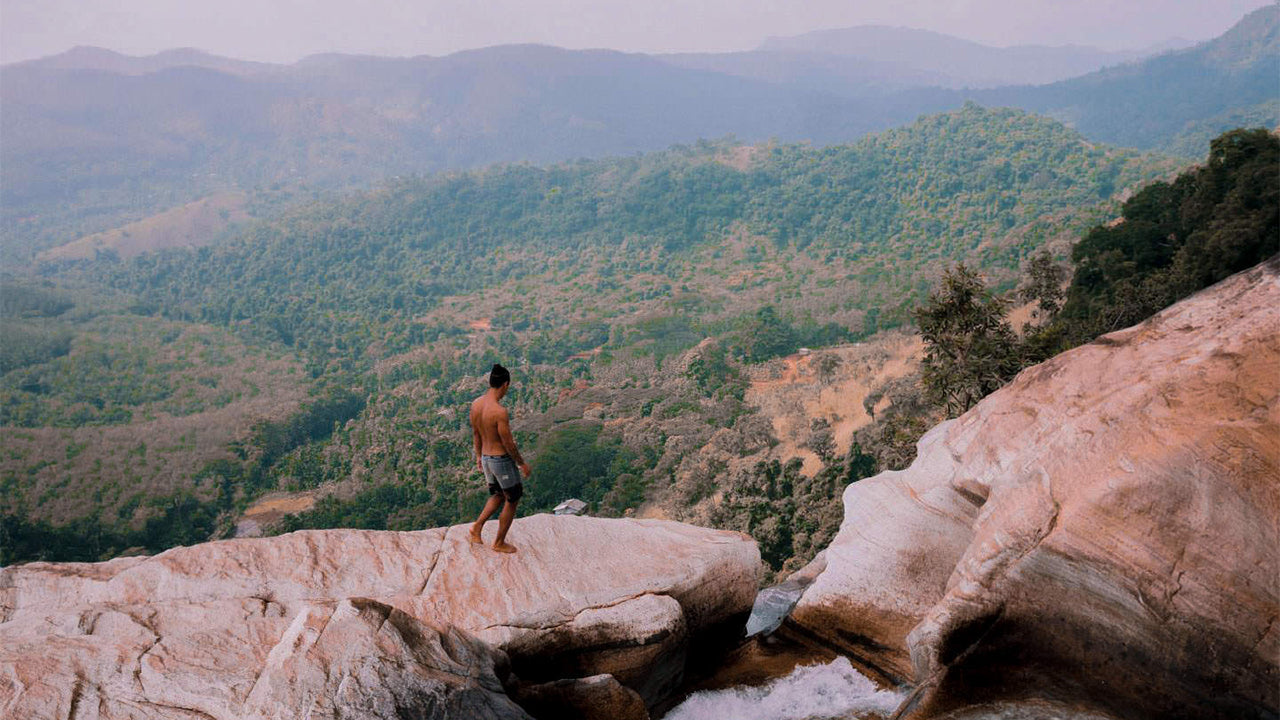
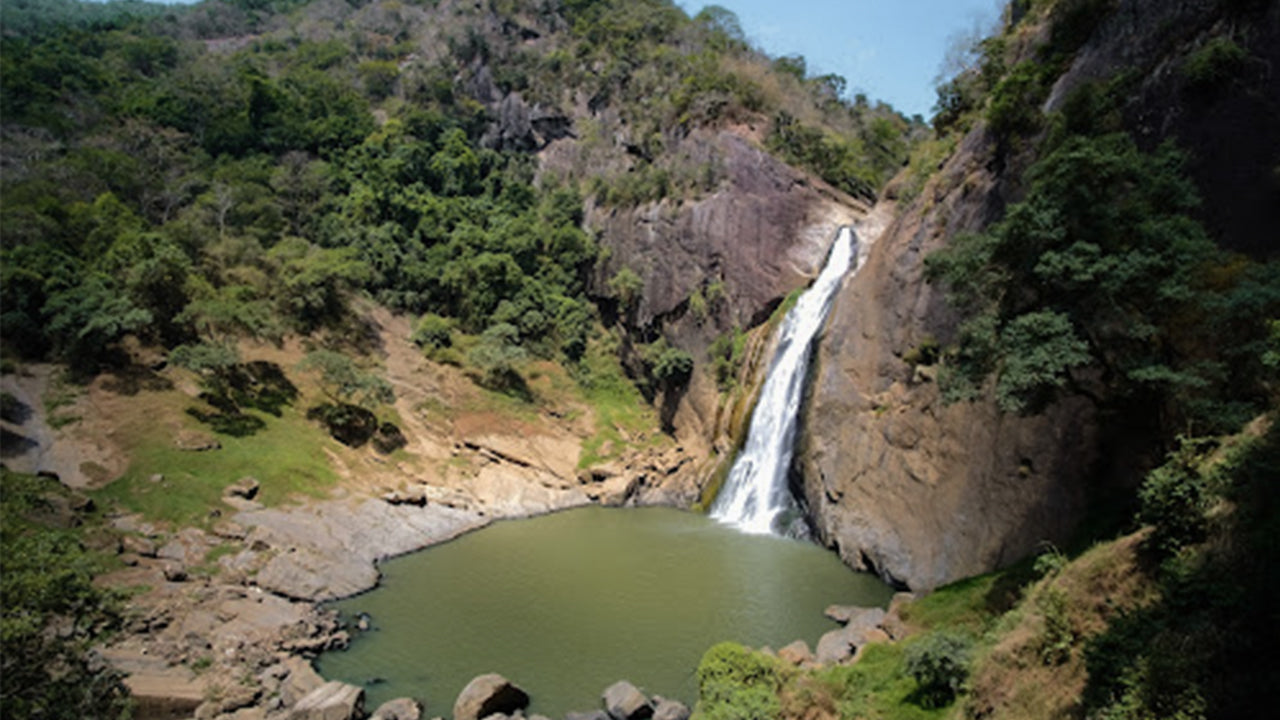 Dunhinda Falls
Dunhinda Falls is situated about 5 km away from Badulla town. It is 63 meters high and is considered to be one of the most beautiful waterfalls in Sri Lanka. The falls gets its name dew to the smoky dew drops spray.