アヌラーダプラ王国

首都にちなんで名付けられたアヌラーダプラ王国は、古代スリランカとシンハラ人によって最初に設立された王国です。紀元前 377 年にパーンドゥカバヤ王によって設立されたこの王国の権威は国中に広がりましたが、時々いくつかの独立した地域が出現し、王国の終わりに向けてその数はさらに増えました。紀元前 543 年、ヴィジャヤ王子 (紀元前 543 ~ 505 年) は祖国インドから追放されてスリランカに到着しました。彼は最終的に島を支配下に置き、王としての地位を確立しました。この後、彼の従者は国中に村や植民地を設立しました。そのうちの 1 つは、ヴィジャヤ王の大臣であるアヌラーダによってコロンと呼ばれる川のほとりに設立され、アヌラーダガマと名付けられました。

紀元前 377 年、パーンドゥカバヤ王 (紀元前 437 ~ 367 年) はここを首都とし、繁栄した都市に発展させました。アヌラーダプラは、シギリヤを首都に選んだカシャパ1 世 (473 ~ 491 年) を除き、アヌラーダプラ王国時代にこの国を統治したすべての君主の首都でした。この都市はプトレマイオスの世界地図にも記されています。アヌラーダプラの王は、アヌラーダプラ時代を通じて国の最高統治者とみなされていました。仏教はアヌラーダプラ時代に強い役割を果たし、その文化、法律、統治方法に影響を与えました。デヴァナンピヤ ティッサ王の治世中に信仰が導入されたとき、社会と文化は革命を起こしました。この文化的変化は、仏陀の歯の遺物がスリランカに到着し、彼女の統治者によって拡大された後援によってさらに強化されました。

アヌラーダプラ時代を通じて、南インドからの侵略は常に脅威でした。ダッタガマニ、ヴァラガンバ、ダトゥセナなどの統治者は、南インド人を破って王国の支配を取り戻したことで知られています。軍事的功績で注目に値する他の統治者には、侵略者に対して侵攻を開始したガジャバフ 1 世や、パンディアンの王子を支援するために軍隊を派遣したセナ 2 世などがあります。ドゥッタガマニ (紀元前 161 ~ 137 年) の下で、全土はアヌラーダプラ王国の下に統一されました。彼はアヌラーダプラを占領していた南インドの支配者エラーラを殺害する前に、国のさまざまな地域で32人の支配者を破り、王位に就きました。アヌラーダプラ王国は主に農業を基盤としていたため、灌漑施設の建設はアヌラーダプラ王国の主要な成果であり、乾燥地帯での水の供給を確保し、国のほぼ自給自足の成長を助けました。何人かの王、特にヴァーサバ王とマハセーナ王が大きな貯水池と運河を建設し、アヌラーダプラ時代を通じてラジャラータ地域に広大で複雑な灌漑網を築きました。サッダ ティッサ (紀元前 137 ~ 119 年)、マハクリ マハティッサ (紀元前 77 ~ 63 年)、ヴァーサバ (67 ~ 111 年)、ガジャバフ 1 世 (114 ~ 136 年)、ダトゥセナ (455 ~ 473 年)、アガボディ 1 世 (571 ~ 604 年)、アガボディ 2 世(604 ~ 614 年) は、ドゥッタガマニとヴァラガンバの後に国全体に影響力を持った統治者の一人でした。

比丘尼サンガミッタ(アショーカ王の娘)は、インドに比丘尼サーサナ(修道女教団)を設立するためにインドから到着しました。彼女は、釈迦が悟りを開いた木、シュリ・マハ菩提樹の苗木を持参し、それがアヌラーダプラに植えられた。デヴァナンピヤ ティッサ王は、新しく植えられたジャヤ スリ マハ菩提樹を王国に授けました。こうしてスリランカに仏教が成立したのです。キシリメヴァンの治世中(301 ~ 328 年)、カリンガの副王スダッタとヘママラは、国内の不安を理由に仏陀の歯の遺物をスリランカにもたらしました。キシリメヴァンはそれを行列で運び、ダタダトゥガラという名前の邸宅に遺物を置きました。彼はこの行列を毎年開催するよう命じ、今でもこの国の伝統として行われています。仏陀の歯の遺物はすぐにこの国で最も神聖な物の 1 つとなり、王権の象徴となりました。

この国は紀元前 103 年にプラハッタ、バヒヤ、パンヤ マラ、ピラヤ マラ、ダティカの 5 人のドラヴィダ族の首長によって侵略され、紀元前 89 年にヴァラガンバに敗北するまで統治されました。 433 年に別の侵略が起こり、この国は南インドの 6 人の支配者の支配下に置かれました。これらは、パーンドゥ、パリンダ、クッダ パリンダ、ティリタラ、ダティヤ、ピティヤであり、459 年に権力を取り戻したダトゥセーナに敗れました。セーナ 1 世 (833 ~ 853 年) とウダヤ 3 世 (935 年) の治世中に、南インドからのさらなる侵略と襲撃が発生しました。 –938)。 993 年、チョーラ朝皇帝ラジャラジャ 1 世がスリランカに侵攻し、当時のスリランカの統治者マヒンダ 5 世は国の南部への逃亡を余儀なくされました。ラジャラージャ 1 世の息子であるラジェンドラ 1 世は 1017 年に大規模な侵攻を開始しました。マヒンダ 5 世は捕らえられてインドに連行され、チョーラ派はアヌラーダプラの都市を略奪しました。彼らは首都をポロンナルワに移し、チョーラ朝の治世後に権力を掌握したその後のスリランカの支配者たちはポロンナルワを首都として使い続け、こうしてアヌラーダプラ王国は終焉を迎えた。

建国から終焉まで、4 つの王朝が王国を統治しました。ヴィジャヤからスバラジャ(60年〜67年)までの統治者は一般にヴィジャヤ王朝とみなされます。ヴィジャヤン王朝は、ランバカナ氏族のヴァサバが西暦 66 年に権力を掌握するまで存在しました。彼の王位への即位により、3世紀以上にわたって国を統治した最初のランバカナ王朝が始まりました。新しい王朝は 455 年にダトゥセナによって始まりました。モリヤ王朝と呼ばれるこの系統の起源は、シュリ マハ菩提樹の苗木をスリランカに連れて行った釈迦族の王子たちに遡ります。

アヌラーダプラ時代最後の王朝である第 2 ランバカナ王朝は、684 年にマナヴァンマ (684 ~ 718) が王位を奪取したことに始まり、アヌラーダプラ最後の統治者マヒンダ 5 世まで続きました。仏塔の建設はアヌラーダプラ王国時代だけでなく顕著でした。しかしスリランカの歴史を通じて。仏塔は崇拝の対象を祀って建てられました。デヴァナンピヤ ティッサによって建てられたトゥパラマヤの仏塔は、最も初期に建てられた仏塔の 1 つであり、仏教伝来直後に建てられました。

マハセナによって建設されたジェータヴァナ仏塔は国内最大のものです。仏塔には深くてよく構築された基礎があり、建設者は建設に使用される材料の特性を明確に認識していました。それぞれの素材に適した工法でしっかりとした基礎を築き上げています。

アヌラーダプラ王国の経済は主に農業に基づいていました。主な農産物は米であり、その栽培は複雑な灌漑網によって支えられていました。米の生産が盛んだったため、この国はほとんど自給自足が可能でした。綿花は布地の要件を満たすために広範囲に栽培されました。サトウキビやゴマも栽培されており、これらの農産物については古典文献に頻繁に登場します。シコクビエは、特に国内の乾燥地帯で米の代替品として栽培されました。これらの製品、主に米の余剰分は輸出されました。

アヌラーダプラ王国の文化は主に仏教に基づいており、食物として動物を屠殺することは卑劣で不浄なものと考えられていました。その結果、水牛と牛の飼育を除いて、畜産は一般的ではなくなりました。象と馬は威信の象徴であり、貴族のみが手に入れることができました。これらの動物の訓練と世話に必要な技術は高く評価されました。水田を耕して準備するには牛と水牛が使われていました。乳製品は人々の食事の重要な部分を形成していましたが、パーリ語やシンハラ語の文献では、牛乳、カード、バターミルク、ギー、バターという牛から得られる 5 つの製品について言及することがよくあります。輸送には牛や牛車も使われました。

  • Jaya Sri Maha Bodhi is a sacred bo tree in the Mahamewna Gardens, Anuradhapura, Sri Lanka. It is the southern branch from the historical Sri Maha Bodhi at Buddha Gaya in India under which Buddha attained Enlightenment. It was planted in 288 BC, and is the oldest living human-planted tree in the world with a known planting date.

    Sri Maha Bodhiya 
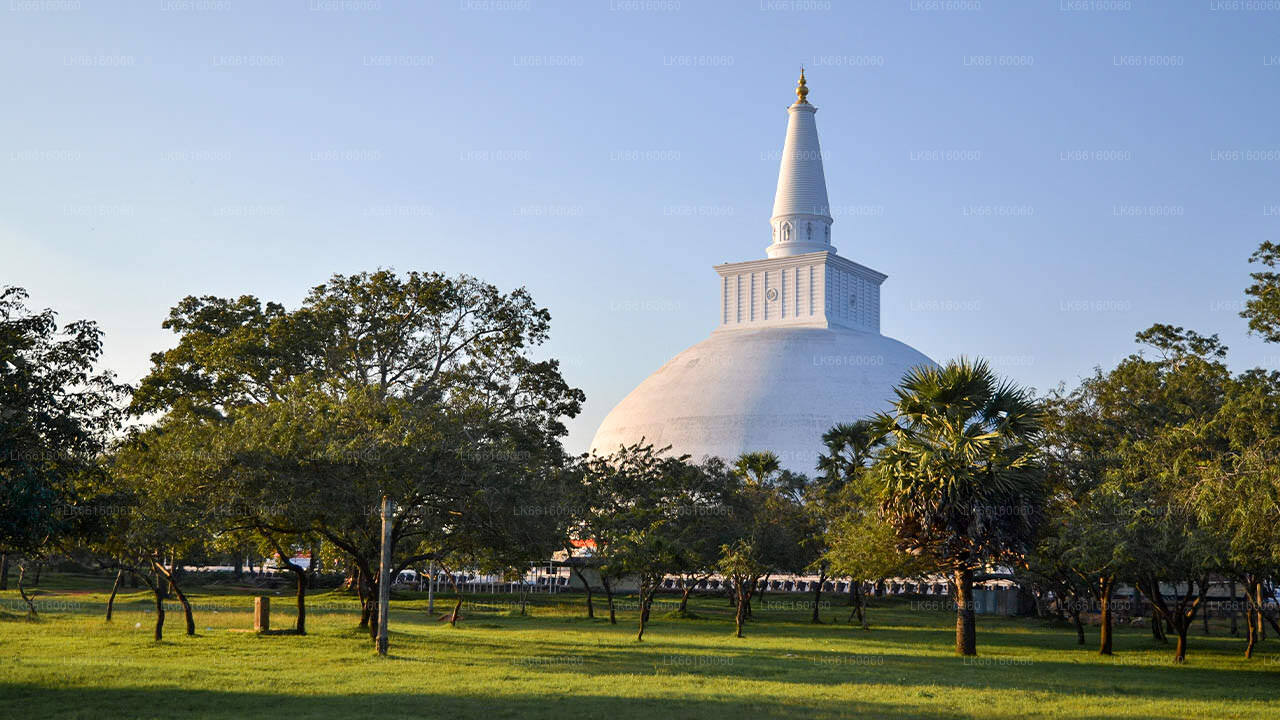
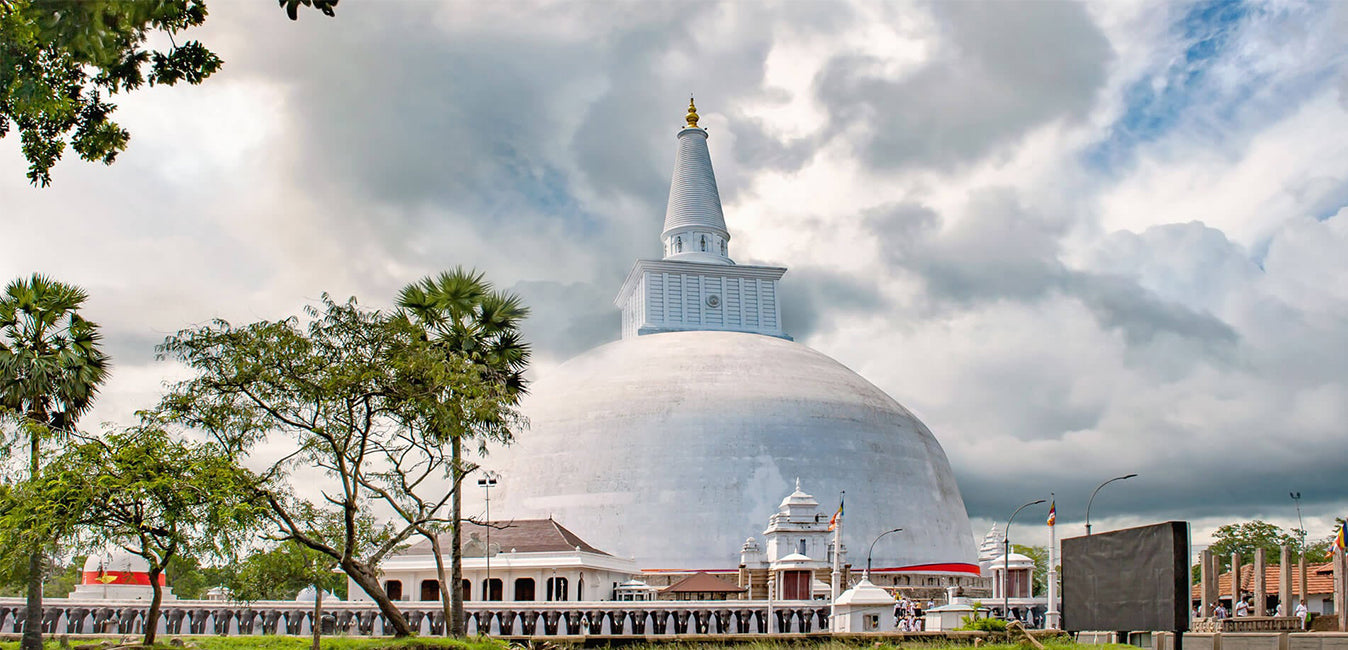
  • The Ruwanweli Maha Seya, also known as the Mahathupa (the Great Thupa) is a stupa (a hemispherical structure containing relics) in Anuradhapura, Sri Lanka. Two quarts or one Dona of the Buddha's relics are enshrined in the stupa, making it the largest collection of his relics anywhere. It was built by Sinhalese King Dutugemunu in c. 140 B.C., who became king of Sri Lanka after a war in which the Chola King Elāra (Ellalan) was defeated.

    Ruwanweliseya 
  • Thuparamaya is the first Buddhist temple that was constructed, after the arrival of mahinda thero(mahindagamanaya) in Sri Lanka. Located in the sacred area of Mahamewna park, the Thuparamaya Stupa is the earliest Dagoba to be constructed in the island, dating back to the reign of King Devanampiya Tissa (247-207 BC). The temple has been formally recognised by the Government as an archaeological site in Sri Lanka.

    Thuparamaya 
  • Lovamahapaya is a building situated between Ruwanweliseya and Sri Mahabodiya in the ancient city of Anuradhapura, Sri Lanka. It is also known as the Brazen Palace or Lohaprasadaya because the roof was covered with bronze tiles. In ancient times, the building included the refectory and the uposathagara (Uposatha house).

    Lovamahapaya 
  • Abhayagiri Vihāra was a major monastery site of Mahayana, Theravada and Vajrayana Buddhism that was situated in Anuradhapura, Sri Lanka. It is one of the most extensive ruins in the world and one of the most sacred Buddhist pilgrimage cities in the nation.

    Abhayagiri Stupa 
  • The Jetavanarama stupa or Jetavanaramaya is a stupa, or Buddhist reliquary monument, located in the ruins of Jetavana monastery in the UNESCO world heritage city of Anuradhapura, Sri Lanka. At 122 metres (400 ft), it was the world's tallest stupa, and the third tallest structure in the world when it was built by King Mahasena of Anuradhapura (273–301).

    Jetavanaramaya 
  • The Mirisaweti Stupa is a memorial building, a stupa, situated in the ancient city of Anuradhapura, Sri Lanka. King Dutugamunu (161 BC to 137 BC) built the Mirisaveti Stupa after defeating King Elara. After placing the Buddha relics in the sceptre, he had gone to Tissa Wewa for a bath leaving the sceptre.

    Mirisawetiya Stupa 
  • Lankarama is a stupa built by King Valagamba, in an ancient place at Galhebakada in the ancient kingdom of Anuradhapura, Sri Lanka. Nothing is known about the ancient form of the stupa, and later this was renovated. The ruins show that there are rows of stone pillars and it is no doubt that there has been a house built encircling the stupa (vatadage) to cover it.

    Lankarama 
  • Isurumuniya is a Buddhist temple situated near to the Tissa Wewa (Tisa tank) in Anuradhapura, Sri Lanka. There are four carvings of special interest in this Vihara. They are the Isurumuniya Lovers, Elephant Pond and The Royal Family. The ancient Meghagiri Vihara or Meygiri Vihara is presently identified as the Isurumuni Vihara.

    Isurumuniya 

Anuradhapura District

Anuradhapura is belongs to the North Central Province in to Sri Lanka. Anuradhapura is one of the ancient capitals of Sri Lanka, famous for its well-preserved ruins of ancient Lankan civilization. The city, now a UNESCO World Heritage Site, lies 205 km north of the current capital Colombo in Sri Lanka.

In the sacred city of Anuradhapura and in the vicinity are a large number of ruins. The ruins consist of three classes of buildings, dagobas, monastic buildings, and pokuna (ponds). The city had some of the most complex irrigation systems of the ancient world, situated in the dry zone of the country the administration built many tanks to irrigate the land. Most of the civilians are Sinhala, while Tamils and Sri Lankan Moors live in the district.

North Central Province

North Central Province which is the largest province in the country covered 16% of total country's land area. North Central Province consist two districts called Polonnaruwa and Anuradhapure. Anuradhapura is the largest district in Sri Lanka. Its area is 7,128 km².

North Central Province has numerous potentials for Investors to start their Businesses, especially Agriculture, agro based industries and Livestock sectors. More than 65% of North Central Province's people depend on basic Agriculture and agro base industries. NCP also called "Wew Bendi Rajje" because there are more than 3,000 medium and large scale tanks situated in the province. Sri maha bodiya, Ruwanweli seya, Thuparama dageba, Abayagiri Monastry, Polonnaruwa Rankot wehera, Lankathilake are Sacred
landmarks.